







The Steel Wire Armoured (SWA) cable serves as one of the essential components of modern power distribution and electrical infrastructure. SWA cable is famous for its unrivaled toughness. It stands up to industrial and civil engineering use because it can endure harsh weather conditions, physical strain, and severe impacts. But what is Steel Wire Armoured cable, and why is it so vital for secure power transmission? This guide will discuss the composition and uses of SWA cable and highlight its benefits over other types of cables. It doesn’t matter whether you are an electrical engineer, a contractor, or you’re just curious about powerful systems; this article will provide you with valuable information explaining why SWA cable is considered the backbone of armored power systems.
What is a Steel Wire Armoured Cable and How is it Used in Electrical Systems?
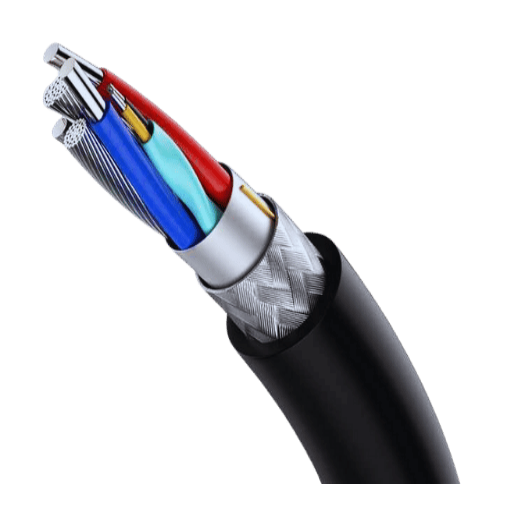
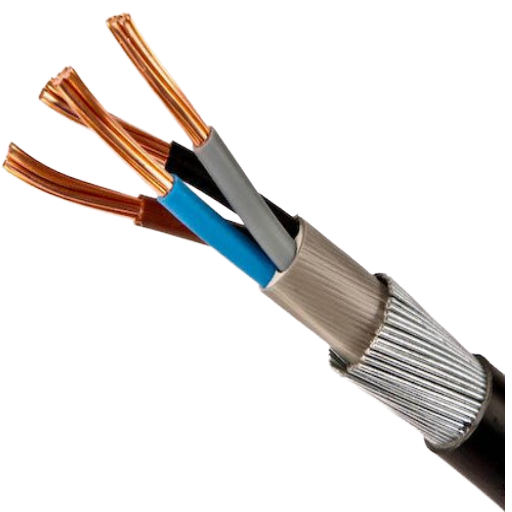
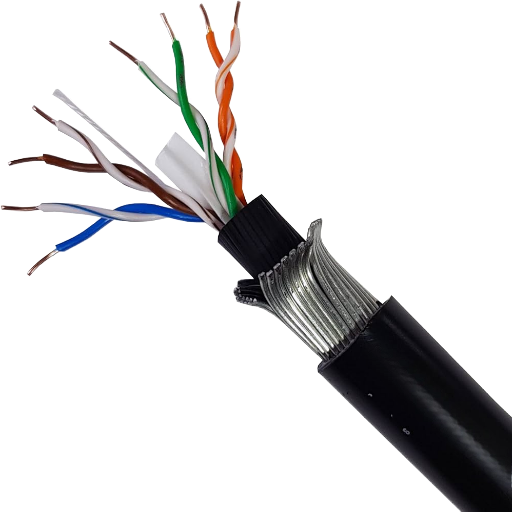
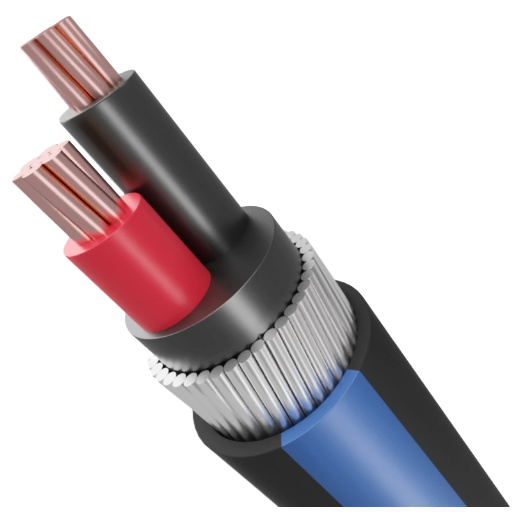
SWA or Steel Wire Armoured cables are a specialized type of electrical cables used for heavy-duty power transmission, providing exceptional mechanical protection. Building elements include insulated core conductors, inner and outer protective sheaths, and an intermediate steel wire-armed sheath, which offers strength and protection. The steel wire armoring permits use of the cable under external strain; therefore, making it ideal for underground, rough industrial settings, or places where mechanical impacts occur. Common applications of SWA cables include power distribution and other outdoor projects where there is a need for safety and durability.
Definition and Purpose of Steel Wire Armoured Cable
Steel Wire Armoured (SWA) cables are specialized mechanical and electrical power conduits built to withstand harsh environmental conditions. Their construction includes numerous protective layers of conductive materials and steel wire armoring, which aids in moisture and chemical protection, as well as physical impacts and strain. Recent market research shows that these cables play an essential role in the construction, energy, and telecommunication industries, which require steady and safe power distribution. Moreover, SWA cables are competitively adaptable for both underground and overhead installations, ensuring low-maintenance durability under extreme mechanical strain and harsh environmental conditions.
Common Applications in Power Distribution
Examples include system operations, rehabilitation of damaged systems, industrial activities and workshops, event operations, residential, commercial, and electrification of rural areas.
| Key Point | Details |
|---|---|
|
Industrial |
Tools, machinery |
|
Disaster |
Emergency power |
|
Events |
Lighting, gear |
|
Residential |
Home appliances |
|
Commercial |
Business needs |
|
Rural |
Remote areas |
|
Components |
Transformers, lines |
|
Protection |
Circuit breakers |
|
Voltage |
Regulators, control |
|
Delivery |
Substations, drops |
Advantages of Using SWA Cable in Underground Systems
- Durability: The environmental adaptability of SWA (Steel Wire Armored) cables makes them exceptionally resilient for installation underground.
- Mechanical Protection: The steel wire armor is a unique feature that provides mechanical protection to the cable against physical damage arising from external forces such as digging or heavy machinery.
- Corrosion Resistance: The materials used in SWA cables are designed to resist corrosion, making them suitable for soils that are moist or chemically aggressive.
- High Load Capacity: These cables are suitable for industrial and commercial power distribution because they can sustain high voltage and current loads.
- Fire Resistance: The use of SWA cables can increase safety in critical applications exposed to fire hazards, as they enhance the fire-resistant properties of a system.
- Ease of Installation: SWA cables, while being mechanically robust, have a flexible structure that makes them easy to install in underground systems, thereby lowering installation and labor expenditures.
- Safety: With the combination of the steel armor and additional protective layers comes improved electrical shielding, which reduces the likelihood of short circuits, thus improving system safety.
How Does Mechanical Protection Work in SWA Armoured Cables?
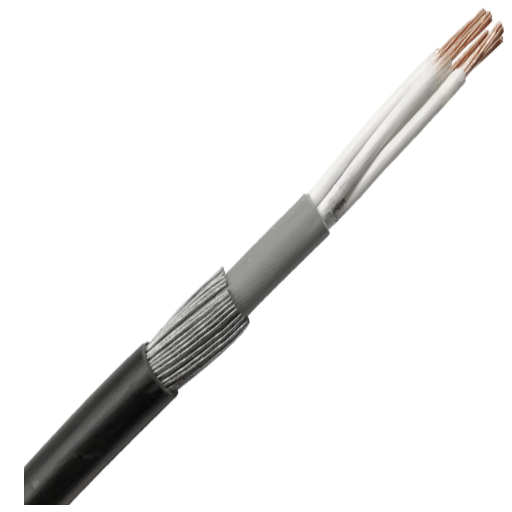
The Role of Armour in Ensuring Durability
In SWA tagged cables, the steel wire armor serves as a protective sheath that safeguards against compressive forces, impacts, and other forms of external mechanical stress. The external protective layer reduces the likelihood of deformation or breakage of the cable to a minimum, thus maintaining the integrity and functionality of the electrical conductors. Furthermore, by protecting the components from damage, the armor improves the reliability of the cable and prolongs its lifespan within operational harsh conditions.
Comparison with Other Types of Armoured Cable
While some cables, such as STA, AWA, and braided cables, provide limited, purpose-driven protective coverage, SWA cables offer robust physical stress defense using steel wire armor.
| Type | Armour | Material | Use | Strength | Flexibility | Cost |
|---|---|---|---|---|---|---|
|
SWA |
Steel Wire |
Steel |
Heavy-duty, underground |
High |
Low |
High |
|
STA |
Steel Tape |
Steel |
Fibre optics, buried |
Moderate |
Moderate |
Moderate |
|
AWA |
Aluminium |
Aluminium |
Single-core, AC systems |
Moderate |
High |
Moderate |
|
Braided |
Wire Braid |
Copper |
Signal shielding |
Low |
High |
High |
Impact of Galvanized Steel Wire in Armoured Power Cables
Galvanized steel wire (GSW) is pivotal in reinforcing the structural effectiveness and performance of armoured power cables. GSW’s corrosion resistance and tensile strength are critical when dealing with cables that are placed in harsh conditions, like underground, in industrial areas, or underwater. The galvanization process, which involves a zinc coating, safeguards the galvanized steel wire against moisture and chemical exposure, thus increasing the operational lifespan of the cable.
Moreover, GSW demonstrates improved performance in protecting the cable’s electrical conductors from fierce external forces and impacts. Recent studies within the sector reveal that armoured cables incorporating galvanized steel wire have reduced maintenance expenditure by 30% in harsh environments due to a decreased frequency of repairs and replacements arising from lower wear and tear. Altogether, GSW bolsters the construction and modern design of armoured cables, enhancing their resilience, dependability, and cost-effective servicing over time.
What Are the Key Components of a 3-Core SWA Cable?
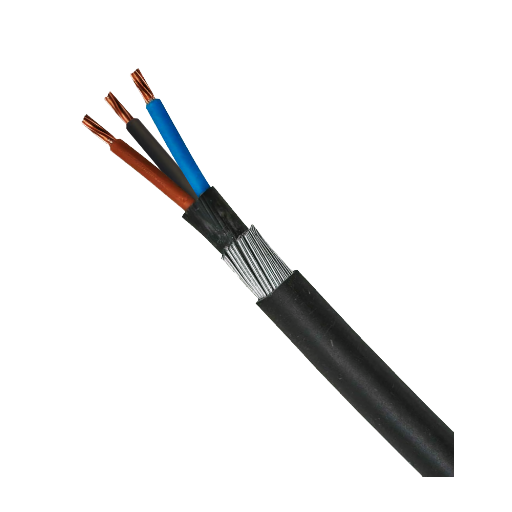
Understanding the Core Cable Structure
A core cable structure generally comprises a center conductor cable for energy transfer, an insulator, protective coverings, and an external sheath.
The Importance of Insulation and Conductor Material
To manage the flow of electrical energy, ensure safety, and avert any accidents, proper insulator and conductor materials must be used.
Role of LSZH in SWA Cables
The adoption of Low Smoke Zero Halogen (LSZH) materials is gaining traction in Steel Wire Armored (SWA) cables due to their primary safety advantages and environmental protective features. Halogen-free cables are specially manufactured to produce no halogen gases and negligible smoke during combustion – a quintessential feature for places where human life as well as equipment needs protection. Recent studies indicate that the implementation of LSZH in SWA cables has increased in transportation, data center, and even residential construction industries, where meeting strict fire safety requirements is a must. Moreover, the LSZH sheathing not only increases the life and functionality of the cable but also reduces maintenance service costs in the long run while reinforcing compliance with legislation concerning toxic emissions.
How to Choose the Right Cable Size for Your Electrical Needs?
Factors Influencing Cable Size Selection
- Current Carrying Capacity – The amount of current a cable can carry without overheating is crucial. This is dependent on the cable’s cross-section and the material from which it was made.
- Voltage Drop – Increased voltage drop can lead to poor performance of electrical machinery. The proper voltage level must be maintained to ensure that equipment and machinery perform effectively.
- Environmental Conditions – These pertain to ambient temperature, moisture exposure, or chemicals that may impact the performance of the cable and influence the sizing decision.
- Length of the Cable Run – A Reduction in voltage results in less power delivered. Longer cable runs may need to be oversized in order to compensate for resistive losses and desired voltage output.
- Type of Load – Different Electrical loads, including resistive, inductive, or even capacitive, can vary greatly and have differing requirements for cables.
- Mounting Location – Affects heat loss and the size of cable needed, which includes if air, open, subsurface, or buried in conduits.
- Future Expansion – Estimating higher potential use helps in justifying a larger cable size to accommodate strategic upgrades.
- Compliance with Standards – With respect to safe and economic operation of cables, international and country standards like IEC, NEC are essential.
Using a Cable Calculator for Accurate Measurements
Sufficient current supplies and charge transportation while minimizing voltage loss, as well as adhering to specified standards, are fundamental considerations for ensuring precision in cable sizing. Utilizing a cable calculator guarantees accuracy in measurement.
Compliance with British Standards in Cable Sizing
Following British Standards, especially BS 7671, in cable sizing guarantees correct current rating, voltage drop, and safety for low voltage cables up to 1000V AC.
Why is SWA Cable the Preferred Choice for Direct Burial and Outdoor Applications?
Benefits of Direct Burial with SWA Armoured Cables
- Durability: SWA (Steel Wire Armored) cables can withstand various forms of rough treatment, thereby exhibiting exceptional durability in direct burial and open environments.
- Corrosion Resistance: These outer sheath and armor parts capture water, chemicals, and other corrosive elements that may penetrate the ground, thus providing them with exceptional protective factors.
- Enhanced Safety: With the mechanical protection SWA provides, there is less chance of the cable being damaged accidentally, thus providing reliable performance in harsh environmental conditions.
- Load Bearing Capacity: SWA cables are highly stressed and strained due to ground movement, therefore, their use in areas where stability is essential is more feasible.
- Versatility: In transmission of electrical power and for industrial use, these cables are made in different dimensions and shapes to conform to the standards of practical uses.
- Ease of Installation: The installation of the cables is straightforward, as they only require placing in trenches and conduits, and thus ensuring the direct burial step is less complicated.
- Cost Effectiveness: SWA cables are cost-effective in prolonged installations because they require minimal maintenance, resulting in lower maintenance costs.
Protection Against Environmental Factors
- Moisture Resistance: SWA cables are equipped with robust moisture-resistant capabilities, making them appropriate for wet environments and even damp places like underground installations.
- UV Protection: The outer insulation of SWA cables is protected from UV radiation, and thus will not be damaged through sunlight exposure for extended periods.
- Corrosion Resistance: The SWA cables’ armor of steel wire helps prevent corrosive damage even in aggressive, chemically active, and coastal environments.
- Temperature Tolerance: Extreme temperatures and both intense heat and cold will not damage these cables, making their functionality wide-ranging.
- Mechanical Stress Resistance: The cables’ robust construction guarantees a protective steel barrier against physical impacts, which is crucial for areas with heavy foot traffic or weight load, ensuring durability.
- Fire Retardancy: In case of exposing certain types of SWA cables to fire, their fire-resistant design minimizes associated risks.
- Protection Against Pests and Rodents: The internal wiring of these cables can be protected from damage caused by pests and rodents as a result of the steel wire armor acting as shielding.
These characteristics enhance the dependability of SWA cables in harsh environmental conditions.
Cost-Effectiveness of Using Armoured Cable Usually
Utilizing armoured cable saves costs largely because it alleviates the need for extra protective layers like conduits or external shields, which require significant time and money to install. Moreover, in my opinion, its resilience against harsh conditions further lowers maintenance requirements and long-term replacements, boosting its overall economic value.
Frequently Asked Questions (FAQs)
Q: What is meant by a steel wire armoured cable?
A: This is a cable that consists of a protective covering made of steel wire, which shields the cable from mechanical harm. It is mostly used in the distribution of electricity.
Q: What are the reasons for incorporating steel wire armor onto the cables?
A: The steel wire armor serves the purpose of shielding the internal parts of the cable from mechanical impacts, strain from the environment, as well as several other harsh conditions. This applies very well to power distribution systems or ducts.
Q: In what ways are the steel wire armor and aluminium wire armor different in characteristics?
A: Aluminium wire armor would be a better choice for applications where weight is a chief consideration because it is lighter than steel wire armor. However, steel wire armor offers greater protection, which is more desirable in heavier pulling load environments.
Q: What unique features do low-smoke, zero-halogen cables offer?
A: These cables are especially manufactured to emit very little smoke and no halogen gases, which makes them safer for use in public spaces by reducing exposure to toxic gases during a fire.
Q: What is the purpose of armouring in cables?
A: Armouring in cables serves the purpose of preventing the impact of mechanical stress and environmental factors on the inner electrical parts, protecting the system from potential failures.
Q: What applications are low-voltage armoured cables suited for?
A: Low-voltage armoured cables are meant for skeletal frameworks and additional mechanical protection such as rough use in power distribution systems, industries, or outdoor environments.
Q: Can single-core cables be armoured?
A: Single-core cables can undergo armouring, but it is common to use aluminum wire instead of steel wire for armouring due to magnetic interference issues with steel wire armor.
Q: What is the role of XLPE in armoured cables?
A: XLPE, or cross-linked polyethylene, provides insulation with a high degree of thermal resistance, electrical insulation, and protection from environmental aspects, thus survives degradation.
Q: What are the benefits of using steel tape armoured cables?
A: Steel tape armoured cables are heavily mechanically protected, which makes them underground and industrial crush resistant, and impact resistant.
Q: How are multicore versions of the cable different?
A: Multicore versions of the cable contain multiple conductors within a single insulated sheath. This enables transmission of multiple electrical signals or power circuits, which simplifies installation and saves space.
Reference Sources
1. Tensile Testing and Finite Element Analysis of Submarine Optical Fiber Composite Power Cables with Flat Steel Wire Armoring
- Authors: Wang Wenchang and his co-authors.
- Published: 2019
- Overview: The work revolves around conducting a tensile test and finite element analysis on a particular kind of submarine cable with flat steel wire armoring. The study probably has a significant experimental work component to determine how the cable with flat steel wire armor responds to tensile forces, along with some simulation work to model the response of the cable to different loads.
- Important Results: Such investigations would enhance knowledge about the strength and functionality of the cable, which is essential for its use in underwater applications (Wang et al., 2019).
2. Electromagnetic Modelling of a Steel Wire Armoured Cable
- Author: R. Ireland
- Publication Date: 24-05-2004
- Summary: This document presents the electromagnetic modeling of steel wire armoured cables, which is important concerning their application in electrical systems. The research most probably uses some simulation methods to model the electromagnetic fields around the cable and evaluate its effectiveness in different situations.
- Key Findings: The results of this study would improve the design and refinement of steel wire armoured cables in electrical systems for proper functionality(Ireland, 2004).
3. Operation Analysis Armoured Power Cable of Single-core Steel Wire
- Author: L. Yong
- Year of Publication: 2005
- Overview: This article discusses the operational analysis for power cables of armoured single-core steel wires. The research might concentrate on the performance tests carried out under varying operational conditions to ensure effectiveness and dependability for the cables used in power distribution.
- Main Contributions: As indicated in the publication, the research would complement other studies carried out in the field and supplement information regarding the operational factors and restrictions of single-core steel wire armoured cables (Yong, 2005).
4. Electrical Power Cable Engineering – CRC Press – This document covers the protective armoured cables and their specifications, along with steel wire armours.
5. Oceanographic Electro-Mechanical Cables – Albert G. Berian – This paper incorporates considerations regarding the inspection and servicing of cables’ steel wire frame structures.