






The right components for a solar power setup determine its reliability, from efficient performance to versatility. One of the top core components, the 6mm twin core solar cable ensures safety optimization and performance boost tailored for photovoltaic solar systems setups. This article will explore various applications of the proper selection of solar cables, highlighting the 6mm twin core’s advantages. The information shared will be valuable for residential, commercial, and larger-scale photovoltaic projects and for determining how selecting the right solar cable can impact the project. Keep reading to uncover these untapped secrets of solar setup enhancements.
What is a Twin Solar Cable and How Does it Work?
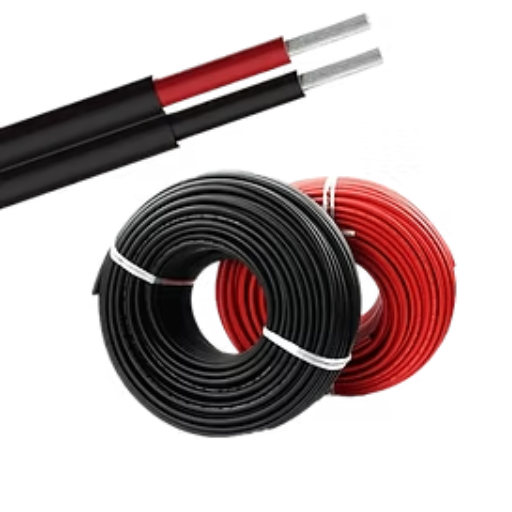
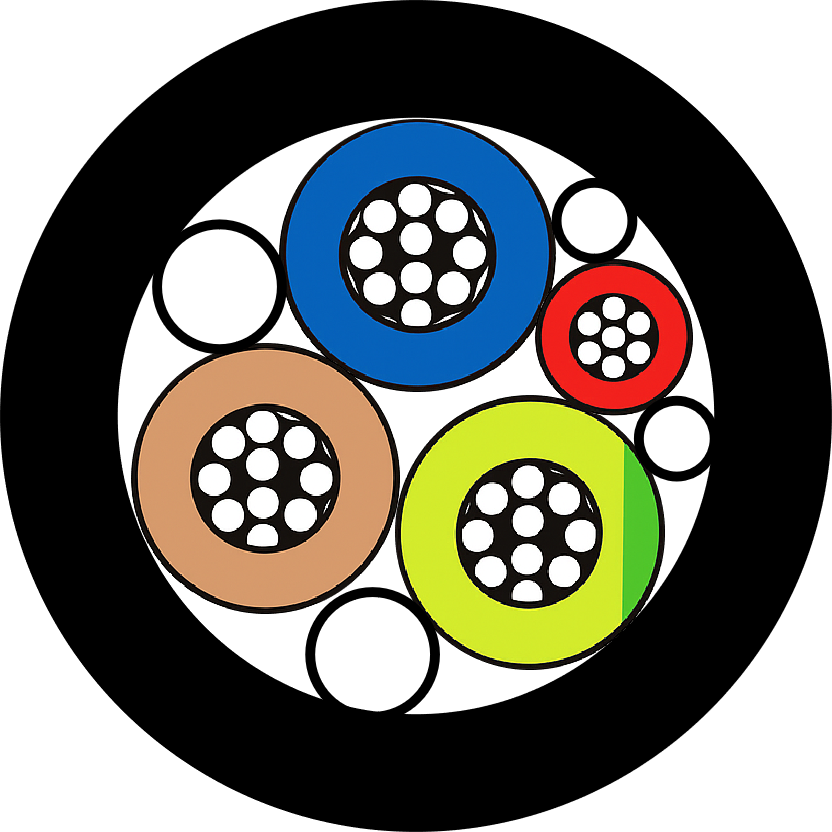
A twin solar cable is an electrical cable tailored explicitly for installation in solar power systems. It consists of a pair of copper conductors, each with plastic insulation, usually bound together. This arrangement enables positive and negative connections that send the power a solar panel produces to an inverter or its associated parts. This configuration optimizes energy transfer, reduces power loss, and increases resistance to outdoor conditions. Twin solar cables are ultraviolet resistant, weather sealed, and can endure high temperatures, making them suitable for prolonged exposure in different environments. Their strong construction correctly supports the dependability and safety of solar installations.
Definition and Characteristics of Twin Core Solar Cable
Twin-core solar cables are commonly used in photovoltaic (PV) systems for connecting solar panels with charge controllers, inverters, and batteries. Twin-core cables are designed to carry both positive and negative currents in one wire. This dramatically simplifies mounting. The cables are designed to have minimal power loss and sustain high energy transmission efficiency over long distances. Moreover, twin-core solar cables have advanced insulation materials that resist ultraviolet radiation, extreme temperatures, and harsh weather conditions, which ensures that they perform optimally for an extended period. Twin-core solar cables are built to comply with international safety standards, which makes them reliable for use in diverse solar energy projects ranging from residential to large-scale commercial installations because they do not easily catch fire.
How Does PV Cable Function in a Solar Panel System?
Correctly transferring electricity within a solar panel system would not be possible without PV cables. These cables, alongside the help of an inverter, connect the solar panels (photovoltaic modules) to the electrical grid or battery storage system. Like current (DC), PV cables facilitate the electricity generated in the photovoltaic cells. Their strong insulation protects against environmental elements like moisture, UV radiation, and temperature fluctuations, allowing safe energy transmission. Furthermore, because PV cables reduce power loss during transmission, solar panel systems become more efficient and steadfast, proving their importance as a renewable energy source.
Benefits of Using Twin Solar PV for Solar Power Applications
- Enhanced Energy Efficiency
Rowing Twin Solar PV systems use state-of-the-art bifacial panel technology and capture the maximum solar power available. Bifacial panels have greater energy output compared to traditional solar panels because sunlight is captured on both sides. Thus, fewer additional panels are needed, which lowers the cost of installation.
- Durability and Longevity
Because of the new materials used and robust structural designs on Twin Solar PV panels, they are now more resistant to environmental wear. Severe weather like hail, high winds, and extreme temperatures are no longer an issue. Because of the new durability standards, the panels have a longer lifespan and offer a better return on investment.
- Reduced Land Use
Maximizing energy per panel with Twin Solar PV systems is now easier, reducing the space required for installations. This is advantageous in densely populated urban areas with expensive land, along with small ground-mounted systems.
- Eco-Friendly Energy Generation
Twin solar PV panels produce clean, renewable energy without reliance on fossil fuels. The panels significantly reduce the carbon footprint and align with the global goals of sustainable clean energy.
- Improved Energy Yield
Innovative engineering of twin solar PV systems now provides more power during low-light conditions such as early mornings, evenings, or overcast days. Their energy yield consistency makes them suitable for diverse and harsh geographic locations.
Utilizing the developments made in Twin Solar PV technology improves the efficiency, reliability, and sustainability of solar power applications, which helps transition towards cleaner energy alternatives worldwide.
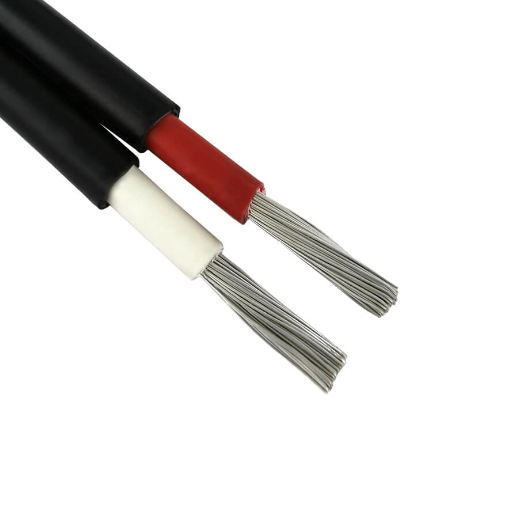
- High Durability: Built to last in challenging environments that involve UV rays, extreme temperatures, and moisture to ensure reliability for a long time.
- Excellent Electrical Conductivity: It uses copper conductors, allowing for efficient energy flow and power with minimal energy wastage.
- Double Insulation: Provides extra protection from electric hazards and shields against wear and tear over time.
- Flame Retardant: Designed with materials used to mitigate fires, which can be helpful in hazardous environments.
- Weather Resistance: Provides protection from ozone and other corrosive chemical agents when placed outside.
- Compatibility: Able to integrate with multiple solar power systems and connectors.
All of these features allow 6mm Twin Core Solar Cable to sustain efficient, secure energy transmission in photovoltaic installations.
Insulation Types and Materials in Solar Cable
Properly selecting materials for photovoltaic systems, including solar cable insulation, is critical for their reliability and safety. The most frequently used conceal materials are listed below:
- Cross-linked Polyethylene (XLPE): This material is highly resistant to heat, abrasion, and UV rays, making it suitable for outdoor installations. In terms of long-term reliability, XLPE insulation has impressive chemical resistance and can withstand up to 120°C.
- Abstract Elastomer (TPE): TPE’s flexibility and toughness make it preferable for designing solar cables. In addition, TPE’s resistance to extreme temperatures and weather makes it suitable for various environments.
- Ethylene Propylene Rubber (EPR): EPR is often selected for its durability, excellent electric insulation, and wind resistance, especially in high temperatures and moisture-prone areas.
These materials enable solar cables to withstand damaging operational conditions while guaranteeing effective and safe energy transmission. The type of climate, along with the installation requirements, often determines what type of insulation materials should be used.
Comparison of 6mm and 4mm Twin Core Solar Cables
6mm cables have a larger current carrying capacity and longer reach with minimum energy loss than 4mm cables, which are more economical and fit for smaller systems with shorter runs.
| Parameter | 6mm Cable | 4mm Cable |
|---|---|---|
|
Current |
50A |
30A |
|
Voltage |
1.5kV |
1kV |
|
Distance |
Long |
Short |
|
Efficiency |
High |
Moderate |
|
Cost |
Higher |
Lower |
|
Usage |
Large systems |
Small systems |
Understanding the Connector Options for PV Systems
Understanding available options and the choice of connectors is critical for achieving working performance and safety in photovoltaic (PV) systems. The leading followers for PV systems are MC4 connectors (Multi-Contact, 4 mm). Their ease of installation, robustness, and weatherproofing ensure their popularity. In residential or commercial PV installations, MC4 connectors have high voltage, high current, and power handling capabilities.
Alternative connector options are MC3 connectors, which have an older standard. Due to less weather resistance and poor lock capability, they were replaced by MC4. Other options are Amphenol connectors and other proprietary sockets that can be used in specific systems, mainly if bespoke equipment design requires direct integration.
A careful selection of a connector makes a difference in combination with other elements like supplied cables, current capacity, temperature and humidity, voltage limits, and lifetime estimation. Properly matched, installed, and weathertight connectors prevent power loss and PV system operational efficiency deterioration. Follow recommendations from manufacturers and industry standards during the selection and installation of connectors.
How to Choose the Right Solar Cable for Your Project?
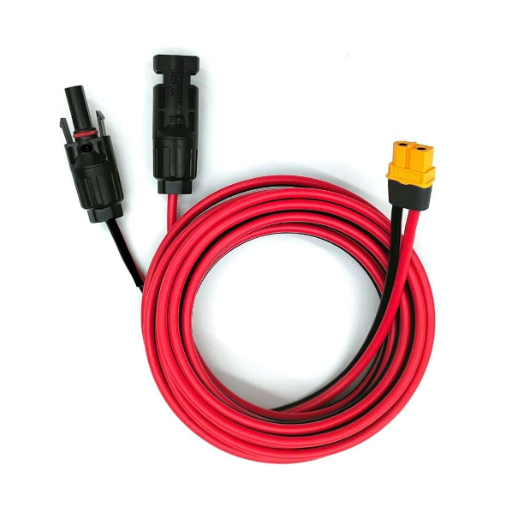
- Cable Type: These cables must be solar-rated to facilitate photovoltaic (PV) systems. They are also insulated for UV, high temperature, and outdoor exposure.
- Voltage Rating: To avoid overheating and damage, make certain that the cable’s voltage rating is compatible with your solar system’s requirements.
- Wire Size (Gauge): Choose the appropriate size based on the current your system will carry and the traverse distance. Undersized cables are bound to incur vast energy loss and safety hazards.
- Temperature Resistance: Select cables that endure maximum temperature limits within the installation environment.
- Durability: The cables selected should withstand weather, abrasion, and chemical damage while maintaining the system’s reliability.
- Compliance: Check whether the cables pass an industry test regarding safety and performance, such as UL or IEC rating, which are standards of certification.
Factoring all these… allows smooth operation of a solar system effectively and safely throughout its predictable lifespan.
Factors to Consider When Selecting PV Cable
Utilizing the most recent data and professional recommendations may enhance your decision-making when selecting PV cables for your solar installation. Current industry insights suggest keeping in mind the following considerations:
- Temperature Rating: Modern PV cables have the potential to withstand extreme temperatures. Ensure the selected cable can withstand severe cold and hot temperatures, aligning with your location.
- UV Resistance: Selecting cables with strong resistance to PV Sun and UV rays is paramount as these cables will be exposed to direct sunlight and heat for extended periods throughout daily use.
- Voltage Rating: Review your system’s maximum voltage to ensure the cables’ PV will be rated for high voltages and that safety is not compromised.
- Cable Certification: More recent advisory standards focus on safety and performance compliance, which solar installation cables must meet. Such standards include TÜV, UL 4703, or EN 50618; thus, prioritizing these solar cables would be advisable.
- Flexibility and Ease of Installation: The installation of thin-film and bifacial solar panels often necessitates using flexible cables for easy connection. Products that have improved bend radii will facilitate routing and enhance the ease of connection with solar panels.
- Fire Resistance: Recent trends highlight emphasizing safety; with that being said, PVC cables must be selected to be manufactured from fire-resistant materials. Cables free from halogens are preferred as they reduce the danger of insulation failure.
Using these updated criteria will help ensure that your PV cable selection process meets the most recent standards for safety, efficiency, and longevity in the solar system. Make sure to analyze the industry trends carefully to anticipate the future needs of your solar installations.
Importance of UL and TUV Certifications
The importance of PV cables used in commercial and industrial solar installations must be paired with equally important certifications that qualify a
product’s safety, efficacy, and integrity. Here comes UL (Underwriters Laboratories) and TUV (Technischer Überwachungsverein) certifications, which ensure reliability, allowing the purchaser to rest assured that the products will be put through necessary validation processes.
The PV accessories bearing UL certification boost trust for industries in North America as it authenticates that the structure’s components are protected from fires, weathering, and corrosion and meet the region’s prescribed electrical integration guidelines. Likewise, TUV certification equally supports cables used in Europe, Britain, and many other countries, ensuring compliance with mechanical, thermal, and environmental standards, fit for photovoltaic parts.
Purchasing PV products with these two certifications not only protects against system defects and malfunctions but also aids in installation safety, compliance, and usage retention in several countries. New regulations are now in place for installers and purchasers, providing assurance of investments made into the solar systems.
What to Look for in a Good Quality Twin Core Solar Cable
Understanding how to choose a quality twin-core solar cable requires paying attention to several factors that concern the durability and performance of the cable. First, the materials comprising the twin-core solar cable also matter. The cable’s conductors should be made with high-grade materials such as tinned copper, which is known for its excellent conductivity and resistance to corrosion. Moreover, ensure that the insulation and sheathing are composed of weatherproof and UV-resistant compounds to protect the cable from environmental conditions like sun exposure, rain, and extreme temperatures.
Moreover, the cable should be certified with relevant standards like IEC, EN, or UL, which ensures that the cable is safe and compliant. Solar panel cables need to possess sufficiently large voltage and current ratings to handle the power generated by the transformer and increase the efficiency of the solar panels. The twin-core solar cable should also have flexibility to ease routing and installation around different mounting structures.
Last, trusting a reputable supplier or manufacturer known for their solar industry products guarantees the reliability and long-term performance of the cable. Observing all these pointers guarantees that the twin-core solar cable you’re purchasing will enhance the efficiency and longevity of your renewable energy system
How to Properly Install and Maintain Your Twin Solar PV Cable?
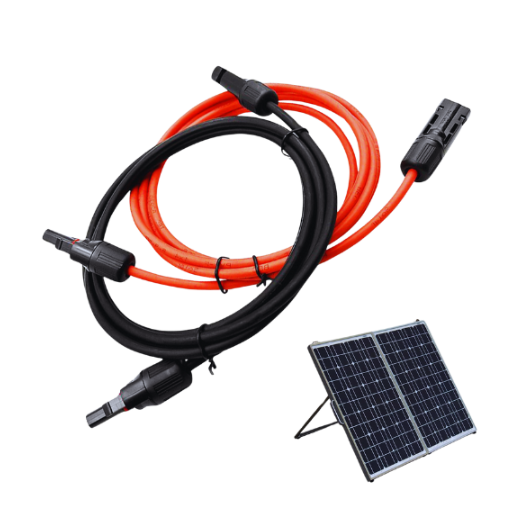
- Plan the Installation
Ensure the cable length is enough to integrate all components without causing undue strain due to tension or slack. To avoid damage, avoid sharp bends and tightly wound loops.
- Secure the Cables
In regards to fastening the cables to mounting structures, use cable ties or clips that are UV resistant. Confirm that the cable ties are secured but not over-tightened so that insulation damage can occur.
- Protect from Exterior Damage
Prevent the cables from being damaged by environmental factors such as direct streams of heavy water flow, soil exposure, or contact with moving parts, which can lead to scratching. In high-risk areas, use tubes or conduit with additional protective covering.
- Follow Polarity Guidelines
Be cautious with connections to avoid electrical problems. Consult the manufacturer’s guidelines to ensure proper installation steps are followed.
Conduct checks for wear and tear, damaged areas, and loose connections. If issues are found, resolve them immediately to maintain safety and efficiency.
Observing these instructions will help mitigate the risks of damaging your twin solar PV cables and prolong the durability of your entire solar energy system.
Installation Guidelines for Solar Cable
Like any electrical component, solar cables need to be installed with specific attention to detail relating to cable sizing, routing to avoid damage, tightening to adhere to safety and weatherproofing standards…
| Parameter | Details |
|---|---|
|
Cable type |
Single/Twin Core |
|
Sizing |
Matches amp needs |
|
Routing |
Avoid sharp edges |
|
Fastening |
Use ties/clips |
|
Weatherproof |
UV/Waterproof |
|
Bending |
Maintain radius |
|
Separation |
Isolate circuits |
|
Safety |
Follow codes |
Maintenance Tips for Ensuring the Longevity of PV Wire
You want to follow proper maintenance practices to address the lifespan and efficiency concerns of PV Wire in your solar installations. Below are five maintenance practices presented.
- Regular Inspection
Check periodically for external signs of wear or damage attributable to weather conditions or animal activities.
- Secure Connections
Check that the wire connections are tight. Loose wire connections lead to contact sparking, overheating, or energy loss.
- Cleanliness.
Ensure no dirt, debris, or moisture accumulates on the wires and connectors for optimal electrical performance.
- Excessive Stress.
Applying excessive mechanical stress or tension to PV wires makes them susceptible to breakage or insulation damage.
- Verify Weatherproofing
Coatings and seals that protect from UV and water exposure need to be checked regularly for their integrity to ensure no environmental degradation.
Reference Sources
- “Multi-objective coupling optimization of electrical cable intelligent production line driven by digital twin” (Yuan et al., 2024, p. 102682)
- Key Findings:
- Proposed a digital twin-based multi-objective coupling optimization method for electrical cable intelligent production lines.
- The method can effectively optimize the production line parameters and improve production efficiency.
- Methodology:
- Developed a digital twin model of the cable production line to simulate the production process.
- Used multi-objective optimization algorithms to optimize the production line parameters, such as production speed, temperature, and tension.
- Validated the proposed method through experiments on a real production line.
- Key Findings:
- “Research on digital twin operation and control method and application of high-voltage cable” (Wang et al., 2024)
- Key Findings:
- Established a high-voltage cable digital twin operation and control system.
- The digital twin system can provide real-time monitoring and intelligent control of high-voltage cable operations.
- The proposed method can improve the stability and reliability of high-voltage cable projects.
- Methodology:
- Analyzed the principles and methods of high-voltage cable digital twin operation and control.
- Studied the characteristics and construction of high-voltage cable digital twin models.
- Developed a high-voltage cable digital twin operation and control platform for cable tunnels.
- Key Findings:
- “A digital twin model of the axial temperature field of a DC cable for millisecond calculations” (Chen et al., 2024)
- Key Findings:
- Proposed a digital twin model for predicting the axial temperature field of a DC cable.
- The model can perform millisecond-level temperature calculations, enabling real-time monitoring and control of cable operations.
- Methodology:
- Developed a finite element-based digital twin model to simulate the thermal behavior of the DC cable.
- Validated the model’s accuracy through experiments and compared it with traditional simulation methods.
- Integrated the digital twin model into a real-time monitoring and control system for DC cable operations.
- Key Findings:
Frequently Asked Questions (FAQs)
Q: What is a 6mm Twin Core Solar Cable?
A 6mm Twin-Core Solar Cable is a type of photovoltaic cable designed for solar power systems. It consists of two cores that allow for the efficient transmission of electricity generated by solar panels.
Q: How does a twin-core solar cable differ from a single-core solar cable?
A: A twin-core solar cable contains two conductors, which makes it suitable for certain configurations in solar photovoltaic systems, while a single-core solar cable has only one conductor and is typically used for different applications.
Q: What is the purpose of a junction box in a solar installation?
A: A junction box connects multiple solar panel connectors and manages the wiring of the solar photovoltaic system. It helps protect the electrical connections from environmental factors.
Q: Can I use a 6mm twin-core solar cable for my solar panel optimizer?
A: A 6mm twin-core solar cable can be used with solar panel optimizers, ensuring efficient energy harvesting and management in your solar photovoltaic system.
Q: What are the typical applications for a twin-core solar cable?
A: Twin-core solar cables are commonly used in solar power panels, solar branch connections, and installations where multiple solar panels are connected to a single DC solar cable.
Q: Is a 6mm twin-core solar cable suitable for outdoor use?
A: Yes, a 6mm twin-core solar cable is designed for outdoor use and is UV resistant, making it ideal for solar installations exposed to the elements.
Q: What should I consider when selecting a solar cable harness?
A: When selecting a solar cable harness, consider the type of cables (such as 4 mm2 solar or 6mm twin core), the environmental conditions, and the specific needs of the solar industry, including compatibility with solar connectors and junction boxes.
Q: How can I ensure the quality of my twin-core solar cable?
A: To ensure quality, purchase from a reputable twin-core solar cable factory that meets TUV solar cable standards and provides copper wire conductors essential for efficient energy transmission.
Q: What is the importance of using solar fuse connectors in a photovoltaic system?
A: Solar fuse connectors are crucial as they protect the system from overcurrent situations, ensuring the safety and longevity of the solar power cable and connected components.
Q: Can I connect different sizes of cables, such as 2.5 mm2 or 4 mm2 solar wires, in my installation?
A: It is generally not recommended to mix different sizes of cables in a solar installation without proper calculation and design, as this can lead to inefficiencies or potential damage in the system.