







Underground electricity lines represent the modern solution to an age-old challenge: efficient and safe delivery of power to homes, businesses, and communities. While overhead power lines pose a weather and environmental hazard, underground line systems serve as a hidden yet crucial infrastructure in our day-to-day lives. Theoretically, we have analyzed the benefits of underground electric lines: increased reliability, safety, aesthetics, and environmental advantages. Join us to explore how this modern approach to energy distribution is forging the future of cities and our interaction with power.
Introduction to Underground Electrical Lines.
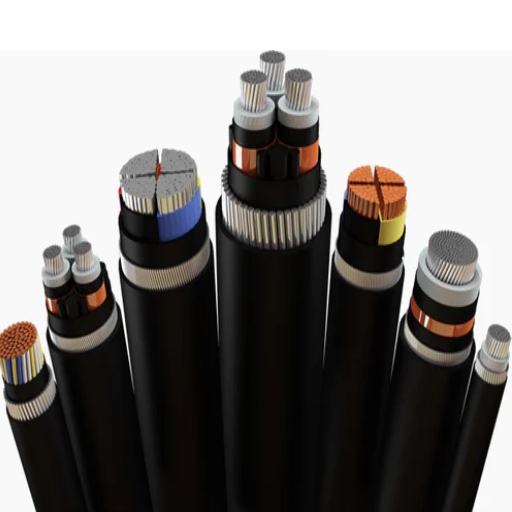
The underground cabling system consists of power cables that lie under the earth’s surface to distribute electric power. These systems help promote the reliability of power delivery by mitigating weather-induced disruptions such as storms or high winds. These systems also mitigate the chance that a human may inadvertently touch a live wire ring, thus greatly enhancing safety. It also strikes an aesthetic advantage by keeping the wires apart that clutter the overhead view. Furthermore, from an environmental standpoint, underground lines fare better since they require less tree trimming and interrupt fewer natural habitats.
What are Underground Power Lines?
Underground power lines are a more efficient option when compared to conventional overhead systems. One major advantage is weather-related strong storms. Data shows that regions with underground infrastructure have fewer outages than those with overhead lines during hurricanes, tornadoes, or ice storms. For instance, a study by Edison Electric Institute showed that the underground power systems brought about up to a 60% decrease in outage rates in areas that were vulnerable.
60%
An added advantage is that underground lines will undergo little maintenance over time as they are conceived of as being circumvented from external damages caused by falling trees, heavy winds, or vehicular impacts. This further bolsters energy reliability while decreasing repair costs. A report by utility companies suggests that underground systems decrease the long-term costs of operation despite their high initial installation cost, which can vary from $1 million to $5 million per mile depending on local geography and density of the area.
Environmentally, these subterranean lines aid in the conservation of natural landscapes by lowering the necessary tree trimming and decreasing habitat disruption. There is a particular appeal in urban and suburban areas, as they are free from poles that obstruct the skyline.
Despite greater upfront investment, several regions are shifting toward underground power lines more and more, given that they can provide a solution that is safer, more reliable, and very much in tune with the visuals of their location on an aesthetic level.
Comparison with Overhead Power Lines
Each of the underground and overhead power lines presents an advantage and a disadvantage, thereby making it an application-dependent consideration. The overhead lines are cheaper and quicker to install, with average installation costs of about $200,000-$250,000 per mile. They present a big advantage when there is help from adverse weather conditions, such as high winds, ice storms, or trees falling, often resulting in outages and repair costs.
By far, underground power lines have better reliability. Besides being shielded from weather impact, they face significantly fewer outages. According to industry analysis, an underground power system experiences 50% to 60% fewer outages compared to an overhead power system. Installation costs, however, are their tradeoff, ranging from $1 million to $3 million per mile, depending on location and soil condition. Repairs to underground lines may be more arduous and time-consuming due to the issue of access.
| Aspect | Underground Lines | Overhead Lines |
|---|---|---|
| Installation Cost | $1M – $5M per mile | $200K – $250K per mile |
| Outage Reduction | 50-60% fewer outages | More weather-vulnerable |
| Maintenance | Lower frequency, higher complexity | Higher frequency, easier access |
| Aesthetics | No visual impact | Visible poles and wires |
| Environmental Impact | Less habitat disruption | Requires tree trimming |
In the eyes of the environment, underground lines provide more benefits as they are less disturbing to natural ecosystems and help to protect the scenic value of landscapes. Overhead lines are often at the cost of deforestation and maintenance, which can interfere with local habitats.
Hence, the choice between the two systems becomes a balancing act involving initial investments against long-term reliability, maintenance costs, environmental effects, and aesthetics. In the meantime, the trend toward underground systems is gaining momentum in cities and suburbs that focus on resilience and sustainability, despite overhead infrastructure remaining preferable for cost-conscious projects in rural areas.
Benefits of Undergrounding Power Lines
The advantages that underground power lines offer are countless and have led to the growing popularity of underground lines in urban and suburban areas.
Enhanced Reliability
The first and foremost advantage is that these lines have a better reliability rate due to the low incidence of weather-related damages-such as storms, high winds, and falling trees. This enhances the resilience of the electrical grid during unusual weather conditions, causing a reduction in outages, thereby providing an uninterrupted supply of power.
Improved Safety
The second safety issue eliminated by underground lines is that downed overhead wires are hazardous; some hazards include electrocution and fire. This line of defense continues with aesthetic impact, where underground wires do away with ugly poles and wires to lay an extra coat of beauty on the landscape.
Long-term Cost Benefits
The high initial installation cost is offset by the low maintenance cost of underground power lines, which also serve for much longer, hence long-term cost benefits.
Environmental Advantages
Underground lines fare better since they require less tree trimming and interrupt fewer natural habitats, making them an environmentally conscious choice for modern infrastructure development.
Considering all of these merits, it is likely that undergrounding will become a popular choice in the service of a modern electrical infrastructure.
Installation of Underground Power Lines
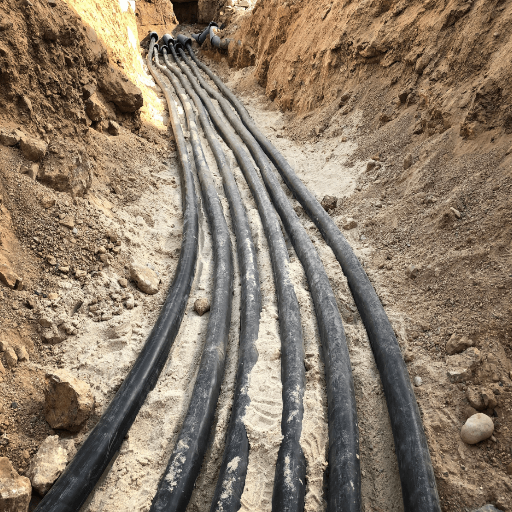
There are several reasons for installing underground powerlines for their efficiency and reliability. Trenches are first dug for laying conduits through which the electrical cables are to be run. Then the power cables are carefully laid within the conduits to protect them from any damage that may be caused. Further insulation and waterproofing are applied to protect the system from moisture and other external factors. After the underground installation, the trenches are backfilled and the surface restored. Present during the process are local utility companies to ensure their work will not cause disruptions and comply with regulations.
Planning and Design Considerations
Underground system implementation must undergo effective planning and design. The design must fix certain major considerations, such as locating the most efficient routing of conduits with minimum obstruction, exchange, or conflict with other infrastructures. Performing the necessary site investigation and checking with the local utility service prevents accidental interference with other underground services. Environmental and geological studies should also be carried out to ensure that the designs conform to site-specific conditions such as the soil type, groundwater level, and terrain stability.
Lastly, scale-up and maintenance provisions should be adequately made, requiring the design of pathways that can also be converted to house additional conduits or for an upgrade as technology advances. On consideration of materials for conduits and insulation, the final selection should be for long life and considering cost-effectiveness and environmental impact, and ensuring reliability based on local statutes. Safety considerations along the line, incorporating utility markers and easy-to-access inspection points, would additionally reduce maintenance costs and pre-empt expensive repairs.
Installation Process for Underground Cables
Understanding the safe, efficient, and durable installation of underground cables involves a number of key steps.
- Route Planning and Surveying: Detailed route planning is done before installation, which includes geotechnical surveys and identification of possible obstacles such as existing utilities and soil conditions. This helps in plotting suitable pathways so conflicts may be avoided.
- Trenching and Cable Laying: The trench is dug along the planned route, maintaining an appropriate depth as per statutory requirements. Protective layers like sand bedding or conduits will then be provided before placing the cables for their protection.
- Cable Installation: Special care is taken in cable installation, where cables suffer minimum tension with respect to installation and are properly aligned. The methods used shall depend upon the requirements of the project, which generally include cable pulling or direct bury.
- Jointing and Termination: Where cables need to be joined, skilled technicians will splice and terminate the cable in accordance with insulation and sealing procedures to prevent moisture ingress.
- Backfilling and Surface Restoration: Backfilling would be done with local soil or imported materials designed to provide additional protection for cables. The surface is then restored to its original condition with minimum disruption to the environment.
- Testing and Commissioning: Once laid, cables are subjected to tests to verify insulation integrity, connectivity, and proper operation, and are then energized.
Thus, with the efficiency and durability achieved, these stages are all very important in order to enhance future upgrades or maintenance.
Tools and Equipment Used in Installation
It requires specialized tools and equipment for underground cable installation to achieve an accurate and efficient implementation:
Cable Pulling Equipment
Such equipment as cable pullers, rollers, and winches is used in order to guide and position the cables through conduits or trenches without any damage. They provide control over tension and alignment during installation.
Trenching and Boring Machines
Any trenching machine digs channels to the site with precision, where one then uses horizontal directional drilling (HDD) equipment to install cables underground amidst some barriers like roads or rivers without digging much.
Cable Jointing and Termination Tools
Heat shrink kits, crimping tools, and insulation strippers are used for proper joining or terminating of cables. These tools ensure that joints are made in a way that keeps the insulation intact, thereby preventing faults.
Testing Instruments
These include resistance testers of insulation, high-voltage test sets, and ground resistance meters, among others, to check on the integrity of the cables, the quality of the insulation, and the effectiveness of the grounding before and after the installation.
Safety Gear and Accessories
The safety gear required for worker welfare during installation activities includes hard hats, gloves, insulated tools, and protective clothing.
Underground cable installations make use of very advanced tools and machinery, along with safety measures, to ensure an efficient and dependable process with as little downtime as possible, and will be able to serve long.
Risks and Hazards of Underground Power Lines
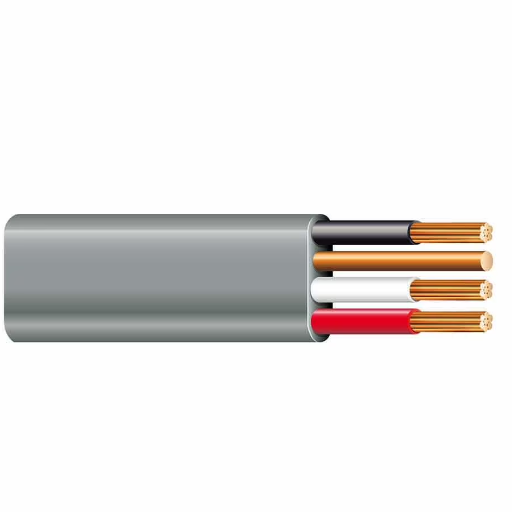
While underground power lines are generally considered safer with regard to the forces of nature, certain dangers and hazards remain. One of the major concerns includes fault detection and repair, since in an underground cable situation, faults are not easy to get to; this prolongs outage duration and increases revenue loss. Excavation work and construction may also accidentally harm underground cables, inviting safety hazards such as electrical shocks or fires. The accompanying installation and maintenance work require specialized equipment and expertise. This inherently increases the demand for time and money. Essentially, although underground lines reduce some hazards, these hazards get shifted elsewhere, and it becomes a matter of their management.
Potential Risks During Installation
Installation Risk Factors
- Disturbing existing underground infrastructure (water pipes, gas lines, communication cables)
- Environmental hazards like soil erosion or habitat disruption
- Heavy machinery accidents and worker safety concerns
- Unexpected geological conditions (rocky terrain, high-water tables)
- Service disruptions and safety hazards from infrastructure damage
Several risks need to be firefighting in the installation of underground electrical lines. The major concern may be the possibility that disturbing an existing underground infrastructure, be it water pipes, gas lines, or communication cables, could lead to a stoppage of services and a serious hazard to safety. Another risk that arises due to excavation is environmental hazards like soil erosion or the disruption of habitats, especially when in highly sensitive areas. Heavy machinery increases the construction accidents, such as mechanical breakdowns or accidents involving workers. Besides, unexpected geological conditions such as the presence of rocky terrain or high-water tables complicate the whole process, leading to delays and increasing expenditures. To counter these risks requires proper planning, surveys, and the highest possible technology.
Long-Term Hazards of Underground Electrical Lines
Underground electrical lines generally tend to stay safer from weather-related disruptions, but pose several long-term hazards to consider. Maintenance and repair pose major difficulties and high costs among them. For example, finding faults on the buried line can be very exhausting and time-consuming if advanced fault-locating instruments are not used; meanwhile, corrosion or degradation of insulation in the presence of moisture or adverse soil conditions will weaken the integrity of the cables over time, leading to power failure.
Environmental causes do damage, while the underground system is immune to claims from above-ground interference, such as that from trees falling or from storms that are of an extraordinary nature. Flooding and earthquakes have the potential to disrupt power lines, resulting in long-term interruptions to the system; and by the way, the presence of underground utilities poses a real headache for construction or excavation works, greatly increasing the risk of damage. So, above all, inspections and materials worthy of the name, combined with exhaustive planning, will guarantee that underground electrical systems remain durable and reliable.
Mitigating Risks in Undergrounding Projects
Risk mitigation in the undergrounding project spans strategic planning, high technology, and the utilization of best practices. In site evaluation, a detailed geological survey is required to assess potential hazards, be they soil instability or an area liable to flooding. A worthwhile risk mitigation effort involves the procurement of high-grade materials capable of standing up to environmental stresses. Non-destructive excavation minimizes the risk of accidental damage to utilities already buried; for example, such methods include hydro-vacuum excavation. The further risk mitigation measure involves clear communication among contractors, engineers, and utility providers to prevent errors during construction. Maintenance and inspections are carried out regularly so that the system is kept resilient to face the ages along unexpected happenings. The practice assures the construction of underground electrical systems that are safer and more reliable.
Aesthetic and Environmental Considerations
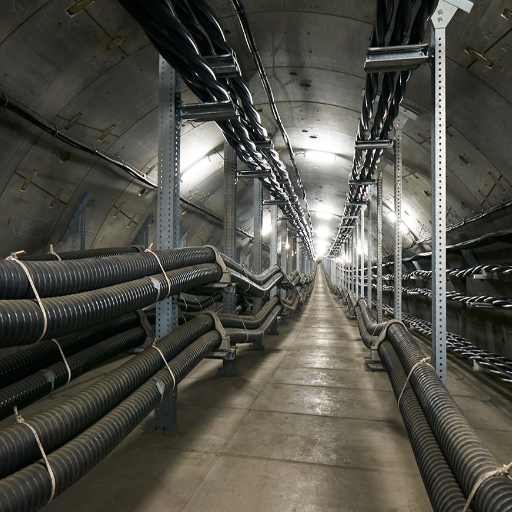
Because underground electrical systems maximize aesthetics and environmental factors, they are highly regarded. By taking away the supply wires for overhead distribution, the resulting electric system provides a cleaner sight-lining view of towns and cities or residential zones. Environmentally, such systems protect the cables from harsh weather attacks that impair service and cause repairs to be carried out. Such systems also maintain the environment around the cable and the surrounding trees from being disturbed by overhead infrastructure; thus, it is a truly worthy choice for current growth.
Impact on Landscape and Urban Design
Underground systems beautify urban design and landscape aesthetics by eliminating overhead wires for clean, unobstructed views. Shifting is more of an upliftment to the visual appeal of the city and surrounding neighborhoods, thereby raising property prices and providing a unifying architectural motif. On the other hand, underground cables minimize damage from storms, thereby lowering disturbances and environmental footprints over the longer term. Installation methods utmostly support sustainable city planning by preserving green spaces and minimizing interference with wildlife, thereby satisfying modern aspirations of green infrastructure. These systems also prepare flexible urban growth since cities can pursue expansion with less visual clutter or physical impediments from towering overhead lines.
Public Perception of Underground vs Overhead Lines
The public perception is usually in favor of underground systems over overhead ones because of these factors: aesthetics and safety. Underground cables are much less visually intrusive, preserving nature and the built environments, which many members of the community appreciate. Also, the underground cables’ safety is one of the selling points, as this system completely prevents electrocution from downed bare conductors during storms and wind. On the other hand, most times cost comes into question, being the installation and repair of underground systems are far more costly than overhead systems. An overhead transmission system, while more prone to weather damage, is preferred in rural or less-dense population areas due to lower installation costs and lower costs of access by maintenance crews. Hence, the general preference of people usually leans dependent on where factors: aesthetic and safety concerns, weigh against budget and maintenance practicalities.
Environmental Benefits of Burying Power Lines
- Reduced deforestation and habitat disruption from overhead infrastructure
- Lower potential for wildlife interference or electrocution
- Decreased risk of wildfire ignition in dry, wind-prone areas
- Minimal long-term ecological impact with proper planning
- Preservation of natural landscapes and scenic views
- Less tree trimming required for maintenance
There are many environmental advantages to underground power lines that make them worth considering instead of overhead lines. To start with, an underground system helps lessen deforestation along with habitat disruption that usually results from constructing overhead poles and wires. In addition, since lines are not exposed, the potential for wildlife interference or electrocution is greatly reduced, thus protecting animals from harm. Underground lines are also less likely to ignite wildfires in dry-wind-prone areas since external triggers are kept far away. Even though the initial installation involves significant excavation work, with proper planning and contemporary methods, its long-term ecological impacts can be minimized, thereby improving environmental quality and safety.
Undergrounding Projects: Case Studies
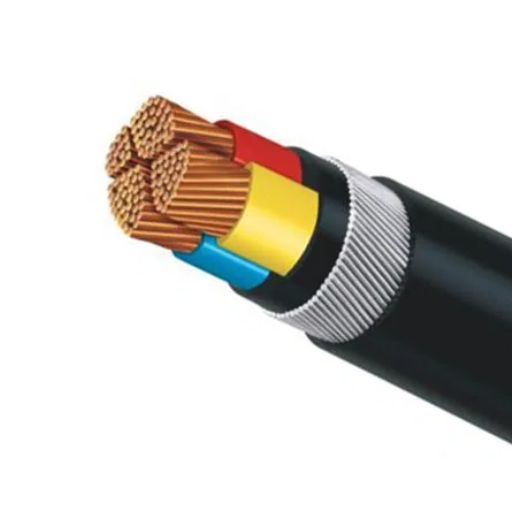
Case Study 1: San Diego Gas & Electric Fire Prevention Project
San Diego Gas and Electric undertook an undergrounding initiative in areas of high wildfire risk. By taking overhead power lines underground, the project substantially reduced the potential for fires caused by equipment. It involved strategic planning to minimize environmental impacts, and the project has been favorably commented on for its help in public safety and reliability.
Case Study 2: Amsterdam Underground Power Network
Amsterdam switched to a large underground power network to maintain the urban aesthetics and to lessen any electrical interruptions caused by severe weather. Although extremely costly as a first implication, this transition has stood the tests of time, halting outages and protecting the city’s infrastructure from storm attacks.
Case Study 3: Cyclone-Prone Areas of Australia
The cyclone-prone areas of Australia have come to appreciate the underground system for better grid resilience. After severe tropical storms had caused extensive damage to overhead power lines, undergrounding was brought into play to safeguard actual power delivery. These have ensured fewer disruptions amid cyclones and enhanced public satisfaction with the infrastructure.
Through an analysis of these projects, it is clear that undergrounding solutions can meet unique local challenges while imparting long-term benefits such as increased safety, improved reliability, and environmental protection.
Successful Implementation Examples
The Netherlands
The Netherlands has successfully implemented underground power networks in urban areas prone to flooding. The country was able to limit water-related power cuts and outages due to extreme weather events by prioritizing an underground system. With these projects implemented, the grid reliability improved, but also maintenance costs suffered long-term compensation for.
Japan
In Japan, undergrounding projects have been implemented to the fullest extent, especially in densely populated megacities like Tokyo. Technically, it improves urban landscape aesthetics while increasing disaster resilience as they are less vulnerable to typhoons and earthquakes. The government is still putting in investments into these projects for the realization of far-reaching infrastructural goals.
United States (Florida)
Florida has taken giant steps in undergrounding power lines, especially after the slew of Hurricanes. Utilities and local governments have partnered in the burial of power infrastructure in areas prone to hurricanes, thus fewer outages and quicker restoration times, which reduces the storms on public safety. This is evidence of the benefits of underground systems in areas with heavy storm activity.
Lessons Learned from Challenges
From addressing challenges, I’ve learned that the underground power system implementation requires meticulous planning, considerable investments, and work with multiple stakeholders. Upfront costs can be huge, but those disadvantages will be ameliorated by the biggest advantage of the system: resilience and reliability over a great length of time. Technically, a project may well be feasible, but unless community needs are adequately considered and properly communicated openly, the entire process might be questioned.
Future Trends in Underground Power Lines
Emerging Technologies and Innovations
The installation of underground power lines is expected to be on the rise, with the main driving forces being technological developments, climate change adaptations, and urban planning requirements. Some of the new-age trends are the integration of smart-grid technology that allows for real-time monitoring and the detection of faults in underground systems. Material innovations such as high-temperature superconducting cables could minimize heat losses and maximize efficiency. Beyond that, with resilience against climate change being an important factor, governments and utility companies are set on undergrounding power lines in areas with a high propensity for extreme weather conditions. Despite hindrances such as high costs and complicated installation procedures, these trends indicate a future where underground power systems will be instrumental in forming sustainable and reliable energy networks.
Smart Grid Integration
Real-time monitoring and fault detection capabilities are being integrated into underground systems, allowing for more efficient maintenance and faster problem resolution.
Advanced Materials
High-temperature superconducting cables and improved insulation materials are reducing energy losses and extending the lifespan of underground infrastructure.
Climate Resilience
Increasing focus on climate change adaptation is driving utilities and governments to prioritize underground systems in areas prone to extreme weather events.
Urban Planning Integration
Modern city planning increasingly incorporates underground power infrastructure as a standard component of sustainable development projects.
Reference Sources
“Evaluation of Systems and Technologies of Underground Pipeline Gallery, Haikou”
“Design of a Very Low Frequency Test Device for Fault Diagnosis in Underground Cable”
Frequently Asked Questions (FAQs)
What are underground power lines?
Underground power lines are electrical conductors buried below ground level that are capable of safely and efficiently transmitting power. They are mostly liked for use in cities because overhead wires tend to look pretty ugly and can be hazardous during a storm or heavy snowfall.
How do underground electrical lines compare to overhead power lines?
Generally, underground electrical lines are considered to be more costly than overhead power lines due to installation. But benefits include less of an eyesore, a lower probability of power outages from storms, and a reduction in exposure to electromagnetic radiation.
What hazards are present with underground electrical cable installation?
While underground electrical cable installation lessens the effects of environmental risk, there are still hazards that include damaging existing utilities and the danger to life while working with high voltage cables. Proper marking and planning should mitigate these.
Do underground power cables carry the same voltage as overhead ones?
Yes, the underground power cables carry the same voltage levels as the overhead line power cables. They can be designed for nearly any voltage, including very high voltage lines like 400 kV, to meet the needs of critical infrastructure and electric service across the country.
How can the property owners benefit from the undergrounding projects?
Property owners enjoy a variety of benefits from undergrounding projects-from increased property value to beautification, as well as minimizing the chance of power outage. Furthermore, underground power cables improve electric service reliability by greatly reducing weather-induced disruptions.
What is the impact of underground power lines on economic growth?
From an economic perspective, underground lines provide reliable electric service to commercial and industrial establishments, guaranteeing the uninterrupted functioning of critical infrastructure even during adverse weather. This stable environment promotes chances for investment and development.
Are there any environmental concerns about the underground electrical line?
The weak environmental concerns of underground electrical lines are largely related to electromagnetic radiation and disturbance of soils and ecosystems during installation. The benefits finally overshadow those concerns in the long term, especially in urban areas where above-ground lines can pose a worse threat to the environment.
How do major storms affect overhead power lines as compared to underground?
Power outages can be caused by major storms when overhead power lines are disrupted, leading to hazardous situations once the power lines fall. Underground lines do not suffer from such weather-induced losses, thereby decreasing the probability of power outage and ensuring the safety of residents and emergency responders.