








Generation and utilization of electric power have always been at the very core of everything we do: from the gadgets that become our use to the place where we so-called home. A few of those crucial energies have ever been considered? With the increased demand for energy and the reduction of sustainability, it is increasingly important in today’s times to understand electricity’s primary sources. In essence, this article goes into the basic energy sources for the coming future—solar, wind, nuclear, and renewable. We will study how these energies work, their advantages, their disadvantages, and the sustainable planet-making stage. So, get set from the world’s fascinating energy source and glance downwards for the coming decades.
Overview of Electricity Generation
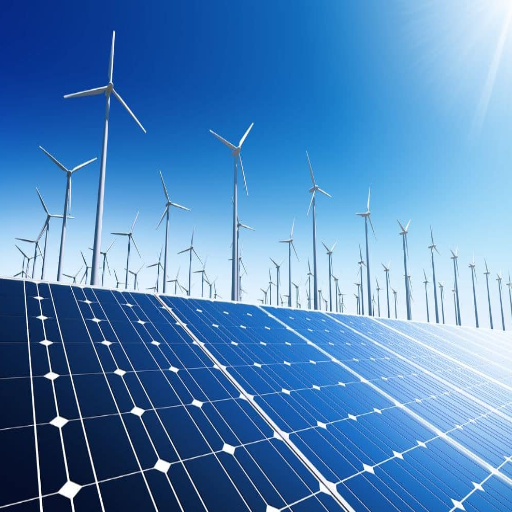
Electricity generation is the act of converting energy sources into electrical power that can be used in homes, industries, and infrastructure. The most common methods include harnessing renewable sources such as solar, wind, and water, or using non-renewable sources such as coal, natural gas, and uranium. Thus, renewable energy sources gain importance from their sustainability and lesser environmental pollution versus traditional energy generation systems. However, conventional energy systems still generate more than half of all electricity in the world. On the rise are cleaner and efficient generation systems in the world, thanks to technological advancements and changes in policies.
What is Electricity and How is it Generated?
Electricity is energy developed from the flow of electric charge through conductors such as wires, and thus is intertwined with modern life. In a way, it powers homes, industries, transportation, and communication networks, making the global process of development impossible without it. Electricity is generated in different ways, and one way of grouping these methods is into renewable and non-renewable methods.
Renewable sources include solar, wind, hydroelectric, and geothermal, using natural processes to generate electricity sustainably. An example of this is that solar panels turn sunlight into electrical energy, and wind turbines convert kinetic energy from the wind into electricity. Renewables constituted close to 30% of electricity generation worldwide in 2022, with wind and solar energy seeing rapid growth in installation. Hydroelectricity remains the largest contributor among renewables, accounting for about 16% of the world’s total.
Until now, electricity has been largely produced using nonrenewable sources such as coal, natural gas, and nuclear. In many developing countries, coal-fired plants remain prevalent due to the low cost of generation from coal. Natural gas is a cleaner fuel-statewise, emitting fewer greenhouse gases than coal-and constitutes around 23% of electricity production at the global level. Nuclear energy, controlled nuclear reaction, is around 10% of the total world electricity generation, providing another low-carbon solution.
In the process of generating electrical power, the key primary steps are: First, the conversion of the mechanical energy from moving water, wind, or heat from combustion or nuclear reactions into electricity by means of rotating turbines through electromagnetic induction. Transmission grids then deliver the electricity to the homes, industries, and businesses so that its supply remains reliable.
Around the world, trends have shifted toward cleaner and more energy-efficient systems. Renewable investments, upgrading grid infrastructure, and innovating in energy storage technologies are at the forefront of this transition in response to issues related to sustainable electricity generation and fuel dependence. This transition becomes vital with respect to the mitigation of climate change, energy security, and equitable power access across the globe.
Importance of Understanding Electricity Sources
Having a clear understanding of the sources of electricity is imperative in order to make decisions regarding energy use and sustainability. Electricity is generated from a combination of renewable and non-renewable sources, such as solar, wind, hydro, coal, natural gas, and nuclear power. Each source has some advantages and challenges; for instance, renewables like solar and wind energy are clean but subject to weather conditions, whereas coal and natural gas are non-renewable sources that are endowed with reliability yet grossly emit greenhouse gases. Knowing the environmental implications, cost-effectiveness, and matters of energy security of the various sources, able individuals, corporations, and governments to give priority to sustainable solutions while fulfilling the increasing energy demands. Hence, this must comprise one of the main factors in the fight against climate change and in promoting energy equity worldwide.
Global Energy Demand and Electricity Needs
Energy demands go on an upward spiral as population and urbanization increase and technology advances. The International Energy Agency (IEA) posits that nearly 20% of global energy is used in the generation of electricity, with demand expected to peak higher than the current level by 2050. Meeting such demand requires an alternative energy supply that has minimal to zero emission of greenhouse gases during the operational phase, but renewables are at the forefront: wind, solar, and hydro. Storage of energy on a large scale, upgrading of grid infrastructure, and low-cost energy provision to the developing world remain some of the problems in front of us. On the other hand, balanced energy policies that integrate renewable resources, increase efficiency, and promote cooperation will be the solution to future electricity requirements, all at a minimum environmental impact.
Main Sources of Electricity
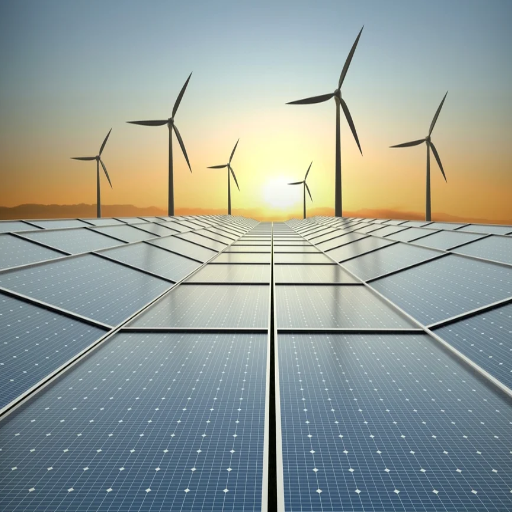
Sources of electricity generation can be broadly split into renewable and non-renewable types:
Non-Renewable Sources
- Coal: One of the most used sources, especially for baseload power, but it is one of the major contributors to carbon emissions.
- Natural Gas: More efficient and cleaner than coal and usually used for peak and combined-cycle power plants.
- Nuclear Energy: Producing power constantly with the least greenhouse gas emission from uranium.
Renewable Sources
- Solar Energy: Generated through photovoltaic panels or concentrated solar power systems, and is getting more and more popular due to cost deterrence.
- Wind Energy: Generated by wind turbines and gained importance as a large-scale renewable energy production in favorable areas.
- Hydropower: The power of flowing water, being the oldest renewable source of electricity.
- Others: Includes geothermal and biomass, which work on smaller scales depending on geographic availability.
On a global scale, these sources feed the energy demand, with sufficient emphasis now being given to sustainable renewable options to lessen environmental impact.
Fossil Fuels: Coal, Natural Gas, and Oil
The energy supply remains primarily fossil-fuel based, with estimates placing 80% of global energy consumption under fossil-fuel dominion in recent years. These fossil fuels are generated from the remains of plants and animals that were deposited in sedimentary basins under high pressure over millions of years. These very energy-rich sources being exploited have proved to be major emitters of greenhouse gases that contribute in turn to climate change and environmental degradation.
| Fossil Fuel Type | Global Energy Share | Primary Use | CO2 Emissions Impact |
|---|---|---|---|
| Coal | ~27% | Electricity generation, industrial applications | ~40% of energy-related CO2 emissions |
| Natural Gas | ~24% | Electricity, industrial operations, heating | 50-60% less CO2 than coal |
| Oil | ~31% | Transportation, petrochemicals | ~15% of global annual emissions |
Coal: A Historical Energy Source
The prime uses for coal are the generation of electricity and certain industrial applications. According to recent data, coal accounts for approximately 27% of energy consumption worldwide and accounts for nearly 40% of CO2 emissions from energy use. Its availability advocates its economy, but ironically, being the major source of carbon emissions, it is declining in its use in a majority of the countries, going forward with decarbonisation programmes.
Coal has always played a significant role in the generation of electricity, and it predates most other energy sources. In and around the Industrial Revolution, coal was the predominant fuel source simply because it was so abundant and energetically dense. Steam engines and factories were fueled with coal. By the mid-twentieth century, coal-fired power plants, which pulverize coal to very fine particles to heat water into steam to turn turbine generators, had become a very prominent method of generating electricity.
Coal is recognized to have caused a number of environmental problems. When coal is burnt, it produces carbon dioxide in large quantities, which is the chief air pollutant next to sulfur dioxide, nitric oxides, and particulates, all of which cause air pollution. Coal mining has also caused deforestation, destruction of habitats, and erosion of soil, while mining in the older days also had its fair share of evil: unsafe mining practices, exploitation of workers, and hazardous working conditions.
However, coal has remained important as an electricity source in a number of regions, even though its role diminished with the global thrust toward renewable energy and tighter environmental regulations. Thus, a transition toward sustainable energy systems is needed not only to alleviate coal’s environmental impacts but also to meet the growing demand for dependable electricity.
Natural Gas: A Cleaner Alternative
Natural gas is a cleaner-burning type of fossil fuel, natural gas is a big contributor to electricity generation, industrial operations, and home heating. It gives off about 50-60% less CO2 than coal when burned for electricity, thus serving as a transition fuel toward a cleaner source of energy. Natural gas makes up about 24% of the global energy supply and continues to grow ever so fast following the enhancement in extraction technology, mainly hydraulic fracturing.
Natural gas has been recognized as a cleaner energy source in comparison to coal and oil because of the lower carbon dioxide emissions produced by its burning. Made mostly of methane, it emits roughly 50% less carbon dioxide than coal and about 30% less than oil; hence, electricity and other industries/utilization for natural gas are more preferred. In addition, combustion of natural gas results in fewer emissions of toxic pollutants like sulfur dioxide (SO2) and particulate matter, which are responsible for air quality enhancement.
Throughout recent decades, extraction methods have undergone many improvements. Especially, hydraulic fracturing and horizontal drilling opened the pathway to making a lot more natural gas accessible to global markets. This gas is deemed to be a major transitional fuel toward sustainable energy systems. But the concern remains regarding possible methane leaks during production and delivery, since it is a potent greenhouse gas having 25 times the global warming potential of carbon dioxide over 100 years. The imperative here is definitely to address these leaks so that natural gas legitimately maintains its image of being a cleaner one.
Key Point: The presence of natural gas is fairly important for balancing renewables such as solar energy and wind energy. Since it can reliably produce power whenever required, this complements the intermittent nature of renewables, thus ensuring the stability of the grid. Though it is not totally free from environmental impacts, natural gas remains an important bridging fuel as the world marches towards its low-carbon future.
Oil and Petroleum Products in Electricity Projects
Approximately 31% of global energy is used by oil to serve the transport sector on behalf of energy for cars, airplanes, ships, and trains. The other important production process, based on petrochemicals, involves plastics, chemicals, and synthetic materials. The burning of oil for combustion processes is, however, the biggest contributor to CO2 emissions, with transportation being responsible for almost 15% of global emissions every year.
With only a fairly limited role in power generation compared to other sources of energy, such as natural gas and renewables, petroleum fuels remain essential in specific applications, depending upon the use case. Petroleum-based fuels, such as diesel and heavy fuel oil, are used in places where other methods of generation are not accessible. These fuels are efficient, as they can produce power anytime and, hence, are used for backup systems in cases of off-grid location needs or emergencies.
While oil and petroleum products are beneficial for generating electricity, their drawbacks in terms of the environment are quite huge. The burning of such fuels releases large quantities of greenhouse gases, especially CO2, and pollutants such as sulfur oxides (SOx) and nitrogen oxides (NOx), pollutants that affect air quality and cause incidents of climate change. Extraction, transportation, and storage of petroleum elements also pose risks of oil spills and environmental degradation.
There has been a global trend away from oil for generating electricity due to cleaner energy technologies emerging. Today’s generation management must, however, include oil as a versatile resource in developing countries or isolated areas. Therefore, planners and industry leaders should seek to optimize efficiency and reduce emissions from oil-based power systems while allowing the rapid transition to low-carbon alternatives.
The reliance on fossil fuels is a major challenge for geopolitical problems, market volatility, and environmental degradation. While, in some cases, technological development has improved efficiency and lessened pollution, the global transition toward renewable energy continues to accelerate to confront the long-term sustainability of energy systems and worldwide climate goals.
Nuclear Energy: A Powerful Source of Electricity
Nuclear energy happens to be a very reliable modality of electricity supply and presents, therefore, a low-carbon generation method today. It produces about 10% of the global electricity and hence approximately 25% of the locally generated low-carbon electricity. The distinguishing aspect of nuclear power stations is that, unlike those using fossil fuels, they produce electrical power by high-energy interactions involved in nuclear fission: atoms of uranium are split, unlike in the combustion of hydrocarbons. Within these greenhouse gases are emitted at very low concentrations throughout the entire life cycle of the plant, so that nuclear energy is in fact within the mix to reduce climate change.
Modern nuclear reactors are extremely efficient and can produce a huge amount of power continuously. For example, 1 kilogram of uranium can generate around 24,000 megawatt-hours of electricity, which is far beyond what any mass of fossil fuel could produce. Moreover, with reactor technology advancing, smaller modular reactors (SMRs) and Generation IV reactors are expected to provide improved safety features, reduced waste, and ease of scalability.
One of the main attractive features of nuclear energy is stability. Unlike intermittent sources such as solar and wind that depend on weather conditions to generate power, nuclear power plants can supply stable base-load power to the grid. Such a level of reliability is critically required for large grids and industrial setups. However, there are issues, including the enormous cost of construction and complex regulatory frameworks, and issues concerning radioactive waste disposal. Yet, some countries, such as France, still derive above 70% of their electricity from nuclear power, a clear indication of the potential nuclear power has as a key player in diversified sustainable energy.
Meanwhile, the world is engaged in advancing nuclear technology further. Fusion energy, not yet being commercially viable, is viewed as the almost limitless and clean future, hence pushing nuclear energy’s envelope through initiatives such as the International Thermonuclear Experimental Reactor (ITER). Nurtured by innovation and investment, nuclear energy could stand a good chance for top billing in modern-day energy demands and addressing environmental crises worldwide.
Renewable Energy Sources
Solar power, wind power, and hydropower are clean energy sources, and they are considered key technologies in the worldwide journey toward sustainable energy systems. Being an eco-friendly option, these technologies offer an everlasting solution for cutting down on fossil fuels, reducing greenhouse gas emissions, and tackling global warming issues. With intermittency, environmental issues like land use and disturbance of habitats, and the need for grid infrastructure needing improvements, much remains to be resolved to fully optimize the global energy demand of these clean energy sources.
Solar Energy: Harnessing the Power of the Sun
Solar energy captures solar radiation to generate electricity with photovoltaic (PV) panels or concentrated solar power (CSP) systems. The systems are abundant and widely available; they have the particular advantage of having no emissions during operation. The technological advancements have immensely increased solar system efficiency while decreasing general costs, thus creating an entryway to transitioning toward sustainable energy. However, solar energy is weather- and day-dependent, which calls for energy storage for supplying power on demand.
Solar energy basically deals with converting sunlight into usable electricity via photovoltaic cells or CSP systems. The PV cells in solar panels capture sunlight and convert it directly to electricity by way of the photovoltaic effect. In contrast, CSP systems use mirrors to concentrate heat energy from out-of-the-sun, which is then used to drive a turbine for electricity. A clean and renewable source of energy, solar energy lessens the possibility of airborne greenhouse gas formation. It can be installed almost anywhere, whether on the rooftops of buildings or even on giant solar farms.
Solar energy is advantageous for its wide availability, low operating costs, and promotion of energy independence. Conversely, from the perspective of the affected efficiency, weather conditions and location could play a role. In addition, though it welcomes the high costs of initial installation, the final disposal of solar panels needs to be warranted in an environmentally sound manner. Technological advancement and energy storage, via battery systems, mitigate these challenges, enabling more reliable and efficient use of solar power.
Wind Energy: Capturing Air Currents
This force is derived from the wind. The kinetic energy of the moving air is converted into electricity through wind turbines. It has become an excellent candidate for rapid development as it is relatively cheap and very scalable. Offshore wind farm developments are picking up in pace so that they can take advantage of high wind speeds and reduce land-use requirements. Its problems, however, include irregular wind patterns and ecological damage, such as to birds.
Wind energy exploits the kinetic energy of moving air masses to produce electricity using wind turbines. The foremost mechanism goes like this: the air currents rotate the blades of a turbine connected to a generator, and the generator transforms this rotational energy into electrical power. Wind energy, being clean and renewable, lessens the greenhouse effect more than fossil fuels do.
Other notable benefits of the wind-energy option are the general availability and flexible scale, which can be utilized in large wind farms or in small, local installations. However, some design problems remain-the chief one being with fluctuation in wind speeds and therefore in reliability, noise, and pleasantness from wind-turbine installation-which come atop challenges of large upfront investments in construction, using materials that cannot be easily disposed of sustainably.
With taller towers and longer blades, wind turbines are now becoming quite efficient and performing well. Technology-wise, grid integration and energy storage systems are taking care of intermittency problems so that intermittent wind energy may become truly reliable and sustainable in the world energy portfolio.
Hydropower: The Power of Flowing Water
Hydropower is the generation of electricity by letting water, flowing or falling, drive a turbine. It is a very dependable and flexible energy source capable of providing both base-load and peak-load power. Pumped-storage hydropower systems also provide energy storage, improving grid stability. However, a hydro project development can disrupt ecosystems and communities while changing local water systems, so it must be keenly assessed and managed.
Geothermal and Biomass Energy Sources
Geothermal energy is created in the heart of the Earth and is extracted utilizing a variety of technologies such as geothermal power plants and heat pumps. Being an incredibly reliable energy source ensures uninterrupted power generation with negligible emissions. Generally, though not always, geothermal systems withdraw heat from reservoirs of hot water and steam beneath the surface of the earth, usually by drilling deep wells through the land. This installation is capital-intensive and faces restrictions of location, making it desirable only where geothermal resources are available. The latest technological developments, EGS in particular, attempt to widen the spectrum of locations by artificially creating geothermal reservoirs.
The biomass energy process, in contrast, results in electricity generation or heating from agricultural and horticultural material, wood, municipal waste, and processed materials through combustion, anaerobic digestion, or gasification. Biomass seems to be carbon neutral because the plants used as feedstock absorb carbon dioxide, unlike depending on production and usage methods that emit carbon dioxide. The problems with biomass include land-use concerns, feedstock sustainability, and deforestation possibilities. Improved technologies, with high efficiency of conversion, and waste-to-energy systems are gradually offsetting these disadvantages, making biomass a very flexible and increasingly sustainable option for renewable energy.
The Role of Fossil Fuels in Power Generation
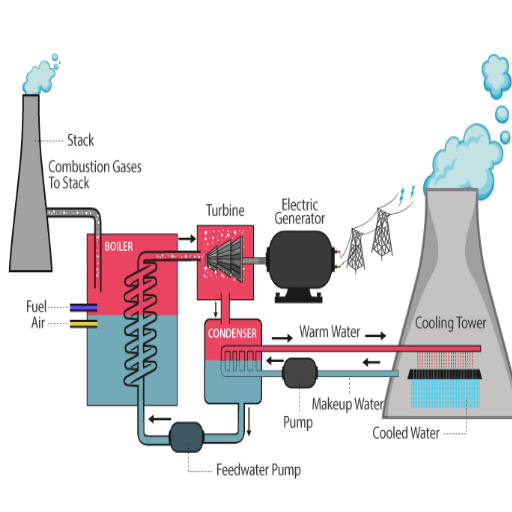
Fossil fuels, such as coal, natural gas, and oil, have formed the backbone of power generation for many years, given their high energy density and the infrastructure that has been built to support their use. When burned, they release heat, which runs turbines, generating electricity. On the one hand, great efficiency and reliability stand on the side of fossil fuel electricity, and on the other side stands massive pollution, with respect to climate change, in the form of carbon dioxide and other greenhouse gases. Moreover, the extraction and transportation processes stand to degrade the environment. Transitioning to clean-energy options will be easier if these impacts are to be mitigated, all the while balancing the energy demand of the world.
The Future of Electricity: Trends and Innovations
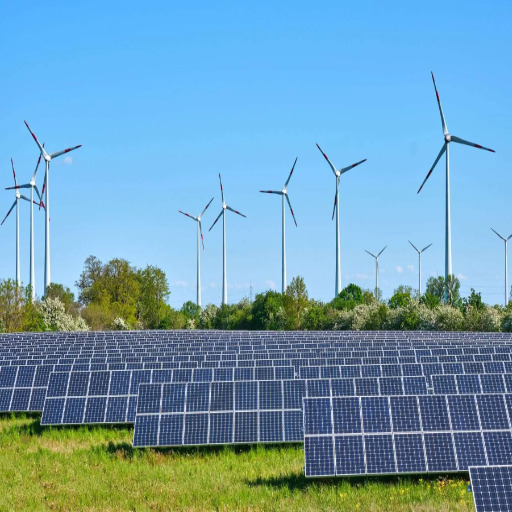
Being sustainable and innovative, solutions are what constitute the future of electricity, the fulfillment of energy demands, and environmental issues. Trends include the rapid growth of renewable types of energy, such as solar, wind, and hydroelectric power, which also involves the development of storage technologies in the energy sector, such as lithium-ion or solid-state types, for solving intermittency-related problems. Besides, the establishment of smart grids is enhancing the very concept of electricity distribution based on the principles of efficiency, reliability, and real-time monitoring.
Electrification of various sectors, especially with electric vehicles (EVs), would be the biggest shift away from fossil fuels. Meanwhile, hydrogen fuel cells and CCS are coming up as complementary components in the low-carbon energy setup. Building infrastructure and investing in research have to be top on the agenda for policymakers and industry to ensure a smooth transition into these sustainable systems while considering equity and access for all communities.
Energy Mix: Balancing Different Sources of Electricity
A balanced energy mix is a blend of renewables, nuclear, and fossil fuel-based sources combined with cutting-edge technology. Renewable energy sources such as solar, wind, and hydro are vital to cutting GHG emissions, but due to their intermittent nature, they require reliable backup systems. Nuclear energy is a clean and stable alternative, and in combination with carbon capture technologies, modern natural gas plants can provide the necessary flexibility to adjust the supply variability created by renewable energy.
Energy storage systems like lithium-ion batteries and pumped hydro storage help ensure grid reliability by storing excess renewable energy between peak demand periods. Further, a flexible grid infrastructure equipped with smart technologies facilitates the smooth integration of diverse inputs. For achieving an optimal balance, it becomes necessary to include policy incentives, increased funding for renewable research, and regional approaches tuned to resource availability and energy demand. Eventually, the world community would have to jointly ensure, inter alia, decarbonization targets towards the sustainable and resilient energy mix.
Advancements in Renewable Technologies
Renewable technologies have, indeed, progressed significantly owing to extensive research on innovative ideas and their implementation in real terms. I believe that certain breakthroughs have completely changed the energy landscape, be it improvements in solar photovoltaic efficiency, the development of offshore wind turbines, or the spread of battery storage systems. In parallel, the optimal solutions in a greener environment are currently being developed with the help of smart grid systems and green production of hydrogen. These technologies increase the accessibility of energy to the people whilst complementing the international endeavour to reduce carbon emissions and curtail climate change.
The Impact of Policy and Regulation on Energy Sources
To promote the development, adoption, and sustainability of any energy source, policies and regulations play a critical role in shaping the world energy landscape. A government may provide incentives, be it tax credits, subsidies, or grants, to tend towards the development and generation of renewable energies such as solar energy, wind energy, and hydropower. For example, with the implementation of renewable portfolio standards in many jurisdictions that require the generation of a certain percentage of electricity from renewable sources, there has been a faster rate of transition to cleaner energy.
Emission regulations, too, enforce the reduction targets on emissions, therefore pushing industries towards adopting cleaner technologies and phasing out their reliance on high-carbon-emitting fossil fuels. On the international front, agreements like that of Paris have set up a framework whereby carbon reductions are to be effected at a global level. Energy production is thereby influenced both at the national and the corporate levels. Further regulations regarding energy efficiency standards for appliances, buildings, and vehicles have led to hefty innovations and cost reductions in the energy industry.
On the other hand, bad policies or regulatory inconsistency may obstruct progress by engendering uncertainty for investors and developers. Thus, well-designed, stable, and future-oriented policy design is key to making sure that energy transition initiatives are fair, economically feasible, and aligned with the overarching climate goals.
Reference Sources
Structure and Nature of Alternative Sources of Electricity Supply to Households in Nigeria
A Survey of Renewable Energy Sources and Their Contribution to Sustainable Development
Frequently Asked Questions (FAQs)
What are the major sources of electricity in 2023?
In 2023, the major sources for generating electricity consist of a number of sources of renewable energy, such as solar and wind; of fossil fuel types, namely coal, oil, and natural gas; and of nuclear power sources, along with other means comprising hydropower and geothermal. The energy mix itself varies with region and is dependent on local energy needs and resources.
In what ways does renewable energy contribute to the electricity supply?
Renewable electricity generation contributes to a significant portion of the energy supply, utilizing natural resources such as sunlight, wind, and water. Solar and wind reduce global warming gas emissions, while from a sustainability perspective, they are welcomed in increasing numbers worldwide.
What are some examples of non-renewable energy sources used in electricity generation?
Due to their pollution potential and high carbon emissions, thermal power plants are a type of power plants that produce a large amount of electricity. It should be noted that during the generation of electricity, the less-kilowatt-hour units from coal are also generated slowly, and that these days, thermal power generation is almost a dying industry because of the direct carbon pollution that it generates from the burning of fossil fuels.
In which way do solar projects affect power production?
In this regard, solar projects impact power generation by providing clean and renewable energy. Through rooftop solar systems and solar farms, solar projects contribute to electricity generation so that they can lessen our dependence on fossil fuels and cater to the growing electricity demand.
How do thermal power plants generate electricity?
Thermal power generation plays its important role in electricity generation by converting heat energy obtained through the combustion of fossil fuels or nuclear reactions into electrical energy. These plants constitute the key portion of the energy mix in regions where the mainstays of electricity generation are non-renewable sources.
What kinds of sources of electricity are used in the U. S.?
In the U. S., electricity sources used are quite diverse and include renewable sources such as wind and solar power, along with conventional sources such as natural gas, coal, and nuclear energy. The sources of electricity are being tracked by the Department of Energy to maintain an energy balance, fulfilling the electricity needs of the country.
How does wind generate electricity?
Wind energy, electricity can be generated by utilizing wind turbines that convert kinetic energy from the wind into electrical energy. This source of power has gained a reputation because it has a very low impact on the environment and can provide energy without depleting natural resources.
What is the role, then, of electricity projects for future energy sources?
Electricity projects relating to sources of renewable and non-renewable energy are significant in energy development for the future. They assist in providing better energy solutions, provide diversification to the energy mix so that electricity demand can be met sustainably and efficiently.