







What is 350 kcmil Wire?
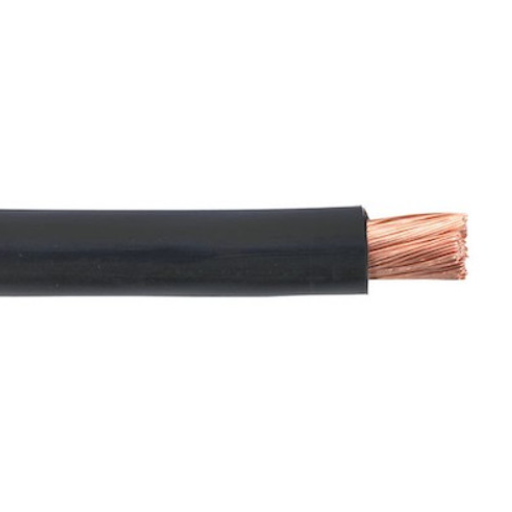
350 kcmil wire is an electrical conductor that is often utilized in heavy-duty applications requiring a high current-carrying capacity. The abbreviation “kcmil” signifies “thousand circular mils,” which is a unit of measurement for wire’s cross-sectional area. Essentially, a wire with a capacity of 350 kcmil has an area of 350,000 circular mils, thereby allowing it to transmit large electrical currents with safety. Both copper and aluminum are usually used in the manufacturing of this wire, and it finds application in the industries of power and utility, i.e., power distribution, large-scale machinery, and electrical paneling.
Definition and Specifications
A 350 kcmil wire, which is generally applied in the area of high-power electrical applications, strictly follows the technical standards to perform well and keep the safety aspect sound. The electrical resistance for a copper conductor at 75 °C is about 0.049 ohms per 1,000 feet, while the ampacity or the maximum current that the wire can carry without any risk of overheating, depends on the insulation type and installation method. For instance, a 350 kcmil copper wire with a typical THHN/THWN-2 insulation is approximately rated for an ampacity of 310 amperes in the conduit or raceway at 75°C or up to 350 amperes when rated at 90°C in free air, which is an area of better dissipation of environmental heat. Although lighter and more economical, the aluminum conductors have lower conductivity, but their resistance at 75°C is around 0.078 ohms per 1,000 feet, and they are ampacity rated at 240 to 270 amperes depending on the conditions.
| Specification | Copper | Aluminum |
|---|---|---|
| Electrical Resistance (75°C) | 0.049 ohms per 1,000 feet | 0.078 ohms per 1,000 feet |
| Ampacity (75°C in conduit) | 310 amperes | 240-270 amperes |
| Ampacity (90°C in free air) | Up to 350 amperes | Varies by conditions |
| Standard Diameter (stranded) | 0.741 inches | 0.783 inches |
| Weight per Foot | 1.064 lbs | 0.466 lbs |
From a physical point of view, a 350 kcmil copper wire has a standard diameter of about 0.741 inches in the case of stranded conductors and a weight of 1.064 lbs per foot, approximately. For aluminum, the diameter is sometimes a bit more than that, at about 0.783 inches, and the weight of 0.466 lbs per foot. The insulation of both types of wires has to be compatible with the operating voltage. The power distribution underground is one of the most important applications, and the use of direct-burial-rated insulation like XHHW-2, which not only has good moisture resistance but also chemical exposure resistance, is very relevant.
To sum up, the observance of standards like the National Electrical Code (NEC) ensures that the 350 kcmil wires are safe for use. Installation also requires the consideration of derating factors such as ambient temperature and the number of current-carrying conductors in a conduit or raceway, thus ensuring long-term reliability and system integrity.
Common Uses of 350 kcmil Wire
The 350 kcmil wire is an excellent choice for commercial, industrial, and utility usage due to its high current-carrying capacity and long life. It is commonplace in the installation of large-scale electrical systems, such as the power distribution in substations, sectionalizing, and switchgear. The wire size perfectly fits for powering large motors, transformers, and secondary feeders in commercial buildings. Furthermore, the 350 kcmil wire is underground installed with the use of the right protective conduit, as it provides efficient power delivery and long-term resistance to environmental factors like moisture and thermal fluctuations. Its adaptability also permits its usage in renewable energy projects such as solar and wind power systems, where high-current conductors are needed for energy transfer with good efficiency.
Comparison with Other Wire Sizes
Performance Comparison
350 kcmil wire is very well known for its current-carrying capacity and efficiency during operation. The 350 kcmil wire has a higher ampacity than the smaller wire sizes, like 250 kcmil; thus, it has been the preferred option for heavy-duty power transmission applications. Meanwhile, the smaller wires like 250 kcmil are still the right choice for lower power requirements or shorter distances, as they are less expensive and hence more appropriate.
350 kcmil wire is neither the smallest nor the thickest in the wire size range of up to 500 kcmil; it is somewhere in between and hence offers good performance together with manageability. Deciding to use 500 kcmil wire would mean a heavier and more expensive line that consumes more space for installation, even though it offers extremely high ampacity and low resistance. Thus, 350 kcmil is the wire size that is often preferred in the case where the infrastructure cannot support the layering and the weight of larger conductors.
Moreover, 350 kcmil wire claims to be very durable and powerful compared to the already common residential sizes that are 4 AWG or 2/0 AWG and typically used for smaller-scale applications. Such small-diameter conductors are not suitable for industrial or large-capacity applications where overheating and inefficiency might cause safety risks. Hence, 350 kcmil wire, in a way, is a versatile and efficient solution for heavy-duty electrical installations while being cost-effective and performing well in comparison with other wire sizes.
Characteristics of 350 MCM THHN Wire
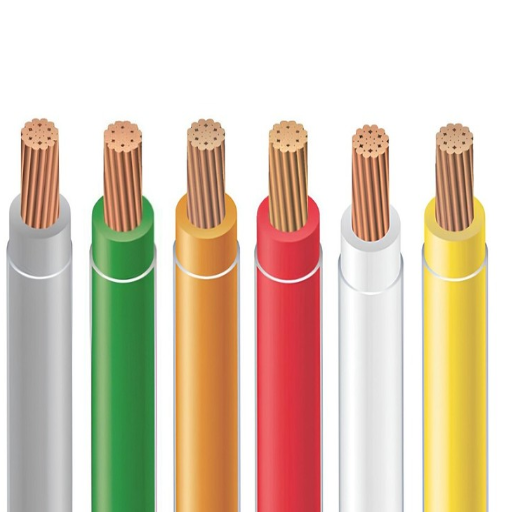
350 MCM THHN wire is a conductive wire with high capacity, which is generally used in various commercial and industrial electrical installations. It has the thermoplastic high-heat nylon coating that gives it the best resistance to heat, moisture, and chemicals, thus making the wire last longer and durable even in harsh conditions. The wire has been rated for 600 volts and can work at a maximum temperature of 90°C in both dry and wet conditions. Furthermore, the wire has a UL listing, which confirms that it fulfills major safety standards; thus, it can be used in heavy-duty power distribution systems without any worry.
Material Composition: Copper vs. Aluminum
In the comparison of copper and aluminum for wiring and these sorts of things, the two materials present different drawbacks and advantages that somehow dictate their proper use. The electrical property of copper, being the best conductor, is the reason it has around 40% more conductivity than aluminum. As a result, depending on the particular application, it is possible to use wires of smaller diameters. Furthermore, the resistance to corrosion of copper is very high, and thus the thermal stability of copper is excellent, which are some of the characteristics that make it suitable for use in places where it is necessary to have durability and long maintenance-free cycles.
Aluminum, in contrast, is much less heavy than copper—its weight is only about 30% that of copper’s—so it is a cheaper solution for large-scale installations where the weight is an issue. The downside of aluminum in conductivity is its most significant drawback, but it can be counteracted by using aluminum conductors of greater thickness. On the other hand, aluminum is more susceptible to being corroded due to the formation of oxides, and thus it has to be given the proper surface treatments and used with the fittings that will reduce the potential of connectivity problems resulting from oxidation over time.
In the end, the decision to use copper or aluminum depends on the characteristics of the application in question, such as price limitations, weight factors, and the general environment that will affect the electrical system’s performance and reliability.
Advantages of THHN Wire for Building Applications
- It is extremely durable thanks to the thermoplastic insulation, which can handle up to 90°C in dry and 75°C in wet places, thus guaranteeing performance no matter the conditions.
- The nylon coating not only protects the wire from wear but also from chemicals and oils, making the wire last longer.
- THHN wire is a versatile and compatible product for many applications, including conduit and raceway systems.
- Installation is simplified because of the compact and lightweight design, which in turn leads to reduced labor costs.
- The wire’s excellent conductivity makes energy transfer efficient while the stringent safety standards, such as UL, CSA, and NEC compliance, are still met.
All of these features combined make THHN wire a cost-effective, trustworthy, and powerful solution for both residential and commercial building projects.
Understanding the Annealed Copper Structure
Annealed copper is a substance that has been through a heat treatment that made it more ductile, less hard, and brittle at the same time. The copper is first heated up to a critical point and then allowed to cool down very gradually; thus, a radical change occurs in the material’s internal crystalline structure. The process, in fact, gets rid of dislocations inside the lattice, and so the material becomes more flexible and less brittle without losing its electrical conductivity. Annealed copper is particularly suitable for those applications where it is often necessary to bend or reshape the metal. The copper is then widely used in the production of wires, tubes, and connectors for the power supply. The better mechanical properties, along with the high conductivity, make annealed copper a necessary constituent in the construction, electronic, and telecommunications industries.
Applications of 350 kcmil Building Wire
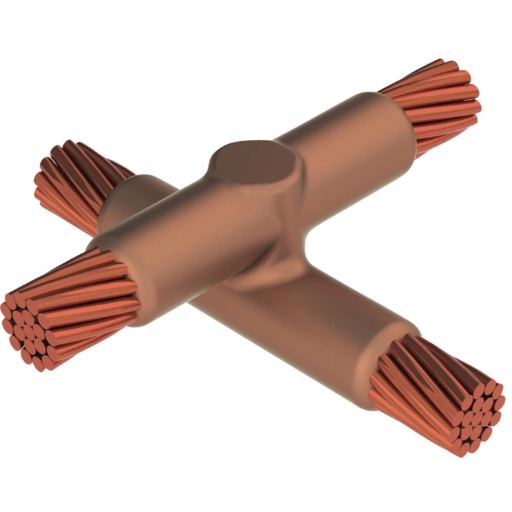
A 350 kcmil building wire is mainly made for big electrical installations that need a high current-carrying capacity. It is normally used in industries and commercial sectors for the operation of heavy machinery, main feeder lines, and large service panels. Also, it is perfect for giving power to big structures like hospitals, warehouses, and office complexes. The sturdy construction of this wire guarantees safe and effective electricity distribution that is in accordance with the relevant building codes and safety standards.
Power Distribution
Essential for substations, sectionalizing systems, and switchgear installations where reliable high-capacity power transmission is critical.
Heavy Machinery
Powers large motors, transformers, and industrial equipment requiring substantial electrical current for continuous operation.
Commercial Buildings
Ideal for main feeder lines and secondary feeders in hospitals, warehouses, and office complexes with high power demands.
Underground Installation
Perfect for direct-burial applications with proper protective conduit, offering long-term resistance to moisture and environmental factors.
Renewable Energy
Used in solar and wind power systems where high-current conductors are essential for efficient energy transfer and distribution.
Service Panels
Provides reliable power distribution in large electrical service panels for commercial and industrial facilities.
Residential Versus Commercial Uses
The main difference between the residential and commercial uses of electrical wire is that they address different kinds of power demands, safety concerns, and building requirements. The systems used in residential wiring are usually made for low voltage and low current capacities since, in most cases, the power consumption of household appliances and lighting fixtures is low. Non-metallic (NM) cables or Romex are widely used in homes because they are inexpensive, easy to install, and suitable for dry indoor environments.
On the other hand, commercial applications require wires that can carry more power and also resist harsher environmental conditions. Commercial wires like THHN or MC cables are usually encased in metal conduits for durability, fire resistance, and compliance with strict safety regulations. In addition, three-phase power systems are often used in commercial buildings to efficiently distribute power to industrial machinery, elevators, and air conditioning systems.
Important Consideration
In conclusion, though residential and commercial wiring both have the same basic function of transporting power, the differences in materials, installation practices, and regulatory requirements are great enough to allow each to fully meet the specific needs of the respective environment. Thus, the proper selection and installation are pivotal for obtaining the desired safety level as well as compliance with electrical codes.
Industry Standards and Compliance
It is paramount to follow industry standards and compliance regulations since they are the primary reasons for safe, reliable, and efficient electrical systems. The National Electrical Code (NEC) is one of the important standards in the US that covers wiring methods, grounding, circuit protection, and the installation of equipment thoroughly. Following these standards helps to a great extent in avoiding electrical faults, fires, or injuries.
Moreover, the IEC and IEEE are two of the main organizations that develop international standards for electrical systems addressing performance and compatibility. When it comes to commercial and industrial settings, compliance with OSHA (Occupational Safety and Health Administration) safety rules may also be required as a means of protecting workers and complying with the law regarding workplace safety.
Inspections, documentation, and monitoring of evolving standards are the most important practices. Non-compliance may mean fines and operational inefficiencies, and creating unsafe environments; therefore, it is necessary to have strict adherence to the regulations for all electrical projects.
Installation Considerations
Among the very first things to take into account as far as electrical systems are concerned are installation considerations that require the most careful selection of materials like conductors, circuit breakers, and insulators. Properly sizing the components in accordance with the intended load requirements is a must because it prevents overheating, energy losses, or complete failure of the equipment.
Site conditions, which are specific to the location and can include ambient temperature, moisture, and exposure to corrosive environments, should be evaluated in order to choose the equipment that is both weatherproof and has the longest possible lifespan. The observance of National Electrical Code (NEC) regulations, like correct grounding and bonding techniques, is of utmost importance to prevent electrical hazards and thus ensure system reliability. The plus of utilizing surge protection devices and being compliant with arc flash safety measures is that they together improve the installations’ resilience and safety.
In the end, the proper use of manufacturer specifications knowledge, thorough risk assessment, and skilled labor can lead to the minimization of errors and the maximization of performance in any electrical project.
Understanding Wire Stranding in 350 MCM
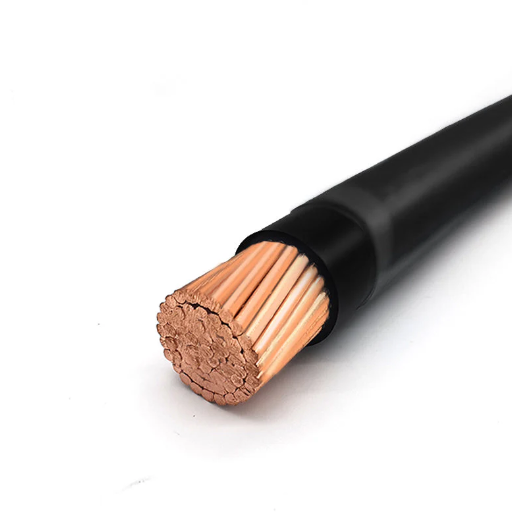
Wire stranding means merging separate wires into one conductor by this method. In the case of 350 MCM (thousand circular mils) wire, the stranding usually gives a combination of several smaller strands that offer flexibility and conductivity. Depending on the type and application of the wire, the number and layout of these strands may differ; however, some standards are defined by the likes of ASTM or UL. The size of stranded wire is frequently selected for its property of combining strength and adaptability, thus making it fit for use in factories, power transferring, and huge electrical setups.
What is Wire Stranding?
Wire stranding is the combination of several small-gauge wires, which improves the flexibility, the current-carrying capacity, and the resistance to breakage. By stranding, wires become more durable under bending and also allow for the routing in small spaces, which is easier than with solid wire. Individual strands can be placed in concentric, unilay, or bunched configurations according to standard patterns and application needs. The stranded wire is most typically applied where high flexibility is a necessity, such as in industrial machines, robotic installations, and dynamic environments electrical cables. It also comes with the plus of lower skin effect at higher frequencies, thus making it advantageous in AC systems. Wire stranding standards are set by organizations such as ASTM, IEC, and UL to ensure that the quality and reliability are the same throughout the electrical applications.
Benefits of Stranded Wire for Flexibility
- Stranded wire offers significant flexibility because of its structure, which is made of smaller, uninsulated wires that have been wound together to make a single conductor.
- This feature allows it to be used in many types of applications, such as in robotics, automotive wiring, and industrial machinery, where frequent bending or motion is required.
- In addition to this, it can resist fatigue and breakage under repetitive stress much better than solid wire; thus, it is especially effective in prolonging the lifespan of wires in dynamic environments.
- Moreover, its ability to bend and take the shape of tight spaces further adds to its usability in complicated installations.
- Stranded wire’s reliance on lofty regulatory standards, like those set by UL and IEC, guarantees the continuous performance and safety of the wire in various industries.
Comparison with Solid Wire
Stranded wire and solid wire have some major differences when it comes to their structure, functionality, and application. While solid wire is a single, uninterrupted metal core, making it very stiff and not very flexible at all, stranded wire has a composition of numerous fine wires twisted together. The installation of solid wire usually takes place in areas where there is no concern about durability or movement, and where minimal and hard-wearing wire is installed, such as building wiring, could be one of the applications where this type of wire would be suitable and preferred. Terminating it is made easier and cost-effective not only because of its uncomplicated structure.
In contrast, stranded wire is the only wire type that can be used in applications where the wire must be highly flexible and vibration-resistant. Taking the automotive, robotics, and portable equipment industries as examples, these industries use solid wires that are capable of breaking under frequent motion or flexing. Stranded wires have a difficult time being routed through tight corners and uphill roads, but they still provide more versatility in intricate arrangements. For this reason, the units are slightly more expensive as they have slightly higher electrical resistance because of the gaps between the strands, and also the complex manufacturing process that has to be followed.
Both wire types have specific use cases defined by their unique characteristics, and the choice often comes down to choosing the right one, i.e., balancing cost, mechanical properties, and environmental factors. Engineers and designers always follow the industry standards set by ANSI, UL, IEC, etc. for the right wire type selection for their applications regarding safety and efficiency.
Buying and Storing 350 kcmil Wire
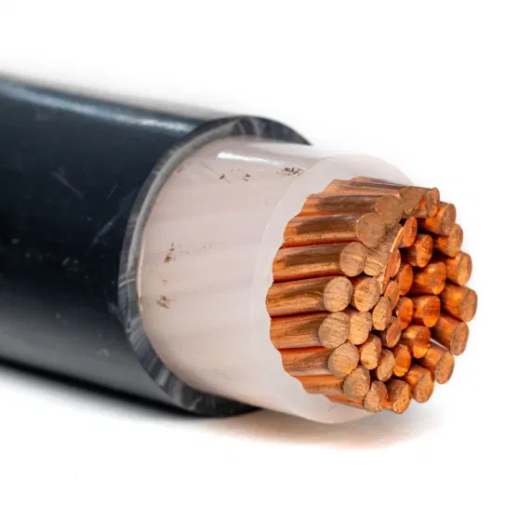
If you are going to buy a 350 kcmil wire, then it is wise to buy it only from reliable suppliers who have met the standards set by organizations such as UL, ANSI, or IEC in order to get a product that is both safe and of good quality. Check if the wire specifications, like material type and insulation, are the same as those of the application you have in hand.
Storage Requirements
The storage conditions for 350 kcmil wire must be dry, temperature-controlled, and free of corroding or insulating-damaging factors. The wire should be kept above the ground, whether by reels or racks, and shielded from direct sunlight or harsh weather. The wire should be properly labeled and organized so that it can be easily accessed and the risk of handling is reduced. Product integrity should always be maintained according to the manufacturer’s recommendations until the time of use.
Choosing the Right Reel for Your Needs
The right reel is determined by a combination of factors, such as the type and size of the wire, the intended storage time, and the handling requirements. First of all, measure the wire’s diameter and weight to make sure that the reel has the capacity to hold the load without losing its structural integrity. The most commonly used reels are made of standard wood, steel, or durable plastic, with steel reels being the perfect choice for heavy or long-term storage applications because of their strength and resistance to environmental damage.
Next, think about mobility and accessibility. If the wire needs to be moved or dispensed often, a reel with mobility options, like spindles or locks, should be chosen. In case of long-term storage, select reels that make stacking and using space the best possible way. Finally, it’s important to check that the reel is compatible with the pulling systems so that the operations are smooth and the labor is reduced. An effective evaluation of the factors will help you not only to choose a reel that meets operational requirements but also to fulfill your storage needs.
Storage Tips for Maintaining Wire Integrity
Best Practices for Wire Storage
In order to preserve the integrity of the wire while stored, I make sure that the reels are stored in a clean and dry place that is free from corrosion and moisture damage. I am careful not to stack reels in a manner that puts too much load on the wires; rather, I choose arrangements that are secure and stable. I also cover the reels with dust and UV light protection whenever possible, as these factors can degrade insulation in the long run. Furthermore, I carry out periodic inspections of the wires in storage so that any problems can be detected and solved quickly, keeping the wires in the best condition for future usage.
Cost Considerations and Market Trends
The cost considerations for storing and procuring wires and cables are affected by several crucial elements, including the material composition, international supply chains, and the changing prices of raw materials, like copper and aluminum. Prices are often dictated by demand patterns in sectors like construction, telecommunications, and renewable energy, which are the main contributors to market fluctuations. Moreover, the costs associated with storage, such as protective coverings or climate-controlled facilities, must also be included in the budget to guarantee the materials’ durability and reliability.
Emerging Market Trends
Sustainability is highlighted as an aspect that is increasingly important according to market trends, with the use of environmentally friendly and recyclable materials being a priority for both manufacturers and buyers. Besides that, the increase in technology is leading to more innovation in areas such as smart cables and higher-performance wires designed for specific applications like electric vehicle infrastructure and 5G networks. All these technological developments and changing ecological priorities are creating new demands in the market and are, thus, influencing short- and long-term pricing strategies. The indications are that the industry will require precise budgeting and foresight to stay competitive in this dynamic sector.
Key Takeaways: Maximizing Performance with 350 kcmil Wire
Understanding the comprehensive specifications, applications, and best practices for 350 kcmil wire is essential for any electrical professional working with high-capacity power distribution systems. From selecting the right material composition—whether copper or aluminum—to ensuring proper installation techniques and compliance with industry standards like NEC, every decision impacts the safety, efficiency, and longevity of your electrical infrastructure.
Whether you’re powering commercial buildings, industrial machinery, or renewable energy systems, 350 kcmil wire offers the perfect balance of performance, durability, and cost-effectiveness. By following proper storage protocols, choosing quality suppliers, and adhering to established electrical codes, you can ensure that your installations meet the highest standards of safety and reliability.
As the electrical industry continues to evolve with emerging technologies and sustainability initiatives, staying informed about wire specifications, market trends, and innovative applications will keep you ahead in this dynamic field. Remember: the right wire selection today ensures efficient, safe, and reliable power distribution for years to come.
Reference Sources
Cable Ampacity Calculations: A Comparison of Methods
Ground Line Moment Analysis of Body Extended 161kV Transmission Towers
Frequently Asked Questions (FAQs)
What is the diameter of 350 kcmil wire?
The diameter of 350 kcmil wire has an approximate value of 0.489 inches and 12.42 mm. This dimension determines the sizes of conduits or the types of electrical connections when the specific requirements are so.
Is 350 mcm wire usable in wet locations?
350 mcm wire is allowed to be used in wet locations, as long as it has the proper rating and application. THHN and THWN-2 are two types of wire that can be used in wet locations; THWN-2 offers even more protection from moisture.
What kind of 350 mcm copper wire is there?
There are a few different kinds of 350 mcm copper wire on the market, including THHN and THWN-2. These wires are intended for general building applications and have high durability with temperature tolerances of 90°C in dry areas and 75°C in wet areas.
How do you sell 350 kcmil wire?
Typically, 350 kcmil wire is sold by the foot, and very often you can order it in a number of lengths to meet the requirements of your project. The suppliers would usually offer the service of cutting the wire into precise lengths according to your request.
What is the temperature rating for 350 mcm THHN wire?
The temperature rating for 350 mcm THHN wire is up to 90°C for dry areas and 75°C for wet areas. This is an attractive wire for builders, as it can be used in many applications and still controls the heat dissipation problem.
Can I use 350 mcm wire for exposed installations?
If 350 mcm wire is rated for such conditions, then it can be used for exposed installations. As a rule of thumb, always check if the wire’s outer covering is graded for exposure to the outdoors.
What is the importance of the PVC jacket in 350 kcmil wire?
The 350 kcmil wire’s PVC jacket acts as an extra layer of protection, which directly affects the wire’s resistance to moisture, chemicals, and abrasion. Such a jacket is a must for the wire to last and work in different scenarios.
What is the effect of strand configuration on 350 mcm wire?
The strand configuration of 350 mcm wire will change its flexibility and, hence, may ease the installation. Stranded wire, compared to solid wire, is normally much more flexible; therefore, its handling in tight or complicated places is much easier.
What should I keep in mind while buying 350 mcm wire?
Before placing the order for 350 mcm wire, you should keep in mind the length of wire required, the type of THHN or THWN-2 you would need, and if you want the wire to be cut into specific lengths. Also, inquire about shipping and availability to avoid delays for your project.