








For an electrical wiring scenario, conduit selection goes beyond meeting the norms, and safety and efficiency come into the picture. If you are dealing with 10/3 wire, Romex, or UF cable, choosing the correct conduit size will be critical in keeping the wiring safe from physical damage and adhering to proper installation practices. The article shall lead you through the principles of conduit sizing, clear up the requirements for Romex and UF cables, and help you arm yourself with knowledge useful in making informed decisions for your next electrical job. By the time you finish reading through, you will confidently see the approach to conduit sizing while guaranteeing safe and code-worthy installations.
Introduction to Conduit Sizes
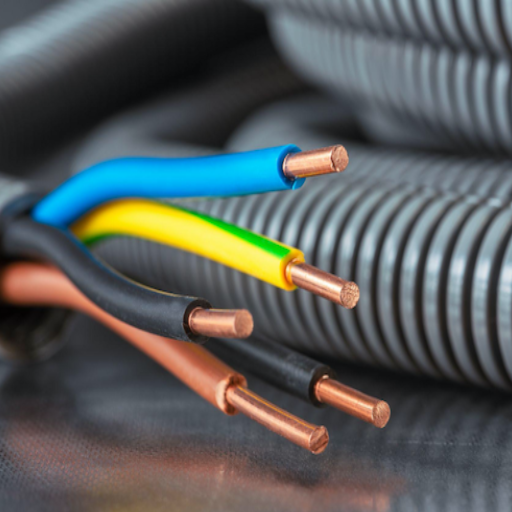
Conduit sizing denotes the process of choosing the right diameter of conduit to safely and efficiently contain electrical conductors. The size depends primarily on the wires’ number, gauge, and type of insulation, while the NEC (National Electric Code) requires certain restrictions. Properly sized conduits protect against the ease of pulling of wires, overheating, and safety standards. Being common, sizes from ½ inch to 2 inches are applied in a residential setup; however, bigger ones are required in commercial or industrial settings. Always follow NEC guidelines or consult a local authority to confirm the conduit size that is appropriate for your installation.
Importance of Choosing the Right Conduit Size
Correct conduit sizing is vital for the safe and efficient functioning of an electrical system. Inadequate conduit size may lead to damage to the wire insulation due to overcrowding or elevation of temperature because of restricted airflow. In fact, it also eases maintenance jobs as more room is made available there for wire-pulling and replacement. To attest to the fact that the system conforms with safety regulations as outlined in NEC standards, electrical-related dangers such as shorts or even fires are eliminated. In addition, during the planning of the installation, one must take into consideration the various factors, such as the type of wiring, the authorized number of conductors, and the application; whether it is residential, commercial, or industrial, so that the conduit size really fits current needs and has provisions for future expansion.
Overview of 10/3 Wire Specifications
Explanation of 10/3 wire: A cable comprising three 10-gauge conductors with a ground wire, usually applied for high-power appliances and circuits. The “10” in 10/3 wire is an American Wire Gauge (AWG) designation, which means that the wire will have an approximate diameter of 0.102 inches and may carry a current of up to 30 amps, depending upon the insulation type and conditions of use. Because this wire is mostly used for 240-volt applications, it would usually be found in an electric dryer, a water heater, or even a small subpanel. It goes up to 600 volts in rating and often is rated for THHN or THWN thermoplastic insulation to ensure mechanical strength and thermal resistance.
The use of 10/3 wire comes under the scope of the NEC to prevent overheating and to allow for safe operation of the wiring system. Some of the major considerations in the design include the ampacity of the conductor, the length of the circuit so as to reduce voltage drop, and environmental conditions such as temperature ratings and exposure to moisture. While making installation plans, one needs to be sure that the wire is sufficiently rated for the load it is to carry and sized for the protective device used on the circuit. Always check with your local electrical codes for the area and install in conformity with the standards of the NEC for the best safety and full performance.
Common Uses of Romex and UF Wire
Romex wire, also known as NM (non-metallic) cable, is primarily intended for indoor wiring in residential buildings. It is supposed to conduct circuits through walls, ceilings, and floors, giving power to outlets, lights, and appliances. Because it is flexible and easy to install, Romex has become the standard for household electrical wiring. However, the NEC requires that it be installed in dry protected areas, as Romex lacks sufficient protective sheathing to be resistant to moisture or damage.
UF wire is rated for outdoor use and direct burial. Its tough, moisture-resistant jacket makes for a viable underground installation without the need for conduit. The use of UF wire is generally associated with the powering of outdoor fixtures like garden lights, detached garages, and pool pumps, or running circuits to exterior buildings. It is also UV-resistant and may be exposed to the sun if necessary. Romex and UF wiring will both provide a reliable solution if chosen and put in place for the right application.
Using UF-B and Romex with Conduit
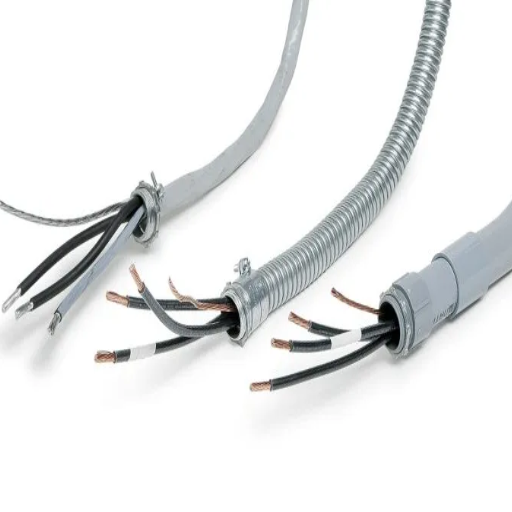
It is acceptable to use both UF-B and Romex wires with conduit, though a few different specifications apply to each. UF-B wire is rated for direct burial and does not need a conduit for underground installation; however, it can be placed in a conduit for added mechanical protection in areas where physical damage might occur. Romex is for indoor use and must be enclosed in conduit if it is to be used outdoors or in any exposed location, as per electrical code requirements. When installing conduit for either type of wire, be sure that the size and fill meet the requirements of the local electrical code, or otherwise risk conductor overheating or damage.
What is UF-B Wire?
UF-B wire is a kind of cable that may be put underground and used outside without any kind of conduit. It has a tough, high-UV-resistant PVC jacket to protect the conductors against moisture or UV rays and other environmental factors. UF-B wire contains two or more conductors; one may be a bare ground wire. Other conductors are insulated with a thermoplastic material. It is a great wire to be used wherever electrical power is required for outdoor lighting, pumps, outbuildings, etc., in an underground form. It is rated for 600 volts maximum and comes in all gauge sizes, depending on the electrical load required. Please always observe local electrical codes when installing UF-B wire.
Differences Between UF-B and Romex
Hence, UF-B cable is waterproof, while Romex cable is not. However, in the case of the NM-B, its sheath is thinner and less durable, which confines it mostly for indoor use away from outdoor or underground environments. Viewing from their different constructions, obviously, they must be subjected to different working conditions.
Sheathing and Insulation
Whereas van UF-B is made up of solid thermoplastic sheath and will protect the entire assembly, including the individual conductors (which themselves are insulated with a thermoplastic material), this makes the use of the UF-B cable suitable for direct burial, prolonged periods of moisture exposure, and many other such conditions. Romex cables are coated with a thinner and less durable sheath that is not suitable for outdoor or underground environments.
Applications
Mainly outdoor usage applies to the UF-B conductors, such as underground power feeds to sheds, pumps, and landscape lighting; Romex is strictly for indoor use; for example, wiring of outlets, lights, and other fixtures into dry and protected spaces like walls and ceilings.
Resistance to Environmental Conditions
UF-B cable is UV-resistant and can stand exposure to the elements, such as ground moisture and sunlight, whereas Romex cable should only be used in areas where humidity is never high, direct sunlight is never apparent, or contact with soil or water is never feasible.
Labeling and Cost
Many manufacturers will label their UF-B cables as such, while Romex-type cable will rarely be given such a designation. The UF-B product will, however, tend to be more costly due to its greater durability and somewhat specific use cases.
The environmental conditions and electrical code requirements at the installation site must be considered when choosing between UF-B and Romex. Local codes and standards should be consulted to ensure compliance and safety.
Best Practices for Running UF-B Wire
- Depth of Burial: If UF-B wire is installed underground without the protection of any conduit or sheath, it shall be buried at a depth of 24 inches. Where conduit is used, such as PVC conduit, it is often acceptable to reduce the depth to 18 inches, according to the NEC.
- Use of Conduit: Even though UF-B wire is designed for direct burial and does not require conduit, enclosing it in one provides additional protection from physical damage, which may be paramount where digging or shifting soil can be expected.
- Moisture Exposure: Hold tight so that waterproof junction boxes or weatherproof connectors secure the connections when terminating or splicing UF-B wires in outdoor or wet environments.
- Voltage Drop Issues: Include voltage drop in calculations for longer runs to check and ensure that the wire gauge can sustain acceptable performance over distance.
- Trash Cable: Do not install UF-B wire where it may be exposed to sharp objects, heavy impacts, or direct UV light for a long period of time. If so, extra extrinsic shields must be in place for protection.
- Local Codes: Confirm local electrical codes for compliance and get proper permits before installation. This guarantees safety requirements for the project and lessens hazards.
In following these best practices, UF-B wire really can be used for many outdoor and underground uses while maintaining safety and complying with requirements. Always check the NEC and local codes for installation procedures.
Determining the Correct Conduit Size for 10/3 Wire
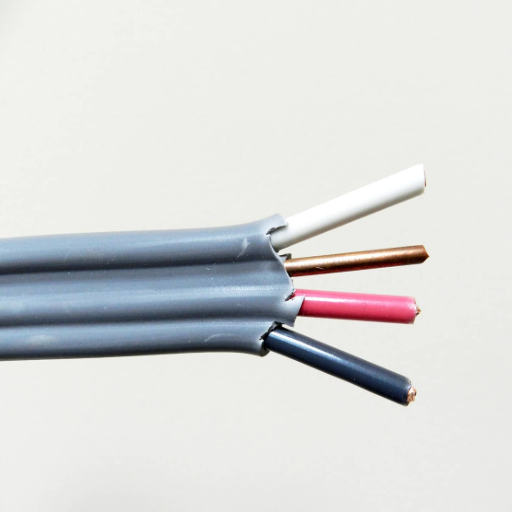
The correct conduit size for 10/3 wire is selected by considering the wire diameter along with the conduit fill percentages given by the NEC. Generally, a 1-inch PVC conduit is used to accommodate a 10/3 UF-B cable as per the NEC, stipulating a maximum conduit fill of 53% for a single cable. A smaller conduit size will force an improper installation with safety hazards. Always verify your calculations with the NEC and cross-verify local codes.
Factors Influencing Conduit Size Selection
There are several major factors considered when selecting a conduit size for electrical work. These include:
Cable Fill Capacity
According to the National Electrical Code (NEC), conduits should not have more than a certain percentage of fill, which varies with the number of cables inside; for single cable installations, it is 53% of the conduit’s internal cross-sectional area. This is so cables are not crammed into a small space, causing insulation degradation from overheating.
Cable Type and Insulation
Depending upon the type of cable used, such as UF-B, THHN, Romex, etc., there are requirements relevant to its conduit due to its dimensions and also the thickness of insulation. The relevant NEC charts need to be consulted for use in determining the size for that clear type of cable.
Ambient Conditions
Consideration must be given to temperature, moisture, or chemical exposure. The conduit should allow for the mounting of the wiring in such a way as to give that wiring protection from the stated conditions.
Bend Radius and Installation Path
The number of bends and the layout of the conduit path impact the ease of cable pulling. One way to ease the wiring task in complicated installations is to go for a larger conduit.
Future Expansion
Getting a bigger conduit can allow room for a future wiring installation, always keeping in mind the option of adding more cables at a later date. This, of course, saves time and avoids paying extra for retrofitting.
Properly sizing conduits involves calculating and taking into consideration the NEC, as well as local jurisdictional codes. Always, a certified tool or software is to be used when taking detailed measurements. In any case, consultation with a licensed electrician should be sought for compliance and safety.
Calculating Conduit Fill for 10/3 Wire
Calculate the wire fill for a 10/3 wire means, first determine the total cross-sectional area of all the conductors inside, and compare this area with the allowed fill of the selected conduit size from the National Electric Code (NEC). A 10/3 wire normally consists of three conductors of 10 AWG and one ground wire, all insulated.
According to NEC, the cross-sectional area of a single 10 AWG wire under typical circumstances with THHN insulation measures approximately 0.0211 square inches. This number, when multiplied by 4 for the 10/3 cable with its 4 conductors, yields an approximate figure of 0.0844 square inches for the wires themselves. If a multi-conductor cable or wire is being considered, remember that the cable jacket diameter (if it exists) will also need to be taken into account, so always verify the exact outer diameter and consult the manufacturer’s specifications.
This total is then checked against the available fill capacity of the conduit being selected to ensure compliance. For example:
Conduits like EMT, PVC, or flexible metallic tubing. Likewise, conductors are allowed to fill certain percentages of the conduit cross-sectional area (NEC, Article 300): One cable can fill 53%, two cables can fill 31%, and three cables can fill 40%. However, one has to always refer to NEC Chapter 9, Table 1, and the conduit-specific tables that apply to the conduit in use (e.g., Table 4 for EMT) to verify the maximum allowable fill area for the conduit of their choosing.
For doing relevant calculations, it would always be suggested either to use certified fill calculators and codes of local areas along with NEC codes; this would keep both safety and codes intact.
Recommended Conduit Sizes for Different Applications
In considering conduit sizes for any purpose, cable size, insulation type, and the number of conductors must be taken into account to meet NEC specifications; enough space must be available so that overheating or damage from physical causes does not occur. Below are some guidelines and general recommendations to consider:
Residential Applications
For lighting circuits using 14 AWG or 12 AWG wires, 1/2-inch EMT conduit is generally enough for up to three wires. This size works well for most general lighting and low-power applications.
For 10 AWG wire circuits such as those for water heaters or smaller HVAC units, 3/4-inch EMT conduit is an appropriate size for the usual conductor count.
Commercial Applications
For the small commercial installation using multiple 8 AWG or 6 AWG conductors, 1-inch EMT or rigid conduit is recommended for runs on the higher load side, such as heavy-duty machinery or extensive lighting systems.
Light feeders with conductors larger than or equal to 4 AWG usually call for conduits of 1 1/4 inches or 1 1/2 inches so that conductor bundles will fit in and have the appropriate fill capacity.
Industrial Applications
For motor control circuits having wires of 2 AWG or larger, and also in installations like feeders to industrial equipment, conduits of 2 inches or above may be called for. Further are also preferred for further durability in harsh environments.
In high-voltage systems or in those requiring multiple circuits, wireways or cable trays are options to the ever-increasing impracticality of conduiting.
Among other references, the chapter NEC 9, Annex C, and related regional standards are critical for the precise selection of conduit sizes. Factors such as conductor ampacity, the derating due to temperature, bundling, or installation, etc., essentially determine correct sizing. Always check with a manufacturer’s data and local regulations to meet compliance and have the best performance possible.
Types of Conduit Suitable for 10/3 Wire
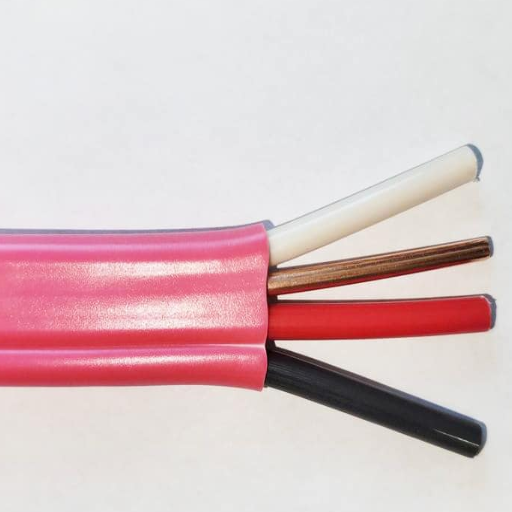
For use with 10/3 wire, the following conduit types are most typically accepted and comply with standard electrical codes.
PVC Conduit
It is the most lightweight and economical type of conduit; it fits the purpose perfectly when used underground or above ground, provided its surface is shielded from any kind of direct physical impact.
EMT (Electrical Metallic Tubing)
Being thin-walled and relatively inexpensive, EMT will work best inside buildings or where a rigid protective casing is needed.
RMC (Rigid Metal Conduit)
Such conduits are heavy-duty, and strong protection is offered outside wherever needed, or in industrial areas.
FMC (Flexible Metallic Conduit)
This offers application in installation requiring great flexibility, such as bending at corners, but with less durability than rigid ones.
Whatever type of conduit you finalize upon, you want to ensure it really goes with the diameter of 10/3 wire and is installed according to NEC rules and local codes.
Electrical PVC Conduit
PVC conduit is non-metallic, lightweight, and cheap. Electrical installation firms employ it predominantly in residential and commercial services, whilst it trials some industrial applications. Being a polyvinyl chloride conduit, it is highly corrosion-resistant and water-resistant, which makes it suitable for environments where it will come into contact with water or chemicals. PVC conduit is available in several thicknesses, including Schedule 40 and Schedule 80, wherein the Schedule 80 rating has a thicker wall for heavy-duty material.
When running 10/3 wire through electrical PVC conduit, the diameter of the conduit must be enough to accommodate the volume of wire as stated in the National Electrical Code. For 10/3 wire, a 3/4 inch diameter PVC conduit is usually enough, depending on the insulation of the wire and the total number of conductors. Always be sure to check the local electrical codes for conduit sizing, as different areas may enforce some additional requirements. The proper fittings and solvent welding together of PVC conduit sections are crucial for secure, waterproof connections-an essential ingredient for the safety and durability of a given installation.
Metallic Conduit Options
Metallic conduits do provide strong protection for electrical wiring, whether outdoors or indoors. EMT, or often called thin-wall conduit, is light in weight, inexpensive, and easiest to bend. From this standpoint, it is apt for indoor work in areas needing physical protection. IMC, thicker and tougher than EMT, would be used predominantly for exposed outdoor locations or industrial settings since it can withstand higher corrosion and physical impacts. Meanwhile, Rigid Metal Conduit, the thickest and toughest of all, would be specified for areas that are susceptible to mechanical damage or harsh environmental conditions and would provide the greatest possible protection to the conductors.
Whenever metallic conduits are selected, one ought to consider the exposure conditions, the degree of mechanical protection required in the installation, and the local requirements of the electrical code. The metallic conduits, when employed for the installation, must be attached as an equipotential ground to the main electrical system to assure safety. Secondly, the process of threading and joining sections of metallic conduit must be carried out with great care so that the inside wire is not damaged, thus preserving the integrity of the installation. In the case of an outdoor installation, weatherproof-type fittings and finishes that are resistant to corrosion must be considered to enhance the life of the conduit system. One must always verify compatibility with the wire gauge and insulation type, which satisfy the requirements for a safe installation.
UF-B Cable Considerations
A prerequisite for the handling of a UF-B cable is to recognize its proper application. For the purpose of doing so, it is primarily directly buried and consequently outdoor; in other words, an installation where extra conduit is seldom required. This is the cable with thermoplastic sheathing that resists moisture, sunlight, and the conditions of the underground, thereby supplying power to exterior fixtures, outbuildings, or garden lighting.
Verify whether the rating of the UF-B cable matches the voltage and amperage for the circuit at hand. Most UF-B cables are used for circuits of up to 600 volts, and the wire gauge must be selected according to what is required by the load that will be connected. The cable will be buried at a minimum depth of 24 inches if directly buried without conduit (or as stipulated in the local code) unless it is protected by rigid metallic conduit, in which case the burial may be shallower.
Always check for the local electrical codes and regulations. Care must also be taken to avoid sharp bends or damage to insulation if the cable is run underground or through any obstacles. Proper planning, following manufacturer guidelines, and code requirements will always assure a reliable and safe installation.
Installation Guidelines for Running 10/3 Wire in Conduit
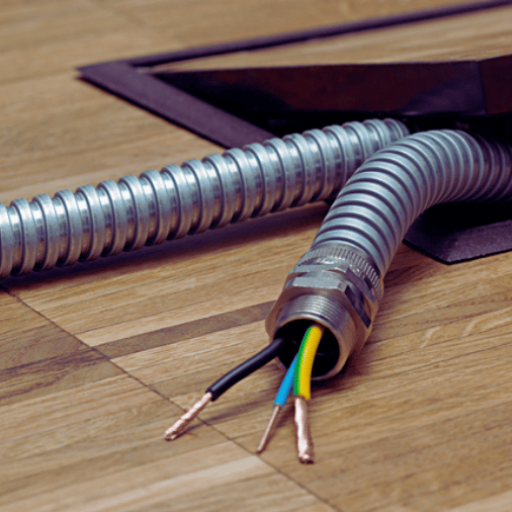
Conduit Sizing and Material Selection
When it comes to installing 10/3 wire, it is truly important to size and select the conduit for adequate spacing and lasting durability. For 10/3 wire, as in three 10-gauge insulated conductors plus a ground wire, a conduit diameter of 3/4 inch is generally recommended, according to the nature of the conduit selected, be it PVC, EMT, or flexible conduit. Always be sure to calculate conduit fill in accordance with NEC (National Electrical Code) guidelines so as not to exceed fill percentages that would otherwise jeopardize safety as well as wire functionality.
Bending and Routing Considerations
Try to avoid sharp bends in conduits since those might strain an insulator or increase the pulling effort. The NEC requires that the radius of curvature for bends meet very minimum specification, generally in a range not lower than six times the conduit diameter for rigid types of conduits. A pulling lubricant must be applied to minimize friction or potential damage to the wire insulation during installation.
Burial Depth Requirements
In case the conduit is being installed underground, then the following NEC burial depth requirements should be maintained. For example, non-metallic conduits should generally be buried 18 inches deep, whereas metallic types may be exempted down to 6 inches under some specific conditions. Always verify these depth requirements with local code authorities.
Protection and Seal Considerations
In the interest of protecting the system against environmental factors, seal the conduit ends with appropriate fittings or sealing compounds that prevent moisture or debris ingress. Use weather-resistant conduit materials for outdoor applications, especially in areas prone to extreme weather conditions.
Final Inspections and Testing
After installation, check the conduits and wiring for proper securing, alignment, and continuity. Perform a continuity test using a multimeter to ensure that all connections are secure and working. Ensure all work is done in compliance with both manufacturer specifications and NEC guidelines before applying circuit power.
Best Practices for Installing Conduit
- Choose the Proper Conduit Type: Select conduit materials that are suitable for the given installation environment. For outdoors or wet locations, go for weather-resistant types like PVC or galvanized steel that meet NEC criteria for corrosion and UV resistance.
- Plan Your Conduit Layout: Every detail of the conduit run should be carefully planned before installation so that the least number of bends and connections are needed. Excess bends tend to make wire pulling difficult and will cause damage. According to NEC, not more than 360 degrees of bends is allowed between pull points.
- Use Appropriate Support and Spacing: Support the conduits securely at suggested intervals by use of appropriate clamps or hangers. As given in the NEC, PVC conduit is generally to be secured every 3 feet and at every coupling, and spacing requirements for rigid metal conduits may be different.
- Maintain Code-Compliant Clearances: When conduits run near other structures like electrical panels or HVAC systems, always maintain the proper clearances for interference and NEC intangibility.
- Use Correct Tools and Fittings: Use tools like conduit benders and cutters to not compromise structural strength. The use of rated fittings and connectors is a must for a tight seal against moisture.
- Seal Openings and Ends: Seal open conduit ends with proper caps to keep moisture, dirt, or small animals out while employing weatherproof fittings where the conduit enters equipment or enclosures.
- Conduct Thorough Inspections: Do visual inspections for alignment, secure attachments, and sealing of joints. Once the installation is complete, functional testing, such as continuity testing to ensure wiring and connection integrity, must be undertaken.
It is the observance of such principles that secures safety and commits itself to the fulfillment of the NEC regulations, thereby also affecting the longevity and functionality of an electrical conduit system.
Safety Tips When Running Wire
Areas of focus and key safety practices in connection with wiring include: an obvious initial thing is to de-energize circuits, thus eliminating even the possibility of a shock hazard. I wear my PPE – insulated gloves and safety glasses that serve to keep away one of those sneaky risks. Proper wire labeling and securing mechanisms are vital to keep things orderly and prevent mix-ups or erroneous maintenance activities in the future. And finally, I perform a double compliance check with NEC to ensure safety and operational standards on installation awareness requirements.
Common Mistakes to Avoid
Not De-Energizing Circuits
Perhaps one of the most dangerous lapses occurs when a worker fails to ascertain that circuits have been fully de-energized before beginning his or her tasks. Always use a voltage tester to ensure no live current flows in the system.
Wrong Use of PPE
Not using proper PPE or misusing it, such as using insulated gloves incorrectly or merely wearing arc-rated clothing, places workers in danger of serious injury. Make sure that the PPE fits properly and suits the type required for the task at hand.
Improper Wiring or Labeling
Any mislabeling or crossing over circuits can produce operational errors and maintenance difficulties in the future. Double-check that wires are connected correctly; labeling must follow standard practices.
Not Following the NEC Rules
Installation can become unsafe, or problems arise for subsequent legalities or failed inspections if the National Electrical Code (NEC) is overlooked or misunderstood. At every stage of design and installation, always refer to the current NEC.
Avoiding Grounding Requirements
Insufficient grounding arrangements may jeopardize the safety and functionality of a system. The grounding connections must be properly secured and adequately sized to prevent any electrical faults.
Important: By not committing these usual errors, the professionals can add to safety, safeguard against statutory compliance, and lend reliability to their work.
Conduit Size Reference Tables
NEC Conduit Fill Percentages
| Number of Conductors | Maximum Fill Percentage | Application |
|---|---|---|
| 1 | 53% | Single cable installations |
| 2 | 31% | Two cable installations |
| 3 or more | 40% | Multiple cable installations |
Recommended Conduit Sizes by Application
| Application Type | Wire Gauge | Recommended Conduit Size | Conduit Type |
|---|---|---|---|
| Residential Lighting | 14 AWG – 12 AWG | 1/2 inch | EMT or PVC |
| Water Heaters / HVAC | 10 AWG | 3/4 inch | EMT or PVC |
| 10/3 Wire Installation | 10 AWG (3 conductors + ground) | 3/4 inch – 1 inch | PVC, EMT, or RMC |
| Commercial Equipment | 8 AWG – 6 AWG | 1 inch | EMT or Rigid |
| Large Feeders | 4 AWG or larger | 1 1/4 inch – 1 1/2 inch | Rigid or IMC |
| Industrial Motors | 2 AWG or larger | 2 inches or above | RMC or IMC |
Burial Depth Requirements
| Conduit Type | Direct Burial (No Conduit) | With Non-Metallic Conduit | With Metallic Conduit |
|---|---|---|---|
| UF-B Cable | 24 inches | 18 inches | 6 inches |
| PVC Schedule 40 | N/A | 18 inches | N/A |
| PVC Schedule 80 | N/A | 18 inches | N/A |
| Rigid Metal Conduit | N/A | N/A | 6 inches |
Conduit Type Comparison
| Conduit Type | Material | Best Use | Cost | Durability |
|---|---|---|---|---|
| PVC Schedule 40 | Polyvinyl Chloride | Underground, corrosive environments | Low | Good |
| PVC Schedule 80 | Polyvinyl Chloride (Thick Wall) | Heavy-duty underground, exposed | Moderate | Excellent |
| EMT | Steel (Thin Wall) | Indoor, dry locations | Low-Moderate | Good |
| IMC | Steel (Intermediate) | Outdoor, industrial | Moderate-High | Very Good |
| RMC | Steel (Thick Wall) | Harsh environments, maximum protection | High | Excellent |
| FMC | Flexible Metal | Short runs, tight spaces | Moderate | Moderate |
- For 10/3 wire, a 3/4 inch to 1 inch conduit is generally recommended depending on insulation type and installation conditions
- NEC mandates maximum conduit fill percentages: 53% for one cable, 31% for two cables, and 40% for three or more cables
- UF-B cable is designed for direct burial and outdoor use, while Romex (NM cable) is strictly for indoor dry locations
- Always de-energize circuits before beginning any electrical work and use proper PPE for protection
- Calculate total conductor cross-sectional area and compare against conduit fill capacity for compliance
- PVC conduit offers excellent corrosion resistance and is ideal for underground installations
- Metallic conduits (EMT, IMC, RMC) provide superior mechanical protection and grounding capabilities
- Burial depth requirements vary: 24 inches for direct burial UF-B, 18 inches with PVC conduit, 6 inches with metallic conduit
- Plan conduit routes to minimize bends; NEC allows maximum 360 degrees of bends between pull points
- Always consult local electrical codes and NEC guidelines for specific installation requirements
Conclusion: Ensuring Safe and Compliant Conduit Installations
Selecting the appropriate conduit size for 10/3 wire, whether using Romex or UF cable, is a critical decision that directly impacts the safety, functionality, and longevity of your electrical system. Throughout this comprehensive guide, we have explored the fundamental principles of conduit sizing, the specific requirements for different wire types, and the various factors that influence proper installation practices. Understanding these elements is essential for anyone involved in electrical work, from professional electricians to informed homeowners planning their projects.
The National Electrical Code provides clear guidelines regarding conduit fill percentages, burial depths, and installation methods that must be strictly followed to ensure compliance and safety. For 10/3 wire installations, a 3/4 inch to 1 inch conduit typically provides adequate space while maintaining the required safety margins. However, the specific size will depend on multiple factors including the insulation type, number of conductors, ambient conditions, and whether future expansion is anticipated. These considerations highlight the importance of thorough planning and calculation before beginning any installation.
The distinction between UF-B and Romex cables is particularly important to understand. UF-B cable’s robust construction makes it ideal for outdoor and underground applications, offering moisture resistance and UV protection that Romex simply cannot provide. Conversely, Romex excels in indoor environments where its flexibility and ease of installation make it the preferred choice for residential wiring. Using the wrong cable type for a particular application can lead to premature failure, safety hazards, and code violations that may require costly remediation.
When it comes to conduit materials, each type—whether PVC, EMT, IMC, RMC, or FMC—offers distinct advantages suited to specific applications. PVC conduit’s corrosion resistance and cost-effectiveness make it excellent for underground installations, while metallic conduits provide superior mechanical protection and inherent grounding capabilities. The choice between these options should be based on environmental conditions, physical protection requirements, budget considerations, and local code specifications.
Proper installation techniques are equally crucial to material selection. Following best practices such as maintaining appropriate burial depths, limiting conduit bends to 360 degrees between pull points, securing conduits at proper intervals, and using suitable fittings ensures both immediate safety and long-term reliability. The use of pulling lubricants, proper wire labeling, thorough continuity testing, and final inspections all contribute to a professional installation that meets or exceeds industry standards.
Safety must remain the paramount concern throughout every phase of electrical work. De-energizing circuits before beginning work, wearing appropriate personal protective equipment, following grounding requirements, and adhering to NEC regulations are not mere suggestions—they are essential practices that protect lives and property. The common mistakes outlined in this guide serve as important reminders of what to avoid, helping ensure that installations are completed safely and correctly the first time.
As electrical systems become increasingly complex and power demands continue to grow, the importance of proper conduit sizing and installation only intensifies. Whether you’re working on a simple residential circuit or a complex commercial installation, the principles discussed in this guide provide a solid foundation for making informed decisions. Remember that while this guide offers comprehensive information, it should complement—not replace—consultation with licensed electricians and local authorities having jurisdiction over electrical installations.
In conclusion, successful conduit installation for 10/3 wire requires a combination of technical knowledge, careful planning, quality materials, and adherence to established codes and standards. By understanding the specifications of different wire types, calculating proper conduit fill, selecting appropriate materials, and following proven installation techniques, you can ensure that your electrical system operates safely, efficiently, and in full compliance with all applicable regulations. The investment in proper conduit sizing and installation pays dividends through enhanced safety, improved system performance, and the peace of mind that comes from knowing your electrical work meets the highest professional standards.
Final Safety Reminder
CRITICAL NOTICE: All electrical work must be performed in accordance with the National Electrical Code (NEC) and local building codes. Always de-energize circuits before beginning work, use appropriate personal protective equipment, and verify that circuits are completely de-energized using a voltage tester. If you are uncertain about any aspect of electrical installation, consult with a licensed electrician. Improper electrical work can result in electric shock, fire, serious injury, or death. Local permits and inspections may be required for electrical installations. This guide is for informational purposes and does not replace professional electrical expertise or code compliance requirements. Your safety and the safety of others depends on proper installation practices and strict adherence to all applicable codes and regulations.
Reference Sources
“Electric Field Distribution around Contaminating Wire Particles Inside Gas Insulated Bus Duct”
“Design of High-Performance DC Motor-Actuated Cable Driving System for Compact Devices”
“Fluid-Structure Interaction Simulation of a Wire-Wrapped Tube Array Using Overset Grids”
Frequently Asked Questions (FAQs)
What size conduit is needed for 10-3-wire?
The conduit size for 10-3 wire generally depends on the number of conductors being run and the type of conduit being used. One 10-3 wire typically requires a 1-inch PVC conduit. However, if more than one cable is being run or if there are several bends, the conduit size should be increased to provide enough space and to prevent overheating.
Can I use schedule 40 PVC conduit for 10-3 wires?
Schedule 40 PVC conduit may be used for conduits for 10-3 wires. It offers excellent protection but is light and easy to work with. If used as a direct bury, ensure that the conduit is rated for underground use.
What are the differences between schedule 40 and schedule 80 PVC for conduits?
Working as a thicker conduit for more rigidity and protection against concussions, schedule 80 PVC conduit walls are thicker than schedule 40 walls. Generally, for most residential situations for 10-3 wire, schedule 40 is enough. However, for areas prone to impact, schedule 80 would be best.
Can electrical metallic tubing be a fit for a 10-3 wire?
Certainly, electrical metallic tubing can be used for 10-3 wire since it provides corrosion resistance and protection against physical damage. It enhances the protection offered by the conduit in cases when extra protection is needed.
How do I determine the proper conduit size for multiple bends?
When running multiple bends, remember the total fill capacity for 10-3 wire. It may be necessary to increase the conduit size due to the additional bends and to give the wires inside enough room to avoid overheating, as per NEC 300.5 requirements.
Can one use PVC or rigid metallic conduit for 10-3 wire installations?
Both PVC and rigid metallic conduits are acceptable for protecting 10-3 wire. PVC, being lightweight, corrosion-resistant, and easy to work with, is preferred in most residential settings. For the rigid metal conduits with higher durability and protection against heavy mechanical damage, installation should be in a more industrial setting. The choice basically depends on your installation requirements and the allowance by codes in your jurisdiction.
Does the local code allow UF-B cable to be run in conduit?
Yes, local codes often allow the use of UF-B cable in conduit, so long as the installation meets all safety requirements and standards. It is best to consult these local requirements to ensure compliance during the planning of an installation.
What size conduit is generally recommended for air conditioning unit wiring?
Depending on the gauge of wire used, the conduit size for air conditioning installation varies. For 10-3 wire, generally used for 30-amp circuits, a 1-inch conduit is normally used, but local codes or guidelines should be checked to assure proper installation.
What type of wire should I use in conduit?
When placing wire in conduit, use THWN (thermoplastic heat and water-resistant nylon-coated) wire. This wire is appropriate for wet and dry locations as it provides excellent protection against heat and moisture-metallic applications.”