








Aluminum service wire and copper are two commonly used materials in the wiring world. Both come with their special properties, benefits, and challenges, which makes choosing one very important for homeowners, contractors, and electricians. Consider this post a detailed discussion of the most significant differences between aluminum service wire and copper, so that you, in turn, may be equipped with the best knowledge necessary to make an informed decision regarding your particular requirements. From cost efficiency, durability, conductivity, and maintenance, all critical considerations will be weighed, so that the decision about which material suits your priorities can become clear. Regardless, whether for your upcoming electrical project or out of pure curiosity about the science behind these two materials, this comparison should provide some answers to this fundamental question.
Understanding Aluminum and Copper Wires
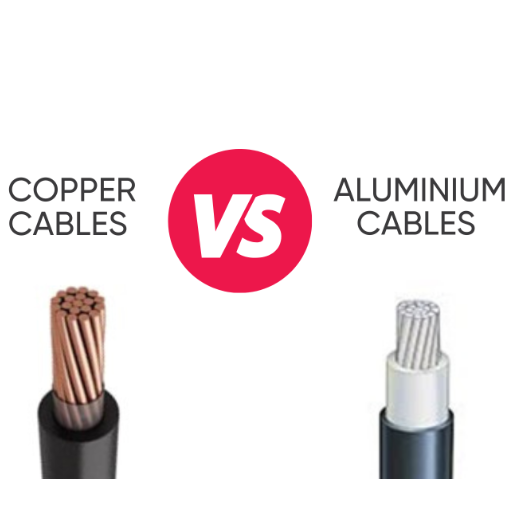
Aluminum wires are lighter, less expensive, and more flexible, offering greater installation flexibility. They are used in bulk where the budget is a constraint. Aluminum is less conductive than copper and therefore requires larger wire sizes to carry the same electrical load. Aluminum oxidation increases resistance and, if not properly checked, may pose safety hazards.
On the contrary, copper wires offer the best conductivity, durability, and corrosion resistance, making them ideal candidates for high-performance and long-term applications. Although copper is costlier and heavier than aluminum, its superior conductivity allows for smaller wire sizes to achieve the same performance ratings. Copper also outperforms aluminum in heat dissipation, with minimal chances of expansion and contraction, which might create loose connections over time.
The final decision on whether to choose aluminum or copper wires depends on your specific needs, budget, and the requirements of your application.
What is Aluminum Wire?
An aluminum wire is a lightweight and inexpensive conductor used in various electrical applications, particularly in residential and commercial settings. Being lightweight, it is a great advantage, weighing only about one-third as much as copper, which creates ease in installation for larger systems. Despite having lower conductivity compared to copper, aluminum wire still efficiently conducts power, being designed with a thicker gauge to compensate for its conductivity deficit.
Aluminum wire also resists corrosion by nature; oxidation overtakes the surface and protects it. It will therefore work in outdoor or damp areas. The use of modern aluminum alloys, such as the AA-8000 series, has significantly improved performance, addressing safety issues with older aluminum wiring that were prevalent in the 1960s and 1970s.
Empirical evidence indicates that aluminum wires are approximately 60% less expensive than copper wires, offering an economical alternative for large-scale installations, such as utility grids and power distribution centers. Aluminum has a high rate of thermal expansion, meaning it expands more as the temperature increases. Conversely, when it cools, it contracts more than copper. Special installation methods or connectors may, therefore, be required to prevent loosening and arcing over time.
Aluminum wiring can still be used successfully in many applications where considerations of weight and economy are critical. Over time, aluminum has been modified in thin layers to enhance safety and efficiency.
What is Copper Wire?
As an electrical conductor, copper wire is widely used due to its properties, including conductivity, reliability, and durability. It has higher electrical conductivity than aluminum, making it suitable for numerous electrical and electronic applications. Copper can be rated to have a conductivity of approximately 59.6 × 10^6 S/m and can carry higher electrical loads with very little resistance; therefore, energy loss is decreased, thereby increasing efficiency.
A remarkable characteristic of copper wire is its high tensile strength, which enables it to withstand mechanical stress during installation and use, making it even more suitable for construction, telecommunications, and industrial equipment wiring systems. This being the case, copper lasts well in the manufacturing realm because it hardly corrodes, even in harsh environmental conditions.
Copper wiring is employed in residential, commercial, and industrial infrastructures, being used from power transmission lines to complex circuit boards. On the other hand, copper wire dominates the global electrical wire market because of its efficiency and the existence of well-established standards for its application. In contrast to aluminum wiring, which is less expensive, the long-term service life of copper wiring tends to justify the extra cost for many applications. With the advent of advanced manufacturing techniques, copper wire is increasingly the mainstay in powering modern technological amenities and infrastructures.
Key Differences Between Aluminum and Copper
Aluminum and copper are the two most commonly used materials for wiring, each with its distinct advantages and characteristics. Here are some of the key differences:
Electrical Conductivity: Copper has far better electrical conductivity than aluminum and hence transmits electricity more efficiently. Copper conductivity is almost 60% better than that of aluminum, resulting in fewer energy losses in electrical systems. Therefore, it is used in applications where efficiency is a concern.
Weight: Aluminum is significantly lighter, weighing only about one-third as much as copper. This attribute is beneficial when the overall weight needs to be kept at a minimum, such as for aerospace tasks or transmission lines covering very long distances.
Price: Aluminum typically costs less than copper, which makes it more attractive for large-scale installations with limited budgets. However, the initial cost may be more affordable, which can sometimes be a benefit in terms of long-term efficacy and durability.
Strength and Durability: Copper is more durable and has a higher tensile strength, which reduces the chance of breakage or deformation under stress. It also withstands environmental factors, such as shear corrosion and high temperatures, better than aluminum does. Aluminum is more susceptible to oxidation; however, modern alloys and coatings mitigate this effect for most new applications.
Thermal Expansion: Aluminum, having a comparatively higher coefficient of thermal expansion, will expand and contract more with temperature fluctuations than copper, resulting in loosening of the connections, especially if the environment experiences regular temperature changes, requiring additional maintenance.
Application Insights: Copper wiring is widely chosen in residential and industrial buildings for its dependability and performance. Aluminum, meanwhile, tends to be used for overhead power lines and commercial projects, wherein its weight plays favorably against cost. Globally, copper remains the primary material for the electrical wiring industry due to its excellent conductivity and long service life.
By knowing these distinctions, engineers and decision-makers can make choices that best suit the various requirements of their projects.
Advantages of Using Aluminum Wire
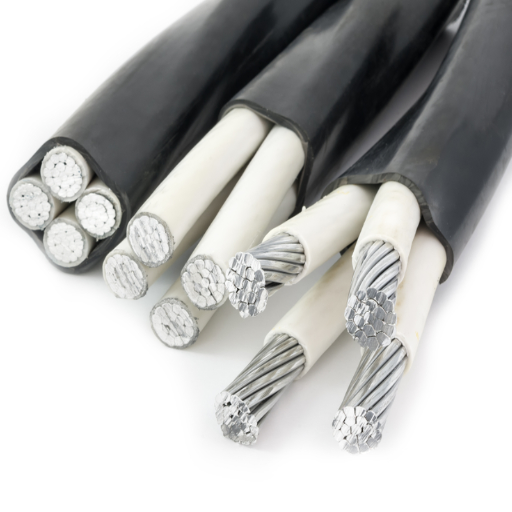
Lightweight: Aluminum wire weighs significantly less than copper, thereby easing the handling, transportation, and installation processes, especially in areas such as long-distance power transmission and large-scale projects.
Cost-Effective: Due to its lower cost compared to copper, aluminum wire provides a cost-effective alternative for projects that require large quantities of wiring.
Corrosion Resistance: Aluminum develops a layer of oxide upon exposure to air; this oxide layer forms a protective shield against further corrosion to some extent, increasing its durability in specific environments.
High Conductivity-to-Weight Ratio: The conductivity of aluminum is approximately half that of copper, but in terms of weight, it is one of the best conductors, a key attraction highlighted in cases where turbines are required.
Availability: Aluminum is an abundant metal, making it readily available and a sustainable option for electrical applications.
Cost Effectiveness
Aluminum is one of the materials that can be chosen for electrical applications due to its cost-effectiveness and versatility. Aluminum is one of the most abundant metallic elements in the Earth’s crust, thereby keeping raw material costs low. The lightweight nature of aluminum also tends to reduce transport and installation costs compared to other materials, such as copper, resulting in even greater overall cost savings.
Recent evidence reveals that the price of aluminum per ton is significantly lower than that of copper, typically ranging from $2,000 to $2,500 per ton, compared to copper rates that exceed $8,000 per ton. This particular difference in pricing, therefore, always puts aluminum at the forefront when time-and-material projects are considered.
As far as recycling is concerned, aluminum ranks high among cost-effective materials. Recycled aluminum accounts for only about 5% energy consumption compared with its energy-intensive primary production, thereby economically supporting sustainability. The industries that use recycled aluminum reduce material costs while advancing their sustainability goals, making it a modern solution for electrical systems.
Weight and Flexibility
One of the properties that the metal possesses is that it is weightless, measuring around 2.7 g/cm³ or about one-third as heavy as steel. This, indeed, makes aluminum the ideal choice for industries where minimal weight is a paramount concern, such as the aerospace and automotive industries. Lighter weight translates to improved energy efficiency during transportation, and reduced fuel consumption also results in lower operational expenses and decreased environmental emissions.
And the aluminum is tremendously malleable to the extent that it could be easily molded and shaped into various forms without any compromise to its structural capability. This malleability presents opportunities for sophisticated electrical components, wiring design conversion, and enclosures. The ease of working with aluminum, due to its lightweight and malleable properties, also facilitates the on-site installation of aluminum electrical enclosures, reducing the need for manpower and time during construction or electrical work. These are all positive features combined in aluminum, making it an all-around efficient and flexible choice for modern engineering and design challenges.
Applications of Aluminum Service Wire
Aluminum service wire finds application in various industries and fields due to its affordability, long lifespan, and lightweight nature. The most common use is under utility distribution lines, where, as a light wire, it can reduce the load on infrastructure while providing high conductivity to transmit energy. It is even more suitable for high-voltage overhead power lines, where support structures are spaced at larger distances due to the wire being lighter than alternatives.
Another vital installation location is residential and commercial wiring. Aluminum service wire is used for main feeder cables that supply power to a building due to its reliable operation and cost-effective solutions. According to the industry, aluminum wire weighs almost half as much as copper, allowing easier transportation and installation, thereby quickly reducing project costs.
Aluminum service wire is also used in renewable energy systems, including wind farms and solar installations. These systems benefit from the corrosion-resistant nature of aluminum, which ensures optimal performance and longevity under diverse environmental conditions. Its thermal conductivity also aids in the stable handling of power, which is an essential consideration in the generation and distribution management of such applications.
Aluminum service wire is finally used in automotive and aerospace applications. In the quest for greater light-weighting to enhance fuel efficiency and reduce emissions, aluminum wiring has found its way into automotive applications and aircraft systems of today. Aluminum in wiring harnesses and electrical systems contributes to weight savings while providing reliability and safety for critical applications.
Benefits of Copper Wire
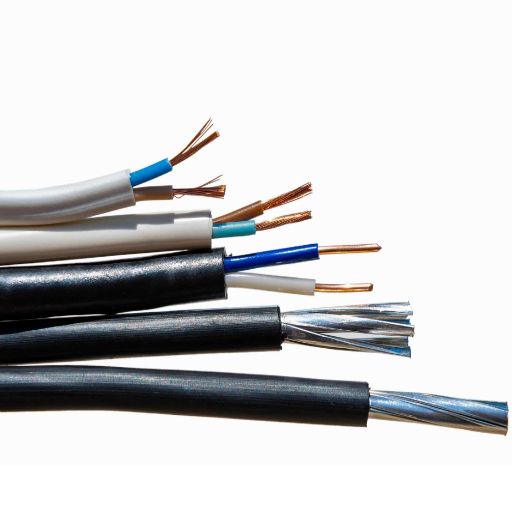
Copper wire has eminent benefits that favor its selection in various electrical applications. Foremost, copper wire is an excellent electrical conductor, allowing electricity to be transmitted with minimal energy loss, thereby increasing the efficiency of all systems. The resistance offered by wires to bending and shaping tasks is required in installations that are coordinated and hence are of less rigidity. In contrast, copper is ductile enough to permit bending and shaping. Furthermore, copper wires resist corrosion, ensuring long-term durability and reliability even in harsh environments. The strength and thermal conductivity enhancements further enhance copper performance under high electric loads, making copper suitable in all respects for applications in both residential and industrial domains.
Conductivity and Performance
Due to its excellent electrical conductivity, copper has historically been considered the ideal conductor for use in electrical engineering applications. According to the International Annealed Copper Standard (IACS), copper is given a 100% rating for conductivity and stands truly alone as an electrical conductor par excellence. New technology makes even more proven: modern copper systems ensure practically zero energy loss under loads.
The study reveals that current densities above 3.1 × 10^6 A/m² can be handled by copper wires without a considerable temperature rise, ensuring safe and efficient conduction. Additionally, with its high thermal conductivity of 401 W/m·K, copper provides the quick dissipation of heat, which is highly beneficial in protecting against overheating in high-powered circuits. The excellent combination of electrical and thermal conduction makes copper wiring highly reliable for modern technologies, ranging from renewable power installations to advanced communication systems that support high-speed data transmission and sustainable power infrastructure, ensuring consistency and durability.
Resistance to Corrosion
Ensuring a metal’s corrosion resistance is a valuable asset that contributes to the greater appeal of copper in manufacturing applications. This property is because copper metals produce a protective layer of copper oxide when exposed to air, thereby preventing further damage from the environment. Unlike ferrous metals, copper seldom displays rust or degradation, making it suitable for applications in harsh environments, such as marine environments.
Extending continuously on corrosion rates in extreme acidic or saline conditions and providing copper with the advantage of excellent longevity has been the conclusion of some studies. Copper alloys exhibit very low corrosion rates in seawater, ranging from 0.02 to 0.002 mm/year, depending on the alloy composition. Such low corrosion rates brand copper as an indispensable material for the hulls of ships, desalination plants, and offshore platforms.
The antimicrobial properties of copper also enhance its resistance to biofouling, which, in the case of other materials, typically accelerates corrosion. Consequently, the unique combination endows copper with the status of a durable and dependable material used in a wide range of industrial, architectural, and electrical applications. It thus remains assured of operational efficiency and economic performance with sustainability over time.
Long-Term Durability
Copper’s long-term wear resistance is considered one of the best features for high-end applications in infrastructure, transportation, and energy sectors. According to recent studies and industry opinions, copper piping and fittings have a lifespan of approximately 50 years under most weather conditions, making plumbing installations considered reliable for over 75 years of service. This is primarily due to copper’s natural anti-corrosion properties and its structural integrity, even under environmental stresses.
Additional examinations reveal the recyclability of copper, which reduces its life cycle cost and, consequently, sustains its performance. However, copper is regarded as one of the easiest metals to recycle because approximately 80 percent of all copper mined is currently in use, thereby ensuring its ability to be reclaimed and reused without degradation. Compared to its performance in the renewable energy fields, copper efficiency and reliability in cutting-edge technologies are situationally reaffirmed.
Cognizant of its unmatched longevity and consistent strength, copper stands as a reliable partner for safeguarding longevity and durability in all projects characterized by a long lifespan and economic efficiency.
Precautions for installing copper and aluminum wires
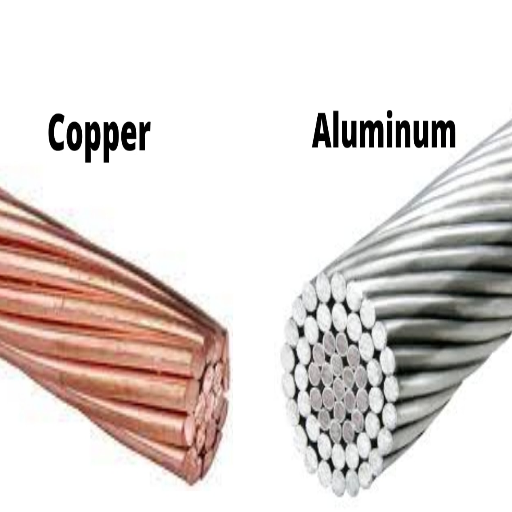
Use Compatible Connectors: Connectors or terminals must be used that are suitable for the wire type, whether copper or aluminum, to avoid corrosion or loosening, especially for aluminum wiring.
Check for Proper Gauge: Use wires of one specific gauge to safely carry the electrical load for which they were rated, so that in the event of an overheat or short circuit, the wires do not fail on their own.
Avoid Mixing Materials: Copper and aluminum wires should never be spliced directly together without the use of a proper connector, as this can cause galvanic corrosion.
Tighten Connections Properly: All terminal connections should be tightened securely, but never over-tightened, as this could damage the wire, especially the soft aluminum.
Inspect for Damage: Before installation, wires should be checked for wear, cracks, or corrosion to ensure reliable service over many years.
Follow Local Electrical Codes: Always comply with national or local electrical codes and safety standards during installation to ensure compliance and safety.
Following these tips ensures the safe and efficient installation of copper and aluminum wires.
How to Install Aluminum Service Wire
Installing aluminum service wire requires careful preparation, adherence to safety protocols, and proper handling to ensure a successful and long-lasting installation. Below is a detailed guide on the subject.
Determine Wire Size and Ampacity: Selecting the correct wire size is critical to safely carrying electrical loads. Aluminum wires usually come in larger sizes compared to copper wires of the same ampacity because aluminum has less conductivity. For instance, a 100-amp aluminum service wire may require a wire of #2 AWG, while a 200-amp service may be served by 4/0 AWG aluminum wire. Always refer to an ampacity chart to check for the correct size for a particular load or distance of run.
Prepare the Installation Location: Ensure the installation site is clear of obstructions, moisture, and hazards. When required, use proper conduit to shield the aluminum wire from physical damage and environmental exposure. For underground installations, use direct-burial rated aluminum wires and bury them to the depths specified by local electrical codes, typically between 18 and 24 inches.
Use Proper Connectors and Anti-Oxidant Paste: Aluminum wires get oxidized, causing an increase in resistance and overheating. Always use UL-listed connectors for aluminum conductors, and apply antioxidant compounds, such as AlumiConn or Noalox, at junction points to prevent oxidation.
Tighten and Secure Connections: Aluminum wires expand and contract in response to temperature variations. To prevent loose connections later on, tighten the terminals to the manufacturer’s torque specifications using a calibrated torque wrench. Loose connections may cause arcing and hazards, so securing a proper installation is essential.
Check All Connections and Components: Before energizing the circuit, thoroughly inspect all connections, terminals, and components to identify any signs of damage, wear, or improper installation. Watch for any overheating, frayed insulation, or poor conductivity at connection points. Such thorough inspections help discover problems that could lead to failures over time.
Testing and Energizing the System: After the installation is done, check the continuity, grounding, and voltage across the wire with a multimeter. Ensure a proper function of the system with no abnormal conditions. With verification, energize the aluminum service wire under supervision, slowly ramping up the load until it is confirmed to be stable.
Following these detailed steps, along with adherence to updated regulatory standards and safety guidelines, shall help one perform efficient installation of aluminum wire and minimize long-term risks. Always seek the assistance of a professional electrician or contact local authorities if you have any questions during the process.
How to Install Copper Wire
Copper wire is a dependable conductor for electrical installations, offering efficient conductivity and durability. The installation of copper wire, when done correctly, ensures the system performs well throughout its intended life, is safe to use, and is of the utmost durability.
Preparation and Planning: The first step is to thoroughly inspect the project requirements and determine the correct wire size based on the load capacity, voltage drop, and applicable electrical codes. According to the NEC, copper wires vary in gauge, usually 12 AWG for standard outlets and 14 AWG for lights in a residential setting. An electrical load calculator can help determine compatibility with the chosen gauge.
Procuring Materials: Before starting, ensure all necessary supplies are ready, including copper wire, connectors, electrical tape, conduit, and power tools such as wire strippers and crimping tools. Buying quality copper wire from a reputable supplier will ensure that the wire meets industry standards and does not cause heating problems.
Routing the Wire: Finally, lay down the wire path while being mindful of the existing structures and pipework to avoid any interference. Where wear could occur, fix the conduit to provide adequate protection to the wire and reduce exposure to environmental hazards, such as moisture and abrasion. Ensure the paths comply with local regulations. For instance, minimum clearances must be maintained, or sharp bends that could weaken the wire must be avoided.
Stripping and Connecting: Strip the insulation at the ends with a wire stripper for its intended job and avoid cutting into or damaging the conductive core. Use connectors as needed: wire nuts for residential connections and compression lugs for industrial installations. The connections should be fastened securely to promote good conductivity and eliminate sparking.
Securing and Testing: After the copper wire installation is completed, it should be secured along its route with wire clips or straps, which, in turn, should keep it neat and free from any tension. Test the connections with a multimeter to ensure continuity and the absence of short circuits or any loose connections.
With this, if these steps, together with the updated electrical safety codes, are observed, copper wire installation is made easier and safer. Periodic maintenance and inspection will keep the electrical wiring in optimum working condition. The services of a licensed electrician must never be discouraged when in doubt.
Safety Precautions for Both Types
When working with copper or aluminum wiring, always prioritize safety to avoid potential hazards, including electric shocks, fires, and equipment damage. Consider the following essential safety measures:
Proper Insulation: The wiring must be well insulated to prevent exposure that could lead to accidental contact and electric shock. Use high-quality insulation materials rated for the system’s voltage.
Secure Connections: Negligent wiring can lead to excessive heat or arcing, posing a serious hazard. One must always use the appropriate clamps and connectors for the particular type of wiring being installed. For example, aluminum wires should only be joined using connectors approved for use with aluminum to avoid reactions such as oxidation.
Overcurrent Protection: Suitable overcurrent protection devices, such as circuit breakers or fuses, should be fitted to prevent excessive current from damaging the wiring or creating a fire hazard. Clean and adhere to the manufacturer’s instructions and safety standards when selecting these devices.
Temperature Tolerance: Both copper and aluminum wiring can be affected in their performance by changes in temperature. Therefore, attention must be given to temperature ratings, and materials should be selected that will endure the environmental conditions into which they will be placed.
Routine Inspections: Conduct regular inspections of wiring systems to check for signs of wear, corrosion, or aging. For instance, oxidized aluminum wires should be treated by a professional to restore safety and performance.
Load Balancing: Always ensure that you estimate the total load and distribute it across circuits accordingly to prevent overloading. An unbalanced load can result in overheating, particularly with aluminum wiring, which has a lower current-carrying capacity compared to copper.
Use Safety Equipment: The use of safety equipment, such as insulated gloves, safety goggles, and electric-rated safety shoes, always helps minimize the risk of injury during installation or maintenance.
By following these precautions and staying up-to-date with electrical codes and material specifications, the installation and maintenance of copper or aluminum wiring can be undertaken safely at all times. Faulty wiring can cause serious consequences; therefore, any complex or large-scale work requiring wiring should be performed by a professionally qualified electrician.
Choosing Between Aluminum and Copper
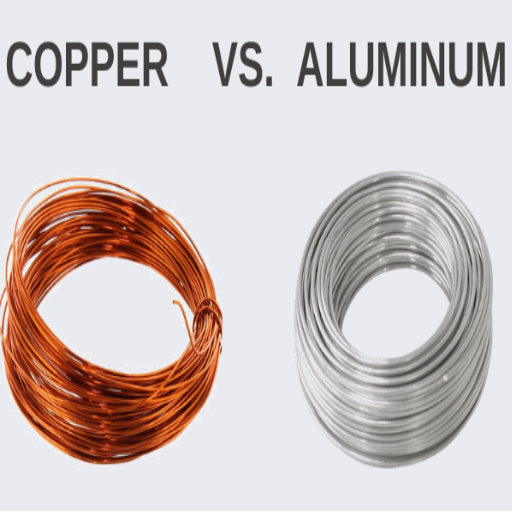
Aluminum or copper wiring? Many buyers consider the use and the budget. Copper wiring is superior in terms of conductivity, durability, and reliability, making it the most suitable choice for residential and commercial constructions. It helps avoid overheating and corrosion. Yet it is heavier and more costly than aluminum.
Aluminum wiring is less costly and lighter, but is typically used for larger-scale operations, such as power grids or applications where weight considerations are paramount. It is less conductive than copper. Also, such oxidation could be more troublesome than in copper, thus raising maintenance issues.
For general purposes, copper is usually an excellent option for wiring due to its superior performance and longevity. Aluminum can be used for special-purpose wiring, but strict installation and maintenance are required to ensure safety. Always consider the project requirement and material costs, and consult a duly licensed electrician.
Factors to Consider
Some factors beyond those mentioned, such as budget, conductivity, and maintenance considerations, that ought to be taken into consideration are the particular demands of each project and the degree of expertise of a professional in electricity concerning the preparation. Copper is usually preferred for most installations because it stands up a little better against wear and tear; on the other hand, aluminum can be a cost-effective option if used at the right time for specialized purposes. When good judgment is applied, consulting an RCA-certified technician will confirm suitability and safety.
Cost vs Performance
Considering costs versus performance, copper wiring tends to have a higher initial price but offers the best conductivity, high durability, and assured reliability over time. Preventing overheating and corrosion makes it a safe option for long-term use in most applications. Conversely, aluminum wiring is less expensive and lighter; thus, it is a suitable choice for large-scale projects or those with budgetary constraints. The risks are present, including oxidation and expansion, which can lead to connection problems if they are improperly mounted and maintained. Elsewhere, in residential and commercial projects, copper is a name that stands for safety and efficiency. Aluminum can be considered for a few cost installations with special precautions.
Best Practices for Selecting Wire Type
Electrical Load Requirements: Selecting the proper type of wire starts with knowing the electrical load and usage demands. Applications with heavy loads require copper conductors due to their greater current-carrying capacity. In contrast, aluminum wires are used where the load is lower or where weight restrictions or cost efficiency are the primary design considerations. Roughly, copper would carry about 12 amps per square millimeter of the wire; aluminum would have about eight amps per square millimeter.
Conductivities and Efficiency: Copper is a better conductor of electricity than aluminum; hence, it will experience minimal energy loss during transmission. Its conductivity value is approximately 59.6 × 10^6 S/m at 20 °C, significantly higher than that of aluminum, which is around 36.9 × 10^6 S/m. Generally speaking, copper wires are preferable in cases where voltage drop and energy efficiency are key concerns.
Installation Conditions: The installation conditions should also be considered when selecting a system. Copper wires exhibit more corrosion resistance and withstand heat and humidity better than aluminum. For outdoor installations or centers where weather conditions are constantly changing, copper wiring becomes a reliable choice.
Costs: Although copper is expensive upfront, its lifetime costs are ultimately low due to its durability and efficiency. On the other hand, aluminum wires are less costly in terms of materials and labor, but they require more frequent checks and maintenance to prevent safety hazards such as oxidation.
Safety Regulations and Standards: Ensure that local electrical codes and standards are always followed, which may require specific types of wire for special-use conditions. For instance, the National Electrical Code (NEC) outlines guidelines for determining wire sizes, materials, and ampacity that must be considered in ensuring a safe installation.
Longevity and Durability: Copper is a better choice because it is strong and resistant to wear in long-term and high-use applications. Aluminum, being light, may degrade faster if not properly maintained; however, if the aluminum wire in question possesses reinforced measures against oxidation, this concern can be averted.
If a buyer carefully weighs these factors and selects a wire type that is best suited to their special needs and situations, they will opt for a safe, efficient, and economical electrical installation. Always go for a licensed electrician or an industry professional to confirm the best choice for your project.
Reference Sources
Friction and Wear of Aluminum-Silicon Alloys
Frequently Asked Questions (FAQs)
What are the main advantages and disadvantages of aluminum vs copper wire?
When comparing aluminum and copper wire, the advantages of aluminum include its lightweight nature and lower cost, making it a popular choice for long-distance runs. However, aluminum is also more prone to corrosion and has a lower conductivity compared to copper. Copper, on the other hand, is much more expensive but offers superior conductivity and durability, making it ideal for high-demand applications. Understanding these advantages and disadvantages helps in making an informed decision based on specific electrical needs.
Is it safe to use aluminum wire in service entrance applications?
Yes, aluminum wire can be safely used in service entrance applications if properly installed and maintained. However, it is crucial to follow electrical code guidelines and ensure that appropriate terminations are used to prevent potential issues, such as overheating or oxidation. Proper care and installation techniques can mitigate the risks associated with using aluminum, making it a viable option for service entrance installations.
How does the conductivity of copper compare to that of aluminum?
Copper wire has significantly higher conductivity than aluminum wire, allowing it to carry more electrical current over the same distance. This means copper can be used for applications that demand higher performance without needing larger gauge wires. However, due to its higher cost, some may opt for aluminum in applications where weight and price are more critical than performance.
Can I use aluminum wire for my electrical panel?
Yes, aluminum wire can be used for electrical panels, but it is essential to ensure that the connections are made correctly to avoid issues with oxidation and overheating. Using anti-oxidant compounds at termination points can help enhance the connection and reduce the chances of failure. Always consult with a qualified electrician to ensure compliance with the electrical code.
Why is copper wire more expensive than aluminum wire?
Copper wire is much more expensive than aluminum due to the higher cost of raw copper material and its superior properties, such as conductivity and resistance to corrosion. This higher price can be a significant factor when considering materials for large installations, prompting some to choose aluminum to save money, especially in less critical applications.
What precautions should I take when using dissimilar metals in wiring?
When using dissimilar metals, such as copper and aluminum, it is crucial to take precautions to prevent galvanic corrosion. This can occur when two different metals come into contact in the presence of an electrolyte, leading to deterioration. Use appropriate connectors and ensure that the connections are adequately coated with anti-oxidant compounds to minimize the risk of corrosion at the termination points.
How does temperature affect copper and aluminum wire performance?
The performance of both copper and aluminum wire can be affected by temperature. Aluminum requires larger gauge wires to handle the same current as copper due to its lower conductivity. Additionally, aluminum wires can become more prone to expansion and contraction with temperature changes, potentially affecting the connections over time. It’s essential to consider the maximum temperature ratings, such as the 75°C standard for residential wiring, to ensure safety and reliability.
What is the best choice for long-distance electrical runs: aluminum or copper?
For long-distance electrical runs, aluminum wire is often chosen due to its lightweight nature and lower cost. However, it’s essential to use a larger gauge to compensate for its lower conductivity. Copper wire, although more expensive, offers better performance and lower voltage drop over long distances. The choice ultimately depends on the project’s specific requirements and budget.