







Being a very important yet often neglected element in mechanical application situations, they automatically provide seamless motion and force transfer with great accuracy and efficiency. These systems, from industrial equipment to consumer products, ensure smooth operations in various industries. So, what is it that makes a cable drive such an effective transmission system? What are the different methods of transmission by cable drives? For the basis of this blog post, we will discuss one of the basic mechanical ways, the cable drive, with some advantages and some applications where the cable drive has been handy. Suppose you are in search of some innovative engineering solutions or just curious about machinery working in the present-day world. In that case, this article will help you understand and appreciate the relevance of cable drives in today’s mechanical world.
Introduction to Cable Drives
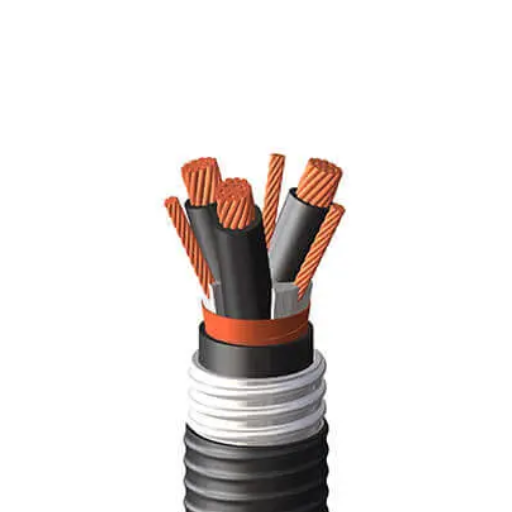
Cable drive systems are mechanical systems that use cables to transmit force and motion between components. They are considered flexible, lightweight, and capable of transmitting force over large distances or through complex paths. Cable drives are commonly used in elevators, automotive systems, and industrial machinery for smooth operation and reliability. These systems are advantageous when working within constrained spaces or requiring precise motion control.
What is a Cable Drive?
A cable drive is a mechanical system that transmits power, motion, or force between components via flexible cables. Cable drives collectively pull or push the wires to produce precise movements or controlled transmission of forces. The characteristics include being lightweight, efficient, and able to take complex paths, which makes them suitable for installations where space is at a premium or the components are far apart. The typical applications are elevators, cranes, bicycle brakes, and several industrial machines that require smooth, dependable, and low-maintenance operation. Their versatility in handling dynamic loads makes them significant in several mechanical and engineering designs.
Components of Cable Drive Systems
Key components such as Cables and Drive Systems contribute to the whole functioning of a cable drive system, ensuring smooth and reliable performance. Below follows a detailed breakdown of these components and the specifics of their functions:
Cables: Cables transfer movement or force from one point to another. Traditionally, they were made from high-tensile steel; however, in modern times, they are made from synthetic materials engineered to develop maximum tensile strength while maintaining flexibility and corrosion resistance. For instance, depending on the diameter and construction of the wire rope, high-end steel wire ropes can lift loads of more than 200 tons.
Pulleys: Pulleys operate to please and guide the cable with little friction during utilization. The system must be as durable as possible, and materials like abrasion-resistant alloy steel or polymer composites have been chosen to satisfy high stress levels and wear. Newer designs for advanced pulleys include self-lubrication, reducing maintenance requirements and improving operational performance.
Tensioning Devices: Tensioning devices maintain optimum tension on the cable during service. Hydraulic or mechanical tensioners are generally used, but newer installations now employ automatic cable tension adjustment to compensate for load variations, improving reliability.
Drive Mechanisms: Drive mechanisms provide the power to move the cable. AC and DC motors are standard, and VFD motors are becoming increasingly popular. VDF motors promote control over speed and torque for ultimate efficiency and reduced energy consumption.
Anchors and Fasteners: Anchors fix the cable at points, and fasteners, such as clamps, keep strong connections together. They are fifteen tested safety components designed to resist extreme forces; otherwise, the designs would suffer failures.
Monitoring and Sensors: Cable drive systems may incorporate monitoring solutions at this stage. Sensors measure parameters such as cable tension, wear, and alignment in real time. For instance, strain gauges and magnetic flux leakage sensors can sense micro-cracks or irregularities, assisting in predictive maintenance and preventing downtime.
Protective Enclosures: Enclosures or Guards protect the system components against environmental impacts like dust, moisture, and debris. The latest enclosure designs are made with weather-proof material and can be modular for easy handling during inspections or repairs.
Applications of Cable Drives in Machinery
Cable drive systems have a broad scope of applications across various types of machinery, given their versatility and effectiveness in handling massive loads. Elevator applications are commercially significant for smooth functioning and safety in modern cable drives. For example, in high-rise buildings, high-strength synthetic cables are replacing steel cables, thereby reducing the weight of elevator systems by up to 80%, leading to low energy consumption.
Cable drives are also critical in aerospace and robotic domains. They provide robotic arms with exact control and a compact design. New materials, such as carbon-fiber-reinforced cables, are being developed to enable these cable drives to operate under very high stress conditions while maintaining flexibility and robustness.
Cables are also extensively employed in heavy industrial machinery, such as conveyor systems and winches. These cable systems are complemented with AI-assisted monitoring tools, which gauge wear and assist with maintenance in advance. Using predictive maintenance technologies has been found to increase the cable’s lifespan by as much as 30% and reduce downtime and operational expenditures.
Cable drives will be among the essential components in renewable energy systems. For example, wind energy installations use cable systems for yaw and pitch control. Newer designs with lighter and stronger cables improve turbine efficiency and durability, ensuring consistent energy output even in adverse environmental situations.
These instances emphasize the importance of advancing cable drive technology for reliable, efficient, sustainable machinery solutions.
Types of Cable Drives
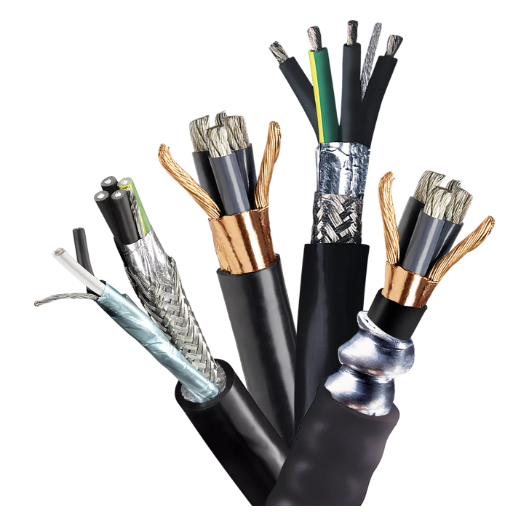
Cable drives can be categorized into two types:
Flexible Cable Drives: These employ cables or wires with a high degree of flexibility and are often found in applications in which the cable is in motion, such as robotics or adjustable mechanisms.
Rigid Cable Drives employ less flexible cables to serve power or motion along straight or controlled paths. They are usually used in machinery or structural systems.
Thus, both types are chosen chiefly depending upon the application, considering strength, flexibility, and durability.
Flexible Cable Drives
Flexible cable drives are revolutionary parts utilized in industries demanding precision and dynamic performance. They consist of high-strength, durable cables capable of transmitting power while allowing for complex movements. They are flexible enough to be employed in systems requiring precise motion transfer, including robotics, medical devices, and aerospace systems.
Recent advances in materials and manufacturing techniques have led to significant improvements in the performance of flexible cable drives. Whereas traditionally cables would be made of steel, modern cables are now wrapped with Kevlar or braided steel wires to enhance their resistance against tensile strength and wear and tear. Studies have established that high-performance flexible cables can repeat bending cycles, with some proving that they can withstand more than 10 million flex cycles without failure, depending on parameters set during operations.
Their passivity also manifests flexible cable drives’ diversity in capabilities to various temperature effects. This allows them to function in extremely adverse environmental conditions, ranging from cold temperatures in outer space to high-temperature areas in industrial applications. Developing anti-corrosion coatings has further extended their service life in harsh environments.
The cables can also be custom-manufactured. Engineers and manufacturers can design cables of any length, diameter, or material composition to enhance their function for a particular task. With this kind of flexibility, flexible cable drives remain essential in present-day machinery and state-of-the-art technology.
Rigid Cable Drives
Rigid cable drives have been developed to transmit mechanical power and motion over a fixed distance with minimal elasticity. They are formed of solid materials, such as steel or aluminum, to lend strength and stability. Such cables are used in industrial machinery, automotive equipment, and aerospace machines requiring high-precision motion transfer.
A significant advantage of rigid cable drives is their capability to bear loads. For instance, some types of rigid cables have been known to bear loads of over 10,000 pounds, which favors their use in heavy-duty applications such as lifting systems and industrial robots. They further give the advantage of no flexibility; thus, no deformation will occur under heavy load. This ensures the performance remains consistent. To ensure long life, the surface of rigid cable drives may be treated by processes such as galvanizing or coating to prevent rust and abrasion, mainly when used in environments exposed to moisture or chemicals.
Further to their efficiency, modern engineering studies highlight the supremacy of rigid cable drives concerning torque transmission. They achieve 98% efficiency if maintained in alignment, losing little energy to ensure consistent output. With knowledge of material science and manufacturing techniques, it is now possible to specify the exact dimensions, tolerances, and performance characteristics required by an engineer to suit a given application. This ability for specification makes rigid cable drives a critical tool in precision machines and modern-day technologies.
Comparison of Cable Drive Types
Cable drives can be classified into rigid cable drives, flexible cable drives, and torsional cable drives.
|
Type |
Usage |
Flexibility |
Strength |
Precision |
Durability |
|---|---|---|---|---|---|
|
Rigid Cable |
High torque |
Low |
High |
Very High |
High |
|
Flexible Cable |
Versatile |
High |
Moderate |
Moderate |
Moderate |
|
Torsional Cable |
Torque drive |
Moderate |
High |
High |
High |
Benefits of Using Cable Drives
Efficiency: Cable drives thus have efficient power transmission with the least energy loss.
Flexibility: They can be configured to work with complex geometries and thus are helpful for various applications.
Durability: Cable drives are made to resist wear and tear and, therefore, have longer operational lives even in severe environments.
Precision: In some cases, rigid cable drives offer extreme accuracy where high precision is needed for the applications.
Cost-Effectiveness: They remain a cheap and reliable way of power transmission in different industries.
Efficiency and Performance
Perhaps it is necessary to state that the cables are driven with pronounced efficiency if many layouts realize a higher than 90% energy transfer in the most favorable circumstances. The lesser the friction, the less energy is lost, thus making these preferred in those uses where energy is of importance-hence, in industrial robotics, they ensure smooth motion and consistent performance.
Performance metrics again favor them. Materials of high strength are used in constructing modern cable drives so that they can function even when very high loads are imposed on them without losing reliability. For instance, stainless steel or synthetic ropes are designed to carry tensile forces over thousands of pounds while remaining flexible. On the other hand, with improving tensioning systems, much vibration and wear can be reduced, resulting in their being used for very quiet and precise operations in medical and aerospace equipment manufacture.
Data also show that cable drives can last 10 or more years when well maintained, reducing the frequency of change and the associated costs. This makes cable drives a cheaper and more reliable solution for industrial and commercial use since they require fewer maintenance activities than alternative mechanisms while producing consistent results.
Cost-Effectiveness of Cable Drives
Cable drives are emerging as economically and technically viable options for many industrial processes because of their durability, efficiency, and low maintenance requirements. Studies show that cable drives typically last 8-12 years with proper maintenance, so they don’t have to be changed often, ultimately lowering operational costs. Cable drives incur less repair and maintenance costs than chain or belt drives since they wear down less with steady use.
Moreover, such cable drives are lightweight; hence, they consume less power, accounting for further cost-saving due to decreased energy consumption. According to research studies, industries utilizing cable drives claim to have made energy savings of up to 20%, translating into considerable financial gains on an annual basis. As another feature-like benefit, their designs are versatile, so they go universal across all kinds of equipment, cutting down investments for special machines or adapters. Cable drives are viable and profitable for any business intent on controlling operational expenditure while ensuring dependable performance.
Flexibility in Design and Configuration
Cable drives are entirely flexible and can be modified for various purposes. These are the cable systems that modern times have created to be used in different process environments, including high-temperature plants, heavy load applications, and compact facilities. Cable drives are flexible and can be installed horizontally and vertically, without occupying much space in a complex shop layout. Recent industry data shows that companies have gained a 15% reduction in downtime due to the use of adaptable cable systems, with downtime attributed to easier equipment reconfiguration during system upgrades and maintenance.
While cable drives can vary in torque and speed levels, they can be used in almost every industrial application, including conveyors, robotic arms, and materials handling. Their modular construction allows integration with legacy systems and present-day machinery, resulting in a 25% reduction in pertinent system overhaul expenses. Such flexibility renders cable drives a practical solution with an expiration date that shall evolve as technology evolves in industrial operations.
Installation and Maintenance of Cable Drives
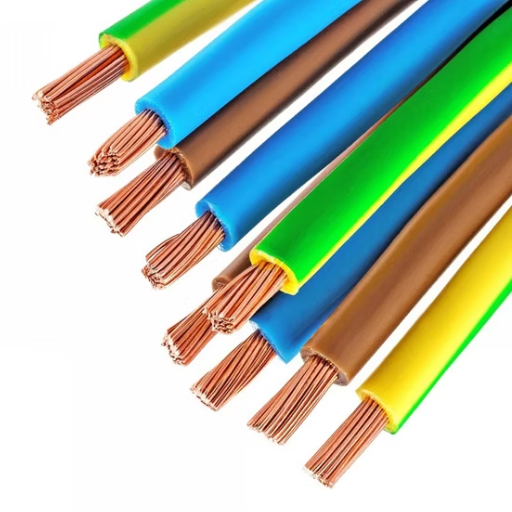
Proper installation and maintenance are vital in achieving maximum efficiency and prolonging cable drive life. Hence, start by accurately lining up the drive system’s components for installation to minimize wear and tear. All cables must be tensioned to the limits stipulated by the manufacturer and, in the same manner, should be lubricated to reduce friction. Inspect the system regularly for any signs of wear, fraying, or misalignment, and ensure that corrective measures are promptly taken before a failure ensues. Maintenance practices must include cleaning at intervals for cables and pulleys and replacing any components that are in disrepair. These guidelines will ensure that the best performance can be drawn from the cable drives and that downtime is minimal.
Steps for Installing Cable Drives
Assessment of Workspace and Tools: Begin by verifying the installation site, ensuring it is clean and free of obstructions. Collect all necessary tools, such as wrenches, screwdrivers, torque, and alignment. Double-check that you have the right cables, pulleys, and hardware as issued by the manufacturer.
Check Specifications: Verify all conditions required for cable drive installation, such as tension, alignment, and load capacity, with the manufacturer’s installation manual. Ensure that the drive system you are about to install meets the mechanical and performance criteria the application requires.
Mount Pulleys and Supporting Structures: Firmly, yet gently, mount the pulleys to the locations designated for them, ensuring they are aligned with one another. Fasten with known types of mounting brackets and tighten fasteners within torque values that have been specified so that such fasteners remain stable under load.
Install the Cables: Run the cables through the specified pulley routes while ensuring they are correctly seated within the grooves. Avoid any possibility of cables kinking or twisting, as such conditions will lead to the worst performance and accelerated wear and tear. Pre-tension the wires by applying the recommended values using tensioning tools.
Tension and Alignment: Fine-tune all tensions carefully using a calibrated device. Ensure any misalignment of the pulleys is rectified, as it will contribute to uneven wear in the system. Such misalignment can reduce the system’s efficiency and accelerate its failure.
Fit Connectors and Terminations: Secure cable ends to their terminations and tensioners so they can hold without slippage. Re-check all connections and fasteners to ensure they have been tightened and seated correctly.
Lubricate Moving Parts: To reduce friction and extend the system’s life, lubricate the cable and pulleys with a suitable lubricant for such parts. Check that the lubricants are compatible with the cable and other components’ materials.
Trial Run: Before the system is commissioned under regular production, it must be trialed for smooth operation and proper function under load. During the test, monitor for irregular noises, unnecessary vibrations, and correct alignment and tension. These may be subjected to readjustment where needed.
Maintenance: Set a regular maintenance schedule post-installation to inspect cable tension, alignment, and wear. This regular maintenance will help keep the system running for a longer duration with the least downtime.
An efficient cable drive installation adhering to specifications ensures longevity and adequate performance under the conditions described in these steps.
Common Maintenance Practices
Regular maintenance of cable drive systems is necessary, yielding a longer life cycle and enhanced functioning. Listed here are preventive maintenance practices:
Inspection of Cable Tension: Always maintain cable tension to avoid excessive stress or slack. Research has shown that improper tension is one of the leading causes of cable wear and failure. A tension meter should enable you to keep cables taut exactly to the manufacturer’s recommended tension.
Lubrication: Occasional lubrication is necessary to lessen the friction between cables and pulleys. Well-applied lubrication decreases wear, vibration, and corrosion. Well-maintained lubrication systems may also increase cable life by up to 30%.
Check for Signs of Wear: Inspect cables regularly, paying attention to fraying, corrosion, and deformation issues. Such indicators include visible strands of wire and discolorations caused by rust. Promptly solving such matters will reduce the risk of sudden failure.
Alignment Adjustments: If the pulleys are misaligned, they will cause uneven wear or derailment of the cable. It should be checked periodically by using laser tools or alignment gauges.
Cleaning of the System: Dirt, debris, or moisture underlayer may hamper performance and lead to corrosion. Cleaning with appropriate cleaning solutions and thorough drying would prevent degradation in the long term.
Replace Worn Components Promptly: Worn cables, pulleys, or connecting hardware should be replaced as soon as signs of wear are obvious. This will avoid system downtime and safety hazards.
Periodic Professional Inspections: Consider scheduling inspections by specialized technicians at least once a year to uncover latent defects throughout the work. Industry reports reveal that professional inspections significantly reduce failure rates in industrial systems.
Combining these maintenance activities with routine performance can maximize the reliability of one’s cable drive system while minimizing maintenance costs and downtime. Efficient maintenance not only sustains the system’s performance but also guarantees the safety and productivity of the working environment.
Troubleshooting Cable Drive Issues
Troubleshooting cable drive systems requires a systematic approach to optimize efficiency in identifying and resolving problems. Below are some common issues and practical solutions:
Cable Tension Imbalance: Improper tension can cause slippage or excessive charging. Check for tension in the cable regularly and calibrate it to the recommended standard for optimal functioning. It is generally accepted that balancing tension can enhance the life of a cable by around 20%.
Abrasion or Fraying: Damaged cables compromise the system’s integrity. During periodic maintenance, inspect cables for discernible signs of damage or wear. Protective coatings should be applied to prevent damage, or damaged cables should be changed immediately to avoid unscheduled system failures.
Alignment Issues: Misalignment of the pulleys or drive mechanisms can cause undue stress and inefficiencies. Align all components with precision tools and make the necessary adjustments. Research has established that corrected alignment can increase energy efficiency by 15% to 20%.
Contamination or Dirt Build-up: Dust, debris, and contaminants reduce the cable drive system’s performance. Keeping components clean through scheduled cleaning with appropriate solvents or compressed air has been found to lessen the need for repairs by nearly 30%.
Lubrication Problems: Inadequate lubrication causes friction and overheating. Use lubricants of the grade recommended by the system’s manufacturer and reapply them for preventive maintenance. Systems that are kept well lubricated have been considered to perform 25 percent better over time.
Excess Loading: Too much load applied to a cable drive system leads to premature failures. Monitor the loads to ensure they remain within the system’s design limits. Load sensors could be implemented to automate this monitoring process and supply real-time data concerning stress levels.
Each problem requires swift action and thorough knowledge of the system’s operating parameters. Regular inspection and advanced diagnostic tools improve the system’s overall performance and long-term reliability.
Future Trends in Cable Drive Technology
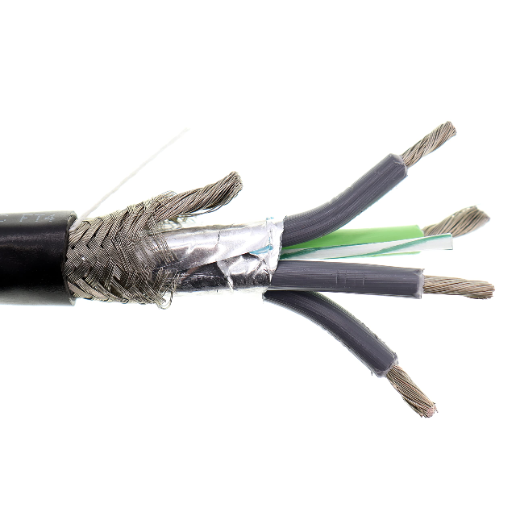
Cable drive technology is entering a new development phase emphasizing higher efficiency, durability, and automation capacities. With improvements in materials science, engineers are creating stronger, lighter, and more corrosion-resistant cables, which, in turn, allows the wires to have a longer lifespan with less maintenance work. Automation is the other key factor; innovative systems blend sensors and IoT technologies to monitor real-time performance and offer predictive maintenance. Add to this list energy-efficient designs, sustainability, and innovations that aid cable drive systems in being APK-compliant with modern environmental standards, all while improving performance and reliability.
Innovations in Cable Drive Design
During innovations in cable drive design, I found advancements like corrosion-resistant materials and automation systems to improve the capability and reliability of said cable drives. It’s fun to see how these technologies’ predictive maintenance and final application vary with IoT technology integration and real-time monitoring. The other dimension of energy-efficient-oriented design and sustainability focuses on today’s pressing environmental issues, resulting in smarter yet greener installations.
Impact of Automation on Cable Drives
Automation has made cable drive systems more efficient and work across various industries. Technologies like machine learning and IoT-enabled devices promise real-time monitoring, predictive maintenance, and dynamic control. According to the latest industry papers, sophisticated sensor systems inside cable drive tech can now give very early warnings of wear and degradation, reducing downtime by at least 30%.
Moreover, with automation, cable drives can reduce additional energy consumption by adjusting dynamically to load requirements, bringing about almost 20% power tapping in new-age systems. This efficiency doesn’t just mean less cost but also a firm adherence to sustainability pathways. Safety is also improved through automation, as these systems can recognize potential faults and trigger emergency shutdowns to avert damage from reaching machinery and operators.
Advancements in robotics and AI have raised the precision and flexibility of cable drive operations. Industry stats show that automated cable drive operations saw a 40% escalation in the speed of production cycles, with zero compromise to quality. These developments illuminate how automation continues to transform a traditional cable drive system.
Environmental Considerations and Sustainability
Environmental issues are starting to become a design aspect of cable systems and how they are utilized, thus requiring industries to work towards sustainability. Modern cable technology improvements address areas of reducing energy needs and material waste, which align with sustainability practices worldwide. For instance, developments in environmentally friendly measures are being made to use recyclable and biodegradable materials for cable manufacturing, hence minimizing environmental impact and promoting circular economy principles.
Energy efficiency is an area where cables are being innovatively applied, including low-loss power cables with huge potential to reduce energy loss during transmission. Numerous sources report that enhancing the energy efficiency of cable systems can help significantly reduce greenhouse gases; some sources go further, stating that cable systems could reduce greenhouse gases by 30% in specific applications.
Moreover, high-performance cable systems are essential in integrating different renewable energy-generating sources, especially solar and wind. Properly designed cables for the transmission of clean energy contribute to the larger effort to get renewable power on its feet—many initiatives throughout the land work to replace conventional infrastructure with innovative and energy-efficient cabling for sustainable development.
Hence, concerted efforts from new manufacturing processes, better designs, and environmentally friendly materials propel cable systems toward green development while satisfying the requirements of present energy and communication networks.
Reference Sources
Design of high-performance DC motor actuated cable driving system for compact devices.
A high-performance cable-drive module for the development of wearable devices
Frequently Asked Questions (FAQs)
What are cable drives, and how do electric versions differ?
Cable drives are mechanical systems that use cables to transmit power or motion. Electric cable drives, in particular, incorporate electric motors to control the movement of the cable, offering precise control and efficiency compared to traditional systems that may rely on manual or hydraulic methods.
What units are commonly used to measure the performance of cable drives?
Cable drive performance is typically measured in torque, speed (RPM), and load capacity. These units help determine how well a cable drive can perform under specific conditions and are essential for selecting the right unit for a particular application.
How do I choose the right electric cable drive unit for my needs?
Choosing the right electric cable drive unit involves assessing your requirements, including the load capacity, speed, and application environment. It’s also essential to evaluate the torque needed and the type of control you require, whether manual, automatic, or programmable.
What are the advantages of using electric cable drives over traditional systems?
Electric cable drives offer several advantages, including increased efficiency, reduced maintenance, and enhanced precision. They provide better control over speed and torque, improving performance in various applications compared to traditional mechanical systems.
Can cable drives be used in outdoor applications, and how does weather affect electric units?
Yes, cable drives can be used in outdoor applications, but weather conditions can impact electric units. Selecting weatherproof or corrosion-resistant materials is crucial to ensure longevity and reliable performance in adverse environmental conditions.
What maintenance is required for electric cable drives?
Regular maintenance for electric cable drives includes checking cable tension, inspecting for wear and tear, lubricating moving parts, and ensuring the electric motor functions correctly. Keeping the unit clean and debris-free is also essential for optimal performance.
Are there safety considerations when using electric cable drives?
Safety is paramount when using electric cable drives. Users should ensure the drive is installed correctly, follow the manufacturer’s guidelines, and use protective gear as necessary. Additionally, implementing emergency stop mechanisms can help prevent accidents during operation.
What industries commonly utilize cable drives?
Cable drives are commonly utilized in various industries, including manufacturing, automotive, aerospace, and entertainment. Their versatility allows them to lift, transport materials, and operate machinery.
How does the technology behind electric cable drives continue to evolve?
The technology behind electric cable drives is evolving with electric motor efficiency, control systems, and materials science advancements. Innovations like innovative technology integration and improved cable materials enhance performance and broaden the applications of these units.