








When setting up your kitchen or upgrading your appliances, it is crucial to understand how electrical systems work for major devices. One of the frequently asked questions is: Does a refrigerator require a dedicated circuit for power? It is a significant matter regarding safety, efficiency, and flawless performance for your refrigerator. So within this article, we’ll discuss some of the reasons for assuming that such an appliance should have that kind of dedicated circuit; what electrical code laws say about it, and how the right decision can, in turn, lead to cascaded benefits for your appliances and home. Whether you’re renovating your space or simply curious about your kitchen’s electrical setup, this guide has the clarity you need.
Understanding Dedicated Circuits
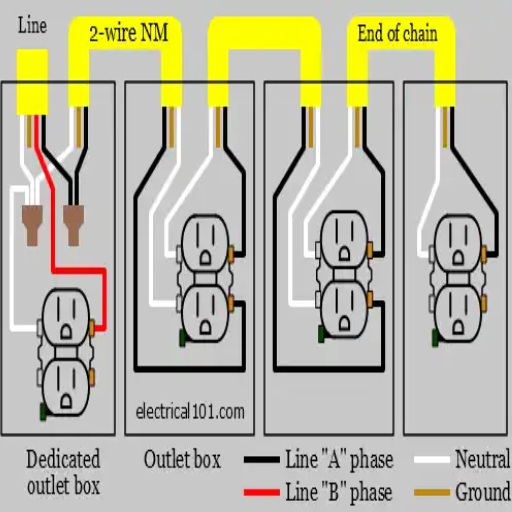
A dedicated circuit is an electrical line that services one appliance or fixture, with its connection to the electrical panel. This type of setup is particularly significant for high-power appliances, such as refrigerators, as it places limitations on circuit overloading, leading to fewer breaker trips and, consequently, fewer fire accidents. According to electrical codes in most places, several appliances must be on dedicated circuits, emphasizing the importance of doing so for both safety and efficiency. A dedicated circuit, therefore, provides a steady power source and prevents unnecessary stress or damage to your appliances.
What Are Dedicated Circuits?
Dedicated circuits are electrical paths set aside for the exclusive use of a specific appliance or device, ensuring a continuous power supply. They are wired directly into the electrical panel and are therefore ready for high-demand appliances, such as refrigerators, air conditioners, washers, dryers, and ovens. Thus, appliances running on a dedicated circuit shall not share electrical current with any other device, lest the circuit get overloaded or power fluctuations occur.
According to the National Electrical Code, specific requirements are specified for dedicated circuits. For instance, large kitchen appliances, such as microwaves and dishwashers, must be operated on separate circuits rated from 15 to 50 amps, depending on their specific needs. On the contrary, overloading circuits risks overheating, equipment failure, or even fires.
Dedicated circuits also help improve energy efficiency and extend the life of appliances. According to recent industry reports, the use of dedicated circuits can reduce electrical hazards associated with appliances by up to 30%, thereby providing homeowners with greater peace of mind. Reducing power interruptions or fluctuations through respective circuits allocated for high-power devices would ultimately achieve uninterrupted performance on their terms and ideally cause less harm to various equipment.
Importance of Dedicated Circuits for Appliances
Dedicated circuits serve the indispensable function of heavy current operation in modern electrically powered installations. Several household appliances require electricity at all times, including refrigerators, washing machines, dryers, air conditioners, and electric stoves. Regardless of the circuit allocation, these devices often become shared with other electrical devices, leading to overload and tripping of circuit breakers. Appliance overloads have been studied in correlation to electrical fires in homes, with an estimated 51,000 fire incidents occurring in the U.S. annually.
When installing large power appliances, dedicated circuits help mitigate the risks of electrical mishaps for homeowners. Dedicated circuits guarantee a constant and uninterrupted electricity flow, reinforcing the safety and durability of the device. A dedicated circuit ensures an extended lifespan for an appliance, as inconsistent voltage levels can result in premature wear and tear. They also benefit from energy savings: It has been established that appliances that consume electricity consistently can reduce electricity bills by up to 10% in the long run.
For homes eager to take the next step with technologies such as smart appliances or energy-saving systems, dedicated circuits will have even greater significance. They maintain the technologies at peak efficiency, undisturbed by the rest of the electrical system, thereby promoting their reliability and longevity as cost-saving investments. Not only is this, in turn, a safer and more efficient home, but making this choice begins the journey toward a future-proof home for modern living.
Common Appliances Requiring Dedicated Circuits
Dedicated circuits are crucial for operating these heavy-duty appliances safely and efficiently. These are some appliances requiring dedicated circuits:
Refrigerators and Freezers – Since these appliances must maintain a consistent cooling temperature, they require an uninterrupted power supply to prevent food from spoiling, which can affect other circuits in the process.
Electric Ranges, Ovens, and Cooktops – Cooking units of high wattage require their circuits to withstand the heavy loads being imposed upon them while in active use.
Washing Machines and Dryers – Both will draw a significant amount of current, especially dryers, so they must be on separate circuits to prevent tripping breakers.
Dishwashers – The water heating and powerful motors in these units require a dedicated circuit for stability during operation.
Microwaves – Especially high-wattage modern microwaves should have their circuits to avoid creating interference for other electrical gadgets.
HVAC Systems – HVAC systems require a dedicated circuit due to the powerful motor, as they are a crucial system in maintaining indoor comfort.
Water Heaters – High-draw tank or tankless water heaters require a separate circuit.
Garage Door Openers – Smaller devices that require dedicated circuits for reliable operation.
This installation of dedicated circuits for these appliances will not only decrease the chances of electrical overloads but also ensure compliance with safety codes and promote the longevity of your home’s electrical system.
Refrigerator and Freezer Power Requirements

The refrigerators and freezers require a separate, dedicated circuit to function safely. Typical units operate on a 120-volt circuit with 15- to 20-amp breakers. A dedicated circuit reduces the risk of the breakers being tripped and ensures that the appliances receive a steady power supply, which helps with food preservation. Several electrical codes in the country also demand this as a safety measure.
How Many Amps Does a Refrigerator Need?
The standard amp intake required by refrigerators depends mainly on their size, model, and efficiency rating. Typically, a normal-sized refrigerator can draw an amp load between 3 and 7 while running. However, when starting, refrigerators can temporarily draw two to three times the running amperage as they are technically undergoing their starting process, which includes the power needed to start the motor and compressor initially.
For example, some smaller, energy-conserving refrigerators draw around three amps, whereas massive-grade commercial refrigerators can pull in 15 amps or more. It is worth noting that other factors can also affect power consumption, including the refrigerator’s brand, age, and additional items that require power, such as an ice maker or water dispenser. This is why refrigerators are placed on a separate circuit with at least a 15- to 20-amp breaker, to accommodate both operational and startup requirements safely. Checking the manufacturer’s specifications on the appliance label or in the manual would provide you with the amperage rating for your specific model.
Comparing Power Needs: Fridge vs. Freezer
A refrigerator generally requires a dedicated circuit due to its continuous power needs, startup surge, and potential compatibility with electrical codes.
|
Parameter |
Fridge |
Freezer |
|---|---|---|
|
Circuit Req. |
Dedicated |
Dedicated |
|
Power (Amps) |
3-7 |
1.5-3 |
|
Breaker (Amps) |
15-20 |
15-20 |
|
Startup Surge |
High |
Moderate |
|
Power Cycle |
Continuous |
Continuous |
This concise table highlights the critical electrical needs for both a refrigerator and a freezer, ensuring safe and efficient operation.
Why Your Refrigerator Might Need a Dedicated Circuit
To work safely and without interrupting the cooling cycle, a refrigerator typically requires a dedicated circuit. Since refrigerators are high-powered appliances that cycle on and off throughout the day, their startup can create a surge in electricity demand. If this surge is shared with other devices on the same circuit, it could lead to a tripped breaker or damage to the connected appliances. In this way, installing a dedicated circuit helps lessen such occurrences by providing undisturbed power.
According to the National Electrical Code (NEC), it currently recommends that refrigerators be installed on a dedicated 120-volt, 15-20 amp circuit. This avoids overloading a circuit with two or more major energy-consuming devices, such as microwaves and dishwashers, that share the same power line. There is evidence to suggest that older houses tend to share circuits, which can lead to an uncomfortable level of power interruptions or even electrical hazards, such as overheating of wires.
Having a dedicated circuit installed for your refrigerator not only improves its lifespan but also provides safety protection for the appliance. Interruptions in power at the device level can significantly impact the compressor, reducing its efficiency and lifetime expectancy. Employing correct wiring techniques and following codes will save you from costly repairs and replacements.
Installing GFCI Outlets for Refrigerators
Installing a GFCI outlet for your refrigerator is a necessary safety precaution. The GFCI outlet shuts off power if a ground fault or current imbalance is detected, thus preventing electric shocks. While generally required in kitchens, garages, and basements, using GFCI outlets for refrigerators may not always be advisable due to nuisance trips that could affect the appliance’s operation.
Ensure you check your local electrical code for requirements to strike a balance between safety and a usable outlet. If deemed necessary, GFCI protection must be rated appropriately and installed by a licensed electrician to comply with safety standards and avoid electrical hazards.
What is a GFCI Outlet?
A GFCI outlet is a special type of electrical outlet designed to protect individuals from electric shock and reduce the risk of electrical fires. It achieves this task alone by observing the flow of electric current through the circuit. When the GFCI detects any imbalance of current, for instance, through an unintended path such as water or a human body, it immediately shuts off the power to prevent any damage to life. It is usually a matter of milliseconds, which makes GFCI outlets safety devices of utmost importance in any household and workplace.
Electrical codes typically require GFCI (Ground Fault Circuit Interrupter) outlets in any environment near water, such as bathrooms, kitchens, laundry rooms, or outdoor areas. Such outlets indeed reduce the risk of electric shock and fatal electrocution, according to statistics. For instance, the Electrical Safety Foundation International (ESFI) reports that since the widespread installation of GFCIs, electrocutions in homes have decreased by over 80%.
These outlets are given away by the “TEST” and “RESET” buttons. The “TEST” button checks to see if the outlet is working correctly, and the “RESET” button restores power after it has been tripped. In newer GFCI outlets, additional features may be included, such as self-testing, which allows the outlet to automatically test its function regularly and thus ensure protection at all times. All GFCIs are recommended to be tested monthly to ensure their optimal performance and safety.
Benefits of Using GFCI Outlets with Refrigerators
Using GFCI outlets means better safety and protection against electrical hazards for refrigerators. Like any other significant appliance, electric faults may occur in refrigerators due to faulty wiring, power surges, or contact with water. GFCI outlets protect users from electric shock by instantly cutting off power whenever a ground fault or leakage current of between 4 and 6 milliamps is detected. Thus, their importance is heightened in areas such as kitchens, garages, or basements where moisture is more prevalent.
Indeed, GFCI makes a significant contribution to fire prevention. Electrical hazards, including short circuits and ground faults, are the most common causes of home fires. In doing so, GFCI outlets swiftly cut power, reducing the chance of overheating and ignition. Ground faults account for at least 80 percent of electrical shock occurrences in residential settings, according to statistics on electrical safety; therefore, GFCI protection is of paramount importance.
Additionally, modern GFCI outlets feature self-testing and indicator lights, enabling users to check the GFCI function whenever necessary for continuous protection. Pairing a GFCI outlet with a refrigerator that has fluctuating humidity levels provides an additional layer of protection from hazardous power fluctuations, which in turn benefits both users and their appliances. Electrical safety standards recommend that GFCI installation in any area of the home that is at risk of water exposure be given priority to meet full compliance and provide prolonged protection.
When to Consider GFCI Outlets and Backup Generators
GFCI outlets and backup generators sit at the core of safety and practicality for modern homes and offices. GFCIs are most critical in areas where moisture is present, such as kitchens, bathrooms, laundry rooms, basements, and outdoors. The U.S. Consumer Product Safety Commission (CPSC) states that GFCI outlets reduce electrocution hazards by monitoring electric flow and interrupting power within milliseconds during ground faults. Such technology has had its share of saving – at least hundreds of electrocution deaths per year, if properly installed.
On the other side of the trade, backup generators are instrumental when power is lost due to events such as natural calamities, infrastructural failures, or severe weather. According to data from power studies, in recent years, about 70% of American households experience one power outage per year, resulting in more than eight hours away from the grid. In short, backup power ensures that the operation of critical appliances, medical devices, or heating and cooling systems continues even when disconnected from the grid. Portable units can handle smaller energy needs, while standby generators can power entire homes, automatically sensing and responding to outages.
In tandem, GFCI outlets and backup generators provide safety and preparedness. Standby generators, for example, can back up essential GFCI-protected circuits during a storm-induced blackout, mitigating any electrical hazards caused by flooding or moisture. Homeowners and businesses alike should consider which systems best suit their needs, taking into account their location, outage frequency, and power consumption. The regular maintenance of these systems is just as essential to reliability as adherence to installation instructions.
Backup Generators and Refrigerator Circuits

Provided the generator is adequate in terms of size and setup, it can safely deliver electricity to the refrigerator circuits. A refrigerator typically needs an uninterrupted supply of proper current for cooling and food preservation. The wattage of the fridge should be determined, and based on this wattage, the generator that can handle this load, along with all other appliances, should be selected. The refrigerator should be connected through a transfer switch to the generator, which will prevent backfeeding and will safely protect both the appliance itself and the electrical system.
How Backup Generators Can Support Your Refrigerator
It is essential to understand how backup generators can help keep your refrigerator operational during power outages. Depending on size and energy efficiency rating, modern refrigerators require between 100 and 800 watts of power. An average 18-cubic-foot refrigerator consumes approximately 150-200 watts when running, with the figure rising as high as 800 watts during startup. Backup generators consider such spikes and supply smooth power to prevent issues and maintain their temperature under optimal conditions.
Always consider the capacity of your generator while buying one for your refrigerator. They recommend a generator to provide at least 2,000 watts of total power, compensating for the start-up surge of the fridge, as well as any other appliances you may want to operate. Moreover, these new inverter generators are excellent because they provide clean and stable energy, protecting the sensitive electronics inside a modern refrigerator. Used in conjunction with transfer switches and surge protectors, backup generators offer a trusted solution to keep everything running smoothly when unforeseen interruptions occur.
Choosing the Right Generator for Your Needs
Consider all factors before purchasing a generator, including your power needs, available options, and budget. Calculate the total wattage of all the appliances and devices. Refrigerators typically range between 600 and 800 watts during regular operation but require 1,200 to 2,000 watts during startup. Air conditioners, depending on their size and model, may need 2,000 to 5,000 watts or more.
So, there are two types of generators: conventional generators and inverter generators. Traditional generators are usually relatively inexpensive and well-suited for large appliances. In contrast, inverter generators, which are generally more expensive, produce cleaner energy with quieter operation, making them suitable for sensitive electronics such as laptop computers and medical equipment. Furthermore, inverter generators are designed to adjust engine speed in response to energy demand, potentially enhancing fuel efficiency.
The fuel type is also necessary, depending on your preferences. Fueling a gasoline generator is common and convenient, but gasoline generators may not last for months during extended power outages. Propane generators burn cleaner and are easier to store for long periods, whereas diesel generators tend to use fuel more efficiently and last longer under heavy use. Solar generators are among the most environmentally friendly options, although weather conditions often limit their use.
Other factors to consider are portability and noise. For example, if you’ll be using the generator at a campsite or for other outdoor events, having a lightweight model on wheels with a noise rating of less than 60 decibels will make a significant difference in convenience and comfort. An electric start, built-in surge protector, and multiple outlets are the kinds of perks that will also enhance the experience, providing users with added safety and flexibility.
Lastly, ensure that the generator meets the certification requirements of the Environmental Protection Agency (EPA) or the California Air Resources Board (CARB), as stated, to confirm compliance with emission and safety standards. Checking all of the above will ensure that you find the generator that fits best with your particular needs and can be relied upon to provide power when you least expect it.
Installation Considerations for Backup Generators
Proper generator installation is critical to its operation and safety. First and foremost, location is everything — generators should be placed outdoors in a well-ventilated area, at least 20 feet away from doors, windows, and vents, to prevent the buildup of carbon monoxide. A check of local building codes and regulations is always necessary to ensure compliance with the law.
A solid installation surface that is level with minimal vibration, such as a concrete slab, is critical. Vibration causes parts to fatigue quickly. Weatherproofing of the enclosure is another crucial consideration for homeowners, ensuring that poor weather conditions do not compromise the equipment’s long-term functionality.
The electrical connection and wiring of a transfer switch should be left to a licensed and qualified electrician. Transfer switches, whether manual or automatic, facilitate more effortless operation and prevent the backfeeding of energy into the grid, which could pose a health hazard to utility workers and other personnel.
The final consideration in planning should be regular maintenance, which includes access to filters, oil, and other consumable items, allowing for smooth checks and services. Paying attention to all these installation details will stand you in good stead to optimize the safety and reliability of your generator for powering your home or business.
Common Questions About Refrigerator Circuits

An average refrigerator typically requires a dedicated 15-amp or 20-amp circuit breaker, providing it with ample power and reducing the likelihood of an overloaded circuit that could cause tripped breakers or electrical hazards. The manual itself should have specified so, or a professional licensed electrician should be able to give accurate advice depending on which model you own.
What Happens If I Don’t Use a Dedicated Circuit?
When your refrigerator does not receive the special circuit it requires, various problems arise, whether electrical or operational. Sharing a circuit with other appliances greatly increases the risk of overloading. This causes the breaker to trip increasingly frequently, interrupting power to the refrigerator and disrupting the appliance’s regular operation. For example, if it trips frequently, the temperature inside may fluctuate, resulting in spoiled food or increased energy consumption as the system works harder to maintain optimal cooling.
According to industry standards, modern refrigerators typically require between 100 and 800 watts of power during regular operation, depending on their size and efficiency. When overloaded together on one circuit with other heavy appliances such as microwaves or dishwashers, the wiring cannot remain an effective medium for the appliances and becomes a fire hazard due to wiring overheating.
Many electrical codes and regulations require that a refrigerator should ideally have the benefit of a dedicated 15- or 20-amp circuit. Adhering to this recommendation helps ensure that the appliance does not experience power interruptions, thereby prolonging its lifespan while operating at an optimal level.
Can I Use a Standard Outlet for My Refrigerator?
Yes, you can utilize a standard outlet for your refrigerator, provided it satisfies the appliance’s voltage and amperage requirements. However, I recommend ensuring the refrigerator is installed on a dedicated circuit to prevent overloading and associated safety issues that can arise from sharing the circuit with other devices.
How to Determine If Your Refrigerator Needs a Dedicated Circuit
Most refrigerators, the amount of electrical power required being specified in the manual or labeled on the appliance, need a standard 120-volt outlet with a 15-20 amp rating on a dedicated circuit. When the circuit is shared with other household appliances, such as microwave ovens, dishwashers, or coffee makers, the likelihood of an overload on the circuit, resulting in frequent breaker trips or power outages, is high.
If breakers trip frequently when multiple appliances are used simultaneously, this is an immediate indication that your refrigerator requires a dedicated circuit. Energy consumption data shows that a standard refrigerator can draw between 100 and 800 watts, depending on its size and efficiency, which can exceed the capacity of a shared circuit if several other appliances are also demanding high power. Moreover, most electrical codes worldwide, including the National Electrical Code (NEC) in the USA, either recommend or require that kitchen appliances have dedicated circuits for long-term safety concerns.
If you doubt whether your refrigerator is on a dedicated circuit, try turning off each breaker one by one to observe which outlets lose power. If more than one outlet loses power, the refrigerator is likely sharing a circuit with another device. For safety and code compliance, it is advisable to have a professional electrician verify your setup and install a dedicated circuit, if necessary.
Reference Sources
An Android-Based Home Electrical Appliance Control System
Importance of Low Power Electronic Circuit Design and Its Impact on Energy Consumption
Frequently Asked Questions (FAQs)
Does a refrigerator need a dedicated circuit?
Yes, a refrigerator must be on its dedicated circuit to ensure that it operates efficiently without overloading other appliances. This is a recommended best practice that helps avoid electrical issues and keeps your home safe from hazardous situations.
What is the recommended amp for a refrigerator circuit?
The best practice is to use a 15-20 amp circuit for a refrigerator or freezer. This ensures that the circuit is capable of handling the additional power requirements dictated by the manufacturer, providing reliable operation and preventing tripped breakers.
Can a GFCI outlet be used for a refrigerator?
While it is technically possible to use a GFCI outlet for a refrigerator, it is not always recommended. GFCI outlets can trip frequently, especially if the fridge has a momentary power surge, which may lead to food spoilage. It’s best to consult with a qualified electrician for your specific setup.
What happens if my refrigerator keeps tripping the breaker?
If your refrigerator keeps tripping the breaker, it may indicate that the current wiring is insufficient to handle the additional power required. This could lead to electrical overload because your current circuit is not designed to handle that appliance. In this case, contact a qualified electrician to assess the situation.
Do I need a dedicated circuit for an extra freezer?
Yes, if you plan to store a significant amount of food in an extra freezer, it is advisable to have that freezer on its dedicated circuit. This helps to ensure that your home stays safe from overloads and that all your appliances operate efficiently.
What are the power requirements for a refrigerator?
The power requirements for a refrigerator vary by model, but generally, refrigerators need a dedicated circuit capable of handling at least 15-20 amps. Please follow the power requirements dictated by the manufacturer to avoid any electrical issues.
Can backup generators be used for refrigerators?
Yes, backup generators can be a valuable resource to power your refrigerator during power outages. It’s essential to ensure that the generator is capable of meeting the refrigerator’s power requirements and that it’s properly connected to prevent any electrical hazards.
Is it safe to use a refrigerator on a shared circuit?
No, it is not safe to use a refrigerator on a shared circuit with other appliances. This increases the risk of overloading the circuit, which can trip the breaker and may lead to potential electrical hazards. A refrigerator should ideally be on its dedicated circuit for optimal safety and performance.