








Overview of Data Centers

AWS data centers are up to October 2023. The cloud platform’s global infrastructure consists of data centers that are built and planned to provide high performance, reliability, and security. The data centers are running within separate regions, and each region is further divided into Availability Zones. These zones are separate physically, meaning they have their own power supply, cooling, and networking. Such a setup limits the downtime by containing the failures and also allows the connections with very low latency, which are essential for modern applications. AWS has strict security measures, including constant monitoring, and also makes sure that the critical systems are backed up, thus making it possible for the data to be accessed and the operations to be continued even when there are disruptions.
What are Data Centers?
Data centers are defined as very specialized facilities that are only meant for the housing of computer systems and the related components, like telecommunications and storage systems. These environments are very secure in addition to being highly redundant, and they allow critical IT infrastructure to operate without interruption so that services and applications are available around the clock, seven days a week. Data centers are structured in such a way that their operational activities are not affected by installing advanced cooling systems, high-density server racks, and redundant power supplies, along with extensive networking equipment.
Presently, the data centers are categorized into different tiers according to their standards of redundancy and uptime guarantees, as laid down by the Uptime Institute. For instance, Tier IV data centers, which are the highest standard, provide 99.995% uptime through fault-tolerant infrastructure and multiple independent power paths. The global data center market is said to be continually growing and the reason behind it is the exponential rise in cloud computing, Internet of Things (IoT) devices, and the use of data in applications that are becoming more and more intensive, and the same is being reflected in the market value of the global data center sector that was around $215 billion in 2023, and it is projected to exceed $340 billion by 2030, which again indicates the importance of data centers in the digitally interconnected world.
Moreover, data centers are continuously upgrading their technologies to include even the most advanced AI-driven monitoring systems as a way of optimizing the usage of energy and preventing the hardware from going down. The providers are making their operations more eco-friendly by sourcing their energy from renewables and also by using energy-efficient cooling solutions like liquid immersion cooling and free cooling techniques, which are effective in reducing the large energy consumption that is usually associated with these facilities. All these innovations are pointing to the fact that data centers are indeed the backbone of the modern digital infrastructures, selling power to different sectors like finance, healthcare, and entertainment, and even supporting government functions.
The Role of Data Centers in Cloud Computing
Data centers are a fundamental part of cloud computing technologies. They render the physical capability to the applications and services that request considerable amounts of computation and storage. Cloud computing makes use of widely located data centers to come up with a solution that delivers high availability, low latency, and scalability. The major utilization of these centers is by thousands of servers, which are then connected with the latest networking technologies and so on, having the ability to provide seamless Infrastructure as a Service (IaaS), Platform as a Service (PaaS), and Software as a Service (SaaS).
The most recent statistics indicate that there has been a substantial rise in the adoption of cloud, which means that there was a corresponding increase in the reliance on data centers. The global market of cloud computing was estimated to be more than $600 billion by the year 2023, which points to the escalating demand for efficient and large-scale computing resources. Major cloud data centers that support cloud service providers are responsible for more than half of the total data processed worldwide. These data centers are also integrating AI for workload optimization and predictive maintenance, thus increasing the overall efficiency.
The rise of edge computing has been more than just an event; it has been a continuation of the evolution of data centers in the cloud ecosystem, more like a reaffirmation of the same. Edge data centers have been built in proximity to the users so that their latency-sensitive workloads do not need to go to the farther cloud facilities. This is a clear indication of the struggle to achieve a balanced mix between centralized and decentralized computing that is now needed by modern firms to guarantee optimal performance and worldwide connectivity.
Importance of Amazon Web Services
Amazon Web Services (AWS) has become indispensable in the modern technology world, letting companies from all sectors quickly scale up their operations while still being able to run them smoothly. AWS not only offers a wide range of services, such as computing power, storage options, database solutions, and machine learning tools, but also provides all of these services under one roof, thus being able to satisfy the entire need spectrum of large organizations and even smaller ones.
The infrastructure of AWS is one of the greatest advantages of the service. The platform, with its 100+ Availability Zones distributed in 30+ geographic areas, guarantees high business reliability and very low latency regardless of their location. The extensive network makes it easy for companies to scale, and proper upside management will allow them to smoothly handle the sudden traffic categories around peak times without downtime. By the end of 2023, AWS had about 32% of the total worldwide cloud market share, which helped it stay ahead of its closest rivals and hence at the top of the market.
Nevertheless, AWS is still a long way from addressing the existing threats to data integrity, given the gradual increase of such threats in the current age. AWS uses a combination of features, including encryption, compliance frameworks, and threat detection systems such as AWS GuardDuty, to permit enterprises to continue with the high-security protocols required by international standards while being compliant. The security offered by AWS also extends to the areas of innovation, where it provides tools for artificial intelligence, IoT, and Serverless computing solutions, thus allowing businesses to create next-gen applications without heavy investments in the underlying technology.
Additionally, AWS’s ability to be cost-effective is another major reason for its adoption. The pay-as-you-go pricing system helps companies in cost optimization by doing away with the upfront capital expenses, which are usually incurred, and only charging for the resources that are on demand. This type of flexibility is very attractive not just to startups but also to SMEs who want to get access to corporate technology with the least possible commitment of the initial budget.
AWS has built partnerships across and among various industries like healthcare, finance, and retail, which emphasizes its importance even further. By moving to the cloud, they have other advantages like better data analytics, better customer personalization, and world connectivity. AWS keeps on delivering scalable, secure, and innovative solutions, thus continuing to influence the manner in which enterprises function in a digital-first world.
AWS Data Center Locations
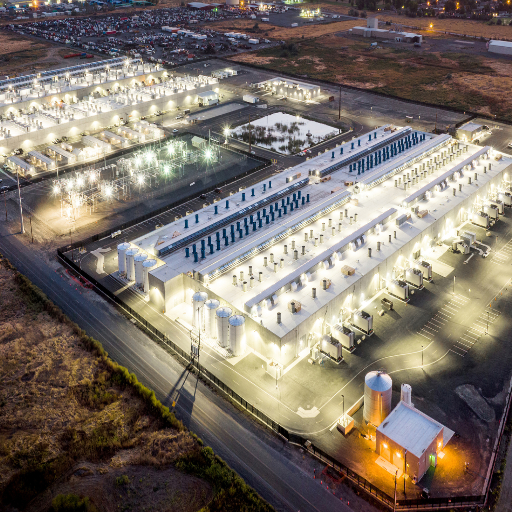
The global network of data centers that Amazon Web Services (AWS) has is comprised of geographically organized regions. There are regions in North America, South America, Europe, Asia-Pacific, Africa, and the Middle East, and they are spread out across these continents. Every region encompasses numerous Availability Zones, which are separate places meant to guarantee great uptime and resilience against failures. Among the major regions are Northern Virginia, Ohio, Tokyo, Frankfurt, São Paulo, and Sydney, to name a few, thereby making AWS services accessible and dependable across the globe.
Key Regions for AWS Data Centers
AWS global infrastructure is to the extent of necessity, and the company is making strategic investments in particular areas that have future potential for scaling, availability, and reliability. The following are some of the most important regions that have been discussed in detail:
US East (Northern Virginia and Ohio)
US East remains one of the major and most extensive AWS regions, the place where the company came to open the main center for its global operations. The largest concentration of data centers is located in Northern Virginia, which also has the quickest access to the services. The infrastructure is so powerful that it can even run applications from various markets, such as large-scale enterprise workloads and machine learning.
Asia Pacific (Tokyo, Singapore, Sydney, and Mumbai)
The Asia Pacific area is an imperative growth region as the cloud service adoption is rapidly increasing in the different industries. Tokyo is providing great service resiliency and redundancy with the help of multiple availability zones. Singapore is a door for Southeast Asia. Sydney is taking care of the needs of the Oceania clients, while Mumbai is serving the fast-growing Indian market.
Europe (Frankfurt, Dublin, and London)
European AWS infrastructure extends over regional-specific compliance to GDPR with the establishment of a secure and streamlined data processing system. Frankfurt is the focal point for high-level enterprise operations, while Dublin’s affordable services radiate into a variety of industries. London is the financial hub of the sector and cutting-edge analytics.
South America (São Paulo)
AWS’s geographical positioning in this region serves its clients located in Brazil and neighboring countries while facilitating application access with reduced latency, which is particularly important in light of the geographical constraints. Various industries like media, retail, and e-commerce are those that have the highest uptime and scalability requirements, and thus, the region is built to support the needs of such industries.
Middle East and Africa (Bahrain and Cape Town)
AWS has made a strategic decision to site itself in these areas in order to be able to meet the demand of the new markets. Bahrain is the main point for Middle East businesses that are venturing out, especially in oil, finance, and tech sectors. Cape Town, on the other hand, is significant in providing the developing tech ecosystem in Africa with support.
These regions, which consist of several Availability Zones, are aimed at supplying redundancy, fault tolerance, and almost no downtime for the most crucial workloads, which shows AWS’s dedication to giving the world reliable cloud services. Moreover, AWS constantly works on new infrastructure investments as a way of enhancing service coverage and meeting its sustainability goals through various renewable energy projects in most of the mentioned regions.
| Region | Key Locations | Primary Industries | Key Features |
|---|---|---|---|
| US East | Northern Virginia, Ohio | Enterprise, ML, Various Markets | Largest concentration, fastest access |
| Asia Pacific | Tokyo, Singapore, Sydney, Mumbai | Rapid Cloud Adoption | Multiple AZs, regional gateways |
| Europe | Frankfurt, Dublin, London | Finance, Enterprise, Analytics | GDPR compliance, secure processing |
| South America | São Paulo | Media, Retail, E-commerce | Reduced latency, high uptime |
| Middle East & Africa | Bahrain, Cape Town | Oil, Finance, Tech | Emerging markets, growing ecosystem |
Amazon Data Centers in Northern Virginia
Amazon’s data centers in Northern Virginia are essential to its cloud computing services, as they are responsible for a considerable part of AWS’s worldwide operations. The site, referred to as the AWS US-East-1 Region, is very well-positioned not only for its nearness to important urban areas but also to significant internet exchange points and high-capacity fiber optic networks. The whole area includes several Availability Zones, which makes it possible to have scalability, fault tolerance, and high availability at the same time. These data centers are capable of handling a diverse range of productions starting from businesses that are running applications to government offices that need reliable and secure cloud solutions.
In order to satisfy the rising demand, Amazon continually upgrades Northern Virginia’s infrastructure and places emphasis on the aspects of energy efficiency and sustainability. The large-scale application of renewable energy, such as solar and wind projects, together with the use of advanced cooling technologies, is done in line with Amazon’s Climate Pledge of attaining net-zero carbon emissions by 2040. This region is a clear sign of AWS’s dedication to innovation and reliability; hence, it is a very important center for worldwide cloud operations.
Data Centers Located in Loudoun County
Loudoun County, often called “Data Center Alley,” is home to the largest concentration of data centers in the world, with more than 115 facilities that together handle over 70% of the global internet traffic. The county is strategically located with great proximity to the major fiber connectivity routes, including access to the internet backbone networks. Loudoun has a strong infrastructure composed of reliable power grids and water resources needed for cooling systems, plus it has good tax incentives that attract big players like AWS, Google, and Microsoft.
The facilities in this area give priority to security, scalability, and sustainability. A lot of data centers comply with Tier III and IV standards, which means that they are assured that their operations can be reliable and their uptime can be no less than 99.982%. In addition to that, there is a big push for the use of renewable energy, with companies owning solar farms and wind farms to realize their green impact. The presence of such secure and innovative facilities is a clear indication of Loudoun County being the center of the global cloud computing and data storage ecosystem.
Understanding AWS Regions and Availability Zones
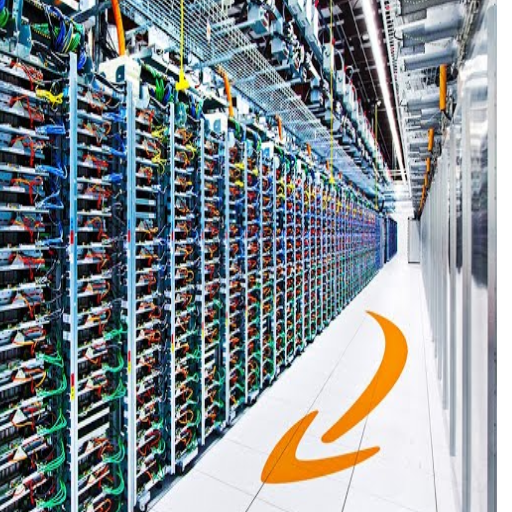
The AWS Regions and Availability Zones are indispensable parts of the global infrastructure of Amazon Web Services. An AWS Region is an isolated geographic area intended to support redundancy and fault tolerance, which is made up of several Availability Zones. Every Availability Zone that is part of a Region functions as a separate data center, with its own power, cooling, and networking setup. This system allows for high availability, since the workload can be spread over several Zones to reduce the possibility of downtime and increase reliability. AWS is confident that Regions and Availability Zones will always meet the most stringent requirements of security, scalability, and performance, which is why they have been considered as the cornerstone for the development of powerful cloud computing solutions.
Defining AWS Regions
AWS Regions are physically separated spots that are made with the main characteristics of high availability, scalability, and fault-tolerance for their cloud-based solutions. A Region is made up of independent Availability Zones that work separately but are joined through low-latency, high-throughput networking to provide great performance and redundancy. By using more than one Region, businesses can put their apps nearer to the users, thus cutting down on latency and being compliant with data residency requirements or standards. Furthermore, AWS Regions are built to withstand rigorous physical and operational security measures, thus enabling the support of enterprise-grade workloads and the global scaling of different applications.
Exploring Availability Zones
Availability Zones Architecture
Availability Zones, or AZs, are unique data center infrastructures within an AWS region, architected to ensure operational fault tolerance and availability in cloud deployments. An AZ consists of one or more discrete data centers, each providing independent power, cooling, and networking to improve resilience. Secondly, the architecture is designed to facilitate low-latency intercommunication between zones within the same region, while ensuring fault isolation. Consequently, with an ectylated deployment of resources and applications across multiple AZs, organizations gain more redundancy, business continuity, and less downtime attributable to hardware failure or any other interruption. This kind of architecture allows one to create highly scalable and reliable applications that meet the heavy-duty requirements of enterprises and regulatory requirements.
Impact on Data Redundancy and Reliability
Multi-AZ implementations augment the redundancy and reliability of data by replicating some of the critical data across several geographically isolated Availability Zones. Such redundancy helps eliminate the chance of data loss due to site failures like hardware failure, power outage, or natural calamity. The mechanism of failover makes the system automatically route the traffic to resources that are healthy in the other AZ, thus keeping the application available with minimum disruption. A multi-AZ set-up also meets a stringent set of DR objectives, such as RTO (Recovery Time Objective) and RPO (Recovery Point Objective), to guarantee accurate data and uptime. This best-practice approach helps in compliance with industry standards such as ISO 27001 and SOC 2, making it a must-have for mission-critical workload scenarios.
Sustainability Initiatives in Amazon Data Centers

Amazon stands for sustainability by opting for renewable energy and energy-efficient practices for data centers. The company has pledged to go fully renewable by 2025 and is already one of the major corporate buyers of renewable energy worldwide. Their data centers are energy-efficient as they apply the latest cooling methods and engineer their hardware profile to lower power consumption. Even their supply chain is kept under constant review to decrease emissions while aligning with its climate pledge to become carbon neutral by 2040. These go hand in hand in fulfilling Amazon’s mission to reduce environmental impact while running an efficient operation.
Green Energy Practices
Renewable Energy Investment
Environmental green practices aid in lessening the consequences of climate change and maintaining operations sustainably. Renewable energy, such as wind, solar, and hydro-power energy is utilized by the company Amazon to run its infrastructure. By investing heavily in renewable energy projects, Amazon hopes to reach 100% renewable energy by 2025 as part of its overall sustainability program. Modernized supply chain innovations aimed at decreasing carbon emissions include electric vehicles and the use of alternative fuels that emit lower amounts of carbon dioxide. Moreover, innovations in battery storage technology, along with the energy-efficient building designs of data centers, promote these solutions while also assisting in scaling and enhancing the resilience of these solutions. On the whole, these practices first stressed the fact that without renewable energy, sustainability becomes difficult to achieve and second demonstrate how to lead in addressing environmental challenges.
Efforts for Reducing Carbon Footprint
There are many strategies to consider when reducing the carbon footprint. From the perspective of an individual, one needs to ensure energy efficiency in the home through the use of LED lights, controlling heating systems with timers or sensors, or simply wasting less water. Renewable energy, wherever possible, would be best, depending mostly on fossil fuel energy; that would mean solar panels on the roof for those with such an opportunity. In addition, adopting environmentally responsible behavior-lowering consumption of meat, increasing plant-based foods, recycling, and composting-makes a big difference.
On a grander scale, industries and the state must play a pivotal role. Carbon capture and storage technologies must be implemented while stringent emissions regulations have to be enforced, and green infrastructure must be invested in. Following circular economy thinking — consider reuse, repair, and recycling of materials — contributes toward resource efficiency. International cooperation and policies, including carbon pricing and net-pledges, are foremost in ensuring acceleration on the path toward achieving global climate objectives. The silver bullet lies in working cohesively from all strata of society to mitigate climate change.
Public Commitments to Sustainability
As public commitments to sustainability attract growing international attention, climate challenges grow greater. Many companies are now setting targets or goals that are measurable: reduce GHG emissions, procure renewable energy, or achieve carbon neutrality by specific target years. For example, giants such as Microsoft and Amazon set targets for net-zero emissions by 2030 and 2040, respectively. Governments act as catalysts for change when the European Green Deal and the Inflation Reduction Act of the United States are in force, providing incentives and investment in green innovation.
Transparency and accountability are the essential commitments that stakeholders want to be right there, ready to provide disclosure on progress practices, which can include GRI or Science-Based Targets. Technological innovation serves in view of these activities: An example would be advances in carbon capture and renewable energy systems; these innovations should take centre stage on project initiatives to achieve their stated goals. The whole exercise was perhaps thus viewed as a shift towards sustainable leadership across all sectors and on account of the environment’s necessity and societal demand for change.
Future Trends in AWS Data Center Locations
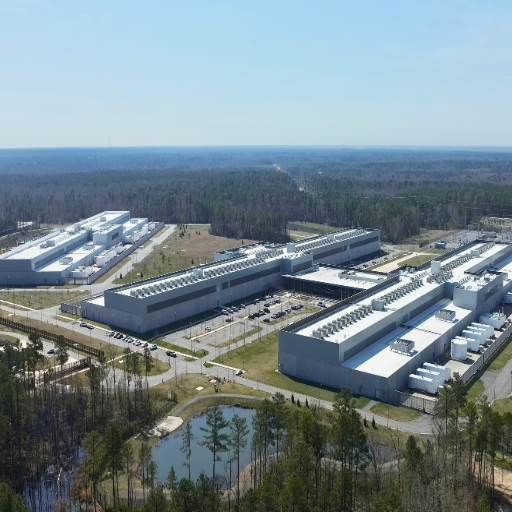
Strategically, AWS has targeted growing its DC presence to inculcate reliability, compliance, and access for its customer base worldwide. Such location emphasis is on areas with potential for renewable energy sources, in keeping with sustainability, while others are targeted due to growing cloud service demand. AWS will also ensure regulatory compliance of its data centers by going to those jurisdictions with rigorous data sovereignty laws to ensure customer data is managed locally. These trends are thereby reaching operational best practices, environmental responsibility, and localized delivery service.
Expansion Plans for New Albany
Strategic Expansion in Ohio
Amazon Web Services has plans for a strategic expansion to New Albany with an aim to leverage the region for a strong infrastructure base and economic potential. Being in Ohio, New Albany offers a well-established tech corridor with a supply of reliable power sources and an advanced connectivity network, making it a strategic choice for cloud data center developments. AWS, in return, intends to invest heavily in this region further by erecting more data centers to provide scalable cloud solutions and adequately respond to the demand for storing and processing data.
Once further developed, expansion would contribute to economic growth by providing construction work during the development phase and permanent jobs for skilled workers in technology and operations. In its promotion of the expansion, AWS also highlights sustainability by incorporating renewable energy generation to power the facilities and reduce carbon emissions. These activities are consistent with AWS’s global effort to achieve net-zero carbon emissions by 2040. Hence, this is AWS’s other approach to meeting stringent regulatory standards and offering localized data services to customers in and around Ohio.
Technology Innovations and Their Impact
The technological changes in the world have shifted in a way that we now use this and interact with the world to solve complex problems. These innovations have brought a lot of efficiency, scalability, and accessibility with respect to different industries. An instance of one such technology is cloud computing. Cloud services like AWS allow businesses to store, process, and analyze massive data sets with the best speed and reliability. This leads to better decision-making, better operational performances, and faster time to innovation. In brief, technology fosters progress through sustainable solutions as well as changing our systems of living and working.
Global Trends in Data Center Development
Being established mainly to cater to a rapidly digitizing world and transformed by global phenomena, data centers are aligned with and follow certain macro-trends. An important trend would include the greener and more sustainable practices with data centers opting for energy efficiency through wind, solar, and the latest cooling technologies to keep their carbon footprints low. Modular and edge data centers have come into the limelight for being quickly deployable and servicing the crushing demand for localized processing power to back applications such as IoT and 5G networks. Another trend the industry is seeing is enhanced use of automation and AI to optimize operations and forecast maintenance requirements, thus improving performance. The sheer growth of data is leading to the rise of hyperscale facilities across the globe, with North America, Europe, and Asia-Pacific witnessing considerable development, solidifying the backbone of the digital economy. Collectively, these trends underline the important role played by data centers in fostering the modern infrastructure while adapting to technological and environmental constraints.
Reference Sources
Frequently Asked Questions (FAQs)
What are the major AWS data centers of Amazon?
Amazon runs many data centers around the world in various regions, including major ones in Northern Virginia, Hyderabad, Indonesia, and South Korea. These locations have a very strategic position in allowing the highest performance and reliability of the cloud computing infrastructure.
How many are there with Amazon across all the global operations?
Amazon has hundreds and more data centers across the world as of 2024. These data centers are spread all over its multiple data center campuses for a really strong cloud infrastructure to provide the services worldwide.
What are the advantages of using Amazon Web Services data centers?
Data centers in the AWS environment bear some pretty significant advantages: the scale of economy, enhanced performance and reliability, coupled with a green environment view. Given these advantages, AWS would be the foremost choice for any business seeking to tap into the cloud computing infrastructure.
How does Amazon secure sensitive data in its data centers?
The advanced-level security mechanisms and compliance are followed for the data and cloud center safety inside the house of Amazon. This includes physical security, network security, stringent access controls, and that sort of stuff, keeping the data away from stray or unauthorized access.
What are the plans for the expansion of AWS Data Centers in the U. S.?
Amazon is currently expanding its data centers as it builds two novel data center complexes in Morrow and Umatilla counties. The new complexes will boost their cloud computing capabilities and consequently increase the demand for AWS services therein.
How does AWS promote environmental sustainability in data center operations?
Amazon actively promotes sustainability in the operations of its data centers. The objectives that it pursues are generating electricity through renewable sources, energy efficiency, and carbon footprint-minimization measures in data centers as a sign of its moral commitment to environmental sustainability.
What is the significance of availability zones in AWS data centers?
Availability zones in AWS data centers may provide redundancy and high availability for cloud services. At present, AWS has 15 availability zones in 5 regions, a consolation to developers in keeping applications running even in the event of failure of a data center.
Where are the new Amazon AWS data centers planned for 2025?
New AWS data centers will be built by Amazon in 2025 at various locations, including New Albany and Loudoun County. These newer facilities form part of a greater plan to expand the company’s global cloud infrastructure and meet growing demand from customers.