








Electrical systems provide power to almost every aspect of modern life and should, therefore, be safe and reliable to function. One important factor in the safety of an electrical system is the ground wire, sometimes neglected by many in the grounding systems. What does a ground wire do, and why is it important? This blog goes into the great need for the ground wire in electrical grounding, in protecting people, property, and appliances from possible electrical hazards, fatal charges that may jeopardize the safety of a thunderstorm attack. By the end of this discussion, you would probably have gone far into comprehending how this very simple wire saves a home and a workplace and meets safety standards.
Understanding Ground Wire and Its Importance
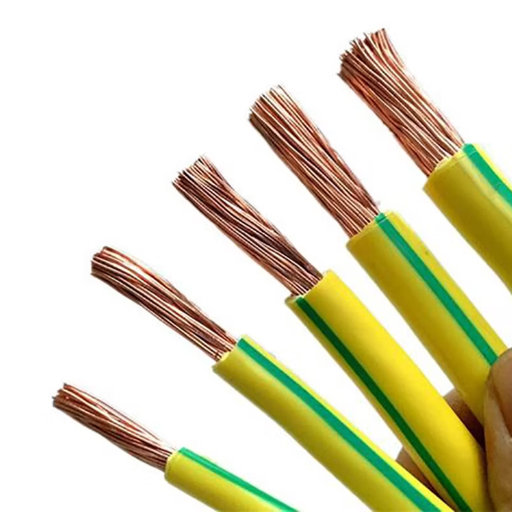
Grounding wires at their core serve as the safe path for the flow of that surge current in case of a surge or fault. The connection goes from the electrical system right into the ground, which acts as a reservoir to absorb and neutralize that excessive current. In this way, a hazardous condition of shocks, fires, or damage to appliances is prevented so that stray electricity from any source is channeled away from humans and property by the ground wire for overall safety and stability of the electrical system. Beneficial ground wiring is required by safety codes and forms an integral part of contemporary electrical systems.
Definition of Ground Wire
As an indispensable safety feature in any electrical circuit, the ground wire is there to prevent possible electrical hazards to man and property. The basic purpose of the ground wire is to provide a safe path for stray currents to flow to the earth in the case of a fault, say, a short circuit or lightning. The existence of ground wires is an essential feature in modern-day electrical systems for their safety and profitability.
Key Statistics: Ground wires usually consist of copper or aluminum; the reason for these selections rests on their great workmanship and strength. Under a fault condition, the ground wire prevents metal parts of appliances or electrical enclosures from acquiring dangerous voltages. Statistics say those properly grounded systems can reduce shock-induced injuries and fatalities by 90%.
Furthermore, the decrease in shock hazard from proper grounds also helps in decreasing damages due to power surges, essentially protecting the infrastructure and the equipment connected thereto. Proper grounding has an integral role in protecting devices against destructive electrical noise. Surge protection devices usually redirect sudden voltage spikes and surges to grounds to afford protection to appliances, such as computers, phone systems, and medical equipment, from being damaged.
Grounding and bonding conductors are required by electrical codes around the world, with specifications laid down by the National Electrical Code (NEC) for correct installation and maintenance. If proper grounding is not present, electrical safety and stability are greatly compromised, resulting in electrical fires, shock hazards, and equipment failure. It is, therefore, obvious that installing and maintaining grounding conductors best contributes to the complete electrical safety of residences and commercial installations.
Why Grounding is Essential for Electrical Safety
Grounding acts to provide a harmless way for extra electrical current to flush away into the earth’s surface, avoiding the build-up of potentially hazardous electricity in the air. This eventually protects an individual from getting an electric shock. It also makes sure input-output equipment is hired for service. By keeping voltage levels stable in the force, grounding prevents fires from surges or poor wiring. Also, in cases of lightning strikes and power surges, it bounces back the harmful of harmful energy away from buildings and appliances, minimizing damage. Grounding should comply with safety codes to ensure less harm to property or life.
How Ground Wire Works in Electrical Systems
The grounding wire provides a direct path for any excess electrical current to be safely conducted into the earth, thus preventing hazardous circumstances or damage. In the event of a fault, say a short circuit or a power surge, this grounding system swiftly directs the excess electricity away from appliances and buildings, mitigating the hazards of electric shocks and fires. It is generally attached to the grounding rod and the electrical panels so that any fluctuating or stray currents get neutralized. In the grand scheme of electrical systems, ground wires are indeed important for stability, the safety of operators, and fulfilling safety code requirements.
Types of Ground Wires
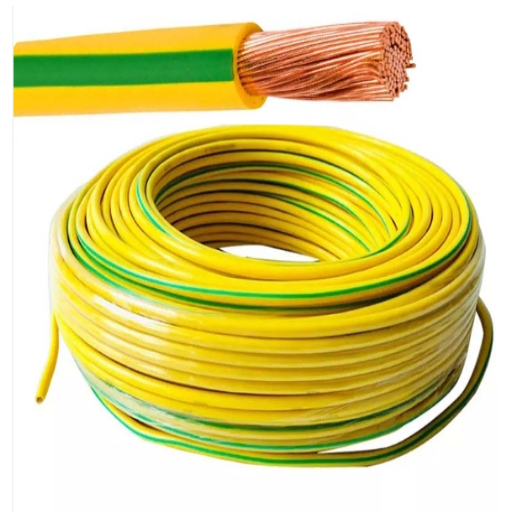
Bare Copper Wire
The wires in this category have always been employed to conduct within the residential wiring system and in the commercial wiring system because of their perfect conductivity. Having no insulation, these wires are affordable and easy to install.
Insulated Ground Wires
Protected by some insulating coating, these wires are used where extra safety is required to prevent accidental contact or damage.
Grounding Rods
Generally, copper or galvanized steel rods connect the electrical system to the earth so that electrical currents can be safely dissipated.
Braided Ground Wires
Being highly flexible in nature, these are used at places requiring some movement or vibration, such as in vehicles or machinery.
Ground Straps
A thin, flat strip of conductive material used in some applications, as well as certain applied wire for vehicle or equipment grounding.
Common Types of Grounding Cables
The essential part of the electrical system is, in fact, a grounding cable; it makes the place safe by providing a way for electrical surges to reach the ground. These are some common types of grounding cables:
| Type | Material | Features | Best Applications |
|---|---|---|---|
| Solid Copper Grounding Wire | Copper | Good conductivity, corrosion resistant, weather resistant | Permanent installations in residential, commercial, and industrial environments |
| Stranded Copper Grounding Wire | Twisted copper wires | More flexible than solid copper | Automotive or equipment grounding where bending/movement is needed |
| Tinned Copper Wire | Copper with tin coating | Enhanced corrosion resistance, flexible | Marine and high-moisture environments |
| Braided Ground Straps | Tinned copper or other conductive material | Flat, mesh-like, highly flexible | Systems with vibration or movement (vehicles, machinery) |
| Aluminum Grounding Wire | Aluminum | Less conductive than copper, cost-effective | Large installations where cost savings are important |
Each grounding cable possesses specific features to fit particular applications. The right grounding cable depends upon whether the cable must be flexible, be resistant to harsh conditions, and the weight of the cable, on price considerations.
Choosing the Right Ground Wire for Your Needs
The selection of a ground wire involves considering the material, size, insulation, and application environment. Copper stands as the most widely used material owing to its exceptional conductivity and durability, while aluminum acts as its cheaper contender with somewhat lesser conductivity. The size of the wire, which refers to its American Wire Gauge (AWG), is of utmost importance so that it safely serves the purpose of carrying the current safely from the danger of overheating.
Insulated wires will be selected in cases where there could be a hazard from moisture, abrasion, or chemicals, whereas bare wires are used, for example, with grounding rods in a low-risk environment. Also, consider the application needs. For instance, outdoor installations require weather-resistant coatings, whereas industrial equipment may need high-flexibility wires due to constant movement.
Important Note: Any installation should follow local building codes and standards for safe and effective practice, such as the National Electrical Code (NEC), in the United States. Further advice and selection of an appropriate grounding solution tailored to your needs can be obtained from a licensed electrician or industry expert.
Applications of Different Ground Wire Types
Ground wires are used in various applications, with each requiring a special type of wire to meet safety and performance standards:
- Solid copper wires are usually selected for grounding in residential works because they possess very good conductivity and reliability in grounding electrical systems in houses.
- Stranded copper wires are selected in dynamic environments of industrial and commercial facilities where flexibility is needed for frequent motion or vibrations through wiring systems.
- Aluminum grounding wires represent a cheap option for large-scale installations in utility grids, where such lightweight wires have a price advantage.
- Insulated grounding wires are usually used where protection from moisture, chemicals, or extreme temperatures needs to be ensured, i.e., in outdoor installations or severely industrialized surroundings.
- Specialty wires like tinned copper hold increased corrosion resistance; therefore, they are more appropriate for marine- and underground-level use.
The right category of grounding wire is made of patent safety and functionality over time for any electrical installation.
Ground Wires in Your Home
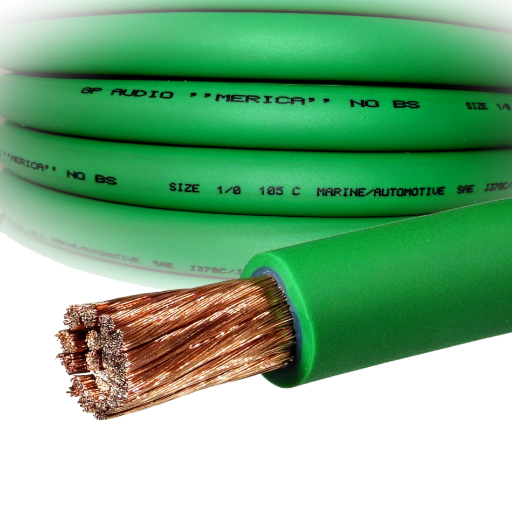
In the design of any home, electrical safety is ensured with ground wires. They expel any excess current into the Earth, thereby reducing the chances of an electrical shock and fire. Normally, ground wires are connected to outlets, appliances, and the main electrical panel of the house. The first thing to ensure is that ground wires are installed correctly and intact so as to protect both your house and electrical system. Should you think there are issues with the grounding, contractors are around to have it inspected and repaired.
Identifying Ground Wires in Residential Electrical Systems
Ground wires are simply identifiable because they are either bare or green in color. They may be connected to the ground bus bar in the electrical panel or fixed to a grounding rod that is driven into the ground. Ground wires may also be attached to metal parts of outlets, fixtures, or appliances so that the excess electrical current is channeled away.
One way of detecting the presence of a ground wire inside an outlet is by removing the outlet cover and checking for a bare wire or a wire with green insulation connected to the ground terminal. Modern codes require grounded outlets to be installed, and such outlets will have three slots—the third prong being the ground slot. In older homes that lack a grounded system, check with an electrician about having an upgrade for greater safety. Always switch off the power to circuits before conducting any inspections or repairs.
How Ground Wires Enhance Safety in Homes
Grounding is an important aspect of home safety because it helps provide a direct path for excess electrical current in case of a fault. Without grounding, the situation may become hazardous with electrical shocks, fires, or damage to appliances. During a fault, such as a short circuit, the ground wire provides a path for the current to flow safely into the earth, thereby reducing the risk to life and property.
Grounding systems also stabilize voltage levels and protect sensitive electronics from power surges. Whether you have properly installed and maintained ground wires or it has been an ongoing issue, they are essential for the overall electrical safety of the home and up to par with today’s electrical standards. If unsure of your home’s grounding system itself, having a licensed electrician check it will be highly beneficial.
Common Issues with Ground Wires and Solutions
Ground Wire Corrosion
Problem: These ground wires or their connections may become corroded with the passage of time due to moisture or environmental effects. The corrosive nature weakens the conductivity of the wire and may even become a safety hazard.
Solution: Make it a habit to inspect ground wires for corrosion. Replace or clean the wires if they show corrosion, using appropriate tools, and if possible, provide a weatherproof coating or enclosure to avoid further exposure.
Loose or Unconnected Wires
Problem: If these wires were loosely connected, then the grounding might fail. Wear due to damage, stroke, or misapplication, in that order, can be a cause.
Solution: During routine electrical inspections, ensure all ground wire connections are tightly fastened. Reattach any that are loose, with appropriate clamps or connectors.
Damaged or Missing Ground Rods
Problem: These grounding systems use one or more rods that must be driven into the earth. These rods can be damaged, improperly installed, or even absent in the case of older homes. Without a proper ground rod, the better half of the system’s efficiency disappears.
Solution: Check for the presence of a ground rod and inspect it for damage. In case of a missing or substandard ground rod, have an electrician get it installed or replaced in concert with the then-current electrical code.
Improper Grounding Locations
Problem: Sometimes, the ground wires might be connected to an unsuitable location, such as a gas pipe or a weak structure, and such connections can become safety hazards.
Solution: Ground wires are supposed to be connected to approved grounding points, not to something like a gas pipe. So ensure that the ground wires are connected at an approved location, such as a ground rod or electrical panel in accordance with code. Never connect ground wires to unsafe or unapproved materials.
Damaged Insulation
Problem: The insulation around ground wires could have worn out or gotten damaged, and is liable now to get short circuits or to be exposed to electric current.
Solution: Replace a damaged insulation layer or, if damage is minor, patch lightly and repair using high-quality materials so as to prolong the life of the system.
In dealing with such issues preventively, you make sure that your grounding system is safe, effective, and in line with safety regulations.
Working with Ground Wires

- Ensure Proper Connections: Ground wires should always connect securely to approved grounding points such as grounding rods or special terminals. Looseness or improper connections may be unsafe.
- Use Correct Materials: High-quality, corrosion-resistant materials must be used for ground wires and connectors so that deterioration does not occur and a long life is assured.
- Regular Inspections: Inspect for damage, corrosion, or loose connections regularly. Any defects observed should then be dealt with immediately in order to keep the system operational.
- Follow Local Codes and Standards: Accept proper grounding based on local electrical codes and safety standards. Apart from safety, a failure to do so may put you at risk of legal consequences or hurt your compliance record.
Working with ground wires while maintaining a safe electrical system is feasible when you follow all these guidelines.
Role of Electricians in Ground Wire Installation
Electricians are crucial in installing ground wires, where safety, compliance, and functionality of systems are the main aspects. Transfer processes include site assessment, choosing appropriate materials, and correctly installing the ground wire so that electricity has a safe path to earth in case of a fault. Electricians ensure that their installations are in compliance with local electrical codes and standards, thus minimizing hazards that could constitute legal issues. Post-installation, they test and inspect the system to confirm that the grounding is proper and functional. Damage to equipment, electrical shocks, and potential fire hazards are safeguarded against with his guidance, providing a smooth and safe system.
Best Practices for Ground Wire Installation
Select Appropriate Grounding Materials
Utilize high-quality conductors, preferably copper or aluminum, as both materials possess high conductivity and durability. Should the components be expected to be exposed to the environment, the clamps and rods of the grounding system should also be corrosion-resistant.
Follow the Local Electrical Codes
Rooting all work in the national and local electrical codes (such as the NEC in the United States) should be preeminently final for compliance and safety. Ground wires shall be sized according to amperage and system requirements given in the code specification.
Establish Proper Grounding Connections
Connect the ground wire to grounding rods, water pipes, or building steel. The connections should be tight and free of corrosion to guarantee a strong and consistent ground path.
Test The Grounding System
Right after installation, measure the resistance from ground test with a ground resistance tester to check the usefulness of the system. The ground resistance value measured should preferably be below 25 ohms, but may vary according to local codes or applications.
Common Installation Errors To Be Avoided
Being under-sized or undersized ground wires, poorly connected grounding points, or inappropriate material that may pose a danger to life and property could be life-affecting. Ground wires must never be placed in positions where sharp edges could cut or damage them.
Following such guidelines will surely improve electrical safety hazards and mitigate the danger of shock, damage to equipment, and fire occurrence.
Maintaining Ground Wires for Optimal Performance
Maintaining ground wires is essential to safety and reliable performance. Check grounding systems regularly for corrosion, loose connections, or physical damage. Any loose connections are to be tightened, and any damage to the wires has to be repaired immediately before compromising the actual ground effectiveness. Grounding points should be clean and free from debris because dirt or corrosion could affect conductivity. Check on the ground resistance from time to time with the proper tools and make sure that it is within allowable limits as given by the standards and regulations of the industry. While maintenance is a clear safety improvement, it also prolongs the life of electrical systems.
Grounding Solutions for Electrical Safety
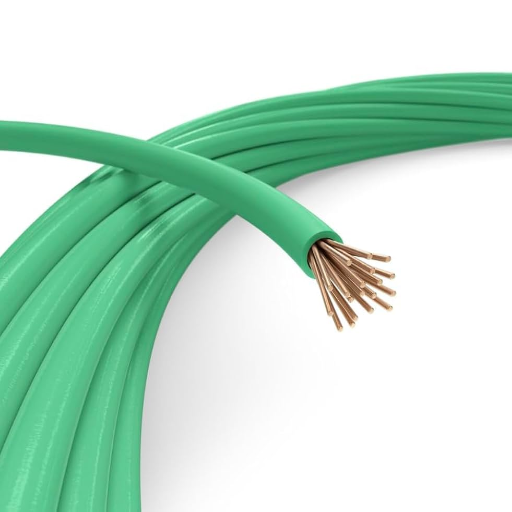
- Regular Inspection: Perform periodic inspection of grounding systems to find damages, faults, and corrosion, and to rectify them.
- Proper Installation: Make sure all grounding components are installed per industry standards, using good-quality materials that allow for reliable conductivity.
- Standards Compliance: Comply with applicable safety regulations and codes, such as the NEC, to ensure that grounding systems maintain required safety standards.
- Periodic Testing: Employ reliable methods of testing to determine whether ground resistances are within safe limits and cause adjustments to be made when necessary.
- System Upgrades: Upgrade old or deficient grounding systems with modern daylighting means to provide for long-term use and safety standards.
Innovative Grounding Solutions in Modern Electrical Systems
Modern electrical systems are making use of newer technologies and ingenious methods for enhanced grounding practices so that safety, reliability, and efficiency may be ensured. One important development includes smart grounding systems equipped with IoT-enabled sensors, which monitor levels of ground resistance in real time and identify any faults or any degradation in the grounding performance with considerable accuracy. With this highly proactive approach, there could be a drop in electrical accidents that were previously occurring, as well as a reinforcement of regulatory compliance concerning safety.
Another exciting development relates to using advanced materials like nanocomposites in grounding electrodes. These materials provide better conductivity and strength than is possible with traditional materials, like copper or steel. For example, some studies report that certain nanocomposite-based grounding rods provide almost 30% less resistance for identical conditions, thereby guaranteeing the stability of electrical connections to a greater extent, even in adverse soil conditions.
In industrial areas, high resistance grounding (HRG) is being adopted more frequently. HRG systems allow for fault current control so that disturbances are minimized and expensive equipment does not suffer damage. A manufacturing case study showed that the use of the HRG reduced downtime due to electrical faults by 40%, which resulted in substantial cost savings and productivity gains.
On the other hand, hybrid grounding techniques are now being used in renewable energy systems, such as solar and wind power plants. These techniques combine conventional grounding with advanced methods, such as electrolytic grounding, to provide dependable grounding in remote and highly variable settings. Hybrid methods ensure optimal grounding even under varying environmental conditions.
Thus, inspections into technology for grounding have shown to keep improving the safety efficiency of electrical systems at various venues, alongside the cost-efficiency and sustainability of installations nowadays. These would be the continuous technological improvements that solve the outer challenges faced in the electrical grounding of various industries.
Regulations and Standards for Ground Wire Usage
Since modern regulations and standards for the application of the ground wire are designed around safety, reliability, and conformity, their requirements become essential. I personally believe that complying with guidelines such as those embraced in the United States by the National Electrical Code (NEC) or other international standards like IEC 60364 becomes paramount. These standards set forth the requirements for the grounding conductors, including the selection of materials, installation procedures, and testing. So, adherence to these regulations can ensure the prevention of electrical hazards and guarantee system effectiveness for its various applications.
The Future of Grounding Technologies
Entrepreneurial materials, monitoring systems, and sustainability are carving out the future of grounded technology. One of the more popular trends is transforming systems into smart grounding systems that, through sensors and IoT technology, will provide ground integrity monitoring in real time. This allows predictive maintenance to achieve reduced downtime and enhanced safety in critical electrical infrastructures.
Another trend is towards environmentally friendly high-performing materials to improve conductivity and reduce environmental impact, such as copper-clad aluminum and advanced alloys. Furthermore, the evolution of standards to accommodate new grounding techniques for renewable energy installations and distributed energy resources also highlights this trend toward cleaner, sustainable power systems. Ultimately, the innovations aim to ensure safety, efficiency, and reliability in an increasingly complex electrical world.
Conclusion: Ground wires represent a fundamental component of electrical safety that protects lives, property, and equipment. From understanding the basic principles to implementing innovative solutions, proper grounding remains essential for any electrical system. Regular maintenance, compliance with codes, and staying current with technological advances ensure optimal performance and safety for years to come.
Reference Sources
“Improving the Grounding System in 33/11 kV Distribution Substations”
“Nikola Tesla’s Free Electricity Electronic Circuit”
“Analysis of Individual Knowledge of Lightning Protection”
Frequently Asked Questions (FAQs)
What is the purpose of a ground wire?
The primary function of a ground wire is to provide a safe path for excessive charge to return to the earth, hence preventing electrical shocks and ensuring that the electrical apparatus is not damaged during an electrical fault.
How does a ground wire work in an electrical system?
A ground wire acts as a safety measure, diverting any stray electrical charge away from the equipment and into the earth. In the event of a short circuit, the ground wire provides a path for the cause of current to escape from the source safely, thereby lessening the possibility of hazards such as fires.
What happens when electrical work is done without a ground wire?
Without a ground wire, no shoot of excessive charge can find its way to dissipation. This may be dangerous as they may give shocks to humans or cause damage to equipment or even fires when it comes to an ungrounded electrical system.
What are the electrical code requirements for the ground wires?
Ground wires, an essential element of any electrical system, are imposed in every electrical code for the sake of safety. The underlying principle here is guarding every outlet and electrical device with a ground wire in case there is a fault.
Connecting ground wires to an outlet?
Ground wires are connected to outlets through a terminal designated for such a purpose so that the ground wires provide a path for grounding. What that means is that they safely carry the said extra electrical charge that could have come from the outlet or its supporting device before a user or any other element is diverted towards them, thereby enhancing the safety of an electrical system.
Common types of ground wires?
Ground conductors are usually made of copper or aluminum and are meant for electrical grounding. Among these, bare copper wire, insulated grounding wire, and conduit are the most popular, as they are used in a fair share of electrical installations, guaranteeing safety and adherence to electrical codes.
Why is grounding crucial for electrical safety?
Earth is for electrical safety. It prevents electrical shocks, whereas grounding protects the equipment against excess electrical charges. If the system is well grounded, it poses the least risk for faults and short circuits. Safe operation of electrical systems for household and industrial purposes results from this.
What should I do if I suspect my ground wire isn’t functioning?
If you suspect that the ground wire is not properly functioning, you should call in a qualified electrician. Electrical work can be done by the electrician to check out the whole grounding system so that the ground wire is properly connected and to ensure that the system meets all safety standards to avoid hazards.