

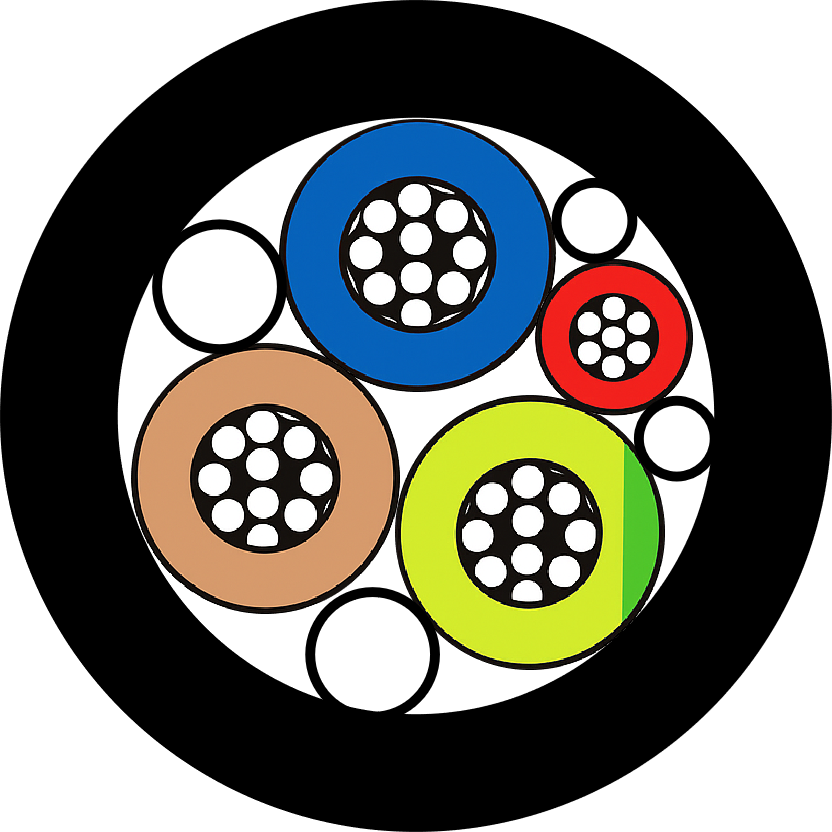





One of the very important drivers for performance, safety, and serviceability is the proper cable termination of VFD systems. VFD cable termination kits serve to suppress electrical noise, protect signal integrity, and safeguard against damage due to misuse and improper installations. Without proper termination practices and tools, no one will be able to prevent even the most sophisticated VFD from losing efficiency, suffering from excessive EMI, and facing very costly downtime. In this article, article will discuss the critical functions of VFD cable termination kits, outline the advantages that they bring, and discuss why they are considered a must for optimum system performance in both industrial and commercial applications.
Understanding VFD and Its Applications
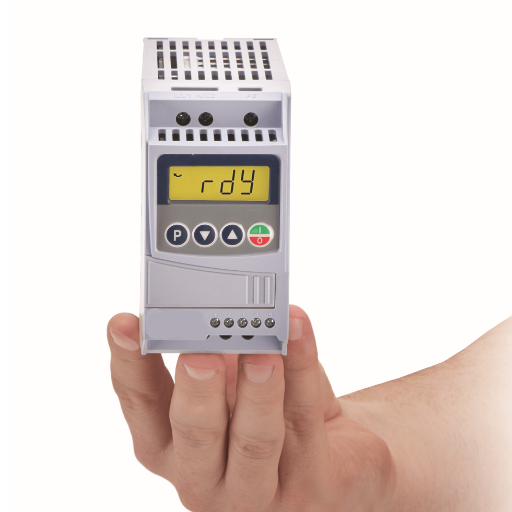
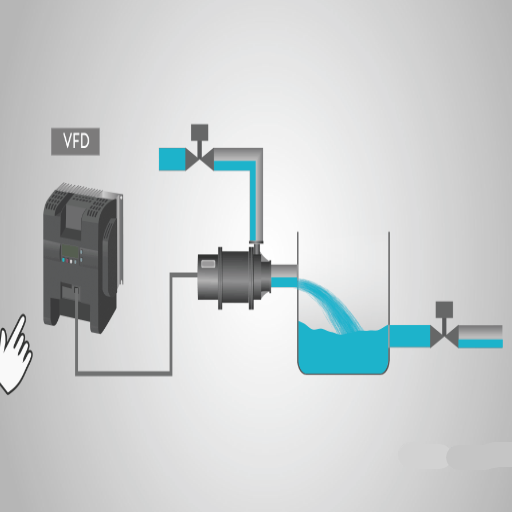
Variable frequency drives (VFDs) are devices that can be used to control the operating speed and torque of electric motors by adjusting the frequency and voltage supplied. They see widespread industrial or commercial application, for the sake of energy efficiency, process control enhancement, and mechanical wear due to machines. Common applications may include HVAC systems, conveyor belts, pumps, and compressors, wherein exacting motor control is required. Demand-based motor speed optimization by VFDs will thus cut energy consumption, operational costs, and become a crucial piece in modern automation and energy management schemes.
What is a Variable Frequency Drive?
Variable Frequency Drive (VFD) is an electronic device designed to control the prevailing speed and torque of an electric motor by subjecting the motor to variations of frequency and of voltage in the power supplied thereto. Variable frequency drives are used predominantly with AC motors since it is possible to exert control over the operation of the motor in terms of the speed required by the adjusted process. This control action reduces energy consumption, reduces mechanical stresses incurred by production equipment, and improves the system’s performance in terms of production accuracy and life expectancy. By varying motor speed dynamically depending upon demand, VFDs have become an energy-saving initiative and are employed on a large scale for applications like HVAC, pumps, fans, and manufacturing processes.
Applications of VFD in Industrial Settings
The innovative motor drives came with a variety of applications in industries: from motor performance absolutizing to energy management. Consider the following:
- Pumps and Fans: A VFD is installed to pump or fan control flow and pressure in accordance with system requirements. In controlling the motor speed, the VFD saves on electricity and also reduces wear and tear-Cost of operation thus decreases.
- Conveyors: The integration of VFD in conveyor systems vastly improves the operations as it enables the precise control of speed and smooth execution. This also enables synchronization with other processes and reduces mechanical stresses, thereby improving productivity.
- Heating, Ventilation, and Air Conditioning (HVAC) Systems: VFDs help to increase energy efficiency within HVAC systems, where motor speeds are adjusted to variations in loads. Hence, this yields low energy costs and better temperature control.
- Industrial Machinery: From Injection molding machines to extruders, VFDs ensure uniform motor performance to suit the manufacturing operations so that they save energy and reduce mechanical strain.
- Cranes and Lifts: Cranes and Lifts are another VFD application. Acceleration and deceleration are smooth, with no jerks in between, thus adding to the safety and life of the equipment.
Thus, the applications of VFDs lead to better process control, optimum utilization of resources, and good industrial practices in line with modern standards of efficiency and environmental directives.
Benefits of Using VFD Systems
The Variable Frequency Drive (VFD) is a gift that keeps on giving across the industrial world, offering enhanced efficiency at lowered operational costs. Key advantages include:
- Energy Saving: The VFD sets the motor speed according to process demand. The practice thus substantially reduces power consumption in systems running on variable loads, such as in pumps and fans. Energy costs can even be reduced by half in some instances.
- Increased Motor Life: When there’s a soft start and stop through the drive, less mechanical stress is imparted on the motor, hence less wear and tear to the equipment and longer life.
- Process Control: The ability of the VFD to control motor speed and torque tightly results in better process precision and consistency. This is important where the consistency of operations within narrow parameters is required.
- Reduced Maintenance: With the absence of mechanical parts operating at full speed, the frequency of maintenance or downtime tolerances diminishes with a VFD.
- Lower Environmental Impact: By minimizing energy consumption, VFDs reduce carbon emissions, supported by sustainability initiatives, along with meeting regulatory standards.
- Adaptability and Versatility: A wide range of motor-driven systems may be used with VFDs, making them a universal solution for industries and processes.
These factors make VFD systems an indispensable tool for modern industries working toward functional efficiency and environmental responsibility.
The Importance of Proper Cable Termination
Cable termination is vital in imparting safety, reliability, and efficiency practiced on electrical systems. When proper termination is applied, it minimizes the electrical faults that may occur through short circuits or voltage drops and hence culminates in system failure or safety hazards. Terminations provide for the wires to be fastened securely, hence reducing the possibility of loose wires or signals interfering with one another. Proper cable termination followed by industry standards and the use of proper tools and materials enhances the performance and longevity and is, therefore, critical in any electrical installation or maintenance work.
Why Termination is Critical for VFD Systems
In VFDs, good cable termination is important in VFD systems to drive operational efficiency and long life. Improper or bad terminations generate high-frequency noise, voltage spikes, and EMI that kill the motor or the VFD, invariably translating to immense financial loss in downtime. The high-frequency switching qualities of these VFDs increased the problem, thus calling for precision in terminations for minimizing reflections and signal distortions.
Moreover, a good termination reduces leakage currents and overvoltages that appear at the motor terminals caused by reflected wave phenomena. The general recommendation to counteract EMI and provide better system compatibility is to install shielded cables and to properly bond the shields to ground on both ends. Terminating the cables in keeping with the manufacturer’s recommendations in accordance with industry best practices protects the equipment and affords energy efficiency and operational stability.
Common Issues with Improper Termination
Improper cable termination affects both technical and operational performance of a generic electro-technical system. Being one of the most famous concerns, EMI may cause disturbance in the neighboring devices and reduce signal integrity. Improper termination may also increase the reflection of signals and cause a sudden spike in voltage that may be harmful to the electronic component or reduce the life of the equipment. Improper grounding and shielding may, on the other hand, carry certain safety issues of the system through unwanted ground loops, thereby escalating the hazard of equipment failure or personnel injuries. Over a period, inadequate termination methods are likely to raise cable surface temperature or create an environment for physical deterioration of cables, promoting system inefficiencies and downtime. Thus, termination standards are really to the point, and the use of proper tools is a must.
Best Practices for Cable Termination
Usage of the Best Tools and Materials
It starts with using certified tools and high-quality materials for proper cable termination. Compression tools, cable strippers, and crimping devices ought to meet standards of industry standards to ensure consistent and secure connections. Research has demonstrated that termination errors can be reduced by up to 30 percent when working with precision tools, thereby reducing the chances of electrical failure.
Give Importance to Industry Standards
Following standards accepted the world over, such as ANSI/TIA-568, IEC, or NEC, guarantees maximum performance and safety. Such standards specify the correct procedure for installation, termination, and testing to avoid problems such as signal degradation and electrical interference.
Reduce Signal Loss by Shielding Properly
The termination of shielded cables must be such that, from EMI problems going in, the shieldedness stays 100% intact. Shielded cables cannot be properly terminated or improperly grounded, resulting in, say, the attenuation of signals by 20% with sensitive applications such as those found in telecommunications or data centers.
Perform Thorough Testing and Verification
Testing after installation should be conducted to prove the terminations intact. Time-domain reflectometers (TDR) and cable testers will detect continuity faults and impedance mismatches. Research demonstrates that this end-to-end testing over 25% enhances reliability, thereby resulting in reliance on systems.
Implement Strain Relief Measures
Strain relief safeguards the cable terminations from mechanical stress, which can cause detachments or damage. Use methods such as cable ties, glands, and clamps, especially in areas subject to vibration or frequent movement.
Providing for Environmental Protection
Environmental conditions, such as moisture, temperature fluctuations, and corrosive substances, degrade cable terminations over the years. The use of heat-shrink tubing or sealing compound, or rated connectors in harsh environments would ensure the longevity of such connections and reduce maintenance costs.
Key Takeaway: Efficient and reliable cable termination improves electrical and signal performance, minimizes downtime, operational risks, and long-term cost. Following these best practices in every instance will guarantee that industries endeavoring toward higher service efficiencies are safe and secure to work with.
Components of VFD Cable Termination Kits
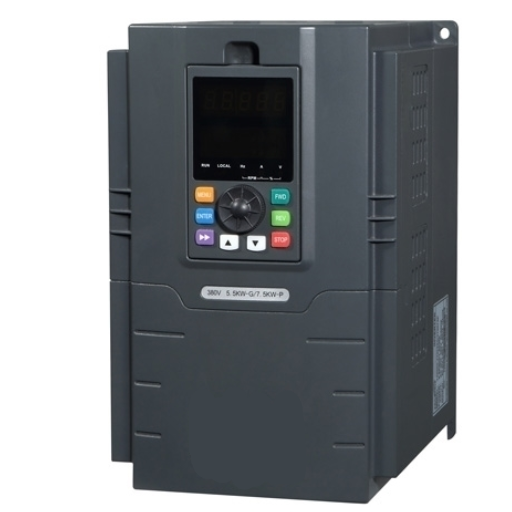
Depending on the manufacturer, VFD cable termination kits usually consist of the following components:
- Heat Shrink Tubing: It is used to insulate and protect cable terminations.
- Grounding Clamps: For proper grounding to reduce electromagnetic interference (EMI).
- Shielding Materials: They provide effective shielding against electrical noise.
- Sealing Compounds: They seal moisture and contaminants, especially in harsh environments.
- Lugs or Connectors: Provide a secure and reliable connection to the system.
Each of these components contributes to the efficiency, safety, and longevity of VFD cable terminations.
Overview of a Typical VFD Termination Kit
Generally, VFD termination kits are purpose-built for efficient and safe installation in a challenging industrial environment. The following are major items more or less commonly found in their composition:
- Heat-Shrink Tubing: To insulate and shield exposed cable strands from abrasion, heat, and chemicals.
- Shield Grounding Clamps: For terminating the cable shield to prevent EMI, thus ensuring maximum signal integrity and system stability.
- Conductive Tapes: Used to maintain cable shielding continuity and guarantee good electrical conductivity at key points.
- Mechanical Lugs: Used to mechanically attach the cable to the terminal or the equipment, thus ensuring a reliable electrical conduction.
- Sealing Grommets: They protect cable entry points against ingress in moist or dusty surroundings that can mar the sealing area.
- Cable Ties: Secures the bundled cables neatly to maintain proper organization and reduce mechanical stress on the connection.
Each of the items in the kit is built to meet strict industrial norms. The components together permit the proper termination of the cables of a variable frequency drive, control electrical noise systematically, provide for the longer service life of the cables, and increase the reliability of variable frequency drive operation.
Shielding and Its Importance in VFD Applications
Shielding is a very important consideration in VFD applications with respect to minimizing the undesirable effects of electromagnetic interference generated during VFD operation. VFDs inherently generate high-frequency signals depending on their working mechanisms, from modulating the power supply to motors. These signals can be propagated through the cables and cause disturbance to adjacent equipment. Therefore, shielding needs to be implemented to suppress this unwanted interference by enclosing and reflecting the electromagnetic waves emitted.
Good shielding usually involves a conductive material, a copper or aluminum tube-protecting the cable from EMI signal leakage while safeguarding delicate components and control systems against external interference. Proper shielding also reduces voltage spikes and common-mode currents that may degrade motor performance and contribute to early equipment failure and system malfunctions.
Shielding requires proper grounding for adequate protection against noise. On the other hand, correct connector termination and cable routing support suppression of EMI, which guarantees a stable and reliable operation of the VFD system. This way, shielding becomes an essential factor in satisfying some EMC requirements and guaranteeing the industrial power system’s performance.
Different Types of Shield Termination Kits
Shield termination kits rank among the foremost equipment for protecting or controlling EMI in industrial environments. They come in varieties to suit different system exigencies and cable configurations. The following are some of the designs in shield termination kits:
Clamp-Type Shield Termination Kits
These kits apply mechanical clamps to attach the cable shield to a grounding plate. They have perfect containment abilities against EMI and are usually employed in harsh industrial conditions where mechanical stability and reliable grounding are deemed essential.
Heat-Shrink Shield Termination Kits
Using heat-shrink tubes and conductive adhesives, these kits provide a shield termination that is firmly attached. They are environmentally sealed plus are preferred in situations where moisture resistance goes together with high EMI suppression.
Spring-Lock Shield Termination Kits
These spring-lock kits, with their mount-and-lock nature, offer a simple installation procedure. A spring provides continual pressure on the shield to keep the connection tight. This kind of kit is typically used in systems that require constant maintenance or reconfiguration.
The selection of kit types is dependent on intended use-cases, which may take into consideration things such as environmental conditions, system performance requirements, ease of installation, etc. Proper installation ensures maximum compliance with the Establishment of Electromagnetic Compatibility Standards (EMC).
Choosing the Right VFD Cable Termination Kit
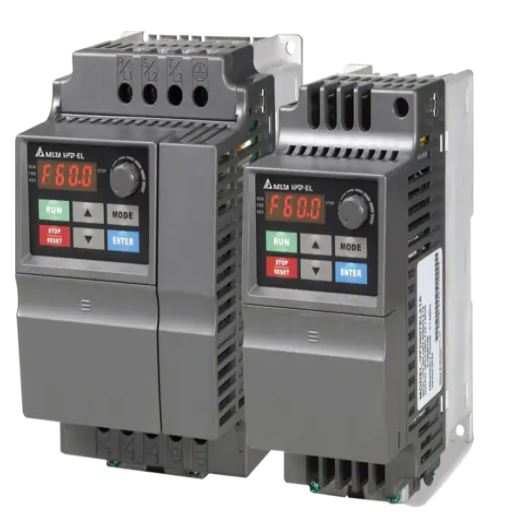
Choosing a VFD cable termination kit should require analyzing precisely what each system might demand from the kit. Consider the environmental factors: temperature, humidity, and maybe the presence of corrosive substances-they all can affect the endurance and life expectancy of the kit. Then followed by analyzing the required electrical performances, especially if the kit has to ensure proper shielding against electromagnetic interference (EMI) to allow for system reliability. Lastly, however, with installation ease, consider the other criteria, such as cable dimensions and a kit that is easy to maintain. Factoring these into comparisons will lead them to perform optimally to meet the EMC standards.
Factors to Consider When Selecting a Termination Kit
| Factor | Description |
|---|---|
| Voltage Rating and Compatibility | The kit needs to be of a voltage class compatible with that of the cables for which it is used. Use of a kit with a different and thus incompatible voltage rating will affect the integrity of insulation and may lead to premature failures. |
| Environmental Resistance | Consider the environmental conditions where these cables will be installed. Terminating kits need to protect from moisture, UV radiation, chemicals, and extremes of temperature so that the insulation life of the cable is not compromised under adverse conditions. |
| Stress Control Means | Stress control is fundamental for high-voltage applications. Choose kits that provide advanced features for stress relief at the most critical points in the cable design, such as stress cones or stress relief tubing, to distribute electrical stress evenly and prevent the breakdown of insulation. |
| Compliance and Certifications | Make sure that the kit conforms to the applicable industry standards, such as IEEE, IEC, or local regulations. Certified products give an additional assurance of performance and safety under a range of operational conditions. |
| Durability and Maintenance | Select kits made of good materials to ensure durability for the cable’s life. Also, the ability to inspect, repair, or even replace the components easily is beneficial for carrying out maintenance and limiting downtime. |
A good analysis of these factors will help you choose a termination kit that is safe, functional, and durable in any electrical system.
Top Distributors for VFD Cable Termination Kits
When selecting a distributor for VFD cable termination kits, consider factors such as quality, reputation, and variety of products. Upon surveying the uppermost-rated companies, here are three leading distributors.
Allied Electronics & Automation
With a recognized long-standing management of a tremendously wide range of inventory, Allied Electronics & Automation sells top-brand VFD cable termination kits. Through typical product descriptions and on-the-fly technical support, they guarantee the VFD termination kit that best suits the customer’s application. With fast shipping available and quality service ensured, this is an industry name worth trusting.
Anixter
Anixter ensures that it supplies VFD termination kits offering the highest performance to suit industrial as well as commercial needs. Their kits observe the highest norms of safety and efficiency, thus making them compatible with newer VFD systems. Anixter also excels in providing customer support, such as helping with matters of product specification and fixing technical problems.
Grainger Industrial Supply
This biggest distributor of electrical accessories houses especially premium VFD cable termination kits. They are known for having an excellent, user-friendly online platform with detailed product documentation and information about product compatibility. Through their distribution network worldwide, Grainger assures dependable availability and fast delivery.
These distributors are highly recommended for being of good quality, having a huge variety of products, and also providing the best customer support.
Comparing VFD-STK2 and Other Termination Kits
This section will consider a few issues facing consumers when choosing an EMI termination kit from among several choices: ease of installation, good quality of materials, competitive priced, and overall capability in reducing electromagnetic interference (EMI). The VFD-STK2, being developed especially for use with a VFD, is probably the best choice to defend against electrical noise that would otherwise diminish equipment performance.
The VFD-STK2 is unique in that it features an extremely high-temperature silicone sealing system designed to last in tough industrial environments. Many termination kits on the market are sealed using inferior sealing materials, which give way under peak conditions sooner, thus reducing their reliability over time. Also, the carefully engineered connectors of the VFD-STK2 give a smooth, low-resistance contact, reducing power loss and increasing system output.
Besides these, another critical advantage resides in the comprehensive testing standards satisfied by the VFD-STK2. It is on par with industrial certifications such as UL 1557 and IEC 61800-5-1 that ensure a wide scope of high-performance applications in VFDs. Weaker competitor kits may lack such a rigorous certification process, thus posing potential issues concerning compatibility and safety.
And in terms of cost, the VFD-STK2 might be more expensive initially, but with longer life expectancy and lower maintenance, it is often considered to have a lower total cost of ownership (TCO). In contrast, for instance, frequent replacements or downtime periods caused by cheaper termination kits can greatly outweigh the few dollars saved upfront; this thus illuminates the economic advantage of going with better products like the VFD-STK2.
Programmed according to industrial applications, the VFD-STK2 has shown superior EMI shielding capabilities, especially for those environments where utmost accuracy must be provided concerning motor speed control and signal interference must be kept to a minimum. Exclusively constructed with the oldest standards and therefore with great compliance, VFD-STK2 thereby gets the edge over other termination kits available.
Installation and Maintenance Tips for VFD Cable Termination Kits
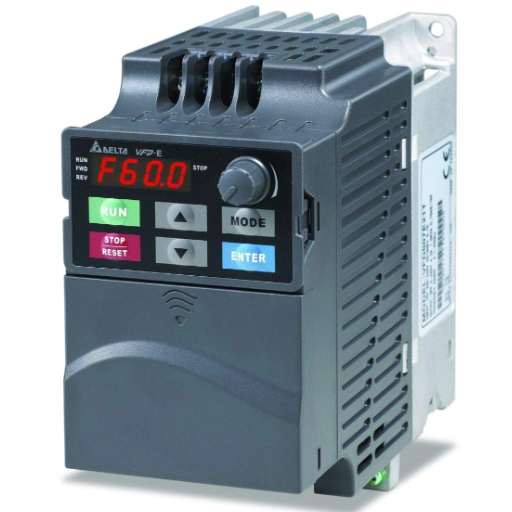
- Preparation: Make sure that all parts of the termination kit, like connectors and shielding materials, are present and not damaged before proceeding with the installation. Ensure the VFD cables used comply with the termination kit specifications.
- Cable Stripping: Strip the cable jacket carefully without damaging the shielding or the conductors below. Leave sufficient shielding material exposed so that it can be grounded during installation.
- Shielding and Grounding: Connect the cable shield to ground points as instructed by the kit instructions. This is very important for minimizing EMI and maintaining system capabilities.
- Tightening of Connections: Tighten all connections, including terminal lugs and ground points, with much attention so these do not loosen through time. Use the torque wrench, if specified, for tightening to the level required by the manufacturer.
- Routine Inspections: Routinely check for signs of wear, corrosion, or damage to the termination kit and its connections. Any issues should be swiftly addressed to ensure the system performs optimally and with reliability.
- Avoid Excess Cable: Keep cable lengths as short as possible for VFD applications, so EMI is minimized and performance is enhanced. Take care to clamp any slack securely, keeping cables away from any potential sources of interference.
By observing these dos, you will help ensure the proper installation and reliability of VFD cable termination kits for the long term. Always consult the manufacturer’s manual for particular instructions and ensure that you comply with all safety procedures.
Step-by-Step Guide to Installing VFD Cable Termination Kits
Step 1: Reviewing the Manufacturer’s Guidelines
Before entering into the installation, one should thoroughly consult the manufacturer’s manual for detailed specifications and safety instructions. These manuals contain information on how best to wire, ground, and shield the VFD system being utilized.
Step 2: Prepare the Cable
Choose a shielded VFD-rated cable to comply with all voltage and current ratings for the applications. Strip the outer insulation carefully such that the shielding cannot be damaged. Expose the conductor ends, ensuring each conductor is cut to length for the termination points.
Step 3: Grounding Installations
Grounding is a very important part, as it provides for electrical noise protection and safety. At both the drive and motor ends, connect the cable shield to the ground through proper terminals or bonding clamps. Repeat that the connection should have very low impedance between it and the ground via secure and large solid contacts.
Step 4: Terminate Power Conductors
Attach the power conductors (generally three-phase) to the designated input and output terminals of the drive. Tighten all connections, adhering to the specified torque values to avoid any loose terminations that could cause overheating.
Step 5: Attach the Shielding
For the best EMI suppression, make sure the cable shield is firmly terminated. Use suitable clamps or grounding rings to secure the shielding layer close to the entry point of the drive enclosure. This step will prevent electrical noise from escaping into the motor cable.
Step 6: Inspect and Test
Cross-check all connections to ensure they are properly tightened and secured, conforming to the wiring diagram of the drive. Measuring continuity with a multimeter will also verify the grounding connection’s integrity. Look out for any exposed conductors or weak points in the insulation.
Step 7: Complete the Installation
Avoid routing cables near high-frequency noise sources. Proper cable management should be in place, including trays or clamps to keep cable routing clean. After the VFD has been powered up and the selected start-up procedures completed, check its operation to ensure that no interference or irregularities exist.
Maintenance Practices for Longevity
I look after it regularly—inspection, cleaning, and so on-to prevent dust and debris accumulation, which could impact cooling and performance. I verify that all connections stay tight and that none present any signs of wear or corrosion, especially wiring and terminals. We watch the system for any abnormal vibrations, noises, or temperature changes, as these can indicate a problem. Besides, I keep to the maintenance schedule as per the manufacturer’s recommendations, including updating firmware or replacing parts. All these things are done in favor of maintaining performance and durability.
Common Troubleshooting Tips
Inspect the Power Supply and Its Connections
A faulty or non-power supply can very often be the cause of problems for a particular system. All connections need to be ensured to be tightly fastened to the device. Confirming the power source outputs the recommended voltage is also very important, as it might need correction in situations where it doesn’t. Looking out for wear, corrosion, and frayed wires will provide clues as to what needs to be corrected.
Keep an Eye on Temperature
High temperature is an enemy to performance and can have this very effect on the system: causing its degradation or outright failure. Check the ventilation, ensuring that the fans run and are not blocked with dust. Make sure the thermal paste was applied correctly; provide heat sinks and cooling systems with their due attention.
Check for Firmware and Software Updates
Old firmware or drivers cause incompatibility and operational errors. Check back with the manufacturer for updates and amendments fairly regularly, and whenever suggested, install software patches that should serve to resolve bugs and boost the general stability of the system.
Check for Any Strange Sounds or Vibrations
Persistent noises or vibrations coming from components like fans, drives, or motors may signify a state of failure or misalignment. Investigate the source deeply and repair or replace it if necessary to avert further damage.
Diagnosing Faulty Components
Troubleshooting components systematically can isolate the problem. Suspected faulty hardware should be exchanged with working spare units for confirmation-whether memory modules, graphics cards, or other equipment. A stress test with diagnostic tools should then proceed to analyze the system’s performance.
Hence, by undertaking these actions methodically, it becomes possible to deal with and solve the most common system problems, ensuring operational efficiency with diminished downtime.
Reference Sources
Frequently Asked Questions (FAQs)
What is a VFD cable termination kit?
A VFD cable termination kit is used to optimally terminate a complete shield of a VFD cable with regard to proper protection against electromagnetic interference, providing a low impedance path at a high frequency for common mode current. Usually, the termination kit will have all components for drive-end and motor-end cable connections.
How do you properly terminate a VFD cable’s shield?
The overall shield of a VFD cable is best terminated using adhesive-backed copper tape or tinned copper braid that must connect the shield to the grounding system, thereby providing a low impedance path and suppressing electrical noise, thus enhancing performance. Suppression is especially useful in communication and control equipment located nearby, with proximity to the cable.
What materials are included in a typical shield termination kit?
The typical shield termination kit may include copper tape, copper braid, stainless steel spring clamps, foil, and heat-shrink tubing. These are the components needed to achieve proper and dependable shield termination that can withstand environmental changes.
Why use copper tape shield VFD cables?
Copper tape shielded VFD cables are essential for providing excellent shielding against electromagnetic interference. It is important to ensure signal integrity in those applications associated with communication and control equipment situated close to variable frequency drives.
Are termination kits used along with cable glands?
Yes, termination kits can be used in combination with cable glands to secure the cable entry point and enhance shield effectiveness. This preserves the shield integrity and prevents moisture and contaminants from entering the conduit.
What is the role of a low impedance path in VFD cable applications?
A low impedance path is necessary in VFD cable applications to prevent these interferences and voltage spikes from bearing on the motor. Therefore, the low impedance path carries unwanted currents back to the inverter through the shield, thus protecting motor bearings.
How does a copper tape shield better VFD system performance?
A copper tape shield better VFD system performance by offering one of the best barriers to electrical noise and making sure that common mode currents are dealt with efficiently, thus risking detriment due to uncontrolled fluctuations to the motor and hence control equipment.
Where to buy VFD cable termination kits in North America?
Various electrical distributors provide VFD cable termination kits for sale; these stores may be online or physical and located throughout North America. It is wiser to opt for a reputable distributor selling products of good quality, like those of Servicedrive® or other well-known brands.