








Car batteries are the unsung heroes of every vehicle, powering essential components and ensuring that the car is ready to go at a moment’s notice. But have you ever considered the ample energy contained inside these compact energy sources? Knowing how many amps a car battery has will give you a fair judgment in understanding how car batteries work, how they interact with an automobile’s electrical systems, and even how to maintain them properly. This article discusses the finer details about car battery amperage so that you may better understand the science behind their working and learn to choose the right battery and maintain it well for smooth running of the vehicle.
Basics of Car Batteries
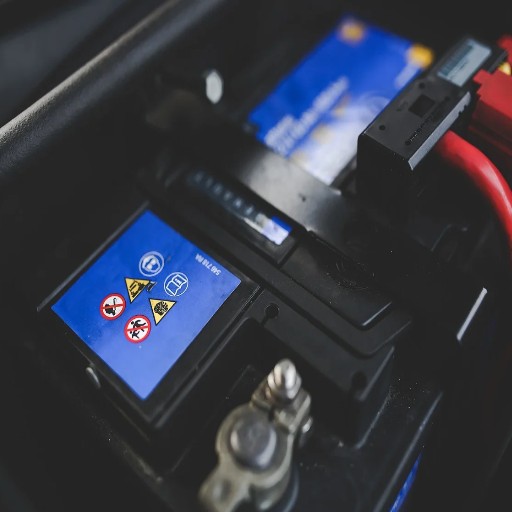
They hold electrical energy and provide sufficient power to start a vehicle and to run electrical equipment inside the vehicle. Normally, a standard car battery runs at 12 volts with ampere hours somewhere between 48 and 60, depending on the type and make. Because it is a lead-acid type, most modern car batteries contain six cells able to produce about 2.1 volts each when fully charged. To prolong the life of your battery, periodically check the charge level, keep the terminals clean and tight, and ensure no electric components are turned on without the engine running. Such habits will increase the battery life and performance reliability.
What is a Car Battery?
An automotive battery is a rechargeable energy storage device that furnishes electrical power to a vehicle. The battery serves as the core power source for starting the engine, activating electrical systems, and sustaining function when the engine is off. The most familiar type is the lead-acid battery, which generates electricity by a chemical reaction involving lead plates and sulfuric acid. Usually, these batteries are rated at 12 volts, having six cells connected in series electrically, each cell being rated at 2.1 volts.
Voltage Rating
Standard automotive voltage
Capacity Range
Amp hours depending on vehicle type
Lifespan
Average battery life expectancy
Depending on the rating and type of the vehicle concerned, the modern car battery supplies about 48 to 120 amp hours. Advanced batteries like the Absorbed Glass Mat (AGM) and lithium-ion types have the benefit over traditional flooded lead-acid batteries in that they resist wear better, charge faster, and require less maintenance. Normally, the life of a car battery is between three and five years, although extreme weather conditions and usage conditions have a very big impact on the eventual life span.
Thanks to the assistance of its battery, a car can support modern automotive technology, onboard computers, GPS, and start-stop procedures for low-fuel engines. Processes of maintenance, such as cleaning terminals, checking electrolyte levels, and battery testing, go a long way to assure performance and longevity.
Components of Car Batteries
A car battery is an intricate device; it is the union of some key components that help to provide energy and store energy for the working of many other functions of a vehicle. Below are some of the main components of a typical car battery:
Battery Case
The battery case is constructed of strong, heat-resistant plastic or polypropylene polymer used to shield the internal components from external damage. It is also designed to be leak-proof to keep the electrolyte safely contained.
Electrolyte
The electrolyte is a medium, composed of sulfuric acid and water, for the chemical reaction to produce energy. It is through the charging and discharging process that ions move between the electrodes with the electrolyte as the medium. The concentration of sulfuric acid within the electrolyte is directly linked to the performance and longevity of the battery.
Plates and Grids
Lead plates and grids are the electrodes found inside the battery. The positive plates consist of lead dioxide (PbO2), while the negative plates are made up of pure lead (Pb). The grid supports the active material and allows electrons to flow in the electrochemical reaction.
Separators
Separators consist of insulating materials that are placed between the positive and negative plates to avoid short circuits while permitting ionic movement. In modern days, these separators are usually made of microporous synthetic material to enhance conductivity and durability.
Terminals
The battery terminal is the point of contact for the electrical system of the vehicle. They are commonly made of lead or lead alloy to provide good conductivity. It is vital to make sure that the terminals are clean and free from corrosion for full battery performance.
Safety Vents
Safety vents enable gases such as hydrogen to be released during normal operation to keep pressure from building up inside the battery. This restricts the possibilities of explosion or damage from overcharging or an elevated temperature.
Battery Cells
Most lead-acid car batteries are made up of six cells, each producing about 2.1 volts of electricity. These cells combine to give out a standard 12 volts needed for automotive systems.
Lead and Lead Dioxide Material
These two materials are very important in energy storage and production within lead-acid batteries. A standard car battery has approximately 20 pounds of lead and lead dioxide. The use of this material strongly puts into view the recycling of batteries so that lead waste may be reduced in the environment.
Maintenance Tip: Understanding these components helps diagnose and maintain a car battery. Frequent inspections and even care for individual components, such as cleaning terminals or checking electrolyte levels, can contribute a great deal toward making the battery more reliable and efficient.
Typical Car Battery Specifications
Generally, the batteries we find in cars operate at 12 volts; these batteries furnish the power to start ignition and further power supporting electronics in a motor vehicle. The range of CCA ratings is between 300 and 800, as defined by their capability to operate under cold-temperature settings. Most car batteries possess storage capacities, which are recorded in ampere-hours (Ah), ranging from 40 Ah to 70 Ah, so that the battery can supply gentle power to electrical circuits when the engine is off.
| Specification | Range | Purpose |
|---|---|---|
| Voltage | 12V | Standard automotive power supply |
| Cold Cranking Amps (CCA) | 300-800A | Starting power in cold conditions |
| Ampere-Hours (Ah) | 40-70Ah | Energy storage capacity |
| Weight | 30-50 lbs | Physical battery mass |
| Battery Type | Lead-acid or AGM | Chemical composition and design |
Weight and dimensions might be variable according to the group size. But most modern car batteries weigh from the range of 30 to 50 lbs. They are mainly classed as lead-acid or Absorbent Glass Mat (AGM) batteries, with AGMs being of a longer life span and requiring no maintenance. Ensure compatibility with your specific vehicle model, and as per the manufacturer’s directions for the best performance and life.
Understanding Amps and Amperage
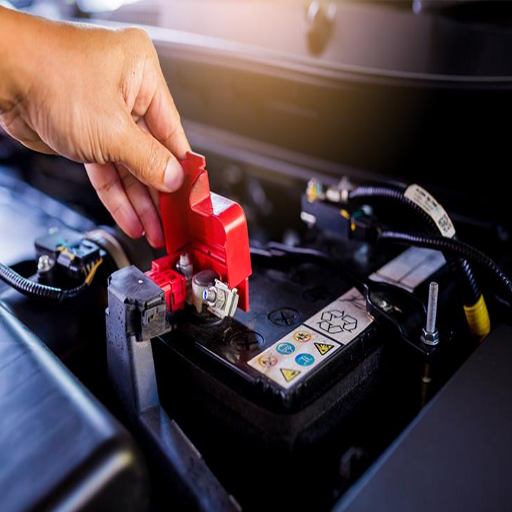
An ampere is a measurement of the electric current flow in a circuit; in essence, the movement of electrons through a conductor. Amperage, or number of amperes, represents the amount or intensity of current. Greater amperage means there is a stronger flow of electricity that should be able to power devices or systems requiring greater energy. Understanding amperage becomes important when choosing components such as car batteries, because it determines the rating of the battery-electrical system power that it can produce and sustain. Always have the batteries rated in accordance with your vehicle’s ampere requirements, to prevent underperformance or possible damage.
What Does Amps Mean in Relation to Car Batteries?
The amount of current in amperes that a car battery can deliver is measured. This directly measures how well a battery can power the electrical components of a vehicle while cranking the engine or when a heavy power load is there on the electrical system. The two major amp capacities affected for car batteries are Cold Cranking Amps and Reserve Capacity. CCA is a measure of how well the battery can crank the engine in cold conditions, while RC is a measurement of how long the battery can supply a constant load in case the alternator fails. Selecting a battery with the correct amp rating will help ensure the best performance from that battery and not cause any current mismatch in the electrical system. Always consult your vehicle’s manual for the suggested specifications.
How Many Amps Does a Car Battery Typically Have?
A car battery that is generally considered normal has a capacity of up to around 48 to 70 amp-hours, thus discharging at 1 amp for anywhere between 48 to 70 hours. A majority of car batteries offer between 400 and 950 Cold Cranking Amps (CCA), which are necessary to crank the engine in cold conditions. The exact amp rating depends on the size of the battery, its type, as well as the application in the car, where the battery can either be taken from a vehicle manual, or a manufacturer can make it under their specifications.
Measuring Car Battery Amps
To measure amps coming from the car battery, you either use a multimeter or an amp-clamp-type device. Set your multimeter to DC amps. Connect the positive multimeter lead to the positive terminal and the negative to the negative terminal of the battery. In the case of an amp clamp, you would clamp it around the positive cable of the battery. That way, current flow can be measured with the battery providing power in real time. For evaluating the health of a battery, the tested fully charged car battery should show around 12.6 volts and provide all rated amperes under load as specified by its nominal CCA. If the readings are far off from normal, it could probably mean that the battery needs to be charged or replaced. Always consider the easily available battery-specific ratings and safety precautions during testing.
Battery Ampere Ratings

Battery ampere ratings are level parameters that describe the performance of the battery with regard to the intended use. Some common ratings include the following: Cold Cranking Amperes (CCA), Reserve Capacity (RC), and Ampere-Hours (Ah).
Key Battery Ratings:
- Cold Cranking Amperes (CCA): It is the ability of the battery to crank the engine in freezing conditions. The higher the CCA, the better the battery can perform in adverse conditions.
- Reserve Capacity (RC): It is the time interval that the battery can continue to provide power upon a charging system failure, with the unit often being minutes.
- Ampere-Hours (Ah): The package holds the total energy storage of a battery and how long it can supply a certain current.
To ensure the proper selection and health of a battery, ensure ratings meet or exceed manufacturer-recommended values for a car or device.
What is the Ampere Rating of a Car Battery?
The amperes of a car battery vary with type, purpose, and capacity. Generally, vehicle batteries are rated by Cold Cranking Amps, which refers to the capability of starting an engine at 0°F (-18°C). An average automotive battery may range from 300 to 600 in CCA rating, whereas larger batteries for trucks or SUVs can have CCA ratings beyond 800.
Another important factor is the Ampere-hour appreciation for the storage capacity of the battery. This rating indicates how long the medium may produce an amperage before it completely discharges. For instance, it can house 48 Ah means 1 amp can be offered for 48 hours or 2 amps for 24 hours.
Modern car batteries may also have a Reserve Capacity (RC), which can better describe how long they will maintain power and essential equipment if the vehicle alternator fails. Always, when installing a replacement battery, ensure that its CCA and Ah advertising conforms to the manufacturer’s recommendations for optimum working and reliability.
How to Determine the Amp Rating of Your Car Battery
Ampere ratings of your battery are important to understand for compatibility with the vehicle and considerations of reliability concerning various conditions. To determine the amp rating, concentrate on two major ratings usually mentioned on the battery label or in specification sheets:
Cold Cranking Amps (CCA)
This parameter indicates the ability of a battery to crank an engine in adverse weather. The CCA is the number of amps a battery can deliver at 0°F (-18°C) for 30 seconds while maintaining a voltage of at least 7.2 volts. For modern cars, the CCA rating normally ranges from 400 to 800, depending on engine size and climate, with larger engines and colder climates leaning more towards batteries carrying a higher CCA rating.
Ampere-hour (Ah) Rating
It denotes the capability of a battery to supply any given current over time. A search on this rating will show instances such as 40 Ah, 60 Ah, and 80 Ah, describing how long the battery can deliver a steady current. For instance, a battery of a 60 Ah rating can keep a device of 3 amps for approximately 20 hours (60 Ah ÷ 3 amps = 20 hours). This parameter becomes very important to know whether a battery will actually keep the electrical system of a vehicle running, at least when the engine is off.
Finding Your Battery Rating: To find out your battery amp rating, look first on the label attached to the battery; often, such specifications are found there. If the label cannot be found or the specifications are unclear, look for recommendations in the vehicle manual or reliable websites of the manufacturer. Furthermore, a multimeter can be used to measure the voltage of the battery to theoretically pair this information with capacity and load ratings in deducing actual performance metrics. To make sure they can be fitted to your vehicle and to maintain accuracy, these figures should always be cross-referenced to the original requirements of your vehicle.
Battery Performance and Amperage
Battery performance is one of the most important factors affecting the reliability and efficiency of any vehicle or electronic system. Amperage is the flow of electric current, and as such, it plays a vital role in determining battery characteristics. A typical car battery has a capacity varying from 48 to 70 ampere-hours (Ah) with a Cold Cranking Amps (CCA) rating ranging roughly between 400 and 1000 amps according to the requirements of the vehicle. For example, high-performance vehicles or ones that work in cold weather climates often require a higher CCA rating, so that adequate power may be delivered during the startup of engines.
To judge the performance of a battery, the reserve capacity, RC, and the capability of the battery to retain voltage under actual loads are vital tests to be done. Reserve capacity determines the length of time a battery holding 25 amps can do so before the voltage falls under the minimum value required for operation. A lead-acid battery generally has an RC rating between 90 and 160 minutes. Furthermore, resistance will strongly affect the delivery of power efficiency, as lower resistance equals greater efficiency, especially when delivering power under high load.
Amperage must always be kept at optimum levels to ensure long battery life and maintain correct operations. You can regularly test and monitor the status of your battery using appropriate tools, such as an amp clamp meter or conductance tester, to keep track of its various performance metrics. Only use battery types recommended by the manufacturer, adhering to capacity and amperage requirements, to enjoy smooth operations while avoiding untimely battery failures.
Charging and Maintaining Your Car Battery

How to Charge a Car Battery
The following steps provide safe and efficient battery charging:
- Gather the Necessary Equipment: It can take a charger for a car battery and protective gear such as gloves and safety glasses.
- Prepare the Battery: Turn off the car and check if the battery terminals are clean. If possible, disconnect it to avoid electrical current flowing through lower circuits.
- Connecting the Charger: Connect the positive (red) cable from the charger to the positive terminal of the battery and the negative (black) cable to its respective (-) terminal. Double-check these connections, as an incorrect connection could lead to damage or injury.
- Setting the Charger: Set up the charger according to the kind of battery and the rate of charge required (usually slow charge is recommended as it will give a thorough charge).
- Start Charging: Plug in and switch on the charger. Monitor the process and consider the manual for the charger in order to time the process precisely. Overcharging will only damage your battery.
- Safe Disconnection: Turn off the charger as soon as the battery has a full charge so that you may disconnect the cables in reverse order, i.e., negative first, then positive.
Safety Note: Always follow the manufacturer’s guidelines for the specific battery and charging equipment. Proper charging not only puts the car back to power but also assists in maintaining the longevity of the battery.
Maintaining Optimal Battery Performance
To keep your car battery in great condition, keep in mind these main tips:
- Regular Inspections: Check for corrosion or loose connections in battery terminals and cables. Scrub off build-up with a paste of baking soda and water.
- Drive Your Car Frequently: Driving recharges the battery. Should the car remain idle for long periods, consider employing a trickle charger to maintain charge levels.
- Avoid Extreme Temperatures: If possible, park in a garage or in the shade, because extreme heat or cold may cut the life span of your battery.
- Turn Off Accessories: Before leaving your vehicle, make sure all electrical accessories are turned off so as not to lay an unnecessary drain your car battery unnecessarily.
- Test Your Battery: Occasionally test for battery voltage to ascertain efficiency. Most auto shops will gladly offer battery checks for free.
- Replace When Necessary: When your battery exhibits heavy wear or a steep drop in performance, it is about time for a replacement.
Pro Tip: With such preventive measures, your battery can render the best performance and long life. While additional guidance can be found in your vehicle manual or from a reputable technician, these basic tips can go a long way.
Choosing the Right Battery Based on Amperage
Choosing the battery and considering the correct amperage for smooth operations of the vehicle. Check the specs of your car in the manual, which usually specify the Cold Cranking Amps (CCA) and the Reserve Capacity (RC) required by a car. CCA is a measure of the battery’s ability to start the engine in cold temperatures, while RC refers to how long it can provide power to crucial components if the alternator fails.
When comparing batteries, ensure the amperage is at least equal to that of your car and not overly higher, which will only cause inefficiency or damage. Consider the nature of your driving and the weather conditions nearby-a vehicle in the colder states will surely require a higher CCA-rated battery. Consult an auto professional or even use online tools available on various battery brands to help you with the selection. By doing these, you can surely make a worthy investment in your car.
Common Questions About Car Battery Amps

We measure the car battery amps as the current that a battery delivers to your vehicle. Usually, this is measured as Cold Cranking Amps or CCA and Reserve Capacity or RC. CCA shows how good the battery is at starting your car in winter, while it is RC that measures how long the battery can keep essential systems going if the alternator gives out. For best results, it’s necessary to have the amp specifications matched to your car.
How Many Amps Are Needed to Start a Car?
The amount of current required to start a vehicle depends on the engine, type, size, and weather conditions, too. The average passenger vehicles with gasoline engines start with a 300 to 500 amp range. For the big guns, such as diesel engines or larger vehicles with their high compression rates, the starting current can go up to around 700 or more. Cold weather scenarios only up the demand for higher CCA rankings so that the vehicle can start reliably. Typically, the vehicle’s manual is your guideline to choosing a battery with the required CCA ratings for the task at hand.
| Vehicle Type | Required Starting Amps | Recommended CCA |
|---|---|---|
| Small Passenger Cars | 300-400 amps | 400-500 CCA |
| Mid-size Vehicles | 400-500 amps | 500-650 CCA |
| Large Vehicles/SUVs | 500-600 amps | 650-800 CCA |
| Diesel Trucks | 700+ amps | 800+ CCA |
What Affects the Amperage of a Car Battery?
Several factors determine the amperage rating of a battery, which I will explain briefly. One is battery size; the bigger the battery, the more amps it usually can provide. Next, temperature is also important; the battery cannot deliver high amperage at low temperatures, which helps CCA ratings. The condition of a battery also makes a difference-the older it is, with internal corrosion or sulfation, the less efficient it will perform. Finally, the exact requirements of a vehicle, like the type of engine or accessories, may alter how much amperage is necessary.
Jackery Portable Power Stations and Their Amp Ratings
Jackery portable power stations have been designed to offer power reliably and efficiently for whatever it is that you might need: camping, traveling, or emergencies. The amp ratings of these power stations depend on the specific model and output capabilities. For instance, models such as Jackery Explorer 240, 500, and 1000 differ across capacities of power output; such capacity is conventionally measured in watt-hours (Wh), which could then be translated into equivalents of amps depending on the voltage and usage. For instance, among them, the Jackery Explorer 500 power station with 518Wh can translate to about 43.17 amp-hours being discharged at 12 volts.
Jackery power stations come in handy for a variety of electronics, ranging from small ones like phones and laptops to equally large gadgets, such as mini-fridges or CPAP machines. From their advanced lithium-ion battery discipline, they retain a particular amperage for power flow, making them suitable indeed for use with electronics that need a steady flow of amperage. In terms of versatility, several output port options (AC, DC, USB) provide users with the ability to cater to a wide range of front-stairs power requirements. Talking about amp ratings, it is wise to match the power station’s capacity against the requirements of a device.
Key Takeaways
Understanding car battery amperage is crucial for vehicle maintenance and performance. Remember that typical car batteries range from 48-70 amp-hours with CCA ratings between 400-950 amps. Regular maintenance, proper charging, and choosing the right battery for your specific vehicle needs will ensure optimal performance and longevity. Always consult your vehicle manual and consider professional advice when selecting or maintaining your car battery.
Reference Sources
R&D of the Advanced Electric Vehicle at CATARC
Empirical Analysis of High Voltage Battery Pack Cells for Electric Racing Vehicles
Design of EV Go: Kart Electrical System
Frequently Asked Questions (FAQs)
How many amps normally does a car battery supply?
The average car battery, in this instance, a 12-volt car battery, will supply anywhere from 400 to 600 amps for a brief interval. This current surge is needed in order to ignite the car engine, especially when it is cold.
What does the amp rating on a car battery mean?
The amp rating on a car battery stands to show the amount of current the battery can deliver at a particular voltage. For a 12-volt car battery, this rating is almost considered equivalent to how many amps the battery can provide to start a vehicle and keep hands-on, organically, with the running of its electrical components.
How do I measure the amps of a battery?
To measure car battery amps, you would need to use a multimeter with the proper setting for amperage. Connecting a multimeter in series with the battery in question will give you the current that the battery is delivering at this particular moment, whether for good or ill.
How long can a fully charged battery deliver a current of 1 amp?
The 50 Ah or even so-capacity battery can deliver a current of 1 amp for about 50 hours because it stores a total of 50 amperes and allows its load to be relatively long at lower current values.
How many amps does a dead battery provide?
A dead battery is generally without any amps, meaning it cannot provide any current to start up the car engine or operate electrical components; it’s better to charge or replace the battery after diagnosis.
What is the typical battery amp rating for small cars?
The typical rating for batteries for small cars lies between 40 and 60 amps. The rating suffices for the power requirements of small vehicles so that they have adequate power for starting in order to function efficiently.
How does battery capacity relate to amp ratings?
Battery capacity, the usual unit being amp-hour (Ah), is a measure of the amp rating of a battery. Higher capacity implies the ability to store higher energy and provide higher current for a longer time, whereas relatively lower capacities may restrict the amount of time the battery will produce high amperes.
How can I slowly charge a car battery?
To charge a car battery slowly, use a charger that is made to charge a battery at low amp rates, usually between 2 to 10 amps. Charging in this way is ideal for keeping the battery healthy and increasing the battery’s lifetime, especially when it is an older battery that gets used frequently.
What should I consider when selecting a car battery?
Consider car size and type, battery amp rating, and capacity of a car battery when selecting a car battery, among other considerations. A battery should be selected based on the amount of power required by the vehicle and should be of the kind and rating of a car battery prescribed by the manufacturer.