








Cathodic protection is an immensely important method of protecting metallic structures from the adversities of corrosion. Underground pipelines, ship hulls sailing the oceans cannot bear corrosion, as it means the destruction of major infrastructures, leading to heavy repair costs and a threat to safety. This blog intends to discuss at great length the science of cathodic protection, explaining how it preserves metal structures from corrosion and enlarges their functional lifespan. The other dimension to the discussion shall include an elaborate exposition of the applications of this technology in different industries, underlining why this method is deemed of utmost importance in the fight against corrosion. Are you interested in learning new ways to protect our infrastructure? Then this guide shall show you the whole spectrum of importance cathodic protection holds in modern engineering and beyond.
What is Cathodic Protection?
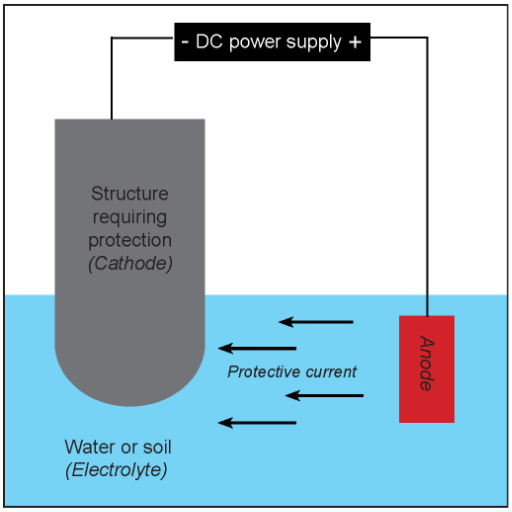
Cathodic protection is a method used to prevent corrosion of metal surfaces by making the surface to be protected the cathode of an electrochemical cell. The corrosion is transferred to the sacrificial material, say a metal anode that corrodes at the expense of the protected structure. Considered to be one of the oldest corrosion control methods in use for pipelines, tanks, and ships, cathodic protection will indeed extend the life of the metal structures and will ensure their reliability in corrosive situations.
Principle of Cathodic Protection
The principle of cathodic protection is the control of the electrochemical reactions that cause corrosion of metals. Corrosion takes place when the metal surface acts as an anode, giving out electrons to form rust or other oxidation products. Applying cathodic protection stops this loss of electrons by making the structure that is to be protected the cathode of the electrochemical cell.
There are two major ways in which this can be done:
- Sacrificial Anode Method: A more reactive metal, such as magnesium, zinc, or aluminum, is connected electrically to the protected structure. The sacrificial anode will dissolve instead of the metal structure and, in this way, protects it effectively.
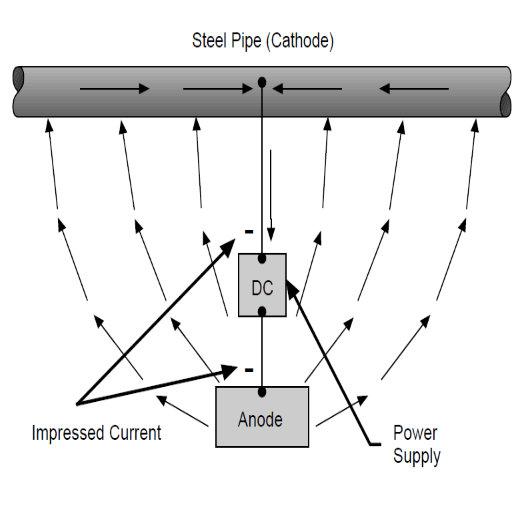
- Impressed Current System: An external power source provides a direct current to the structure, and the current is delivered via inert anodes to counteract corrosion. This method is mostly used for large structures needing continuous protection.
Both of the methods assure the passivation of a metallic surface so that the corrosion process is either completely or partly slowed down, depending upon environmental changes.
Types of Cathodic Protection
Cathodic protection is classified under two main categories:
1. Galvanic (or Sacrificial) Anode Cathodic Protection
In this method, a more reactive metal, such as zinc, magnesium, or aluminum, is attached as sacrificial anodes to the structure under protection. The anodes corrode in favor of the structure, thereby ensuring its longevity. Galvanic systems are simple, maintenance-free, and suitable for smaller structures or environments with low resistivity.
Advantages of GACP
- Simple: An easy system design and installation process; it does not require any external power source or complicated gadgets.
- Low Maintenance: GACP systems often require no or minimal maintenance during their service life after installation.
- Cost-Effective: Suitable for small-to-medium-scale structures, as their initial setting and operating costs stay low.
Disadvantages of GACP
- Limited Anode Life: The system depends on the sacrificial anodes, which probably need frequent replacement in highly corrosive environments.
- Lower Current Output: GACP is very much unsuitable for large structures because the anodes would not be able to supply sufficiently large protective currents.
- Environmental Impact: Disposal of the spent anodes may create some ecological issues, especially in environmentally sensitive areas.
2. Impressed Current Cathodic Protection (ICCP)
The ICCP is designed to administer a controlled and purposeful flow of current to the structure under protection via an external power source through inert anodes. This method finds its applications in protecting larger structures or in areas requiring high-level protection. More complex and requiring periodic maintenance, an ICCP system can offer high-level corrosion protection for the long term.
Advantages of ICCP
- Effective and uniform protection of large or complex structures, such as pipelines, tanks, and ships.
- It can provide higher current density to ensure good protection even in highly corrosive environments.
- Long life with proper maintenance, so it can be best suited for long-term applications.
- Output is adjustable so that the protection level can be finely controlled.
Disadvantages of ICCP
- Higher initial costs of installation due to the requirement of an external power source, rectifier, and inert anodes.
- Requires monitoring and maintenance on a nearly regular basis to maintain the installation in working order.
- Design and implementation are very complex, and they often require specialists.
- It may also interfere with adjacent metallic structures and thus cause stray current corrosion.
Components of Cathodic Protection Systems
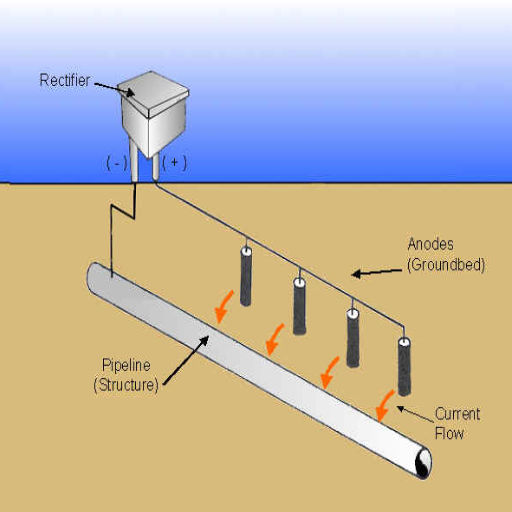
Cathodic protection systems generally consist of the following core components:
| Component | Function | Application |
|---|---|---|
| Anodes | Provide the main method of protection by corroding in the case of sacrificial anode systems or by providing currents through the structures in ICCP systems | All cathodic protection systems |
| Power Source | An uninterrupted power supply must be provided to the ICCP systems so that a steady flow of current can be sustained on the structure | ICCP systems only |
| Wiring and Connections | Through these wires, the flow of current takes place between the anodes and the structure | All cathodic protection systems |
| Reference Electrodes | Used for monitoring the effectiveness of the system by measuring the potential of the protected structure | Monitoring and maintenance |
| Control Units | Present in ICCP systems and regulate or control the output current to varying degrees based on optimal levels of protection | ICCP systems only |
Selection and application of each component are carried out according to the demands of the environment and the structure to be protected.
Anodes in Cathodic Protection
Anodes form an essential aspect of cathodic protection systems by providing electrons that assist in preventing corrosion of the protected structure. Two major types of anodes are used in cathodic protection:
- Sacrificial Anodes: These anodes are generally made of metals like zinc, magnesium, or aluminum that are more negative in electrochemical potential than the protected structure. Sacrificial anodes corrode with time as they protect the structure by diverting corrosive reactions towards themselves. Applications commonly involve pipelines, storage tanks, and marine vessels.
- Impressed Current Anodes (ICCP Anodes): Constructed from materials such as titanium coated with mixed metal oxides, these anodes are long-lasting and must be connected to a power source to carry current in a controlled manner to the structure. The ICCP systems shall generally be used for large structures, including ships, offshore platforms, and underground storage tanks.
Under different circumstances, an anode would be chosen based on a variety of factors, such as the structure’s size, environmental conditions, or the level of protection required for the system. However, well-care and monitoring of the anode ensure the optimal functioning and longevity of the cathodic protection system.
Importance of Cathodic Protection Monitoring
The cathodic protection monitor has the basic task of guaranteeing that the cathodic protection systems are working effectively and efficiently. They provide the system with performance information in real time, helping to identify any abnormality or failure that could result in corrosion. From potential, current flow, voltage levels, etc., the device must be able to analyze these key parameters to assure accurate maintenance and adjustment that prevents structural damage and costly repairs.
Such monitoring also assures compliance with industry standards and regulations, extending the life of assets such as pipelines, tanks, and marine structures. Modern systems are also equipped with features such as remote access and automated reporting, thus further improving convenience and operational efficiency. In brief, cathodic protection monitors are required to safeguard infrastructures while limiting environmental hazards and ensuring safety in various scenarios.
Applications of Cathodic Protection

Cathodic protection finds its application in numerous industrial fields and aims to prevent corrosion in metallic structures exposed to harsh environments. Engineering applications include pipeline protection, storage tanks, offshore platforms, and hulls of sea vessels. By means of corrosion protection-wearing anodes or impressed current systems-cathodic protection greatly prolongs service life and operational safety. This is a very important measure taken in oil and gas industries, marine transportation, and so forth, which involves metal assets being exposed to water, soil, or other corrosive elements.
Cathodic Protection Used in Various Industries
- Oil and Gas Sector: It is used to protect pipelines, storage tanks, and offshore platforms from corrosion by seawater and other aggressive environments.
- Marine Applications: Cathodic protection is used to protect vessel hulls and docking terminals, thus safeguarding their durability and safe use.
- Water Utilities: It extends the lifetime of underground pipelines and water treatment structures, which are often in soil and moisture.
- Power Plants: Found in power plants and reinforced concrete structures for enhancing service life and lowering maintenance costs.
Therefore, it is a must-have option in the flora of infrastructure under excessively corrosive conditions.
Storage Tanks and Cathodic Protection
The storage tanks require protection from corrosion, which, if unchecked, might constitute expensive repair work para adverse environmental risks and safety hazards, and cathodic protection does this. Two basic types of cathodic protection used for storage tanks: electrical galvanic (sometimes called anode) and impressed current. In galvanic systems, the anodes corrode with respect to the tank, while in impressed current systems, an external power source is used to deliver the protective current. Deciding which system will be applied mainly depends on factors like tank size, soil resistivity, and environmental conditions.
A corrosion rate reduction mechanism helps ensure life integrity with good cathodic protection on the tank external surface, often in the ground, and internal surface exposed to a liquid to be stored. Regular inspections, potential measurements, and scheduled maintenance are essential to confirm the proper functioning of these systems. In addition to these, advanced monitoring technologies operate to improve systems with real-time data and alarms, minimizing manual work and maximizing system reliability. Apart from providing asset protection, cathodic protection processes are also essential to environmental and safety compliance.
How to Apply Cathodic Protection
Step 1: Assess the Structure and Environment
Initially, perform an assessment of the structure or system needing protection. Find out about the types of materials involved, the potential levels of exposure to something corrosive, and from what might the specific threats come (saltwater, moisture, reflux, or industrial chemicals). This allows a cathodic protection method to fit the needs of the structure.
Step 2: Choose the Suitable Method
Make the appropriate selection of sacrificial anode systems and impressed current systems by nature on the size, complexity, and conditions of the structure. Sacrificial anode systems are generally applied for smaller applications like pipelines or tanks, while impressed current systems are generally applied for larger structures, like bridges or offshore platforms.
Step 3: Design the System
Draw a cathodic protection design on paper, so that you take into account the anode materials, placement, electrical connections, and protection zones. Calculations for the required current output and lifespan of anodes must be performed.
Step 4: Install Anodes and Other Monitoring Equipment
The anodes and other supplementary components, as reference electrodes and junction boxes, should all be correctly installed. The system that arises from this point onward must have a secure connection to the structure. When needed, apply a non-conductive coating to prevent the development of excessive current demand.
Step 5: Conduct Testing and Adjustment
After having installed the system can be tested to see if it fulfills the conditions of protection (e.g., a negative potential considered large enough). The current output and anode location can be changed to maximize the level of protection.
Step 6: Develop a System of Maintenance
The cathodic protection systems should be inspected and maintained at certain intervals for their continuous reliability in consideration of the depletion of anodes, system efficiency, and faults in wiring or power source.
When the outlined steps are followed, cathodic protection systems can be installed effectively, which contributes to the durability of vital infrastructure.
Monitoring and Maintenance of Cathodic Protection Systems
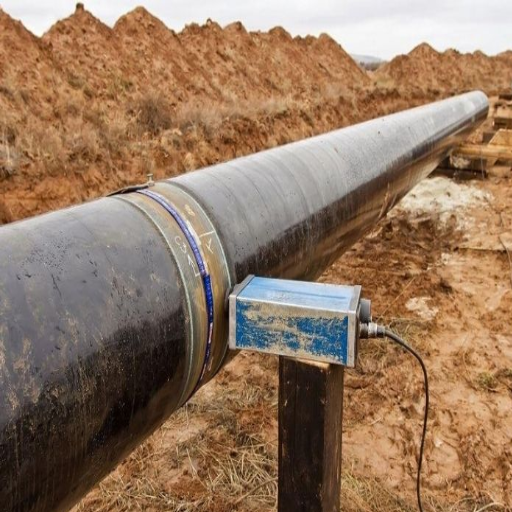
To maintain the long-term protection efforts through cathodic protection systems, proper monitoring has to be implemented. Inspections need to be regular such that they can measure the performance of the system, identify possible issues, and make suitable corrections. The commonly used techniques for monitoring include measurements of potentials from the structure to the electrolyte with the aid of reference electrodes, giving an insight into the kind of protection that the structure has received. For example, the steel pipeline is generally deemed to be adequately protected should the potential be maintained between the range of -850 mV to -1200 mV (with respect to a copper/copper sulfate reference electrode).
Now, advanced data acquisition systems assist in automating the gathering of potential readings across the infrastructure to provide near-continuous performance data. The system detects anode depletion rates, alerts to power supply issues, or identifies early signals of damage in a remote or hard-to-reach spot.
The maintenance schedule must include regularly scheduled replacement of expired sacrificial anodes or the recalibration of impressed current systems. Since modern anode materials, such as mixed metal oxide (MMO) or high-silicon cast iron, offer much longer lives, replacements rarely need to be made. Also, consider checking the system wiring and protective coatings occasionally for evidence of corrosion or physical damage.
Assessing the Effectiveness of Cathodic Protection
Going into the cathodic protection system effectiveness, several steps and parameters are checked. First, measurement of the structure-electrolyte potential is made using a reference electrode, and if the structure is consequently adequately protected, either the potential is out of the discussed specified values (usually -850 mV or more negative versus saturated copper copper sulfate electrode for steel structures). Second, anodes-sacrificial or impressed current ones-may be monitored for their condition and performance to ensure they are working as designed. For the impressed systems, the current output, the rectifier function, and the uniform distribution of current must be checked regularly.
Other vital aspects pertain to the inspection of anodes, cables, coatings for mechanical damage, and the verification of stray current interferences with protection systems. Periodic surveys and thorough documentation of every measurement and inspection are indispensable for trend analysis and remediation of potential problems before their full manifestation. Integrating periodic maintenance with accurate measurements and standards makes for an effective cathodic protection system, providing continued security against corrosion for structures.
Challenges in Cathodic Protection Work
One of the challenges I often face in cathodic protection work is the very nature of environmental conditions that affect the system’s behavior. For example, varying soil resistivity, moisture levels, or temperatures can influence the efficacy of the system. Other times, I have to troubleshoot problems with older or neglected systems; such situations require thorough scrutiny and, at times, very imaginative solutions. Ensuring that these activities conform to the stringent requirements of the industry, and that all work is well documented, makes the workload heavier but must be done to achieve results that are dependable and durable.
Future Trends in Cathodic Protection
Furthermore, as technology advances and sustainability becomes increasingly pivotal, changes have been brought about in cathodic protection. A major trend in this field is the integration of remote monitoring systems that can collect data in real-time, analyze it, and allow operators to take remedial action if a potential problem is detected. Landing such systems also means less frequent physical inspections, thereby cutting down on cost and enhancing productivity.
Another major recent development is the introduction of new materials and coatings to further increase the life and efficiency of cathodic protection systems. Sophisticated anode technologies, for example, the mixed metal oxide (MMO) anodes, allow better performance yet with longer lives, thus being favored nowadays by many industries.
Reference Sources
Frequently Asked Questions (FAQs)
Explain cathodic protection and how it works.
Cathodic protection is a method of corrosion prevention of metal surfaces by making them an electrochemical cell. In this method of cathodic protection, a protection current is applied to the metal to be protected. The protection current thus applied assists in reducing the corrosion current and maintaining the potential of protection required for effective corrosion control.
Cathodic protection systems can be classified into what categories?
There are two main types of cathodic protection systems: galvanic cathodic protection and impressed current cathodic protection. While the galvanic systems utilize sacrificial anodes to corrode instead of the metal structure, the impressed current ones make use of an external power source providing continuous protection current to the metal structure.
How is it done in ICPC?
In the impressed current cathodic protection system, an external power source is used to drive the cathodic protection currents. These currents travel from the anode back to the anode itself through the metal structure, to prevent corrosive activity by maintaining the desired protection potential.
What role do anodes and cathodes play in cathodic protection?
In cathodic protection, the anode serves as the source of the protective current, which flows to the cathode, being the metal surface under protection. Anodes may be sacrificial or impressed current types, depending on the kind of cathodic protection system used.
How are buried pipelines protected through cathodic protection?
It is an important application of cathodic protection: corrosion by soil and moisture affecting buried pipelines. A cathodic protection current applied causes the pipeline metal to remain at a negative potential, decreasing the probability of corrosion, thus increasing pipeline life.
What is the importance of cathodic protection monitoring?
Monitoring of cathodic protection must be carried out to ensure the protection system is working-presumably correctly. It is very important to keep a check on the current and potential applied to the structure so that if anything goes wrong, it can be immediately adjusted to ensure proper corrosion protection.
What are some criteria for anodic protection?
The cathodic protection method is justified by criteria such as a protection potential at correct values, an adequate level of protection current flowing through the structure, and periodic performance assessments of the protection system. These criteria help to address whether or not the cathodic protection is adequate for the given metal under the environmental conditions.
Can cathodic protection be applied to gas pipelines?
Yes, cathodic protection can work for gas pipelines. If, for one reason or another, one of the cathodic protection processes is applied, the system will be protected from corrosion that endangers its integrity and safety over time.