







Extracting energy from wind has perhaps become one of the most sustainable approaches to meeting the ever-growing global demand for clean energy. Onshore and offshore are, thus, the key players in the renewable energy landscape, each with its own set of benefits and challenges. But how do these two methods of harnessing wind energy differ: presumably in efficiency, impact on the environment, or costs? Here, we proceed to dissect the complex world of wind energy, comparing and contrasting onshore and offshore wind farms, their associated benefits, and their hindrances. Whether you are a professional or a hobbyist in the energy field, or perhaps simply curious about how sustainable power can be developed, this guide aims to help you think clearly about the role of wind energy in creating a greener world.
Introduction to Wind Energy

Wind energy represents a renewable form of power generated by harnessing the natural movement of wind. They provide a clean and sustainable alternative to fossil fuel-based electricity, utilizing wind turbines to convert kinetic energy into electrical energy. Onshore wind farms are situated on land and are easier to construct and operate. In contrast, offshore wind farms are built in bodies of water, where slightly stronger and more consistent winds produce a higher energy output. Both play a significant role in mitigating greenhouse gas emissions to create a greener environment.
What is Wind Energy?
Wind energy is a form of renewable energy that exploits the natural movement of air to generate electricity. The kinetic energy from the wind is captured by wind turbines and transformed into mechanical power. This mechanical power then drives generators to produce electricity, presenting a cleaner and more sustainable alternative to fossil-fuel electricity.
Global Electricity Generation (2022)
China’s Capacity (GW)
CO2 Tons Saved (2022)
Wind energy lies at the forefront of renewable energy development worldwide. According to recent records, wind power contributed approximately 7% of the world’s total electrical generation in 2022, providing clean electrical power and demonstrating increasing capacity every year. Countries leading in wind energy production are China, the United States, and Germany, with China having an installed capacity of over 360 Gigawatts, the largest in the world.
Even before the international conversation about climate change began, setting up offshore wind farms had remained a challenging proposition due to the interplay of economics and feasibility. Put simply, an onshore wind farm situated in an open area where winds blow consistently is much more cost-effective and accessible. So-called offshore wind farms are located on large bodies of water, such as oceans or large lakes, where they are blessed with stronger and steadier winds. Such installations are becoming increasingly popular. With the advancement of technology, Dogger Bank Wind Farm in the UK is expected to be the largest single offshore wind farm, with a project capacity of 3.6 gigawatts.
Wind energy has been a significant player in environmental sustainability. It has a considerably opposite impact on carbon dioxide emissions when it replaces traditional fossil fuels. For World Environment Day in 2022, wind energy is estimated to have saved 1.2 billion tons of CO2. Since then, advancements in wind turbine technology have helped improve efficiency and reduce costs, making wind power one of the fastest-growing sources of electricity generation.
How Wind Power Works
Wind Movement
Moving air passes over turbine blades
Lift Generation
Blades create lift, causing rotor rotation
Energy Conversion
Rotational energy transfers to generator
Electricity Production
Generator converts to electrical energy
Wind power converts kinetic energy from moving air into electrical energy using wind turbines. These turbines generally consist of three main parts: blades, a rotor, and a generator. Moving air passing over the blades generates lift, which causes the rotor to rotate. This rotational energy is transmitted through a shaft to the generator, where it is transformed into electrical energy.
The efficiency of wind turbines far outstrips any centuries-ago technology and only better with improvements throughout the years! Today, the tallest onshore turbine is well over 500 feet, capable of generating approximately 10 MW of electricity, or enough to supply the yearly electricity requirements of around 10,000 households. Offshore wind farms are gaining interest, primarily because they offer significantly greater potential capacity than their onshore counterparts, courtesy of the stronger and more consistent wind speeds. For example, super-powerful offshore wind turbines are now capable of producing more than 15 MW of power per turbine, which leads to significant contributions in renewable energy.
The wind energy system is one of the most scalable, having installations ranging from small turbines designed for individual use to large wind farms capable of providing clean energy to cities. To give perspective, in 2022, more than 900 gigawatts of global wind energy capacity were maintained, reflecting the rapid adoption of climate-friendly technology. These days, with advanced data analytics and smart grid integration, wind energy generation is optimized efficiently to remain a key element in shaping a clean energy future.
The Importance of Wind Farms
Wind farms play a significant role in reducing greenhouse gas emissions and combating climate change. In essence, the farms harness the wind to generate electricity, producing clean energy that reduces the release of harmful byproducts from fossil fuels into the atmosphere, thereby decreasing our dependency on coal, oil, and natural gas.
Labeled as such since they exist on land and not on water, onshore wind farms have become increasingly affordable lately, with the payment mechanism known as the levelized cost of electricity (LCOE) for wind power having declined significantly. According to industry experts, the wind turbine market has been experiencing steady growth globally, with over 78 gigawatts of new wind energy capacity added in 2022 alone. Offshore wind-energy farms are now making a comeback, enabling higher power yields because consistent wind speeds are more prevalent over oceans.
In employment terms, wind farms provide and generate economic benefits during manufacturing, installation, and upkeep. Studies indicate that the present-day wind energy sector employs approximately 1.4 million people worldwide, and this number is expected to increase with the widespread adoption of wind-energy systems. Another benefit of investing in wind power is the ability to improve energy security, as local electricity generation from wind farms reduces the need for fuel imports. Innovative developments, such as taller turbines and superior materials, are being introduced that further refine performance, keeping wind energy as a fiscally sustainable option into the future.
Onshore Wind Farms
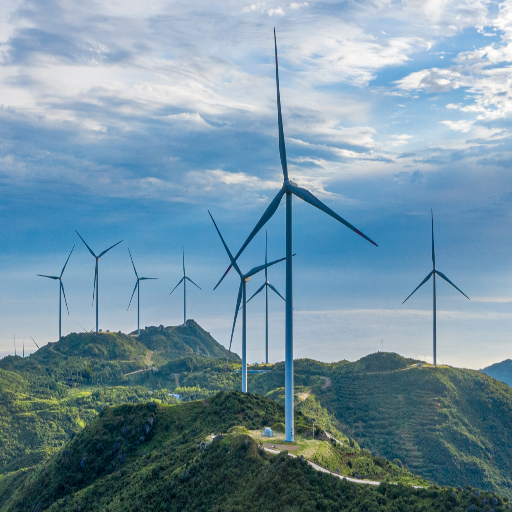
In essence, any wind system positioned on land for the harnessing of wind energy and the production of electricity can rightly be called an onshore wind farm. They are popular choices mainly because of the cheaper installation and maintenance costs of turbines relative to offshore systems. Onshore wind farms tap into renewable energy potentials and are typically located in areas where consistent and strong winds blow in from open plains or hilly ranges. These farms are designed to mitigate the discharge of greenhouse gases and meet the community’s energy needs.
Overview of Onshore Wind Energy
Global Capacity GW (2023)
Cost per MWh
Tons of CO2 Offset Annually
Onshore wind generation is one of the most critical energy sources for converting energy to sustainable systems worldwide. According to recent data, it generated roughly 706 Gigawatts (GW) of power worldwide in 2023, constituting a substantial share of renewable energy generation. Some key advantages of onshore wind energy include being cost-effective. The levelized cost of energy (LCOE) for onshore wind has been decreasing over time and is now approximately $30 to $50 per megawatt-hour (MWh). This value makes it one of the cheapest sources of renewable energy.
Another essential matter is that onshore wind also has the potential to reduce carbon footprint. Onshore wind turbines with a capacity of 2.5 MW would offset at least 4,000 metric tons of CO2 per year, which is equivalent to the CO2 emitted by approximately 1,200 cars driving on the road. Wind farms generate a considerable amount of local economic activity through the creation of jobs during the construction, operation, and maintenance phases. Reports indicate that onshore wind has supported hundreds of thousands of jobs worldwide, especially in rural areas that seem to be targeted by these farms. With technological advances and increased investments, onshore wind continues to establish itself as a dependable and sustainable energy source to counter climate challenges.
Advantages of Onshore Wind Farms
- Cost-Effective Energy Production: Onshore wind has become the cheapest form of renewable energy, with LCOE competitive with fossil fuels in many regions.
- Significant Carbon Savings: One onshore wind turbine can offset around 1,500 metric tons of CO2 per year, equivalent to emissions from approximately 300 cars.
- Land-Use Compatibility: Wind turbines enable agricultural operations, such as grazing or farming, to continue in the vicinity, thereby keeping the land productive.
- Energy Independence: Local energy production reduces reliance on imported fuels and mitigates price volatility.
- Grid Reliability: Wind farms equipped with control algorithms can stabilize the supply during periods of high demand or sudden disruptions.
Onshore wind farms offer advantages that facilitate the transition to sustainable energy. For starters, there was the cheapest form of renewable energy, and there has been a significant cost drop in onshore wind power over recent years. As industry analysts note, in several regions, the levelized cost of electricity (LCOE) for onshore wind has become competitive with fossil fuels in the tendering process for cheap, clean energy.
Onshore wind farms, therefore, create the most significant carbon savings. The emission of one onshore wind turbine can provide a carbon dioxide offset of approximately 1,500 metric tons per year, equivalent to the emissions of around 300 cars in a year. Hence, onshore wind is a crucial method of reducing climate change and environmental damage.
Another notable advantage is land-use compatibility. Generally, wind turbines allow a variety of agricultural operations to continue in the vicinity, such as grazing or farming, and the land remains productive. Especially in rural areas, where most onshore wind farms are located, this dual use is of great benefit.
Onshore wind energy also promotes energy independence and grid reliability. Producing energy locally enables communities to reduce their reliance on imported fuel and mitigate price volatility. Additionally, wind farms equipped with control algorithms can be used to stabilize the supply during periods of unusually high demand or sudden disruptions from other energy sources.
These benefits collectively underscore the growing importance of onshore wind as a clean, efficient, and scalable energy source for a sustainable future.
Disadvantages of Onshore Wind Farms
- Environmental and Wildlife Impact: Wind turbines may pose risks to birds and bats, and can cause habitat loss or fragmentation.
- Aesthetic and Noise Concerns: Visual impact on landscapes and low-frequency noise (infrasound) can be problematic for nearby communities.
- Weather and Location Dependency: Inconsistent or low wind speeds can significantly reduce efficiency and output.
- High Upfront Costs: Land acquisition and infrastructure development create financial barriers for some projects.
- Intermittency Issues: Requires backup energy sources or storage systems to maintain grid stability.
Although these excellent facilities are the preferred method of producing renewable energy, the installation and operation of onshore wind farms do present a few issues. The primary concern raised is the effect of wind farm activity on the environment and local wildlife. Wind turbines may put birds and bats at risk: these animals may fly into the blades, while their presence is already affecting the ecosystems around them. They also cause habitat loss or fragmentation, both of which are detrimental to biodiversity.
Another set of disadvantages seems obvious enough: aesthetic and noise issues from the surrounding communities. Generally speaking, wind turbines are poorly evaluated in terms of their visual impact on landscapes, especially in scenic or rural areas. Another issue is the infrasound-low-frequency noise level generated by turbines, which has become an annoyance, if not a matter of concern for the health of residents dwelling near wind farms.
Additionally, land-based wind power generation is dependent on weather conditions and location. Sites that experience inconsistent or low wind speeds can result in reduced efficiency and output. Intermittency thus requires some standby energy sources, such as storage, to maintain the grid’s stability, thereby raising costs. Next, high upfront costs associated with developing wind farms, including land acquisition and infrastructure, create a financial barrier for specific projects.
Offshore Wind Farms
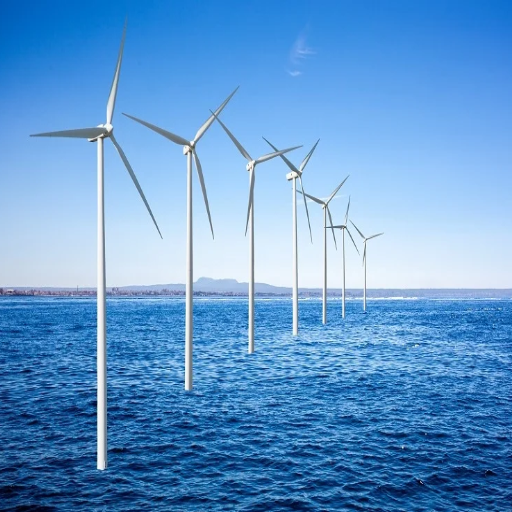
An offshore wind farm refers to wind energy installations situated in one body of water or another, usually in continental shelves. These ships experience stronger and steadier winds compared to the terrestrial side; hence, their energy output is higher. Moreover, from urban places, one-way visual and aural insults are created. Yet, an offshore wind farm must account for construction and maintenance costs that are heavier due to the complexity of installations and a harsh marine environment. Governments and investors are exploring the potential of large-scale renewable energy generation as a solution to the globally increasing energy demand.
Overview of Offshore Wind Energy
Global Capacity GW (2023)
Europe Capacity GW (2023)
EU Electricity by 2050
Offshore wind energy has become an increasingly attractive proposition for meeting the rising global energy demand and reducing greenhouse gas emissions. Areas with steady and strong wind patterns are chosen for offshore wind turbines, resulting in higher generation capacity compared to onshore installations. Recent studies indicate that the global offshore wind capacity reached approximately 64.3 GW in 2023, marking a significant growth that reflects worldwide investment in sustainable energy solutions.
Better wind resources offshore are one of the significant advantages of offshore wind farms. Winds are generally faster and steadier here. Approximately, offshore wind farms in Europe are expected to have amassed a capacity of over 30 GW by 2023, sufficient to supply around 25% of the EU’s electricity demand by 2050. Similarly, rapid offshore wind development has been witnessed in East Asia and North America, establishing these regions as centers of renewable energy.
The technological advances continued to push the growth in this area. Taller turbines, floating wind technology, and improved energy storage systems enable an offshore wind lab to operate even in deeper waters, so it is no longer restricted to shallow areas near the coast. Floating wind turbines allow for conversion of wind energy in places where seabed installations were previously not feasible.
This energy source offers significant long-term benefits, albeit with initial high installation costs, complicated permitting, and maintenance challenges in harsh marine environments. Experts agree that the continued investments and innovations in the industry will help reduce costs over time. The cost of electricity from offshore wind projects, for instance, has been steadily declining over the past decade, making it more competitive with conventional fossil fuels.
Governments worldwide are implementing policies and subsidies to accelerate the adoption of offshore wind energy. For instance, the United States aims to produce 30 GW of offshore wind power by 2030, while China remains at the forefront with the largest installed offshore wind capacity. This joint effort effectively demonstrates the importance of offshore wind energy in achieving global sustainability targets.
Advantages of Offshore Wind Farms
- Abundant Energy Potential: Higher wind speeds produce more electricity, with global capacity projected to exceed 200 GW by 2030.
- Land Use Solutions: Utilizes vast ocean spaces, avoiding conflicts with urban development and agriculture.
- Reduced Visual and Noise Impact: Located far from coastlines, minimizing community disruption.
- High Efficiency and Reliability: Capacity factors often exceed 50% due to consistent ocean winds.
- Economic Growth and Job Creation: Projected to create over 900,000 jobs globally by 2030.
- Energy Transition Support: Critical for meeting renewable energy targets like EU’s 43% by 2030.
Abundant Energy Potential: Offshore wind farms are typically located in regions with higher wind speeds compared to onshore sites, and they therefore produce higher quantities of electricity. According to reported figures, global offshore wind capacity stood at approximately 64 GW as of 2023, with projections forecasting a rise beyond 200 GW by 2030.
Land Use Conflicts: Onshore wind farms can serve as a solution to land use conflicts. Offshore wind farms utilize vast open spaces in the ocean, causing minimal disruption to urban development, agriculture, and land-based activities.
For the Citizens With Regards To Unfavorable Visual and Noise Impact: Considering that these wind farms lie far offshore from the coastline, they present less of this kind of nuisance compared to onshore wind turbines.
High Efficiency and Reliability: Offshore wind farms can operate with higher capacity factors because, in the middle of the sea, winds are usually strong and steady, with wing capacity often exceeding 50%. For instance, Hornsea 2, the largest operational offshore wind farm in the United Kingdom, produces the equivalent of the energy required by more than 1.3 million homes annually.
Building Economies and Creating Jobs: The offshore wind power projects put in place investments in supply chain development and employ at the local level, moving the economy forward. It is projected that, globally, job creation in the offshore wind sector will exceed 900,000 by 2030, encompassing construction, operations, and support industry categories.
Pushes the Agenda for Energy Transition: Offshore wind is a big player in transitioning fossil-fuel-based systems. As such, the European Union aims at deriving 43% of electricity from renewable sources by 2030, and offshore wind will basically fulfill all of that.
Due to these advantages, offshore wind farms have become a solution for meeting the additional energy requirements while also contributing to climate change mitigation.
Disadvantages of Offshore Wind Farms
- High Installation and Maintenance Costs: Offshore projects can cost 50% more than onshore due to specialized equipment and harsh conditions.
- Marine Ecosystem Impact: Construction can disrupt fish habitats and affect seabird migration routes.
- Technical Transmission Challenges: Underwater cables increase costs and energy losses during transmission.
- Weather Dependency: Low wind periods require backup energy storage or alternative generation sources.
- Complex Logistics: Maintenance requires specialized vessels and weather-dependent operations.
One downside, however, should be highlighted alongside the array of benefits from offshore wind farms. High installation and maintenance costs present a pressing concern. Offshore wind turbines require significantly more substantial foundations and must be installed with specialized equipment to operate in the harsh marine environment, which often surpasses onshore construction costs many times over. For instance, some reports have claimed that the upfront capital cost of offshore wind projects can be significantly higher than that of similar projects on land by about 50 percent.
The other challenge involves impacts on marine ecosystems. Construction works can interfere with habitats of aquatic species, such as fish and seabirds; in the long term, turbines can affect their migration routes. According to an article in Regional Studies in Marine Science, specific turbine installations have led to local declines in fish populations due to noise and habitat disruption.
Taking the technical limits challenge, offshore wind energy projects encounter technical constraints, such as the transmission of energy. In more detail, the generated electricity must be transported to the mainland via underwater cables. These cables increase costs and energy losses in transmission. Industry reports indicate that cable failures account for a significant portion of downtime and repair costs in offshore wind development.
Another concern involves weather dependency, which can influence wind speed. Offshore conditions typically have steadier winds than onshore conditions, but there are periods of low wind that can affect output. To sidestep this unpredictability, adjunct energy storage or other types of power generation may be required, which in turn increases the total cost.
In the meantime, despite these hurdles, continuous technological and environmental planning advancements are mitigating those disadvantages over time, making offshore wind farms a genuine alternative and balanced energy solution for the future.
Comparing Onshore and Offshore Wind
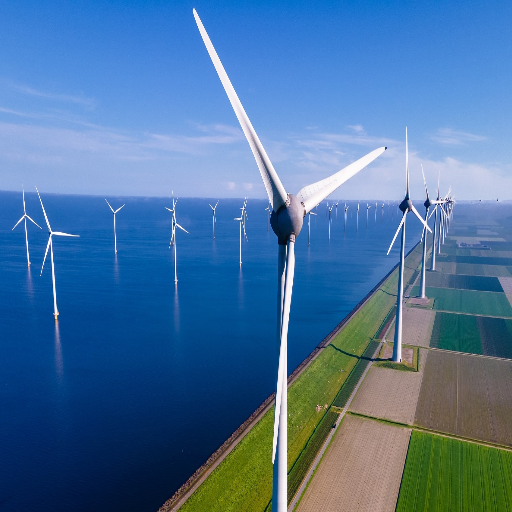
Generally, onshore wind energy is more cost-effective because installation is more straightforward and maintenance is easier. It is also easier to feed into the present power grids. Yet, onshore turbines have their limits: a conflict of land use and opposition from the public due to noise and visual impacts.
Offshore wind farms benefit from more consistent wind speeds, making them a more promising source of energy. On the other hand, offshore turbines would likely face little opposition from the public. Yet, installation and maintenance require additional expenses, and advanced technology and logistics must be employed to operate economically in such adverse marine environments.
Both onshore and offshore wind energy are vital in the transition to renewable energy, as location and environmental conditions shape their unique advantages.
Key Differences Between Offshore and Onshore
| Aspect | Onshore Wind | Offshore Wind |
|---|---|---|
| Location | Land-based, competing with other land uses | Water-based, several miles from shore |
| Turbine Capacity | 2-4 MW per turbine | Up to 15 MW per turbine |
| Capacity Factor | 35-40% | Above 50% |
| Installation Cost | $1,200-$1,500 per kW | $3,000-$5,000 per kW |
| LCOE | $30-$50 per MWh | ~$80 per MWh |
| Environmental Impact | Bird/bat collisions, noise, visual pollution | Marine ecosystem disruption |
| Public Acceptance | Mixed due to visual/noise concerns | Generally higher acceptance |
| Maintenance | Easier access, lower costs | Specialized vessels, weather-dependent |
Location and Land Use: The offshore wind farms are generally located in the water several miles away from the shores, where winds can be stronger and more consistent. Such a location ensures even greater generation capacity. On the contrary, onshore wind farms occupy land, often competing with agricultural, residential, or industrial activities for suitable locations. Offshore wind farms are not prone to such land-use conflicts, but a wild undersea framework requires significant capital.
Energy Generation Capacity: Offshore wind farms feature larger turbines, with some reaching 15 MW per turbine as of 2023, whereas onshore turbines typically average 2-4 MW in terms of capacity. This makes the production of electricity per turbine by offshore wind farms at a much higher level. Enhanced capacity factors are also achieved due to uniform and stronger winds offshore, which range above 50%, whereas the capacity factors of onshore sites are generally 35-40%.
Cost and Installation: Since inland wind farms are constructed and maintained while considering simpler logistics and proximity to existing infrastructure, newer developments in offshore wind technology are rapidly decreasing the costs of offshore wind. Recent estimates place the levelized cost of energy (LCOE) for offshore wind at approximately $80 per megawatt-hour in some areas, while onshore wind is typically the most cost-effective power generation option, ranging from $30 to $ 50 per megawatt-hour, depending on the location.
Environmental Impact: There are troubles of disrupting local ecologies being onshore with respect to bird and bat populations, possibly noise and visual pollution from adjoining communities. Offshore wind farms, on the other hand, might threaten marine life and require a thorough evaluation and mitigation to ensure they do not affect ocean ecosystems.
Geographic Constraints: Onshore wind energy is limited by the extent of available land areas or more open spaces that harbor adequate wind resources, constraining future installations in highly populated areas. Offshore winds capitalize on the abundant potential, which remains largely untapped, in coastal waters. Thanks partly to favorable marine conditions, Northern Europe and some parts of Asia may now boast having established gigawatts of offshore wind power capacity.
Potential for Future Growth: Offshore wind is rapidly becoming a critical area of growth in renewable energy, with international capacity for offshore wind projected to reach 400 GW by 2030, compared to approximately 60 GW in 2023. Onshore wind continues to grow, but its expansion may stagnate in certain areas due to limited land availability and social acceptance. Despite adverse conditions concerning installation and operations, offshore wind offers an inherently scalable avenue for countries aiming at net-zero emission reductions.
Both offshore and onshore wind energy make a significant contribution to the world’s transition to renewable energy. The strategic mix of these technologies enables the diverse geographic and environmental conditions to be utilized in furthering sustainability endeavors around the globe.
Onshore and Offshore Wind Power: A Comparative Analysis
Wind power is playing a significant role in the global effort to transition to renewable energy, with the two scenarios presenting very different opportunities and challenges.
Onshore Global Capacity GW (2022)
Offshore Global Capacity GW (2022)
Wind Electricity by 2050
Onshore Wind Power: This method is the oldest and most significant segment of wind power generation, accounting for a substantial share of global renewable energy production. Modern turbines installed for onshore power generation typically have a capacity of 2 to 5 MW. Wind farms are usually established in areas that experience consistent winds, such as plains with wind from two directions or elevations with wind from a single direction. According to recent sources, the global installed capacity of onshore wind energy reached approximately 700 GW in 2022, marking significant growth over the last decade. Among the advantages of onshore wind power is the cheap cost of energy from this source. Installation costs range between $1,200 and $1,500 per kW. In contrast, onshore wind turbines have been rejected in several instances due to issues such as land-use conflicts, noise problems, and even being considered eyesores.
Offshore Wind Energy: Being a relatively new field, this power source has witnessed rapid growth in recent years due to its ability to harness stronger and steadier winds over oceans or seas. Offshore wind turbines are typically larger in size, with an installed capacity of up to 15 MW in the most recent models. By 2022, more than 60 GW of offshore wind capacity had been installed globally, and this number is expected to double by 2030 due to large-scale construction in Europe, Asia, and the United States. Due to steady wind speeds, offshore installations typically produce more power, with capacity factors often exceeding 40%, whereas onshore systems average around 30%. In contrast, these systems have higher upfront investments, with an installation cost of approximately $3,000-$5,000 per kW, which is partly due to the complexity of underwater construction and the use of specially designed materials that withstand the marine environment.
Combined Contribution to Sustainability: Use of onshore and offshore wind systems varies geographically because of oppositional use nature. Thus, the policymakers and private developers increasingly opt to combine the two for their particular advantages. In countries such as the United Kingdom and Germany, for example, the offshore side of the installation has been the focal point, whereas the United States and China continue to build walls and operate onshore and offshore in full glory. Wind energy is, therefore, predicted to produce a critical 35% of electricity by 2050, a vital cog in the framework of renewable energy strategists. Another emphasis that arises is the need for sustained investments to continue spurring research and policy formulation that encourages the growth of onshore and offshore wind systems.
Future of Onshore and Offshore Wind Energy
Technology and scaling remain crucial assets for wind energy, both onshore and offshore. Onshore wind has long been a cost-effective source of energy, with modern turbines offering increased efficiency and lower maintenance costs. Recent projections indicate an increase in global onshore wind installation capacity, from an estimated 621 GW in 2023 to over 1,200 GW in 2030, primarily driven by the expansion of grid infrastructure and favorable policies.
It may result in significant growth due to the combination of solar and floating wind turbines, as well as larger capacity installations. Inside offshore, turbines can generate at least 15 MW, thus significantly increasing energy yields. While Europe leads with above 28 GW of installed capacity as of 2023, the Asian and North American markets are fast closing the gap. The US is optimistically targeting an installation of 30 GW of offshore wind capacity by 2030 as part of its clean energy targets.
Furthermore, hybrid projects combining offshore wind with other renewable resources, particularly solar panels and green hydrogen production facilities, are setting about revolutionizing the energy landscape. These integrated systems aim to maximize the utilization of remote locations and ensure continuous power generation by leveraging mutually supporting technologies. Above all, long-term collaboration between governments, private enterprises, and technology providers will be necessary if we want to realize these aspirational goals. Hence, with continued investment in renewable infrastructure, wind power stands to play a critical role in the world’s sustainable energy future.
Future Developments in Onshore and Offshore Wind Power
Further advancements in technology and innovation, maximizing efficiency and scalability, will be the future for both onshore and offshore wind power. Regarding onshore wind, further refinements to turbine design and capacities for energy storage need to be explored to maximize potential output and reliability. Offshore wind will continue to take advantage of larger turbines, floating wind farms, and improvements in grid integration. These innovations will enable both sectors to meet the increasing energy demand while also supporting global sustainability targets.
The Future of Wind Energy
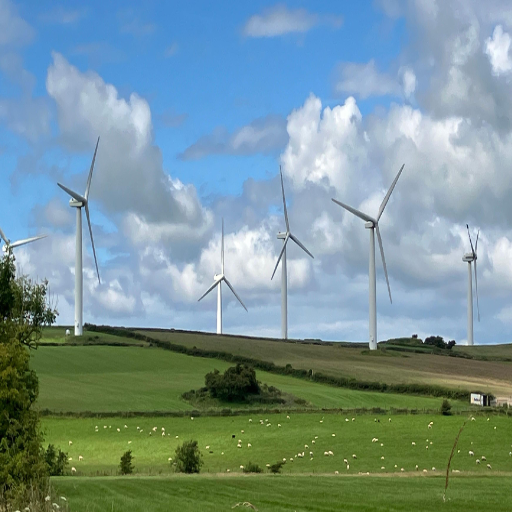
Perhaps technological advancements have made it possible to harness wind energy in virtually any location, increasing its efficiency and reducing its cost. With larger turbines, floating offshore wind farms, and improved energy storage systems, wind energy is becoming more accessible and reliable. Global governments and organizations are prioritizing wind energy to strengthen renewable energy-based targets and reduce carbon emissions in their efforts to counter climate change. Thus, considering all these dynamics, wind energy should be reinvested as a leading medium for achieving sustainability goals worldwide.
Trends in the Wind Industry
Larger Turbines
Modern turbines exceed 15 MW with 220m+ rotor diameters
Offshore Expansion
Global capacity expected to surpass 270 GW by 2030
Energy Storage
Battery integration addressing intermittency issues
AI & Digitalization
Predictive maintenance and performance optimization
The wind industry continues to evolve rapidly with several notable trends shaping its future. One of the trends is the exploitation of larger and more efficient wind turbines. Modern turbines currently have capacities exceeding 15 MW and rotor diameters of over 220 m; this is an advantage in generating more energy and lowering the price of a megawatt-hour. Such developments enabled commercial wind farms to generate more electricity with fewer turbines, resulting in improved infrastructure costs and land-use efficiencies.
Promoting offshore wind energy constitutes another trend. Offshore wind farms are spreading worldwide and are venturing into deeper waters thanks to floating turbine technology. Areas such as Europe, East Asia, and the United States are investing heavily in offshore wind, with the global installed capacity expected to surpass 270 GW by 2030, according to industry forecasts. In this way, such growth caters to the scaling needs of high-capacity renewable energy systems.
Integration of energy storage is another aspect reshaping the industry. The rapid advances in battery storage technologies are increasingly fostering wind power’s reliability by offering enhanced grid integration while addressing intermittency issues. Hybrid wind-solar projects, coupled with storage systems, are gaining traction to harness maximum clean energy and thereby reduce dependence on electricity generated from fossil fuels.
Finally, the digitalization and AI revolutions are powering increased operational efficiency of wind energy projects. Predictive maintenance, performance optimization, and remote monitoring systems help operators reduce downtime and extend turbine life. These trends will collectively strengthen the contribution of wind in achieving a sustainable future, as global demand for renewable energy continues to rise.
Environmental Impact and Sustainability Considerations
Wind power is considered one of the cleanest forms of renewable energy because it emits virtually no greenhouse gases during its operation. The generation of wind energy does not produce carbon dioxide, which substantially lessens the carbon footprint compared to that of fossil fuels. There are, however, also some adverse environmental issues involved. One of the concerns that arises is the impact on wildlife, particularly birds and bats, which may become victims of collisions with turbine blades. Various measures, such as modifications to turbine design and the siting of wind farms in less hazardous environments, have been implemented to mitigate this risk.
Sustainability at both the production and disposal stages of wind turbines is also considered an important aspect. The manufacturing of turbine components entails a significant drain of resources and energy, particularly in the case of blades that utilize composite materials. Increasing research is being conducted to develop recyclable materials and enhance processes, enabling turbines to enjoy a greener lifecycle. The decommissioning of wind turbines also presents its challenges concerning waste management, prompting innovations in the recycling and reuse of materials.
Ultimately, land use for wind farms is crucial, given their impact on ecosystems and potential disruptions to habitats. However, by ensuring proper site selection, conducting thorough environmental assessments, and engaging with the community in project planning, any adverse effects can be minimized. Working on these issues is propelling wind energy ever closer to environmental and sustainability goals; thus, wind is making a productive contribution to the global clean energy transitions.
Conclusion
The future of energy lies in the strategic combination of onshore and offshore wind technologies. While onshore wind offers cost-effectiveness and proven reliability, offshore wind provides unprecedented energy potential and minimal land-use conflicts. Together, they form the backbone of our transition to a sustainable energy future.
As we advance toward global sustainability targets, continued investment in both technologies, coupled with innovations in storage, grid integration, and turbine efficiency, will be crucial for achieving these goals. The wind energy sector’s rapid growth, projected to account for 35% of global electricity generation by 2050, underscores its vital role in combating climate change and achieving energy independence.
The choice between onshore and offshore wind should not be viewed as an either/or proposition, but rather as complementary solutions that leverage the unique advantages of different geographic and environmental conditions. With proper planning, technological advancement, and stakeholder engagement, wind energy will continue to be a cornerstone of our clean energy future.
Reference Sources
1. Environmental Impacts of Decommissioning: Onshore vs Offshore Wind Farms (2020)
Frequently Asked Questions (FAQs)
How is onshore different from offshore concerning wind farms?
The difference between onshore and offshore wind farms mainly lies in their site locations and environments. Onshore wind farms are located on land, while offshore installations are situated in water bodies. Offshore wind farms generally experience higher wind speeds than onshore wind farms and also greater consistency in wind speed, thereby producing more energy. On the contrary, an onshore wind farm will be less costly to install and hence becomes economically viable for specific areas.
What are some potential positives and negatives of onshore wind energy?
In some respects, the advantages of onshore wind energy are that its construction costs and maintenance are cheaper than those for offshore establishments. The disadvantages are that the winds are not very high and there are potential land-use conflicts. Additionally, onshore wind energy involves turbines that, in certain aspects, may be limited in terms of energy output compared to offshore wind turbines.
In certain places, more energy can be generated by offshore wind farms due to the typically higher wind speeds at sea and steadier wind flow. The wind turbines installed offshore are often larger, allowing them to harness more kinetic energy and convert it into electricity. Therefore, offshore wind energy has produced more energy due to this increased efficiency compared to onshore systems.
What are the pros and cons of onshore and offshore wind farms?
Onshore wind farms have the advantages of being the cheapest to set up and to access. They might, however, confront certain restrictions in energy generation due to low wind speeds. Offshore wind farms are more efficient than onshore wind farms due to stronger winds, but at a higher cost for construction and maintenance. Both wind farms are key contributors to the world’s wind power capacity.
What does onshore wind power mean for generators on land?
Onshore wind power refers to turbines installed on land to harness the energy of the wind and convert it into electricity. Thus, these wind turbines are smaller than offshore wind turbines, and local topography and wind flow conditions have an impact. The amount of energy generated from onshore wind farms is usually less than the amounts produced offshore. However, they are crucial in many regions as sources of renewable energy.
What about the future of wind energy, particularly in relation to onshore and offshore wind farms?
The future of wind energy appears very promising and thriving, with significant investments made into both onshore and offshore wind. As technology advances, offshore wind farms will become more efficient, while onshore farms will continue to meet energy demands. The wind industry across the world shall take a leap, hence, increasing in a big way the contribution of renewable energy.
How do the onshore and offshore wind farms function?
Wind turbines convert the kinetic energy of wind into electricity in both onshore and offshore wind farms. Wind turbines utilize blades to capture wind currents, which cause the blades to rotate. This rotation is what drives the generator to generate electricity. The following are some differences: on the contrary, since the offshore wind turbine must operate under harsher marine conditions, it often features more advanced designs to increase its level of efficiency and energy output.
How has the offshore wind energy technology evolved?
Evolution in offshore wind energy technology has led to considerable advancements in turbine design, installation techniques, and energy efficiency. Early offshore wind farms were plagued by severe weather and high costs. Still, newer technical developments have given rise to larger, more powerful turbines capable of harnessing stronger winds at sea. This evolution has put offshore wind power in the spotlight as the world shifts towards sustainable energy sources.