

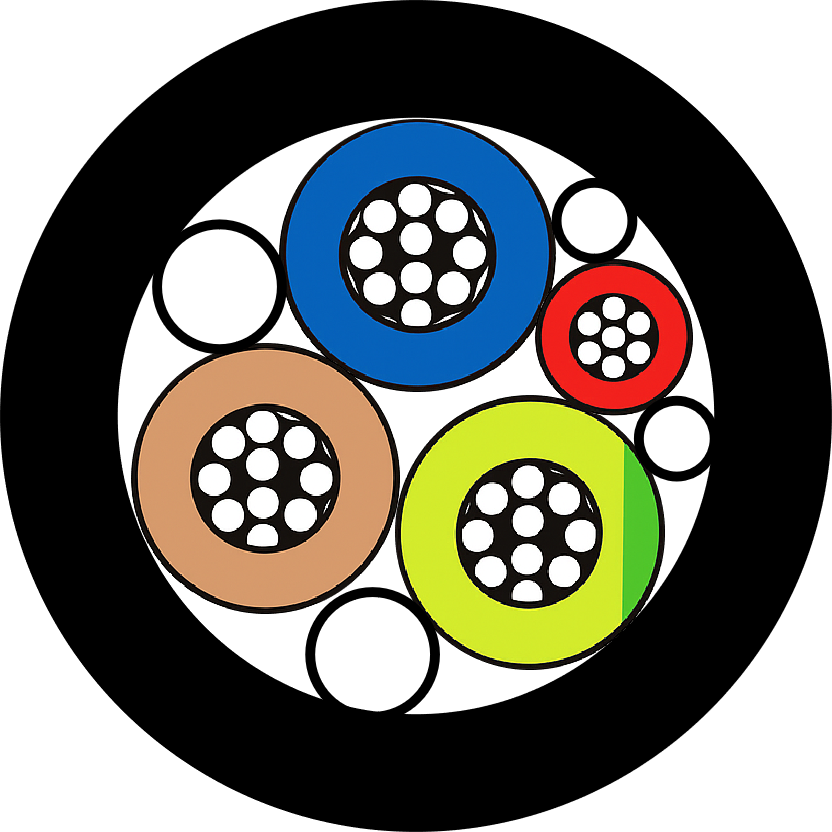





The said overhead power lines form an essential component of the worldwide energy infrastructure, providing power over long distances. But have you ever considered what enables these cables to withstand sudden weather changes, high voltage, and constant use? The following lines outline the material and engineering aspects of overhead power cables that ensure their durability, efficiency, and safety. Starting from conductive cores to outer protective layers, the tutorial will take you on a guided tour through everything engineered for contemporary power transmission. The story unravels some fascinating science behind the cables that keep the world powered, potentially interesting for the curious reader or student engineer.
Introduction to Overhead Power Lines
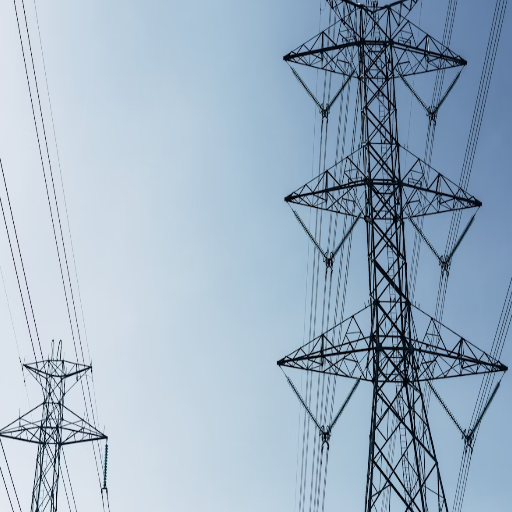
Power overhead lines hold a significant place in contemporary electricity transmission systems for long-distance transmission. The lines are completed with conductors generally made of aluminum or its alloy, providing an excellent balance between conductivity and durability. These conductors are supported by massive steel or concrete towers, which keep the cables both free and secure. The structures are insulated to prevent currents from transferring, thereby hindering any electrical hazard. Such overhead lines are designed to resist conditions of wind and rain, as well as fluctuations in temperature, thereby ensuring the efficient delivery of power to homes, businesses, and industries.
Definition of Overhead Power Lines
Electrical energy is transmitted over long distances by overhead power lines. These lines comprise conductors made from aluminum or copper, which carry electrical currents from power-generating plants to their substations and then to end users. They are supported by strong structures, such as steel towers or reinforced concrete poles, to ensure stability and safety. Insulators are mounted at strategic locations to prevent electricity from flowing into the supporting structures and are typically made of ceramic, glass, or composite materials.
Overhead power lines are engineered to endure diverse environmental conditions. For instance, high-tension lines are designed to cope with wind speeds exceeding 70 mph and maintain functionality during extreme temperature ranges, from -50°F to 120°F. These systems offer a cost-effective alternative to underground cables, with installation costs typically being 4 to 14 times lower.
Furthermore, advanced technologies are integrated into modern overhead systems, such as self-cleaning insulators, to minimize maintenance requirements and ensure long-term reliability. This makes overhead power lines a vital and efficient component in maintaining global electricity distribution networks.
Importance of Overhead Power Cables
Transmission power lines are the overhead lines that play a crucial role in ensuring the reliable transmission of electricity over long distances, facilitating both urban and rural electrification. With their lower installation and maintenance costs, these systems have become the backbone of energy infrastructure worldwide. According to recent industry information, overhead power lines typically require 30% to 50% less time to install than their buried counterparts, due to reduced ground excavation and fewer environmental barriers. Also, overhead systems are designed to withstand a wide range of environmental conditions, including extreme temperatures, high winds, and heavy rainfall, thus making it possible to have these lines in almost any geographic region.
The new-age developments, combined with advanced enhancements, ensure the efficiency of overhead power cables. The invention of HTLS conductors helps increase line transmission capacity to meet the higher demand for electricity resulting from industrialization and population growth. The advances in grid technology, which include advanced sensors and real-time monitoring equipment, enable operators to quickly identify faults, enhance energy flow, and improve grid reliability. These emerging renewable energy projects benefit from overhead cables by installing them. The scalability and adaptability of overhead lines make them suitable for connecting remote wind farms and solar parks to primary grids.
Future Outlook: Electricity demand is expected to grow by nearly 70% by 2050. Overhead transmission cables will continue to be the backbone for efficiently meeting the growing demand, especially in fast-developing economies where infrastructure expansion is vital.
Combined with their cost-effectiveness and technical advancements, overhead lines thus constitute an essential path toward achieving sustainability and resilience in the energy sector.
Common Applications of Overhead Power Lines
Overhead power lines serve as the electrical transmission and distribution backbone for delivering energy to communities, industries, and infrastructure worldwide. Some common uses range across various sectors:
Urban and Rural Electrification
Overhead power lines are extensively used to supply electricity to densely populated urban centers and sparsely populated rural areas. They are cost-effective and easy to install, which makes them preferable for bridging the energy access gap. In developing countries, the expansion of electrification through overhead power lines has, in one way or another, helped increase access. Sub-Saharan Africa is an example that has seen its electrification rates increase with grid expansion.
Industrial Power Supply
Heavy industries, such as manufacturing, mining, and steel production, rely heavily on high-tension overhead power lines to meet their enormous electricity needs. These high-tension transmission systems are capable of ferrying massive amounts of power across vast distances, ensuring that industrial operations are fed with a consistent supply necessary.
Renewable Energy Integration
With the transition to renewable energy gaining rapid momentum worldwide, higher voltage overhead power lines are assuming the role of integrating renewable energy systems, such as wind and solar farms, into national grids. These high-voltage lines would carry power from generation sites, which are commonly located far away from consumption areas, efficiently into cities and homes, from the standpoint of clean energy.
Inter-state and Cross-border Energy Transmission
Interstate and regional transmission through overhead lines facilitates the exchange of power between regions, thereby balancing power supply and demand. For instance, initiatives on a massive scale, such as the European Supergrid, require advanced overhead lines to reduce the cost of energy and transmit renewable energy across the border.
Emergency and Temporary Installations
Overhead power lines serve an essential purpose in emergency situations, such as during natural disasters when the electricity infrastructure may have been damaged or destroyed. Their speedy deployment allows for a temporary power supply to be made available during the recovery actions. Also, temporary power generation/testing for construction sites or military operations may be allowed.
These applications, in turn, exemplify how overhead power lines form the backbone of modern energy infrastructure, supporting a forward march toward a reliable and sustainable energy network amid rising global demand.
Types of Overhead Cables
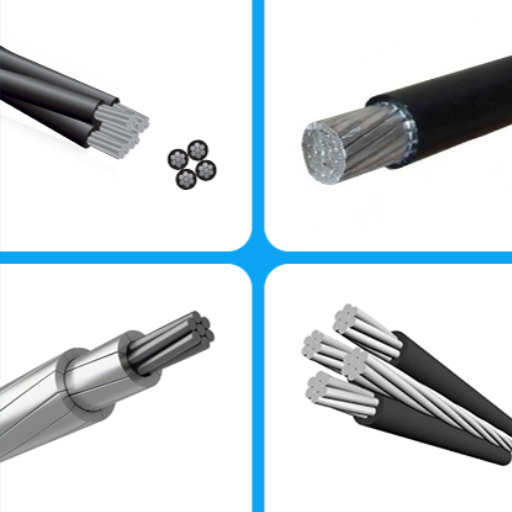
Overhead wires are classified according to the design, application, and material. Some primary types include:
All-Aluminum Conductor (AAC): Being made purely of aluminum, AAC cables are lightweight, corrosion-resistant, and suitable for short distances on overhead lines in urban areas.
Aluminum Conductor Steel Reinforced (ACSR): ACSR cables feature aluminum strands combined with a steel core, providing enhanced strength and are primarily used for transmission over long distances and in locations with high mechanical stress.
All Aluminum Alloy Conductor (AAAC): Made of aluminum alloy, AAAC cables are stronger and more corrosion-resistant than AAC cables. They are primarily used in coastal and industrial environments.
High-Temperature Low-Sag (HTLS) Conductor: These conductors are designed to operate at high temperatures with reduced sag, allowing for minimal changes to existing lines.
Covered Conductors: These are wrapped with insulating layers to reduce the likelihood of coming into contact with trees or other objects, thereby increasing safety and reliability in densely populated areas.
These types are designed for specific uses, allowing power transmission systems to be made flexible and efficient.
Overview of Cable Types
Power transmission cables serve multiple purposes and are designed with specific features that cater to these uses. Here is a brief description of their main types:
- Low-Voltage (LV) Cables: These cables are used for the distribution of power within residential and commercial buildings, handling voltages up to 1,000 volts. Such wires are insulated to transmit power safely and to avoid short circuits.
- High-Voltage (HV) Cables: These cable systems transmit electricity over long distances at voltages exceeding 33 kV from power grids and substations. The cables are equipped with special insulation systems to safely handle the higher voltage loading.
- Medium Voltage (MV) Cables: These cables are suitable for industrial and urban infrastructures, with an operating voltage range of 1 kV to 33 kV. These cables are primarily used in distribution systems and renewable energy applications.
- Overhead Conductors: For most power transmission, these bare conductors, such as AAC and ACSR, are very economical and lightweight. The design assumes environmental considerations, limiting factors can be elevated winds or frigid temperatures.
- HTLS Conductors: These conductors are designed to retain high electrical capacity with low thermal expansion. For greater power-carrying capacity needs, they are being upgraded by another infrastructure.
- Covered Conductors: They were introduced to enhance safety in areas prone to dense vegetation or urban settings. The conductors have insulation covering them, which eliminates outage possibilities from tree or object contacts.
Thus, this would be the way the cables are designed, depending on the existing needs for power transmission across the world under different conditions, to ensure uninterrupted and efficient power delivery.
Material Characteristics
Characteristics of Aluminum Cables
Aluminum cables have a wide range of applications in modern electrical systems due to their ideal combination of properties. One of the basic advantages of aluminum is its low density, which makes these cables lighter in weight than their copper counterparts, approximately 50% for the same electrical conductivity. The smaller weights ease installation and reduce the load on structures, making aluminum cables an ideal choice for overhead transmission lines and large projects.
As far as conductance is concerned, aluminum has a lower electrical conductance compared to copper (approximately 61% the capacity of copper). However, its cheaper price and abundant nature compensate for this limitation, resulting in a lower cost per carrying capacity in amperes.
Technical Advancements
Technology-wise, aluminum has benefited from reproducible advances. Aluminum alloys are characterized by their strength, flexibility, and thermal resistance, allowing them to withstand heavier mechanical stresses and significantly higher temperatures. For instance, an aluminum alloy cable is nowadays expected to attain a tensile strength over 300 MPa while still having adequate conductivity.
Another characteristic involves the sustainability of aluminum cables. Aluminum being extremely recyclable, less energy is required, that too only around 5% of the energy required when producing primary aluminum, from aluminum recycling processes. Thus, from a power infrastructure perspective, aluminum cables are more environmentally friendly and align with international sustainability targets.
In short, aluminum cables strike a perfect balance between cost, weight, flexibility, and environmental sustainability, demonstrating their versatility for both residential and industrial applications.
Characteristics of Copper Cables
Considering its exceptional conductivity, copper cables represent the top choice for all significant electrical and data transmission opportunities. Copper, with its low resistance, assures power transmission with minimum energy loss. This property makes copper highly sought after in critical applications such as power transmission networks, telecommunications, and electronics.
The key advantage of copper cables is their durability. Since copper is corrosion-resistant, it maintains its function even when subjected to adverse weather conditions. This ensures the use of copper cables for outdoor and underground installations that require long-term reliability.
Copper also supports strong tensile strength and flexibility. These qualities allow it to withstand mechanical stress during installation and operation without compromising its functionality. Additionally, copper cables are capable of handling higher temperatures compared to alternatives, enhancing their reliability in demanding scenarios such as industrial machinery or high-temperature environments.
Data Transmission Excellence: From a data transmission perspective, copper cables, particularly in twisted pair or coaxial designs, offer high bandwidth capabilities. This makes them suitable for supporting high-speed internet, telecommunications, and cable television systems. For example, Cat 6 copper cables can typically deliver data transfer rates of up to 1 Gbps over distances of up to 100 meters, which is critical in modern networking.
Where performance and durability take precedence, greater conductivity, reliability, and a longer lifespan are factors that can justify the investment in copper wire and cable. Thus, copper stands as one of the primary materials used in the industries related to wiring and cabling.
Components of Overhead Power Cables
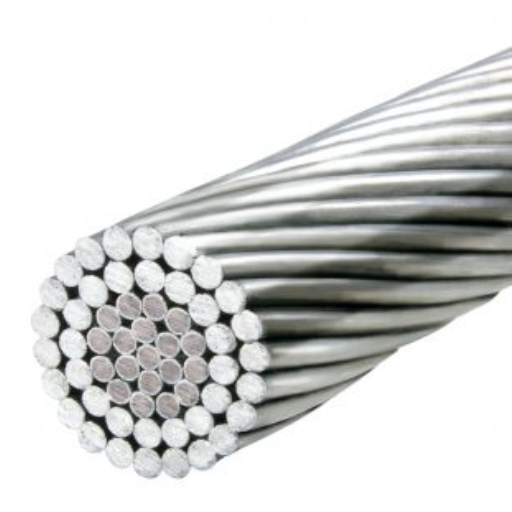
Overhead power cables have a few main parts:
- Conductors carry the electrical current and are typically made of materials such as aluminum or aluminum alloys due to their high conductivity and light weight.
- Insulation – They protect against electrical leakage and ensure safety by isolating the conductors from other external entities.
- Shielding – Reduces electromagnetic interference and protects the cable from mechanical impairment.
- Protective Covering – A layer acting to protect the cable from weather, UV rays, soil chemicals, and mechanical wear.
These components function in tandem to ensure the failure-free and efficient transmission of electricity over long distances.
Conductors in Overhead Lines
A conductor is a crucial component in any overhead power system, as it is responsible for transporting electrical energy over long distances. The materials primarily used for the conductors are aluminum and its alloys, and copper because of their good electrical and mechanical properties. Aluminum and its alloys, however, find extensive use in overhead lines due to their light weight and cost-effectiveness, along with their relatively moderate conductivity.
The strength and configuration of an overhead conductor depend upon the power system requirements and environmental factors. For instance, ACSR cables are widely used because they combine the good conductivity of aluminum with the tensile strength of steel, making these cables suitable for long-span applications that require them to sustain mechanical stresses due to wind, ice, or sagging.
Modern developments in conductor technology are further enhancing performance and efficiency. High-Temperature Low-Sag (HTLS) conductors, for instance, are designed to operate at elevated temperatures without significant loss of strength or conductivity, enabling the transfer of greater power loads while minimizing line losses. Additionally, composite core conductors, which utilize advanced materials such as carbon fiber, are now used to enhance thermal and mechanical performance.
Market Dominance: Statistical data show that aluminum-based conductors account for a significant portion of the market, with more than 90% of overhead lines globally using aluminum conductors due to their efficiency and cost advantages.
These advancements in conductor design and materials ensure the reliability and sustainability of overhead line systems in modern power transmission networks.
Insulation and Protection Layers
To achieve safety, efficiency, and prolong the working life of overhead lines, the various insulation and protection layers must be designed appropriately. The insulators prevent the flow of electric current and thus provide mechanical support to the conductors. Porcelain, glass, and polymeric materials are commonly used due to their high dielectric strengths and durability. In recent years, the use of polymeric insulators has increased due to their lightweight properties, resistance to contaminants, and general lack of brittleness compared to conventional materials.
Protection layers are equally critical, protecting from hazards related to environmental challenges such as UV rays, extreme temperature conditions, corrosion, and mechanical stress. Recently, modern insulation systems have incorporated weather-resistant coatings or hydrophobic materials, enabling the system to perform effectively under harsh conditions. For example, silicon-based coatings on polymer insulators maintain surface hydrophobicity in the presence of rain or high humidity conditions, thereby minimizing electric discharge.
Industry Growth: Industry reports have observed global advanced insulators and protective materials rising in demand, with a CAGR of more than 6% expected to increase in subsequent years. The levers behind such growth are investments in renewable energy projects and the expansion of power grid infrastructure worldwide, respectively.
Such innovations in insulation and protection technologies are of paramount importance in maintaining the resilience and reliability of electricity transmission systems.
Supporting Structures and Hardware
Supporting structures and hardware serve as crucial components overseeing the operation of both the distribution and transmission systems for power generation. These structures include towers, poles, crossarms, insulator fittings, and clamps that provide the strength and operation of the electrical grid. According to recent industry intelligence, the global market for transmission towers and related hardware is expected to grow at a rapid pace, exceeding $65 billion by 2030. This growth is primarily driven by ongoing electrification initiatives and grid modernization in both developed and developing nations.
Modern materials, such as galvanized steel or composite materials, are being used more frequently. These materials, with their sturdy nature and resistance to corrosion, require very little maintenance and are well-suited for long-term use in diverse environmental conditions. Moreover, recent advances in modular and prefabricated design enable quicker installations and improved scalability, which are crucial in addressing the rapid development of energy infrastructure worldwide.
Materials Used in Overhead Power Cables

In most cases, overhead power wires are formed from different materials that ensure strength, durability, and efficient conductivity. The most common materials used are aluminum and its alloys, due to their best conductivity, low weight, and cost-effectiveness. Steel is usually used to give tensile strength in long-span applications. Insulation and weather protection of overhead cables may be provided by polyethylene or XLPE. All of these materials enhance cable performance, guaranteeing reliable service under different environmental conditions.
Aluminum vs. Copper: A Comparative Analysis
When comparing aluminum and copper for electrical applications, both materials have distinct advantages and limitations. Aluminum is significantly lighter than copper, making it a preferred choice for applications where weight is a critical factor, such as in overhead power lines. It is also more affordable, with a lower cost per unit volume, making it an economical option for large-scale projects. However, aluminum has higher electrical resistance than copper, which means it requires a larger cross-sectional area to carry the same current.
Copper, on the other hand, is highly conductive and has superior thermal and electrical performance. This makes it ideal for applications that require high efficiency, such as transformers and underground cables. Copper is also highly durable, with better corrosion resistance and mechanical strength under stress. However, its downside is its higher cost and greater weight, which can limit its use in specific structural or budget-sensitive projects.
Hence, the choice between aluminum and copper varies with the application requirements, such as cost, weight, conductivity, and environmental conditions. While they are the more economical and lightweight options, aluminum wires remain secondary to copper in cases where reliability and high performance are essential.
Benefits of Using Aluminum Cables
When considering aluminum cables for use, they offer a significant cost advantage. In my opinion, they are much cheaper than copper, giving them an edge when selected for budget-restricted projects. Another factor to consider is that aluminum, being a lightweight metal, facilitates easier installation while reducing transportation costs. Despite being lightweight, aluminum cables stand their ground in offering proper conductivity for many applications, thus acting as a convenient and economical option for many electrical systems.
Benefits of Using Copper Cables
Famed for its conductivity, copper wire is the optimal choice for high-quality electrical systems. Copper has the best electrical conductivity of any material and shares with it the ability to conduct heat, allowing for the faster transfer of energy and resistance to energy loss. Another attribute that enhances its longevity, even under demanding environmental conditions, is its very high durability and corrosion resistance. They also enjoyed good ductility, which made them easier to install and bend for complicated wiring requirements. Copper cable can carry a heavy electrical load and is consistent under all applications where reliability is significant. These characteristics have made copper wiring a trademark across various industries, leading to its growing acceptance as an ideal material worldwide.
Transmission Characteristics of Overhead Power Lines
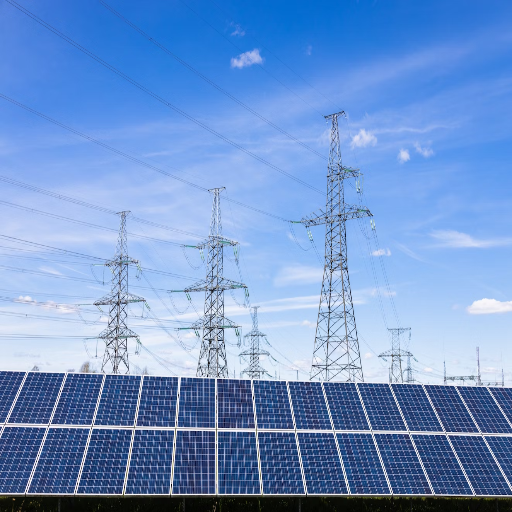
Overhead power line systems have been efficiently designed to carry electric power over long distances with minimal loss. Some major characteristics are:
- Voltage Levels: Using very high voltage for power transmission reduces energy losses due to lesser current flow, thereby carrying electricity to vast distances effectively.
- Conductor Materials: Conductors such as aluminum and aluminum alloys provide lightweight and high conductivity, resulting in improved performance.
- Line Losses: Power losses occur in the form of resistance in the conductors and electromagnetic interference. Properly designing lines would help minimize losses to maintain efficiency.
- Environment: The environment affects line performance through temperature, wind, and icing. Proper insulation and siting are considered.
- Transmission Capacity: The Thermal limit of the conductor and the operating voltage of the system are considered when determining the transmission capacity of power lines to ensure the essentially safe and steady delivery of power.
This ensures the operation of a dependable and sustainable power transmission system is maintained.
Voltage Levels in Overhead Power Lines
Overhead power lines operate at various voltages, commonly divided into low, medium, high, and extra-high voltages. Low voltage (less than 1 kV) is used for residential and small commercial distribution. Medium voltage (between 1 kV and 69 kV) is used for industrial and larger commercial applications. High voltage (69 kV to 230 kV) falls within the range of inter-city or inter-regional power transmission, while extra-high voltage (greater than 230 kV) is used for bulk power transmission over long distances. Each voltage aims to deliver power optimally, minimize energy dissipation, and meet the requirements of various grid applications. The right design and operation of these voltage levels become very crucial in establishing a reliable and efficient power transmission network.
Transmission Efficiency of Different Cable Types
Different measurements lead to varying observations about transmission efficiencies of cables and how that depends on the material involved, design of the cable, and operating conditions. Based on my observation, I believe that high-voltage wires, typically made of copper or aluminum, would be more efficient since less energy is lost over distances, compared to near-term transmission. From this viewpoint, sound cable insulation and the use of modern technology, such as cross-linked polyethylene (XLPE), enhance the efficiency of these cables. The question then remains: “Is it designed and maintained for minimal loss?”
Factors Affecting Power Loss in Overhead Lines
The power loss in overhead lines is dependent on several factors, including resistance, length, and the prevailing weather conditions at the site. Electrical resistance is the primary cause of power loss; therefore, the greater the resistance, the more heat is generated and energy is dissipated. The longer the transmission line, the greater the losses incurred, as resistance and hence, energy losses, increase. Environmental factors, such as temperature, humidity, and wind, would directly or indirectly affect efficiency. High temperatures cause the conductor to expand, resulting in increased resistance. At the same time, atmospheric conditions such as rain or wind can alter the effect of power flow, thereby increasing losses. Mitigating these factors through proper design considerations, the selection of suitable materials, and effective upkeep operations reduces the likelihood of losses, thereby ensuring efficient overhead transmission.
Conclusion
Overhead power lines represent a critical infrastructure component that enables the global distribution of electrical energy. Through careful engineering of materials, design considerations, and ongoing technological advancement, these systems continue to evolve to meet the growing demands of modern society. From the selection of appropriate conductor materials like aluminum and copper to the implementation of advanced insulation and protection systems, every aspect of overhead power line design contributes to the reliability and efficiency of our electrical grid.
As we move toward a more sustainable energy future, overhead power lines will play an increasingly important role in integrating renewable energy sources and supporting the projected 70% growth in electricity demand by 2050. The combination of cost-effectiveness, technical reliability, and adaptability makes overhead transmission systems an indispensable part of the global energy infrastructure, continuing to power communities, industries, and innovations worldwide.
Reference Sources
1. Fault Analysis on Three-Phase Transmission Lines and Its Detection
3. Protection of Workers Against Magnetic Fields of High-Voltage Overhead Lines
Frequently Asked Questions (FAQs)
From what substances are overhead power cables constructed?
The conductor of overhead power cables is made of materials such as aluminum and copper. Aluminum enjoys worldwide acceptability due to its high tensile strength and lightweight nature, making it suitable for long spans that are pole-supported. Copper conductors are heavier but also offer better electrical conductivity.
What are the significant kinds of overhead conductors?
The significant kinds of overhead conductors are sometimes considered to be bare aluminum conductors, aluminum alloy conductors, and copper conductors. Aluminum cables are used for high-voltage transmission lines because they can carry a high amount of electric power and are lightweight. Copper is often used in applications where the highest conductivity is required.
How do overhead power lines transmit electrical power?
What do we know about overhead transmission lines? These lines carry electrical power across long distances. These lines are made from high-strength materials, such as aluminum or steel, to withstand various weather conditions. They are lifted and supported on poles to ensure clearance with the ground and enable them to distribute electric power safely.
What is the use of a messenger wire for overhead power?
Messenger wire is used in overhead transmission systems to bear the weight of the conductor cables and provide additional structural integrity, primarily when multiple lines are supported. Alignment and tension of the overhead lines supported by the messenger wire must be properly maintained for efficient power transmission.
What is the difference between overhead transmission and distribution lines?
Compare: Overhead transmission lines transport electrical power over long distances at high voltage, while distribution lines supply electricity from substations to end-users at a comparatively low voltage. The significant difference is in their voltage levels and the level of service provided within the electrical power transmission system.
What effect does the weight of the conductor have on the installation of an overhead line?
The weight of the conductor dictates the ways and places where overhead lines can be installed. Heavy conductors require stronger poles and supporting structures for safety and reliability reasons. The conductor weight also influences line sag, and therefore, it must be taken into consideration through accurate calculations to provide adequate overhead clearance and avoid any interference with adjacent structures.
What other materials are used for overhead cables?
Other materials can be used for overhead wires in addition to aluminum and copper. They offer a balance between weight and strength, typically featuring a fiber-reinforced composite core for enhanced stability. Hence, space and weight considerations will play a significant role in an urban-type installation.
Why are aluminum cables preferred for high-voltage transmission lines?
Aluminum cables are preferred for high-voltage transmission lines because their combination of tensile strength and light weight allows these cables to be run over longer distances between poles, thereby reducing the number of supports required. Aluminum is also considered a cheaper alternative to copper for transmitting bulk electric energy.