






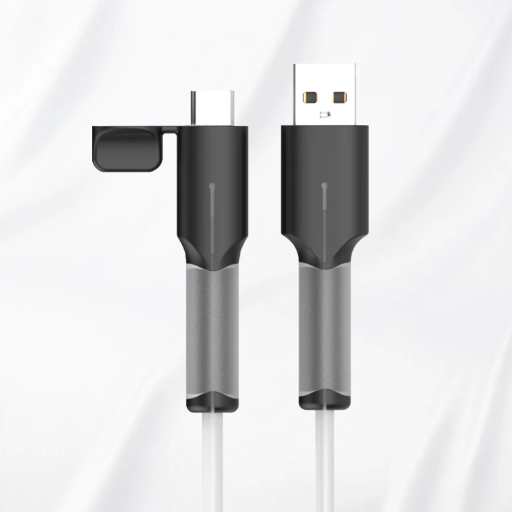
Ripped or fractured USB chargers are no longer a concern because the Spiral Cable Protector is a fashion-forward answer! Gone are the days when you had to buy another frayed cable every so often. The Spiral Cable Protector offers a simple, cost-effective solution to a problem everyone faces, securing your investment in cables while providing both aesthetics and functionality. Whether you’re a tech enthusiast or simply looking to save on cable replacements, this comprehensive guide covers everything you need to know about protecting and managing your charging cables.
Understanding Spiral Cables
What is a Spiral Cable?
A spiral cable is a flexible and coiled electrical cable designed to stretch and retract without shape distortion. These cables present themselves as compact and neat when not in use, ensuring they remain relatively untangled and act as space-efficient storage mechanisms. This design aligns perfectly with tidy cable presentations in various settings.
Spiral cables are composed of malleable materials like polyurethane and PVC, which handle tensile and compression forces remarkably well. These materials allow the cables to regain their shape and transmit power or data smoothly while accommodating device movement. The spiral design ensures good and reliable connections, independent of equipment motion throughout the process.
Within technical applications like telephones, automobiles, industrial machinery, and electronic devices, spiral cables are utilized due to their inherent flexibility. They’re designed to flex back and forth when needed and retract into a small package until use comes about, making coiled cables a tremendously robust engineering choice for various technical systems.
Benefits of Using a Spiral Cable
✨ Key Advantages
- Maximum Flexibility: Spiral cables can extend and retract as required without losing their shape, making them ideal for applications where space is limited or movement is necessary.
- Clutter Reduction: They neatly coil back to a compact form when not in use, leading to less clutter and reduced chance of tangling—highly useful in environments with multiple cables.
- Enhanced Durability: Designed to withstand temperature variations, vibrations, and tension while under continuous motion, ensuring stable performance in demanding applications.
- Long Service Life: Can withstand repeated stretches, making them extremely robust and dependable over extended periods of use.
Common Applications for Spiral Cables
Spiral cables are widely used across industries where acceptable flexibility and bending motions are required. They have the added advantage of unfolding and retracting without tangling, supporting various applications such as telephone handsets, communications equipment, and consumer electronics. These cables provide consistent signal transmission through tight spaces and remain robust regardless of rapid and continuous changes.
In the medical field, spiral cables frequently supply patient monitoring systems, diagnostic equipment, and surgical instruments with necessary interconnections. The adaptability and toughness of spiral cables are greatly appreciated in operating such systems under challenging circumstances. Many spiral cables for medical technology are engineered to comply with sterilization procedures without causing damage.
The industrial and automotive sectors benefit greatly from spiral cables. They’re used in machinery controls, robotics, and automated systems where cables undergo continuous motion, tension, and vibration. In vehicles, spiral cables commonly connect steering column systems and trailer connections. These applications illustrate the versatility and reliability of spiral cables in dynamic and harsh environments.
Functional Benefits of Spiral Cable Protectors
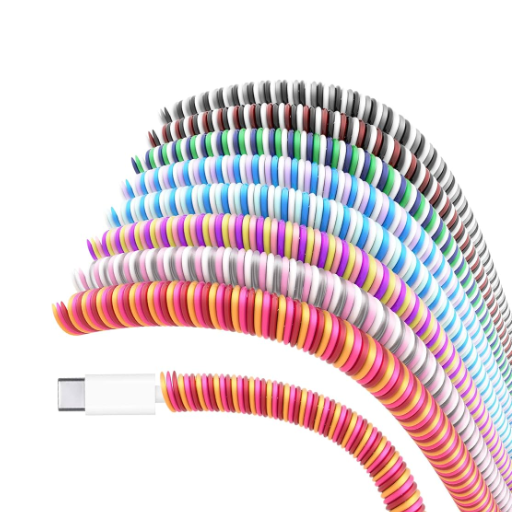
Durability and Longevity
Spiral cable protectors offer exceptional durability and longevity due to their robust construction and ability to withstand harsh conditions. Typically made from materials such as polyurethane or PVC, these protectors are designed to resist wear and tear caused by constant movement, tension, and abrasion. Their flexibility ensures that cables remain functional even in applications requiring frequent bending or twisting.
🛡️ Protection Features
Environmental Resistance: Spiral cable protectors resist UV rays, moisture, and various chemicals, making them ideal for outdoor and industrial uses. This resilience helps prevent damage to cables caused by weather exposure or corrosive substances, significantly extending their lifespan.
Cost-Effective Solution: By reducing the risk of cable failure and providing consistent protection over time, these protectors minimize potential downtime and maintenance costs—a reliable solution where uninterrupted performance is critical.
Enhanced Flexibility and Maneuverability
Spiral cable protectors are designed to increase the flexibility and maneuverability of cables in numerous applications. Their helical structure allows cables to move freely without damage to their integrity or performance. This adaptability is especially valuable in environments where bending, twisting of cables, or frequent repositioning occurs.
The protectors prevent cables from kinking or experiencing excess stress, helping retain serviceability even when moved in harsh conditions. Over time, spiral cable protectors ensure cables’ adaptability against wear and tear, whether used in industry, robotics, or everyday electronics. These attributes combine flexibility, strain resistance, and durability to ensure cable survival and sustained performance across various environments.
Protection Against Wear and Tear
The spiral cable protector serves as a protective casing that shields cables against rubbing, bending, and impact. In applications involving cable movement, the protective layer becomes a potent safeguard. This is particularly evident in environments where space limitations increase cables’ risk of physical harm. Spirals are created to fortify cables, ensure extended performance, and provide a reliable lifespan.
They prevent fraying or splitting from repeated use or sharp edges by wrapping around the cable while retaining pliability to defend against stress points. This blend of flexibility and strength makes them an excellent choice in both stationary and constantly moving applications.
Spiral cable protectors also serve the function of preventive maintenance, warding off costly repairs and replacements. By preventing damage, operational viability remains intact while decreasing the time and resources needed to address cable failures. The added level of protection ensures that cables maintain functionality under both industrial and non-industrial circumstances, including challenging conditions.
Comparative Analysis: Spiral Cables vs. Traditional Cables

Charging Speed Comparisons
Cable structures give spiral and traditional cables a marked difference in charging speed. Traditional cables are more uniform in performance because of their straightforward construction, minimal resistance, and good power transfer. They’re frequently optimized for fast charging when paired with compatible devices or chargers.
Spiral cables are primarily designed for flexibility and space efficiency, so there may be a slight variance in charging performance. The coiled structure of spiral cables may constitute increased resistance, which decreases performance very slightly compared to straight traditional cables. While this consideration may only interest users prioritizing speed, it matters when high-speed charging is imperative or enormous capacity demands govern the application.
Choosing between spiral cable or traditional cable remains based on user needs. Traditional cables suit areas where maximum speed is needed or where there are substantial power requirements. Conversely, spiral cables suit dynamic environments where flexibility and space-saving are of utmost importance.
Compatibility with Devices
When evaluating cable types, device compatibility must be considered. Both types conform to ordinary specifications for charging and data transfer, making them convenient for use with most modern tech gadgets—smartphones, tablets, laptops, and other portable electronics. However, ensure that cable connectors fit the proper ports of your device, like USB-A, USB-C, or Lightning ports.
Spiral cables are most useful in places needing adaptability plus space saving. They’re often compatible with portable devices where motion and convenience are important. Spiral cables work well for devices used in cars or workstations with limited space, or in configurations requiring retractable and sleek design.
Traditional cables are widely recognized for their versatility, superior charging speeds, and durability. When used for stationary devices requiring high power flow—such as laptops or high-capacity power banks—these cables serve as an excellent choice due to their inherent power delivery capabilities. To ensure optimal charging, familiarize yourself with both cable and device specifications.
Cost Efficiency Over Time
When measured long-term, high-quality chargers prove cost-effective compared to inferior alternatives. Although there may be higher initial costs, the investment accounts for quality and reliability. This brings about significant savings over time by eliminating frequent replacements.
💰 Long-Term Savings
- Device Protection: High-quality cables prevent power surges, overheating, and irregular charging that could damage your devices
- Faster Charging: Support faster charging speeds and efficient power delivery, saving time and energy
- Reduced Replacements: Extended cable lifespan means fewer purchases over time
- Energy Efficiency: Lower power requirements lead to reduced electricity costs
Choosing the Right Spiral Cable Protector
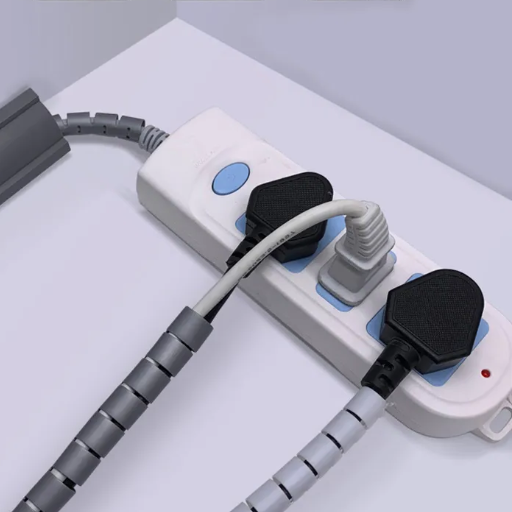
Key Considerations
🔧 Materials and Durability
Prioritize long-lasting yet flexible materials. The protector should be manufactured from quality plastic or rubber to resist wear and tear while remaining flexible for easy installation. Ensure the protector is well-constructed to resist frequent bending and atmospheric conditions, enhancing longevity for both the protective device and the cable.
📏 Compatibility
The protector’s size and design should specifically match your cable’s thickness and type. Excessively tight protectors damage cables, while excessively loose ones won’t provide adequate protection. Check cable dimensions in terms of diameter and length to ensure proper fit. Some cables have dedicated applications (charging cables, headphones, power cords), so select a protector meeting those specific requirements.
⚡ Ease of Installation
Select a spiral cord protector requiring no additional tools to install. Most models simply wrap around cables, allowing for quick setup and adjustments as needed. This time-saving mechanism ensures efficient cord protection. Proper installation is required to realize full protective benefits, so choose a user-friendly option.
Recommended Specifications for Different Devices
🏠 Home and Office Electronics
Devices such as computers, printers, and TVs require cord protectors suitable for light wear and tear. Look for options that support and insulate cords against accidental physical forces like tension or slight impacts. Ensure the protector fits snugly without gaps.
📱 Mobile Gadgets
Smartphones and tablets need compact, flexible cord protectors for daily use. Choose lightweight protection that aids compact wrapping without bulk—greatly useful when mobile. Selecting material that doesn’t twist provides proper safeguards over time.
🏗️ Heavy-Duty Equipment
Construction sites and industrial applications involving rigorous environments require robust protection. Prefer armor from strong, weatherproof sources offering outdoor protection. These heavy-duty protectors should sufficiently protect against actual perils similar to power lines and extreme conditions.
Top Features to Look For
- 1 Toughness and Material Quality: Materials should withstand nature’s adversities—extreme temperatures, moisture, and high-impact forces. High-quality steel and enhanced composites offer strength and durability properties for extended functionality.
- 2 Safety Features: Look for nonslip surfaces, protective guards, and clear operational instructions. The manufacturer should follow necessary safety guidelines in design, providing extra protection for users.
- 3 Utility and Operational Ease: Equipment needs versatility to carry out various tasks quickly and securely while remaining easy to utilize. Controls should be straightforward with minimal maintenance requirements, reducing downtime.
Practical Tips for Cable Management
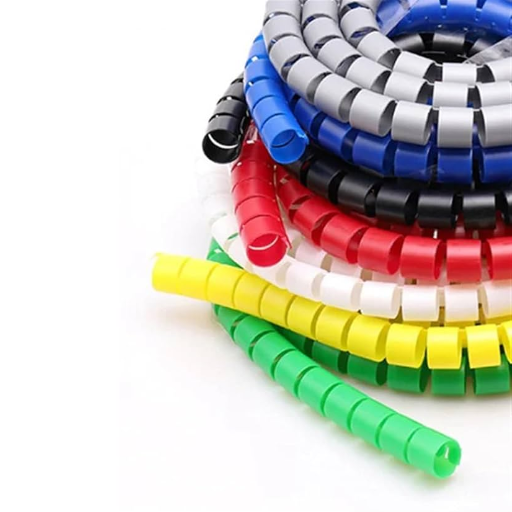
Using Cable Wraps and Clips Effectively
💡 Best Practices
- Group Similar Cables: Separate cables into groups according to function or similar purpose for better organization
- Avoid Over-Tightening: Never wrap cords too tightly—this can decrease connection capability and damage thin or lightweight cords
- Create Cable Pathways: Employ cable wraps and clips at specific points on walls, undersides of desks, and behind furniture to create organized cable pathways
- Choose Appropriate Clips: Use adhesive-backed clips for smooth, flat surfaces and screw mounts for heavier cables requiring secure placement
- Maintain Proper Spacing: Keep appropriate distance between clips to prevent sagging while securing cables confidently
- Label Cables: Before using any wrap or clip, label cables to help with sorting and make troubleshooting or rewiring simple when needed
Organizing Your Charging Area
Keeping your charging area organized boosts productivity and eliminates the chaos of a messy environment. Begin by sorting devices, keeping similar items together according to type—phones, tablets, and laptops. This prevents confusion regarding the charging setup, making it easy to maintain. Use cable wraps, cable clips, or labeled ties to neatly separate cords and stop them from tangling.
📍 Creating an Efficient Charging Station
Designate a Specific Area:
Choose a desk corner, shelf, or plain space with suitable height and easy reachability as your dedicated charging zone.
Use Charging Stations:
Utilize charging stations or docks to pile all gadgets in one place with organized charging wires.
Ensure Adequate Power:
Make sure there’s ample room with outlets or surge-protected power extensions.
Inspect the area regularly to remove useless or unusable cords, avoiding unnecessary clutter and waste. When devices aren’t in use, unplug chargers from the socket—this not only preserves batteries longer but also saves on electricity bills. Following a consistent pattern when organizing cables makes life easier, rather than searching in panic every time.
Maintaining Your Spiral Cables
Essential Maintenance Checklist
Proper Storage
Store in cool, dry places without direct sunlight. Heat and moisture can slowly break down cables over time.
Avoid Over-Stretching
Don’t stretch cables beyond their elastic limit—this stresses areas not designed to bear tension and can cause damage.
Regular Inspections
Check cables regularly for deformation, tears, frays, or weak spots. Repair defects immediately to avoid dangerous failures.
Gentle Cleaning
Clean cables periodically with a soft, dry cloth to keep them free from dust and other contaminants.
Avoid Sharp Bends
Don’t create sharp bends or knots when stretching or retracting—this compromises elasticity and efficiency.
Frequently Asked Questions (FAQ)
Q: What is a charging cable spiral sleeve and how does it operate?
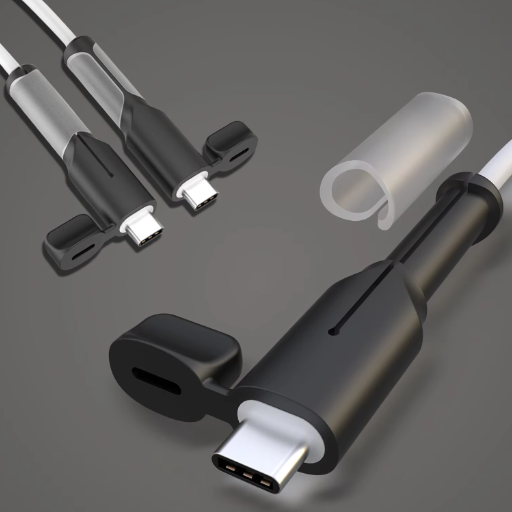
A: A charging cable spiral sleeve is a protective sleeve, typically made of silicone or in a spiral shape, that protects USB data cables, phone chargers, or other charging cables from rubbing and wear. The spiral form helps broaden the point of stress and prevent further damage to the cable. Installation is simple—just weave the cable through the spiral sleeve or slide the silicone protective sleeve over it to accomplish both protection and improved aesthetics.
Q: Can the spiral sleeve prevent damage to my mobile phone’s USB charger or iPad data cable?
A: Yes. The spiral wrap is specifically designed to protect cords from abrasions associated with continual use, which can easily break a cord. The wrapping helps reduce force on the cord when twisting or bending occurs, protecting against damage at stress points.
Q: Does the cable sleeve protect cable ends and connectors from abrasion?
A: Yes. One of the primary benefits of cable spiral tubing is that it protects cable ends and connectors from becoming damaged through abrasion. Spiral wraps are cable protectors that reinforce pressure points and prevent damage by distributing stress along the cable. Users commonly combine spiral wraps with small cable sleeves or protection sleeves at the connectors for added safeguards.
Q: How do I install a spiral wrap or protection sleeve on a charging cable?
A: Installation is easy: Begin by inserting the spiral wrap onto a USB cable or wrapping it around it, then push it along the cable toward the fold. If it’s a continuous sleeve, guide your cable through the corresponding hole. Many spiral wraps feature easy installation without requiring tools or splitting the cable. For iPhone chargers or micro USB connectors, position spirals near the cable end, cutting off any excess for a neat appearance. Use cable end protectors or caps afterward to secure the sleeve.
Q: Can spiral cable protectors be used for various product types, including Tesla chargers and mobile phone chargers?
A: Yes. Spiral cable organizers can manage single or multiple cords across various applications. Many spiral organizers or cable management systems work with iPad chargers, USB cables, power banks, and even Tesla charging cables. The versatile design makes them suitable for everyday use and professional cable organization needs.
Q: What materials are spiral cable protectors made from, and which is best?
A: Spiral cable protectors are typically made from silicone or plastic materials. High-quality silicone offers excellent flexibility, durability, and resistance to environmental factors. The best material depends on your specific needs—silicone provides superior flexibility and comfort, while reinforced plastic offers maximum durability for heavy-duty applications. Both materials are reasonably priced considering their protective value.
Q: How do I choose the right cable protector for USB cables and mobile phone chargers?
A: Major considerations include cable diameter (accommodating thicker braided or multi-strand wires), interface type (Lightning cable protector, Micro USB, data cable USB), and general usage scenario (daily phone charging, car charging, or Tesla charging cable). Consider the inner diameter, reliable materials (silicone wire, braided wire), color choices for cable protectors, and whether it contributes aesthetically with cable end protectors. Look for user reviews highlighting benefits like abrasion resistance and easy installation.
References
- ► Universal Charging Friend
This document discusses USB charging solutions and their design considerations.
Read more here - ► Source Independent Power Converter for Cell Phone Charging
This research explores USB charging configurations and their applications.
Read more here - ► Get Your Solar Cable Needs Covered with JOCA – Your Trusted Supplier