

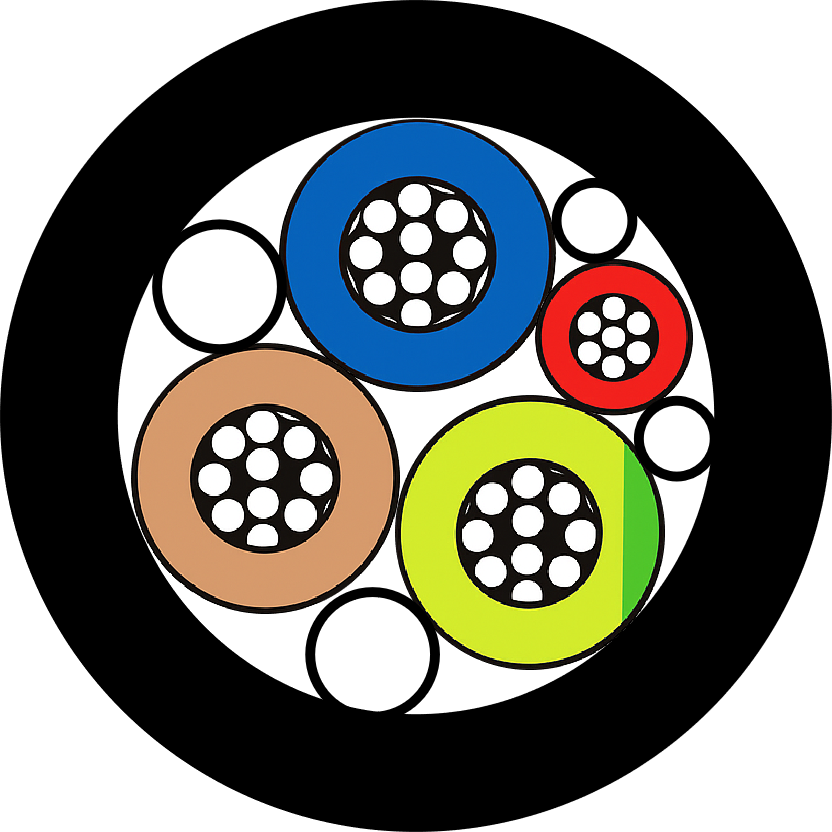





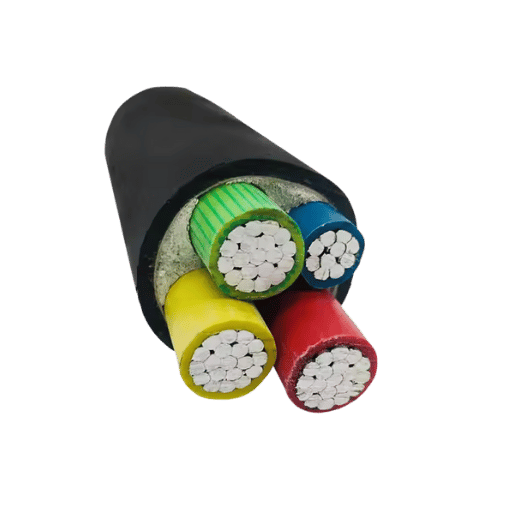
Modern electrical systems are centered on durability, reliability, and operational efficiency. These standards are supported by the use of armored cables, especially the 95mm armored cable, which promises versatility as well as performance under challenging conditions. This blog highlights the extensive use cases and advantages of this specialized cable for residential, commercial, and industrial applications. From power transmission to underground cable installations in secure locations, familiarizing oneself with the specifications and advantages of the 95mm armored cable is crucial. Read further to learn how the 95mm armored cable can adapt to bolster your project needs.
What is 95mm Armored Cable and Its Main Uses?
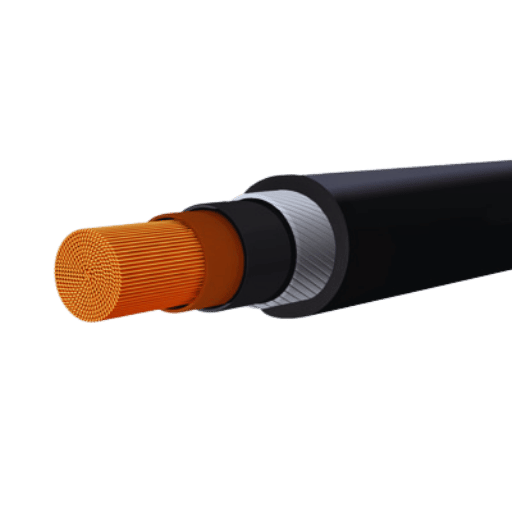
The 95mm armored cable is an example of a power cable that has enhanced protective armor against physical, environmental, and mechanical damage. This type of cable is mostly used for large-scale power distribution in residential, commercial, and industrial areas. Common applications include underground setups where moisture and external forces are a concern, as well as in highly secure and demanding environments. The design of these cables guarantees reliable performance and makes them suitable for harsh working conditions.
Features of 95mm SWa Armoured Power Cable
- High Current-Carrying Capacity: Capable of facilitating the large physical electrical demands of vast installations, the 95mm SWa Armoured Power Cable can transmit power.
- Robust Mechanical Protection: The Armoured Design permits superb protection against impact damage, guaranteeing performance in hostile environmental conditions.
- Corrosion Resistance: Optimal moisture and chemical protection make this cable suitable for outdoor and underground applications.
- Enhanced Fire Resistance: The cable has critical backups that will ensure safety on important installations because the insulation and sheathing are made to greatly reduce the risk of fire propagation.
- Long Service Life: Built with trusted materials enables reliable operation and durability, which reduces replacement frequency, making the construction very cost-effective.
- UV Resistance: These cables can be used outside because they can easily withstand direct exposure to sunlight for long periods of time.
- Ease of Installation: Installation of different setups is made easy due to the flexible yet durable design.
- Compliance with Standards: The cable was designed and crafted considering international and industry standards, which guarantee safe and dependable usage in different applications.
Applications in Power Networks and Electrical Systems
- Power Transmission Lines: Used for transmitting electrical power over long distances with maximum efficiency and reliability.
- Distribution Networks: Essential to transfer electricity from substations to residential, commercial, and industrial users.
- Renewable Energy Systems: Important for linking solar panels, wind turbines, and other renewables to the electric grid.
- Underground Cabling: Useful in cities where overhead lines are not feasible, thus reducing visual and environmental impact.
- Substation Wiring: Important for internal connections between the substations’ components, such as the transformers, switches, and others.
- Smart Grid Technologies: Integrates and monitors technologies for real-time observation and management of resources, thus it is an important component for modern systems.
- Industrial Facilities: Tailored for deployment within factories and processing plants to sustain heavy-duty electrical equipment and high-load operations.
- Railway Electrification: Provides reliable and safe power to rail systems for steady operations.
Advantages of Using Steel Wire Armoured Cable
- Mechanical Protection: The wire armor enhances the cable’s mechanical strength, providing additional protection against physical damage during both installation and operational procedures of the cable.
- Durability: Performance is supported for use in extreme environmental conditions, whether located above ground or buried underground, providing rigorous service over time.
- Enhanced Load Capacity: Capable of accommodating substantial electrical loads; therefore, the cable can be used in high-power demanding applications in industrial and commercial fields.
- Resistance to External Forces: The cable provides good operational reliability in environments where external mechanical forces, shocks, heavy impacts, or vibrations are present.
- Fire Resistance: The SWA cables offer additional protective characteristics against fire for the primary purpose of reducing the spread of fire as well as maintaining the integrity of circuits during emergencies.
- Corrosion Resistance: Protection is provided to the cable against damp or chemically aggressive environments due to the materials employed in its construction.
- Masking Versatility: Ranging across various industries, the cables are used in power distribution, construction, and transportation due to the robust design coupled with flexibility in use.
- Improved Operational Safety: Enhancements to critical system operational safety are achieved due to reduced risk of electrical faults or outages resulting from cable damage.
How is a 95mm Core SWa Cable Constructed?
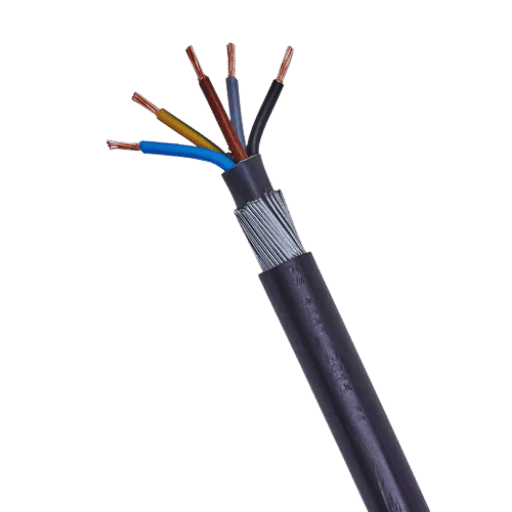
Layers of XLPE Insulated Armored Cable
The fabrication process of an XLPE insulated armoured cable entails layering the cable, each layer possessing specific technical and protective functions, which include:
| Layer | Description |
|---|---|
|
Conductor |
Core for current flow |
|
Cond. Screen |
Smooths the electric field |
|
Insulation |
XLPE for high resistance |
|
Insul. Screen |
Prevents discharges |
|
Bedding |
Cushion for armor |
|
Armoring |
Mechanical protection |
|
Outer Sheath |
Shields from elements |
In industrial and commercial sectors that pose rigorous requirements, every layer of the XLPE insulated armored cable is carefully designed to provide precise electrical functionality alongside, environmental resistance, mechanical strength, and protection against external stress factors.
The Role of PVC Sheath and Bedding
The outer layers of PVC sheath and bedding sustain the reliability as well as the safety of XLPE insulated armored cables throughout various operational conditions. From recent trends identified through Google’s search engine, there appears to be a rising interest in enhanced temperature-resistant materials that are chemically difficult to penetrate and are also physically extremely protective. The purpose of the bedding made of PVC is to provide cushioning while protecting the internal parts of the cable from mechanical stresses during installation and operation. Meanwhile, the sheath made out of PVC serves as the outermost layer, providing strong defense against rubbing, harsh weather, and electric pollution. Industry data is also showcasing a rise in interest in LSZH alternatives, which emphasizes the move towards sustainable changes, as well as introducing less toxic materials during fire conditions. This shift also focuses on low environmental impact. With the above-mentioned attributes, all these layers help withstand descending levels of safety and performance requirements of the cable, reinforcing its importance in critical industrial, commercial, and infrastructure projects.
Importance of Galvanised Steel Wire Armour
Galvanized Steel Wire Armour (GSWA) performs mechanical functions such as impact and crush protection for the cable. It is also used to improve the durability and operational safety of the cable. No less important is the galvanized coating, which offers some protection against corrosion, thereby improving the lifespan of the cable in harsh outdoor environments. GSWA is a preferred strapping in demanding applications for industrial, commercial, and infrastructure projects due to its combined strength and resistance to corrosion.
What are the Specifications for 95mm Power Cable?
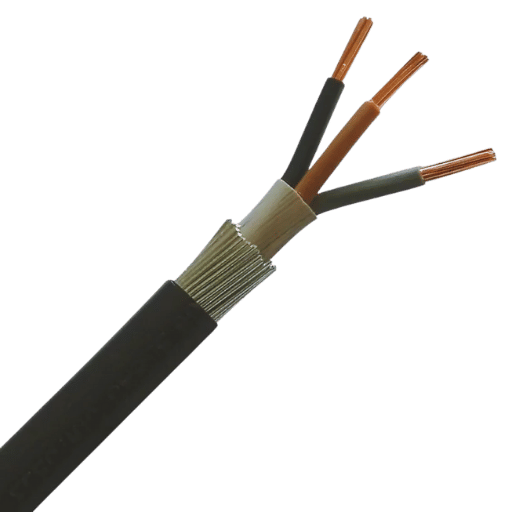
Standard Voltage Ratings and Current Rating
The accepted standard voltages are 120V, 208V, 240V, 277V, 347V, 480V, and 600V. Standard current ratings differ depending on a given application and the equipment used.
| Parameter | Details |
|---|---|
|
120V |
Residential |
|
208V |
Commercial |
|
240V |
Appliances |
|
277V |
Lighting |
|
347V |
Commercial |
|
480V |
Industrial |
|
600V |
Heavy-duty |
Cable Size and Core Options
The application determines the cable size and core type; for lighting, the size is 1.5 mm² and increases to 25 mm² for high-power circuits. Cores may be single-core or multi-core according to electrical requirements.
Understanding Copper Conductors and Aluminium Cable
Unlike aluminum, which is lighter and has lower conductivity, copper conductors possess a greater copper per unit volume and aluminum conductivity strengthwhile copper has greater ductility, enhancing durability and reliability.
Why Choose 95mm Core Armoured Cable from Huadong?
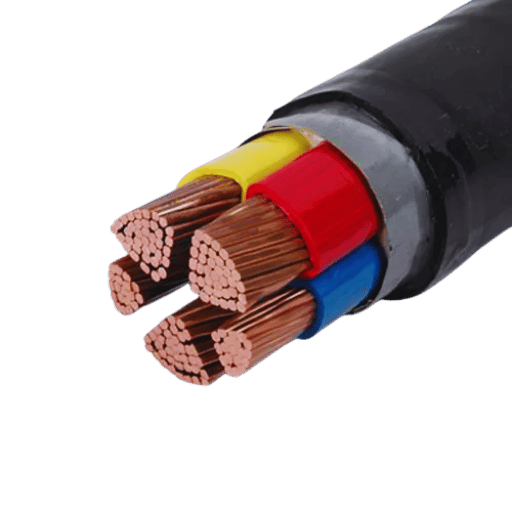
Quality of Copper and XLPE Materials
Copper continues to be the most preferred metal due to its high conductivity and toughness, especially in electric systems. Search data indicates that high-purity copper, like that found in 95mm² core armoured cables, ensures minimal energy expenditure even in high-power scenarios. Moreover, XLPE (Cross-Linked Polyethylene) is known for its excellent insulating characteristics, resistance to heat, and longevity. These materials create a cable with exceptional performance attributes where enduring efficiency and safety over time a hallmarks. From the analyzed queries, it is evident that specialists desire these materials for systems that need dependability coupled with increased resistance to heat. Using copper and XLPE 95mm² core armoured cables not only meets these requirements, but also guarantees compliance with international standards and ideal energy transmission in industrial and commercial settings.
Competitive Cable Price and Reliable Service
At our company, we take pride in our market-leading prices, maintaining unmatched quality for our cables. We understand the importance of reliability in tough conditions, so every product is thoroughly tested to ensure it meets industry standards and exceptional performance requirements. Moreover, all products are backed with industry-best customer service, so every customer issue is resolved in the timeliest manner.
Durability and Direct Burial Capabilities
The 95mm core armoured cable from Huadong features exceptional physical and environmental resistance, making it useful for direct burial applications, which are common in industrial and underground environments.
How to Properly Install 95mm Core SWa Cable?
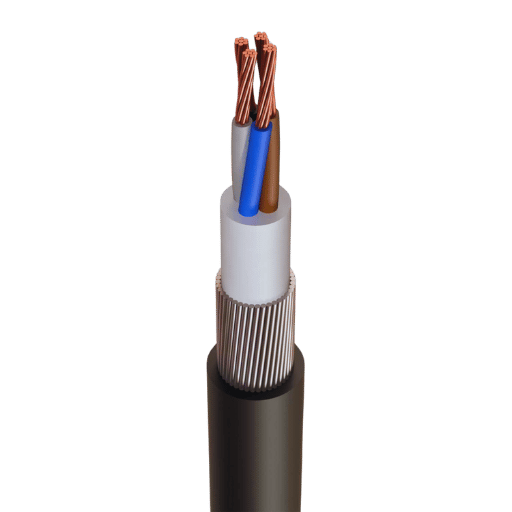
Using Cable Glands and Cable Cleats
To securely attach cable cleats and cable glands to the 95mm core SWA cable, please follow the instructions:
- Preparation of the Cable Ends: For the armor layers to securely seat, the wires must be exposed evenly after carefully stripping the cable sheath.
- Installation of Cable Glands: Choose a cable gland that is appropriate for 95mm. Installation cannot be performed without properly sealing the cable end “gland” part to the cable, which provides strain relief, anchorage, and sealing against the environment.
- Fix Cable Cleats: The cable should be secured using appropriately sized cable cleats along the routing path. Place the cleats at regular intervals to provide sufficient support to the cable while reducing movement.
- Final Check: After installation, reconfirm that all connections are installed properly and check that all bolts have been tightened and that the cable runs straight and does not sag for mechanical reliability and protection along the length of the cable.
Adhering to these steps promotes proper installation of the cable, along with safety to the installer, and ensures optimal performance of the cable.
Considerations for Cable Ducting
When installing a 95mm SWA cable in ducting, ensure compliance with the manufacturer’s guidelines alongside factor(s) such as ambient temperature for heat loss and current carrying capacity derating, the insulation on the cable (PVC, XLPE etc.) as well as the environment for installation of possible mechanical strain or thermal fatigue.
Ensuring Safe Insulation and Cable Connection
For a 95 mm SWA cable installation, take note of the proper insulation and connection methods for safe earthing and corrosion bonding in case the steel armouring does not fully function as an earth conductor bond within the galvanic unit by utilizing a separate copper conductor along with appropriate glands for securing the cable. The following bonds are stipulated in BS7671; therefore, proper bonding and earthing should follow the regulations.
What are the Benefits of Using XLPE Insulated Armoured Cable in Low Voltage Applications?
Enhanced Insulation Properties
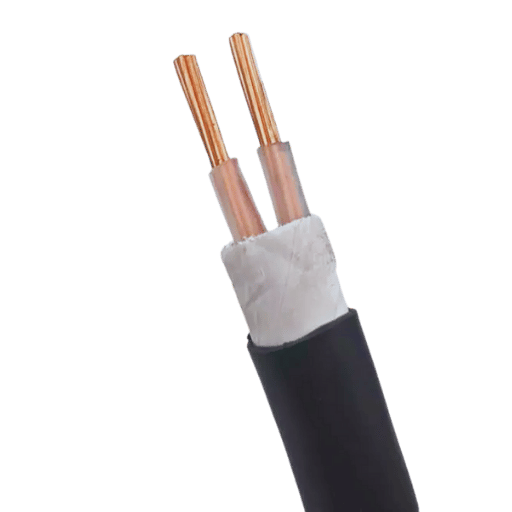
Compared to conventional materials such as PVC, XLPE (cross-linked polyethylene) insulated armoured cables exhibit superior thermal insulation. The cross-linked molecular structure of XLPE provides improved thermal resistance, allowing the cable to operate at higher temperatures, up to 90°C for continuous operation and even higher for short periods of fault conditions. This feature makes XLPE cables exceptionally reliable in demanding low-voltage applications. In addition, XLPE insulation has strong dielectric properties, which yield low power loss, even when exposed to electrical stresses, improving performance. Altogether, these features help distribute electricity safely while meeting the latest industry and regulatory guidelines on safety and performance.
Resistance to Environmental Factors
- Thermal Resistance: Considerable thermal extremes may be endured without any degradation occurring, thus maintaining functionality in both hot and cold environments.
- Moisture Resistance: Water and water vapor may penetrate the insulation, but because of its foam structure, the moisture could hardly permeate into the insulation.
- Chemical Resistance: Resists penetration by oils, acids, alkalis, and other industrial chemicals, thus making them suitable for harsh environmental conditions.
- UV and Ozone Resistance: Protection against ultraviolet radiation and ozone, which causes gradual material degradation called weathering when subjected to sunlight or certain atmospheric conditions.
- Mechanical Protection: Protection against physical factors such as wear, cutting, or striking, which ensures a lengthy, reliable service in locations exposed to such damaging factors.
- Flame Retardance: Possession of such features that prevent propagation of fire in flammable surroundings or territory liable to gas fire danger.
- Corrosion Resistance: Safeguard against being worn away, enabling use in areas exposed to such destructive substances, thus ensuring reliability against the wear of time.
Longevity and Low Maintenance
Developments in the fields of material science and engineering have greatly assisted in formulating strategies that are low-maintenance and require minimal servicing. It is clear that there is a spike in the demand for such products across various sectors, as people are more worried about sustainability as well as maintenance costs. Take, for example, materials with self-healing capabilities and those with sophisticated corrosion-resisting features. Their infrequent repair and replacement mandates directly correlate to economic savings over a significant period. Moreover, waste reduction paired with optimal resource utilization directly addresses environmental issues, which in turn aids global efforts focused on sustainable development.
Frequently Asked Questions (FAQs)
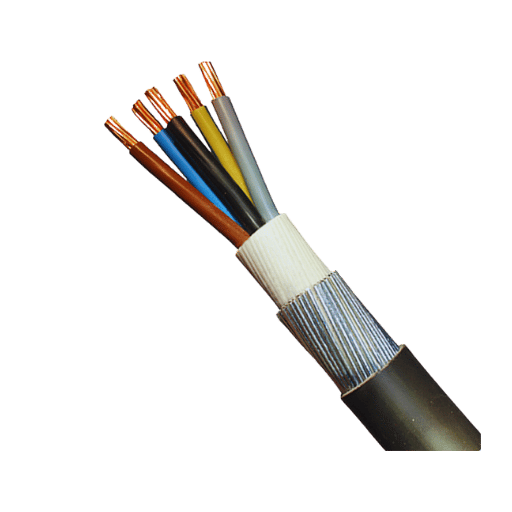
Q: What are the components of a 95mm 4-core armored cable?
A: A 95 millimeter 4-core armored cable contains four conductors with cross-linked polyethylene (XLPE) insulation. The cable is protected by layers of armor and a sheath made of black PVC.
Q: Why is Huadong Cable Group the supplier of choice for 3-core SWA cables?
A: Huadong Cable Group is recognized as a provider of high-grade 3-core SWA cables that are reliable and durable. Their LSZH (Low Smoke Zero Halogen) versions are designed to mitigate smoke and toxic emissions, thus applicable in many industries.
Q: In what ways does cable construction influence the performance of 5-core electrical cables?
A: The performance of 5 core electrical cables is greatly influenced by how the cables are constructed. Proper construction, such as using XLPE-insulated and polyvinyl chloride sheathed cables, enables the cable to endure greater stresses, environmental factors, and increases safety and efficiency.
Q: What applications are 3-core armoured cables suitable for?
A: 3-core armoured cables are suitable for numerous applications, such as power distribution, industrial, and underground wiring. Their rugged design enables protection against mechanical stresses and their reliable performance in harsh environments.
Q: How do you determine the appropriate cable size according to a client’s needs?
A: In this case, the appropriate cable size cannot function without the use of an armoured cable calculator. Such a device would require factors such as electrical load, installation location, and safety measures. Hence, this avoids situations where the cable selected won’t be sufficient for the current voltage or vice versa.
Q: What are the advantages of using insulated cables with XLPE insulation?
A: The benefits of using insulated cables with XLPE insulation include their unparalleled heat, electrical, and mechanical strength. Ideal for industries that require performance cables to operate thorough extreme heat or environments.
Q: What role does the outer sheath play in 4-core control cables?
A: The outer sheath made of black PVC grants mechanical guarding along with environmental guarding of the 4 core control cables. This sheath protects the inner conductors from moisture and other factors, thus increasing the durability and reliability of the cable.
Q: Why is there a need for 95mm 4-core cables in industrial power distribution or other associated fields?
A: Cables with a 95mm 4-core size can be applicable in many fields such as industrial power distribution, underground installations, and even in renewable energy projects. These cables perform well in difficult settings due to their excellent design and the large amount of current they carry. Limitations or challenges do not exist for the 95mm cables.
Q: Why are LSZH materials important in the context of electrical cables?
A: LSZH materials serve an important purpose in ensuring the electrical cables do not emit dangerous levels of smoke and gases when burned. This quality makes LSZH cables more frequently used in enclosed and crowded environments.
Reference Sources
1. Numerical Study on Electromagnetic Thermal Performance of Non-Metallic Armoured Optoelectronic Cable Winch System
- Authors: Wenhua Li et al.
- Publication Date: May 28, 2024
- Summary: This research analyzes the NAOCWS’s electromagnetic thermal performance. The study looks into the coiled section of the cable’s electromagnetic interference with signal transmission and the resultant thermal effects. Notable conclusions are as follows:
- It is shown that the MFD of the magnetic flux density is periodic and depends on the distance between cables.
- The current amplitude and the number of winding layers affect temperature distribution, where the difference in temperature between the edge and intermediate cables increases.
- The study confirms the existence of a thermally defined equilibrium layer that does not vary with current in the system, indicating a constant temperature gradient despite changing currents (Li et al., 2024).
3. Wire