








Introduction to THHN and XHHW
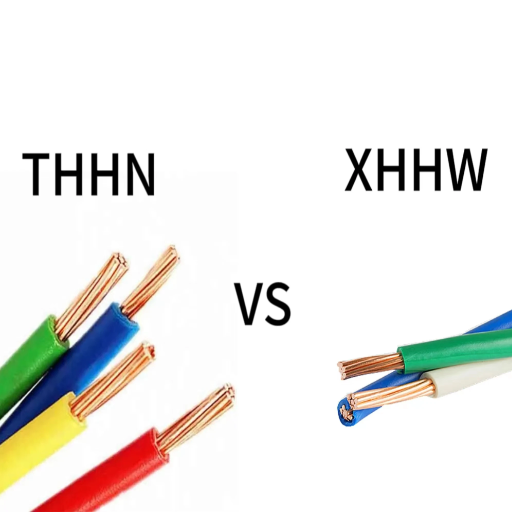
Two commonly used wire types in residential, commercial, and industrial sectors are THHN, which stands for Thermoplastic High Heat-resistant Nylon-coated, and XHHW, which stands for Cross-linked High Heat-resistant Wire. The THHN has a thermoplastic insulation with a nylon coating and is lightweight, cheap, and intended for dry indoor conditions. On the contrary, the XHHW has cross-linked polyethylene (XLPE) insulation, which makes it more flexible, durable, and moisture-resistant; hence, perfect for wet as well as dry installations. Both wires are meant to be electrical safety-compliant, but are subjected to environmental and performance-based optimization in their uses.
What is THHN Wire?
Building wire is extensively used in residential, commercial, and industrial settings. It has a thermoplastic insulation that can withstand high temperatures, particularly 90°C for dry locations and 75°C for wet ones. The nylon coating adds to its resistance against abrasion, chemicals, and oil. THHN conductors are chiefly used for general wiring where feeders and branch circuits are concerned, and where economy and reliability are of the essence. These wires meet very strict electrical codes, such as UL and NEC standards, and they come in multiple gauges and colors to meet different requirements for applications. However, its insulation being thinner than other types (say XHHW) renders it suitable only for dry to relatively damp conditions rather than something that calls for harsh or highly wet environments.
90°C / 75°CTHHN Temperature Rating: Dry Locations / Wet Locations
What is XHHW Wire?
An XHHW wire is a building wire with cross-linked polyethylene insulation, the acronym signifying a Cross-Linked High Heat-Resistant Wire. It is intended for applications in places demanding high heat and moisture resistance. XHHW wire is suitable for wet or dry locations and offers much more durability than one made up of THHN due to thicker insulation. This wire finds its major application in commercial and industrial installations for conduit systems, feeder circuits, or branch circuits. Its insulation imparts great abrasion resistance, flexibility, and longevity, thus making it best suited for operating conditions that pose treatment, all while meeting stringent standards such as UL, NEC, and ASTM.
Common Applications of THHN and XHHW
THHN wire finds application in dry environments where the nylon coating offers resistance to oil and gasoline. It is mainly used in interior wiring and conduit systems and control circuits within commercial or industrial spaces. Its thin insulation becomes an advantage in compact installations where conduit space is tight and goes economical in design and installation, and flexible in design.
In contrast, wires with XHHW insulation are designed for different types of wet or outdoor environments and require high moisture resistance and temperature-resistant properties provided by XHHW insulation. Common installations include underground feeder circuits, power distribution, and lots of applications where the wire is exposed to direct sunlight and heavy stress. XHHW is also preferred where the environment demands higher dielectric strength and lower energy loss. Both wire types are manufactured to meet stringent safety and performance standards, ensuring that they will work reliably in a wide range of diversified applications.
Comparative Analysis: THHN vs XHHW
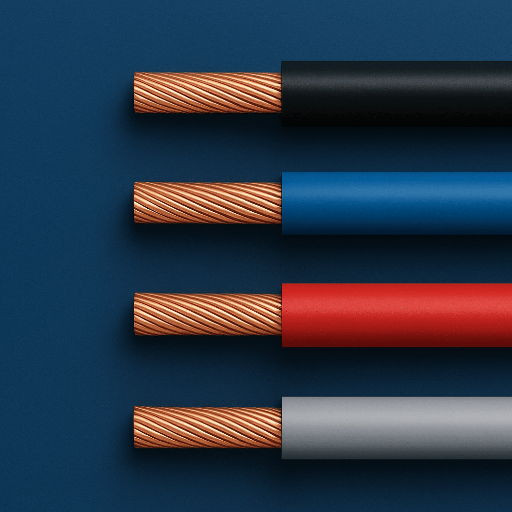
Though both THHN and XHHW belong to widely used categories of electrical wires, they differ in the essentials of physical characteristics and application. Being a little thinner in insulation, perfect for installations inside buildings and controlled environments, THHN does not offer any great resistance to moisture and temperature extremes. On the other hand, XHHW is the name for a wire generation practiced for outstanding moisture resistance and thick insulation, and temperature endurance, fit for outdoor and direct burial applications. THHN is a cheaper option and is commonly used for everyday electrical work, while XHHW is preferred for tough situations where environmental exposures come into consideration.
| Feature | THHN Wire | XHHW Wire |
|---|---|---|
| Full Name | Thermoplastic High Heat-resistant Nylon-coated | Cross-linked High Heat-resistant Wire |
| Insulation Type | Thermoplastic PVC with nylon coating | Cross-linked polyethylene (XLPE) |
| Temperature Rating (Dry) | 90°C | 90°C |
| Temperature Rating (Wet) | 75°C | 75°C (90°C for XHHW-2) |
| Moisture Resistance | Limited – suitable for dry to damp conditions | Excellent – suitable for wet and dry locations |
| Insulation Thickness | Thinner | Thicker |
| Flexibility | Flexible and easy to install | More flexible due to XLPE insulation |
| Cost | Lower cost – economical option | Higher cost due to superior insulation |
| UV Resistance | Poor – degrades with prolonged UV exposure | Better UV resistance |
| Durability | Good for controlled environments | Excellent – superior for harsh conditions |
| Best Applications | Indoor wiring, conduit systems, control circuits | Underground installations, outdoor applications, wet locations |
| Standards Compliance | UL, NEC | UL, NEC, ASTM |
Physical Properties and Composition
THHN (Thermoplastic High Heat-Resistant Nylon-Coated) wires are made with copper or aluminum conductor and a thermoplastic PVC insulation layer, which is in turn covered by a thin nylon jacket. This construction makes them flexible and easy to install. PVC, however, tends to degrade with prolonged exposure to moisture or in extreme temperatures, which renders this wire a little lesser in strength.
XHHW (Cross-Linked High Heat-Resistant Water-Resistant) wire insulation, on the contrary, is characterized by XLPE insulation, which is thicker and stronger than PVC. XLPE stands guard against heat, water, and abrasion and thus fits across outdoors and underground environments. The cross-linking essentially imbues enhanced thermo stability in the material, allowing it to bear higher temperatures and perform well under harsh conditions.
Composition-wise, the prime difference between them directly impacts their physical properties and areas of application. While THHN is lighter and cheaper, XHHW is more resilient and durable in demanding environments.
Insulation and Conductivity
THHN insulation may be your best choice in industrial areas where higher temperatures require insulation. Good chemical and abrasion resistance is given to thermoplastic insulation with nylon jacketing. XHHW insulation, however, is made of cross-linked polyethylene, which could provide better heat resistance, chemical resistance, and moisture resistance, and thus is practically used in outdoor-wet environments.
Conductivity characterizes the transmission capacity of an electric current and depends foremost upon the conductor material, normally copper or aluminum. Yet, in their construction, the two wires-thhn and xhhw-zoned for highly conductive metals, have an insulation property which contributes to their performance by preventing heat development and consequent energy wastage. These kinds of wires are principally for general indoor applications; XHHW wires are installed in severe installations where demands for durability and electrical performance are greater. Such differentiations ensure that the wires are chosen according to the specific use cases and environmental conditions.
Durability and Environmental Resistance
Environmental durability also diverges appreciably for THHN wire as opposed to XHHW wire. THHN wires carry thermoplastic insulation with a nylon jacket, making it resistant to abrasion, oils, and chemicals, thereby suitable for indoor usage or in an environment where exposure to such elastomers is limited. Their insulation, however, is prone to degradation upon prolonged exposure to ultraviolet (UV) light and moisture; hence, these wires are designed to be installed inside a conduit when placed outdoors.
XHHW wires have XLPE insulation, which resists moisture, heat, and corrosive elements much better. Therefore, it is best suited for outdoor uses, underground conduits, and installations where temperature and environmental stressors can be more extreme. XLPE, in turn, protects better from UV degradation and thermal ageing, thus extending the life of wiring in hard conditions. Hence, the hotter the ambiance or harsher the environment, the choice between THHN and XHHW wires should ultimately be determined by need.
Wiring Considerations for THHN and XHHW
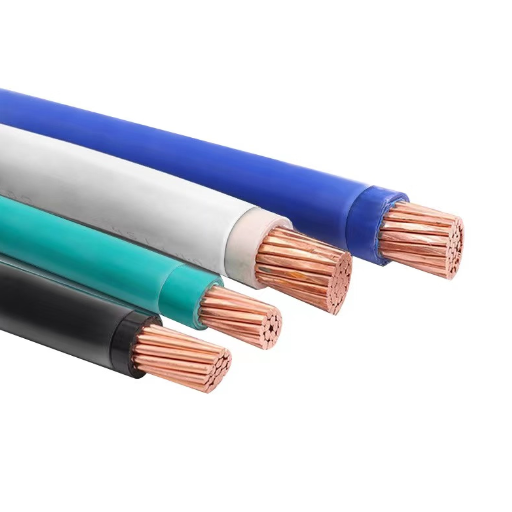
Environmental conditions go with deciding between the two types. THHN wire is eligible for dry or damp locations in which conditions might never surpass 90°C. It is a commonly used general-purpose type for installation inside conduits in controlled indoor environments.
XHHW is more durable and can be used where wet or harsh environments, e.g., underground conduit or outdoor application. The insulation can withstand moisture, chemical agents, and extremes of temperature. Hence, it is suited for applications that require more demanding conditions. Judging the specific needs that the project will require will definitely help decide which type of wire goes more along with the conditions where it is to be operated, making sure it is safe and performs well in there.
Installation Techniques for THHN Wire
Installing THHN wire requires following certain protocols for safety, proper operation, and compliance with the electrical codes. These wires are usually laid out in slightly damp or dry environments. The Thhn wire has to be inserted through approved conduits, either made of PVC or metal tubes, to protect its insulation from being damaged due to physical impacts or environmental exposure. While pulling the wire, one has to take care not to exceed the maximum recommended pulling tension or the minimum bend radius, as this may damage either the insulation or the conductor.
The installation should comply with all applicable standards of the National Electrical Code (NEC), like conduit-fill calculations to ensure the proper adequacy of space for heat dissipation and prevent the overheating of the system. After terminating the THHN wire, ensure that connections are secure and that the wire is not rated for ampacity exceeding safe ampacity ratings, taking into account ambient temperature adjustments as described in the NEC specifications. Proper labeling, grounding, and strain relief should be provided to ease maintenance and enhance system dependability.
THHN wire installation for residential, commercial, or industrial use must be planned thoroughly, followed by application of manufacturer instructions, and local and national regulatory codes for successful and safe operation.
Installation Techniques for XHHW Wire
Installing XHHW wire or Cross-Linked High Heat Water Resistant wire requires adherence to proper industrial standards and best practices to ensure safety, longevity, and code compliance. At first, one must see if the XHHW wire is suitable for the particular application under consideration based on voltage ratings, conductor material (either aluminum or copper), and all environmental factors, such as wet or dry locations. An NEC code must be followed as well when sizing conductors to their ampacity, considering temperature ratings and derating factors.
Conduit systems to be installed must be of proper size to allow passage of wires without exceeding fill percentages permitted by codes. The XHHW wire is compatible with both metallic and non-metallic conduits, but steps must be taken during bending to keep the insulation from being damaged. Insulated with cross-linked polyethylene (XLPE), the wire features very good resistance to mechanical abrasion and temperatures, thereby best suited for conditions that apply high-level stress of high level.
At terminations, an effective method of securing the wire by applying strain relief connectors is normally employed to avoid mechanical stress. The insulation should be stripped using tools that protect the conductor from nicks and weakening, and grounding according to approved bonding techniques should be carried out. Ensuring compatibility with the system components, especially in an environment of high moisture or corrosiveness, guarantees electrical integrity over time.
An essential step in the installation process for establishing conductor continuity and verifying insulator resistance is the testing and inspection phase. With the practices listed above in mind, and referring to the manufacturer’s instructions, electricians can efficiently install XHHW wire while staying in compliance with the applicable standards.
Choosing the Right Wiring for Wet Locations
Materials and insulation types are always preferred, which can resist the entry of moisture and prevent hazard potentials when working in wet environments. For wet locations, conductors such as THWN-2, XHHW-2, and UF-B are popularly recommended on account of their water-resistant properties. THWN-2 and XHHW-2 wires contain thermoplastic or cross-linked polyethylene insulation that is very capable of protecting the wire against moisture, temperature variations, or potential exposure to corrosive agents. Another installation of UF-B wire is for underground wiring since it is tough enough to resist the moisture found underground.
Always check if all the wiring is specified for terrains permitted by the NEC (National Electric Code), since all installations must ensure their compatibility as well as structural soundness under adverse conditions. Next, go to the manufacturer’s manual to ascertain the wire splits for a particular industrial, residential, or outdoor application. Following the wire, one comes to the conduit itself; proper sealing of the conduit from water ingress will ultimately keep your electrical system long-lived and reliable. Addressing these aspects together will provide an efficient wiring solution for wet environments.
THHN vs XHHW-2: A Further Comparison
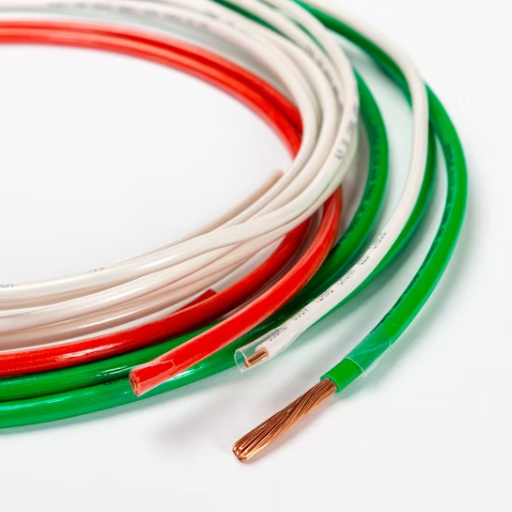
This is mainly the difference between THHN and XHHW-2 wires: insulation and performance under certain environmental conditions. The thermoplastic insulation with a nylon jacket renders it fairly rigid and durable, appropriate for dry or controlled environments. The XHHW-2, on the other hand, makes use of cross-linked polyethylene insulation, which lends it more flexibility and moisture resistance, outdoor or underground usages.
It can also be rated at higher ambient temperatures than XHHW-2-wet, 90°C, and dry, 90°C+-even higher than that rated by THHN-75°C in wet applications. Therefore, XHHW-2 could be best for more demanding environments, and THHN can be the more economical option for a typical installation. Choose the correct wire type based on the type of application, environmental conditions, and information from codes.
Differences Between XHHW and XHHW-2
Both XHHW and XHHW-2 are wire types surrounded by cross-linked polyethylene insulation used basically for building and industrial applications. The biggest difference tends to be temperature and environmental ratings.
The term XHHW stands for Cross-Linked High Heat Water-Resistant wire, and it is usually rated for 75°C in wet conditions and 90°C in dry. It offers good protection against moisture and abrasions; thus, it is fine for normal-type installations.
In contrast, XHHW-2 has a higher rating of 90°C for both dry and wet environments, and thus it is usable and employed in highly demanding conditions outdoors, such as being exposed to heat and moisture. This wire also meets stricter standards set by the NEC (National Electrical Code) for heavy-duty applications.
If higher temperature resistance is needed or the installation is subjected to harsh environmental stresses, XHHW-2 is the better choice. For less stress at the installation, XHHW can be sufficient. Also, always outline in the wire selection what the local code requires and the project specifications.
| Specification | XHHW | XHHW-2 |
|---|---|---|
| Temperature Rating (Dry) | 90°C | 90°C |
| Temperature Rating (Wet) | 75°C | 90°C |
| Insulation Material | Cross-linked polyethylene (XLPE) | Cross-linked polyethylene (XLPE) |
| Moisture Resistance | Good | Excellent |
| Best Applications | Normal installations, moderate conditions | Demanding outdoor conditions, harsh environments |
| NEC Standards | Compliant | Stricter compliance for heavy-duty applications |
Applications of THWN vs XHHW
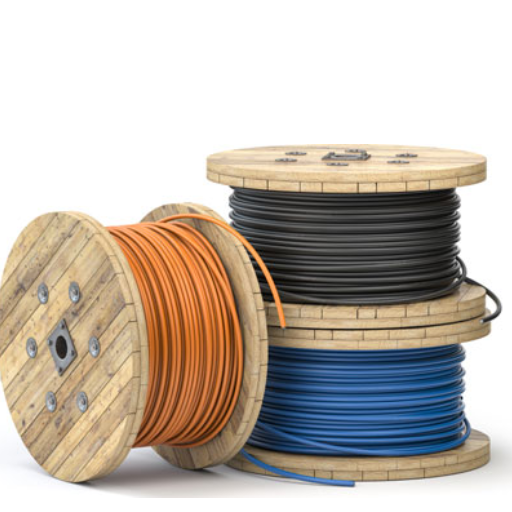
As for the applications of THWN and XHHW wires, properties specific to each render them suitable for different environments and requirements:
THWN Applications
THWN, an acronym standing for Thermoplastic High Water- and Heat-Resistant Nylon-coated, is designed mainly for use in residential and commercial electrical wires, where some contact with water or moist environments is expected. With water-resistant qualities, this cable is warranted for installation in conduit indoors or outdoors. The standard use of THWN is more or less specified for environments of 75 degrees Celsius under wet conditions and 90 degrees Celsius under dry conditions as per the National Electrical Code.
XHHW Applications
The Types XHHW (Cross-Linked High Heat- and Water-Resistant) are indeed for higher demands. The cross-linked polyethylene insulation in these cables provides excellent durability, making it more suitable in industrial settings and in regions of extreme temperature. This wire does resist abrasion, chemicals, and sunlight, and is therefore the best choice for underground installation under conduits, outdoors, and in wet and corrosive environments. It is rated for 90°C in both wet and dry conditions, representing exceptional versatility and performance under stress.
Comparison and Selection
Both types can be used in residential and commercial installations, but the XHHW would be best suited for harsher environmental settings, such as industrial offices, ultraviolet exposure, or underground applications. THWN, on the other hand, remains an economical choice for general-purpose indoor or outdoor wiring.
In order to select the appropriate wire so that the installations are safe and efficient, project-specific requirements, such as temperature ratings, environmental stress, and adherence to local codes, must be assessed.
Choosing Between THHN and THWN for Specific Projects
THHN and THWN wiring are distinguished for environmental conditions, electrical requirements, and code standards applicable to a specific project. Generally, THHN tends to be preferred for dry indoor applications by virtue of PVC insulation and higher heat resistance of 90°C in dry locations. In contrast, THWN type of wiring, which has water-resistant insulation, should be considered for any kind of wet or outdoor environment with the temperature rating of 75°C in wet conditions. While the two types of wiring can overlap at times in terms of uses, proper installation per NEC requirements related to the conditions of the project must be considered. An analysis of the operational requirements, such as being resistant to water, oil, and heat, versus installation costs, would help you decide on a wire type that guarantees long-term performance and the safety of your contractor’s work. Always check the manufacturer’s technical data as well as local building and fire codes for the final decision.
Applications of THHN and XHHW Wiring
THHN wire is generally used in indoor settings, mainly for general-purpose electrical work such as conduit or raceway building wiring. Suitable for dry locations, it is commonly chosen in commercial and industrial environments on account of its lower cost and heat resistance.
XHHW wiring, meanwhile, works well in both dry and wet locations. Having enhanced insulation, it is best suited for underground applications, outside installations, or places where moisture or chemical exposure is expected. It is often used for residential, industrial, and utility projects where life and environmental resistance factors as a concern.
Common Uses for THHN Wire
The features that increase its flexibility, durability, and cost-efficiency make THHN wire highly desired in varied applications. Some areas of application are:
Indoor Electrical Wiring
THHN wires are used for general-purpose electrical wiring in residential and commercial buildings under dry locations. They are laid through conduit and raceway systems and are thus a standard choice for electrical power distribution.
Lighting and Control Circuits
Where there is a high-temperature environment, this wire is suitable for lighting and control circuits, thereby ensuring constant performance and safety under intensive circumstances.
Machine and Equipment Wiring
THHN is used widely in the industrial sector for wiring machinery and equipment, thanks to its high heat resistance and nylon coating that cleverly offers extra protection from abrasion and chemical exposure.
This wide array of applications comes from the features imparted to the wire by way of high-impact thermoplastic insulation and protective nylon outer jacket to perform and be reliable in varied environments.
Common Uses for XHHW Wire
XHHW wires find a wide range of use in electrical applications where durability has to be assured. I’ve found from my experience that it works best in power distribution systems in residential, commercial, and industrial erections, mainly due to its superior insulation and flexibility. It is also made to withstand wet and dry situations, being ideal for conduit and raceway installations; it resists heat, moisture, and chemicals for long-term performance against harsh treatment.
| Application Type | Recommended Wire | Reason |
|---|---|---|
| Indoor Residential Wiring | THHN | Cost-effective, suitable for dry locations, easy installation |
| Commercial Building Wiring | THHN | Economical, meets code requirements for controlled environments |
| Underground Installations | XHHW / XHHW-2 | Superior moisture resistance, suitable for direct burial |
| Outdoor Electrical Systems | XHHW / XHHW-2 | UV resistance, weather resistance, moisture protection |
| Control Circuits | THHN | Flexible, suitable for industrial control panels |
| Power Distribution | XHHW | Higher durability, suitable for demanding applications |
| Feeder Circuits | Both THHN & XHHW | Depends on environmental conditions and budget |
| Wet Locations | XHHW-2 | 90°C rating in wet conditions, superior moisture protection |
| Machine Wiring | THHN | Chemical and oil resistance, abrasion protection |
| Harsh Industrial Environments | XHHW / XHHW-2 | Superior environmental resistance, longer lifespan |
Choosing the Right Wire for Your Project
There are several key factors to consider when selecting wires for a particular project to enhance safety, efficacy, and ensure the law of standards governing the matter is adhered to. Here are some considerations:
Wire Gauge and Ampacity
The thickness of a wire, being one essential property of wire, is measured by American Wire Gauge (AWG). This thickness determines the ampacity of the individual wire or the current it can carry under safe conditions. Thin wires have higher gauge numbers, whereas thick wires have lower gauge numbers. Thus, a 12 AWG wire would commonly be used for general lighting circuits, whereas a 10 AWG wire goes to large appliances or equipment with higher-power requirements. The importance of ampacity is very much spoken of in relation to voltage drop and circuit length.
Conductor Material
Copper and aluminum remain the primary conductor materials. Copper presents somewhat better electrical conductivity and high durability and heat resistance; hence, most uses favor copper. Aluminum is less conductive and lighter; however, given the higher costs for copper, it remains the best choice for large transmission lines or certain residential applications that would have anti-oxidation treatment.
Insulation Type
The wire insulation keeps it safe from environmental effects such as moisture, heat, and chemicals. Indoor residential applications commonly use non-metallic (NM) sheathed cable; they prefer thermoplastic high-heat-resistant nylon-coated (THHN) wires for commercial or industrial spaces, using their advantages of versatility and mechanical strength. Applications requiring wet or outdoor environments can go with an underground feeder (UF) cable or a weather-resistant jacket.
Voltage Ratings
Operating voltage determines the wire to consider. On the other hand, standard home wiring voltages are usually 120V or 240V. Industrial systems necessitate wires of a higher rating to preclude insulation breakdown or malfunction of systems.
Environmental Conditions
Locations and environmental exposure are important considerations concerning wires. Any wire taken outdoors must be resistant to sun rays and impervious to moisture. Underground wiring often calls for cables rated for direct burial, whereas annealing at high temperatures may require thermoset insulations.
Compliance and Codes
According to the NEC and local code requirements during installation, cables shall be appropriately rated and labeled by a recognized testing agency such as the UL.
Considering these factors, it is certain that the wire chosen for the project satisfies all operational and safety standards, making it both efficient and reliable in the long run.
Key Decision Factors: Quick Reference Guide
| Decision Factor | Choose THHN If… | Choose XHHW If… |
|---|---|---|
| Budget | Cost is a primary concern and environment is controlled | Long-term durability justifies higher initial investment |
| Location | Installation is indoors in dry or damp locations | Installation is outdoors, underground, or in wet locations |
| Moisture Exposure | Minimal or no moisture exposure expected | Significant moisture or water exposure anticipated |
| Temperature Requirements | Dry location with 90°C rating sufficient | Need 90°C rating in both wet and dry (XHHW-2) |
| UV Exposure | Wire will be protected in conduit from sunlight | Direct or prolonged UV exposure expected |
| Environmental Stress | Controlled environment with minimal stress factors | Harsh conditions with chemical, heat, or abrasion concerns |
| Installation Type | Standard conduit installation indoors | Direct burial or outdoor conduit installation |
| Flexibility Needs | Standard flexibility is adequate | Enhanced flexibility needed for complex routing |
Conclusion: Making the Informed Choice
Summary of Key Differences
Understanding the distinctions between THHN and XHHW wires is essential for any electrical project, whether residential, commercial, or industrial. Both wire types serve critical roles in modern electrical systems, but their unique characteristics make them suitable for different applications and environments.
THHN wire stands out as an economical and versatile option for controlled indoor environments. Its thermoplastic insulation with nylon coating provides adequate protection against abrasion, chemicals, and oils, making it ideal for general-purpose wiring in buildings. With a temperature rating of 90°C in dry locations and 75°C in wet conditions, THHN meets the requirements for most standard electrical installations. Its thinner insulation allows for more efficient use of conduit space, reducing installation costs. However, its limitations in moisture resistance and UV exposure mean it’s best suited for protected indoor applications.
XHHW wire represents a premium choice designed for demanding environments. Its cross-linked polyethylene (XLPE) insulation provides superior protection against moisture, heat, chemicals, and UV radiation. This makes XHHW the preferred option for outdoor installations, underground applications, and any location where environmental stressors are significant. The XHHW-2 variant, with its 90°C rating in both wet and dry conditions, offers even greater versatility for harsh environments. While the initial cost is higher than THHN, the enhanced durability and extended lifespan often justify the investment in challenging applications.
Making the Right Selection
The choice between THHN and XHHW ultimately depends on a thorough assessment of your project’s specific requirements:
- Environmental Conditions: Evaluate the installation location carefully. Indoor, climate-controlled spaces favor THHN, while outdoor, underground, or moisture-prone areas require XHHW.
- Temperature Requirements: Consider both ambient temperatures and the heat generated by electrical loads. XHHW-2 provides consistent 90°C performance in all conditions.
- Budget Constraints: THHN offers excellent value for standard applications, while XHHW’s higher initial cost pays dividends in demanding environments through reduced maintenance and longer service life.
- Code Compliance: Always verify that your wire selection meets National Electrical Code (NEC) requirements and local building codes for your specific application.
- Long-term Planning: Consider future modifications, environmental changes, and maintenance requirements when making your selection.
Professional Recommendations
For optimal results, professional electricians often maintain both wire types in their inventory, selecting the appropriate option based on each project’s unique demands. In mixed applications, such as a building with both indoor and outdoor components, using THHN for interior work and XHHW for exterior connections provides the best balance of performance and cost-efficiency.
Remember that proper installation technique is as important as wire selection. Regardless of which wire type you choose, adherence to manufacturer specifications, NEC guidelines, and local codes ensures safe, reliable, and long-lasting electrical systems. When in doubt, consulting with a licensed electrician or electrical engineer can provide valuable insights specific to your project’s requirements.
⚠️ Important Safety Notice
Electrical work can be dangerous and should only be performed by qualified professionals. Always disconnect power before working on electrical systems. Ensure all installations comply with the National Electrical Code (NEC) and local regulations. Improper wire selection or installation can result in fire hazards, equipment damage, electrical shock, or fatality. When uncertain about any aspect of electrical wiring, consult a licensed electrician. Safety should always be the primary consideration in any electrical project.
💡 Final Tips for Success
- Always purchase wire from reputable manufacturers with proper UL listings
- Store wire properly to prevent insulation damage before installation
- Use appropriate tools for stripping and terminating conductors
- Label all circuits clearly for future maintenance and troubleshooting
- Keep detailed records of wire types, gauges, and routing for each installation
- Perform regular inspections of electrical systems, especially in harsh environments
- Stay updated on code changes and industry best practices
Reference Sources
Frequently Asked Questions (FAQs)
What makes the difference between THHN versus XHHW wire?
THHN versus XHHW wires are one category, ensuring diversity in the electrical industry that differs in characteristics. THHN wire is essentially thermoplastic, high-heat-resistant nylon-coated wire used primarily in dry locations. XHHW, on the other hand, has cross-linked polyethylene insulation, so one can install it in wet or dry locations. Here lies the key difference between types, insulation material, and the application, wherein XHHW enjoys versatility when it comes to environmental conditions.
What is the comparison between THHN and THWN?
THHN is often compared with the type of wire, THWN. THWN wire is rated for wet locations and is heat-resistant as well. The main difference is that THWN wire is moisture-resistant, thus being used in outdoor/damp environments; however, THHN is not rated for similar situations.
Can XHHW-2 wire be used in wet locations?
XHHW-2 wire is suitable for use in wet locations. Its insulation is manufactured to resist moisture and chemicals, so it becomes an appropriate choice for varied applications, including those sites located in underground and water-exposed places.
What are the strong points and shortfalls of THHN vs XHHW?
THHN wire’s strongest points include heat resistance and versatile applications in dry environments. Its chief disadvantage is the inability to be used in wet locations. On the other hand, XHHW’s strength is in moisture and chemical resistance, being the choice for harsher environments, but it might not be as resistant to heat as THHN in high-heat cases.
Is the usage of XHHW wire supported on a single conductor basis?
Yes, the usage of XHHW wire is supported on a single-conductor basis. It is used in a variety of applications wherever multiple conductors are called for, and the strength of the insulation allows it to perform well in both residential and industrial environments, whichever way it is used.
Insulation materials used in THHN and XHHW?
THHN wire uses nylon as an outer sheath and provides high resistance to abrasion, whereas XHHW is crosslinked polyethylene insulation and resists chemicals and moisture. Due to the insulation materials, their use differs according to different environments.
Which is better for machine tools, THHN or XHHW?
For machine tools, it is generally better to use THHN because it is heat-resistant and also durable in dry environments. XHHW wire would be the best alternative used with machine tools located anywhere exposed to moisture for its chemical resistance and wet conditions.
What is the dual rating of XHHW-2 wire?
XHHW-2 wire has a dual rating for both wet and dry locations. This type of dual rating will make the wire more flexible in performing electrical installation under circumstances that may change.
How does the aluminum THHN compare with copper THHN?
Aluminum THHN is lighter and is often also cheaper when compared to copper THHN. When copper THHN is being installed, it provides better conductivity and strength. The decision between one or the other is usually based on specific electrical requirements and price considerations.