








Choosing a good speaker wire is often overlooked when striving for good sound quality in a speaker system. Whether it be a beautiful home theater, a slick stereo setup, or the sort of setup Atkins would build for himself, good speaker wires will improve sonic performance and sound clarity. This article digs into everything you want to know about speaker wire: types of wire, product features, and some dos and don’ts to pick the right one for your system. After finishing, you should be able to make an excellent choice for your listening pleasure.
Introduction to Speaker Wire
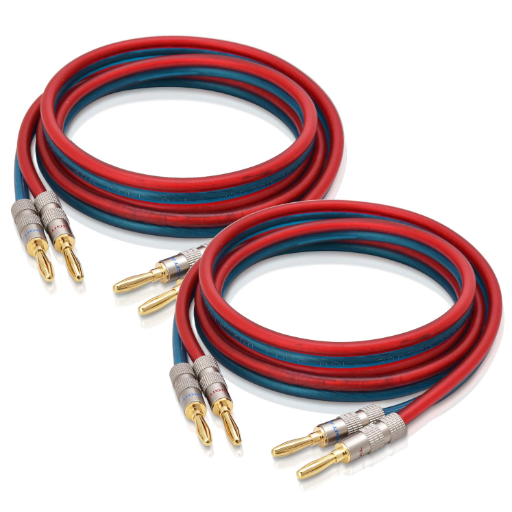
Speaker wire is the mainstay of any sound setup, carrying audio signals from the amplifier to the speakers. Its existence is to promote clear and precise sound transmission. The key considerations to be made when choosing speaker wire are its gauge, material, and length. Sometimes, a lower gauge number means a thicker wire; therefore, it helps in the reduction of signal loss for longer distances. Most speaker wires would be copper because it is the best conductor of electricity, but copper-clad aluminum (CCA) is available as a very cheap alternative. The shorter the wire, the better it performs and provides the least resistance in loss of signal.
What is Speaker Wire?
Speaker wires are an essential piece of equipment for an audio system, transmitting audio signals from the amplifier to the speakers. There are usually two or more conductors with some sort of plastic or rubber insulation so that signals can be transmitted safely and efficiently. The fundamental aim of the speaker wire is to carry audio frequencies without much loss, as the amount of loss would affect overall audio quality.
The wire quality depends largely on the gauge, length, and material. For instance, thicker wires (meaning lower gauge numbers) are used to lessen resistance and retain sound quality, especially over long distances. Industry standards indicate that for under 50 feet, 16-gauge wire will do fine. Beyond 50 feet, use 14-gauge or even 12-gauge wire to prevent the signal from deteriorating.
For the budget-conscious, copper-clad aluminum (CCA) cables sit a notch below; an alternate and quite popular choice for many, even though CCA might offer slightly higher resistive losses.
Secondly, the length of the wire counts, too. Longer wires mean more resistance, which means losing a little bit of the signal. Ideally, for top-notch sound, you want to keep the wire as short as possible while maintaining a good connection to your gear.
Importance of Wire in Audio Systems
In an audio system, the wire will enormously affect sound intensity and performance. Gauge is one important consideration since higher- or thicker-wire numbers would mean less conductivity, good resistance along long distances. Using 16-gauge wire for nearly all home-audio wire applications would suffice below 50 feet. The longer the wire run or the higher the power, the more likely a 12-gauge or even 10-gauge wire will be better to limit signal loss.
| Distance | Recommended Gauge | Conductivity | Signal Loss |
|---|---|---|---|
| Under 50 feet | 16 AWG | Excellent | Minimal |
| 50-100 feet | 14 AWG | Very Good | Low |
| Over 100 feet | 12 AWG or lower | Optimal | Controlled |
The composition of the material is also an affecting consideration. Pure copper wires are considered the standard to be followed because copper possesses great conductivity and durability. CCA wires may have only 60-70% conductivity of pure copper and should be used in shorter distances or lower power requirements merely because they are cheaper. On the contrary, OFC would be more expensive but promises slightly higher conductivity than regular copper and more resistance to oxidation, which clarifies the sound and makes the wire last longer.
The recent industry insights also speak that if a typical 8-ohm stock has been improperly wired and erected, you could lose nearly 5% of signal strength every 50 feet. It thus drives the point as to why wire should not only be quality, but also of the right length, and rightly installed. For high-resolution audio formats, wires must conform to bandwidth and conductivity specifications to carry the complete dynamic range of the sound.
Types of Speaker Wires Available
Understanding speaker wires and their various types will help you understand how to better select the speaker wire you need:
Copper Wire
Copper is the most common wire material for speakers. Copper is said to be the best conductor, and it is also economical in price. On regular installations, these wires can deliver what is expected of them. On the other hand, oxygen-free copper wire is a superior grade wire and resists oxidation for greater durability, and improves signal quality.
Copper-Clad Aluminum (CCA)
Wires using copper-clad aluminum offer the cheapest option to a pure copper wire. Less conductive than copper, however, certain wires are lighter in weight and can be good for short-distance audio connections, but they are less desirable for high-end systems.
Silver-Plated Copper Wire
These wires combine the conductivity of silver with the cost-effectiveness of copper. Generally, they are used in high-end audio applications and longer runs where ensuring the lowest resistance is a priority.
Gauge-Specific Wire (AWG)
Speaker wires typically come in varying thicknesses, the measurements of which are expressed by the American Wire Gauge (AWG) system. Thicker wires (fewer gauge numbers, such as 12AWG) are suggested to be used for long distances or in high-power systems, whereas wires that are thin (higher gauge numbers, such as 16AWG) may be employed for short runs and medium systems.
Choosing the right type and gauge of speaker wire depends on various factors, such as the requirements of the system, the budget, and how complicated the installation would get, among others. Of course, quality material and a wire of the proper gauge are what’s going to ensure the best sound and long life.
Understanding Wire Gauge and Its Impact
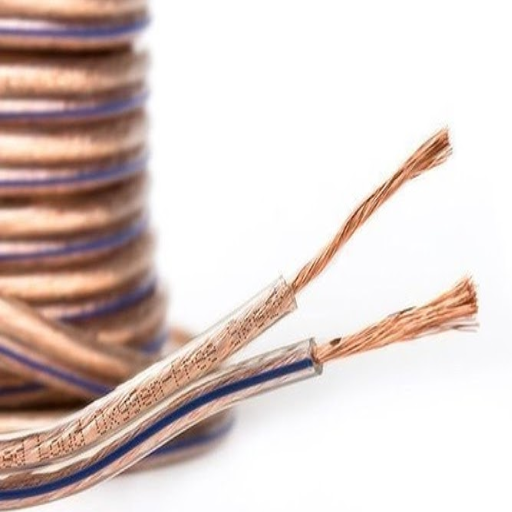
Wire gauge is related to the thickness of the speaker wire, which allows it to play a major role in the entire audio quality and performance package. Greater thickness, such as 12AWG, would be ideal for longer distances or high-power systems, as the resistance and the signal loss are kept to a minimum. A thinner gauge of 16AWG would suffice for shorter runs or for a system that has fewer power requirements. Choosing the right gauge helps in ensuring that power is delivered effectively to the speakers, which decreases distortion and sharpens sound clarity.
What is Wire Gauge?
Wire gauge is a measurement standard all about the thickness of the electrical wires in question: in this instance, the speaker wires. In the American Wire Gauge (AWG) system, lower numbers denote thicker wires, while higher numbers denote thinner ones. For example, a 12-gauge wire is thicker than a 16-gauge wire. The thickness of the wire directly affects resistance and the efficiency with which it carries current.
| Wire Gauge (AWG) | Thickness | Resistance (per 100ft) | Best Use Case |
|---|---|---|---|
| 12 AWG | Thickest | ~1.6 ohms | Long runs, high power |
| 14 AWG | Thick | ~2.5 ohms | Medium runs, moderate power |
| 16 AWG | Standard | ~4.0 ohms | Short runs, standard power |
| 18 AWG | Thin | ~6.4 ohms | Very short runs, low power |
Thicker wires, such as 12AWG and 14AWG, are favored in long cable runs (over 50 feet) or higher-power audio systems due to lower resistance and less signal loss. Thinner wires like 16AWG or 18AWG, however, are more appropriate for short cables (less than 50 feet) and low-power systems, where the resistance and signal loss matter less.
Choosing the Right Wire Gauge for Your Setup
When determining the wire gauge for an audio setup, some considerations are:
- Distance Between Components: The fading losses increase with distance, and so should the thickness of the wire connected between the amplifier and speakers. Short under 50 feet: 16-gauge wire will do fine. Longer run: anything thicker than 14-gauge wire is recommended.
- Impedance of Speakers: This is another vital factor affecting wire choice. If your speakers are low-impedance ones, 4 or 6 ohms for instance, they need parallel thicker wires (like 12 or 14 gauge) to supply enough power and limit resistance for their best performance.
- Power Output of the Amplifier: Amplifiers with higher output require a greater flow of current. Thicker wire is suitable as it supports the increased power output without losing signal quality.
- Wire Material: Most engineers would pick a copper conductor for their cables because of its very good conductivity, but oxygen-free copper provides superior performance. Consider the wire quality to maximize long-term durability and performance.
By the above factors and matching the wire gauge with the requirements at hand, one obtains maximum efficiency or minimum distortion, with the best level of audio clarity possible in his system.
How Wire Gauge Affects Sound Quality
Wire gauge is extremely important when it comes to sound quality, as it influences resistance, power delivery, and clarity. Thick wires (smaller gauge numbers) have less resistance and thus can carry audio signals more efficiently, especially if the distance is long. It results in signal loss and distortion; thus, the thin wires offer crisp, clear, and fuller sound. With the higher wire gauge, signal loss occurs, mainly noticeable in high-power systems and when wiring needs to travel long distances.
For short-distance wire runs of less than 50 feet and for regular audio systems, 16-gauge wires are said to be sufficient. For longer line runs and high-powered systems or demanding applications, either a 14- or 12-wire would do a better job. While specifying the wire gauge for an audio system, one must take into account the exact requirements of the system at hand and the presence of the environment where it operates, as choosing the right wire gauge can make all the difference in amplification of audio clarity and the overall listening experience.
Determining the Right Length of Speaker Wire
When determining the exact length of the speaker wire, first and foremost, measure, or rather consider, the distance between the audio source and the speaker by following the path that the wire will actually take, as it may not be a straight line. Give it some leeway; a couple of extra feet will do so for either flexibility, future modification, or obstacles that would need to be worked around. Their having too much slack is a daunting thought to efficiency; long wires will inherently sap energy from the signal. The ideal size of a wire is the one that offers just enough length for working with and as little excess as possible for neat wiring.
Measuring Distance for Your Setup
When determining the distances for your speaker wiring, one always has to balance precision with practicality. The starting point is to mark where the audio source will be placed, alongside the speakers. Then one takes either a measuring tape or a laser distance measurer and follows the actual path that the wire will take, considering bends and corners. The wire will have to go around obstacles like furniture, walls, or equipment. It’s good to leave a little bit of slack in the wire length – a 10-15% extra is never a bad idea, in case a few adjustments need to be made or unforeseen changes occur later on.
Plus, the longer the speaker wire, the more resistance it has, so for systems with speaker wires ranging in length greater than 50 feet, lower gauge speaker wires (say 14 or 12 AWG) should be duly considered to retain the quality of audio. A proper measurement and selection of the wire length would not only ensure an organized and efficient setup but would also guarantee a better sound performance.
Length Recommendations for Different Speaker Systems
When setting up speaker systems, the length of the wires plays an important role in maintaining the optimum performance of the audio. Given below is a breakdown of the different wire lengths used in different systems to provide the best sound quality:
| Speaker System | Typical Wire Length | Recommended Gauge | Special Considerations |
|---|---|---|---|
| Home Theater Systems | 20-40 feet | 16 AWG (up to 50ft), 14 AWG (longer) | Medium to large distances |
| Bookshelf Speakers | 6-12 feet | 18 AWG sufficient | Closer to amplifier placement |
| Outdoor Speaker Systems | 30-80+ feet | 14 or 12 AWG | Weather resistance needed |
| Professional Studio Monitors | 5-15 feet | 16 or 18 AWG | Precision and accuracy focus |
| Audiophile-Grade Systems | 10-25 feet | 12 AWG preferred | Premium materials for purity |
Detailed System Breakdowns:
- Home Theater Systems: In a typical home theatre setting, wherein the speakers are at medium-to-large distances from each other, wire lengths perhaps range from 20 to 40 feet, depending upon layout. It is recommended to use 16 AWG wire for distances up to 50 feet. For longer working distances, use 14 or 12 AWG wire to avoid signal degradation.
- Bookshelf Speakers: Bookshelf speakers usually require a wire length of around 6 to 12 feet since they are placed closer to the amplifier. 18 AWG wire suffices for these smaller distances owing to the working power requirements of bookshelf speakers themselves.
- Outdoor Speaker Systems: Outdoor speakers need longer runs of wire, somewhere between 30 and 80 feet or more, depending on their placement in large yards or patios. Over these long distances, use the higher-quality 14 or 12 AWG wire, because while sending the audio signals, environmental factors such as exposure to moisture or a change in temperature might affect the signal.
- Professional Studio Monitors: Studio monitors tend to sit a little closer to the source equipment, requiring wire lengths on the order of five to fifteen feet. For such compact settings, 16 or 18 AWG wire is often much more than sufficient, given that they are engineered to give out clean and accurate sound over such short cable runs.
- Audiophile-Grade Systems: For high-end audiophile systems, precision is key. Even with shorter wire lengths ranging from 10 to 25 feet, many enthusiasts choose premium-grade cables and opt for 12 AWG to minimize resistance and maximize signal purity.
By giving a little thought to distance and wire gauge while also focusing on the peculiarities of your speaker system, you eventually end up with a neat connection and clear, high-quality sound in any setup.
Overcoming Length Challenges
Because of the longer runs, keeping clear and high-quality audio becomes more difficult due to signal degradation. One strategy to combat this problem is choosing thicker wires with gauges of 12 or even 10 AWG for lower resistance over longer distances. A wire of 12 AWG can last longer for signal transmission than a thinner 16 AWG wire up to 80 feet, whereas a 16 AWG wire might already start to show signal loss beyond 50 feet.
Using speaker cables with good conductor materials, such as pure 100% oxygen-free copper (OFC), can also aid in lowering resistance and ensuring high conductivity when compared to regular copper or copper-clad aluminum (CCA). For runs longer than 100 feet, signal boosters or external amplifiers might be the best option to help preserve audio fidelity while offsetting signal degradation.
Furthermore, shielding is crucial in environments susceptible to EMI. Choosing cables with stronger shielding materials can prevent disruption by power lines, wireless devices, or any other source of electronic gadgets. This combination of techniques builds the ultimate smooth audio experience, even in those setups where longer cable length is required.
Budget-Friendly Options for Speaker Wire
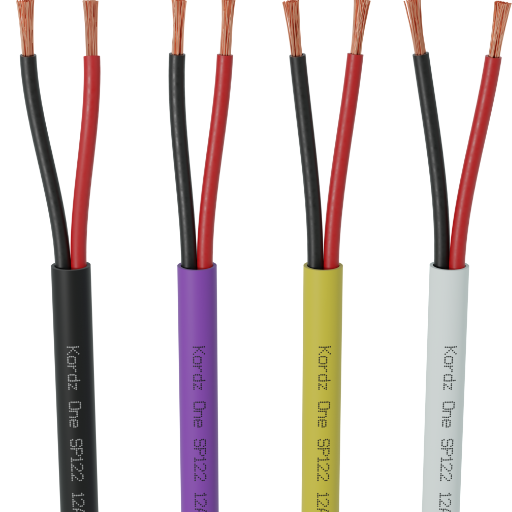
When looking for the less expensive speaker wire options, one should consider:
- Gauge: The 16-gauge wire is suitable for most home audio setups because it balances performance and cost. The 18-gauge wire would do, too, especially for shorter distances.
- Material: Since copper-clad aluminum (CCA) wires are cheaper than pure copper types, they can be used in basic setups but with somewhat greater resistance.
- Length: Only buy the length you will need in order to prevent paying for more and accumulating clutter in your hands. Measure your setup first for accuracy.
- Brands: Cheap brands such as AmazonBasics, Monoprice, and GearIT assure you of quality and cost-effectiveness.
With these in mind, you would be sure to find a speaker wire that is of good quality without breaking the bank.
Affordable Speaker Wire Choices
A few products highly praised for their quality and value are options for those searching for cheap speaker wires. Some of the great choices to consider in making a buying decision:
AmazonBasics 16-Gauge Wire
This particular speaker wire is sought after among budget-conscious buyers. It is constructed with a PVC jacket resistant to the scratches of daily activity; hence, it is pretty easy to cut and work with. A 100-foot length generally sells for about $15, making it one of the better-priced speaker wires for a basic home audio setup.
Monoprice 14-Gauge Oxygen-Free Copper Wire
Monoprice speaker wire features an oxygen-free copper design for better conductivity and less signal loss. A bit costlier than your standard CCA wire, this 100-footer is market-priced roughly at $30, offering a compromise between cost and performance.
GearIT Pro Series 16-Gauge Wire
Widely prized for its flexibility and toughness, another lesser-priced option is the GearIT Pro Series. Its length varies from 50 to 500 feet, greeting the diverse demands of users, with a 50-foot roll being priced at roughly $12. These CCAs provide adequate sound performance for the typical home system.
InstallGear 14-Gauge CCA Speaker Wire
This wire marries affordability and quality, with a tough outer jacket for durability. Priced at about $25 for 100 feet of wire, it will easily do well in any budget setup. The subtle color-coding of the wires makes the installation process a bit simpler.
KabelDirekt 16-Gauge Pure Copper Wire
Anyone who wants pure copper wires on a budget is provided a fine choice by KabelDirekt with very good signal transfer. Shorter lengths are available for compromise setups, about $20.00 for the 25-foot roll.
Each one offers reliable performances that a budget-conscious buyer would look for, keeping in mind the good sound quality and just under spending. When choosing speaker wire, take into account the particular needs of your setup, such as the length, gauge, and whether it is compatible with your equipment. Always check out product details and reviews by customers to get a more well-rounded view of your purchase.
Comparing Quality vs. Cost
Considering speaker wires, price versus performance is the paramount consideration for optimizing speaker performance on one’s budget. A higher price may suggest better materials or construction use of oxygen-free copper or gold-plated connectors to mitigate signal loss and offer ample time for warranty. To give a specific instance, cables such as AudioQuest Rocket 33 can reach $150 and above for even lesser lengths, tailored for the person who wants to be very sure that distortion and impedance are kept as low as possible, almost at zero.
Cheap wires like the AmazonBasics Speaker Wire, which should be under $30 for 100 feet, deliver good enough quality for everyday use. Standard copper is often used in cheap wires still good to transfer signals, but they may not stand the test of time or the refined manufacturing of their expensive alternative.
With flexible pricing, product warranties, and customer reviews, you should be able to pick cables suited to your needs without overspending. Continual research data keeps pointing at the fact that this might be one of the few product categories that suffer the law of diminishing returns once enough money is spent on them.
Best Budget-Friendly Brands
When it comes to budget-friendly audio wires, the picks have to strike a balance among quality, price, and approval rate. Among such brands, Monoprice is the best-known for its range of affordable yet really high-performance audio cables. Users cite durability and reliability as defining characteristics, along with many highly-rated products, including the Monoprice Speaker Wire.
Another good candidate for a value pick is Amazon Basics. This brand gives you well-built audio wires at a bargain price with pretty decent performance, the de facto brand for lay listeners and home systems. For instance, the Amazon Basics speaker wire is available in several lengths and gauges to suit different setups.
KabelDirekt is a European brand that garnered global attention for affordable products with stunning build quality. Their highly regarded speaker cables essentially come with oxygen-free copper conductors that ensure better conductivity and sound clarity. The products of KabelDirekt have also been known for their robust insulation to keep them ticking with time.
For those seeking audiophile-quality cables at bargain prices, UGREEN comes as another worthy contender. The brand strikes a balance of price against corrosion-resistant connectors and high-level materials to optimize sound transmission.
These brands are compelling data points for reliable yet inexpensive audio wires, as seen from their consistently high user ratings and expert recommendations across multiple platforms. Customers who rate affordability with performance should definitely have these top-rated providers on their radar.
Advanced Features in Speaker Wire
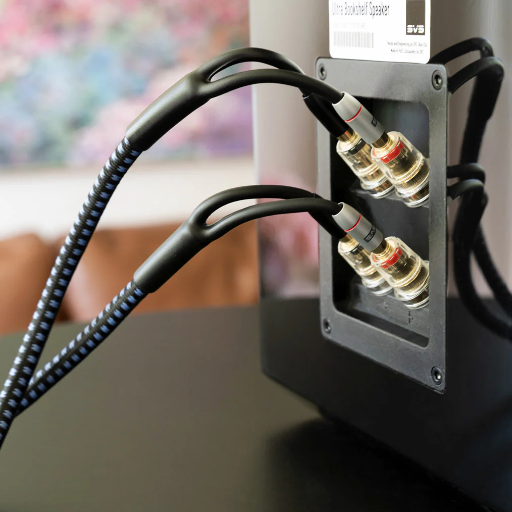
Modern speaker wires often carry additional features that can facilitate better performance and durability. Caution must be exercised to ensure the presence of such features as oxygen-free copper construction, as this ensures better conductivity with practically no loss in signal transmission. Some other features may include thicker gauges meant for longer cable runs to maintain consistent sound quality; enhanced insulation materials may be there to keep interference down and increase longevity, while the top-end wires will surely carry at least gold-plated connectors, resisting corrosion and ensuring the best connectivity. These features form sound and reliable audio transmission.
Volume Control Options
In considering volume control options, there are some considerations for the specific and convenient adjustment of audio. The wall volume control is best applied for fixed installations, thereby allowing access to parameters or setting volumes in certain rooms. Along the same line, the inline type offers a simple solution to setting the volume near the listening position, usually embedded inside speaker wires. Remote controls and smartphone applications are the most convenient options for volume control in wireless systems-that is, in modern smart home setups. Above all, look for compatibility with your system, durability, simplicity in installation, and ease of use, because these parameters will guarantee optimum performance and experience.
Choosing Conductors for Enhanced Performance
When selecting conductors for the best performance, I tend to use copper or silver because of their excellent conductivity and reliability. The conductors should be sized appropriately for the power and distance requirements of the circuit so that signal loss is minimized. I also insist on high-quality insulation on the conductors to protect against interference and mechanical wear so they can last longer and perform consistently. I aim to provide acceptable conductors with efficiency, durability, and cost-effectiveness.
Using 100ft Speaker Wires Effectively
On a 100ft plus setup, the considerations for wire gauge, wire material, and the environment must accommodate performance-related features. The wire gauge is of paramount importance-choose the thicker wire (lower gauge, such as 12 or 14 AWG) to have a lesser resistance against signal flow loss along long distances. High-grade copper or copper-clad aluminum wire must be there for great conductivity. It should also be adequately insulated to withstand environmental hazards like moisture or UV exposure.
- Choose 12 AWG or lower gauge for runs over 100 feet
- Use oxygen-free copper (OFC) for best conductivity
- Consider signal boosters for extremely long runs
- Ensure proper shielding in high-interference environments
- Match impedance correctly to prevent signal degradation
Avoiding connection errors not only prevents the degradation of your audio signal but also maintains optimum sound clarity. Shielded cable construction is possible for speakers, should interference be a concern. Evaluating the power requirements of your system and ensuring proper impedance also helps maintain clarity during sound delivery. Keep wire runs short where possible, or use signal boosters to enhance the sound quality over long distances and thereby make the best out of your 100ft speaker wires.
Reference Sources
1. Development of Analog to Digital Interface for Scalable Ultrasonic Sensor Array (2021)
3. Detection and Transmission of EEG Signal Using VLC (2022)
Frequently Asked Questions (FAQs)
What should be the best gauge for speaker wire in my home audio system?
The best gauge of speaker wire for your home audio system is often a function of one or two considerations: the length of the wire run and the power amplification on the desk. For shorter runs of under 50 ft., 16-gauge wire will usually be fine. For runs exceeding 50 ft., especially in a high-powered system, 14-gauge wire or even 12-gauge wire would do better to save loss and best performance.
How do I connect my loudspeaker using speaker wire connectors?
To connect wires to a loudspeaker, you strip the wire ends, exposing the bare copper. You may then connect banana plugs, spade connectors, or direct wiring into binding posts on the loudspeaker. The polarity must be respected, meaning the positive terminal of the amplifier must be connected to the positive terminal of the loudspeaker, and the same must follow for the negative.
What types of speaker wire can be used for in-wall installation?
In-wall installations require that the speaker wire be rated for in-wall use, such as CL2 or CL3. The said wires are made so that they meet safety standards and decrease the risk of a fire. They do come in various lengths and gauges, so that you can select the best one for your space while ensuring clear sound transmission.
Can I use bare copper wire for speaker wire in outdoor applications?
Yes, bare copper speaker wire can be used outdoors, but it is better if these wires are rated as direct burial so that moisture and other environmental factors do not affect them. Oxygen-free copper wire will also work since it minimizes oxidation and maximizes conductivity, which helps your sound system to work in outdoor settings.
What is the difference between stranded and solid conductor speaker wire?
Speaker wires with stranded conductors consist of several strands twisted together, allowing for flexibility and ease of handling, especially for lengthy runs. In contrast, a solid conductor wire is one single wire that may offer better conductivity for shorter runs. In home audio, stranded wires are used most commonly to minimize the risk of breakage during installation.
How does wire length affect speaker performance?
Lengths of the speaker wires have the greatest effect on performance in a high-grade system. Resistance and consequent signal loss constitute most of the problems, affecting the quality of sound transmission over long runs. Use a thicker gauge wire over long distances to keep low-frequency transmission efficiency high so that the low frequencies are not lost or muddled.
What advantages does the gold plating of connectors offer to speaker wires?
The gold-plated connectors provide better conductivity and corrosion resistance, thus improving the overall connection between audio components. This is especially useful in high-end audio systems where every detail counts. These connectors will keep the signal clean, and the sound system will give top-level performance.
How do I determine the strand count of my fiber wire?
Strand count in speaker wire is the term for the quantity of strands or filaments that constitute each conductor. You can cut a 1-inch wire and count the number of strands it contains. More strands equal more flexibility and better performance for longer runs, and therefore are preferred by audiophiles.
What do I consider when buying speaker wire for a shoestring audio system?
Speaker wires should be selected on the basis of gauge, materials, and length while working on a budget audio system setup. Although cheaper to purchase, solid copper can be supplemented with oxygen-free copper, which may boost the performance a bit with only a small cost difference incurred. Furthermore, look for wire that is easy to work with. Zip cord-type wires, for example, are fairly simple to install and sound quite good for the price.