

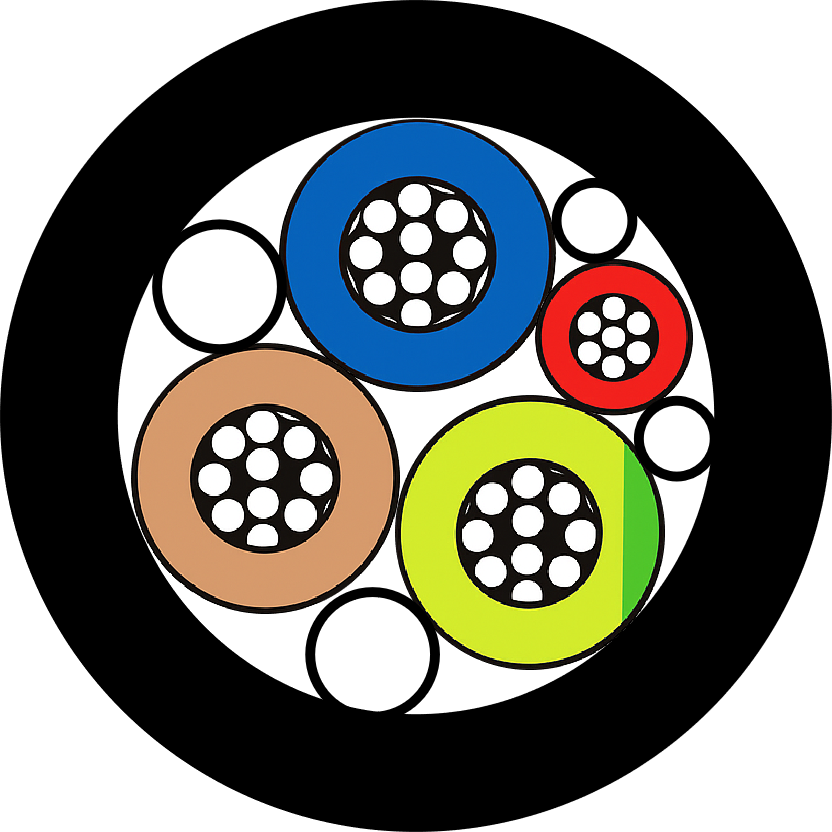





Electric wiring still remains a topic and a debate area for professionals and hobbyists, divided on the matter of stranded vs. solid wires. The argument is mostly centered on the question of which type of wire can carry more current. The current post intends to clear the ambiguity surrounding this issue by introducing and discussing a term, i.e., ampacity—the measure of the current-carrying capacity of a wire—and how the different structure of stranded and solid wires affects their performance in various applications. This article will give you a deep insight into the technical factors involved, and consequently, you will be able to make the right choice for the next wiring project.
Introduction to Stranded Wire
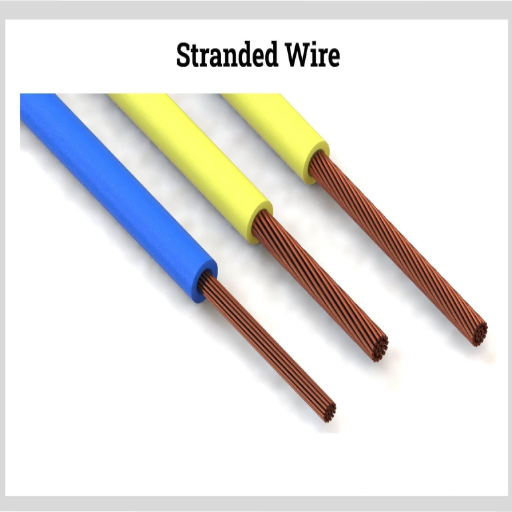
Stranded wire consists of numerous tiny wires twisted together into one conductor. The flexibility of stranded wire is great; thus, it is very suitable for applications involving bending or movement, often like the automotive or robotics industries. Moreover, the stranded structure makes it more resistant to mechanical stress, and the chances of breakage are lower. On the downside, stranded wire might show a slight increase in resistance because of the greater surface area of the conductors, which may affect performance in some applications like high-power or precision ones where resistance is a critical factor.
What is Stranded Wire?
Stranded wire is essentially a combination of several tiny wire conductors created by the bundling of many small wires. Such a design not only adds to the flexibility of the wires but also makes them more suitable in applications where constant vibration, bending, or movement occurs, like in robotics, automotive systems, and industrial machinery. The flexibility is due to the individual strands changing position with respect to one another, which keeps the wire from getting brittle or breaking under tension. Besides, the stranded wire has higher resistance to fatigue and damage caused by mechanical stress when compared to solid wire, but it does have a slightly higher electrical resistance. This is a consequence of the gaps between the strands and can affect its efficiency in high-power applications. But, still, the stranded wire is a very important part of the apparatus used for giving the industries the longevity and reliability they wish for.
Advantages of Stranded Wire
- Flexibility: The stranded wire’s characteristic of being very flexible permits its use for applications involving bending, moving, or vibrating that are done frequently. This flexibility lowers the chances of failure in dynamic settings, such as in robotics, cars, or machines.
- Durability under Stress: The configuration of multi-strands enhances the resistance to mechanical fatigue and stress cracking. This feature of stranded wire makes it very effective for industrial and high-stress applications.
- Improved Conductivity in Motion: Stranded wire, though slightly having higher resistance than solid wire, can still perform better in moving or vibrating systems because the flexibility does not risk breaks in conductivity.
- Ease of Installation: Stranded wire is easily installed in complex or cramped locations where solid wire could be difficult to manage or trace, thanks to its flexibility.
- Resistance to Fracture: Repeated bending or exposure to extreme conditions would lead to the snapping or fracturing of the stranded wires, but their long-term reliability still makes them ideal for the harshest environments.
- Versatility: Stranded wire, available in a wide range of sizes and configurations, can be adapted for use in electronics, construction, automotive, and aerospace industries, among others. Its versatility ensures that it is able to meet various operational requirements effectively.
Typical Applications of Stranded Cable
Stranded cable is a highly sought-after solution across various sectors for its durability, strength, and flexibility. Major applications are as follows:
Power Lines
Stranded wires are applied in electrical systems on a large scale, including power lines, control, and signal transmission. The wires can cope with the tough environment where movement or shaking is very frequent due to their excellent conductivity and flexibility.
Car Industry
Stranded cables are situated at the top of the list among the various wiring systems of vehicles because these cables are the only ones made of materials that can stand constant movement, vibrations, and climactic conditions of extreme heat and cold, as in automotive applications.
Aerospace Applications
In aerospace systems, where precision and reliability are of utmost importance, stranded cables have been installed for avionics, control systems, and communication wiring, thus guaranteeing the performance required even in the rigors of flight conditions.
Building and Infrastructure
Stranded cables have the power and persistence required for heavy-duty construction applications such as structural reinforcements, elevator systems, and cable bridges.
Telecoms
Stranded wires are found in data transmission cables, telephone lines, and networking, which are areas where flexibility and efficient signal conduction are of the highest importance.
Marine and Offshore Operations
The corrosion resistance and ability to survive in harsh, salty conditions have made stranded cables a “must-have” for maritime and offshore applications such as anchoring, towing, and rigging.
Industry Impact: Stranded cables have been able to fulfill a wide range of operational requirements and show that they are still a vital part of the technology and infrastructure evolution.
Solid Wire Basics
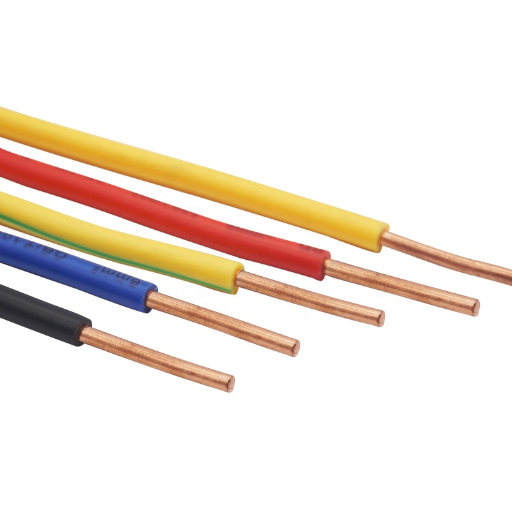
A solid wire, which is also referred to as a single-core wire, is made of one single strand of conductive material, usually copper or aluminum. It is preferred because of its uncomplicated nature, longevity, and lower resistance, which makes it perfect for applications in fixed installations, such as building wiring or electrical outlets, where very little movement is expected. The inflexibility of the solid wire provides a reliable connection that minimizes the chances of breaking or bending, and its user-friendliness makes it a preferred option for basic electrical systems.
What is Solid Wire?
Solid wire is a single, unbroken strand of conductive material, e.g., copper or aluminum, which is primarily used in electrical applications. It is tough and can withstand a lot of heat and corrosion, so it works well in places where the current is high and there is little resistance. Most often, solid wire is used in permanent installations such as residential and commercial building wiring, where its inflexibility guarantees dependable and safe connections. This wire is liked for its uncomplicatedness, low cost, and no difficulty in installation in areas with minimal or no movement or vibration.
Benefits of Using Solid Cable
- Enhanced Durability: Because of their single-conductor design, solid cables are very durable, indeed. This quality makes them quite resistant to wear and tear during continuous usage, thus guaranteeing long-term performance even in stationary setups.
- Superior Conductivity: Solid cables with almost no cross-sectional gaps possess very low electrical resistance, thus allowing the current to be easily transmitted. Hence, they are suitable for high-current applications where reliability is a primary concern.
- Cost-Effectiveness: Solid cables require a less complicated and less expensive manufacturing process than stranded ones. Consequently, they are cheaper, which is why they attract many budget-conscious projects.
- Ease of Installation: The solidwire’s inflexibility brings about a more straightforward handling and installation, particularly in simple situations such as wiring in a building. Their hardness indeed allows for a neat and secure installation.
- Resistance to Corrosion and Wear: The smallness of solid cables keeps them less exposed to harsh environmental conditions and thus adds to their corrosion resistance; this is especially true in dry or controlled conditions. This property improves their durability in permanent installations.
Common Uses for Solid Wire
Solid wire is primarily used in applications requiring a durable and low-maintenance solution, and therefore, it is the most common choice. Due to its stiffness and ease of installation, it is regularly used in electrical wiring of houses and offices, which guarantees that the connections inside the wall or the panel will be stable and last for a long time. In addition, this type of wire is also employed in the automobile industry for grounding and less complex circuits, where the connection must be both vibration-resistant and securely made. Moreover, solid wire is favored in high-frequency electronic projects because its single-wire structure reduces signal loss and interference. Thus, these major applications prove the wire’s dependability in permanent and low-movement surroundings.
Ampacity Comparison: Stranded vs Solid
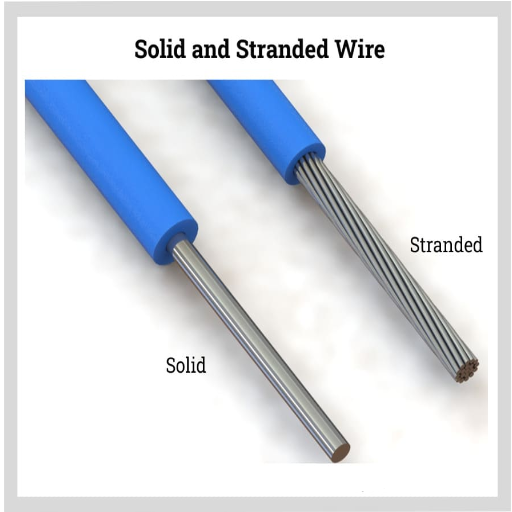
Stranded wire and solid wire have different ampacities based on their physical constructions. Generally speaking, solid wire can carry slightly more current than stranded wire of the same gauge because of its low resistance and energy loss caused by its surface area. Nevertheless, the difference in ampacity is usually so small that for most applications it is unnoticeable, as both types are made to comply with standardized ampacity ratings depending on their gauge and insulation. The choice of either should mainly be influenced by the flexibility needed and the particular environment where the wire will be utilized, instead of ampacity. Always check the corresponding ampacity chart and follow local electrical regulations to guarantee safe and successful use.
Understanding Current Capacity
The ampacity, or the current that can be passed through a conductor without it getting too hot, is affected by a lot of factors. The most important among them are wire gauge or cross-sectional area, insulation type, ambient temperature, and installation environment. The larger conductors have higher ampacity because their resistance is lower, while the insulation type determines at what temperature the wire can be operated safely. Moreover, ambient temperature is another factor that can significantly affect the performance of the wire, as higher temperatures can lower its maximum current-carrying capacity. Installation conditions, such as a wire being placed in a conduit or receiving direct sunlight, also influence the ability of the wire to dissipate heat and thus its performance. It is very important to consult the National Electrical Code (NEC) ampacity tables, as well as apply temperature and bunding correction factors, in order to guarantee compliance and safety of electrical systems.
Factors Affecting Ampacity
External Environmental Conditions
The cooling of the conductor, in which external factors have a very great say, is very much dependent on the temperature, humidity, and sunlight. If the temperature of the surrounding area goes up, the maximum current that the conductor can carry is reduced. The reason for the reduction is thermal damage that may result from the heat not being transferred. Conductors that receive one of the two extreme treatments, e.g., direct sunlight or no airflow at all, take longer and less efficient routes, respectively, for heat transfer to their surroundings. To arrive at an accurate ampacity value, the correction factors included in the NEC tables have to be applied, thus customizing the calculations for the actual site conditions.
Conductor Material and Size
The material and size of a conductor are the two most influential factors in determining its ampacity. The electrical conductors made of copper, for instance, mainly because copper is a better conductor of heat and electricity than aluminum, have greater ampacity. Also, the larger the conductor, the lower the resistance of the conductor per unit length, thus allowing the conductor to carry higher current loads without generating much heat. Hence, the selection of suitable materials and dimensions for electrical wires is demonstrated by the intrinsic characteristics of the system noise.
Installation Configuration
Installation practice is a significant factor in that it determines the rate at which the conductors will dissipate heat. The conductors in conduits that are bundled very tightly will find it hard to circulate cool air around them, and therefore, their very capacity will be decreased. Conductors that are well spaced apart and those in vented or open conduits will, as a result, get more air and prevent overheating. Insulating materials have also been a determining factor since they play a role with respect to the conductor’s heat. NEC correction factors must be employed when a particular installation condition is analyzed to get an accurate cable rating and system safety compliance.
Real-World Performance of Stranded vs Solid
The comparison of stranded and solid conductors’ performance depends on the factors specific to the application, such as flexibility, durability, and electrical efficiency. Stranded conductors, made up of several thin wires twisted together, have superior flexibility and are therefore suitable for applications where movement or vibration occurs frequently, like in robotics or mobile equipment. However, the downside of the flexibility feature is that it results in a little bit higher electrical resistance, which is due to the increased surface area and the air gaps in the strand structure. Hence, stranded wires might incur slightly higher energy losses than solid conductors.
On the other hand, solid conductors are the ones with a single, uninterrupted core, providing lower resistance and better conductivity for the same gauge size. They are the best choice for static installations or places where rigidity and constant connectivity are the main concerns, like residential wiring or PCB applications. In addition, the simplicity of solid wire constructions frequently entails lower manufacturing costs and better durability under fixed mechanical stress over time.
Critical Decision Factors: In considering the choice to be made between stranded and solid conductors, operating environment, flexibility requirements, current-carrying capacity, and cost-effectiveness are among the factors that must be taken into consideration. Compliance with the relevant electrical codes and standards guarantees that the conductor type chosen is in line with performance and safety specifications.
Current Carrying Capacity
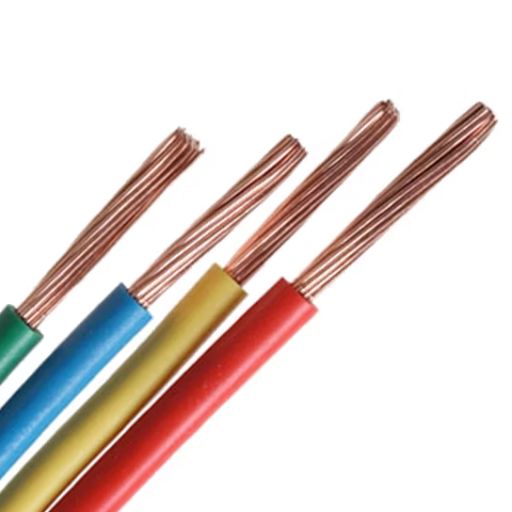
Current carrying capacity, which is also known as ampacity, refers to the electrical current that a conductor can carry without reaching its temperature limit, and it is the highest value. This capacity relies on a number of factors, including the conductor material, its cross-sectional area, insulation type, ambient temperature, and the manner of installation. In order to obtain accurate results, users should consult tables issued by standards organizations, such as the National Electrical Code (NEC) and the International Electrotechnical Commission (IEC), that specify ampacity values for different conductor sizes and materials under different conditions.
How Current is Measured
The electrical current is expressed in units of amperes (A), and it is done by the use of instruments like ammeters, multimeters, or clamp meters, which again depend on the particular application and the circuit configuration. An ammeter is generally used for a series connection with the load when current is measured directly, letting the device observe the flow of electrons in the circuit. Digital multimeters are a very versatile option; they can measure current in both AC and DC circuits by just selecting the right mode and range. Non-invasive measurement is achieved by clamp meters, which use a magnetic sensor to detect the magnetic field produced by the current-carrying conductors. It is very important while measuring current to make sure that the device’s rating corresponds to the expected current range to avoid damage or wrong readings. Proper calibration and strict adherence to safety standards will also contribute to the acquisition of accurate and reliable measurements.
Impact of Wire Composition on Current
The composition of a wire has a major role in its ability to conduct an electrical current, one of the factors being its conductivity, its resistivity, and the thermal characteristics of the material. Materials such as copper and aluminum are the main ones used because of their low resistivity and high conductivity. Copper is one of the best conductors with a resistivity of about 1.68 micro-ohm centimeters and is mostly used in applications where energy loss and high operating efficiency are to be considered. Aluminum, which is a little less conductive, is a lighter and cheaper alternative that is more suitable for overhead power lines. On top of that, wire composition has an impact on heat generation and dissipation, with materials having to withstand the operating current without losing their strength. The impurities present or the alloying elements used can also change the performance of the wire, affecting its efficiency. A thorough understanding of the properties involved allows exact selection for specific electrical applications, thus improving performance and safety.
Best Practices for Maximum Amperage
In order to get the most out of the system in terms of amperage without compromising stability and safety, a set of technical guidelines has to be followed. The first one is to always use conductors with the right gauge size for the current load. Using wires that are too small will generate so much heat that it might become a fire hazard and also cause a loss in efficiency. The next one is to go for very good conductive materials like copper or aluminum because they provide very low losses due to resistance and also have good heat management. The place where the installation takes place has to be such that it is good for the conductor’s rated temperature range to prevent deterioration due to high operating temperature.
- Overloading of circuits has to be avoided by following, for instance, the National Electrical Code (NEC) or local regulations, which provide standardized ampacity charts for different wire sizes and types.
- Proper insulation is of utmost importance to eliminate possible short circuits and keep continuity of current under stress.
- The inspection and maintenance of electrical systems on a regular basis allows for keeping the connections intact, which in turn minimizes the resistance that is caused by the looseness of terminals.
- The discussion is also about the factors like ambient temperature, distance’s voltage drop, and mechanical stress that might affect the circuit design.
Key Takeaway
Adopting the mentioned informed practices will ensure longevity and efficiency for electrical system operation.
Stranded Cable Applications

Stranded wires are mainly utilized in applications where flexibility and durability are the most important factors. They perfectly suit scenarios where, for instance, cables are to be constantly moved or bent, which happens in robotics, automotive systems, and portable electronic gadgets. Moreover, stranded wires find their way into such places subjected to vibration or mechanical stress because their structure has better breakage resistance and thus their lifetime is longer than that of solid cables. Nonetheless, the sectors making use of stranded wires include telecommunications, aerospace, and construction for wiring, power distribution, and control systems.
Use Cases in Electrical Installations
Stranded cables are largely utilized in electrical installations since they provide the best of both worlds, i.e., the flexibility and durability. In fact, they are the ones that are used the most in residential, commercial, and industrial wiring areas that require frequent bending or movement, like in home automation systems, lighting circuits, and machines. One of the reasons why stranded cables are highly rated is their great flexibility, which makes it easy to route through conduits. This is the reason why they are continuously used in complex wiring projects.
Stranded cables are also widely seen in power distribution systems and control panels, where vibration or mechanical stress is the norm. The ability of the cables to withstand repeated stress without breaking ensures that they have a longer lifetime in applications such as elevators, manufacturing equipment, renewable energy, wind turbines, and solar panel arrays.
Moreover, stranded cables are the only option in high-vibration places like the automotive and aerospace systems, where they will deliver conductivity without the risk of breakage due to fatigue. Their very nature of construction contributes to the safety and efficiency of both high and low current electrical applications, thus making them a versatile choice for modern installations.
Stranded Cable in Automotive and Industrial Settings
Stranded cable is the main player in automotive and industrial applications because of its versatility, strength, and ability to resist wear caused by vibrations. I depend on the cables for the applications where the performance and life time are the most important, for instance, engine compartments, conveyor systems, and robotics. The cables are capable of carrying high currents, and at the same time, they are very reliable under very tough conditions, which makes them a must-have in modern high-performance environments.
Benefits of Stranded Cable in High-Current Applications
Stranded cables bring a lot of benefits to high-current applications, thus over time they became dominant not only in the industrial sector but also in the commercial sector. First of all, their flexibility is what makes the stranded cables stand out, as the multiple smaller strands within the cable contribute to the overall improvement of bendability. This feature is particularly important in places where the cable has to be routed through tight spaces or is subjected to constant movement, like in robotics or in automotive systems. On the other hand, broken stranded cables are reluctant to do so due to the vibration of the surroundings in which the cables are used. Thus, they would be used for a long time even in the harshest or most dynamic conditions, which means lower maintenance costs and less downtime. Bearing this in mind, it is still impressive that the cables not only bear the disturbance but also excel in the high conductivity area because of the strands’ surface area being larger. Hence, the flow of current is efficient with a gradual loss or no heating at all. Therefore, stranded cables with their versatility and strong performance become the trusted option for supplying high-current requirements in tough locations.
Comparative Analysis: Stranded vs Solid Wire
| Characteristic | Stranded Wire | Solid Wire |
|---|---|---|
| Construction | Multiple thin wires twisted together | Single, unbroken strand of conductor |
| Flexibility | Highly flexible; ideal for movement and bending | Rigid; limited flexibility |
| Electrical Resistance | Slightly higher due to air gaps between strands | Lower resistance; better conductivity |
| Durability | Resistant to mechanical fatigue and vibration | Durable in stationary applications; prone to breakage if bent repeatedly |
| Installation | Easier in complex or tight spaces | Simpler in straightforward installations |
| Cost | Generally more expensive | More cost-effective |
| Current Capacity | Slightly lower for same gauge | Slightly higher for same gauge |
| Best Applications | Automotive, robotics, aerospace, mobile equipment | Residential wiring, building installations, PCBs |
| Mechanical Stress Resistance | Excellent resistance to repeated bending and vibration | Limited; can fracture under repeated stress |
| Signal Quality | May have slight interference in high-frequency applications | Better for high-frequency signals; less interference |
Technical Specifications and Standards
| Wire Gauge (AWG) | Diameter (mm) | Typical Ampacity – Stranded | Typical Ampacity – Solid | Common Applications |
|---|---|---|---|---|
| 14 AWG | 1.63 | 15-20A | 15-20A | Lighting circuits, outlets |
| 12 AWG | 2.05 | 20-25A | 20-25A | Kitchen appliances, general circuits |
| 10 AWG | 2.59 | 30-35A | 30-35A | Electric water heaters, air conditioners |
| 8 AWG | 3.26 | 40-50A | 40-50A | Electric ranges, large appliances |
| 6 AWG | 4.11 | 55-65A | 55-65A | Electric furnaces, sub-panels |
Important Note: Ampacity ratings can vary based on insulation type, ambient temperature, installation method, and local electrical codes. Always consult the National Electrical Code (NEC) or relevant local standards for precise specifications.
Selection Guidelines: When to Choose Stranded vs Solid Wire
Choose Stranded Wire When:
- The application involves frequent movement, bending, or vibration
- Flexibility is required for routing through complex pathways or tight spaces
- The installation is in automotive, robotics, or aerospace systems
- Mechanical stress and fatigue resistance are priorities
- Equipment will be subject to constant vibration or dynamic conditions
- Portability and ease of handling are important factors
- The application is in power distribution systems with movement requirements
Choose Solid Wire When:
- The installation is permanent and stationary (residential/commercial wiring)
- Lower electrical resistance and maximum conductivity are required
- Cost-effectiveness is a primary consideration
- The application involves high-frequency signals or precision electronics
- Installation simplicity and straightforward connections are desired
- The wire will be installed in walls, panels, or fixed conduits
- Minimal movement or vibration is expected during operation
- PCB applications or breadboard prototyping is involved
Industry Best Practices and Safety Considerations
- Always Follow Local Codes: Comply with the National Electrical Code (NEC) or local electrical regulations for all installations
- Consider Environmental Factors: Account for ambient temperature, humidity, and exposure conditions when selecting wire type
- Use Appropriate Insulation: Select insulation rated for the expected operating temperature and environmental conditions
- Calculate Voltage Drop: For long wire runs, calculate voltage drop to ensure adequate performance
- Apply Derating Factors: Use appropriate correction factors for bundled conductors and elevated temperatures
- Verify Termination Methods: Ensure proper termination techniques for the wire type being used
- Regular Inspections: Conduct periodic inspections to identify wear, damage, or loose connections
- Documentation: Maintain detailed records of wire specifications, installation dates, and maintenance activities
Common Misconceptions About Wire Types
Misconception #1: Stranded Wire Always Carries More Current
Reality: While stranded wire offers many advantages, solid wire of the same gauge actually has slightly better current-carrying capacity due to lower resistance. The difference is typically negligible for most applications, and both types meet standardized ampacity ratings.
Misconception #2: Solid Wire is Always Cheaper and Better for Budget Projects
Reality: While solid wire is generally less expensive to manufacture, the total cost of a project should consider installation time, long-term reliability, and maintenance requirements. In applications requiring flexibility, stranded wire may actually be more cost-effective over the system’s lifetime.
Misconception #3: Wire Type Doesn’t Matter for Low-Current Applications
Reality: Even in low-current applications, the choice between stranded and solid wire can significantly impact system reliability, installation ease, and long-term performance. Factors like mechanical stress, installation environment, and future maintenance needs should always be considered.
Misconception #4: Thicker Wire Always Means Better Performance
Reality: While larger gauge wire has lower resistance and higher ampacity, using unnecessarily thick wire increases cost, reduces flexibility, and can make installation more difficult. The wire should be properly sized for the specific application according to electrical codes and load requirements.
Conclusion: Making the Right Choice for Your Application
The debate between stranded and solid wire is not about which type is universally superior, but rather which is more appropriate for a specific application. Both wire types have earned their place in modern electrical systems through decades of proven performance and continuous improvement.
Solid wire excels in permanent installations where its lower resistance, cost-effectiveness, and ease of installation provide clear advantages. Its single-conductor design offers superior conductivity and signal quality, making it the preferred choice for residential wiring, commercial buildings, and fixed electrical systems where movement is minimal.
Stranded wire, on the other hand, shines in dynamic applications where flexibility, vibration resistance, and mechanical durability are paramount. Its multi-strand construction makes it indispensable for automotive systems, robotics, aerospace applications, and any scenario involving frequent movement or mechanical stress.
When it comes to current-carrying capacity, the differences between stranded and solid wire of the same gauge are minimal in practical applications. Both types are manufactured to meet standardized ampacity ratings, and the choice should be guided primarily by mechanical requirements, installation environment, and operational conditions rather than purely by ampacity considerations.
Success in electrical installations comes from understanding the specific demands of your application, consulting appropriate electrical codes and standards, and selecting wire types that align with both immediate installation needs and long-term operational requirements. Whether you choose stranded or solid wire, proper sizing, installation techniques, and adherence to safety standards will ensure reliable, efficient, and safe electrical systems.
Power Your Projects with Knowledge
Understanding the fundamental differences between stranded and solid wire empowers you to make informed decisions that enhance safety, performance, and longevity in your electrical projects. Whether you’re a professional electrician, an engineer, or a DIY enthusiast, selecting the right wire type based on application-specific requirements ensures optimal results. Remember to always consult local electrical codes, use appropriate safety equipment, and when in doubt, seek guidance from qualified professionals. Your commitment to proper wire selection and installation practices contributes to safer, more reliable electrical systems that stand the test of time.
Reference Sources
“Analysis of Interior Permanent Magnet Synchronous Motor According to Winding Method”
“Voltage Stability Analysis of Automotive Power Nets Based on Modeling and Experimental Results”
Frequently Asked Questions (FAQs)
Is stranded wire a more effective conductor compared to solid wire?
In most cases, stranded wire is considered to be able to carry more current than solid wire, with a major exception of low-frequency applications. This is mainly due to the skin effect, which is the tendency of the current to travel through the outer part of the wire. The surface area of stranded wires is larger than that of a solid conductor of the same gauge due to the multiple strands constituting the wire.
What does the skin effect mean concerning stranded and solid wire?
The skin effect is a phenomenon that sees the alternating current (AC) being distributed in the conductor such that the current density is highest at the surface of the wire and decreases towards the center. In the case of the stranded wires, this effect is more pronounced, and they can carry more current than solid ones effectively, particularly at high frequencies.
What role does the wire gauge play in determining the current-carrying capacity of stranded and solid wires?
The American Wire Gauge (AWG) system plays an important role in determining the current-carrying capacity of stranded and solid wires. As a rule of thumb, a stranded wire of a particular AWG will have a higher capacity compared to a solid wire because of the surface area factor and flexibility, which is an advantage for movement-requiring applications.
Stranded wire for high frequencies, how is that?
Definitely, stranded wire is the best pick for high-frequency applications as it greatly reduces the impedance effects and thus assures a better current flow. The current flowing in stranded wire is very little lost due to the skin effect, hence they are perfect for use in electrical engineering applications which are dealing with signals at frequencies above 60 Hz.
What minus points of stranded wire as compared to solid wire?
Stranded wire has some pros over solid wire, such as better ductility and less difficulty in mounting, particularly in hard-to-reach areas. Additionally, the current-carrying capacity of the stranded wire is higher due to the skin effect, making it suitable for high-power applications and longer distances.
On what basis can the cross-sections of stranded and solid wires be compared?
In cross-sectional area comparisons of stranded and solid wires, it should be emphasized that though stranded wire may have a total cross-section equal to that of a solid wire, it is still spreading the current more uniformly on its surface. This is the reason why the stranded wire can carry current better, particularly when the diameter and resistance of the conductor are considered.
What is the impact of the surface area in stranded wire?
The surface area of stranded wire is critical to how well it performs. The reason is that skin effect causes the current to be more concentrated at the wire’s surface. Thus stranded wire, having several strands, can carry and withstand higher currents and frequencies more efficiently than one isolated solid conductor with the same copper cross-section.
When should I use solid wire instead of stranded wire?
Solid wire is commonly used in applications that demand a strong, low-resistance connection, thus making it suitable for permanent installations. It is also the preferred type where wires will be stationary and fixed in place. On the other hand, stranded wire is the preferred type for portable applications where flexibility is a critical requirement.