






The 300-millimetre power cable quietly anchors much of contemporary heavy industry and utility work, even though most people never notice it. Built for the punishing demands of long-haul current movement, the conductor mixes rugged insulation with a copper or aluminium core large enough to shrug off ordinary strain. Project leads, site electricians, and curious general readers will find something useful in the following pages. We’ll break down load ratings, thermal limits, bend radii, real-world prices, and the occasional installation horror story in plain, functional terms. By the time the document closes, you’ll have the foundation to pick the right piece of wire-and avoid the shortcuts that lead to anxious midnight callbacks.
What is a 300mm Power Cable?
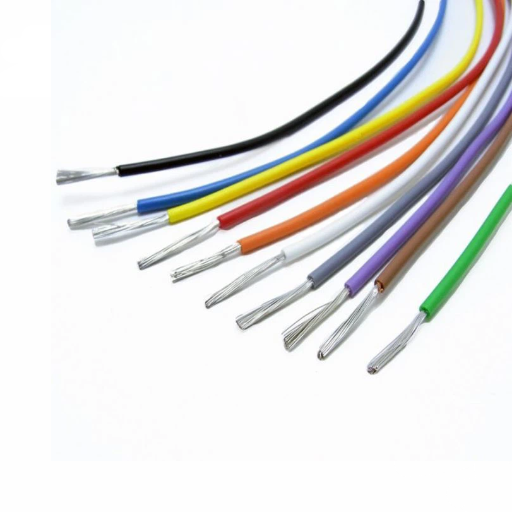
A 300 mm power cable sits at the top end of the low-voltage spectrum, built for currents far beyond ordinary wiring. The figure 300 does not point to diameter; rather, it names the conductors’ cross-section in square millimetres. With that mass of copper or aluminium come heat-handling qualities that manufacturers routinely label exceptional. In practice, the cable turns up on steel plant bus ducts, utility feeders, and a few places where the lights absolutely must stay on.
Definition and Key Features of the 300mm Cable
A 300-mm cable refers, practically speaking, to a heavy-duty conductor whose cross section spans 300 square millimeters. By that measure alone, it qualifies as one of the more muscular lines used today to carry bulk electricity across long distances. The manufacturing mix usually defaults to copper or aluminum, and the outer sheath is engineered from thermoset polymer or cross-linked PVC so that temperature swings and surface abrasion do not cut the service life in half overnight.
High short-circuit ratings, generous current-carrying margins, and documented compliance with IEC or ANSI standards sit at the top of the specification sheet. Power utilities install similar cables between bolting substation buswork, while steel mills and chemical plants run them inside trenches beneath factory floors. Recent refinements, such as low-friction bedding compounds and double-screen magnetic shields, have further trimmed energy losses and let operators push their infrastructure harder without inviting trouble.
Core Types: Single vs. Multi-core Cable
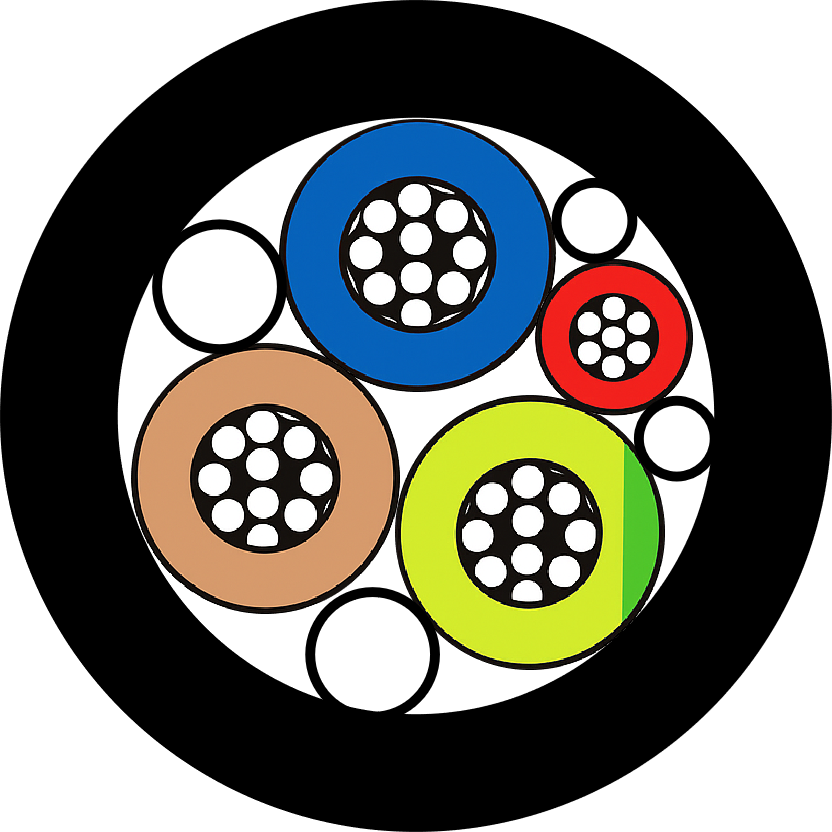
Single-core cable shines when the job demands an uninterrupted high current and the route won’t change. Multi-core design, by contrast, excels in tight spaces where bending and juggling several signals at once is routine.
|
Aspect |
Single-Core |
Multi-Core |
|---|---|---|
|
Conductor |
Single |
Multiple |
|
Flexibility |
Low |
High |
|
Heat Dissipation |
High |
Moderate |
|
Applications |
High-current |
Multi-signal |
|
Cost |
Lower |
Higher |
|
Installation |
Rigid |
Flexible |
|
Interference |
Higher |
Lower |
Applications and Uses of 300mm Power Cable
The story of 300mm power cable begins with sheer heft; that diameter radiates confidence in its ability to shoulder severe voltage and current loads without breaking a sweat. Engineers across sectors continue to turn to it for four main roles.
- Electrical grids lean on 300mm copper or aluminium when bulk power is to be hauled through sky-high towers or long desert cut-lines. Substations that speak the language of megawatts expect nothing less.
- Heavy industry, from steel mills to underground mines, would stall without a direct 300mm feed. Motors of every size tap into that girth like a printer plugs into wall current.
- Renewable farms are no different; a 300mm run stitches wind turbines or solar pods to the central transformer with quiet assurance. Grid-tie jitters vanish once that thick sheath is in place.
- Hospitals, shopping complexes, and hyperscale data halls demand round-the-clock wattage, and the broad cable obliges without grumbling. Tripped breakers upstairs usually hint at everything but the cable itself.
- Lastly, when the lines disappear below ground or drop a mile into the ocean, the rugged jacket of 300mm design guards against pressure, corrosion, and careless backhoes. Oil platforms hundreds of miles out rely on nothing else; neither do undersea interlinks.
Such breadth of service is why power planners peg the 300mm size as an unsung backbone of modern electrification, quietly keeping the lights- and everything else- where they belong.
How to Choose the Right 300mm Cable for Your Needs?
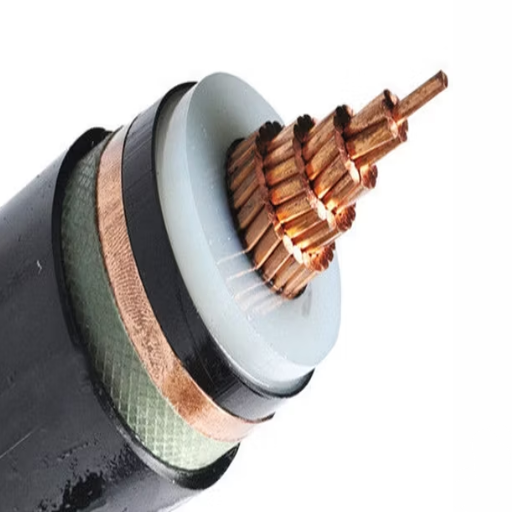
Selecting a 300-mm cable is less a product hunt than a quick risk audit performed on the back of an envelope; the first item to pencil in is the voltage mark. The sheath must comfortably outrun the highest rating on the panel board, or else thermal creep and invisible arcs will cut the party short.
Next on the checklist is the current-carrying muscle. Even in a tidy trench, copper refuses to prune its appetite for heat, so the loop must swallow every ampere demanded without frying the jacket.
If the run hugs the factory roof, shrug, or twist-lock weathering armor, no one is obliged to babysit brittle insulation later. Sand, oil, or the off-white mist from an acid cloud each demands a different upgrade.
Codes and letters stamped on the sheath matter at roll-out, and ignoring them because the factory promised saves precisely nobody. IEC or UL endorsement controls the liability, and inspectors are on a coffee break.
Finally, raw distance pulls the Ohmic plug again; twenty-five meters of ordinary copper looks cheap until the voltage drop eats half the supply. A thicker cross-section shrugs it off without drama, though the spool price may raise a quiet eyebrow.
Box all of that together, and the right cable turns from wishful thinking into a low-risk routine. Safety stays ahead of convenience, yet the switch-on always feels almost anticlimactic when everything else is squared away.
Factors to Consider: Length, Core, and Insulation
Picking the right cable begins with a careful look at length, conductor material, and sheath. Short, clear answers often give way to detailed questions, and familiarity with those questions can make the installation safer and more efficient.
Length. A longer run inevitably introduces voltage drop, yet the allowable drop varies with the sensitivity of the connected equipment. Runs of beyond fifty meters usually shift the math toward thicker conductors whether or not that is convenient. Improving cost discipline means measuring the distance twice, cutting precisely, and keeping surplus stock to an absolute minimum.
Core Material. A copper wire carries current better than its aluminum twin and does so with less heating, but the metal also commands a higher price and greater attention during disposal. If weight or budget is the priority, aluminum remains a usable choice-even if the conductivity gap never disappears.
Temperature tolerance seldom appears on purchase orders, yet it plays a quiet role once the cable sits inside a steel tray under the midday sun. A quality alloy or stranded copper product survives those swings longer than a commodity-grade substitute.
Insulation Type. PVC sheath is a familiar sight in general-purpose extensions and appliance leads, yet the cross-linked polyethylene alternative is where thermal spikes become routine. Data centers, for instance, reward the higher up-front cost of XLPE once failure rates are tallied.
Fire safety ratings are included alongside chemical and oil resistance when the circuit serves an industry that cannot afford to be overlooked. Flame-retardant compounds do not eliminate danger, but they can buy critical seconds.
Environmental Factors. Exterior runs face both moisture and ultraviolet light, and the answer to each threat resides in the same coating only if that coating is deliberately formulated to resist both. Manufacturers clarify that in the technical sheets, though the answer often disappears in hastily printed catalogs.
Flexible cables excel where equipment is routinely repositioned or subjected to continuous motion; their pliability helps prevent internal fractures during that movement. Confirming the load capacity remains critical; choose a product rated to tolerate the anticipated weight and strain so that its structural integrity endures over years of use. Attending to these characteristics allows engineers to match cabling with project demands while guarding against fatigue, overheating, and needless expense.
Choosing Between Copper and Other Materials
Few metals meet electrical engineers’ quiet standards like copper. It conducts current with remarkable ease, loses almost none of that energy on the way, and keeps doing so year after year without cracking or breaking. Flex the wire if you must, coil it for storage, and you’ll find the copper alloy still springs back to shape.
Shifting the conversation to weight and price, though, aluminum claims the spotlight. The lighter metal costs a fraction of its reddish peer, so utilities string it across miles of open countryside where savings add up fast. Transport officers, purchasing agents, and safety boards sit at the same table when the final choice is made- copper for performance, aluminum for economy, and in speculative cases, an exotic composite no one has yet thoroughly field-tested.
Where to Buy High-Quality 300mm Power Cables?
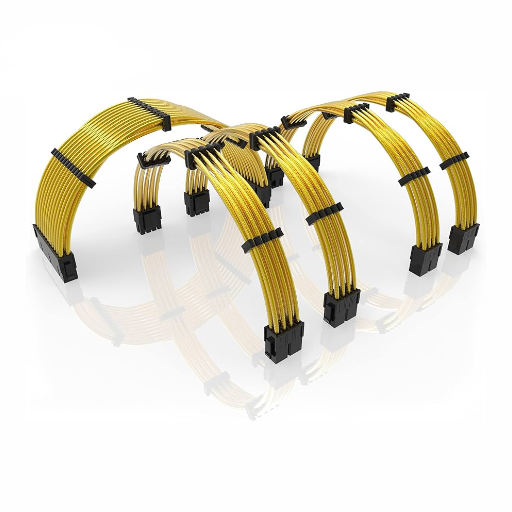
Purchasing 300-mm power cables of the highest calibre begins with selecting a vendor whose reputation for durability and certification is beyond question. Well-established distributors such as Graybar, Rexel, and Anixter usually stock lines that conform to prevailing industry norms. Likewise, manufacturers including Prysmian Group, Nexan,s and Southwire produce three-hundred-millimetre cables designed to perform across multiple sectors. Before authorising any order, review the accompanying documentation and cross-reference safety-compliance markings with independent customer assessments.
Top Retailers for Electrical Cables
Finding a source for electrical cable that you can genuinely trust is never a small matter, and reputation, for both product quality and customer service, is usually the best guide. A survey of recent company performance and buyer reviews points to these standouts:
- Graybar remains a cornerstone of the supply chain, moving large volumes while honoring the industry’s strictest specifications. Therefore, contractors frequently lean on their stock of copper, fiber, and specialty cables.
- Home Depot is hard to beat for countless weekend projects; the homepage practically shouts speedy curbside pickup, yet the aisle signs still point toward lingering rows of THHN, Romex, and extension cord options.
- Lowe’s rivals it on selection and also offers materials for finishes that amateur remodelers rarely consider, from tray cable hanks to weather-rated jacketing. Thus, the box stores are almost interchangeable for a late-night run.
- Rexel marches to a more technical beat, packaging extra services such as bend-radius testing charts alongside the spools and giving project engineers one fewer chore to complete on deadline.
- Anixter manages inventory by emphasizing mission-critical use cases, posts certificates from IEC, BS, or UL right next to the product codes, and lets procurement staff work quickly without chasing paper.
Picking any one of these suppliers brings an extra margin of comfort, yet the final responsibility always rests with the buyer. Double-check voltage ratings, gauge compatibility, and, of course, visible proof of independent certification before the checkout button gets pressed.
Online Marketplaces vs. Local Stores: Pros and Cons
Online marketplaces promise the ease of browsing from home, a dizzying array of options, and the odd thrill of an international delivery truck appearing at your door. Neighbourhood hardware shops, by contrast, let you heft a spool in your hands, carry it straight to the till, and catch up with the fellow who keeps the lights on in your block.
|
Aspect |
Online |
Local |
|---|---|---|
|
Convenience |
High |
Moderate |
|
Variety |
Extensive |
Limited |
|
Experience |
Virtual |
Tangible |
|
Cost |
Lower |
Higher |
|
Delivery |
Delayed |
Immediate |
|
Support |
Minimal |
Personal |
|
Community |
Global |
Local |
How to Order Your 300mm Cable Online
Buying a 300-millimetre cable online is no different art than ordering take-out. First, you list the deal-breakers: material grade, insulation class, and whatever stamps, say UL or IEC, will keep the inspector from raising an eyebrow. A quick tap on Google usually pulls in specialists like Anixter and Digi-Key, plus the familiar blue-and-yellow logo of Amazon. Each site lays out millimetre tolerances, bend radii, and sometimes even a photograph of the spool under studio lights.
Once a candidate cable pops up, the specifications table becomes the new magnifying glass. Users’ comments, older and newer alike, either crown the spool as trouble-free wiring or warn that it snapped at the first bend. Clicking Add to Cart is easy; typing an address that your phone has probably memorised is trickier than it sounds—checking the return policy and thinking ahead to whether the box will fit under the bed if the Mendon engineer wants a different gauge keeps buyers honest. A few minutes spent steeped in facts rarely spoils an otherwise smooth order.
What Are the Technical Details of 300mm Cables?
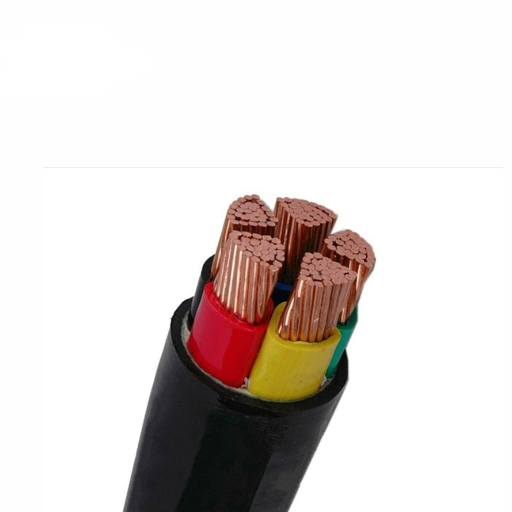
A 300-millimetre cable finds its niche in installations where modest reach meets daily demand. Its unremarkable length sits halfway between sloppy surplus and cramped shortage. Most manufacturers lean on oxygen-free copper, appreciating the metal for its current-handling capacity and resistance to early fatigue. A second layer of braid or foil often dresses the conductor, hoping to quell nearby hum. At the end of the run, a technician usually encounters a USB plug, an HDMI head, or some local power spine, so springs, ferrites, and other in-band cures tend to ride along discreetly. All the same, it pays to double-check pinout and bandwidth claims before the coil leaves the bench.
Electrical Specifications: Voltage, Amperage, and Resistance
Voltage, amperage, and resistance together sketch the technical profile of any wire or connector. Voltage, the pull behind the electrons, has to stay under the cable’s insulation ceiling if you want to avoid a meltdown. Amperage, the visible traffic itself, will stall a circuit if the copper strand is too skinny. Switching that strand for a heftier one requires more money up-front, yet saving headaches later. Resistance acts like a pair of pinch-points in the line, trimming brightness and warmth whenever the current tries to hurry past. The loss looks small on paper, but it can quietly sap the value out of an expensive device. Read the manufacturer’s cheat sheet before you hook anything up for peace of mind.
Importance of Insulation and Fire Safety Standards
Effective insulation remains the frontline defense against unwelcome leakage in an electrical circuit. In practice, well-coated conductors resist searing heat, shrug off moisture, and stay intact long after harsher elements have begun their work. Fire-safety protocols set the benchmark for curbing overheating before it blossoms into an open flame. Bodies such as the National Fire Protection Association (NFPA) now demand that protective sheathing be flame-retardant and subjected to exacting laboratory scrutiny. Meeting these intertwined criteria does more than meet code; it undergirds the lasting safety of wiring, whether the scene is a single-family home, a downtown office tower, or a sprawling manufacturing site.
Reference Sources
- Design of High Power Density MVDC Cables for Wide-Body All-Electric Aircraft (Azizi & Ghassemi, 2023, pp. 2315–2324)
- Key Findings:
- Proposed novel multilayer-based insulation systems for MVDC power cables to resolve aircraft cables’ challenges while maintaining low weight and size.
- The proposed cables are thermally and electrically analyzed and compared to cable systems designed based on IEC60502 and AS50881 standards.
- The results show that the overall diameter and weight of the designed cables are lower than single-layer insulation system designs based on AS50881 and IEC60502.
- Methodology:
- A coupled electrical–thermal-fluid flow dynamic model was used for simulations, considering all possible heat transfer approaches.
- Introduced the parameter J, which is the product of cables’ overall mass in a unit length and diameter, to compare the proposed cables to the designs based on IEC 60502 and AS50881.
- Key Findings:
- Simultaneous tracking of multiple whales using two fiber-optic cables in the Arctic (Rørstadbotnen et al., 2023)
- Key Findings:
- Demonstrated the simultaneous localization of several whales over an 800 km area using Distributed Acoustic Sensing (DAS) technology, which converts an existing fiber optic telecommunication cable into a widespread, densely sampled acoustic sensing array.
- Proposed and compared two independent methods, a brute-force grid search and a Bayesian filter, to estimate whale positions and tracks.
- The methods produced similar and consistent tracks, with the main difference arising from the Bayesian filter’s incorporation of knowledge of previously estimated locations.
- Methodology:
- A phase-based video motion magnification method was used to capture the microvibration of stay cables and extract spatial displacements of the cable.
- Identified modal parameters of the cable using the dynamic mode decomposition method from cable displacement responses.
- Estimated the tension of the stay cable based on the identified natural frequencies by minimizing an error function of an approximate relationship between frequency and tension.
- Key Findings:
- Experimental Investigation of Fatigue Capacity of Bending-Anchored CFRP Cables (Wu et al., 2023)
- Key Findings:
- Investigated the variation of fatigue stiffness, fatigue life, residual strength, and the macroscopic damage initiation, expansion, and fracture of CFRP rods in bending-anchored CFRP cable.
- The bending-anchored CFRP cable could withstand 2 million cycles of fatigue loading with a maximum stress of 0.4 σult and an amplitude of 500 MPa without apparent fatigue damage.
- Under more severe fatigue-loading conditions, fiber splitting in CFRP rods in the free section of the cable and compression-shear fracture of CFRP rods are the predominant macroscopic damage modes.
- Methodology:
- The acoustic emission technique was used to monitor the progression of critical microscopic damage to CFRP rods in the bending anchoring system.
- Analyzed the spatial distribution of macroscopic fatigue damage of CFRP rods to reveal that the additional shear effect has become the determining factor in the fatigue resistance of the cable.
- Key Findings:
- Fatigue Life Evaluation of Parallel Steel-Wire Cables under the Combined Actions of Corrosion and Traffic Load (Yu et al., 2023)
- Key Findings:
- Dedicated to the fatigue probability model for steel wires, considering the stress range and average stress based on the nonlinear fatigue damage model.
- Introduced the weight loss rate into the fatigue probability model for steel wires to obtain the fatigue life probability model for corroded steel wires.
- The fatigue life of the stay cables in the background engineering is much less than the design life of the bridge under the combined actions of a middle-level or high-level corrosive environment and traffic load.
- Methodology:
- Conducted a Monte Carlo simulation (MCS) to predict the fatigue life of stay cables under different guaranteed probabilities.
- Evaluated the fatigue life of the stay cables in a cable-stayed bridge on the Yangtze River in China under the effects of different corrosive environments and measured traffic loads.
- Key Findings:
Frequently Asked Questions (FAQs)
Q: What is the length of the 300mm Single Core Power Cable?
A: The 300mm Single Core Power Cable is 12 inches long, making it ideal for various electronics projects.
Q: What type of electronics can I use for the 300mm Single Core Power Cable?
A: The 300mm Single Core Power Cable can be used with various electronics, including sensors, Adafruit products, and other devices that require a reliable power transmission solution.
Q: How does the 300mm Single Core Power Cable compare to smaller cables like the 100mm or 200mm options?
A: The 300mm Single Core Power Cable offers a more extended reach than smaller cables like the 100mm and 200mm options, making it suitable for setups requiring additional length without compromising on performance.
Q: What colours are available for the 300mm Single Core Power Cable?
A: The 300mm Single Core Power Cable is available in multiple colours, allowing you to choose one that matches your project or enhances visibility.
Q: Can using this power cable help reduce transmission losses?
A: A high-quality 300mm single-core power Cable can help reduce transmission losses, ensuring that your devices receive optimal power without significant energy loss.
Q: Are there any related products I should consider purchasing with the 300mm Single Core Power Cable?
A: Yes, several related products, such as connectors and additional cables, can complement the 300mm Single Core Power Cable and enhance your overall electronics project.
Q: Where can I find customer reviews for the 300mm Single Core Power Cable?
A: Customer reviews for the 300mm Single Core Power Cable can typically be found on the product page of online retailers or electronics forums where users share their experiences and feedback.
Q: How can I increase the efficiency of my electronics project using this cable?
A: To increase the efficiency of your electronics project, use the 300mm Single Core Power Cable in conjunction with appropriate components and connections, which can optimize power delivery and performance.
Q: Is the 300mm Single Core Power Cable suitable for high-power applications?
A: While the 300mm Single Core Power Cable is suitable for many applications, it is vital to check the specifications to ensure it meets the power requirements of your specific high-power application.
Q: What should I consider when choosing the correct power cable length for my project?
A: When choosing the correct power cable length, consider the distance between your components, the need for flexibility, and the potential for reducing clutter in your electronics setup.