







Safety and accuracy become of utmost importance when dealing with electrical systems. The choice of wire size is important because it affects the performance and safety of the entire system. The 2 AWG aluminum wire is one popular wire size that stands well for many residential and commercial uses with the optimum equilibrium of conductivity, weight, and cost. However, knowing its amp rating, or in other words, ampacity, is vital for its proper application under electrical laws and to mitigate hazards such as overheating and voltage drops. This book offers a highly detailed and fully researched kind of approach to the amp rating of 2 AWG aluminum wire, including temperature ratings, insulation types, and installation conditions. By the end of this paper, you should have learned how to determine the ampacity of 2 AWG aluminum wire and its application toward your particular needs.
Introduction to AWG and 2 AWG Aluminum Wiring
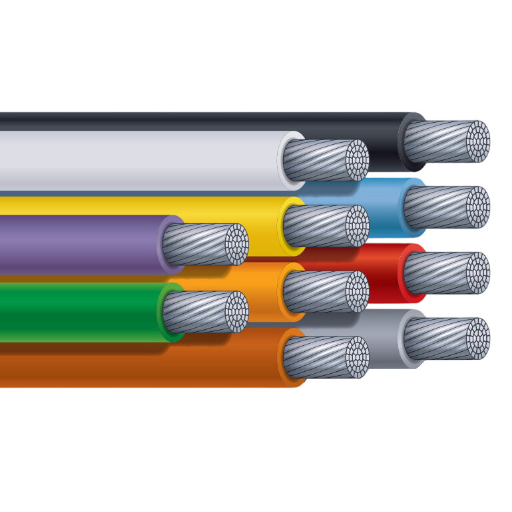
The American Wire Gauge (AWG) system is a standardized method of defining the diameter of an electrical conductor. A higher AWG number corresponds to a smaller wire with less current-carrying capacity. In particular, 2 AWG aluminum wire finds application among medium- and high-current uses, such as for residential subpanels, feeders, and other similar applications involving branch circuits. The type of wire is selected because it is cost-effective, lightweight, and conducting enough to be reliable in most scenarios.
What is AWG?
AWG, or the American Wire Gauge system, is a standard set of measurements applied to the diameter of electrical conductors such as copper or aluminum wires. Upon its conception in the 19th century, AWG gave the wire sizes a numeric set of values in which the smaller number meant a thicker wire and a larger number meant a thinner wire. Hence, it goes on to determine how much current a wire can carry, its resistance, and its weight. The AWG is generally used in the United States and Canada to ensure that wires are manufactured according to a very constant set of measurements and standards, thereby making life easier for the electrical engineer or electrician in their work.
Overview of 2 AWG Aluminum Wire
2 AWG aluminum wire is an extremely flexible conductor used throughout residential, commercial, and industrial power distribution applications. Being a variant with a cross-sectional area of 33.6 mm², it offers a trade-off between conduction and weight, thereby affording situations in which it may be economically viable to use aluminum over copper. Depending also on insulation and conditions of the installation parameters (e.g., ambient temperature or the placing of conductors within conduits or freely exposed), the wire generally ranges between 90 and 120 ampere ampacities. Considering voltage drop within long-distance installations must be undertaken if voltage drop is problematic due to a higher resistance offered by aluminum than copper, which must involve sizing commensurately with load requirements.
Typical insulation types used on 2 AWG aluminum wires are XHHW-2 and THHN, which allow the wires to withstand heat and environmental conditions, either wet or dry. The wire is utilized in such wide applications as feeder lines and service entrance conductors in accordance with NEC standards. It has lightness, the ease of handling, and it is broadly used in applications where lower cost is demanded and performance is not to be severely compromised.
Importance of Amp Ratings
They consider amp levels as a major determinant for the safe and efficient performance of an electrical installation, as a conductor basically has a maximum current it can carry without overheating. For 2 AWG aluminum wire, ampacity is determined by several factors, like the type of insulation, ambient temperature, and installation conditions. According to NEC, when referred to in a residential setting, a 2 AWG aluminum wire that employs XHHW-2 insulation generally has an amp rating of 90 amperes at 75°C, whereas it may vary otherwise depending on the actual conditions. Moreover, knowledge of amp ratings assures regulatory compliance and safeguards against damage to equipment and instances of safety hazards such as electrical fire due to overloading. Correct amperage calculations assure a maximum electrical performance while remaining within the realms of code requirements.
2 AWG Aluminum Wire Specifications
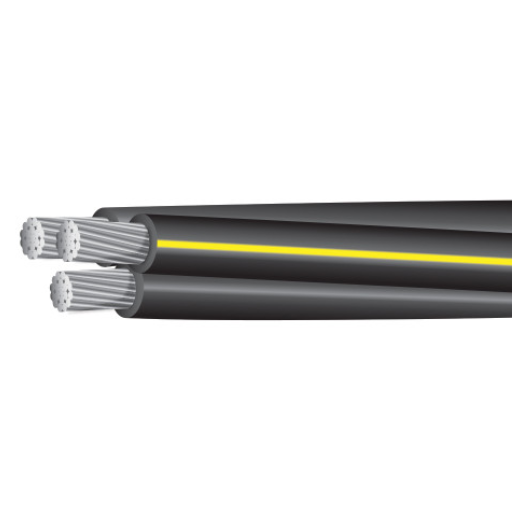
Aluminum wire 2 AWG is generally used for various types of residential and commercial electrical installations. The more important specifications are as follows:
- Material: Aluminum
- Type of Insulation: XHHW-2, for moisture and heat resistance
- Ampacity: In a standard residential setup, 90 amperes at 75°C should be considered (check for special installations)
- Conductor Diameter: Around 0.364 inches, while considering the insulation thickness
- Voltage Rating: Usually up to 600 volts
Important: Always make sure to check the NEC or good local regulations so that the wire selected is according to safety standards and meets the installation requirements.
Physical Characteristics of 2 AWG Aluminum Cable
A 2 AWG aluminum cable offers a set of specifically balanced physical and electrical performance characteristics for a wide range of electrical applications. A few of the features are outlined below:
Material Composition
Mostly an aluminum conductor, light in weight and capable of conduction, however, somewhat less than copper. Aluminum is often alloyed (such as with AA-1350 or AA-8000) to impart strength.
Weight
About 0.124 lb per foot; much lighter than copper.
Conductor Design
May be solid or stranded; stranded is more flexible for installations that require bends or turns.
Insulation
Usually XLPE or some other thermoplastic material to make it resistant to abrasion, chemicals, and temperature.
Thermal Expansion
Aluminum’s coefficient for thermal expansion is higher than copper’s, calling for proper termination procedures to prevent loosening at connection points.
Durability
The cable exhibits excellent corrosion resistance, notably when properly treated with anti-oxidation compounds at the cable connections.
Applications
Mostly used in feeder and service entrance installations, where lighter weight and lesser cost prove to be practical advantages over copper.
Exact installation considerations should always be verified against official manufacturers’ datasheets, besides conforming with NEC guidelines, local building codes, and environmental requirements.
Electrical Properties and Ratings
Aluminum conductors exhibit specific electrical characteristics, making them apt for different applications. Aluminum offers about 61 percent conductivity as that of copper but makes it up with its lesser density, thereby giving it a higher conductivity-to-weight ratio, a property that further aids in the reduction of weight in large projects. The ampacity of aluminum conductors varies with the cross-sectional area, ambient temperature, insulation material, and installation conditions.
And thermally speaking, aluminum expands roughly 35% more than copper, thus demanding proper termination methods in order to prevent loosening over time. Of the modern aluminum alloys today, many of the old concerns with creep and galvanic corrosion are avoided. They also provide greater tensile strength and oxidation resistance. When aluminum is combined with other materials, dielectric compatibility and coating technologies also help to enhance performance. Always check and verify manufacturer datasheets for accurate electrical properties, and ensure by engineering standards such as those of ASTM, IEEE, and NEC.
Voltage Ratings: Understanding 600V and Beyond
Voltage ratings are significant design parameters that provide for the maximum amount of voltage that a device, cable, or insulation material can safely endure without damage. The 600V rating is the most widely accepted, especially in commercial and industrial applications, to assure adequate performance at usual voltage levels present in power distribution systems. A 600V-rated component is designed for operation with a certain margin to tolerate occasional voltage surges without causing any deterioration to the insulation or the structural build.
For voltage ratings exceeding 600V, utility substation voltages and high-voltage transmission line voltages require the utilization of special insulation materials capable of withstanding electric stresses and other phenomena such as partial discharge. Standards like ANSI/IEEE C37 stipulate tolerances and testing required for equipment operating at those higher classes of voltage. Also, many other factors, environmental variables, or transient overvoltage conditions, interplay in considerations related to voltage rating.
Insulation for the conductor, dielectric strength, and application voltages must be considered by engineers so that the chosen components satisfy the regulatory standards and ensure system safety. Sources like the IEEE, the National Electrical Code (NEC), and product datasheets must be sought for proper voltage rating requirements.
Amp Ratings for 2 AWG Aluminum Wire

The ampacity of 2 AWG aluminum wire will depend on the installation conditions, ambient temperature, and insulation type. According to the NEC Table 310.16, 2 AWG aluminum wire is rated 90 amps when in a typical installation with a conductor rated for 75°C insulation. An install could allow an amp rating of 100 if rated for 90°C, providing that in derating situations, such as bundled conductors or ambient temperature being over 30°C, are considered in a real-world application. Local electrical codes should always be consulted for final compliance.
Standard Amp Ratings for Different Applications
Several factors affect a conductor’s ampacity, including wire size, type of insulation, ambient temperature, and installation conditions. For copper conductors, ampacity ratings are given based on the assumption of a standard ambient temperature of 30°C (86°F) and insulation temperature rating of 75 °C:
| Wire Gauge (AWG) | Copper (Amps) | Aluminum (Amps) |
|---|---|---|
| 14 AWG | 20 | 15 |
| 12 AWG | 25 | 20 |
| 10 AWG | 35 | 30 |
| 8 AWG | 50 | 40 |
| 6 AWG | 65 | 50 |
While going to install conductors in conduit or locations subjected to a high ambient temperature, deratings shall be taken into account. For example, ampacity adjustments are necessary when having more than three current-carrying conductors bundled together or when the ambient temperature is beyond 30°C (or 86°F), as can be seen in NEC Table 310.15(B)(2)(a). Also, one should check for and ensure that any local or state codes that must be followed, as they might take precedence over the NEC and be more strict.
Factors Affecting Amp Ratings
Many key factors affect the ampacity of electrical conductors, so they must be evaluated carefully during installation:
- Conductor Material: This term is crucial in fixing current-carrying capacity. Copper conductors are usually given higher amp ratings than aluminum conductors because copper is a better conductor and has less resistance.
- Conductor Size (AWG): Larger conductors (with smaller AWG numbers) will exhibit less resistance and thus be able to carry more current. The choice of gauge is necessary to avoid overheating and ensure proper functioning.
- Temperature Ratings: The insulation type of a conductor determines the maximum allowable operating temperature. Common insulation types, such as THHN, XHHW, or NM-B, have specific temperature limitations, often ranging from 60°C to 90°C. Conductors must be chosen based on these ratings to maintain safe operation.
- Ambient Temperature: Higher ambient temperatures diminish the capacity of a conductor to give off heat, thereby requiring a lowered ampacity rating. This relation is given in the NEC Table 310.15(B)(2)(a), which contains adjustment factors for conductors operating at temperatures above 30°C (86°F).
- Number of Conductors in Conduit: Heat develops when multiple current-carrying conductors are installed together in a single conduit or raceway due to mutual heating effects. This condition necessitates derating to avoid overheating as per NEC, ensuring safety.
Keeping these factors well in check and duly following the NEC and local codes will ensure that your electrical installation runs safely and efficiently while standing the test of regulatory mandates.
Comparing Aluminum vs. Copper Wire Amp Ratings
The ampacity of aluminum wire is compared against copper wire, sometimes in light of other considerations, to reach optimal conductor choice in any electrical system. Ampacity is the maximum current a conductor can carry safely; this differs largely between the two materials on account of differing conductivities and thermal performances.
Conductivity
Copper has a higher electrical conductivity than aluminum, which implies that copper can carry more current through a certain cross-sectional area. Aluminum wires must be proportionally larger in size to achieve an equal ampacity because aluminum generally has approximately 61% conductivity of copper.
Weight and Cost Considerations
Aluminum, relative to copper, is lighter and cheaper per unit of length; therefore, it is mostly advantageous for transmission lines of long distances or mass industrial setups. Yet the larger-sized aluminum for the same ampacity might come in the way of conduit fill and overall system design.
Thermal Expansion and Connections
Aluminum expands more than copper under thermal variations and contracts accordingly; improper installation can cause a connection to become loose through time. The use of specialized connectors, anti-oxidation compounds, and correct torqueing during connection is essential for aluminum conductors.
NEC Ampacity Guidelines
The National Electrical Code (NEC) draws up the tables of ampacity, with separate columns for aluminum and copper conductors. When sizing the wires, it is therefore necessary to check these tables, see if adjustments for ambient temperature and conduit fill are needed. A 4 AWG copper wire is rated to carry 70 amps under normal conditions as per the NEC, whereas to have the same rating, the aluminum has to be 2 AWG.
Thus, aluminum is preferable to copper wire only when these criteria are met: these criteria include load requirements, installation environment, and budgetary allocations, all while respecting the NEC and local codes. Both material types, with proper usage, can work safely and effectively.
Wiring Applications and Considerations
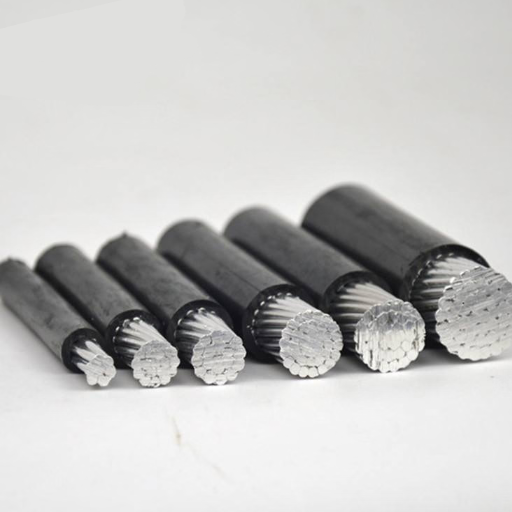
When choosing wiring for a particular application, it is essential to consider the environment and the intended use. Typically, wiring used indoors needs insulation rated only for dry locations; such is the case for a non-metallic sheathed cable, usually known as NM cable. For outside or underground work, a direct-burial cable or conduit-protected wiring should be installed so that it is not exposed to moisture or weather conditions.
High current means larger wire gauge; hence, for powering large appliances or heavy equipment, a wire with a bigger diameter is safer for handling heavier electrical loads. Lower-current circuits, such as lighting circuits, allow the use of smaller gauge wires.
Always consult the National Electrical Code (NEC) for the correct ampacity ratings and installation requirements, as these considerations are paramount in wiring safely and legally. Therefore, local regulations must be followed, along with choosing the appropriate materials for the purpose intended, for safe and reliable operations.
Common Uses for 2 AWG Aluminum Wire
In general, a 2-gauge aluminum wire is utilized with medium to heavy electrical loads. It finds application in residential or commercial cases, subpanels, feeders, or service entrance conductors. Usually, allowing an ampacity of 90 amps if installed with the correct insulation, such as XHHW-2 or THHN, it can be put to use to power large appliances, distribute electricity to a secondary panel, or service an outbuilding such as a garage or a workshop. However, its inexpensive price and lightweight features attract those who prefer to implement it in longer runs because copper wire may not be affordable or could be cumbersome. Always verify compatibility and adhere to NEC guidelines and local codes for properly installing the wire and ensuring its proper operation.
Direct Burial vs. Above-Ground Wiring
Direct burial and above-ground wiring have different applications that offer various advantages depending on the installation. Direct burial wiring entails the use of cables insulated for underground installation, such as UF-B (Underground Feeder), which are able to withstand moisture, soil pressure, and other potential degradations in the environment without any conduit. This method would be employed when the aesthetics or safety issues of having visible wiring must be considered, while also following the NEC standards on depth of burial, usually 24 inches for most applications.
Above-ground wiring employs cables like THHN or XHHW-2, which, when surrounded by conduit in the event of exposure, provide protection. It is ideal when the particular area needs access for maintenance and frequent checking, or cannot be considered for underground installation due to rocky terrain or some other physical barrier. Often cheaper concerning material and labor, above-ground wiring, however, may suffer physical damage or weathering with time.
Factors such as local codes, environmental conditions, costs, and maintenance requirements play an important role in deciding between these methods. Wherever properly done and followed by NEC specifications, either approach will bring about safety and long-term usefulness.
Choosing the Right Cable Type: XHHW-2 vs. Other Types
XHHW-2 cables versus others to determine their suitability, we should first have a look at their salient features and application areas. XHHW-2 cables were made with cross-linked polyethylene (XLPE) insulation against heat, moisture, and chemical effects, withstanding such conditions very well. They thus perform well in wet or dry places and are rated for 90°C in wet locations. Such conditions favor XHHW-2 cables as the top choice for industrial, residential, and commercial installations.
Where XHHW-2 offers more durability and is more dependable in the insulation facing harsh outside environments or hazardous conditions, THHN/THWN cables, albeit the cheapest, are not suitable in the toughest installation circumstances, being more vulnerable to jacket abrasions and cuts. Also, whereas XHHW-2 has flame-retardant qualities, the cable has higher dielectric strength, ensuring longer service life in corrosive and high-temperature environments.
The other comparison in outdoor work goes with USE-2 cables. USE-2 cables, having been made for direct burial, come with UV resistance and lack some versatility in temperature or chemical resistances of XHHW-2. Thus, for installations needing some degree of flexibility in addition to underground applications, XHHW-2 remains the better choice.
Ultimately, proper cable selection must take into account the various environmental challenges, load specifications, and compliance with local electrical codes specific to a project. Some might argue that there are so many cable options available, but in reality, the performance aspects, as far as XHHW-2 cables are concerned terms of durability, operational safety, etc., often bring them forth for use despite the slight difference in cost.
Installation Guidelines for 2 AWG Aluminum Wire
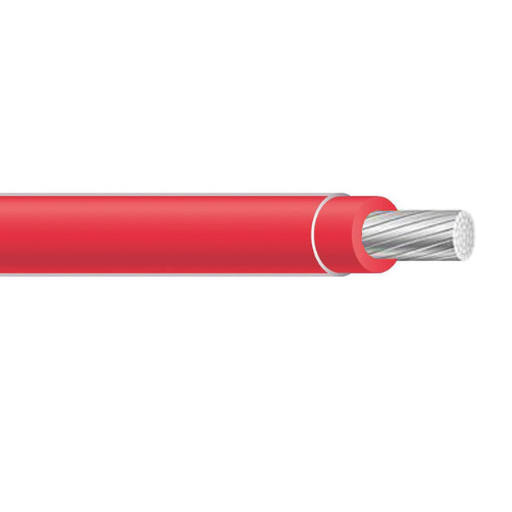
Following safety and regulatory stipulations when installing 2 AWG aluminum wire involves following these few main steps:
- Conductor Preparation: Clean the aluminum wire before connections are made, as oxidation forms. A wire brush or abrasive pads designed for electrical applications may be used. Also, apply an approved anti-oxidant compound to the ends of the exposed wires.
- Compatible Connectors: Use the connectors that can work with aluminum conductors. Make sure that the connectors chosen are listed for aluminum-to-aluminum or aluminum-to-copper connections, depending on the installation.
- Tightening Torque: Follow the manufacturer’s specifications for torque applied to all connections. Loose connections can cause heating or arcing.
- Ambient Temperature: Ensure that the wire is installed so as to be within the suitable operating temperature rating of the insulation. For example, 2 AWG aluminum wire with XHHW-2 insulation is commonly rated at 90 degrees C in dry locations.
- Ampacity Considerations: Confirm the ampacity of the wire depending on insulation type, installation conditions, and governing codes. The National Electrical Code usually rates 2 AWG aluminum wire for 90 amps at 75 degrees C unless limited by other factors.
- Support and Protection: The wire should be secured at regular intervals as specified by local electrical codes to prevent sagging. Protect the wires from mechanical damage, particularly in outdoor or exposed installations.
Important Safety Notice: Always check the National Electrical Code (NEC) and the local building codes for definite installation requirements. When in doubt, always call a licensed electrician to do the installation so as not to risk noncompliance and to guarantee safety.
Best Practices for Wiring Installation
Anytime wire installation is undertaken, proper wiring practices are to be followed, seeing to safety, operational efficiency, and a realization of code acceptance. We can now look at some basic best installation practices gleaned from many references:
Choosing the Right Type of Wire and Size
Select a wire gauge based on the estimation of load and circuit requirements. For example, 12-gauge and 14-gauge wires are generally considered the most common in residential wiring. Match the wire’s insulation rating to environmental conditions: say, THHN for dry locations or UF-B for underground ones.
Routing and Management
Routing wires neatly through proper routes, conduits, or cable trays to prevent tangling or crossing. Good practice is to separate power wiring from low-voltage wiring to reduce interference. Avoid wire installs that cross sharp edges or areas of high heat unless suitably protected.
Observation of Code Requirements
Adhere to the National Electrical Code (NEC) and local building codes, for example, maintaining minimum clearance distances such as 1.25 inches from edge studs to prevent screws or nails from accidentally penetrating. Use insulator-resistant staples or straps to secure the wiring at intervals typically not exceeding 4.5 feet.
Grounding and Bonding
Ensure grounding of all wiring and electrical systems for the safe dissipation of fault currents. Use proper grounding conductors and verify that they are securely connected at all grounding terminals or rods. Ensure metallic enclosures and conduits are bonded together effectively.
Connection Quality and Insulation
Use quality connectors like wire nuts or crimp-on connectors; ensure all terminations are solid and there are no loose strands. Properly insulate connections either with electrical tape or heat-shrink tubing so as to avoid exposed conductors.
Testing and Inspection
Thorough testing and inspection shall be carried out after installation. Instruments like multimeters, circuit testers, or insulation resistance testers can be used to verify continuity, check shorts, and determine proper grounding. Formal inspection of a type required by jurisdictional laws provides eventual approval.
When all these comprehensive procedures are applied, wiring installations can be conducted safely, efficiently, and according to all legal stipulations. Always keep safety at the forefront and consult qualified persons for complex systems or if there is any questions arise during the process.
Safety Precautions When Working with Aluminum Wire
Safety is always considered whenever working with aluminum wire; thus, a thorough inspection must be conducted so that potential hazards are avoided. Since aluminum wire wears much more easily than copper wire, I always examine the wire for scraps and any corrosion before its use. I use connectors that are rated for aluminum only, thus creating good copies and avoiding any overheating that might occur. I never mix aluminum with other metals unless proper connectors are used to avoid galvanic corrosion. I apply an anti-oxidant compound to the connections and reduce oxidation. I also follow any codes and regulations throughout the installation process so that it is a safe and compliant installation.
Tools Required for Installation
Aluminum wire installation is done right and efficiently only when specific tools are used:
Wire Strippers
Strippers built for the specific gauge of aluminum wire shall be used to avoid nicking the conductor while removing the insulation.
Torque Screwdriver or Wrench
It is necessary to ensure that connections are tightened to the torque specifications given by the manufacturer. Excess heat and loose connections would result otherwise.
Aluminum-Rated Connectors
These connectors are made for the special nature of aluminum wire, giving safe and reliable conductivity.
Anti-Oxidant Compound
To avoid oxidation and to guarantee long-term performance, it should be applied to connections.
Voltage Tester
Used for testing connections and checking system function, post-installation.
Cable Cutters
Cuts aluminum cable cleanly without denting or contracting the cable.
Screwdrivers and Pliers
General use for securing connections and wire management during installation.
The sole purpose of the right tools is to preserve aluminum wiring safety, reliability, and compliance. Always check for and ensure that the tool you have chosen meets the requirements of the applicable standards and regulations.
Ampacity Comparison Table: Aluminum vs. Copper Conductors
| Wire Gauge | Copper @ 60°C | Copper @ 75°C | Copper @ 90°C | Aluminum @ 60°C | Aluminum @ 75°C | Aluminum @ 90°C |
|---|---|---|---|---|---|---|
| 14 AWG | 15 | 20 | 25 | – | 15 | 20 |
| 12 AWG | 20 | 25 | 30 | 15 | 20 | 25 |
| 10 AWG | 30 | 35 | 40 | 25 | 30 | 35 |
| 8 AWG | 40 | 50 | 55 | 30 | 40 | 45 |
| 6 AWG | 55 | 65 | 75 | 40 | 50 | 55 |
| 4 AWG | 70 | 85 | 95 | 55 | 65 | 75 |
| 2 AWG | 95 | 115 | 130 | 75 | 90 | 100 |
| 1 AWG | 110 | 130 | 150 | 85 | 100 | 115 |
Installation Considerations Summary
| Consideration | Requirement | Purpose |
|---|---|---|
| Conductor Preparation | Clean surface, apply anti-oxidant compound | Prevent oxidation and ensure proper conductivity |
| Connector Type | Aluminum-rated connectors only | Ensure safe, reliable connections |
| Torque Specifications | Follow manufacturer guidelines | Prevent loose connections and overheating |
| Temperature Rating | Match insulation to environment (60°C, 75°C, 90°C) | Ensure safe operation within temperature limits |
| Ampacity Verification | Confirm ratings per NEC tables | Prevent overloading and fire hazards |
| Physical Support | Secure at regular intervals per code | Prevent sagging and mechanical damage |
| Protection | Use appropriate conduit or burial depth | Shield from environmental and physical hazards |
Key Takeaways for 2 AWG Aluminum Wire Installation
- 2 AWG aluminum wire typically has an ampacity of 90 amps at 75°C with proper insulation
- Always use aluminum-rated connectors and apply anti-oxidant compound to prevent corrosion
- Aluminum has approximately 61% the conductivity of copper but offers significant weight and cost advantages
- Temperature ratings (60°C, 75°C, 90°C) significantly affect ampacity and must match installation conditions
- Proper torque specifications must be followed to prevent loose connections and potential fire hazards
- XHHW-2 insulation offers superior performance in both wet and dry locations
- Derating factors must be applied for bundled conductors or elevated ambient temperatures
- Always consult NEC tables and local codes for specific ampacity requirements
- Regular inspection and maintenance are essential for aluminum wire installations
- Professional installation by licensed electricians ensures compliance and safety
Conclusion: Ensuring Safe and Effective Use of 2 AWG Aluminum Wire
Understanding the amp rating and proper installation techniques for 2 AWG aluminum wire is fundamental to creating safe, efficient, and code-compliant electrical systems. Throughout this comprehensive guide, we have explored the critical factors that influence ampacity, including insulation types, ambient temperatures, installation conditions, and material properties. With a standard rating of 90 amperes at 75°C for typical residential installations, 2 AWG aluminum wire represents an excellent balance of performance, cost-effectiveness, and practicality for medium to heavy-duty electrical applications.
The importance of following proper installation procedures cannot be overstated. From preparing conductors with anti-oxidant compounds to using aluminum-rated connectors and applying correct torque specifications, each step plays a vital role in ensuring long-term safety and reliability. The unique characteristics of aluminum—including its lower conductivity compared to copper, higher thermal expansion coefficient, and susceptibility to oxidation—demand careful attention to detail and adherence to established best practices.
When comparing aluminum to copper conductors, it becomes clear that each material has distinct advantages depending on the specific application. While aluminum requires larger wire sizes to achieve equivalent ampacity, its significantly lower cost and reduced weight make it an attractive option for many installations, particularly in longer runs where material costs and physical handling become important considerations. The key is selecting the appropriate material based on a thorough analysis of load requirements, environmental conditions, budget constraints, and long-term maintenance considerations.
The National Electrical Code (NEC) and local building codes provide essential guidelines that must be consulted and followed throughout the planning, installation, and inspection processes. These standards exist to protect both property and lives, and they represent the accumulated wisdom of decades of electrical engineering experience. Derating factors for temperature and conductor bundling, proper grounding and bonding techniques, and appropriate circuit protection all contribute to a comprehensive safety approach that should never be compromised.
As electrical systems continue to evolve and power demands increase, the role of properly sized and installed conductors becomes ever more critical. Whether you’re working on residential subpanels, commercial feeders, or service entrance applications, the principles outlined in this guide provide a solid foundation for safe and effective electrical installations. Remember that while 2 AWG aluminum wire offers excellent performance characteristics, it must be installed correctly to realize its full potential.
For complex installations or whenever uncertainty exists regarding proper wire sizing, ampacity calculations, or installation techniques, consulting with a licensed electrician or electrical engineer is not just advisable—it’s essential. Professional expertise ensures that all aspects of the installation meet current codes, industry standards, and safety requirements. The investment in professional installation and periodic inspection far outweighs the potential costs and dangers associated with improper electrical work.
In conclusion, 2 AWG aluminum wire, when properly selected, installed, and maintained, serves as a reliable and cost-effective solution for a wide range of electrical applications. By understanding its amp ratings, respecting its physical and electrical properties, following established installation guidelines, and maintaining a commitment to safety and code compliance, you can confidently incorporate this versatile conductor into your electrical systems. The knowledge gained from this comprehensive guide empowers you to make informed decisions and ensures that your electrical installations will perform safely and efficiently for years to come.
Final Safety Reminder
IMPORTANT: All electrical work should be performed by qualified, licensed electricians in accordance with the National Electrical Code (NEC) and local building codes. Working with electrical systems carries inherent risks, including electric shock, fire, and serious injury or death. Always turn off power at the main breaker before working on any electrical circuit, use appropriate personal protective equipment, and verify that circuits are de-energized before beginning work. When in doubt, consult with a professional. Your safety and the safety of others depends on proper installation and adherence to all applicable codes and regulations.
Reference Sources
“Experimental Study on the Cyclic Ampacity and Its Factor of 10 kV XLPE Cable”
“Efficient Simulation of Thermal and Electrical Behaviour of Industrial Cables”
Frequently Asked Questions (FAQs)
What is the recommended amp rating for 2 AWG aluminum conductor?
Amp rating for 2 AWG aluminum wire is usually 135 amps, though it can differ with insulation and installation conditions. Application-wise, referencing NEC is important.
What does THWN-2 insulation do to the ampacity for 2 AWG conductors?
On the concrete surface, in wet areas, this insulation of THWN-2 provides very good abrasion resistance and may increase the ampacity of 2 AWG conductors. Its ability to perform well in a wide range of circumstances, thus, makes it a popular choice for service conductors.
Is 2 AWG aluminum wire appropriate to be used for direct burial?
Yes, 2 AWG aluminum wire could be used in direct burial applications, especially if it is rated for wet conditions with the proper insulation, such as THWN-2 or RHW-2. Always check for compliance with the local codes and regulations.
What are the advantages of aluminum cable compared to copper?
Aluminum wire, including 2 AWG aluminum, is light in weight and generally is the cheaper alternative. Aluminum, being light in weight, also has a higher ampacity per weight, thereby making it an apt selection for several installations.
What is the maximum temperature rating for 2 AWG aluminum wire?
Depending on the type of insulation, the maximum temperature for 2 AWG aluminum wire varies. For THWN-2, the maximum temperature is generally 90°C in wet and dry locations. One must ascertain the rating depending on the concrete cable jacket materials used.
What is the importance of using Nassau cable for service conductors?
The construction of Nassau cable, including 2 AWG aluminum, is aimed at enhancing durability and performance. Often, features such as abrasion resistance are incorporated into the construction so that the service conductors may be relied on in various environments.
How does a multi-conductor cable differ in current flow from a single-conductor cable?
Multi-conductor cables for current flows, 2 AWG aluminum wire, for example, are affected by conductor arrangement and insulation type. Multi-conductor cables provide enough flexibility for installation, while single-conductor cables are capable of carrying more ampacity in their individual runs.
Where can to buy aluminum wire of 2 AWG on a reel?
You can buy aluminum wire of 2 AWG on a reel from various electrical supply stores and from online merchants. Suppliers that specialize in electrical components ought to be your target, such as Nassau National Cable, so you get quality goods that fit your needs.