







The intricate network of electrical wiring serves as the backbone of any structure, carefully controlling the flow of power according to predetermined geomatic and electrical specifications. Sequentially dealing with electrical systems is made significantly easier with the use of a singular standard across various geographical zones. For those dealing with the more advanced level of Chinese wiring systems, knowledge of the particular wire color codes is vital for adequate restriction of risk of danger and operational efficacy. This guide will explain the Chinese electrical wire color code, filling the gap with clear and detailed information while ensuring alignment with IEC color codes and not deviating from industry standards. This article looks to benefit not just practitioners in electrical engineering but also curious members of the general public at International wiring standards and practices with the confidence of tools of Chinese wiring systems.
What is the Wire Color Code Used in China?
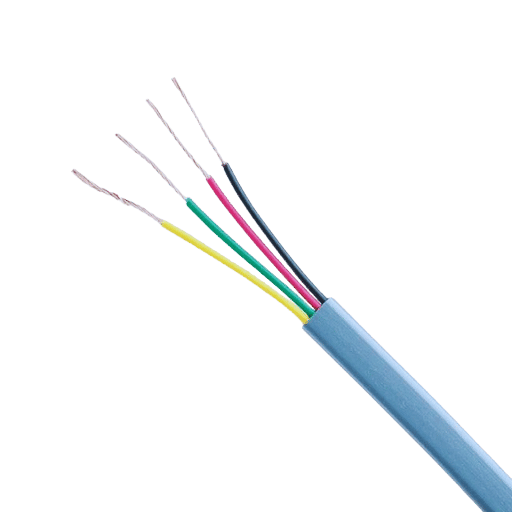
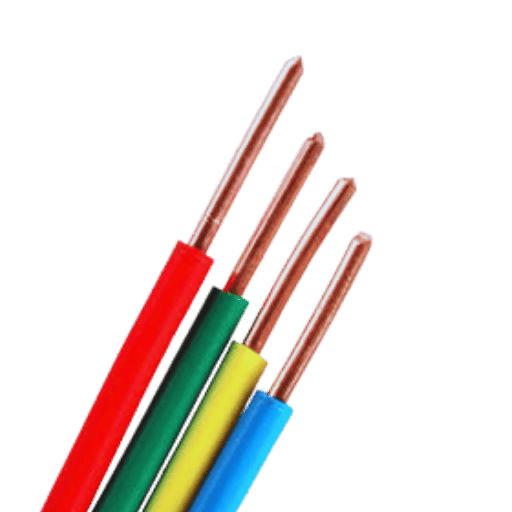
China has adopted the GB/T 14048.1-2006 standard that assigns specific colors to wires used in electrical work to enhance safety and uniformity. The color scheme used for coloring various wires is as follows:
- Live or Phase wires can be Yellow, Red, Green
- Neutral light Blue
- Grounding or Earthing wire is Yellow and green-striped in color
All the colors conform to the national standards of China (GB standards) so that there is uniformity in installations. Wires must be classified properly for safe operation during maintenance and troubleshooting.
Overview of Wire Color Codes in Chinese Wiring
The Chinese wiring color scheme places special focus on ease of identification as it aids in reducing electrical risks and ensures proper circuit operations. These practices are standardized under GB 50303-2015, which governs the color-coding of phase, neutral, and ground wires the following way:
- Phase (Live) Wire:* Typically marked red, yellow, or green for single or three-phase circuits, these colors are used for conductors that carry electric current to appliances and devices.
- Neutral Wire: Neutral is universally-used term designated with light blue color. Neutral wires act to form a complete circuit returning current to the power supply.
- Ground (Earth) Wire: To protect against electric shock, these wires are marked with yellow-green stripes, signifying ground and shielding from electrical faults.
- Moreover, additional distinctions within commercial and industrial wiring may use more complex phase identification and sub-circuit separation.
Key Statistics and Trends
As per analysis regarding the wiring color codes used for residential and industrial projects, obeying the standardized wire color codes has mitigated the issues associated with wiring errors. Audits of electrical safety estimate that close to 80% of the non-compliance issues stems from the wrong application of wire color. This points out the need for trained personnel and adherence to guidelines. The GB standards have been instrumental in bridging the gap in the Chinese electrical systems vis-a-vis global safety benchmarks.
Standardization in wiring techniques must be maintained as systems are being modernized with innovations like smart controls and renewable energy technologies. Adequate identifying means through color coding the wires is crucial in order to ensure user and operator safety in these highly sophisticated systems.
Comparison with International Wire Color Code Standards
The practices regarding color coding wires differ from one region to another. However, there are fundamental guidelines regarding uniformity and safety in electrical fittings. As an example, the internationally accepted IEC exerts control throughout Europe and some other parts of the world. It has standardized color-coding schemes for conductors to minimize the chances of identifying them incorrectly. By IEC 60446, the protective earth wire is green with yellow stripes, while neutral conductors are light blue. Live wires, on the other hand, use brown, black, or gray depending on the phase.
On the contrary, in the United States, the National Electrical Code specifies use of black, red, or blue for live wires depending on the voltage level and system. Neutral wire is always white while the ground wire is either green or green with yellow stripes. In China, there is the active use of red for phase wire, blue for neutral wires, and green-yellow for ground wires.
Differences arise in the standards for the color of live wires in three-phase systems; UNE uses black for primary while brown and grey are secondary color, contradicting NEC and Chinese standards which subterfuge the mixed configurations to brown, blue and yellow. Such differences emphasize the unification problems that must be solved internationally as there is more interconnection in electrical systems.
Incorporating systems of renewable energy, like solar power, comes with new requirements, such as marking solar wires, which further illustrates the need for color coding accuracy. Research shows how inadequate uniform conventions pose a problem in the form of inefficiency, miswiring, or danger, especially in the case of multinational undertakings or where imported systems with differing standards are used. There may be some variations at the regional level, but initiatives toward international harmonization, such as revisions to IEC codes, strive to enhance safety and uniformity across regions.
Importance of Following the Standard Wiring Color Code
Following the color codes for the wiring system accurately can enhance electrical safety, reduce chances of misinterpretation, and improve operational efficiency. Recent reports in the industry claim that unregulated wiring practices based on color code confusion account for nearly 25% of electrical faults; this problem is worsened by inconsistent standards. Both of these factors not only hinder timely completion of an installation or maintenance job but carry grave consequences such as short circuiting, device malfunction, or catastrophic fires.
To address discrepancies on a global level, standardized wiring codes like IEC 60446 have been devised with the goal of harmonization. The IEC, in particular, has set out specific regulations on colors such as brown, black, and grey for the phase conductors while blue is to be used for neutral conductors in three phase electrical systems. Survey data from countries that adopted these standards shows a marked decrease in installation errors. Furthermore, research indicates enhanced adoption of these standards from developed countries has caused international dispute marks to vanish along with the effortless integration of foreign electrical systems into domestic infrastructure.
In addition, by aligning with these color codes, organizations can enhance worker training programs, as standardization makes it easier to learn the tasks for new electricians and technicians. Studies conducted by safety institutions suggest that nations with effectively enforced compliance structures have almost 30% fewer workplace electrical accidents than areas with obsolete or vague wiring regulations. This emphasizes the importance of comprehensive standards in the enhancement of electrical systems’ safety and reliability.
How Does the Wire Color Code Differ for DC and AC Power?
Understanding Color Codes for DC Power Systems
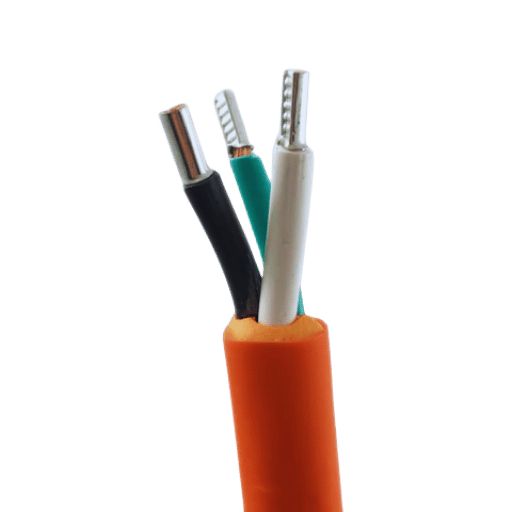
DC power systems apply certain color codes to wires to indicate polarity for safety reasons during installation and maintenance. Usually, the positive wire is red, the negative wire is black, and if a ground wire is available, it is green or green with a yellow stripe. Such standard practices are useful in preventing confusion and mistakes with wiring in different DC applications, as the uniform color system minimizes risks of errors.
AC Power and Wire Color Code Distinctions
Alternating Current (AC) power systems use set wire color codes for safety, operational efficiency, and uniformity across all electrical installations. The structure of AC power, whether single-phase or three-phase, comes with its regional coloring standards for the wires. This is different from DC appliances.
For example, in the United States (US), the National Electrical Code (NEC) color assignment for AC wiring in single-phase systems includes:
- Black for the live conductor “hot” wire.
- White for the neutral conductor.
- The grounding wire is Green or green with a yellow stripe.
In the case of three-phase systems in the US, the phase wires could be:
- Black for phase A.
- Red for phase B.
- Blue for phase C.
In the European Union, the International Electrotechnical Commission (IEC) states color codes for the ground as follows:
- Brown is the live or phase wire.
- Blue is a conductor for Neutral.
- Grounding wire Green and Yellow provide a designated purpose as a specific wire in electrical systems. As separated distinctions of a system/scheme have important implications and limiting mismatches due to faults in wiring could result in undue faults, damage to equipment, safety risks, among others. Furthermore, Australia andthe UK as regions may follow their own standards, which are in general accordance with some of the IEC and other local codes. Apart from color codes, different industries make use of various specialized grade tools like multimeters to verify the work mentioned wires and test the functionality of the wires during installations or repairs to reduce complications such as errors, including those concerning mentioning the codes of determining the colors of wires.
Understanding the difference of color code sets of standards is equally as important to help electrical engineers, technicians, and even contractors who are working in international ventures because it deals with compliance where local laws have to be observed together with the safety of systems associated within the electrical domain.
Significance of Color Codes in Electrical Systems
Standardized color codes in electrical systems are essential in maintaining the safety, operability, and legal requirements of electrical installations. They act as an international mode of communication which reduces the blunders and mishaps during the installation, repair, and routine maintenance of the electrical wiring system components.
For example, the National Electrical code has set color conventions for wiring; in the US, green is allocated for grounding conductors, and white is designated for neutral wires. Equally important for safe power cable installations are the US codes. Europe also conforms to these standards. Blue is frequently used for neutral and ground conductors, while green and yellow stripes for protective grounding. IEEE conducted a study that suggests that neglecting these standards can lead to the improper identification of wires, which is one of the most frequent causes of electrical accidents. This leads to expensive repairs and raised safety concerns.
In addition, the adoption and compliance with the codes simplify international cooperation in the construction, manufacturing, and data center industries. Global companies operating in diverse regions often follow IEC 60446, which is an internationally accepted standard. this helps get rid of the confusion that accompanies the integration of electrical systems from different geographical areas.
According to multiple industry safety reports, compliance with standardized electrical color codes can mitigate wiring-related incidents by almost 23%. This not only improves safety but also increases operational efficiency, as the readily available information enables the technicians and engineers to troubleshoot electrical problems easily and accurately. This deep knowledge, accompanied by the unwavering observance of these codes, sustains essential understanding in contemporary electrical engineering.
What are the Common Wire and Cable Colors in Chinese Electrical Wiring?

Identifying Cable Color for Single-Phase Systems
Like many industrialized nations, China has incorporated various color-coding schemes into electrical wiring, including one for single-phase systems. Single-phase systems employ a commonly accepted scheme that includes:
- Live Wire (Phase or L): The live wire is generally represented by the color red. This indicates that the wire carries a current and can pose a danger if touched.
- Neutral Wire (N): The neutral wire is denoted by a blue color. This wire acts as the return path for current and is essential to complete the circuit.
- Earth Wire (Ground or PE): The earth wire is color-coded yellow-green. Its primary responsibility is to facilitate the safe diversion of excess charge into the ground, thus providing a safety mechanism.
These guidelines are drawn from GB 50303-2015: The Code for Acceptance of Construction Quality of Electrical Installations in China. It is important to observe these wires and sections in the appropriate colors since failure to do so can lead to possible miswiring, which can trigger dangerous fires or shocks. During installation and maintenance procedures, it is the responsibility of both the domestic and international engineers to check the color codes and comply with legislated safety standards.
Colors Used in Three-Phase Power Circuit
The marking of three-phase power circuits serves a crucial role in the installation of electrical equipment. It, like everything else in electrical technology, requires strict adherence to marking standards and color codes, which need to be consistent in the entire facility and/or workstation. It is best practice to follow specific regulations and recommended steps by standards practitioners around the world. Below, you can find the most common standards:
- Brown for Phase L1,
- Black for Phase L2,
- Gray for Phase L3
- Blue for Neutral (N)
- Green-yellow for Protective Earth (PE)
Comparative Analysis:
US (NEC): Does not offer strict phase color requirements but has commonly shared recommendations.
- Black for Phase A (L1)
- Red for Phase B (L2)
- Blue for Phase C (L3)
- White or Gray for Neutral (N),
- Green or Green with a Yellow Stripe for Ground/Protective Earth
China GB/T 2681-2011:
- Yellow for Phase A (L1)
- Green for Phase B (L2)
- Red for Phase C (L3)
- Light Blue for Neutral (N)
- Yellow-green for Protective Earth (PE)
This phase color shorthand is standardized under IEC regulations.
- Phase A (L1) is also referred to as Yellow
- While Phase B (L2) is Green
- Red marks Phase C (L3)
- And Neutral (N) is labeled Light Blue
United Kingdom (BS 7671):
- Phase Brown (L1): Brown
- Phase Black (L2): Black
- Phase Grey (L3): Grey
- Neutral (N): Blue
- Earth: Green-Yellow striped
This also applies to Electric installations. Errors due to inconsistencies with the company’s wiring color schemes within the facility can pose a threat to safety and prolong maintenance issues. Enhanced operational safety is guaranteed if applicable local standards or regulations are relied on during the planning stage (or when modifying) an electric system.
Understanding Neutral Wire, Ground Wire, and Live Wire Colors
As per the regional standard, the neutral wire may be marked blue or white, and it completes the circuit for the flow of electric current. A safety wire, or ground wire, which is typically green or green-striped with yellow, prevents the risk of electric shock by channeling the surplus current safely into the ground. Active electricity flows through the live wire, which may be colored red, brown, or black, and is transmitted from the power source to the device that is plugged in. Compliance with local standards and verification of proper identification of electrical wiring must be followed.
How are Wire and Cable Color Codes Implemented in Chinese Wiring?
Role of the International Electrotechnical Commission (IEC) in Standardization
The International Electrotechnical Commission (IEC) has been instrumental in the international standardization of wire and cable color codes, including his impact on Chinese wiring systems. The IEC frameworks offer fundamental benchmarks of consistency, safety, and interoperability on electrical installations ranging from simple power cables to more complex systems. Through the efforts of the IEC, China has also implemented color coding systems that align with global practices while adapting local nuances as per IEC mandates. Such measures significantly reduce ambiguity and the possibility of mistakes in performing electrical tasks.
Comparison with National Electrical Code (NEC) Standards
The National Electrical Code (NEC) of the United States is utilized to formulate the regulations about the safe installation and servicing of electrical systems within a given country. There are striking differences between the two standards, even when both have similar goals of improving safety and reliability within the functions of electricity.
Another area in which there is a difference is in the wiring color codes. For example, according to NEC, black wires are to be employed for ungrounded (hot) conductors, white wires for grounded (neutral) conductors and green or bare wires are to be used for grounding conductors. In other countries, the IEC practices brown for hot/live, blue for neutral, and green-yellow for grounding wires. NEC, for example, is more stringent in some areas, like the United States, with residential, commercial, and industrial wiring, whereas IEC is more lenient with regional variations within its framework.
Voltage types also differ within the context of systems. The National Electric Code (NEC) focuses mostly with 120/240 volt ranges for residential systems while IEC seems to be more accommodating to higher international voltages like 230 volts and 400 volt systems. Recent data shows that the U.S. industrial sector appears to still be adopting the NEC because of its defined structure and localized reasoning, whereas IEC standards tend to support systems needing cross-border alignment and uniformity.
Complying with NEC also highlights additional requirements related to wire protection, conduit, and grounding that tend to affect the schedule and budget of a project. Some studies have suggested that in comparison with IEC standards, NEC is more prescriptive, which results in increased material expenditure due to granularity of safety detail. On the other hand, IEC provides the broadest scope of safety benchmarks while adopting flexible guidelines, which leads to stronger innovation.
Both NEC and IEC have equally vital roles in regulating the safety and efficiency of an electrical system, however these standards’ boundaries are regionally dictated by policies, practices, and specific project requirements. Electrical engineers and contractors dealing with global projects need to understand these differences for effective working design tailored to varied project requirements.
Adapting to Old and New Color Codes in Electrical Wiring
As is clear, the changeover from previous to modern color codes used in electrical wiring poses an issue of great concern for engineers, electricians, and even contractors. The International Electrotechnical Commission, along with many local governing authorities across the globe, has tried to increase safety and reduce confusion with the introduction of new guidelines over the years. This is exemplified by the harmonized wiring color codes introduced in the European Union under IEC 60446, which sought to mitigate practices and decrease interborder electrical risks caused by inconsistent cross-border systems.
Key Differences Between Old and New Color Codes
Consider, for example, the UK’s wiring practices before 2004. Using the older wiring standards, some colors, such as red and black, were assigned the live phase and neutral, respectively, while the earth wire was green. After 2004, the harmonized color codes changed red to brown for live and black to blue for neutral. Green/yellow remained unchanged as earth. These revisions sought to adopt the European Standard to consolidate safety measures.
Data on Common Wiring Standards
Below is a summary of commonly referenced color codes for electrical wiring based on existing global standards:
|
Function |
Pre-2004 UK Color Code |
Post-2004 Harmonized Code |
US NEC (National Electrical Code) |
|---|---|---|---|
|
Live (Phase 1) |
Red |
Brown |
Black |
|
Neutral |
Black |
Blue |
White |
|
Earth (Ground) |
Green |
Green/Yellow |
Green or Bare |
These differences emphasize the need for thorough documentation and compliance with the applicable standards for each region where work is being conducted.
Implementation Challenges
A key issue that arises during the adaptational phase is maintaining safety when older systems are upgraded or expanded. When an installation’s wiring is both new and old, the absence of strict segregation and adequate labeling will confuse maintenance or troubleshooting, which will result in mistakes. Hence, cross-region patchwork on systems that employ direct current is critical while working or traversing borders with differing standards. Direct Cross-region patchwork and direct color code changes of the label color scheme necessitate untangling incompatible standards and testing across region restrictions.
Addressing these differences and ensuring compliance with contemporary standards greatly improves the risks encountered, as well as the reliability of the entire electrical system.
Why is Understanding Electrical Wiring Color Important for Electricians?
Ensuring Safety with Electrical Wire Color Code
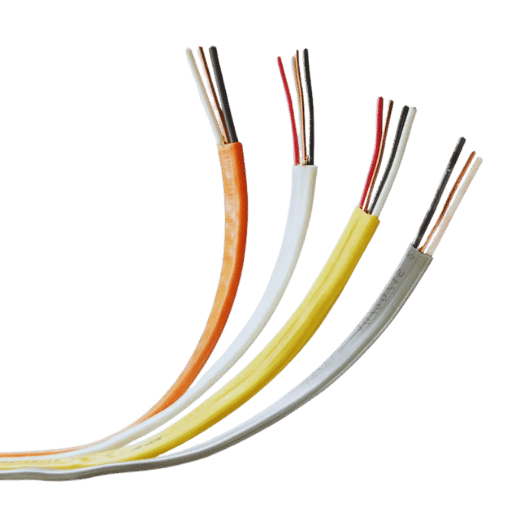
Correct interpretation and use of electrical wire colors are essential for upholding safety standards regarding electrical installations and repairs. These codes enable electricians to understand the function of the wires, which include ground, power supply, and neutral. Adherence to these standards helps avert electrical dangers like short-circuiting and unintentional shocks while also easing maintenance diagnostics. Following accepted color schemes allows electricians to increase precision and reduce problems related to incorrect wiring.
Challenges in Dealing with Old Wiring Color Systems
Working with outdated wiring color systems is both a safety risk and a functionality issue. Older installations used to use non-standardized or obsolete color codes, which make maintenance or upgrades quite confusing. For example, some systems used black or red wires for neutral connections which is in conflict with modern conventions that use white or gray for neutrals. Such discrepancies increase the risk of miswiring which can result to short-circuits, electrocution, or the damaging of sensitive apparatuses.
Most old system documents are either incomplete or missing entirely, which makes it increasingly frustrating for electricians as now they have to do guesswork and extensive testing to figure out the use of the wires. This task is quite tedious, time-consuming, and error-prone. Some studies claim that inadequate wiring upgrades in older properties are one of the primary causes of electrical fires, especially in aging homes. In addition, modern systems fitting into existing infrastructure may increase the time and money spent due to possible compatibility problems between old and new parts.
To address these problems, electricians may need to employ specialized equipment like wire tracers and continuity testers for determining the functions of vague wires. During modernizations, accurate labeling and updated documentation also play an important role in long-term safety and compliance with regulations. Moving away from these legacy systems to current standards improves safety and also optimizes future repair and maintenance activities.
Best Practices for Electricians in China
1. Adhering to National Standards:
The National Standards of Electrical Safety (GB/T) set critical safety regulations and technical prerequisites for electricians in China. These standards help to create a safe working environment and improve the reliability of electrical installations. Compliance with China Compulsory Certification (CCC) is mandatory for electrical equipment and products, as this certification asserts compliance with national safety and quality requirements.
2. Incorporation of Smart Grid Technology:
China’s rapid development in smart grid technology requires electricians to learn the newest innovations like the deployment of smart meters, advanced sensor technology, and integrated energy systems. Studies show the goal for China is to fully modernize the grid by 2030. This means there is a growing need for well-trained electricians in smart grids and renewable energy systems.
3. Renewable Energy Specialization:
There is a growing demand for electricians to assist in the installation and maintenance of systems that harness renewable energy like photovoltaic (PV) panels. In China, the share of renewable energy is expected to exceed 50% of the country’s total energy consumption by 2025. Knowledge of operational and safety procedures for solar panel and wind power installations is a necessity for electricians in both cities and rural areas.
4. Upgrades in Training and Certification
Professional development and endorsement are issued by the government through specialized institutions, which encourage vocational certification for electricians. High-level certifications, like the High-Voltage Electrical Installation Certification, allow an electrician to stay relevant in the ever-changing employment marketplace. Furthermore, new teaching methodologies place greater emphasis on training concerning automation systems and energy management.
5. Putting a Premium on Safety at the Workplace
Data shows that electrical accidents mostly stem from outdated practices and insufficient safety measures. Electricians need to pay greater attention to the use of Personal Protective Equipment (PPE) such as insulated gloves and boots, as well as performing pre-use inspection and testing of tools. Thorough checks for safety and compliance with procedures that guard the workplace from electrical hazards must be performed to reduce risk.
Such practices enable Chinese electricians to adapt to changes in the electrical industry’s technology while ensuring safety, sustainability, and efficient service delivery.
Frequently Asked Questions (FAQs)

Q: Which color codes are used in Chinese wiring systems for the electrical wires?
A: In a Chinese wiring system, colors are assigned to different wires. In most cases, the red wire denotes the live wire, blue is used for the neutral wire, while the earth wire uses yellow and green. These color codes play an important part in maintaining safety and precision in the distribution of electric current.
Q: In what ways is the comparison of the Chinese wiring color code with European countries wiring systems differs?
A: Both China and European countries use color codes for wiring purposes, but the specific colors used may vary. For instance, red is associated with live wires in China – it is brown in Europe. Additionally, blue is used for neutral in Europe while China prefers blue. Adherence to wiring color codes promotes safety, streamlined operations, and ease in using different electrical systems.
Q: How important is the earth wire in a cable assembly?
A: The earth wire, which is usually marked with yellow and green stripes, plays an important role in a cable assembly. It helps channel the flow of electricity back to the ground and eliminates the risk of electric shocks, thus boosting the safety standards of the overall electrical system.
Q: Is it possible to apply a yellow wire as a hot wire in the Chinese wiring system?
A: No. As a general rule, the yellow wire is not designated as a hot wire in Chinese wiring systems. As mentioned previously, red is the most widely used color for hot wires, and using any other color such as yellow, is likely to cause confusion and dangers. Straying from the standard electrical color codes is not advisable if safety is a priority, which is a must in any electrical work.
Q: What is the responsibility of electrical engineers in terms of working on wiring harnesses?
A: As far as designing the wiring harness is concerned, electrical engineers play an important role because they create the schematic diagrams for the arrangements as well as the selection of the appropriate cable and color of the insulation. Also, they ensure that the risks involving the wiring system and the safety of personnel and equipment are within acceptable limits with regards to efficiency. It is their job to make ideas happen with the proper, safe, and efficient installation of electricity.
Q: How are three-phase and single-phase systems distinguished in terms of wiring color codes?
A: In three-phase systems, the color codes are likely to be red, yellow, and blue for the three live wires; the neutral wire may be blue or white. In single phase systems, there is usually one live wire, which is red with a blue neutral wire. Proper identification ensures accurate installation and operation.
Q: Describe what the difference between AC and DC wire color codes is in China.
A: In China, the wires of AC circuits are coded red for live wires, blue for neutral, and green with yellow stripes for the earth wire. For DC wire color coding, the standard red is used for the positive terminal and black for the negative terminal. There are separate codes for DC and AC to avoid misunderstanding and guarantee safety.
Q: What is the rationale in adhering to standard electrical color codes in a system of wiring?
A: Following standard electrical color codes optimizes the safety of personnel, mitigates electrical risks, and assists in the maintenance and troubleshooting of the wiring system. Sticking to these guidelines aids in the avoidance of mistakes and increases the reliability of electrical systems.
Q: In what way does the color of insulation on cables assist in differentiating between various electrical cables?
A: Cable coloring schemes aid in the differentiation of electrical cables by signifying their respective roles, for example, live, neutral, or earth conductors. This aids proper installation and maintenance within electrical technology because issues such as oversights and accidents can easily be avoided with the aid of prompt identification.
Reference Sources
1. Title: The Theory and Practice of Developing Color Chinese Character Authentication Code on ASP.NET
- Authors: Duan Xue-li
- Publication Date: 2006 (not within the last 5 years)
- Summary: This paper analyzes the issues concerning Chinese character coding for use in an ASP.NET application with special attention to the creation of dynamic color Chinese character certification codes. While it pertains to the area of color coding, it does not focus on wire color codes.
2. Title: Cross-Cultural Semiotics: Cultural Code Of Color Terms In Chinese And Russian Languages
- Authors: N. Perfilieva
- Publication Date: 2019 (not within the last 5 years)
- Summary: This research investigates the sociocultural implications of color designations in the Chinese and Russian languages, elucidating how colors are viewed and classified across various cultures. But does not center on the discussion of wire color codes.
3. Title: The Importance of Color in the Chinese Dress Code
- Authors: Kim Soonjin, Han Yong-Su
- Date of Publication: 2018 (not within the last five years)
- Summary: This research explores the meaning of the five color words concerning dress codes in China. It also looks at how color as an abstract concept, impacts expression. Although it covers the concept of color, it makes no mention of the color coding of wires.