







The importance of submersible well pump wire is often underestimated when it comes to the uninterrupted delivery of water from a well. Regardless of whether there is a new installation, an upgrade to an existing system, or an issue being diagnosed, leveraging proper submersible well pump wiring is paramount. This article informs readers about safety regulations, different types of wires available, and optimal installation and upkeep procedures, alongside useful tips. The submersible well pump wire’s responsibility as the critical link through which power reaches the pump determines its performance and dependability over time. After reading this article, the audience will recognize how to choose and maintain the wire so that the well pump functions for years without any problems.
What is a Well Pump Wire?

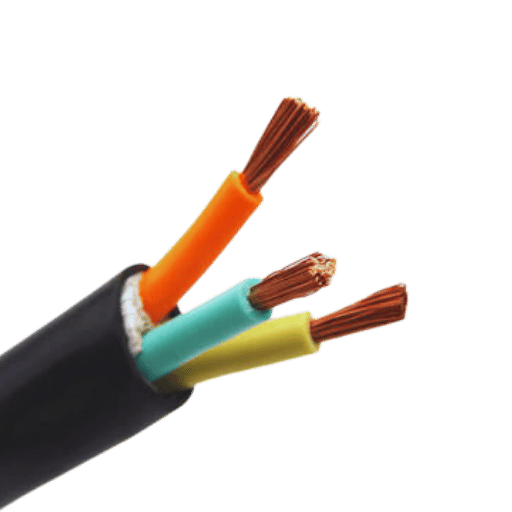
A well pump wire is an electrical cable created specifically to deliver power to submersible well pumps. Its design exposes it to harsh realities of the surroundings, such as long-term contact with water, temperature changes, and subsurface conditions. Usually composed of aluminum or copper, well pump wires are insulated with protection against moisture and are guaranteed to transmit energy efficiently and reliably. For the well pump to work safely, effectively, and efficiently, the proper selection of wire size and type is crucial.
Understanding Pump Wire
When choosing a pump wire, consider aspects such as wire gauge, type of material, and environmental suitability. The wire gauge must correspond to the power needs of the pump, providing appropriate energy transfer without significant voltage reduction. Copper wire is preferred for its greater tensile strength and conductivity, but is heavier compared to aluminum, which is cheaper and lighter. The wire used in sealing must be able to withstand moisture and fluctuations in temperature typical of submerging or underground applications. Observe industry practices as well as the manufacturer’s recommendations to ensure optimal operational efficiency.
Components of Submersible Pump Wire
Under the demanding conditions, the safety, performance, and longevity of a submersible pump wire are directly related to its key components. Henceforth, the functions and their respective parts are illustrated below:
Conductors
- For pump wires, the conductors are either copper or aluminum. Aluminum, though a cheaper option, is not as good a conductor as Copper. Due to its weakened tensile strength, if aluminum were used to replace Copper, it would require larger gauge sizes when compared to copper. This is due to copper’s superior electrical conductivity and resistance to corrosion. Also, copper guarantees efficient power transmittal without excessive voltage drop. Copper does, however, have a conductivity rating of ~59.6 MS/m (megasiemens per meter) while aluminum’s rating only sits at 36.9 MS/m.
Insulation Material
- Heated, unabraded, and moisture-safe protection of the conductors is crucial and can be provided by insulation. Cross-linked Polyethylene (XLPE) is more suited to harsh environments as it can chemically and thermally withstand greater heats greater than -40°C and 90°. Polyvinyl chloride (PVC) is more suited for less demanding tasks as it is flexible and resistant to heat, along with XLPE, providing insulation against unguarded abrasion.
Outer Sheathing
- The outer sheath also protects the wire from physical damage and from oil, UV rays, and chemicals. Durable jacketing materials include thermoplastic elastomer (TPE) and chlorinated polyethylene (CPE). These materials are particularly good at resisting cracking while remaining flexible in a submerged environment.
Waterproofing Layers
- Gel coatings or rubber fillers like water-blocking tapes are added to submersible pump wires to stop water inflow. These features are critical for deep-well applications to prevent short-circuiting while ensuring operational reliability.
Voltage Rating
- Submersible pump wires are built to withstand particular voltages ranging from 300V for smaller residential systems to over 600V for industrial applications. It is critical to always select a wire size and rating appropriate for safe operation and compatibility with the system.
Environmental Resistance
- These wires endure extreme environments such as high moisture content, temperature fluctuations, and pressure at considerable depths. The material composition ensures that certain optimal performance is provided even under prolonged submersion.
Choosing the right components for submersible pump wire is critical to the efficiency and safety of the pump system. Appropriate specifications followed by compliance with installation norms can remarkably enhance the life span of the fingers and pumps endured.
Benefits of Using Submersible Well Pump Wire
Durability In More Challenging Challenges
- The wire for submersible well pumps is crafted to endure severe challenges like constant water immersion, corrosive elements, as well as extremely high temperatures. The insulation materials like XLPE and PVC have a long-lasting resistance towards abrasion as well as chemical degradation.
Enhanced Electrical Conductivity
- To maintain proper electrical conductivity, submersible pump wires are fitted with high-grade copper conductors, making pump systems cheaper due to improved efficiency and reduced power loss.
Moisture Resistance
- When submerged over 300 feet, these features help prevent shorts or malfunctions as these high-severity cuts prevent water from bleeding into the sealed electrical connections.
Temperature Tolerance
- The specification of materials used leads to the wide temperature extremes to extend reliability in various operational settings with ease of pump wires from -20°F to 90°F (-29°C to 32°C).
Longevity and Cost Efficiency
- Providing lower costs to the system operators, properly manufactured submersible pump wires help increase cost efficiency over time by saving money led from the reduced replacement frequency due to extended lifespan.
Ease of Installation
- Wires’ flexibility and light weight help in making installations in narrow or deep wells easier. To reduce complexity and increase the accuracy of installations, numerous manufacturers offer predefined, ready-to-install lengths.
Safety Improvements
- The use of insulated and shielded designs greatly reduces the risk of fire or electrical shock, even in high-voltage operations. Additionally, non-toxic and non-flammable materials are used to meet strict safety requirements.
Using submersible well pump wire that meets set requirements will greatly aid operators in achieving optimal performance, enhanced system reliability, increased safety, all while decreasing operational costs. These aspects are only possible through proper selection and maintenance.
How Do You Select the Right Pump Wire?
Types of Submersible Pump Cable
There are three primary types of submersible pump cable commonly used:
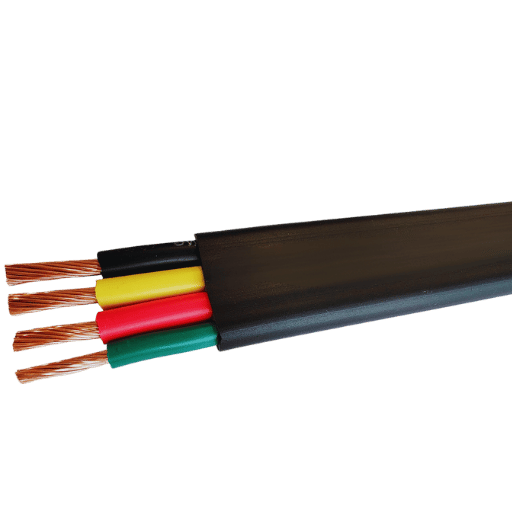
- Flat cable – Easy to install and perform well in shallow or constrained wells, flat cable is best suited for compact applications.
- Round cable – Round cables are more durable and flexible, and thus more suitable for constricted water column depth fluctuations.
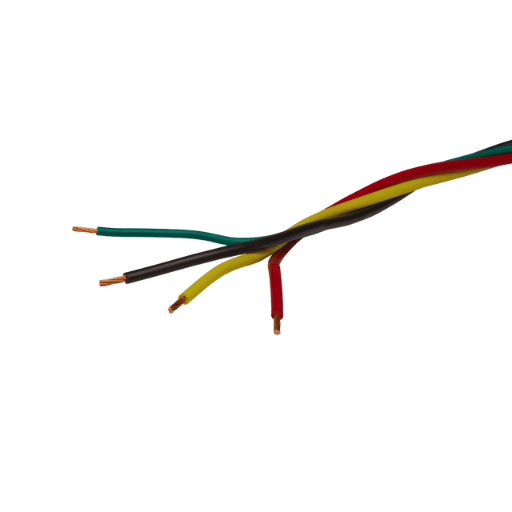
- Twisted cable – Adaptable for temporary or customizable installations, twisted cables are less structurally sound long-term and therefore need protective sleeving to endure long-term exposure, but are otherwise suited for long-term use.
Selecting one over the other is a function of well depth, pump specifications, and environmental conditions. Ensuring compatibility is critical to maintaining performance and safety.
Choosing Between 3 Conductor and Other Options
While ergonomically choosing a 3-conductor submersible pump cable or any other type, the operational and electrical parameters of the pump system need to be taken into account. Usually, a 3-conductor cable consists of three insulated wires for power transmission (hot wires) and one ground wire set aside for safety purposes. This is common in systems that need a control module or capacitor at the surface, since the third conductor permits better control and efficiency in management and operations.
In terms of the technicality, for deeper well installations, a 3-conductor cable might be favorable in comparison to a 2-conductor setup because of voltage drop revisions over long distance runs. Cables should always incorporate appropriate American Wire Gauge (AWG) sizes as per the recommendation of the Engineers, in determining the current flow capability for pumping without overheating. For example, the industry might dictate that a 1 HP submersible pump should use a 12 AWG cable for runs less than 100 feet, but longer runs may require increasing the thickness of the cable to 10 AWG in order to account for resistance.
In addition, the surrounding conditions like the temperature of the water and salinity, as well as soil type, need to be considered. If high-temperature conditions or Caustic exposure took place, cables with additional insulation like polyethylene or cross-linked polyethylene (XLPE) would be required. These materials increase the service life while reducing maintenance requirements because they are more durable and resistant to harsh conditions.
In the end, the 3-conductor cable decision, along with the rest of the options, will be determined by the pump’s electrical requirements, the well’s depth, and the environmental factors. These requirements are often best achieved while following legal standards, in this case, the NEC (National Electrical Code). Guidance from licensed experts is essential.
AWG Sizes for Different Applications
The selection of an American Wire Gauge (AWG) sized wire must be appropriate depending on its application in terms of current rating, voltage, and distance. The table below details specifications and applications of these common sizes:
- 12 AWG: Used in private homes circuits and lighting with a maximum load of twenty amps.
- 10 AWG: Used in larger appliances like water heaters or air conditioning units, with a rated load of up to thirty amps.
- 8 AWG: Used in electric heaters or home subpanels where current levels may go up to fifty amps.
- 6 AWG: Used in Electric ranges or hot tubs with a current draw of around sixty-five amps.
- 4 AWG and larger: Used for industrial equipment or main service lines where the current carrying capacity is much higher.
Attention to voltage and current ratings will prevent overheating and excessive voltage drop, thus ensuring safe operation. Always check the electrical code and standards that apply.
How is Submersible Well Pump Wire Installed?
Installation Steps for Deep Well Pumps
- Identify Appropriate Wire: Choose the submersible pump wire based on the well’s depth as well as the voltage and current requirements of the pump; use insulated wire rated for submersion.
- Reel ’em In: Bring forward the wire and cut it to the appropriate length, making sure there’s an appropriate amount of slack on both ends for faster accessible connections at the control box and pump. Strip the insulation, leaving it intact at the ends for optimal seals.
- Wire Pump: Connect the designated wire to the pump motor per the instructions provided in the wiring diagrams. Protect the seal from water using connectors that are guaranteed to be sufficient.
- Securing the Sealing Wire Pipe Carriage: Use electrical tape or zip ties to attach the wire to the discharge pipe at 5 to 10 foot intervals to ensure seamless movement propulsion with no such jarring slashing issues.
- Instillation into the Well: Carefully lower the assembly into the well while ensuring the wire does not unwind in an uncontrolled manner, twist, or kink.
- Caps are put on the bottle: Plug the control box into an outlet, and attach the wire previously attached to the upper cabinet using the secondary cabinet’s hooks that are plastering the floor. Insulate each plug and end with top inserts that need to be firmly closed.
- Connect to the Control Box: Plug the control box into an outlet and connect the wire previously attached to the upper cabinet using the secondary cabinet’s hooks that are plastering the floor. Insulate each plug and end with top inserts that need to be firmly closed.
- Confirm and validate: Start the system and check that the pump is operating correctly. Watch for consistent performance while checking that all connections are tight.
Importance of Pvc Jacket in Installation
In the installation process, a PVC jacket is critical as it offers insulation along with protection for the wires and cables. It protects the constituent parts from moisture, abrasion, and exposure to chemicals, which might happen in harsh or submerged environments. Furthermore, the twisting or damage that might occur during installation is prevented by the PVC material, which ensures that no other cables are misaligned. This helps in increasing the overall durability and reliability of the system while minimizing maintenance, disruption to operations, and servicing.
Using a Splice Kit for Secure Connections
A splice kit attempts to create a reliable link between two sections within a wire or electrical circuit that is simple to maintain. A typical kit includes a connector, some insulation, and some sealing gunk or tape designed to stand even in extreme conditions. The user’s job is to align the wires, stuck to the connectors, and apply insulating or sealing material as guided. That technique optimally protects conductivity and prevents moisture, rust, mechanical damage, and other unrelated factors from damaging the central system. Remember: these things work together as long as one follows the desired instructions. While ‘do it your own way,’ and nothing works.
What are the Key Features of Jacketed Submersible Pump Cable?
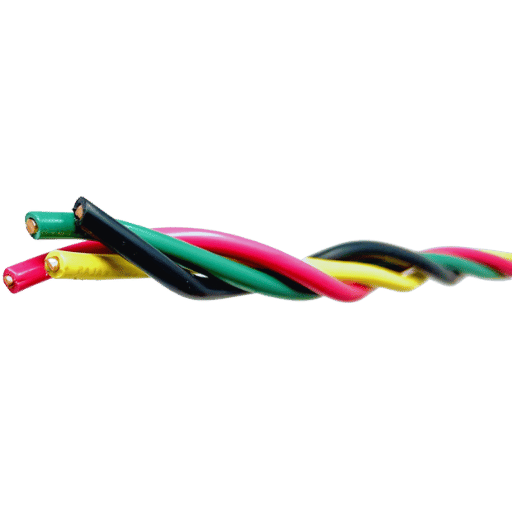
Advantages of Heavy-Duty Wiring
- Durability: The long-term performance of heavy-duty wiring, exposed to harsh temperatures, abrasives, and chemicals, is astonishing.
- Enhanced Safety: Heavy-duty wiring minimizes risks such as electrical faults or fire hazards due to damage or faults with powerful insulation.
- High Conductivity: The performance of the system is enhanced with the efficient movement of energy by the wires, reducing energy wastage.
- Versatility: Heavy-duty wiring can be used for almost any purpose, such as industrial, outdoor, and underwater submersible systems.
- Reliability: Heavily constructed and precisely engineered to eliminate the risk of reducing steadily in operation, and maintenance downtime.
Understanding UL Certifications
UL certifications play a critical role in verifying the safety and compliance of a product with applicable industry requirements. In my opinion, these certifications offer confidence that the components, like industrial-grade electrical cables, have been tested properly, alongside their peers, for safety, performance, and durability. They assist in signifying quality and trust, which ensures that the products are compliant with the regulations and can be relied upon in normal and severe conditions.
Comparing Direct Burial vs. Standard Cables
Direct burial cables are uniquely crafted for installation underground and do not require an external conduit. These cables are ruggedly constructed with moisture-resistant and durable insulation that can withstand direct exposure to soil, moisture, and other environmental conditions.
Standard cables, on the other hand. Lack the design features needed to function in such harsh conditions. They generally come without encapsulating conduits or other protective covers shielding them from moisture, soil pressure, and even physical damage. Food risk protection, the use of standard cables for direct burial is not only unshielded, but also poses a risk of premature decomposition, a safety risk.
As with any other construction decision, the choice between direct burial and standard cables depends on method of installation while keeping in mind key issues of safety, resistance to environmental conditions, and compliance with legally set standards.
Why Use Kalas Wire for Your Well Pump?

Features of Kalas Wire
- Durability: Moisture, abrasion, and temperature changes pose no threat to Kalas Wire, as it is specially designed to withstand extreme environments.
- Flexibility: For easier installation in tight or difficult spaces, its flexible configuration allows enhanced accessibility.
- High Performance: For borehole and well pump systems, power supply reliability is essential, and Kalas wire is expertly crafted to deliver dependable conductivity.
- Compliance: Kalas wire is manufactured within the predetermined boundaries of industry regulations, thereby ensuring that safety and performance benchmarks are attained.
- Longevity: Long-term use of Kalas wire minimizes the frequency with which maintenance and replacements are needed, making it far more advantageous in terms of affordability.
Durability and Conductor Quality
Kalas wire showcases superb strength and conductor performance due to its durability and high-quality material construction. In addition, the insulation is resistant to moisture and temperature changes, allowing for reliable performance over an extended period. In addition, the channeling is arranged in such a way as to achieve optimal conductivity, which guarantees efficient power delivery with minimal energy use. From these characteristics, it is clear that Kalas wire is suited for well pump systems and other rigorous uses that require dependability.
Frequently Asked Questions (FAQs)
Q: What is a submersible well pump wire?
A: Submersible Well Pump Wire is a wire specifically made to provide electricity to a deep well submersible pump. It is made to endure water and any other conditions that are typical in an environment with a water well.
Q: How does a submersible cable work with a water pump?
A: A submersible cable connects electric power from the control box to the water pump that is submerged in the water well. It is important for the pump to work optimally because it must be supplied with electricity.
Q: What are the advantages of using heavy-duty submersible well pump cable?
A: They are heavy-duty submersible well pump cables, as they can operate in harsh environments such as deep water wells with high moisture, getting crushed, and even deep frost. They can also be trusted to deliver electric current to the pump without failure.
Q: Why is direct burial wire important for a well casing installation?
A: Direct burial wire is crucial because it can be placed directly in the ground without the need for added protections like conduits. This is very useful in the well casing where the wire must be buried and shielded from external damage.
Q: Why is 12-gauge wire preferred for use with submersible pumps?
A: Its use in submersible pump installations is based on the fact that it can carry the required amount of current for a distance without any considerable loss. This is important to deliver power to the pump without excessive voltage drop that would diminish the operational efficiency of the pump.
Q: How would you apply the principles of safety in the installation of a submersible water pump cable?
A: Safe practices would include the use of proper gauge wires, such as 6 awg or 12 awg, making sure of the cable’s rating. Furthermore, the cable needs to be rated for direct burial, using heat shrink and water-resistant connectors, as well as installation according to the manufacturer’s specifications.
Q: Would you highlight the significance of polyethylene in the design of submersible cables?
A: As a result of keeping moisture away, polyethylene is one of the materials used to insulate wires in submersible cables because it is tough. Equally important, it shields the electrical conductors from damage due to water and other environmental factors, prolonging the cable’s lifespan.
Q: What are the different configurations in use to power deep well submersible pumps?
A: The configurations for power supply to deep well submersible pumps are normally single-phase and three-phase. Each configuration is determined by the operational capabilities of the pump and the power infrastructure in place.