







Car wiring harnesses are one of the most critical yet often overlooked components of a modern vehicle’s electrical system. A complex assembly of wires, connectors, and terminals, it acts as the central nervous system of a car, transferring signals and power from one electrical and electronic component to another.
Key Insight: From headlights and dashboard displays to advanced driver-assistance systems, every electrical component in your vehicle depends on the wiring harness to ensure smooth operation. Understanding these systems is crucial for maintaining vehicle performance and reliability.
Introduction to Wire Harnesses
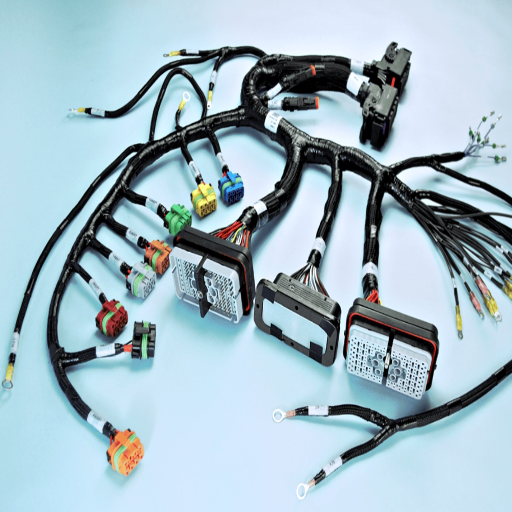
The term “wire harness” (also known as “wiring harness”) refers to a deliberate arrangement of wires, terminals, and connectors used to transmit power and signals within a vehicle. It serves as the central nervous system for all electrical components of the car, ensuring that everything from headlights to safety operating systems works perfectly.
Definition of a Wire Harness
A wire harness is a systematic and organized assembly of wires, cables, terminals, and connectors bundled together to convey electrical signals and power for use in various applications, including:
- Automobiles – Primary focus of this guide
- Aerospace – Aircraft and spacecraft systems
- Industrial Equipment – Manufacturing and processing machinery
- Household Electronics – Consumer appliances and devices
Industry Growth: The global wire harness market is forecasted to grow at a CAGR of nearly 5% over the coming decade, driven by increasing adoption of electric vehicles (EVs) and growing industrial automation requiring robust connectivity solutions.
Wire harnesses are designed to prevent electrical problems such as short circuits and disconnections while maintaining the integrity of the electrical system. Modern innovations include advanced materials and techniques such as:
- High-temperature-resistant wiring
- Robust insulating sleeves
- Enhanced environmental protection
- Space-saving configurations
Importance of Wire Harnesses in Automotive
Wire harnesses, often referred to as the nervous system of modern vehicles, play a crucial role in the automotive industry. They integrate and streamline all complex electrical and electronic systems in a car, enabling functionalities such as:
| System Category | Examples | Harness Requirements |
|---|---|---|
| Lighting Systems | Headlights, taillights, turn signals, interior lighting | Weather resistance, vibration tolerance |
| Safety Systems | Airbag deployment, anti-lock braking systems (ABS) | High reliability, fail-safe design |
| Infotainment | Audio systems, navigation, connectivity | Signal integrity, EMI shielding |
| Engine Management | Fuel injection, ignition, emissions control | High-temperature resistance, precision |
| ADAS | Lane keeping, blind spot monitoring, autonomous features | High-speed data transmission, minimal latency |
Market Impact: The global automotive wire harness sector is expected to reach over $93 billion by 2030, driven by rapid EV adoption and advancements in automotive technology. The transition toward EVs has increased demand for high-performance wire harnesses in battery management systems and charging infrastructure.
Overview of Electrical Systems in Cars
Modern cars rely on increasingly complex electrical systems essential for comfort, safety, and performance. These systems utilize crucial components including:
Power Generation & Storage
- Battery (12V/48V/High-voltage)
- Alternator
- Starter motor
- Power distribution centers
Control & Monitoring
- Engine control modules (ECM)
- Body control modules (BCM)
- Various sensors
- Diagnostic systems
Advanced Technologies
- Infotainment systems
- Driver-assist features
- Connectivity solutions
- IoT integration
The increasingly electrified vehicle market, including hybrid and battery electric vehicles, has led to very complex electrical architectures that include high-voltage systems and sophisticated energy management solutions.
Types of Wire Harnesses
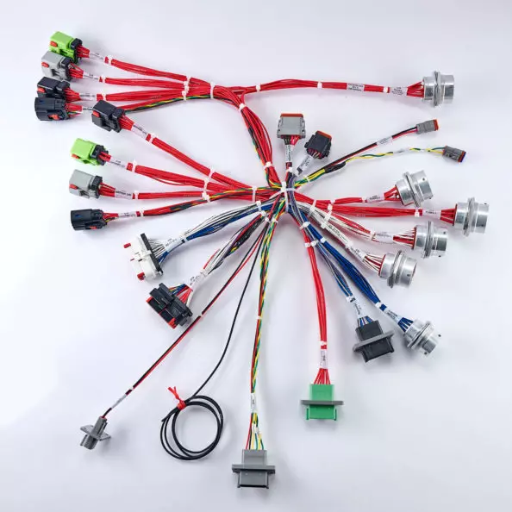
Engine Harnesses
Used to group and protect wiring supporting engine functions such as fuel injection, cooling systems, and ignition systems. Must withstand extreme temperatures and vibrations.
Key Features:
- High-temperature resistance (up to 150°C)
- Oil and chemical resistance
- Vibration tolerance
Chassis Harnesses
Designed to connect components within the vehicular frame, including lights, brakes, and communication systems throughout the vehicle body.
Key Features:
- Weather resistance
- Flexible routing
- Abrasion protection
Battery Harnesses
Distribute power from the battery to priority electrical systems and components. Critical for vehicle startup and power management.
Key Features:
- High current capacity
- Heavy-duty insulation
- Secure connections
HVAC Harnesses
Specially designed for heating, ventilation, and air conditioning systems, ensuring climate control functionality.
Key Features:
- Temperature sensors integration
- Motor control capabilities
- Compact design
Sensor Harnesses
Carry electrical signals from various sensors throughout the vehicle, collecting data for functions such as emissions control and safety monitoring.
Key Features:
- Signal integrity protection
- EMI shielding
- Precision connections
Specialized EV Harnesses
High-voltage harnesses for electric and hybrid vehicles, managing power distribution for electric motors and charging systems.
Key Features:
- High-voltage insulation (up to 600V+)
- Safety interlocks
- Thermal management
Common Types of Wire Harnesses Used in Automobiles
Automotive wire harnesses simplify the electrical wiring system in vehicles by bundling multiple wires and cables into organized packages. This approach provides several key benefits:
Benefits of Organized Wire Harnesses:
- Enhanced Safety: Reduces risk of electrical system failures
- Improved Signal Efficiency: Better electrical performance and reliability
- Environmental Protection: Protection against heat, moisture, and vibrations
- Easier Installation: Simplified assembly and repair processes
- Space Optimization: More efficient use of vehicle interior space
- Cost Reduction: Lower manufacturing and maintenance costs
Differences Between Automotive Wire and General Wire
Automotive wires and general-purpose wires differ significantly in design, materials, and application requirements due to the demanding automotive environment:
| Characteristic | Automotive Wire | General Purpose Wire |
|---|---|---|
| Temperature Rating | 125°C and above (XLPE insulation) | 80°C typical (PVC insulation) |
| Environmental Resistance | Oil, abrasion, vibration, UV resistant | Basic protection for indoor use |
| Electrical System | Designed for DC systems | Primarily AC applications |
| Wire Construction | Thinner, lighter, highly flexible | Standard construction |
| Shielding | Braided shields, high-performance jackets | Basic insulation only |
| Standards Compliance | ISO 6722, SAE J1128 | Various general standards |
Technical Consideration: Automotive wires must be flexible and well-coated to accommodate tight bends and protection from abrasion in confined vehicle spaces, while maintaining electrical performance in demanding conditions.
Specialized Wire Harnesses for Sensors
Sensor wire harnesses are meticulously designed for modern vehicles to provide precise communication between electronic components. These specialized harnesses feature:
- Top-Grade Materials: Premium conductors and insulation materials
- Advanced Shielding: Protection against electromagnetic interference (EMI)
- Environmental Durability: Resistance to extreme temperatures, moisture, and vibration
- Standards Compliance: ISO 9001 and IATF 16949 certification
- Sensor Compatibility: Optimized for temperature, pressure, proximity, and motion sensors
Critical Requirement: Sensor harnesses must maintain signal integrity to ensure accurate data transmission between sensors and the vehicle’s central systems, directly impacting safety, performance, and efficiency.
Components of a Car Wiring Harness
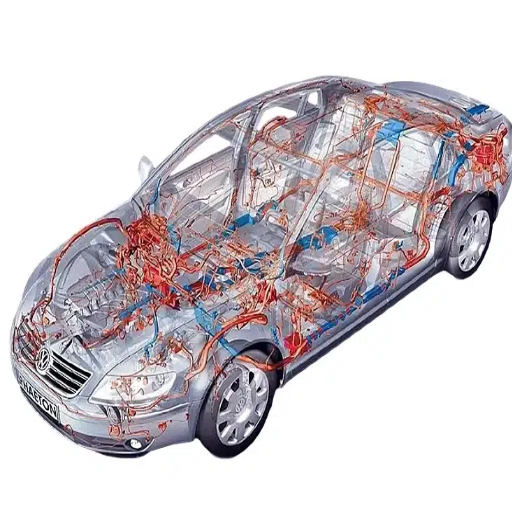
🔌 Wires
The primary conductors of electrical power and signals within the system. Available in various gauges and materials depending on current requirements.
🔗 Connectors
Provide secure connections between wires and components. Essential for modularity and serviceability of electrical systems.
⚡ Fuses and Relays
Protect the system from electrical overload and enable circuit control. Critical safety components preventing damage and fires.
📍 Terminals
Attach wires to connectors or other electrical components. Must provide reliable electrical and mechanical connections.
🛡️ Insulation
Protects wires from abrasion, heat, and environmental damage. Various materials used based on application requirements.
📎 Clips and Fasteners
Secure the harness in place to prevent movement and potential damage. Essential for proper routing and protection.
🔒 Protective Sleeves
Additional protection from heat, abrasion, and moisture. Include braided sleeves, conduit, and heat-resistant tubing.
🔧 Grommets
Seal entry points through panels and body structures. Prevent water and debris ingress while allowing wire passage.
All these components work together to create a reliable system for powering and interconnecting the various electrical systems of vehicles.
Understanding Car Wire Types
Car wiring is categorized into types and subtypes based on function, material, and insulation requirements to ensure maximum efficiency and vehicle safety:
Primary/Common Wires
Materials: Copper or aluminum conductors with PVC insulation
Gauge Range: 18 to 12 AWG typically
Applications: General automotive electrical connections
- Good electrical conductivity
- Durable PVC insulation
- Cost-effective solution
Battery Cables
Construction: High current-carrying capacity cables
Gauge Range: 0 to 2 AWG commonly
Applications: Battery to starter, alternator, main fuse block
- Heavy-duty insulation
- Heat and abrasion resistance
- Large conductor cross-section
Shielded Wires
Construction: Conductor with electromagnetic shielding layer
Applications: Sensitive electronics, sensors, audio equipment
- EMI protection
- Signal integrity preservation
- Reduced interference
Speaker Wires
Construction: Enhanced dual conductors for audio systems
Gauge Range: 16 or 14 AWG typically
Applications: Car audio systems for high-quality sound delivery
- Low resistance for audio quality
- Matched conductor pairs
- Flexibility for installation
Trailer Wires
Construction: Multiple conductors in protective jacketing
Applications: Towing connections for lights, brakes, auxiliary power
- Weather resistance
- Abrasion protection
- Multiple circuit capability
High-Voltage Wires
Voltage Rating: Up to 600+ volts
Insulation: Silicone or cross-linked polyethylene (XLPE)
Applications: Electric motors, batteries, high-power systems in EVs/hybrids
- High-temperature management
- Safety interlocks
- Enhanced insulation thickness
Selection Impact: The type of wire selected for an automotive application significantly impacts the performance and reliability of the electrical system. Understanding these distinctions ensures vehicles meet performance criteria and safety regulations, especially as hybrid-electric and autonomous systems continue pushing the limits of automotive wiring technology.
Electrical Devices Connected to the Harness
Automotive wiring harnesses connect a vast array of electrical devices, each playing a vital role in vehicle functionality, safety, and comfort:
| Device Category | Examples | Harness Requirements | Power/Signal Type |
|---|---|---|---|
| Lighting Systems | Headlights, taillights, indicators, interior lights | Weather sealing, current capacity | High current, switching |
| Infotainment | Audio systems, displays, navigation, connectivity | Signal integrity, EMI shielding | Data signals, audio |
| Climate Control | HVAC systems, heated seats, defrosters | Temperature resistance, motor control | High current, control signals |
| Safety Systems | Airbags, ABS, stability control, sensors | Reliability, fail-safe design | Critical data signals |
| ADAS | Lane keeping, blind-spot monitoring, cameras | High-speed data, minimal latency | High-frequency data |
| EV Components | Electric powertrains, charging modules, battery management | High-voltage insulation, thermal management | High voltage, high current |
| IoT/Connectivity | Telematics, diagnostics, remote services | Data integrity, cybersecurity considerations | Digital communications |
Industry Evolution: Electrical and electronic components now comprise approximately 40% of a vehicle’s total cost, and this figure is expected to rise with EV growth. Electric vehicles require technically advanced wiring systems for high-voltage powertrains, regenerative braking, and charging systems.
Role of Connectors in Wire Harnesses
Connectors play a crucial role in the interoperability and reliability of wire harnesses, serving as key interfaces that link different electrical systems within a vehicle:
Signal Transmission
- Excellent electrical conductivity
- Minimal signal loss
- High-frequency capability
- EMI protection
Mechanical Connection
- Strong mechanical bonds
- Vibration resistance
- Secure locking mechanisms
- Easy assembly/disassembly
Environmental Protection
- Weather resistance
- Moisture sealing
- Temperature tolerance
- Chemical resistance
Modern Features
- Compact, high-density designs
- Modular configurations
- Self-testing capabilities
- LED status indicators
Market Growth: The global automotive connectors market reached approximately $17 billion in 2022 and is projected to grow at a CAGR of 7.9% until 2030, reflecting the increasing demand for advanced connector technologies in modern vehicles.
With the introduction of electric vehicles, connector importance has increased due to high-voltage and complex powertrain systems. Modern connectors must handle high-speed data transfers for ADAS, infotainment, and advanced technologies while maintaining environmental resistance to moisture, vibration, and temperature variations.
Manufacturing Process of Wire Harnesses
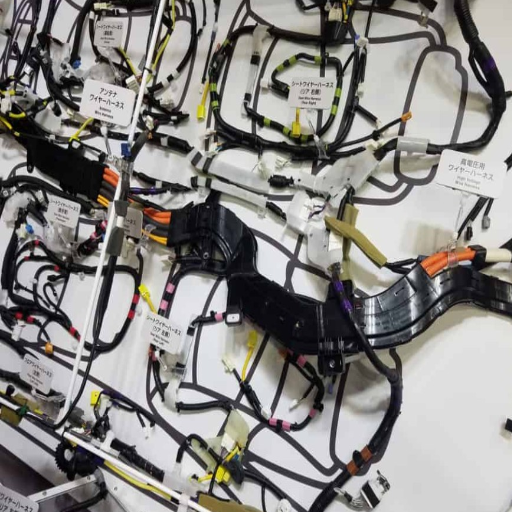
The manufacturing of wire harnesses involves multiple precise steps to ensure efficiency, reliability, and quality:
Design and Specification
Engineers create detailed designs based on electrical requirements, including connector types, cable lengths, routing paths, and environmental considerations. Advanced CAD software and simulation tools are used to optimize designs.
Cutting and Stripping
Wires are precision-cut to exact lengths and stripped of insulation at the ends for proper connections. Automated cutting machines ensure consistency and accuracy across all wire lengths.
Assembly and Routing
Wires are assembled and arranged according to design specifications, then routed through the harness layout. Workers use assembly boards or form boards to ensure proper positioning and organization.
Bundling and Securing
Wires are bundled together using tape, cable ties, or protective sleeves. This step organizes the harness and protects wires from movement, abrasion, and environmental damage.
Crimping and Soldering
Terminals and connectors are attached to wire ends through crimping or soldering processes. Quality control includes pull tests to verify connection strength and electrical continuity.
Testing and Quality Control
Comprehensive testing includes continuity checks, insulation resistance testing, and functionality verification to ensure proper operation and compliance with specifications.
Packaging and Delivery
Finished harnesses are carefully packaged to protect them during transit and delivered to customers or manufacturers for installation in vehicles.
Materials Used in Automotive Wire Harness Production
Automotive wire harness production utilizes various specialized materials to enhance durability, functionality, and safety:
| Material Category | Specific Materials | Properties | Applications |
|---|---|---|---|
| Conductors | Copper, Aluminum alloys | Excellent electrical conductivity, flexibility | Wire cores, cable conductors |
| Insulation | PVC, Polyethylene, XLPE, Silicone | Heat resistance, moisture protection, abrasion resistance | Wire insulation, cable jackets |
| Connectors | High-grade plastics, composite materials | Durability, chemical resistance, dimensional stability | Connector housings, terminal blocks |
| Terminals | Brass, copper alloys, tin-plated metals | Corrosion resistance, reliable electrical connection | Wire terminations, connector pins |
| Protection | Braided sleeves, heat-resistant tubing, tape | Physical protection, thermal resistance | Wire bundling, environmental protection |
| Fasteners | Plastic clips, rubber grommets, cable ties | Secure mounting, vibration resistance | Harness routing, panel penetrations |
| Sealing | Specialized adhesives, weatherproof sealants | Moisture protection, environmental sealing | Connector sealing, ingress protection |
Quality Standards: Each material is carefully selected and tested to meet automotive technical standards, ensuring harnesses function properly under all environmental conditions and throughout the vehicle’s lifecycle.
Techniques for Assembling a Wire Harness
Wire harness assembly combines precision techniques with both manual and automated methods to ensure reliability and functionality:
Key Assembly Techniques
Wire Cutting and Stripping
- Automated precision cutting
- Consistent wire lengths
- Clean insulation removal
- Quality verification
Crimping Process
- Terminal attachment to wire ends
- Hydraulic or pneumatic crimping tools
- Pull-test quality control
- Electrical continuity verification
Layup and Routing
- Assembly board positioning
- Specific path routing
- Design specification compliance
- Dimensional accuracy
Bundling and Securing
- Wire organization per design
- Cable ties and tape application
- Movement prevention
- Wear protection
Connector Assembly
- Electrical connector attachment
- Plug-and-play functionality
- Precision mating alignment
- Locking mechanism verification
Testing and QA
- Comprehensive continuity checks
- Insulation resistance testing
- High-voltage testing
- Functional verification
These methods combine advanced manual skills with sophisticated machinery to achieve accurate and efficient assembly, meeting the demands of modern automotive and electronic systems.
Quality Control in Wire Harness Manufacturing
Quality control is mandatory throughout wire harness production to ensure reliability, safety, and performance in automotive, aerospace, and consumer electronics applications:
Quality Control Stages
Material Inspection
Raw material examination including conductivity tests for wires, visual and dimensional inspections for insulation quality, wire gauge verification, and terminal quality assessment.
Continuity and Insulation Tests
Automated continuity testing to verify complete electrical connections and insulation resistance testing to prevent leakage currents and potential short circuits.
Hi-Pot (High-Voltage) Tests
High-voltage testing verifies harness capability to withstand voltage levels beyond operational requirements, identifying weak points or insulation failures before deployment.
Dimensional and Assembly Validation
Precision measuring tools and optical scanners verify correct layout, alignment, and compliance with design specifications, flagging any dimensional variations.
Environmental Conditioning Tests
Testing under extreme temperature changes, vibration exposure, and moisture conditions to validate durability and reliability under operational stress.
Defect Analysis and Documentation
Systematic categorization and recording of defects throughout the quality control process, enabling root cause analysis and continuous improvement.
Industry Impact: According to 2022 industry reports, continuous defect monitoring and quality control can lead to a 40% reduction in manufacturing errors, significantly improving production efficiency and reducing costs.
Standards Compliance
Wire harness manufacturers must adhere to various international standards:
- IPC/WHMA-A-620: Requirements and acceptance for cable and wire harness assemblies
- ISO 9001: Quality management systems requirements
- IATF 16949: Automotive quality management system standard
- ISO 6722: Road vehicles – 60 V and 600 V single-core cables
- SAE J1128: Low voltage primary cable standard
Identifying Problems with Wire Harnesses in Your Car
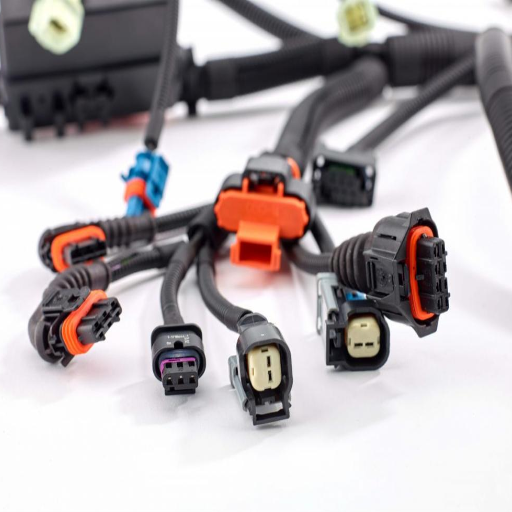
🔍 Common Symptoms of Wire Harness Problems
Electrical System Issues
- Intermittent electrical failures – Components working sporadically
- Flickering lights – Headlights, dashboard, or interior lighting
- Malfunctioning electronics – Radio, GPS, or infotainment systems
- Blown fuses – Frequent fuse replacement requirements
- Dashboard warning lights – Unusual or persistent warning indicators
Physical Signs
- Visible wire damage – Frayed, cracked, or melted insulation
- Connector corrosion – Green or white corrosion on metal parts
- Loose connections – Connectors that don’t fit securely
- Burnt smell – Electrical burning odor from wiring areas
- Heat damage – Discolored or melted wire insulation
Performance Issues
- Inconsistent power delivery – Varying performance of electrical components
- Starting problems – Difficulty starting the engine
- Charging system issues – Battery not charging properly
- Sensor malfunctions – Incorrect readings from various sensors
Safety Alert: Wire harness problems can lead to serious safety issues including electrical fires, component failures, and loss of critical systems like lighting or braking assistance. Address symptoms promptly to prevent escalation.
Tips for Maintaining a Car Wiring Harness
🔧 Essential Maintenance Practices
Regular Inspection Schedule
- Visual inspections every 6 months for wear, corrosion, or damage
- Check connections during routine maintenance visits
- Monitor performance of electrical systems for early problem detection
- Professional diagnostics annually or when issues arise
Cleaning and Protection
- Keep wires clean – Remove dirt and debris that can cause problems
- Protect from moisture – Ensure seals and grommets are intact
- Avoid heat exposure – Keep harnesses away from excessive heat sources
- Secure loose wires – Prevent chafing and vibration damage
Preventive Measures
- Address issues immediately – Fix loose or damaged connectors promptly
- Use proper tools – Avoid forcing connections or using inappropriate tools
- Professional modifications – Ensure any wiring changes are done professionally
- Quality replacements – Use OEM or equivalent quality parts for repairs
Environmental Considerations
- Corrosion prevention – Apply dielectric grease to connections in harsh environments
- Rodent protection – Use deterrents in areas prone to rodent damage
- Water damage prevention – Ensure proper drainage and sealing
- UV protection – Protect exposed wiring from sun damage
When to Replace Your Automotive Wire Harness
⚠️ Replacement Indicators
Critical Damage Conditions
- Persistent electrical problems – Recurring issues despite repairs
- Multiple system failures – Several electrical systems malfunctioning simultaneously
- Extensive physical damage – Widespread fraying, melting, or corrosion
- Safety system failures – Problems with airbags, ABS, or other critical systems
Damage Assessment Criteria
| Damage Type | Severity Level | Recommended Action | Urgency |
|---|---|---|---|
| Frayed wires | Minor to Moderate | Repair or sectional replacement | Medium |
| Melted insulation | Severe | Immediate replacement | High |
| Corroded connectors | Moderate | Connector replacement or harness replacement | Medium |
| Accident damage | Variable | Professional assessment required | High |
| Flood damage | Severe | Complete harness replacement | High |
| Fire damage | Severe | Complete harness replacement | High |
| Age-related wear | Progressive | Preventive replacement consideration | Low to Medium |
Age and Mileage Considerations
- Vehicles over 10 years old – Consider proactive harness inspection and potential replacement
- High-mileage vehicles – Monitor for increased wear and degradation
- Harsh environment exposure – Earlier replacement may be necessary
- Modified vehicles – Aftermarket modifications may stress original harnesses
Professional Recommendation: Always seek professional diagnostics and replacement services for automotive wire harnesses. Proper installation is critical for safety, functionality, and vehicle reliability. Professional technicians have the tools, knowledge, and experience to ensure correct installation and system integration.
Future Trends in Automotive Wire Harnesses
Emerging Technologies
Smart Harnesses
- Integrated sensors for self-monitoring
- Real-time health diagnostics
- Predictive maintenance capabilities
- IoT connectivity
Advanced Materials
- Lighter weight compositions
- Enhanced temperature resistance
- Improved flexibility
- Better EMI shielding
Modular Design
- Plug-and-play compatibility
- Easier maintenance and repair
- Simplified manufacturing
- Customization flexibility
High-Speed Data
- Fiber optic integration
- Ethernet-based automotive networks
- 5G connectivity preparation
- Autonomous vehicle requirements
Market Projections
- Electric Vehicle Growth: Increasing demand for high-voltage harnesses and specialized EV components
- Autonomous Driving: Requirements for ultra-reliable, high-speed data transmission systems
- Sustainability Focus: Development of recyclable and environmentally friendly materials
- Manufacturing Innovation: Automation and AI integration in harness production
Conclusion
Car wiring harnesses represent the critical nervous system of modern vehicles, enabling everything from basic lighting to advanced autonomous driving features. Understanding their components, functions, and maintenance requirements is essential for vehicle owners, technicians, and automotive enthusiasts.
Key Takeaways:
- Critical Importance: Wire harnesses are fundamental to vehicle safety, performance, and reliability
- Complex Systems: Modern vehicles contain multiple specialized harness types for different functions
- Quality Matters: Proper materials, manufacturing, and installation directly impact longevity and performance
- Maintenance Required: Regular inspection and proper care prevent costly failures and safety issues
- Professional Service: Complex repairs and replacements should be handled by qualified technicians
- Future Evolution: Advancing technology continues to drive innovation in harness design and capabilities
As vehicles become increasingly electrified and automated, the importance of robust, reliable wiring harnesses will only continue to grow. Whether you’re maintaining a current vehicle or preparing for the future of automotive technology, understanding these systems provides valuable insight into the complex engineering that keeps our vehicles running safely and efficiently.
Final Recommendation: For any wire harness issues or questions, consult with qualified automotive professionals who have the expertise and tools necessary to properly diagnose, repair, or replace these critical systems. Your safety and vehicle reliability depend on it.