






Proper wire and cable labeling is an essential yet often overlooked aspect of maintaining a neat, efficient, and safe infrastructure in the industry. From telecommunications, construction, and manufacturing to data centers, the proper labeling process saves time, eradicates errors, and ensures compliance with industry regulations. This guide delves into the world of wire and cable labeling standards, exploring why they matter, how to manage them effectively, and the tools used to ensure compliance. By the end of this, an understanding will have been gained of how to build and implement an effective labeling system that satisfies regulatory requirements and increases productivity. So, stay with us as we work alongside you to understand the essentials for labeling wires and cables perfectly and conveniently.
Understanding Wire and Cable Labeling Standards
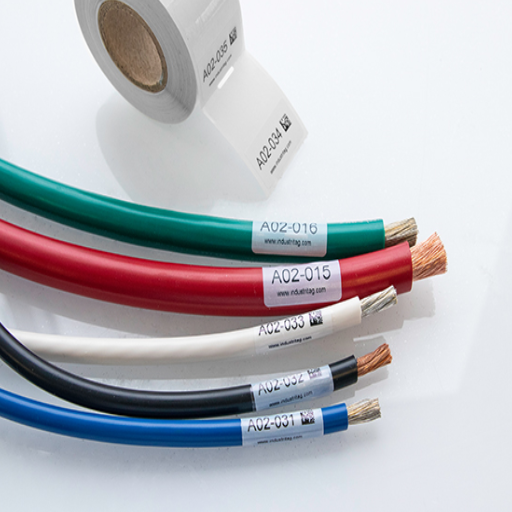
Wire and cable labeling standards promote consistency, compliance, and efficiency in the management of electrical systems. These standards are essential for cable identification, safety purposes, or their maintenance or upgrade. Prominent standards, such as those established by ANSI, ISO, or NEC, stipulate that cable labels should be durable, legible, and placed in locations where identification can be achieved under various environmental conditions. Standardization reduces the probability of errors, enhances safety, and makes troubleshooting an indispensable facet of any organized electrical or data system.
What are Wire Labeling Standards?
Wire labeling standards are critical guidelines established to identify wires and cables, ensuring safety and facilitating ease of maintenance. These standards have been defined and maintained by various organizations, such as the American National Standards Institute (ANSI), the International Organization for Standardization (ISO), and the National Electrical Code (NEC). Each of these agencies produces a framework designed to ensure that wire labels are correctly applied, readable, and withstand various conditions.
Wire labeling involves a formal methodology that utilizes unique identifiers, such as alphanumeric codes or a color code system, to distinguish different functionalities, connections, and paths for the wires. For example, ANSI/TIA-606-C pertains to labeling in telecommunication infrastructures and requires synthetically printed labels that are easily readable and free of the characteristic fading that other methods suffer over time. ISO standards, on the other hand, require labeling methods to be heat-, chemical-, or environmentally resistant, depending on the conditions of use in industrial environments.
Modern wire labeling technologies also emphasize digital tracking and documentation; therefore, wire labels now regularly feature QR codes and barcodes. These codes enable technicians to scan and retrieve all available information on a wire, including its purpose, origin, and routing, via digital files. The NEC suggests that correctly applied wire labels can reduce troubleshooting time by up to 50 percent, as wires can be immediately identified without the need for guesswork.
By adhering to these wiring standards, professionals can effectively ensure safety measures and operational efficiency with minimal risk of human error, particularly in complex wiring applications such as data centers, industrial factories, and construction sites. These standards protect personnel while enhancing the reliability of electrical and data systems.
The Importance of Cable Labeling Standards
Proper cable labeling standards ensure seamless functionality and minimize downtime in various industries. Another perspective in industry analysis highlights that organizations with a strong labeling system experience faster troubleshooting times, up to 40% faster, compared to entities that operate without a standardized labeling practice. Clear and long-lasting labels mean that connections are easily identified by technicians, inadvertently minimizing mistakes during installation, maintenance, or upgrades.
Furthermore, cable labeling systems aid in the organization of asset management. In primary data centers or industrial facilities where thousands of cables run between systems, standardized labeling permits each connection to be traced back to either its origin or destination effortlessly. This form of tracing saves time and, most importantly, prevents costly interruptions due to cables being misidentified or unintentionally disconnected.
Modern labeling techniques and materials, such as thermal transfer printers coupled with polymer tags that can withstand extreme temperatures or moisture, represent a significant step above traditional labeling practices in enhancing their longevity and accuracy. According to some reports, facilities that adopt these modern techniques experience a 25% reduction in errors stemming from miscommunication. These developments again underscore the importance of establishing practical cable labeling standards to ensure operational reliability, safety, and cost-efficient management of complex infrastructure systems.
Overview of ANSI and TIA 606-B Standards
The ANSI/TIA 606-B standards provide a thorough framework for the administration of telecommunications infrastructure. In particular, the framework outlines uniform guidelines for labeling, documenting, and administering cabling systems in homes, offices, and industrial settings. To improve the scalability of the infrastructure, minimize downtime, and optimize operational efficiency, these standards are established.
An essential feature of the ANSI/TIA 606-B standards is the grouping of administration levels by size and complexity of the cabling system. For instance, a Level 1 system would imply a simple premise, such as a small office, whereas Levels 2 through 4 pertain to more complex systems for large commercial buildings and data centers. These levels specify labeling and record-keeping requirements that will ensure the infrastructure is well-documented and visible.
These standards certainly help: according to various case studies and industry reports, workplaces that follow ANSI/TIA 606-B frameworks have reduced troubleshooting time during maintenance processes by up to 30% compared to those that do not follow these standards. The standards may also give precedence to labeling methods that are clear and durable; labels must be legible and resistant to environmental insults such as heat, moisture, and UV exposure.
The most recent evolutions within TIA 606-B suggest a focus on dovetailing with contemporary technology, including the implementation of automated tracking systems and the use of barcode or RFID-enabled labels for real-time management of infrastructures, thereby making workflows more productive and documenting centrally any alterations or upgrades. By embracing these standardized methods, organizations can safeguard themselves against errors and ensure future scalability of their cabling infrastructure.
Types of Cable and Wire Labels
Self-Laminating Labels: Self-laminating labels offer long-term durability and protection for printed information. They have a transparent protective overlay that wraps across the printed label, thereby preventing dirt, moisture, or abrasion from coming into contact with it. In rugged environments where cables are subjected to wear and tear, such labels would be apt.
Heat Shrink Labels: Heat shrink labels are made out of heat-activated material that tightly embraces the cables when heat is applied. They are popularly used for wire identification in high-temperature situations or where additional insulation is needed, thus offering the dual function of marking and protection.
Wrap-Around Labels: Wrap-around labels are sticky in that they encircle entirely the cable and adhere to themselves. These labels offer a fast and easy solution for cable and wire identification, providing reliable adhesion.
Pre-Printed Labels: Pre-printed labels come with text or symbols ready for use in common cable identification purposes. They save time by eliminating the need to pencil in, print, or use any other method of marking and thus suit repetitive applications.
RFID-Enabled Labels: RFID labels incorporate technology that enables wireless identification and tracking. These labels are more useful in large-scale projects that require real-time monitoring and easy inventory management of cables and wires.
Choosing the Right Cable Label
When selecting a cable label, several factors must be considered to ensure the label meets the specific needs of the project or environment. The primary concern is durability; in a strict environment, the labels must resist stress, such as exposure to extreme temperatures, moisture, UV radiation, or chemicals. Vinyl labels, for example, are weather-resistant and are, therefore, suitable for outdoor use, while polyester labels can provide excellent durability in both indoor and industrial environments.
Another essential factor to consider is legibility and material adhesion. They must keep the information openly written and adhere to the cables for a long time. For high school, strong bond adhesives should be used, such as adhesives based on acrylic. For optimal legibility and fade-resistant printing on cable labels, it is best to use a thermal transfer printing technique.
Another consideration for extended cable arrays is the ease of application and management. Pre-printed or self-laminating labels make the application easier and ensure constant results. Using color-coded labels or sequentially numbered labels can also ease the process of cable identification and troubleshooting. It is estimated that organized labeling systems can reduce the allotted time for maintenance by up to 40% for complex wiring arrangements.
Ultimately, technology is rapidly becoming a crucial factor in cable labeling solutions. RFID-enabled labels and QR code tags provide significantly improved tracking capabilities and prove particularly useful for large installations. Both options enable the technician to scan and retrieve detailed cable information, thereby saving time and reducing the possibility of error.
Considering all aspects of the project, the environment, and the application’s needs, you can determine the most suitable labeling solution to achieve efficient and durable cable management.
Best Practices for Cable Labeling
Label Placement: Proper label placement is worthwhile for instant identification and easy access to the connectors. Attach labels close to the connectors in such a way that they remain visible but do not inhibit connections or bundling activities. As much as placing the label is essential, a secure, real attachment is even more critical, as labels can slip over time.
Use Durable Materials: Heat-shrink labels and self-laminating markers generally perform better in extreme temperatures, UV exposure, and moisture than conventional adhesive tags, according to recent studies. These considerations are particularly relevant in manufacturing plants and outdoor installations, where durability is paramount. For example, heat-shrink tubing can stand temperatures over 275°F and is, therefore, suitable for heavy-duty applications.
Standardize Your Labeling System: Consider building a consistent labeling scheme across all projects to promote clarity and uniformity, such as using alphanumeric codes to indicate the cable type, destination, or function. This will make it easier for the technicians to troubleshoot and scale through upgrades or repairs.
Explore Pre-Printing and Digital Solutions: Pre-printed cable labels or printable thermal transfer labels reduce the likelihood of errors introduced by manual intervention and save time during large-scale installations. Enhancing the label with a QR code that connects to a digital database may even offer instantaneous access to schematics, installation details, and a history of maintenance.
Perform Periodic Maintenance: Labels are prone to wear and tear over time, particularly under certain environmental conditions. Consider setting up routine inspections to replace those that are faded, torn, or detached. Laminated or UV-resistant labels will reduce the frequency of this.
Follow Industry Standards: In many industries, cable labeling guidelines have been established, such as ANSI/TIA-606-C in the telecommunications sector. Following such guidelines for labeling would ensure compatibility and compliance, especially when dealing with larger facilities or massive data centers.
If you incorporate these best practices into your cable management processes, maintenance will be more efficient, reliable, and easier on systems of all sizes.
Common Mistakes in Wire Labeling
Effective wire labeling accounts for the proper organization and maintenance of systems. If this management is not correctly undertaken, through common mistakes, inefficiency will creep in and create errors. Here are typical pitfalls with ways to avoid them:
Using Non-Durable Labels: Non-durable labels are the most common mistake concerning wire labeling. Exposure to heat or moisture can cause these labels to fade, peel, and/or fall off, resulting in a wire identification issue. Industry insight recommends using high-quality, durable materials, such as heat-shrink tubing or labels resistant to chemicals, to make wire markers last longer.
Illegible or Vague Labeling: Another pitfall is illegible handwriting or vague descriptions. Fuzzy characters and ambiguous terminology confuse the technicians and increase their troubleshooting time. Adopting printed labels with clear fonts and consistent formatting ensures clarity and accuracy.
Incorrect Label Placement: Label placement-wise, labels positioned at points that are hard to reach or exposed to conditions that cause wear may cause difficulties in identification. Labels are to be placed on the wire at accessible locations, a few inches from the terminations, to facilitate easy identification when the system is being worked on during repairs or upgrades.
Failure to Update or Maintain Labels: The use of wire-label systems that fail to keep pace with the evolution of the systems is not helpful. Many such wire-label types are introduced into a system because some wires have labels but are never updated. On occasion, the updates are false; therefore, downtime occurs during maintenance. An orderly labeling system, combined with regular audits, is the best guarantee of staying current.
Ignoring Standards and Best Practices: The disregard of standards accepted for labeling, such as ANSI/TIA-606-C, would likely promote inconsistency in labeling across large-scale undertakings. This would translate into communication problems across teams or between stakeholders. Following standardized guidelines simplifies organization and promotes universal understanding. Notably, numerous well-structured facilities have reported a 30% reduction in troubleshooting time after adopting uniform labeling standards.
By avoiding these common mistakes and implementing a strong wire labeling mechanism, organizations can achieve greater accuracy, efficiency, and compliance in their cable management systems.
Conclusion on Electrical Wire and Cable Labeling
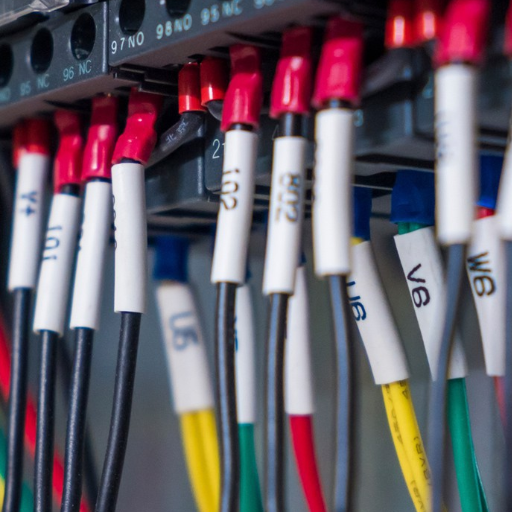
Accurate wire and cable labeling is a crucial factor in maintaining organization, ensuring safety, and promoting efficiency in any environment. If the labels are transparent and standardized, an organization reduces the chances of mishaps, thereby reducing downtime, while communication among its workforce members becomes seamless. Industry standards and regulations must be strictly adhered to by any proper labeling system, which also ensures long-term operational viability. Investing adequately in proper labeling is a primary key to guaranteeing reliability and enhanced productivity, and it should be given priority.
Summary of Key Labeling Standards
Working labeling standards play a pivotal role in many industries, providing consistency and clarity across processes. A short review of labeling standards and their importance is given below:
ANSI Z535: Drafted by the American National Standards Institute, this standard specifies a uniform format for safety signs, labels, and tags. Special emphasis is given to using clear symbols and signal words to warn of hazards, utilizing uniquely distinguished colors to mitigate any further safety hazard communication issues within environments such as manufacturing plants and construction sites.
GS1 Standards: Primarily active in retail, healthcare, and logistics, GS1 standards ensure supply chain efficiency through the use of the world’s universal barcodes and RFID tags. For instance, a GS1 barcode on a consumer item enables retailers and suppliers to manage inventory accurately, thereby preventing severe cases of stockouts or overstocking.
ISO 15223-1: Crucial in the field of medical devices, this International Standard specifies globally recognized symbols for use on product labels. By standardizing various information, such as instructions for use and contraindications, ISO 15223-1 helps ensure regulatory conformity and patient safety across different countries.
OSHA Labeling Requirements: The OSHA mandates the labeling of hazardous materials in workplaces, according to GHS. This would include a label with hazard statements, precautionary statements, and pictograms to warn workers against hazards posed by chemicals. For instance, OSHA reports indicate that since its enforcement, proper labeling of hazardous substances in workplaces has resulted in a further reduction of incidents.
Environmental Labeling (ISO 14020 Series): These standards, which focus on environmental impact, guide the application of eco-labels to enable consumers to identify sustainable products. This supports informed choice and compels businesses to improve environmental performance, with research data showing an increased market demand for certified sustainable products.
In summary, these labeling standards enhance efficiency and communication while ensuring safety, promoting regulatory compliance, and fostering environmental awareness. Organizations that consistently apply such standards are better positioned to build trust and reliability with their stakeholders and customers.
Future Trends in Wire and Cable Labeling
The wire and cable labeling industry is poised for significant transformation driven by technological advancements and increasing regulatory requirements. One emerging trend in labeling systems is innovative labeling, a technology that incorporates RFID chips and QR codes to facilitate asset management and real-time tracking. By granting instant access to product details, installation instructions, and maintenance records, this digital form of labeling increases operational efficiency, particularly in large industrial and networked environments.
Another primary concern is sustainability. Efforts are underway to develop biodegradable and recyclable materials for label manufacture, ensuring they conform to global standards for environmentally friendly practices. According to recent industry reports, demand for eco-friendly labeling materials is expected to increase by over 7 percent annually through 2030, indicating that the industry is moving towards reducing environmental burdens within supply chains.
Furthermore, automation and advanced labeling technologies continue to witness an unprecedented rise. In the automotive, aerospace, and telecommunications industries, these newer machines produce high-resolution, durable labels at the speed and accuracy required for traceability. Now, the best labels in the business are created by laser printers that can maintain extreme temperatures and are resistant to any chemically harsh situations in critical applications.
Finally, upon full realization, the Internet of Things (IoT) and Artificial Intelligence (AI) will revolutionize wire and cable logistics. With technologies that integrate data into artificial intelligence algorithms to enhance predictive maintenance and inventory management by automatically updating systems with information obtained from smart labels, these developments are paving the way for a bright future in wire and cable labeling, characterized by high effectiveness, sustainability, and flexibility.
Color Coding in Cable Labeling
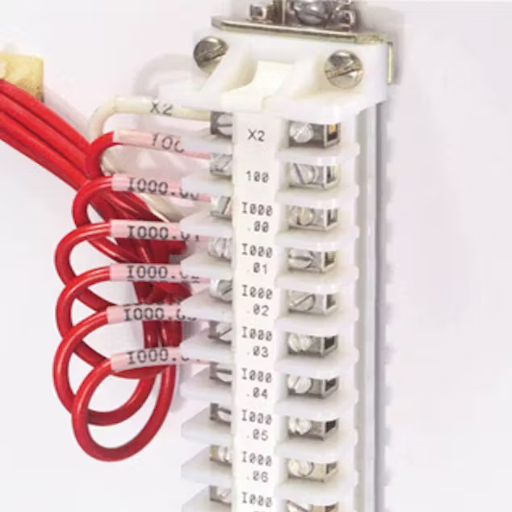
Color-coding in cable-labeling systems is a type of identification code used to identify and organize wires and cables. This makes installation, maintenance, and troubleshooting easier, as it provides clear visual indicators for cable types, functions, and connections. For instance, color codes could signify voltages of certain kinds, signal types, or types of networks. Using color-coded labels enhances efficiency and safety while reducing the likelihood of errors in electrical work and system management.
Understanding Wire Color Coding
From wire color coding to standards and applications, many aspects are region-dependent. The National Electrical Code (NEC) is generally followed in the U.S. for color coding considerations in wiring. Black and red wires usually denote hot or live connections, whereas white wires are used in neutral connections. A green or bare wire is for ground connections. These differences minimize confusion among electricians and engineers during installations and repairs.
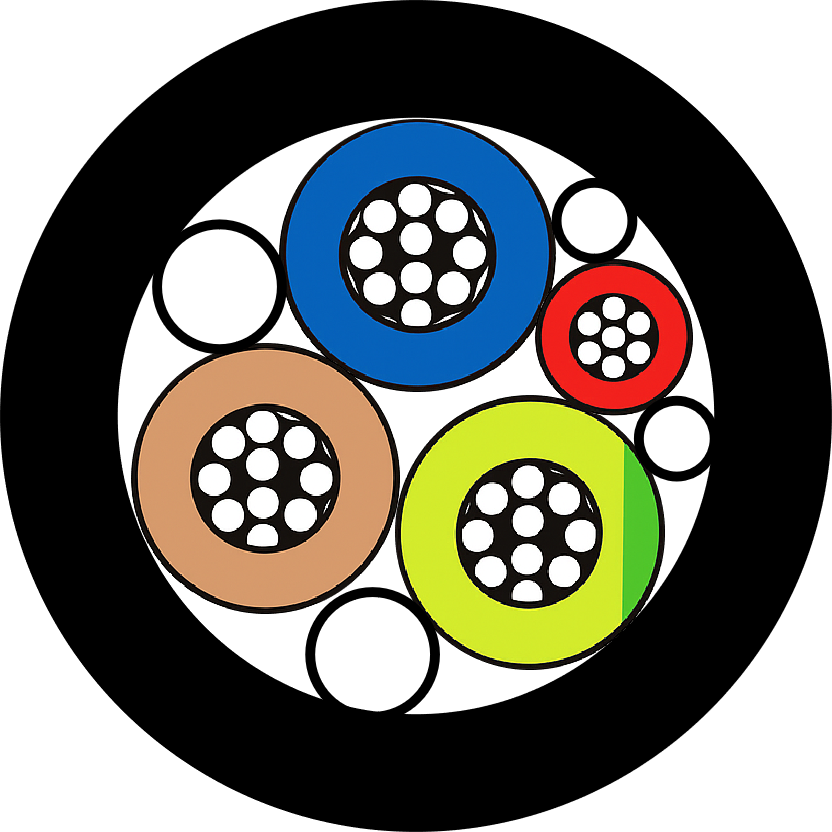
For international use, particularly in Europe, the International Electrotechnical Commission (IEC) has established a distinct set of standards. Brown wires are meant for live connections, blue for neutral, and green-yellow striped wires for grounding. By abiding by these color codes, one can be sure they are compliant with the region’s regulations and worthy of being instilled into a global system for that sake.
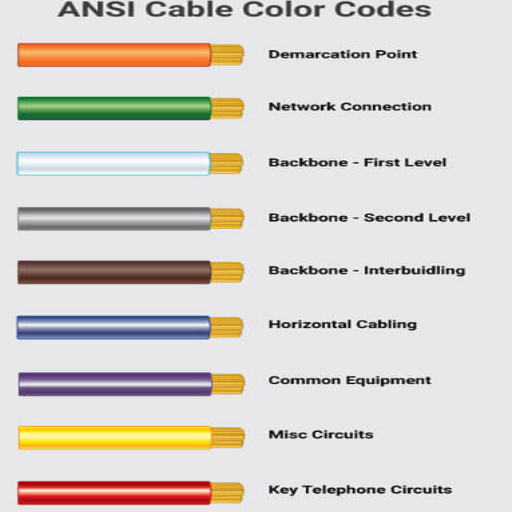
In the realm of structured cabling for data and telecommunication, color coding is commonly done according to standards set by TIA/EIA-568. For example, Ethernet cables utilize color-coded twisted-pair wires, with pairs of orange, green, blue, and brown arranged in specific sequences to ensure proper transmission.
By using these standardized wire color codes, installations are made easier, safety is promoted, and systems can function to the satisfaction of both national and international standards.
Color Coding for Electrical Safety
As a prominent aspect of electrical safety, color coding provides a standard set of indicator lights identifying the action of wires in systems. These offer means to ward off mistakes, lessen accidental electrocution risks, or enable easy repairs and installation. Below are prevalent wire colors along with their casual designation:
Black – In general, live or positive wires in an AC electrical system are referred to as black wires. They carry current from the power source to the device.
Red – Usually used as a second live wire in 220-volt systems or as switch legs between the power source and the device.
Protective Earth Green/Yellow – Grounding wires are meant to reduce the risk of shock by providing a direct path for stray currents to the Earth.
White or Gray – Neutral wire carrying unbalanced currents back to the power source to complete circuits.
Yellow and Blue – Typically live wire colors for more complex installations, such as three-way switch systems or circuits requiring more than one live wire.
The current National Electrical Code in the U.S. (NEC) affirms the enforcement of the wire color codes for safety and compliance. Electrical accidents too often stem from misidentified or misused wires, emphasizing the importance of proper labeling and adherence to established coding practices. Additionally, modern sensing and innovative technologies are being integrated into wiring systems in large industrial installations, further enhancing monitoring and hazard elimination.
In observance of these color coding practices, electricians and engineers should prioritize maximized safety, ensuring smooth operation in all electrical endeavors.
Implementing Color Codes in Industrial Settings
In the industrial world, color coding is primarily viewed as a mechanism for ensuring safety, efficiency, and compliance. Across many industries, adherence to standards is crucial for features such as electrical installation, plumbing, and hazard management. For example, electrical systems are governed by established color codes, either internationally by IEC standards or locally, such as in the United States by the National Electrical Code. Under these codes, neutral wires are typically colored white or gray, while ground wires are green or have a green stripe with a yellow stripe. Live wires, depending on their voltage and phase, may vary in their characteristics.
Such data points toward adherence. It has been reported that strict adherence to color codes in the industry could result in a 30% decrease in electrical hazards at the workplace, thereby demonstrating the organization’s commitment to safety. Now, it is the era of technologies that enhances. Smart sensors and IoT devices are embedded into color-coded wiring, allowing for real-time monitoring of electrical systems in localhost for faults or irregularities. For instance, sensor-equipped systems can instantly detect and alert technicians to anomalies in the color-coded wiring, thereby reducing downtime and the possibility of electrical accidents.
Regarding the code, the marks have been extended to include pipes and hazardous materials. For example, ANSI mandates the use of specific colors for industrial pipe marking to indicate the type of contents (e.g., water, gas, or chemicals) and the associated hazard. Properly marked and standardized, it better facilitates emergency response and aids in maintenance.
Thus, on a broader level, the deployment and management of color codes in industrial environments should maximize operational efficiency by reducing risks in various applications, thereby fostering a culture of safety when applied effectively in practice.
Special Considerations for Individual Wires
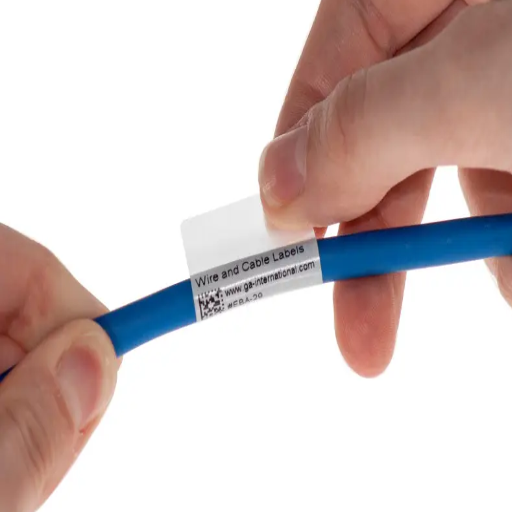
The color is an essential indicator of the insulation of wire and its function. To avoid mistakes and ensure safety, the general use of colors is usually as follows: black for live wires, white for neutral, and green or green with yellow stripes for grounding. A wire may be painted differently depending on local laws or system design, so always verify its function according to relevant standards or documentation. Furthermore, checking the condition of insulation is crucial in preventing accidents caused by electrical shorts or fire hazards.
Labeling Individual Wires in Assemblies
Properly labeling individual conductors in assemblies significantly contributes to safety, maintenance, and speedy troubleshooting within the realm of electrical systems. Care must be taken to use labels that are readable, clear, and remain intact to avoid confusion during wiring. Industry standards stipulate that a label contains at least information regarding wire function, circuit identification, and point of connection.
Heat-shrink tubing and self-laminating markers developed in recent years stand out primarily for their high durability in hostile environments. They conform to ANSI (American National Standards Institute) and IEC (International Electrotechnical Commission) recommendations, granting the use of alphanumeric labeling or color coding to wires of harness systems to maintain logical order and consistency. For example, wiring circuits could standardize abbreviations such as “PN” for power wires and “GN” for ground wires.
Modern electrical systems divide diagnostic data in half, drastically cutting downtime during repair and inspection by about 50%, provided the wires are correctly labeled. Additionally, well-labeled wiring systems will also reduce human errors that occur during modifications or expansions to the system. The use of sophisticated wire labeling devices, such as thermal printers and automatic wire markers, will consequently accelerate efficiency across wiring projects. Proper adherence to labeling guidelines ensures that safety is assured for all systems, thereby presenting ease of workflow and increased reliability.
Relay and Control Circuit Labeling
In relay and control circuit labeling, I adhere to standard practices to ensure that all components are clearly labeled. This should include correct identification of relays, terminals, wires, and control devices to avoid confusion during maintenance and troubleshooting. I, therefore, opt for compatible labeling techniques that support the system’s neat upkeep, safety, and ease of operation milieu as stipulated by industry standards.
Advanced Labeling Techniques for Complex Systems
Labeling for complex systems must be precise, transparent, and compliant with evolving standards. An advanced technique involves QC or RFID labeling for each component. These tags may store information such as circuit diagrams, specifications, and maintenance history, which can be digitally retrieved via handheld or smartphone devices. This, in turn, has enhanced traceability and reduced the time spent searching through physical documents.
Data-driven software has further enhanced the ability to manage complex labeling requirements. For example, a program can generate standardized labels automatically while ensuring compliance with ISO or IEC standards. It enables real-time updating and seamless integration with design platforms, such as CAD, allowing for adjustments to component modifications in real-time.
Using heat-shrink tubing labels and laser-engraved plates is suitable where a hostile environment requires durability, such as high temperatures or high vibrations. Research indicates that sturdy materials for labeling complex systems can reduce the replacement rate by up to 40% compared to standard adhesive labels.
Advanced labeling techniques thus enable complex systems to operate with improved efficiency, safety, and maintenance capabilities.
Reference Sources
2. Considerations Regarding the Inspection of Equipment in Explosive Atmospheres (2020)
3. Evaluation of Standard Electrical Bonding Strategies for Hybrid Integration (2020)
Frequently Asked Questions (FAQs)
What are the electrical wire labeling standards?
The electrical wire labeling standards are guidelines that dictate how electrical wires and cables should be marked for identification, safety, and ease of maintenance. These standards ensure that all personnel working with electrical systems can easily identify various types of wires and their functions, which is crucial for effective troubleshooting and minimizing the risk of accidents.
How do wire labeling standards apply to residential and industrial settings?
Wire labeling standards apply to both residential and industrial settings by providing a consistent method for marking cables and wires. In residential environments, labels can help homeowners understand their electrical systems. In industrial settings, strict adherence to these standards ensures safety and compliance with regulations, making it easier for contractors and maintenance personnel to work with complex wiring systems.
What is the ANSI TIA 606-B cable labeling standard?
The ANSI TIA 606-B cable labeling standard is a widely recognized guideline that outlines the requirements for labeling telecommunications cabling systems. It specifies how to create a clear identification scheme for cables, including the use of type tags and color coding, which helps in the organization and management of network systems.
How can color coding improve wire identification?
Color coding enhances wire identification by providing a visual reference that enables users to discern the function and purpose of each wire quickly. By following established color coding standards, workers can easily differentiate between power, ground, and signal wires, enhancing safety and efficiency when performing tasks such as termination or troubleshooting.
What is the importance of record-keeping in wire labeling?
Record keeping is essential in wire labeling as it provides a documented reference of the labeling scheme used, including details about the types of wires and their termination points. This documentation aids in maintaining compliance with wiring standards and can be invaluable during inspections, renovations, or troubleshooting, ensuring that important information is readily accessible.
What types of cable labels are recommended for electrical safety?
For electrical safety, high-quality self-adhesive cable labels are recommended. These labels should be durable and easy to read, designed to withstand environmental conditions such as moisture and heat. Using a label printer to produce these labels ensures consistency in labeling across various types of wires, which is crucial for safety and compliance.
What should be included in a wire labeling scheme?
A wire labeling scheme should include important information such as the type of cable, its function, and the termination points of both ends. Additionally, it should incorporate color coding for quick identification, ensuring that anyone working with the wires can easily understand their purpose and avoid mistakes that could lead to safety hazards.
How does the TIA 606-B standard enhance network systems?
The TIA 606-B standard enhances network systems by providing guidelines for a systematic approach to labeling and documenting cabling infrastructure. Ensuring that all cables are labeled according to a uniform standard simplifies maintenance and upgrades, thereby increasing the reliability and efficiency of network operations.