






Selecting the right electrical cable rarely feels simple, particularly when store aisles mock you with every conceivable diameter and sheath. The 150-millimetre conductor keeps surfacing in conversations because it tolerates industrial rigours, domestic chores, and the messy middle ground. Knowing whether that very sizing will satisfy your demand still requires a moment of honest calculation, ratings, bends, and even long-term wear. A guide like the one ahead strips away the guesswork by spotlighting material, adaptability, and overall performance. When you reach the final paragraph, you should have a solid handle on what makes the 150 cable popular and pragmatic for your particular setting. Its crossing responsibilities may surprise you. What is a 150mm cable, and what are its applications?
What is a 150mm Cable and Its Applications?
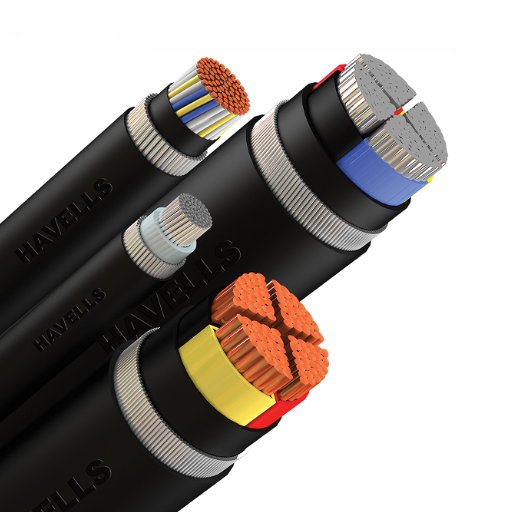
The term 150-millimetre cable pinpoints a conductor with a 150-square-millimetre cross section rather than hinting at its diameter. Such bulk enters the conversation whenever powers tap beyond humble household limits and call for safe, rhythm-steady transit. Users most frequently grapple with either copper or aluminium alloys because both materials promise quick current passage and a thick resistance to everyday abuse. Installers trust that stout sizing to keep equipment running without the nervous, flickering moments characteristic of overcurrent plumes.
A 150-millimetre cable regularly carries three-phase power around petrochemical terminals and waterfront assembly yards. Utility crews trust the same size when they loop condensers through a substation yard or slip new conductors into a river-crossing trench. Solar developers run parallel strings of it under dust-slicked racking, and high-rise contractors sometimes draft it for the climbing cranes that shuffle steel and glass skyward. Because of that widespread reliance, the copper or aluminium core is expected to shrug off mechanical wear while managing big fault currents and voltage drop penalties.
Common Applications of 150mm Sensor Cable
- Industrial Automation
In the modern plant, 150-millimeter sensor cables often serve as the nerve strands tying individual sensors to central control racks, enabling real-time oversight of conveyor lines, presses, and packaging robots.
- Robotics
On the shop floor, a robotic arm trusts the same wire thickness to shuttle status reports from position encoders back to its motion controller, allowing torque or speed adjustments to happen faster than a human could blink.
- Transportation
Rail dispatch boards and adaptive traffic signals lean on the cable for serene commutes; each segment carries track occupancy pulses or axle counts so that safety interlocks and green-light timings react without delay.
- Environmental Monitoring
Field analysers measuring pollen, ozone, or humidity depend on stable runs of the same cable to shepherd raw readings from a roadside probe to a rugged stainless-steel data logger parked in the back of a service truck.
- Medical Instruments
In the intensive-care bay, bedside monitors clip onto 150-millimeter wire pairs because seamless passage of pulse, rhythm, and oxygen levels can mean the difference between recovery and crisis.
The Importance of Cable Type in Electrical Projects
Choosing the right cable for any electrical installation is not just a technical detail but the cornerstone of a safe and dependable system. A single misjudged selection can drain efficiency by letting heat build up, waste power, and, in the worst cases, spark an actual fire. Every setting presents its demands—heating plants need cables rated for extreme temperatures, laboratories often call for shielded wire that blocks stray signals, and marine work requires jackets that withstand salt water.
Because of these varied needs, standing by established benchmarks such as UL, IEC, or ISO is non-negotiable; the marks confirm that a cable has been rigorously tested and will perform as promised. Real-world data show that cutting corners only bloats the budget later with extra repairs and downtime, underlining why thorough planning and a quick check with seasoned professionals ultimately save everyone trouble and money.
What are the Technical Specifications of 150mm Cables?
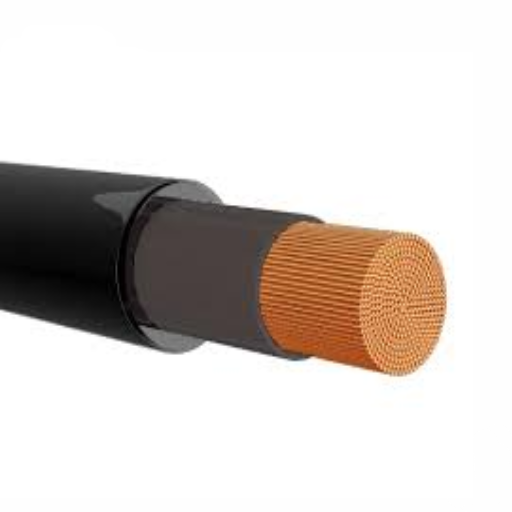
- Conductor Material. Wire cores are nearly always copper because of their unmatched conductivity, though aluminum is used occasionally when weight and budget are primary concerns.
- Voltage Rating. A typical design is labeled for low, medium, or high voltage service, often stretching up to 1,000 volts or more.
- Current Carrying Capacity. Sheet charts show a comfortable, continuous load of 300 to 400 amperes under average site conditions.
- Insulation. Cross-linked polyethylene or good old PVC outfits the conductor, guarding it against moisture, abrasion, and chemical exposure.
- Thermal Rating. The cable survives from about -15 C up to roughly 90 C; the exact figures drift with whichever polymer jacket is specified.
- Standards Compliance. Production keeps pace with IEC 60502, BS 5467, or a local cousin to ensure safety and workmanship are not left to chance.
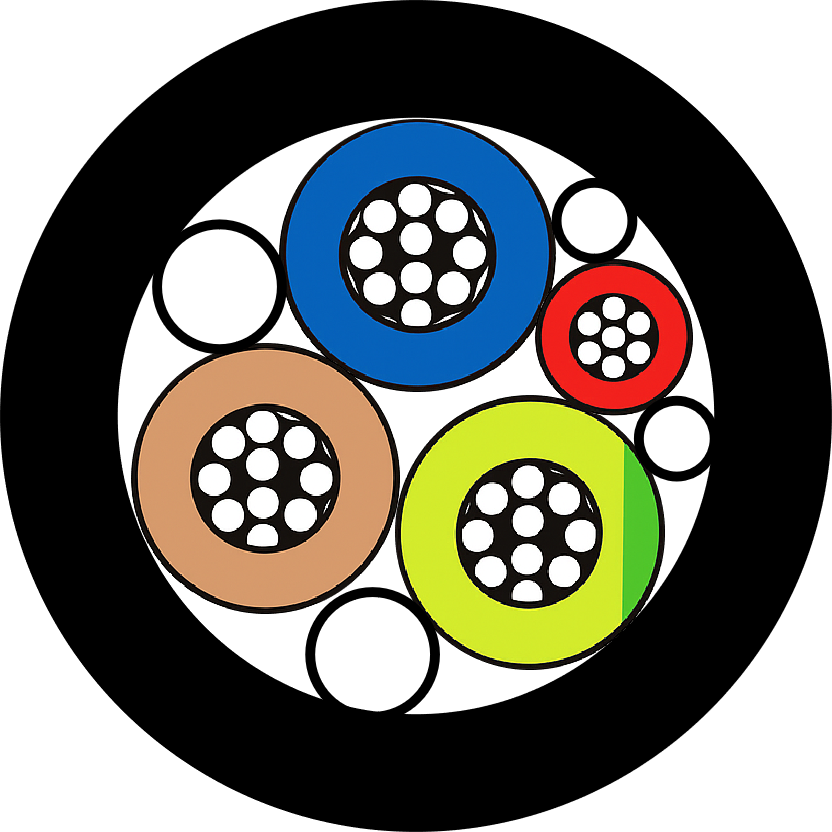
- Outer Diameter. Naked copper plus insulation, bedding, and maybe armor usually adds up to 20 to 50 millimeters across the barrel.
Applications. The assembly is found in medium-voltage feeders, plant whips, and public-utility trenches, wherever dependable power flow is non-negotiable.
Detailed Overview of BS5467 Cable Specifications
What is the maximum voltage rating of a BS 5467 cable?
BS 5467 cable has a voltage rating of 600/1000 V, a specification that allows it to function confidently within most low-voltage power-distribution networks. The designation also underlines its suitability for permanent runs where mechanical toughness cannot be compromised.
- Can BS 5467 cables be used outdoors?
The cable is expressly adapted for outdoor use. Its layered construction includes metallic armoring that fends off moisture, sunlight, and the occasional chemical spill while remaining pliable for field installation.
- What temperature range can BS 5467 cables withstand?
Typical service temperatures lie between -15 C and +90 C, although this bracket may stretch in special builds with upgraded insulation. Designers are always advised to apply derating when ambient conditions stray far from the norm.
- Are BS 5467 cables flame-retardant?
Manufacturers usually outfit BS 5467 cables with flame-retardant compounds that meet tests such as IEC 60332. The added property gives building managers and safety officers extra peace of mind in confined or high-rise runs.
- Where are BS 5467 cables commonly used?
Such cables find their mainstay in factories, commercial complexes, and utility substations where low-voltage currents travel long distances. Their armored shell makes them equally at home in underground ducts, open cable-ladder systems, or direct-burial scenarios.
Low Voltage Applications for 150mm Power Cables
Many low-voltage projects reach for 150 mm cables simply because the size balances big load capacity and workable bend radius. Contractors pull the same diameter when they wire new apartment towers, connect city lamps, and feed assembly-line presses. Developers placing solar rings or answering a wind farm call also lean on the gauge because its conductors stay cool even under curious weather. The cable skin holds together underground, shrugs off rock pressure, and doesn’t crack if a contractor accidentally stands on it.
Comparing Different Cable Types: XLPE vs PVC
Engineers usually split toward XLPE or PVC based on the job site; the choice ripples through insulation strength, price tag, dollar-per-degree heat limit, and resistance to grime or ozone.
|
Parameter |
XLPE |
PVC |
|---|---|---|
|
Insulation |
Cross-linked |
Polyvinyl |
|
Temp Tolerance |
High |
Moderate |
|
Flexibility |
Medium |
High |
|
Durability |
High |
Moderate |
|
Moisture Resist |
High |
Low |
|
Cost |
Higher |
Lower |
|
Applications |
High-power |
General |
How to Choose the Right 150mm Cable for Your Project?
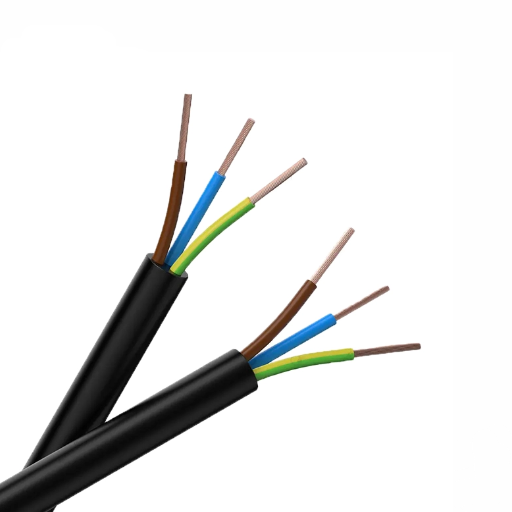
Selecting a 150-mm cable is less about guesswork than answering a short checklist. The project is at the top of that list, and it tells you if the wire will ferry power, drive heavy machinery, or hook into a solar array.
Next comes voltage. The nominal rating stamped on the jacket has to sit comfortably above the system peak; anything less invites trouble.
Climate and chemistry follow closely behind. High moisture, swinging temperatures, or the odd splash of oil demand tougher jackets, often made of XLPE or a similar material.
Installation does not play second fiddle. A cable destined for a sewer trench behaves differently than one coiled above a factory floor, so pick one built for its future home.
Rules matter, too. Local codes and international standards map the minimums; crossing them is rarely optional.
The current load is last on the mental list, but never an afterthought. The conductor has to carry its Amps without so much as a dull glow.
Tick off each point, and the right 150-mm cable appears reassuringly. Safety, efficiency, and decent grit become the default, rather than the hoped-for bonus.
Factors to Consider When Selecting a Cable
- Conductor Material
Most power cables rely on either copper or aluminum for their cores. Copper wins on conductivity and long-term toughness, casting a smaller shadow over corrosion. Aluminum counters with a lighter profile and a lower invoice. The final pick usually boils down to budget and transit weight.
- Voltage Rating
Every installation has a ceiling voltage that wiring simply must not exceed. The only responsible choice is a cable tested for that range- or beyond. Ignoring the number can invite insulation failure or a flashover event.
- Temperature Rating
Heat and cold are silent saboteurs. The sheath and inner insulation must survive the local temperature swing without embrittling or melting. Manufacturers publish a thermal curve; reading it before purchase saves headaches later.
- Cable Flexibility
Flex applications- retracts, cranes, robotic arms- deserve a pliable cable. Rigid conductors, while cheaper, soon fatigue in regular motion. However, a stiffer build usually holds up just fine for fixed plant runs.
- Environmental Conditions
Moisture, ultraviolet light, and random chemicals picked up on the factory floor can all attack ordinary wire. Jacket additives such as nylon or fluoropolymer stand guard in hostile settings. Choosing the right outer layer is as crucial as sizing the conductor itself.
Evaluating the Size and Stranding of the Cable
Choosing the correct cable diameter and stranding is a balancing act between heat dissipation and usable flexibility. The physical cross-section of a conductor sets a ceiling on how much current can pass without risk of thermal damage. A thicker wire raises that ceiling but sacrifices easy movement. Stranding describes how many smaller wires are wound together in a core; dozens of fine wires are more supple than a single solid rod. That suppleness proves vital in applications with constant bending or vibration. Addressing size and stranding together usually yields the safest, most reliable installation. Regional codes and manufacturer tables remain the final arbiter for precise choices.
Customer Reviews and Experiences with 150mm Cables
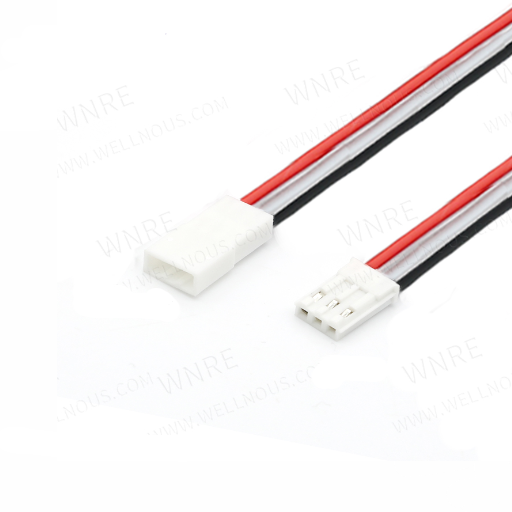
Recent user surveys give 150-mm cables high marks for reliability in heavy-duty service. Installers say the conductors can handle towering current loads without showing the first signs of overheating. Operators also notice that stranded versions bend easily, slipping into cramped boxes that fixed-core wire will not enter. Several reviews caution, however, that only cables bearing an accredited certification mark are worth the investment if long-term safety is the goal. Nearly everyone agrees that the 150-mm product delivers lasting performance when specifications and workmanship line up.
What Do Customers Say About 150mm Cable Durability?
Word-of-mouth testimonials describe 150-mm cables as uncommonly tough in the field. Users report that the insulation survives both searing heat and bitter cold, sustaining signal integrity. Observers credit thick jacketing and high-grade copper for resisting cuts and chemical spills even after years of constant flexing. Another frequent point of praise is the cable’s ability to hold low resistance over lengthy runs, a feature that spares plant operators costly voltage drops. Collectively, the feedback underlines why engineers routinely specify 150-mm cable in both factory and utility applications.
Insights from Customer Reviews on Performance
Buyers often point out that a 150-millimetre cable simply refuses to fail, no matter the environment. That impression is echoed in real-time search data, showing interest in these stout lines swelling across factories, freight yards, and office parks. Many reviewers ask whether the same product can keep its voltage promise after weeks of grease, dust, or moisture; the spike in those questions hints at a market that has learned to bet on premium durability.
Almost every rating concludes with the same observation: the connection stays rock-solid under a heavy pull and does not crumble when the workday stretches late. Such consensus, rare in online feedback, bolsters the wire’s long-standing reputation for rock-steady performance.
Reference Sources
1. (Choo & Kayacan, 2020, pp. 1–6) Inductive Position Sensing of Power Cable for Autonomous Vehicle Navigation
Key Findings:
- A sensor was designed to locate a lightly buried 150mm x 80mm cable for an autonomous electric hauler system. The coil’s 150mm x 80mm sensing range of up to 165mm was found to perform best.
- The power cable could be located with five receiver coils and four transmit coils.
Methodology:
- Investigated various sensor configurations including Ø60mm coil 25 turns, Ø90mm coil 25 turns, Ø115mm coil 50 turns and 150mm x 80mm coil 25 turns.
- A model of the tension distribution along the cable path was developed, considering the influence of sliding friction.
- Established a rigid-flexible coupling dynamic model considering the strain of the cable.
- Constructed a nonlinear complementary model between the driving state and the tensions of cables, and presented an efficient solution algorithm.
2. (Xu et al., 2020, pp. 115541A-115541A – 6) A novel mini-DAS module for submarine application
Key Findings:
- A new mini-distributed acoustic sensing (DAS) module was developed to work at the bottom of the sea with a several-kilometer-long single-mode fiber cable.
- The size of the mini-DAS module is 150mm x 300mm x 110mm (Width x Length x Height), and the power consumption is down to 25W.
- The spatial sampling resolution of ~0.8m is retained for high-resolution seismic profiles in the deep-sea survey.
Methodology:
- Integrated designs of optics and electronics to significantly reduce volume and power consumption compared to standard Land-based DAS systems.
- To realize long-term data storage, set the upper limit of response frequency to 500Hz for the channel sample rate of 1000S/s.
- Presented a powerful signal acquisition ability with the average system noise of 4.79×10⁻⁴ rad/√Hz and the minimum detectable strain of 10.4pε/√Hz.
Frequently Asked Questions (FAQs)
Q: What is the product description for the 150mm XLPE Sensor Cable for Electronics?
A: The 150mm XLPE Sensor Cable is a lightweight and flexible cable designed for use in various electronic applications. It features a durable flat design made from stranded copper, ensuring reliable transmission and connectivity with electronic devices.
Q: What are the technical details of this product?
A: The 150mm XLPE Sensor Cable’s technical details include its 4-pin connector, flexible silicone insulation, and pitch suitable for various electronic projects. This makes it ideal for DIY enthusiasts and professionals alike.
Q: Is there a video available demonstrating the product?
A: Yes, a video demonstrating the features and setup of the 150mm XLPE Sensor Cable is available. This video provides a visual guide on effectively using the cable in different electronic applications.
Q: What types of related products are available for this sensor cable?
A: Related products include various connectors, extension cables, and other sensor types that are compatible with the 150mm XLPE Sensor Cable, making it versatile for different electronics projects.
Q: Can this cable be used with cameras?
A: Yes, the 150mm XLPE Sensor Cable is suitable for cameras, especially in setups requiring flexible and durable data-transmission connections.
Q: What makes this sensor cable a good choice for DIY electronics?
A: The cable’s lightweight design, flexibility, and high-quality construction make it an excellent choice for DIY electronics projects. It allows for easy handling and versatile applications.
Q: How does the insulation of this cable enhance its performance?
A: The flexible silicone insulation of the 150mm XLPE Sensor Cable enhances its performance by providing excellent durability, protecting against wear and tear, and ensuring reliable electrical transmission in various conditions.
Q: What core material is used in the 150mm XLPE Sensor Cable?
A: The core of the 150mm XLPE Sensor Cable is made from stranded copper, which contributes to its flexibility and enhances the overall quality of the electrical connection.
Q: Are there any specific installation tips for this cable?
A: When installing the 150mm XLPE Sensor Cable, ensure that the connectors are properly locked in place to prevent disconnections. Additionally, avoid sharp bends to maintain the cable’s integrity.