






Within the context of rigorous environments, 10mm armoured cable provides reliable electrical wiring solutions. Also known as Steel Wire Armoured (SWA) cable, it offers strength and performance at an industrial level while also being suitable for domestic use. A proper selection of the armoured cable requires an understanding of the construction and functionality of the different core options. This guide covers some vital characteristics of SWA cable and describes its construction, benefits, and applications. This article aims to equip both professionals and beginners in electrical installations with comprehensive insights for appropriate assessments of the solid cabling alternative in question.
What is a 10mm Armoured Cable?
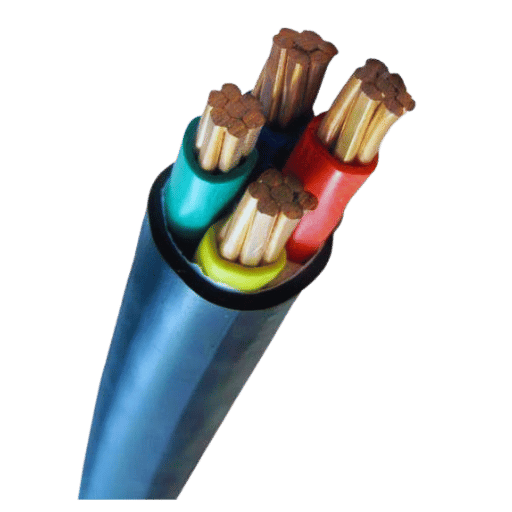
A 10mm armoured cable is a type of Steel-Wire Armored (SWA) cable, which is thought of regarding durability and protection. It contains a 10mm² cross-sectional area conductor, thus it can handle medium to high power currents. It has several layers for added protection, which include the inner conductor, copper in most cases, an insulating sheath, steel wire armor for mechanical protection, and an outer protective jacket. Usually, it is employed in outdoor and underground worksites and is used for heavy-duty equipment, power, distribution boards, and sub-main circuits in residential and commercial buildings.
Key Features of SWA Armoured Cable
- Durability: Specifically molded to endure extreme environmental conditions such as high temperatures, moisture, and physical trauma.
- Mechanical Protection: Provides effective defense against impacts as well as crushing and external mechanical pressure thanks to steel wire armor.
- Effective Power Transfer: Applicable in medium to high-power systems for efficient transfer of electrical power.
- Chemical Stability: The protective outer sheath is chemically stable and non-corrosive, which makes it useful for outdoor and underground applications.
- Adaptability: Used in energizing heavy equipment, power distribution boxes, as well as sub-main circuits, thus interconnected with multiple systems.
- Options for Reduced Combustibility: Some variants are designed with increased protection from fire to comply with safety regulations based on the specification provided.
- Standardized Parts: Arranged in distinct shapes and sizes to match project needs with set fittings for ease of installation and adjustable to different requirements.
- Electrical Separation: The Electrical insulating sheath serves to prevent leakage of electric current and thus contains the electric current safely.
Applications of 10mm Armoured Cable
- Commercial Installations: Used in office blocks, shopping centers, and other commercial areas to provide power to large, sophisticated equipment as well as essential systems.
- Industrial Environments: Utilized in factories, storage facilities, and other areas such as power plants to furnish an essential power supply to robust machinery and lighting systems.
- Underground cabling: Best suited for such line installations because of its rugged design and ability to resist mechanical impacts.
- Outdoor Wiring: Used externally for construction sites and garden lights owing to its excellent weatherproof features.
- Renewable Energy Systems: Used to effectively transmit energy from solar panels and wind turbines.
- Residential Projects: Used for the main power supply to large residential premises and for interconnection to outstations or auxiliary structures.
- Temporary Power Supply: Used for power distribution in events, fairs, and even at construction sites for a safe and reliable temporary power supply.
Benefits of Using Steel Wire Armoured Cable
- Durability and Mechanical Protection: The SWA (Steel Wire Armoured) cable is unique in its durability and resistance to physical factors compared to other cables. The steel wire covering the cable serves as armor, protecting the cable wires from external impacts, crushing forces, and other mechanical damage. Such features make it useful for underground installation or other exposed hazardous situations.
- Enhanced Safety: There is high safety assurance for critical installations with SWA cables because of the construction features it possess. The protective armoring reduces the chances of damage that results in electrical short circuit faults, thus enhancing operational safety and reliability in commercial and industrial operations.
- High Capacity for Voltage and Load: The type of SWA data cables permits the acceptance of integral voltage loads. Therefore, it is easy to use these cables for supplying power to large industrial components and high-capacity power energy systems. The performance of the device is guaranteed under these conditions.
- Resistance to Environmental Factors: Moisture, chemical substances, and temperature changes do not affect SWA-protected cables. This makes them especially useful for outdoor and underground use, where such factors are inevitable.
- Compliance with Industry Standards: Manufacturing processes ensure that SWA cables are produced in strict accordance with industry specifications and safety requirements such as BS5467 or BS6724. Their compliance guarantees safety and reliability alongside multifaceted usability.
- Longevity and Cost-Effectiveness: The design and protective features of SWA cables make them more rugged than standard cables, and as a result, their operational lifespan is significantly longer. This reduces maintenance and replacement requirements, thus providing a better long-term, cost-effective solution. Some studies estimate that enhanced durability can reduce long-term infrastructural spending by up to 25%.
With these highlighted advantages, Steel Wire Armoured cables positioned themselves as a critical component in the modern power distribution systems, enabling dependable safety and enduring efficiency while traversing through diverse uses.
How is a 10mm Cable Constructed?
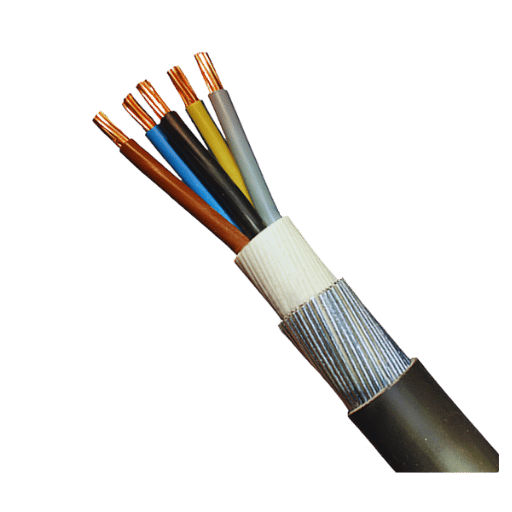
Understanding Core Design in Armoured Cable
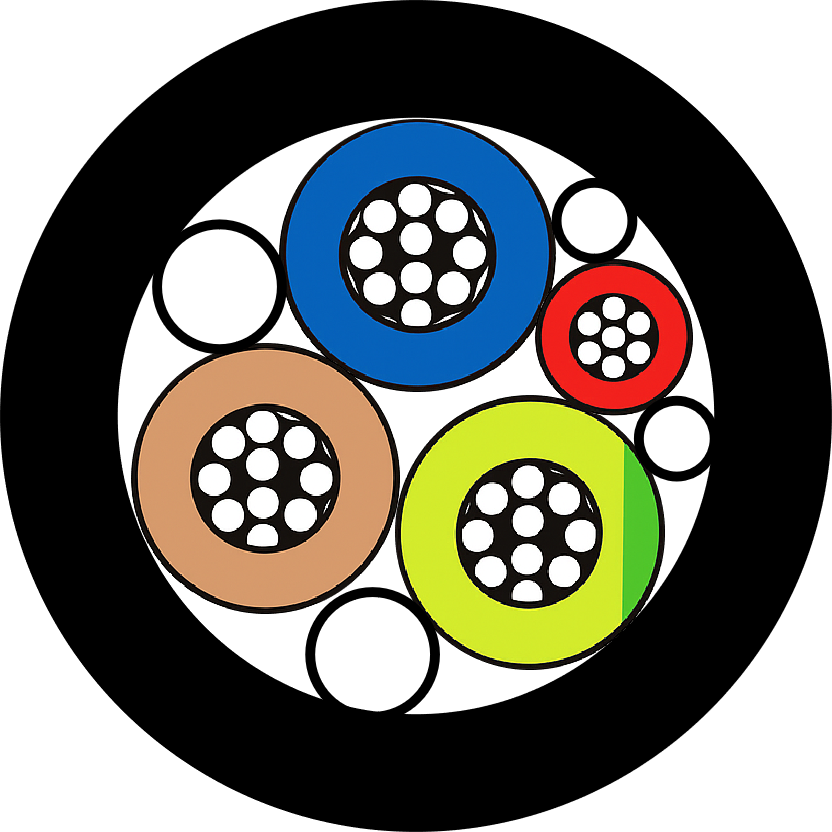
Usually, the core of a 10mm Steel Wire Armoured (SWA) Cable consists of one or several wires made of copper or aluminum that carry electrical current. These materials are selected for their excellent conductive properties. Insulating the wires is a layer of cross-linked polyethylene (XLPE) or similar compounds, which prevents electrical leakage and insulation failure. All together, the construction provides good shielding for electrical protection and mechanical durability, enabling its use for rugged applications.
The Role of XLPE Insulation and PVC Outer Sheath
XLPE (cross-linked polyethylene) insulation is crucial in contemporary cable applications because of its exceptional electrical and thermal properties. XLPE is particularly useful for industrial and residential power transmission as it can endure higher temperature limits of 90°C under normal conditions and 250°C during short-circuit instances. Its chemical cross-linking structure enhances durability, which decreases the chances of electrical breakdown and cracking under mechanical stress.
Alongside XLPE insulation, the PVC (polyvinyl chloride) outer sheath provides additional mechanical protection against ultraviolet radiation, moisture, and a variety of chemicals. The PVC sheath’s protective properties contribute additional flexibility and toughness to the cable, which maintains functionality regardless of the extreme operating conditions. XLPE insulation and PVC sheath hybridization create a dependable cable solution that satisfies rigorous electrical requirements and sustained performance in challenging environments. Mixed together, these materials showcase advancements in the design of electrical cables with regard to safety, efficiency, and long-lasting functionality.
Importance of Wire Armour and Conductor Materials
While conductor materials guarantee optimal electrical efficiency and resilience in a multitude of environments, Wire armour provides additional mechanical protection, corrosion resistance, and anti-interference shielding for cables.
Why Choose SWA Cable for Electrical Installations?
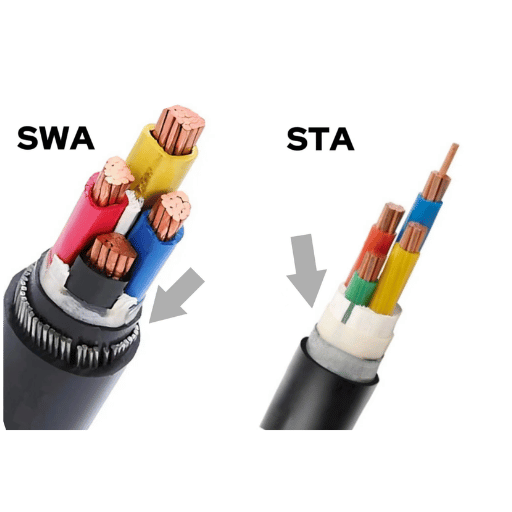
Advantages of Steel Wire Armoured Cable
- Breakdown Protection: SWA cables are equipped with steel wire armouring, which offers the best mechanical protection against physical damage or impact.
- Moisture Protection: The armoured layer also protects the cable from external environmental factors such as moisture and chemicals, ensuring the cable’s longevity.
- Operating Temperature: SWA cables exhibit considerably high tensile strength, able to withstand pulling force during installation in harsh environments, such as underground and industrial areas.
- Improved Range: The quality of materials used to make the conductors in SWA cables increases the efficiency of transmitting the power over long distances.
- Improved Safety for Critical Applications: This property is useful in applications where critical safety from fire hazards is needed; therefore, many SWA cables are designed to be fire-resistant.
- Resistance to Electromagnetic Interference: The armoring of SWA cables also adds screens against EMI, improving the performance of SWA cables in electrically noisy environments.
- Harsh Industrial, Underground, and Outdoor Conditions: Owing to their robust physical construction, SWA cables are suitable for extreme industrial conditions as well as for use underground and outdoors.
- Reliability and Peace of Mind: Peace of mind during installation and operation of SBS cables is guaranteed because they are manufactured to stringent international safety and quality standards.
Safety and Durability in Underground Applications
- Resistance to Physical Damage: The SWA cable’s armored layer protects against impacts and compressive forces, safeguarding the cable’s integrity and providing mechanical dampening in buried settings.
- Moisture Resistance: These cables can effectively block water ingress; therefore, they can be used in high moisture areas or places prone to flooding with even higher reliability.
- Corrosion Protection: The cable’s armor of galvanized steel wire also protects the cable from corrosion due to soil conditions, thereby increasing the operational lifespan of the cable.
- Thermal Stability: SWA cables are effective throughout a wider range of temperatures and thus can be used in areas that are thermally fluctuating, such as underground environments.
- Chemical Resistance: Their construction enhances suitability for industrial and underground installations, as it allows them to resist some industrial soil chemicals.
- Electrical Insulation: Insulation protects from electrical faults and short circuits, especially in harsh conditions, by using quality insulation materials that meet the safe and electrically isolated standard.
- Fire Resistance: The additional layer of protection against fire and exposure to high temperatures makes some SWA cables safer, specifically their use in underground environments, as they are deemed to be more robust.
Comparing 3 Core and 4 Core Options
SWA cables are selected based on their strength, mechanical protection, and environmental applicability, with 3-core ideal for single phases and 4-core for three phases.
| Parameter | 3-Core SWA | 4-Core SWA |
|---|---|---|
|
Usage |
Single-phase |
Three-phase |
|
Cores |
3 (Live, Neutral, Earth) |
4 (3 Live, Earth) |
|
Weight |
Lighter |
Heavier |
|
Cost |
Lower |
Higher |
|
Flexibility |
More flexible |
Less flexible |
|
Applications |
Domestic, small loads |
Industrial, large loads |
|
Spare Core |
Not applicable |
Can be unused or earthed |
|
Durability |
High |
High |
|
Installation |
Easier |
Requires larger glands |
How to Install 10mm SWA Cable?
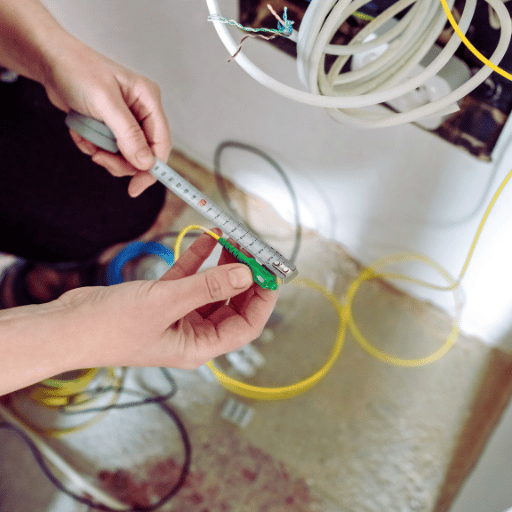
Preparation for Direct Burial and Underground Use
For a 10mm SWA cable intended for direct burial and underground installation, excavation of a trench 500-600mm deep is required. The cable must be laid on sand bedding, marked with warning tape, covered with soil, and then backfilled. Additionally, all local building and electrical regulations must be observed.
Steps for Safe Power Cable Installation
1. Plan the Installation
Analyze the site and develop a blueprint for cable routing while paying attention to safety considerations, possible risks, and maintenance accessibility. Ensure there are no areas where the cable could bend sharply, as this would damage the sheath over time.
2. Excavate the Trench
For underground installations, a trench of depth 500-600 mm and width enough to accommodate the cable along with protective materials surrounding it. Clear the trench of sharp debris and objects that could damage the insulation of the cable.
3. Prepare the Sand Bed
At the bottom of the trench, spread fine sand to form a cushion layer up to 50-100 mm, which will serve as a protective layer against impacts from sharp objects.
4. Lay the Cable
Untwist the SWA 10 mm and position it in the trench while maintaining the planned route. Maintain a tension-free environment during the laying process. To avoid physical harm during the process, use cable rollers or feeding tools.
5. Install Warning Tape
Once the cable is laid, cover it with another 50 mm of sand for additional protection. Place warning tape around 150 mm above the cable in high-visibility color to caution future excavators.
6. Restore the Trench
Restore the trench by backfilling with soil in a layer-by-layer fashion to compact the soil. Ensure the large stones have not been discarded carelessly above the insulation, as it might lead to damage and ground settling.
7. Terminate and Test The Cable
Attach the cable to the electrical panels or equipment using the appropriate glands and terminations that match SWA standards. Perform the continuity and insulation resistance test, as well as other relevant performance tests, to ensure that the installation was done properly and that the system is safe and operational.
Following these highlighted steps alongside the local construction laws offers a safe power cable installation.
Tools and Accessories Required for SWA Armoured Cable Installation
For the successful installation of SWA armoured cable, the following tools and accessories would be best: a cutter for length sizing, strippers for wire insulation removal, angle grinders or hacksaws for cutting extension steel wire armoring, correctly sized gland kits for safe terminations, appropriate torque wrenches for cable tightening, in addition to a multimeter for continuity and insulation testing. Moreover, ensure that all PPE is donned, including safety goggles and gloves, alongside cable supports for safe mounting.
What are the Specifications of 10mm 4-core SWA Armoured Cable?
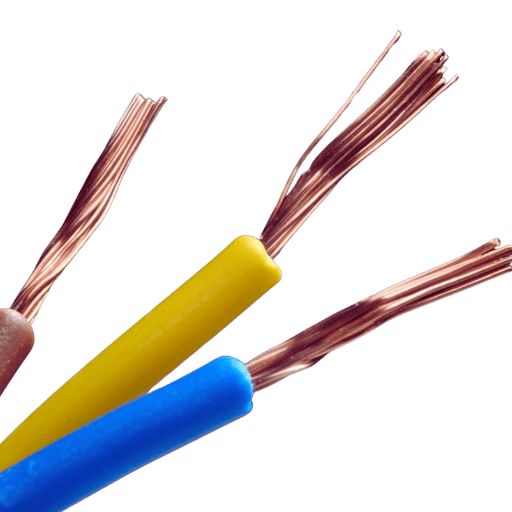
Technical Data and Voltage Ratings
The 10mm 4-core SWA (Steel Wire Armored) armoured cable offers a Steel Wire Armored construction intended for residential and industrial applications demanding economy and reliability. Its specific technical data is as follows:
- Conductor Material: Stranded copper wires, flexible and ensuring good conductivity.
- Insulation: XLPE (Cross-Linked Polyethylene) excels in protection from heat, cold, and mechanical stresses.
- Outer Sheath: Protecting from weather and impacts, black PVC (Polyvinyl Chloride) is used.
- Armor: For additional physical damage to the cable, galvanized steel wire serves as additional armor.
- Core Color Code: Brown, black, grey, and green/yellow for earth are all typical for IEC or BS standards and are used for phasing.
Like many other cables, the 10mm 4-core SWA has a 600/1000V (0.6/1kV) voltage rating, thus qualifying for medium voltage installations. In addition, depending on the installation method, its current-carrying capacity will usually range from 61A to 87A. This particular cable is popular in applications where strong mechanical protection is a must, as well as harsh environmental conditions, for example, underground cable installations, in cable trays, or outdoor installations.
Suitability for Different Electrical Applications
1. Underground Power Distribution
Its use is recommended for underground installations due to its strong insulation properties and resistance to moisture and mechanical stress.
2. Industrial Environments
Used quite often in factories and industrial plants where cables are subjected to oils, chemicals, and physical impacts.
3. Outdoor Lighting Systems
Used for powering outdoor lighting circuits due to its ability to withstand harsh weather conditions.
4. High-Voltage Installations
Considered suitable for use in medium to high-voltage systems where protection from environmental elements is needed.
5. Temporary Power Supply
Mostly used for temporary setups at construction sites or events because of its lightweight and ability to resist mechanical damage.
Maintenance Tips for Core Steel Wire Armoured Cable
- Frequent Review: Review visually the measure the physical condition of a cable’s steel armor or a cable jacket for any damages, including cuts or abrasions, and corrosion.
- Cables’ cleanliness: Monitor exposure to dirt and moisture on the surface of the cables, as it may lead to corrosion or contamination.
- Cables Temperature Monitoring: Maintain the temperature of the cable during operation as per the manufacturer’s requirements to avoid damage to the insulation.
- Connections Integrity Check: Inspect all connections and terminations for electrical energy conserving slip-ups due to loose connections ty up.
- Cable Mechanical Stress Shielding: Prevent the cable from bending due to sharp edges or impacts that are beyond the set specified radius, as it will affect performance.
Frequently Asked Questions (FAQs)
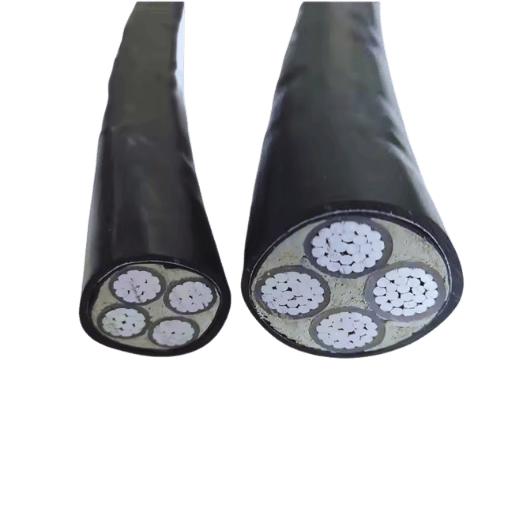
Q: What is a core armoured cable?
A: Core armoured cables are a category of electrical cables meant for power supply and damage protection. These cables have several cores, which are conductors made of copper and are encased in protective layers of steel wire armouring.
Q: What is a 3-core armoured cable, and where is it used?
A: A 3-core armoured cable or 3-core SWA (Steel Wire Armoured) cable is a large type of electrical cable containing three copper conductors. It’s designed for underground installation as it is used to deliver and distribute mains electricity to buildings and or structures while also providing mechanical protection through its steel wire armouring.
Q: Why choose 10mm 4-core armoured cable?
A: There are applications where one would require the 10mm 4-core armoured cable. This type of armoured cable derives from 4-core cables having an additional 4 conductors, each with a cross-section diameter measuring 10mm. Thus, this particular cable suits heavy-duty power utility applications, enhancing flexibility in power distribution in sophisticated installations.
Q: What are the advantages of SWA steel wire armoured cables?
A: The use of an SWA offers both physical protection for the conductors as well as exceptional mechanical protection, which allows for their underground installation. It is perfect for providing mains electricity in severe conditions because of its ruggedness and dependability.
Q: What benefits does a core armoured cable with a PVC sheath offer?
A: For core armoured cables, the PVC sheath represents an extra layer of defense. It helps safeguard the cable from the elements, such as water and some chemicals, increasing the lifespan of the cable and widening the range of installation conditions to be encountered.
Q: Are residential buildings permitted to use 16mm armoured cables?
A: 16mm armoured cables are appropriate for residential use. It can be used to provide electricity for large houses or outbuildings. It has enough capacity and provides complete protection for high-power equipment.
Q: What factors should be considered for cables installed underground?
A: When installing armoured cables underground, be mindful of the mechanics of the soil as well as any physical load stress factors. Trenching, usage of cable cleats, as well as ensuring proper cabling bedding, are critical for long-term dependability.
Q: In what way does the size of a copper conductor impact cable performance?
A: The size of the LC copper conductor, whether it is 10mm or 25mm, impacts the cable’s amperage capacity, performance efficiency, and voltage drop. Improving the geometry of the conductors directly improves their current-carrying ability and increases efficiency in long-distance operations.
Q: What is the main difference between 3-core and 4-core armoured cables?
A: Specifically, the difference between 3-core and 4-core armoured cables is that the latter has an additional conductor, which allows different configurations of wiring and can be beneficial for three-phase power supply systems.
Reference Sources
1. Numerical Investigation on Electromagnetic Thermal Aspects of Non-Metallic Armoured Optoelectronic Cable Winch Systems
- Authors: Wenhua Li and Others
- Released: May 28, 2024
- Journal: Journal of Marine Science and Engineering
Major Conclusions:
- The research focuses on the non-metallic armoured optoelectronic cable winch system’s (NAOCWS) electromagnetic and thermal performance.
- They observed that the part of the cable that is wound onto the winch forms a coil and thus, an electromagnetic field, which may disrupt signal transmission and cause heating.
- The value of magnetic flux density (MFD) is a function of the distance of separation between cables; it is minimum at the center of the cable.
- The distribution of temperature also depends on the current amplitude as well as on the number of winding layers. The variance between the edge and intermediate cables increases.
Methodology:
- To determine the values of magnetic and temperature fields for the current values of 10 to 30 A and winding layers of 1 to 10, the authors performed the study using numerical simulation techniques (Li et al., 2024).
2. An Adaptive Control Method of Non-Metallic Armoured Optical-Electrical Cable Winch System in Oceanographic Research Vessel Based On Three-Dimensional Laser Scanning Point Cloud
- Authors: Ye, H. et al.
- Published: 2025-07-01
- Journal: Ocean Engineering
Highlights
- The control algorithm for the non-metallic armored optical-electrical cable winch system is presented in context with the oceanographic research vessels.
- The work draws attention to the application of adaptive control in the performance improvement of cable winch systems.
Research Design:
- The work proceeds from a three-dimensional laser scanning point cloud data with the control method to be developed, but does not provide concrete numbers or results in the abstract simulation (Ye Et Al, 2025).
5. Steel