


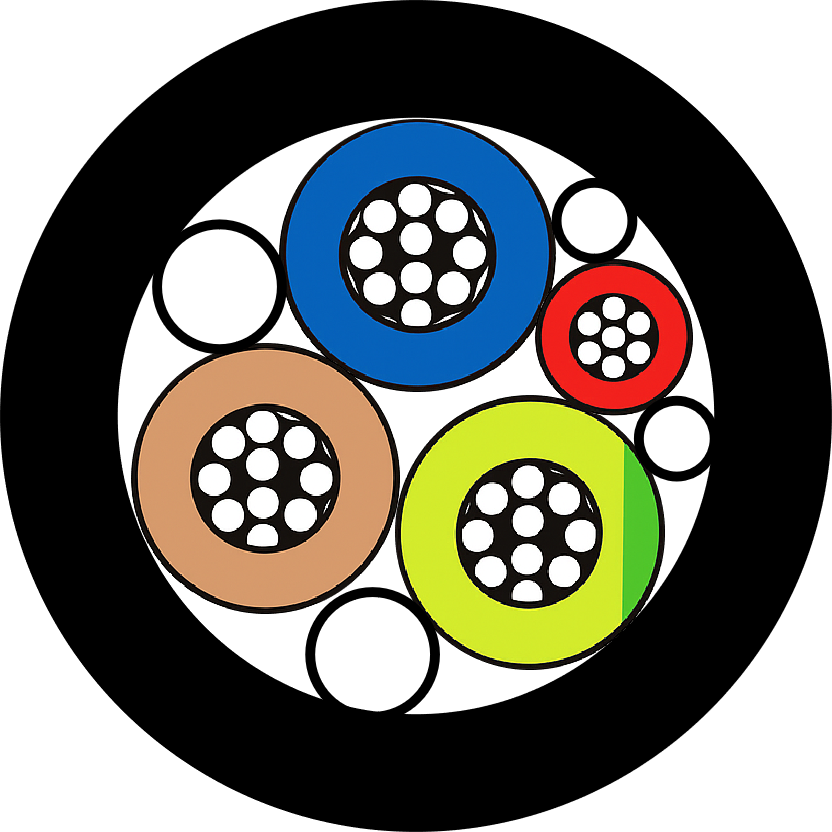





In fiber optics, understanding the differences between tight-buffer and loose-tube designs is essential when installing a network or simply being curious about how these technologies operate. Each design serves a different purpose and thus offers distinct advantages. The environment, application, and performance requirements form a basis for choosing between the two options. This article outlines the key features and applications of tight-buffered and loose-tube fiber optic cables, helping you make an informed decision while also highlighting the differences between the two options. From toughness to flexibility and everything in between, we will examine how these designs cater to the varying needs of the modern connectivity world.
Introduction to Fiber Optic Cables
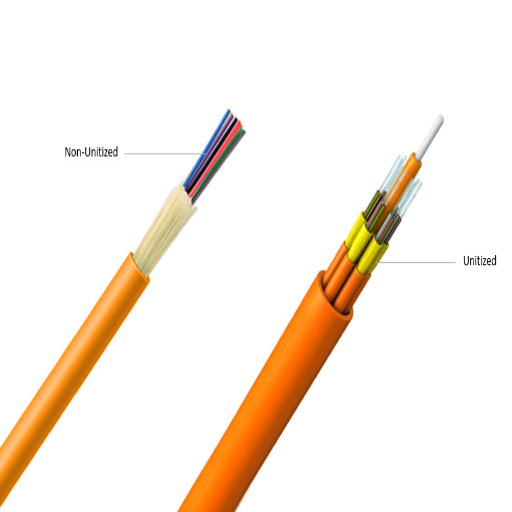
Fiber optic cables comprise highly modern transmission mediums that transmit light to carry data at high speeds over long distances. These cables, composed of fine strands of glass or plastic, ensure communication with utmost efficiency and reliability. Basic configurations, referred to as tight buffer and loose tube, are fabricated to meet specific requirements, depending on environmental conditions and the desired performance. Fiber technology, considered desirable due to its ability to transport signals quickly, with high durability, and provide large-capacity data services with minimal losses, has thus taken center stage in today’s connectivity solutions.
What are Fiber Optic Cables?
Fiber optic cables are advanced communication cables that carry data as light pulses through strands of pure glass or plastic. These cables are fragile and slender, with a single fiber commonly thinner than a human hair strand. Yet, despite their incredible thinness, they are capable of carrying enormous volumes of data over long distances at extremely high speeds. As for the fiber optic light, it travels with very little signal loss and, therefore, serves as the best option for high-bandwidth requirements in the internet services, telecommunication, and broadcasting industries.
Fiber optic systems, given the extraordinary properties of fiber optics, are designed with a wide range of applications from which to choose. For example, single-mode fiber is capable of transmitting data at speeds exceeding 100 Gbps over long distances. In contrast, multimode fibers are best suited for shorter distances and also provide high data rates. Additionally, fiber optic cables are less susceptible to electromagnetic interference compared to conventional copper cables, making the connection more stable and secure.
According to industry statistics, global internet traffic heavily relies on fiber optic networks, with the increasing demand for higher capacity and speed driving their expansion. Fiber optic broadband connections are expected to surpass 1.5 billion subscriptions worldwide by the end of the decade, demonstrating that they have become a modern communication infrastructure. Furthermore, in situations where their setup may be too harsh for any other type of link, fiber optic cables excel. In turn, this adaptability has permanently cemented their position as a backbone for global connectivity.
Importance of Buffering in Fiber Optics
In fiber optics, buffering plays a vital role in durability, protection, and functionality. The buffer coating serves as a protective layer, shielding against external stresses, moisture, and other forms of mechanical damage. This plays a vital role for glass fibers that are delicate, prone to fracture, or attenuation losses if not sufficiently protected.
Fiber optics can be considered in two types of buffering: tight-buffered and loose-tube. Tight-buffered fibers are best suited for indoor applications due to their rugged construction, ease of handling, and straightforward installation. On the other hand, loose-tube buffered fibers are specifically designed for outdoor environments, providing enhanced protection against temperature fluctuations, water ingress, and other physical stresses.
With the advancement of fiber optic technology, newer buffering materials have been developed to reduce cable failures further. For example, present-day buffer coatings often utilize UV-resistant materials to extend their lifespan in outdoor installations. According to industry reports, global fiber optic cable installations are expected to grow at a CAGR of more than 10% between 2023 and 2030, further validating the need for solid buffering technologies to meet the growing demands of high-speed and high-capacity networks.
Moreover, buffering enables telecom service providers to maintain a favorable performance level over long distances by minimizing signal loss during transit. Without buffering, signals can be degraded through microbending or stressing due to environmental interference, which significantly impairs data transmission and ultimately compromises network reliability. Hence, buffering remains one of the fundamental activities in the fiber optic groundwork that ensures the creation of the world’s efficient and resilient communication networks.
Overview of Cable Types
Tight buffer cables are designed for rugged indoor use, offering easy handling and extra protection. In contrast, loose tube cables are tailored for outdoor applications, excelling in environments with extreme temperatures and requiring higher tensile strength.
|
Parameter |
Tight Buffer |
Loose Tube |
|---|---|---|
|
Use |
Indoor |
Outdoor |
|
Flexibility |
High |
Low |
|
Protection |
Extra |
Moderate |
|
Installation |
Simple |
Complex |
|
Water Block |
No |
Yes |
|
Cable Size |
Smaller |
Larger |
|
Temp Range |
Limited |
Wider |
|
Durability |
Medium |
High |
|
Handling |
Easy |
Difficult |
|
Tensile Str. |
Low |
High |
Tight Buffered Fiber Optic Cable
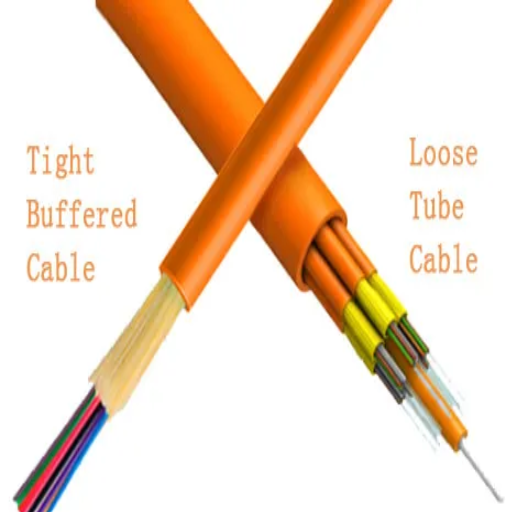
Since tight buffer fiber optic cables are highly flexible, they make them ideal for indoor installations. They are coated with a protective buffer layer, thus making installation relatively easy as there is no need for additional protective conduits. These cables are ideal for use in smaller runs and in conditions where water resistance and physical durability are not a priority. The smaller dimension-wise, tight-buffered cables are apt for situations involving precise connections and lightweight cabling solutions.
Definition and Characteristics
Tight-buffered cables are designed with a small but sturdy structure; hence, they are suitable for various indoor applications, such as data centers, office networks, and other industrial environments where protection and flexibility are key. All fibers in the cable are individually buffered with a layer of coating, typically 900µm thick, to ensure stronger mechanical performance and flexibility during handling and installation.
Compared with loose-tube cables, tight-buffered cables are superior where space is constrained, and higher durability is required for precise connections. They can carry either single-mode or multi-mode fiber with data transmission speeds of 100 Gbps or above, depending on the fiber standard and configuration. Additionally, they operate within a temperature range of -20°C to 70°C, enabling them to withstand moderate environmental fluctuations.
Tight-buffered cables are structurally suitable for indoor applications and are typically fire-rated according to safety standards, such as riser rating (OFNR) and plenum rating (OFNP). The cost and time of installation are substantially reduced since these cables, due to their more compact construction, do not require the laying of intricate cable trays or conduits. Thus, strict specifications enable tight-buffered wires to be a good fit for high-performance telecommunications systems, LANs, and other indoor networks where reliability, flexibility, and ease of installation are paramount.
Applications of Tight Buffered Cables
Tight-buffered cables are used in various environments where strength and flexibility are necessary. Apart from being used indoors, they have been considered for data centers, office buildings, and campuses. These cables are deemed ideal for local area networks (LANs) as they provide high-speed and efficient interconnect mobility, supporting data rates of 10 Gbps or higher, depending on the fiber type (multimode or single-mode).
One notable application is for backbone cabling in telecommunication systems. The tight-buffered type excels when cables need to be pulled through conduits or routed around tight corners, offering excellent resistance to abrasion. In cases where cables might undergo mechanical stress, these cables stand out because their buffer coating has added strength and protection.
Additionally, these cables excel in security and surveillance systems, where they provide reliable connections for cameras and monitoring equipment. Due to recent improvements in fire-resistant coatings, tight-buffered cables are considered ideal for indoor plenum spaces, as they meet stringent safety standards while reducing risks during a fire.
The latest industry reports forecast that the global fiber optic cable market will grow at an average compound rate of more than 12% between 2023 and 2030, driven by rising demand for high-speed internet and data transmission. Due to their use in tight-buffered cable construction, these cables have become highly versatile and easy to install in both existing and new network infrastructures; hence, they are the preferred choice for any enterprise seeking scalability and reliability in the long term.
Advantages of Tight Buffered Fiber
For countless benefits, the tight-buffered fiber optic cable is prepared to meet the modern-day requirements of network applications. A coating or sheath, which provides considerable protection and flexibility, is directly applied over the fiber. The main advantage during installation is that special and complex breakout kits are not required; hence, less labor and installation time are needed. Beyond that, tight-buffered fibers provide extra security in remote and harsh environments, guarding against the impairing effects of temperature variations, mechanical stresses, and moisture infiltration.
One of the primary advantages of tight-buffered fiber is its versatility for various indoor and outdoor applications. Recent industry reports indicate that tight-buffered cables are most suitable for short-distance applications, such as LANs, building risers, and data center interconnects, due to their compact construction and resistance to strain. Market reports have further asserted that they mitigate signal loss significantly and are somewhat easier to terminate, thereby accelerating network deployment and upgrades.
Another key reason behind the growing acceptance of tight-buffered fiber is its scalable potential. Thus, enterprises will be able to deploy the cable throughout their network without fear that future expansions will put a strain on performance. For instance, analysts anticipated that networks running on tight-buffered fibers would experience an average cost reduction of 20–30% in installation and maintenance compared to other cabling solutions over the project’s life cycle. Apart from being economic and scalable, tight-buffered fiber also performs excellently under the harshest environmental conditions, which means that it is the preferred means of building a robust, high-speed communications infrastructure.
Loose Tube Fiber Optic Cable
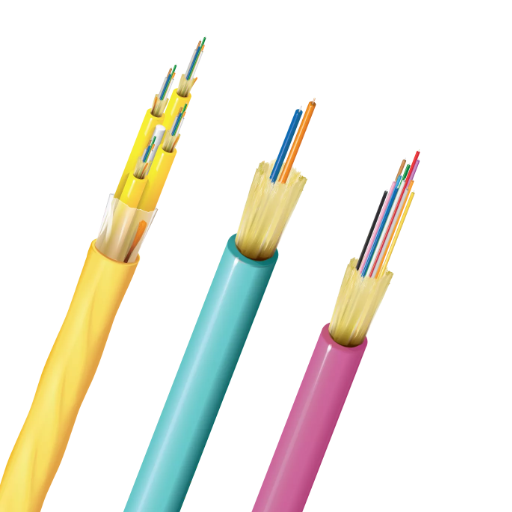
The loose-tube fiber optic cable is primarily used for outdoor installations and is well-suited for environments with varying temperatures and high moisture levels. The cables consist of a series of fibers housed in protective tubes, which are filled with a gel or similar material that prevents water ingress and protects the fiber itself. With these characteristics, the cable can endure severe conditions and is best for long-distance or underground installations. Due to its reliability in harsh environments, this cable is often used in outdoor telecommunications applications.
Definition and Characteristics
Loose-tube fiber optic cables are a specific type of cable design that houses optical fibers in protective, gel-filled tubes. They are designed to withstand extreme temperature fluctuations and harsh weather conditions, making them suitable for outdoor, underground, and long-distance installations. The protective gel inside the tubes prevents moisture from seeping in and damaging the optical fibers.
Loose tube cables are characterized by high tensile strength and flexibility. Because the fibers are placed loosely within the tube, they can move freely without stress on the fibers. The cables are provided with a rugged outer jacket, typically made of polyethylene, which enhances their mechanical durability and protects against damage caused by UV radiation and chemicals.
Loose-tube cables are typically available in either single-mode or multi-mode varieties. Single-mode fibers are well-suited for long-distance transmissions, normally extending beyond 10 kilometers, whereas multi-mode fibers are used for shorter-distance communications, usually up to 2 kilometers. The nominal core-to-cladding diameters: mode 9/125 µm single and 50/125 µm or 62.5/125 µm multi-mode fiber.
They are used for high-bandwidth data transmissions, often capable of 100 Gbps or more, making them very suitable for current telecommunications requirements. They maintain good results under harsh conditions, including temperature ranges from -40°F to 158°F (-40°C to 70°C). Such capabilities make loose-tube cables ideal for industrial networks, submarine systems, high-speed internet backbones, and rural broadband projects.
Applications of Loose Tube Cables
Due to their sturdiness, flexibility, and high-speed data transmission capabilities, loose-tube cables are widely applied in various areas. One important use is in long-distance telecommunication networks, where the moisture-resistant, rugged design ensures reliable performance over vast geographical regions. Another extensive application is in high-speed internet backbone infrastructure, which is needed to support the ever-growing demands of data services such as video streaming, cloud computing, and IoT devices.
Yet another domain of great importance remains in submarine cable systems, where loose tube cables wire continents together to enable smooth international communication. Being constructed to perfection allows for withstanding high pressure and a corrosive underwater environment while achieving efficient signal transmission for thousands of miles.
Loose tube cables also find their application in commercial and rural broadband projects, especially in challenging environmental conditions. These cables, designed to withstand extreme temperatures, UV exposure, and other harsh weather conditions, enable connectivity to remote locations and promote digital inclusivity.
According to industry reports, the global deployment of fiber optic cable is expected to grow at a CAGR exceeding 11.5% from 2023 to 2030, with loose tube cables being an integral part of its composition. It is through their scale and broadband capabilities that they serve as a foundation for building connectivity in both developed and developing regions.
Advantages of Loose Tube Fiber
Loose-tube fiber optic cables offer several advantages; one notable feature is their ability to withstand harsh environments. The loose tube arrangement, wherein fiber strands are encapsulated within buffer tubes containing water-blocking gel, helps preserve fiber integrity by shielding them against moisture, temperature changes, and mechanical stresses. Hence, they find utilization in outdoor deployments, including direct burials and aerial installations.
Another great feature is that it has a high fiber count. Loose tube cables support a high number of fibers in a compact form, allowing for the transmission of data at high speeds over very long distances. This scalability factor is vital to respond to the increasing bandwidth demand as nations build 5G networks and undertake FTTH projects.
Furthermore, loose-tube fibers are highly cost-effective for large-scale projects. These cables are
lightweight and strong, therefore minimizing the transportation and installation costs compared to other designs. With the use of advanced methods, such as enhanced bend performance fibers, considerable ease is introduced in implementing these cables on complex routes without compromising their performance.
Market studies have demonstrated the significant role that loose tube cable deployment has played in achieving global connectivity goals. For instance, fiber optic infrastructure witnessed robust growth in Asia-Pacific and North America, driven by rising demands for IoT applications, cloud computing, and HD video streaming. This demonstrates the paramount importance of loose tube cables in closing the digital divide and ushering in a quicker and more connected future.
Comparative Analysis: Loose Tube vs Tight Buffered
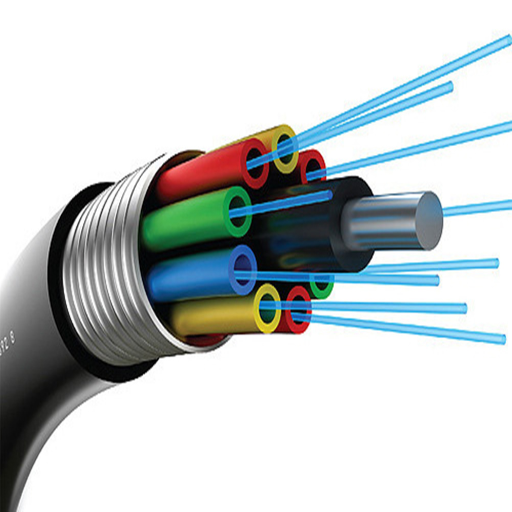
Loose-tube cables differ from tight-buffered cables in construction, application, and suitability for various environments. Loose tube cables encase the optical fibers in a tube filled with gel or a water-resistant material, providing excellent protection against moisture and temperature changes. They are best for outdoor and long-distance installations, especially in harsh environments. On the other hand, in tight-buffer cables, the fibers are individually coated. This paints strokes with flexibility and ease, making them highly suitable for indoor or short-distance use. In other words, while the loose tube cables are superior in terms of ruggedness and resistance to external conditions, the tight buffer cables are preferred due to their simplicity of deployment and termination. Several factors, such as environment, distance, and installation-related emergencies, are considered.
Differences in Construction
The primary difference between loose-tube and tight-buffered cables lies in their construction, which in turn determines their applications and advantages. Loose tube cables store the optical fibers in gel-filled blocks or dry blocks, offering a buffer against moisture and mechanical damage. This feature makes it ideal in locations prone to temperature fluctuations or exposed to harsh weather conditions. These typically accommodate a large number of fibers, ranging from 12 to 144 fibers, making them suitable for long-distance outdoor installations.
The tight-buffered cable features a compact design, as the optical fibers are directly coated with a thick buffer or protective layer. This provides more flexibility and ease of handling during the installation. They are typically installed in indoor environments or for shorter distances where extreme environmental conditions are not a concern. Tight buffer cable types typically support fewer fibers, generally ranging from 2 to 24. Still, because they are very efficient for indoor work and easy to terminate, they remain preferred candidates for enterprises or data center networks.
Often, the choice for a particular type of cable is influenced by project requirements, such as fiber count, environmental exposure, and ease of installation. Durability, protection against environmental factors, and flexibility are key considerations related to their differences in construction.
Performance and Environmental Considerations
Performance in fiber optic cables largely depends on their type and construction. Indoor, outdoor, and universal fiber cables are checked for properties such as attenuation, bandwidth, and signal reliability. Whereas single-mode fibers find widespread applications in telecommunications for long-distance data transfer due to their lower attenuation and higher bandwidth compared to multimode fibers, multimode fibers are chosen for short-range communications because they are cheaper and easier to install in local network environments.
Setting and environmental conditions play a significant role in the performance and aging of fiber optic cables. Outdoor cables may come with UV-resistant jackets and waterproofing to withstand intense weather and physical challenges. And armored cables add strength and protection against rodent or mechanical forces while being laid underground. Research shows that cables with gel-filled tubes offer effective moisture prevention in wet conditions and significantly enhance their longevity compared to those with dry-block construction.
Temperature tolerance is another vital property. Standard cables typically operate in a working environment between -20°C and +70°C, while specialty cables are designed for extreme situations, such as those found in polar climates or high-heat industrial environments. The use of LSZH materials in indoor cables further ensured that they were environmentally friendly by reducing toxic emissions upon combustion, which is an essential consideration in public spaces.
Matching the cable type to performance considerations and environmental requirements can put the project and network in a better position to function reliably with minimal maintenance costs, provided that operations align with the project’s specific demands.
Choosing the Right Cable for Your Needs
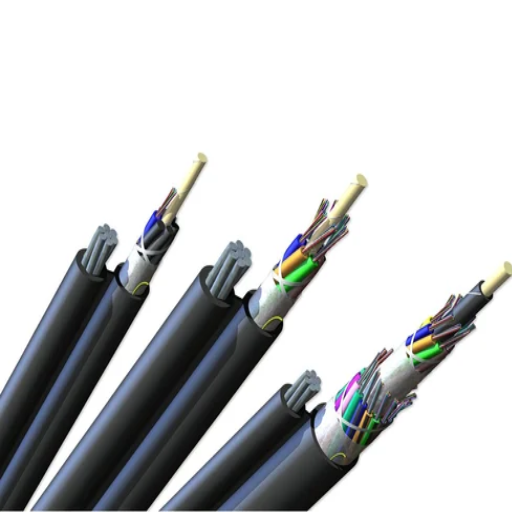
Your first step is to identify what is needed in the given application environment. Factors to consider include the environment in which the cable will be used (indoor, outdoor, industrial), the type or amount of data or power to be transmitted, and safety considerations such as fire resistance and emission standards. For instance, LSZH cables should be used in public places to avoid toxic emissions in the event of fire. Also, ensure the cable is capable of meeting the speed and medium demands of your network infrastructure. Considering these factors and applying well-vetted industry standards will enable optimal performance and safety at cost-effective considerations.
Factors to Consider When Selecting Cable Type
When choosing the appropriate cable type, several critical factors must be evaluated so that each one addresses a specific application need:
Application Environment: Consider the environment where the cables will operate. A simpler or less robust cable may suffice for indoor operations, whereas one intended for outdoor or industrial use will need to be weather-resistant and durable. Therefore, outdoor cables should be UV-resistant and capable of withstanding adverse temperature variations and moisture.
Bandwidth and Data Transmission: High levels of bandwidth are required by present-day applications, including video, conferencing, streaming, and cloud-based services. Category 6A cables, and higher ones like Category 8, have occasionally come into the limelight when required in scenarios where speeds exceeding 10 Gbps are necessary. For extremely high data speed transmissions over long distances, use fiber optic cables that have the least amount of latency and electromagnetic interference.
Safety Standards: Regulatory standards can be accompanied by safety and liability. LSZH cables are recommended in buildings open to the public, hospitals, and other crowded areas to minimize the release of toxic smoke and emissions in the event of a fire. Another recommendation is cables certified to meet regulations for fire-retardant materials that are recognized in NFPA 70 or IEC 60332.
PoE Compatibility: As PoE powers devices such as IP cameras, VoIP phones, and wireless access points, PoE cables are therefore considered for their high capacity for data and power transmission. Cables supporting improved heat dissipation and rated for higher power levels, such as those used in PoE+ or PoE++ systems, should be selected.
Cable Shielding and Noise Interference: In cases of electromagnetic interference (EMI) in such environments, shielding becomes crucial. Shielded cables, such as F/UTP or S/FTP, help reduce crosstalk and attenuation in high-noise environments, including manufacturing plants and areas near heavy machinery, to ensure the integrity of data transmission.
Durability and Lifespan: As a long-term investment, cables require materials with high durability for installation. For example, cables with higher jacket quality, such as those made from thermoplastic elastomer, resist dynamic abrasion, chemicals, and temperature extremes, and thus are long-lasting in strenuous environments.
Cost and Scalability: Apart from considering the initial cost, it is worth considering the long-term lifecycle cost down the line, once the system is implemented. Assess whether the selected cabling would support an upgrade or expansion to avoid costly improvements. With modular outlets and panels, structured cabling systems facilitate easy future modifications as your network grows.
Certification and Standards Compliance: Always ensure that the cables adhere to a recognized performance standard, such as ANSI/TIA or ISO/IEC, to ensure proper function. For Ethernet cables, look for third-party test certification that supports the cable’s compliance with recognized standards.
By carefully balancing these factors, one can ensure that the chosen cable will support its intended environment in a reliable, efficient, and future-proof manner.
Everyday Use Cases for Each Cable Type
From my experience, Ethernet cables are my preferred type of cable for high-speed internet in my home office, ensuring seamless connectivity for work and gaming. HDMI cables connect my TV to streaming devices or gaming consoles, providing apparent audio and visual effects. USB cables charge gadgets such as my phone and transfer data between a laptop’s external hard drive. AUX cables then connect my phone to the car audio system, so music plays seamlessly.
Future Trends in Fiber Optic Technology
Fiber optic technology communication is seeing changes in the fiber, with innovations promising unheard-of levels of speed, capacity, and reliability. At the forefront is multi-core fiber (MCF), capable of carrying significantly more data through multiple cores in a single fiber. Indeed, MCFs offer the possibility of a significant leap in data-carrying capacity, increasing the capacity of a single-core fiber by almost ten times to meet the growing data demands of a hyper-connected world.
Another aspect of innovation involves the development of space-division multiplexing (SDM) technology. Because SDM offers significant bandwidth efficiency improvements by allowing multiple signals to simultaneously propagate into different spatial channels within a single optical fiber, next-gen 6G and future beyond networks have the opportunity to elevate.
An emerging trend is the integration of AI with fiber optic networks. AI-based monitoring and optimization work in tandem to enable networks to operate at an optimal level, predicting and preventing potential issues such as signal degradation and bandwidth bottlenecks. This makes the network more reliable, also cutting operational costs.
This, in turn, dovetails with advances in photonic chip technology, promising even faster and smaller optical communication devices. Photonic chips enable a seamless interface between fiber optics and their use in consumer and industrial applications, such as data centers, Internet infrastructures, and even quantum computing, which heavily relies on secure and high-speed data transmission.
Lastly, the global fiber optic sensor market is expected to grow at a rapid pace, driven by applications in the domains of healthcare, defense, and smart infrastructure. These sensors use fiber optics for absolute precision in sensing temperature, pressure, and other environmental parameters, with a glint of promise in revolutionary innovations in monitoring and automation.
With all these new trends and technologies, fiber optics are likely to continue forming the backbone of global communication networks, driving innovation and connected ecosystems worldwide.
Reference Sources
Modification of Conductive Material AA6101 of OPGW Conductors Against Lightning Strikes
Frequently Asked Questions (FAQs)
What are the key differences between tight-buffered and loose-tube fiber optic cables?
Tight-buffered cables feature a fiber core that is coated with a protective buffer. In contrast, loose-tube cables contain multiple fibers within a single tube, which allows for expansion and contraction. Tight-buffered designs are more rigid and sturdier than loose-tube structures, making them better suited for indoor applications. In contrast, loose-tube cables are often used in outdoor installations, especially in environments that require flexibility and durability against environmental factors.
How does the cable construction type affect splicing or termination?
The type of cable construction plays a crucial role in splicing or termination. Tight-buffered cables typically require simpler connectors that are directly attached to each fiber, allowing for easier installation. Loose-tube cables, on the other hand, often require a fan-out kit for splicing due to their tube design, which bundles multiple fibers within a single tube. This makes the process more complex but allows for greater flexibility in larger installations.
Are tight-buffered cables suitable for underwater applications?
Tight-buffered cables are generally not recommended for underwater applications due to their rigidity and lack of water resistance. Loose-tube buffered cables, often gel-filled, are designed for harsh environments, including underwater use, as they can accommodate water and temperature changes without compromising the integrity of the fiber core.
What are gel-filled loose tubes, and how do they differ from tight-buffered cables?
Gel-filled loose tubes are a type of cable structure in which the fibers are housed in a gel-filled tube designed to protect them from moisture and physical stress. This differs from tight-buffered cables, which use a solid buffer around each fiber core. Gel-filled loose tubes enable better handling of environmental changes, while tight-buffered cables provide a more robust solution for indoor settings.
What type of cable is typically used for indoor installations?
Tight-buffered fiber optic cables are typically used for indoor installations due to their sturdiness and ease of installation. These cables are less prone to damage and can be routed easily within buildings. In contrast, loose-tube cables are more suited for outdoor applications, where flexibility and protection against environmental factors are essential.
How do 250μm fibers and 900μm buffered cables differ?
The primary difference between 250μm fiber and 900μm buffered cables lies in their protective layers. The 250μm fiber is the bare fiber that is sensitive and requires additional protection, while the 900μm buffered cable includes a thicker layer to provide extra durability. Tight-buffered cables typically utilize a 900μm buffer, making them easier to handle during installations compared to the delicate 250μm fiber.
What are the advantages of using loose tube fiber optic cables?
Loose-tube fiber optic cables offer several advantages, including improved performance in environments with temperature fluctuations and physical strain. The design allows the fiber cores to move freely within the tubes, preventing stress on the fibers. Additionally, many loose-tube cables include a central strength member to provide additional support. This flexibility makes them ideal for outdoor installations where conditions can vary significantly.
How do optical fiber cables carry light signals?
Optical fiber cables carry light signals through the fiber core, utilizing total internal reflection to transmit data over long distances. Both tight-buffered and loose-tube wires are designed to efficiently guide light signals, with tight-buffered cables often providing more direct light transfer due to their construction. Loose-tube cables, while slightly less efficient, are still capable of handling substantial data loads in appropriate conditions.