

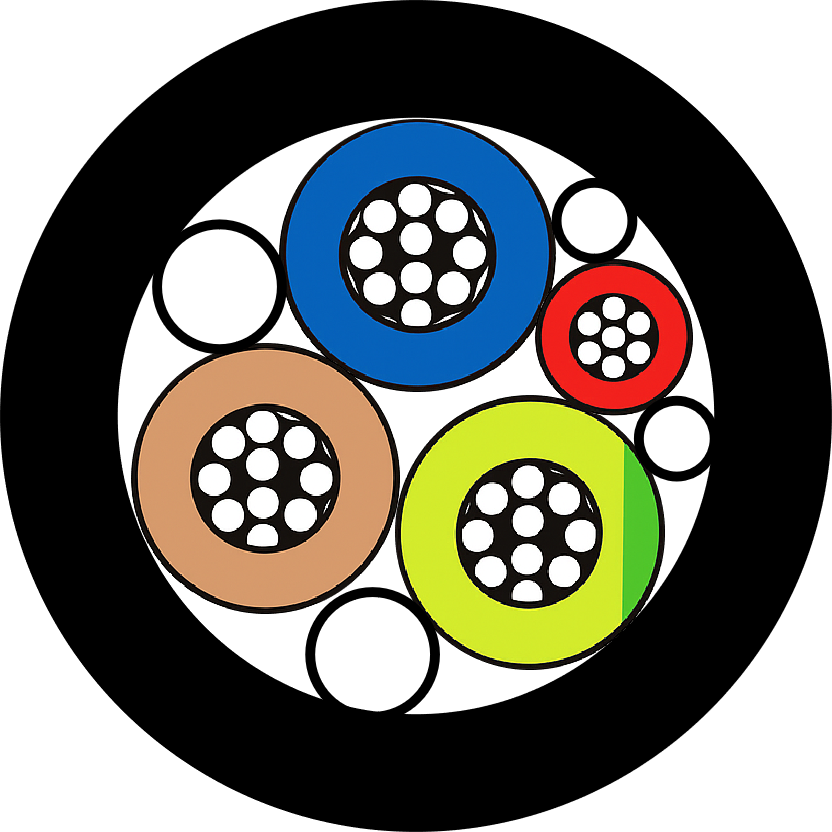





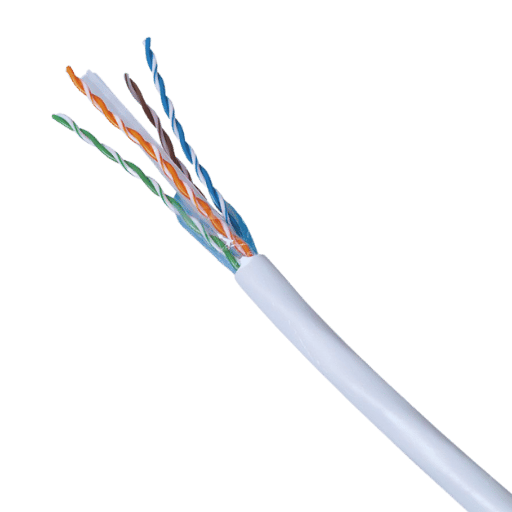
LSZH (Low Smoke Zero Halogen) wires and cables are the newest technological advancement available for various electrical and data cable uses. Their properties enable them to withstand the occurrence of fire; in the advancement of our society, LSZH cables are of utmost importance. Therefore, what is the difference between LSZH cable and other cable types? This guide aims to explain the essential characteristics, benefits, and use of LSZH cables, with insightful data for the reader to decide more precisely. Understanding the LSZH cables can therefore have a substantial impact on the safety and environmental aspects in the applications of data centers, networks, and households.
What is an LSZH Cable and Why is it Important?
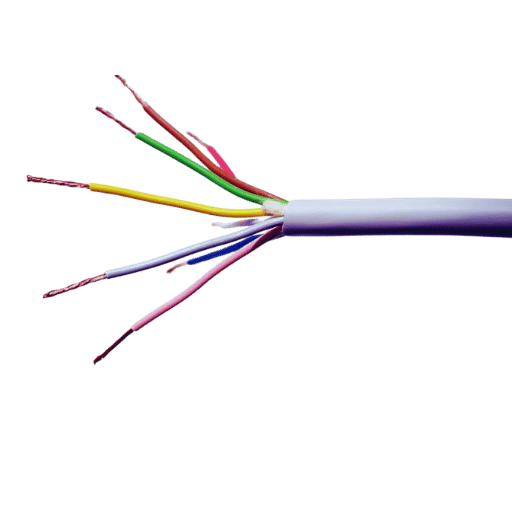
LSZH cables, namely Low Smoke Zero Halogen cables, have been created in order to release less white smoke and no harmful and toxic halogens in the process of burning. Regular cables give off a high amount of harmful fumes, which are evidently harmful; in contrast, LSZH cables adopt halogen-free materials, meaning they give off no smoke and no gases, which can be corrosive in a fire. It allows for lower-emission unattended operations in hospitals, airfields, server rooms, and the like, and in areas where people’s health as well as technical equipment is paramount. Low-smoke, zero-halogen (LSZH) cables help protect people and the gear itself by ensuring compatibility.
Understanding the LSZH Cable Concept
Thermoset Cables, otherwise known as Triple S cables, prioritize safety against dangerous emission inhibiting the spread of toxic lethal items in the event of any fire. Generally, they are made of materials that do not emit much of smoke leave alone the harmful halogen gases. Thus, it is also a way of minimizing breathing ailments as well as the risk of damaging sensitive electronic equipment. The core application of these cables is to improve fire safety in areas that could cause serious safety challenges to both human lives and infrastructure.
Benefits of Using Low-Smoke Zero-Halogen Cables
- In the Event of a Fire: Low-smoke zero-halogen (LSZH) cables are produced in such a way that when fire or combustion starts and they become the source of smoke, they emit the minimum quantity of smoke and do not let any harmful gases escape or even moist them in the air — thus creating no risk to humans.
- Securing Electronic Devices: The absence of group of halogens will not have an adverse effect on any sensitive computer parts — they will work normally even under unfavorable conditions thanks to it.
- Eco-friendliness: LSZH cables are manufactured from green materials and thus do not become a pollutant when disposed of. Instead, they act as a source of recycled materials in wire and cable manufacturing.
- Conforming to Safety Requirements: These cables are designed to encompass the requirements of many global safety directives and regulations such that they are appropriate for use even within strict structures like public buildings and transport machinery.
- Reducing Smoke: Fast removal of combustion gases produced after a fire disaster contributes to visible enviroment which is essential for safe exit and rescue.
- Reducing Smoke: Low-smoke materials help by increasing visibility for more effective evacuation and better emergency response.
- Enhanced Service Life And Disaster Survivability: These cables are not only manufactured to provide good service under standard conditions but also under extreme conditions.
Why Choose Halogen Free over PVC Cables?
- Improved Safety during Fire Hungers: Halogen-free cables are designed to not produce toxic smoke if burnt hence they are very useful in roads during accidents.
- Harmlessness to Nature: The wires which are used in wiring produce only the least harmful substances from the production stage to the end of life being of great help to the environment.
- Great Performance on Harzadous Locations: They meet the strict safety requirements that are registered in them, and they are very roomed to move to especially in such facilities as hospitals, schools and public transports.
- Resistance Against Corrosion: They are known to have no halogen compounds that can cause equipments to corrode, as the halogen content in gas emissions is also greatly minimized.
- Observation of Safety AES Standards: By convention, halogen-free cables are compatible with the most recent measures, with the help of audio and video mechanisms and world aspects.
How Do Low-Smoke Zero-Halogen Cables Work?
The Role of Halogen Components in Cables
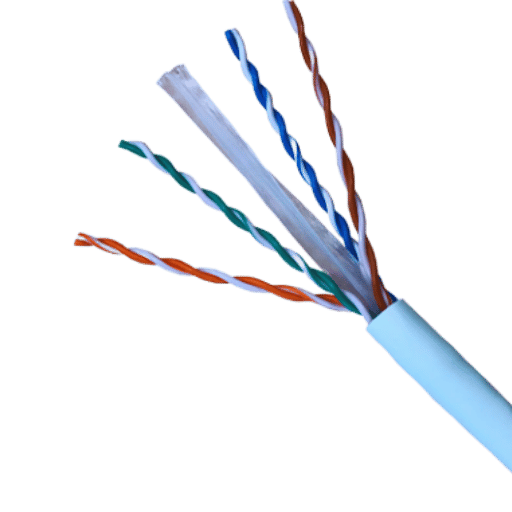
Halogen-based substances like chlorine, bromine, and fluorine used in the process of cable production are implemented to decrease flammability and increase the resistance of materials. This is why these materials release hydrogen halide gases when overheated, which are used to extinguish the fire by stopping the chemical reactions from participating in the combustion chain. Therefore, the high production of these gases gives them the ability to leave hazardous emissions, which cause health problems and corrode equipment materials during a fire. However, this situation contains some imbalances that are related to the use of zinc. In other words, the issue lacks any perfect solutions, such as low smoke zero halogen (LSZH) materials, through the availability of oxygen alone in the materials, which would prevent any toxic emissions without using halogens and at the same time not compromising the standard requirements.
How LSZH Reduces Smoke Emission During Fires
Less flammable, non-halogenated cables reduce smoke during peacetime by employing materials that do not emit halogens during combustion. Instead of emitting dense dark clouds of poisonous smoke, the LSZH cable emits rather less smoke, thus providing for more efficient operations and safe egress in times of an emergency. In addition, the absence of halogens in the cable also reduces the release of harmful, corrosive fumes and presents less additional danger to both people and the equipment. Such a focus on safety factors in the makeup of LSZH cables enhances their effectiveness for applications in which fire safety is especially important.
The Science Behind Flame Retardant and Low Smoke Production
LSZH (low smoke zero halogen) proprietary fire retardant additives in cables are responsible for preventing the combustion of the product. To be more precise, the mechanism of action is such that these substances reduce the heat release, slow down the flame spread, and prevent the formation of the milieu necessary for the further sustenance of the fire. Also, low flame production is achieved in rubber materials by reducing the amount of halogens that produce smoke when they decompose and incorporating systems that give out the least amount of smoke when heated. All these properties improve the safety level by reducing fire risks and improving visibility in urgent circumstances.
What Are the Applications of LSZH Cables?
Common Industries Using LSZH Power Solutions
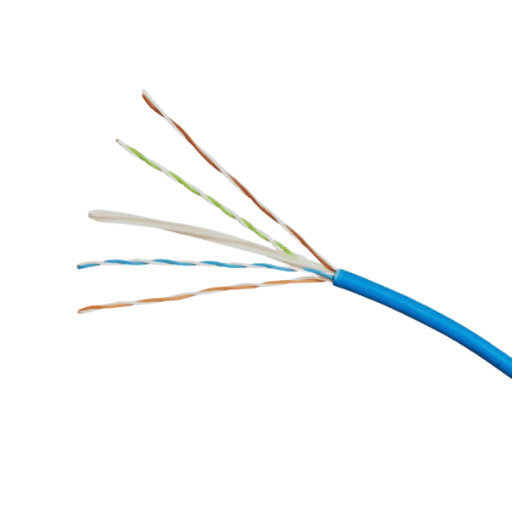
- Telecommunications – In data centers and communication networks, LSZH cables are used as all these factors make the cables the best option, as they have low toxicity and also generate very little smoke, consuming less air and reducing the danger to the equipment and health of the individuals in case of fire breakouts.
- Transportation – In closed indoor areas with high human congestion, railway subways and the aviation industry are some of the sectors that cherish the application of LSZH cables.
- Healthcare – Many hospitals and health institutions have made it a priority to use LSZH cables so as to secure their patients and valuables during fires.
- Construction – LSZH wires are advanced technological devices that are also used in the latest building designs especially in buildings that are concentrated because they help to reduce instances of fires and enhance the safety of the occupants inside.
- Oil and Gas – Extra precautions at the workplace are well taken care by LSZH power systems and are most suitable for oil rigs and refineries.
- Marine – LSZH cables inside marine environments help maintain safe practices in escape routes of ships and submarines.
- Nuclear Power Plants – Most especially since LSZH cables have properties which are able to confine in physical condition and do not pose any health risk, they are very helpful in nuclear facilities when trying to avoid injuries during emergencies.
Using Halogen Free Cable in Public Spaces
Fire-resistant halogen-free cables are mostly used in public spaces due to their critical safety purpose. However, there is less smoke and toxic gases during the time when fire is burning, which in turn means less exposure and danger of injury to a person and contributes to better rescuing of people. These are recommended particularly for the protection of the safety of children in schools, the protection and care of sick patients in hospitals, entertainment and relaxation for travelers, and others, due to the high occupancy of the premises. Also, in firefighting operations, the use of halogen-free cables minimizes the radioactive fallout.
Specialized Control Cable Applications
- Industrial Automation: The implementation of these systems helps in integrating different technologies to operate machinery in the industrial sector in a simpler and more cost-effective way; as a result, maximum efficiency is attained in the industrial setups.
- Process Control Systems: It enables communication within and outside electronic devices and control systems used in industry.
- Building Automation: Can be a heating and cooling system inside a residential “smart” building, a network for distributing information on the available lighting in a hotel, an intelligent case with a built-in sensor-activated alarm system, and all other types of computer systems aimed at easing the lives of human beings.
- Energy and Power Plants: Nodal station for setting up efficient communication and control processes within power production and divestment structures.
- Transportation Systems: Help in handling proper speed signaling and management systems, mostly in the three transportation systems that include railway, airport, and road, and their related infrastructures.
- Healthcare Facilities: Incorporation of this technology can be found in healthcare-related equipment and systems so that accurate monitoring and control of lifesaving systems can be done.
- Renewable Energy Systems: Is installation of different types of suitable control and control in the renewable energy system such as solar and wind power plants.
- Telecommunication Networks: It has inbuilt or externally installed network hardware that ensures use the wireless and wired network with stable connectivity and manages the data flow.
- Oil & Gas industry: This particular device is built for servicing with exploding shockwave or high-temperature hazards such as the oil and gas industry where intricate mechanisms replace malfunctioning manual controls.
How to Choose the Right Type of Cable for Your Needs?
Comparing Low-Smoke Zero-Halogen with Traditional Cables
Low-Smoke Zero-Halogen (LSZH) cables are much safer due to the lack of smoke that is generated when they are first made, and also happens with traditional cables that contain halogenations, as well as emit gases when the material burns, and finally during combustion of the materials.
|
Parameter |
LSZH Cables |
Traditional Cables |
|---|---|---|
|
Smoke Emission |
Low |
High |
|
Toxicity |
Minimal |
High |
|
Corrosion |
Low |
High |
|
Fire Safety |
High |
Moderate |
|
Cost |
Higher |
Lower |
|
Durability |
Moderate |
High |
|
Usage |
Public areas |
General |
|
Flexibility |
Lower |
Higher |
Key Considerations for Cable Design and Installation
Before you go ahead to design and install any cables, it is essential to give regard to or address all the necessary steps, including the installation, performance, and safety aspects, so that compliance of the work meets the standards of practice within the industry. Such makes possible conscientious regard or consideration of the following:
- Application Requirements: Assess the specific needs of the application, such as voltage levels, current capacity, and environmental conditions.
- Environmental Factors: Consider exposure to temperature extremes, moisture, UV radiation, chemical contaminants, or fire hazards.
- Electrical Properties: Evaluate insulation type, shielding requirements, and resistance to minimize power loss and interference.
- Mechanical Durability: Ensuring the ability of the cable to withstand mechanical stresses such as tension, bending, crushing, or vibration.
- Compliance with Standards: Conforming to the rules and regulations of certain Industries and Regulatory bodies such as IEC, ISO, and NEC to minimize risk and increase reliability.
- Installation Conditions: The conditions needed for installing the cables concerned are considered such as cable routing, space constraints and accessibility for maintenance.
- Lifespan and Maintenance: The design and material selection should concentrates or provides emphasis any life extending and sufficient inspecting, servicing and repair possibility as and when the need arises.
- Cost Efficiency: Striking a balance between the initial cost and the operating cost which is an energy cost also factoring in the estimated downtimes.
- Flexibility and Future-Proofing: The ideal energy cables are those that have enough space and allow for such things as the addition of even more energy cables in the future, as the need arises.
- Fire Safety: Though this is not, however, related to the design of the cables as such, during installation, it is important to advise the customers where the fire safety procedures are to install the low-smoke, zero-halogen (LSZH) cable.
Thus, by taking all these factors onboard, we would end up with the satisfying conclusion that the cables selected are suitable and, remain certain that they will remain suitable in the future.
Evaluating IEC Standards for Cable Safety
The IEC standards have provisions for ascertaining that cables manufactured are in sync with the global safety, performance, and reliability requirements. The standards are designed to achieve certain goals, which include, but are not limited to, the flame retardant property of fire and the care of insulation, as well as durability and similar traits of materials, ensuring in the interim that electrical fires and failure of systems are suppressed. When you use IEC-compliant cables, both the manufacturers and other interested stakeholders will not have a problem when it comes to complying with set standards; they will also reduce damages caused by operations and enhance cross-national facilities’ operation. Adherence to these standards further seeks to mitigate the risks implied in the lack of these precautions, particularly in creating safe and efficient electrical apparatuses.
What Are the Challenges Involved in Using Halogen-Free Cables?
Addressing Combustion and Corrosive Issues
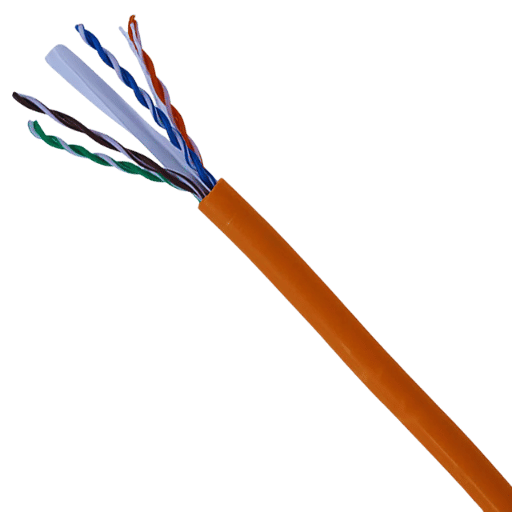
Regarding the combustion and corrosion concerns of halogen-free cables, my discussion will be centered more on their less poisonous nature and lack of substantial gas fumes produced in the event of combustion. Halogen-free cables are all about minimizing risks as they cause less smoke and do not use corrosive halogens in the event of a fire, which is valuable in terms of safety and environmental protection as a whole. It is good to choose appropriate products like the ones from JOCA in order to meet all specified safety protocols and even provide a higher level of system guarantee.
Managing the Cost of LSZH Cables
Balancing the cost of cables would be better managed by taking out cables that do not cause fuming (LSZH), which is cost-effective. For instance, the investment of LSZH cables – although costlier than conventional solutions – bears merit in other concerns over issues of safety, regulatory and operational standards compliance, and resilience, thereby staving off the walking time costs of recurrent repair and replacement activities. In order to do so efficiently, the following points must never be forgotten;
- Consider and Evaluate the Project Requirements – such as the use of LSZH cables in locations that have fire hazards so that expenses may not be incurred unnecessarily.
- Purchase in Bulk—Buying in bulk may be more advantageous for large projects, as the cost per unit will be lower.
- Use the Services of Trustworthy Suppliers—Use primarily well-known manufacturers and suppliers, such as JOCA, who do not need one to constantly monitor them to ensure that they deliver appropriate, high-quality products and meet all regulatory requirements.
- Save for Saving Money– When preparing returns on investment, also make sure to include compulsive maintenance in all calculations, including downtimes and running costs, as well as direct replacement of equipment.
In this way, it is possible for project managers to reduce expenses and still enjoy the benefits of using LSZH cables.
Handling Gas When Exposed to Fire Scenarios
Compared to PVC cables, LSZH (Low Smoke Zero Halogen) cables emit less smoke and no halogens during fire exposure. Thus, the risk of smoke exposure and toxicity during fire is significantly reduced as there is less smoke generated. This corresponds to the expectations stated in all building codes and standards that emphasised less smoke will be generated within the fire-compromised structure, whilst defeat of prevention measures such as fire stops. In addition, the electrolytic corrosive gases often cause long-term damage to equipment and structures. Thus, for the sake of additional safety, always use appropriate cables such as those conforming to the fire safety norms laid down in specifications of IEC 61034 for smoke density and IEC 60754 for halogen gas emission. These specifications are expected to enable a safer form of fire protection within enclosed spaces.
Frequently Asked Questions (FAQs)
Q: What do you mean when you refer to LSZH cables?
A: Low Smoke Zero Halogen (LSZH) cables contain the materials used in electrical and optical cables, in production thereof, and in service to emit very low amounts of smoke and zero halogen gases. Such cables are manufactured by containing special cable compounds that help minimize the threat of toxic halogen gases being released.
Q: What factors make LSZH cables better than conventional PVC cables?
A: LCZH cables, as opposed to PVC wires, are fire-resistant and do not emit a whiff of smoke or halogen gases like hydrochloric acid during the process. This makes their use much more secure in tunnels, which are confined spaces where gases and smoke are great risks if a fire occurs.
Q: In what sectors is it common to find LSZH cables used primarily?
A: It is common for people to use LSZH cables in areas open to the public, such as data centers, subway systems, and tunnels, when there is a need to prevent exposing many types of gases in case of a fire.
Q: What substances are employed in the production of LSZH cable jackets?
A: This is because the materials making up the cable jackets in LSZH cables are halogen-free and, as a result, do not release any smoke or halogen gases, which are preventative measures in areas prone to fires.
Q: In comparison to other cabling solutions, are the prices of LSZH cables higher?
A: In most instances, LSZH cables may cost more than their pvc counterparts, mainly because the manufacturer incorporates those materials in the cable jacket. Nonetheless, in many cases, the safety benefits obtained from the halogen-free components make the higher cost worth it.
Q: How do LSZH cables and wires curb acid gas emissions?
A: Low smoke and low acid-gas emissions are also incorporated into this product. Which, in other words, means they do not combust or lose any of this toxic gas, which is particularly acidic and hydrochloric.
Q: Are there limitations to using LSZH cables for all types of applications?
A: However extensive the probable uses of LSZH cables are, especially for use in places of high safety standards, they won’t always be the answer to every intelligent solution that is geared towards solving. Employing a cable supplier can help specify when an LSZH cable solution is the best application.
Q: What is low-smoke, non-toxic, halogen-free cable described as?
A: Low-smoke, non-toxic, halogen-free cable is an extension of LSZH cable technology that is meant to limit smoke and dielectric gas emissions due to combustion for ease in critical applications.
Q: Are LSZH cables fire-safe components?
A: LSZH cables are excellent in minimizing smoke and toxic halogen gases in fire safety assessments. These features make them especially well-suited for places where the protection of life is given much importance.
Reference Sources
- LSZH (LOW SMOKE ZERO HALOGEN) CABLES by Subrata Das – A detailed academic discussion of the concept of LSZH cables.
- Advantages and Disadvantages of LSZH Cable – An academic paper discussing the pros and cons of LSZH cables with respect to safety in an educational setting.
- Use of Low Smoke and Halogen-Free Cables– A research paper comparing the risks of Poly Vinyl Chloride (PVC) versus Low Smoke Zero Halogen (LSZH) cables within the confines of Electronics Engineering.
- PIP-II Cable Criteri– A document discussing the criteria for using LSZH cables in selected safety settings.
- Coaxial Cables– A technical document providing data on LSZH cables and the components of which they are made.
- Electrical cable
- Wire
- Low smoke zero halogen