








For electrical systems, the importance of correct wire size, in the wires on which any safety or efficiency depends, cannot be emphasized enough. In order to wire circuits for 50 amp currents, one must select the correct wire size so that the circuit may carry the electrical load safely without the wires getting heated. This condition could bring danger in the form of fires or damage to the equipment. This blog will inform you of everything concerning the wire size of a 50-amp circuit, taking into consideration factors such as wire type, insulation material, and distance. Whether running some new wiring or upgrading the existing one, these principles will help define you so that you can confidently make decisions. Read on for some practical tips and expert insight on how to protect your electrical setup.
Understanding 50 Amp Wire Size
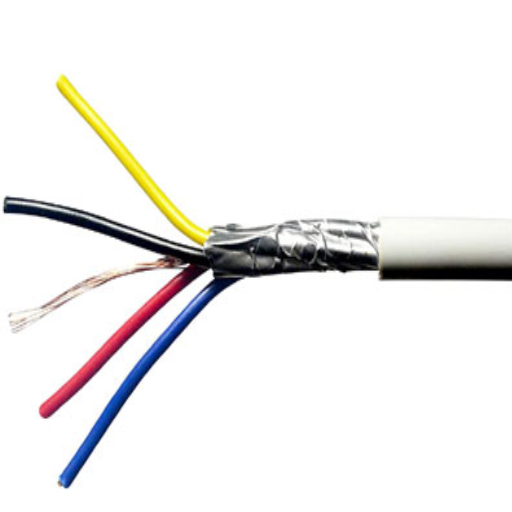
Since it is a 50-amp circuit, an essential 6-gauge copper wire is used. This wire size is needed so that the wire can safely pass current without overheating or causing damage. If an aluminum wire is in use, a thicker 4-gauge wire is needed because aluminum conducts electricity less effectively than copper does.
Then always keep in mind the type of insulation used, along with the distance from the power source to the load. Very long distances can instigate a voltage drop, which might require a heavier wire to remedy the situation. Check for local electrical codes and regulations for compliance and safety in choosing the wire size for the project.
What is a 50 Amp Wire?
A 50-amp wire is an electrical cable designed to safely carry a circuit with 50 amps of current. This level of amperage is usually needed for heavy-duty appliances such as electric ranges, RVs, hot tubs, and large power tools. Selecting the correct wire size for a 50-amp circuit is necessary to avoid overheating, voltage drop, or even hazards to fire.
Usually, a 50-amp circuit requires no less than 6-gauge wire for copper, or 4-gauge wire for aluminum. Copper is preferred in general since it has better conductivity and durability, but aluminum may be permitted in some cases due to cost. Insulation type counts too; for instance, THHN or THWN wire types are known for being heat and moisture-resistant.
For longer wire runs, voltage drop becomes a big consideration. If the run from the power source to the load is greater than 100 feet, it might be wise to upgrade to a thicker wire, 4-gauge copper, for example, for efficiency and safety. Observe the local building codes to ensure the wires are safe for the application they are being used in.
Proper knowledge about the specifics of a 50-amp wire helps greatly in executing safe and efficient electrical installations, reducing hazards and providing power reliably to devices with high energy consumption. Always talk to a licensed electrician if you are ever in doubt about your wiring needs.
Importance of Choosing the Right Wire Size
The appropriate wire gauge selection shall assure the safety and functionality of an electrical system. For a 50-amp circuit, the AWG system recommends the use of 6-gauge wire if copper, or 4-gauge wire if aluminum is used to suffice the current flow of bombardment and to reduce the tendency to burnout.
Safety Warning: Improper wire sizing may lead to hazards, including voltage drops, energy drain, or even a fire. For example, when a 50-amp circuit is run with an undersized wire, the resistance will be so high as to cause excessive heat buildup and whittle away at the affected devices.
The National Electrical Code (NEC) also requires that, for a safe installation, the proper wire sizing be followed. For longer distances of installation, some increase in the wire diameter may be required to compensate for voltage loss.
All this information must be well understood so that the wire chosen would be adequate regarding the size selected because of the material, length, or application, ensuring a safe and efficient electrical connection. Do take care always to follow the safety standards, and when in doubt, seek professional advice to avoid costly mistakes.
Common Applications for 50 Amp Wire
The 50-amp wire is commonly used in homes because of higher electrical loads. The following are some of the typical installations requiring 50-amp wiring.
RVs and Campers
RVs use 50-amp circuits so as to operate multiple appliances such as air conditioners, refrigerators, microwaves, and entertainment systems simultaneously. The 50-amp service enables the efficient operation of these devices without overloading the system.
Electric Vehicle Charging at Home
Many electric vehicle (EV) chargers, especially Level 2 chargers, require a 50-amp circuit in order to provide adequate charging power. This assures faster charging and fully supports an EV’s modern power requirements.
Hot Tubs and Pools
Hot tubs and pool equipment, such as heaters and pumps, often utilize 50-amp wiring. These components require a lot of power to maintain water temperatures and circulation, so 50-amp wiring affords great safety and reliability.
Heavy-Duty Kitchen Appliances
Electric ranges, double ovens, and other large kitchen appliances are so-called 50-amp machines in residential situations. This ensures an unkinked operation when the equipment is forced.
Workshops and Garages
Workshops equipped with heavy machinery or tools such as welders and air compressors often use 50-amp circuits. This capacity accommodates high-powered equipment without compromising performance or safety.
Temporary Power Supplies
50-amp wiring is generally used outdoors for events, construction, or backup power systems to cater to the temporary need for lights, sound, and other equipment.
Important: Always make sure that installations using 50 amp wire comply with any applicable local electrical codes and standards to maximize safety and efficiency. Using proper materials and techniques is a sure recipe for avoiding interruption and hazards.
Determining the Right Wire Size for a 50 Amp Circuit
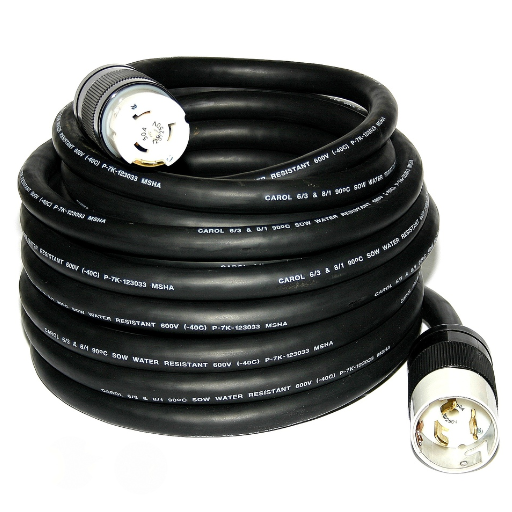
Usually, you will have to use 6 AWG copper wire or 4 AWG aluminum to safely convey 50 amps. Being more efficient conductors, copper wire is mostly preferred, but aluminum can be a worthy alternative if the costs are considered more important and are allowed by the local codes. Check the local codes always to make sure of the requirements. Also, consider the length of the circuit-a distance too far warrants going up a wire gauge for lower voltage drop.
Factors Influencing Wire Size
The size of the wire gets selected based on certain major factors for the sake of being more efficient, to be safe, and to conform with electrical installation codes. The main considerations are:
- Current Carrying Capacity (Ampacity): This is the conceptual thing behind the spirit of having wire sizes when it comes to their ability to carry a current. For example, the American Wire Gauge is based on copper, and a number 6 gauge wire can carry a maximum of 55 amps; for aluminum, a number 4 wire can carry 65 amps. It is to be noted that the proper gauge is selected so it would not overheat, which might become a fire hazard.
- Voltage Drop: Resistance in the wire plays a role in voltage drop as distance increases, reducing efficiency for the circuit. Usually, engineers try to keep the voltage drop less than 3% for most applications. This means that if it is considered an extended distance for circuits, the wire size may need to be increased to avoid this effect. For example, ordinarily, a circuit distance greater than 100 ft calls for increasing the wire gauge due to increased resistance.
- The Conductor Material: Copper and aluminum are usually the two conductors chosen for most applications. Copper gives better conduction and, therefore, is preferred for most residential and commercial applications. Aluminum is less conductive, thus lighter and cheaper. Aluminum has, therefore, certain applications, given that it is properly connected and allowed by the local code.
- Insulation and Ambient Temperature: Wire insulation should match the environmental situation where the circuit will operate. For example, wires must have insulation rated for 90°C or above if they will be used in high-temperature environments. Temperature influences the ampacity of wire since a high temperature may decrease its ability to safely carry current.
- Application-Specific Requirements: Certain appliances, such as electric stoves, hot tubs, or EV chargers, may have unique power requirements necessitating the tubing sizes. For example, a typical EV charger operating at 40 amps will generally require a 6-gauge copper wire to operate properly.
- Code Compliance: There exist specifications for wire sizing, including electrical regulations and local codes, such as those stipulated by the National Electrical Code (NEC) of the United States. Compliance with these codes is not only a must but also secures the safety and proper functioning of your electrical system.
Choose the right wire size by analyzing these factors with the help of professionals to ensure efficiency as well as regulatory compliance.
Calculating Voltage Drop for Long Wire Runs
Voltage drop is the voltage lost to resistance by the electric current flowing through a wire as it arrives at the load. Voltage drop calculations are needed for long wire runs, as excessive drops could cause improper functioning of the electrical equipment or damage.
Where:
- The length is the one-way distance of the wire in feet (multiplied by 2 for the round trip)
- Current is the load current in amperes
- Resistance is the resistance of the wire per 1,000 feet, which depends on wire material and size (refer to the manufacturer’s data or NEC)
Practically, voltage drop must normally remain within the range of 3 to 5 percent of system voltage in line with NEC recommendations. Should the computed voltage drop exceed the aforementioned limit, enhancing the wire size, reducing wire length, or lowering load current can be entertained if safety and performance allow for it.
In this way, voltage drop calculations and compensations can be employed for long wire runs to maximize system efficiency.
Recommended Wire Sizes for Different Lengths
When trying to find out the right wire size for certain lengths and loads, it is critical to know the value of current in amperes and the total run of the wire. A crude guiding principle combining best practices and insights follows:
| Wire Run Distance | 15 Amp Circuit | 20 Amp Circuit | Voltage Drop Consideration |
|---|---|---|---|
| Up to 50 ft. | 14 AWG | 12 AWG | Minimal voltage drop |
| 50 – 100 ft. | 12 AWG | 10 AWG | Increased wire size for efficiency |
| Beyond 100 ft. | 10 AWG | 8 AWG | Larger sizes to prevent excessive voltage drop |
Note: Although these recommendations are to be considered as general guidelines, actual sizing largely depends on the type of load, ambient temperature, and code particularities. It is important to study local electrical codes and consult with a licensed electrician for exact calculations.
Applications of 50 Amp Wire
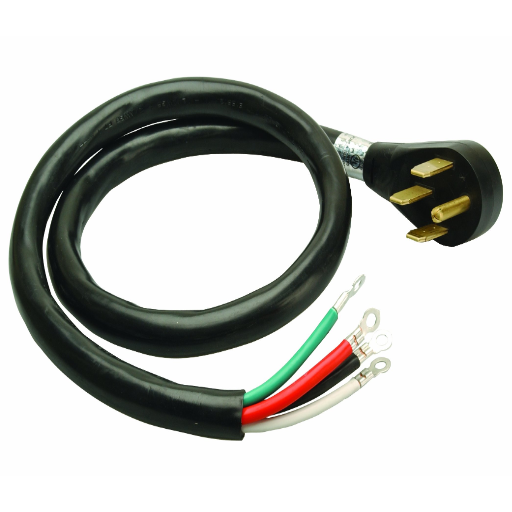
50 amp wire finds application in residential, commercial, and recreational setups for processes requiring high intensity. It is used to serve heavy appliances such as an electric range, an electric oven, and a heater. Usually, 50 amp wire fits well for the RV setup to supply power at a campsite or in an industrial setup to provide energy to an equipment load requiring a huge amount of energy. The wire ensures safe transfer of energy and efficient energy transfer for a heavy-duty electric load.
Using 50 Amp Wire in RVs
The installation of a 50-amp service wire in RVs delivers a steady supply of power that sufficiently meets greater power demands for larger RVs. A 50-amp RV service supplies up to 12,000 watts of power, split between two 120-volt legs, enabling one to use appliances simultaneously conditioner, refrigerator, microwave, and so on. The installation of the 50-amp cord should be with an appropriately rated wire determined with respect to ampacity; typically, a 6-gauge copper wire or 4-gauge aluminum wire should be used to safely carry the current. All connections should be made with a 50-amp plug and outlet that matches the cord, and a surge protector should be installed to protect the RV’s electrical system from voltage spikes. Always check your local electrical codes first before you do your installation procedure; you must seek the assistance of a registered electrician in performing these installations for safety and compliance issues.
50 Amp Wire for Welders and Heavy-Duty Appliances
Doing some wire selection for welders and heavy industrial equipment will require matching the wire gauge with the amperage and application. For 50 amps, 6-gauge copper wire is the standard as it can carry the current safely without overheating. Aluminum wire can also be used, having to be 4-gauge as compensation for its lower conductivity. The cable rating should always be at least 600 volts to comply with the safety code.
For welders, consider the duty cycle of your equipment, as some welders work intermittently and really allow for some lighter gauge wire. But in cases of continuous and heavy industrial jobs, it is always safe to use a 6-gauge copper wire for utmost reliability. Also, install a 50-amp rated breaker and ensure all connections are tightly made to avoid resistance. Refer to the appliance’s manual and local electrical codes for specifications; the installation should also be done by a licensed electrician to ensure compliance and fitness for purpose.
Choosing the Right Breaker for Your Setup
Proper consideration of load, wire size, and appliance requirements must be kept in mind when selecting the right breaker for the particular setup. For a 50-amp breaker, conductors must be at least AWG 6 copper because this size can safely carry the current without overheating. Also, confirm the voltage requirements of that appliance because most large appliances, such as ranges or water heaters, run on 240 volts. Select the type of breaker involved (standard, GFCI, or AFCI) based on the intended use of the circuit and local code requirements. Always check in local electrical codes, along with the way the appliance manual states, so that it specifies exact guidelines for safety and compliance. Always seek professional advice if you are unsure.
Types of Wire
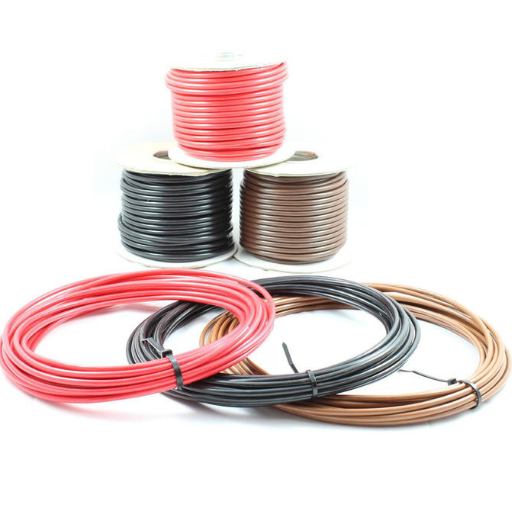
Copper Wire
Copper wire is the most common wire because of its good conductivity and durability. Hence, it is suitable for most residential and commercial electrical uses.
Aluminum Wire
Aluminum wire is lighter in weight and cheaper than copper, but also has less conductivity; it finds usage mainly under high voltages or weight considerations.
Stranded Wire
By definition, stranded wire consists of many smaller wires twisted together. The fact that it is flexible makes it suitable for use in connections where movements or vibrations occur.
Solid Wire
A single strand of metal, unfamiliar with flexibility but familiar with durability, is a solid wire. They are used in permanent wiring and installation behind walls.
Thermoplastic-Sheathed Cable (Romex®)
Used commonly in residential wiring, it comprises multiple wires inside a plastic sheath, which serves as insulation and protection.
Remember: Always select the proper wire type considering the circuit’s current requirements and local electrical code regulations.
Copper vs. Aluminum Wire
Between copper wire and aluminum wire, each application calls for a decision on the basis of what distinct characteristics each metal has to offer, its working, and the cost implications. Copper wire has been considered the best conductor of electricity, with about 40% more conductivity than aluminum. This means copper wire can perform the same task as aluminum wire, but is of smaller gauge and thereby is considered space-saving.
| Feature | Copper Wire | Aluminum Wire |
|---|---|---|
| Conductivity | Excellent (40% better than aluminum) | Good but lower than copper |
| Weight | Heavier | Lighter (approximately 1/3 the weight) |
| Cost | Higher initial cost | More economical |
| Corrosion Resistance | Excellent | Requires proper installation techniques |
| Durability | Long-lasting | Good with proper installation |
| Wire Gauge Required | Smaller gauge for the same amperage | Larger gauge required |
Due to its corrosion resistance, copper tends to last longer and is hence given preference for installations with a longer life span. It is somewhat resistant to thermal expansions and contractions, thus reducing the possibility of loosening connections over time. On the other hand, the price of copper is normally high, and this can work against its application in some areas.
Such wires are considered lightweight and cost-saving; hence, they are applied in power transmission and high-voltage circuits. Aluminum, in its advantages, suffers from higher resistance than copper, and it must be made into a thicker cross-section for the same electrical load. Aluminum oxidation could affect connectors unless the newer aluminum alloys and installation methods are used that discount this problem almost altogether.
In the end, the choice of wire goes for copper or aluminum based on installation needs such as budgets, current load, and the environment. Whichever wire is chosen, safety and proper installation standards should always be observed for its best performance.
Different Gauge Sizes Explained
Wire gauge sizes refer to wire diameters, which directly relate to the capacity of current that the wire can safely carry. The American Wire Gauge (AWG) is most widely used: smaller numbers indicate thicker wires, while larger numbers correspond to thinner wires. For example, a 10-gauge wire has a considerably larger diameter and is capable of carrying a lot more current compared to a 20-gauge wire.
Such large-diameter wires, 4 AWG or 6 AWG, are used in tough applications like wiring sub-panels, large appliances, or electric vehicle chargers. They can carry large amounts of amperage and don’t heat up easily, making them fit for applications that place a heavy demand on electrical installations. Conversely, smaller wires, like 22 AWG or 24 AWG, fit low-power applications, such as telecommunications, signal transmission, and electronics.
A concrete example pertains to the 12 AWG wire, which is ordinarily rated for 20 A. This wire size is commonly allocated for residential circuits that power general outlets and lighting. In contrast, the 14 AWG wire is more commonly put in circuits having lower demand, such as lighting fixtures.
Choosing the wire gauge must be done carefully with respect to each application; this, of course, might be based upon the current load or the length of the cable: an excessive length and thin wire will cause some voltage drop, rendering the performance compromised and unsafe. Strict adherence to electrical codes and guidelines must be maintained in a selection of wire gauges for installation so that it can safely carry the intended load.
Choosing the Right Conductor for Your Needs
The choice of the conductor is dependent on certain important factors, such as current-carrying capacity, voltage rating, and application environment. Copper and aluminum are the materials generally used for residential and commercial wiring. Because of its excellent conductivity and strength, copper is used where there are performance demands and other application considerations, such as situations with high current flows and heavy-duty loads. Aluminum, on the other hand, is considered the lightest and cheapest alternative for lower-current applications.
Choose a wire gauge from the American Wire Gauge (AWG) chart according to the current load and the distance the cable must cover. For longer distances, the usage of bigger conductor sizes is necessary in order to maintain voltage drop levels within allowable limits. One must also factor in the type of insulation to be used, like THHN or XLPE, depending on impressions of temperature, moisture, and chemical exposure. Ensure that you follow your local electrical codes and standards, such as the National Electrical Code (NEC), so that installations are made in a safe and compliant manner. Siting these into the characterization would lead to the right conductor for the application successfully.
Installation Considerations for 50 Amp Wiring
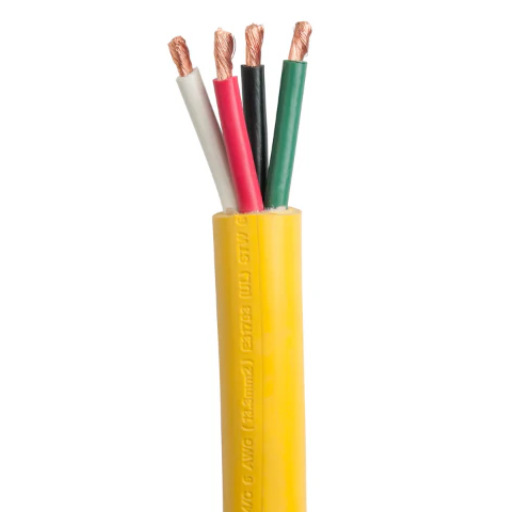
Use wire gauges appropriate, traditionally 6 AWG copper wire or 4 AWG aluminum wire, for your load capacity to work safely when installing 50 amp wiring. When it comes to circuit breakers, use a 50-amp-rated one, which will suit the wire capacities and will protect against an overload. Secure all components; make sure the terminal screws are tightened; loose connections should be avoided. In addition, run the conduit as appropriate for the location-the PVC one for residential, usually with rigid metal conduit (RMC) or electrical metallic tubing (EMT) for industrial use-to protect the wiring from physical damage. Always consider local building codes and regulations, and consult a certified electrician if unsure of any aspect of the process of installation.
Wire Lengths and Their Impact on Performance
Wire length plays a vital role in the electrical wire resistance; higher resistance means energy loss and low efficiency. To reduce voltage drop, it should be a correct gauge selection based on the wire’s length and the current it will carry. For example, a longer distance requires a thicker wire to avoid voltage loss. Excessive voltage can be the cause of equipment performing poorly or completely failing with time. Follow the standards specified by crucial organizations such as the NEC to determine the acceptable wire size for different applications. Last but not least, give consideration to the entire length of the circuit total, both running from the panel to the load and back, if good performance and safety are to be assured.
Breaker Selection for 50 Amp Circuits
The breaker must be rated at 50 amps or higher to provide safe handling of the load when choosing a breaker for a 50-amp circuit. This type of breaker has to be compatible and approved for use with the electrical panel, and also made in full compliance with NEC guidelines. Once this is done, I would look at the breaker and wire size. Commonly, 6-gauge wire is the one used in a 50-amp circuit. This ensures a smooth and safe operation of the circuit without any risk of overloading.
Safety Tips for 50 Amp Electrical Wiring
Select the Correct Wire Size
Always use a suitable wire size for a 50 Amp circuit. In many cases, the 6-gauge wire is the accepted standard because it can carry the electrical load without overheating or becoming a hazard.
Use an Adequately Rated Breaker
Ensure that your circuit breaker is rated for 50 Amps or higher and that it is compatible with your electrical panel. This prevents overcurrent situations and damage to the system.
Follow NEC Guidelines
Any installation or modification of the 50-amp circuit should adhere to the standards set forth by the National Electric Code (NEC), as well as any rules that may apply in the local area. Proper grounding, connections, and equipment used shall conform to these safety codes.
Inspect Connections Thoroughly
Check connections for wear, looseness, or corrosion. Secure, clean electrical connections will maintain proper and safe electrical flow.
Avoid Overloading
Do not allow a device or appliance connected to the circuit to exceed its 50-amp load capacity. Overloading causes overheating and, in some rare cases, fire.
Install a GFCI Breaker if Required
In outdoor or wet locations, consider the use of a GFCI breaker to avert shocks and for added safety.
Consult a Licensed Electrician
If you are not familiar with electrical work or the installation looks to be too complicated, hire a licensed electrician. They will get the job done correctly and make sure that every safety precaution is considered.
Final Safety Note: By following these tips carefully, one can maximize the safety and functionality of your 50-amp wiring system.
Reference Sources
2. Development of Vertical Axis Wind Turbine Charger as Alternative Power Source (2023)
3. A 4-Channel Ultra-Low Power Front-End Electronics in 65 nm CMOS for ATLAS MDT Detectors (2022)
Frequently Asked Questions (FAQs)
What is the right wire size for a 50-amp circuit?
A 50-amp circuit usually requires a No. 6 gauge copper wire. In the case of aluminum wire, it requires a higher gauge, usually No. 4. This would be necessary to safely and efficiently operate appliances attached to the circuit.
Why is choosing the correct wire size for a 50-amp circuit so important?
Choosing the correct wire size for a 50-amp circuit would prevent it from overheating and would be safe. Undersized wire will create resistance, cause voltage drops, and produce hazardous conditions.
What wire types are considered for 50-amp circuits?
Fifty-amp circuits usually include copper and aluminum as wire-type options. The copper wire is preferred because of its conduction properties and efficiency, while aluminum wire could be used too, but in a larger gauge to withstand the load safely.
How does wire length affect the wire size for a 50-amp circuit?
Wire sizes will be affected by the length of the run because longer runs mean a voltage drop. For longer distances of over 50 feet, a larger wire size may have to be used to maintain the proper voltage level and for the efficient running of the electrical system.
What happens if one uses a wire smaller in size than necessary for a 50-amp circuit?
While using an undersized wire for the protection of a 50-amp circuit would probably lead to overheating, a certain resistance would build up along the wire to actually trip the circuit breaker and thus cause this to fail; such a dangerous situation could be hazardous to electricity and damage the appliance connected to it.
Can I use 8 AWG wire for a 50-amp circuit?
No. Because of a 50-amp circuit rating, the 8 AWG wire will be undersized; hence, a wire of 6 AWG copper or 4 AWG aluminum should be used. A wire smaller than rated might heat and cause an electrical fire.
What is the wire size for a 50-amp RV power connection?
The general recommendation concerning the corresponding wire sizes for 50 amp power connections is to use 6 AWG copper or an aluminum conductor of larger 4 AWG. This way, the electrical utilities supply power safely and efficiently, as demanded by the RV.
How do I ascertain wire size for my 50-amp circuit?
In order to decide the proper wire size for your 50-amp circuit, your wire selection must consider the total load, the length of the wire run, and whether copper or aluminum wire is used. You may also check the National Electrical Code (NEC) for guidance in choosing the wire size.