








When it comes to keeping your home safe from electrical dangers, it is always a good idea to understand how AFCI differs from GFCI. These two devices are both important for ensuring electrical safety, but they serve different purposes. Whether you are installing an electrical circuit in your home or setting up something that requires electricity, it is really beneficial to know the usages and applications of AFCI and GFCI. This article explains the working of each device, its application context, and why having them installed in your house can be a lifesaver and fill you with peace of mind. Keep reading as we unravel the basics in the easiest manner.
Introduction to AFCI and GFCI
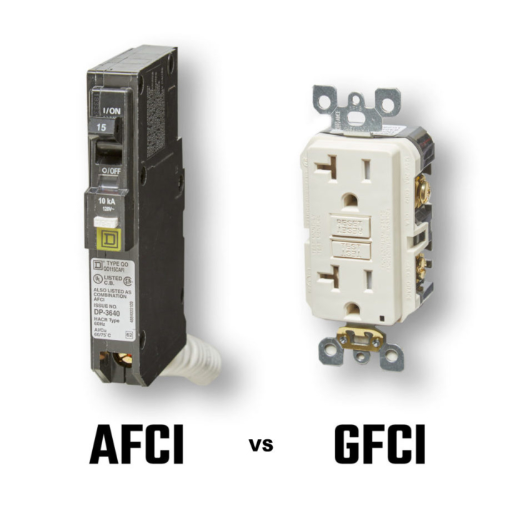
When it comes to keeping your home safe from electrical dangers, it is always a good idea to understand how AFCI differs from GFCI. These two devices are both important for ensuring electrical safety, but they serve different purposes. Whether you are installing an electrical circuit in your home or setting up something that requires electricity, it is really beneficial to know the usages and applications of AFCI and GFCI. This article explains the working of each device, its application context, and why having them installed in your house can be a lifesaver and fill you with peace of mind.
In short, AFCI stands for Arc-Fault Circuit Interrupter, and its purpose is to detect and interrupt electrical arcs that may be precursors to fires. Arcing usually develops because of damaged or frayed wires, and AFCIs try to halt these dangerous situations before they grow.
GFCI, which stands for Ground-Fault Circuit Interrupter, is there to protect the person from an electric shock. Whenever it senses a current imbalance, which usually happens when the current is flowing in an unintended path, like through a body or water, it shuts off the power immediately.
What is an AFCI?
An Arc Fault Circuit Interrupter (AFCI) is a safety device meant to prevent electrical fires from arc faults. Arc faults occur in an unintentional electrical discharge, usually between wires that are damaged, corroded, or otherwise improperly installed. These discharges can build up so much heat that, igniting nearby flammable materials that fires may result. The dangerous arcs created by the AFCIs are interrupted, thereby passing energy down the wire before they can cause destruction.
Key Features of AFCIs
- Detect both series and parallel arcs for comprehensive protection
- Required by modern building codes for bedrooms, living rooms, and general areas
- Usually installed in the electrical panel
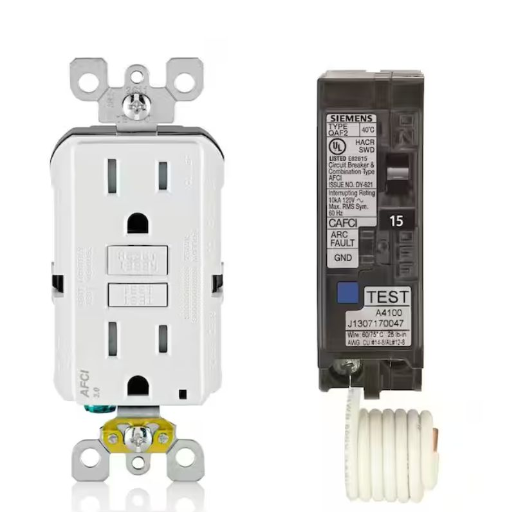
- Can be combined with GFCI protection in dual-function devices
- Provide significant fire prevention capabilities
What is a GFCI?
A Ground Fault Circuit Interrupter (GFCI) is a safety device to protect people from electrical shock by cutting off current when it senses an imbalance in current flow. An imbalance in current flow normally indicates the presence of stray current in an unintended path, such as water or a person. GFCIs are thus essential in protecting against grave injuries and deaths from electrical accidents.
How GFCIs Work
The operation of GFCIs consists of monitoring and regulating the flow of electric current through a circuit. If the device senses that as little as 4 to 6 milliamps have become unbalanced between the hot and neutral wires, it shuts off the power within milliseconds.
Types of GFCI Devices
- Receptacle outlets: Direct replacement for standard outlets
- Circuit breakers: Installed in the electrical panel
- Portable plug-in devices: For temporary protection
- Self-testing models: With indicator lights and automatic testing features
Importance of Electrical Safety
Being very important in electrical safety in modern life, protecting persons, property, and major infrastructure from damage. According to some data from some safety organizations, electrical hazards are among the causes of residential fires, with thousands of incidents reported every year. These hazards have been created because of faulty wiring, outdated systems, the improper usage of devices, and a lack of protective measures.
Safety Achievement: Adoption of the GFCI and AFCI systems has cut electrical fires and electrocutions by as much as 50%. Compliance to ensure accident-free work and working systems up to date is safeguarded by N.E.C. or other safety standards.
Differences Between AFCI and GFCI
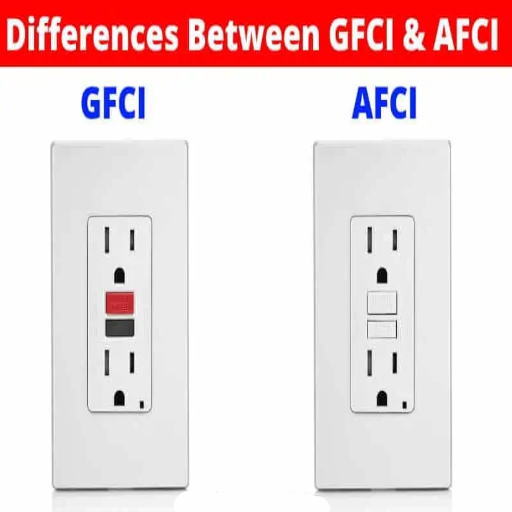
| Aspect | AFCI (Arc Fault Circuit Interrupter) | GFCI (Ground Fault Circuit Interrupter) |
|---|---|---|
| Primary Purpose | Prevents electrical fires caused by arcing faults | Protects people from electric shock caused by ground faults |
| Detection Mechanism | Monitors waveform for abnormal current pathways and micro-arcs | Monitors the difference between hot and neutral wires (4-6 milliamps threshold) |
| Response Time | Interrupting the circuit before the arc can cause fire | Shuts off power within 1/40 of a second |
| Installation Location | Bedrooms, living rooms, dining rooms, closets | Bathrooms, kitchens, garages, outdoor outlets, basements |
| Code Requirements | Required for 120-volt single-phase outlets in specified areas | Required where moisture exposure creates a shock hazard |
| Protection Focus | Property protection (fire prevention) | Personal protection (shock prevention) |
Types of Electrical Hazards Addressed
Arc Faults
Arc faults happen when electricity is discharged through a damaged or deteriorated wire. Unintentional arcing could be the result of pinching of wires, meet in loose electrical connections, or weak infrastructure aging.
Ground Faults
Ground faults occur when electricity unintentionally flows to the ground through a human or other conductive object. These are often caused by the presence of defective equipment or water penetration. An individual may receive an electric shock through grounding, or may be subjected to an electric shock strong enough to cause death.
Additional Electrical Hazards
- Overloaded Circuits: Too many appliances on a single circuit, drawing excess current
- Electrical Surges: From lightning, grid fluctuations, or high-power equipment
- Faulty or Aging Wiring: Outdated systems not meeting current safety standards
How to Choose Between AFCI and GFCI
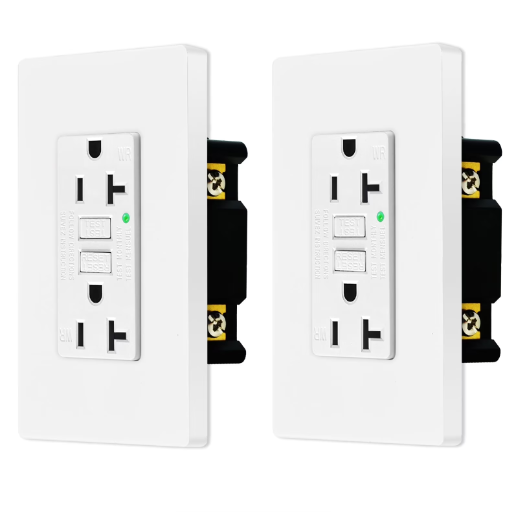
Choose AFCI Protection When:
- Installing circuits in bedrooms, living rooms, or dining areas
- Fire prevention is the primary concern
- Dealing with areas where damaged wiring or loose connections may occur
- Meeting current building code requirements for new construction
Choose GFCI Protection When:
- Installing outlets in kitchens, bathrooms, or laundry rooms
- Working in areas with water sources or high moisture
- Installing outdoor receptacles or pool equipment
- Personal safety from electrical shock is the priority
Consider Combination Devices When:
- Both fire and shock protection are needed
- Simplifying installation and code compliance
- Installing in areas like laundry rooms with multiple hazards
Installation Guide for AFCI Outlets
Step-by-Step AFCI Installation
- Turn off power: Switch off the breaker in the electrical panel
- Verify power is off: Use a voltage tester to confirm no current
- Remove existing outlet: Unscrew plates and carefully withdraw wires
- Wire the AFCI outlet:
- Connect the hot wire (black) to the brass LINE terminal
- Connect the neutral wire (white) to the silver LINE terminal
- Connect the ground wire to the green screw
- Use LOAD terminals for downstream outlets if applicable
- Secure connections: Ensure all wires are tight and properly connected
- Install outlet: Place back into the electrical box and attach the faceplate
- Test operation: Turn power back on and test with the test/reset buttons
Installation Guide for GFCI Outlets
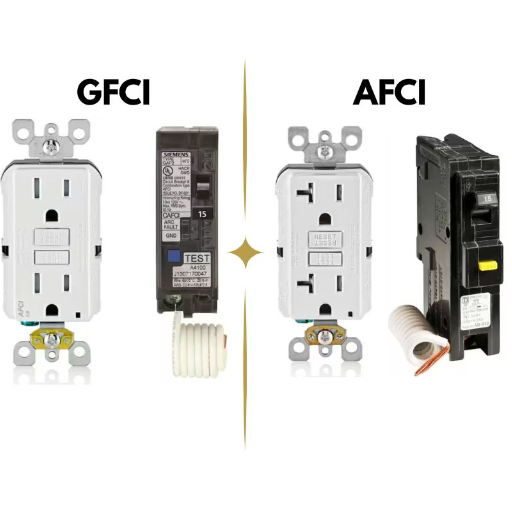
Tools and Materials Needed
- GFCI outlet
- Screwdriver (flathead and Phillips)
- Voltage tester
- Electrical tape
- Wire stripper
- Needle-nose pliers
Step-by-Step GFCI Installation
- Turn off the power: Find the circuit breaker for the outlet and turn it off
- Double-check power is off: Use a voltage tester to confirm no electrical power
- Remove existing outlet: Remove faceplate and outlet using a screwdriver
- Identify wire types:
- Black (hot)
- White (neutral)
- Green or bare copper (ground)
- Wire the GFCI outlet:
- Connect the black wire to the brass “LINE” terminal
- Connect the white wire to the silver “LINE” terminal
- Connect the ground wire to the green terminal screw
- Use “LOAD” terminals for protecting downstream outlets
- Wrap connections: Use electrical tape on exposed wire connections
- Mount and test: Install outlet, replace faceplate, restore power, and test with TEST/RESET buttons
Best Practices for Home Electrical Safety
Regular Maintenance and Inspection
- Inspect electrical cords and appliances regularly: Look for damage, fraying, or wear
- Schedule professional inspections: Every 3-5 years for older homes
- Keep electrical panels accessible: Never obstruct access to circuit breakers
- Label circuit breakers properly: For quick identification during emergencies
Safe Usage Practices
- Never overload outlets: Use outlets to 80% of rated capacity
- Provide dedicated outlets: For heavy appliances like refrigerators and air conditioners
- Install tamper-resistant outlets: In homes with children for added protection
- Unplug unused appliances: Reduces energy consumption and fire risk
Water and Electricity Safety
- Install GFCIs in wet areas: Bathrooms, kitchens, outdoor outlets
- Keep electrical devices dry: Never operate with wet hands or near water
- Use surge protectors: Protect appliances from power surges
Understanding Arc Faults and Ground Faults
Arc Faults Explained
An arc fault occurs when an electric current jumps through loose or damaged connections, giving rise to unintended electrical arcs. These arcs may generate heat sufficient to ignite the nearby material, causing electrical fires. Common causes include:
- Frayed or damaged wires
- Overloaded circuits
- Loose electrical connections
- Damaged electrical cords
Ground Faults Explained
A ground fault happens when electrical current unintentionally traverses an undesired path, such as to the ground or into somebody’s body. This occurs when electrical devices or wires come in contact with water or another conductive surface.
Role of Circuit Breakers in Protection
Circuit breakers are an important piece in ensuring the safety of electrical systems—they ensure immediate disconnection of power during overloads and short circuits. If this disconnection fails, it may lead to fire, electric shock, or damage to appliances. Maintaining circuit breakers and conducting regular tests thereof guarantees that homes remain safe from electrical hazards.
Modern Circuit Breaker Features
- Combination AFCI/GFCI breakers: Provide dual protection in a single device
- Self-testing capabilities: Automatic function verification
- Indicator lights: Show operational status and fault conditions
- Trip-free design: Cannot be held closed during fault conditions
Prevention Tips for Electrical Issues
Essential Prevention Strategies
- Regular Professional Inspections: Have an electrician check wiring, switches, and outlets for safety issues
- Avoid Circuit Overload: Don’t plug more than two devices into a single outlet or power strip
- Use Quality Surge Protection: Install good-quality surge protectors or whole-house surge protection systems
- Replace Damaged Components: Address frayed extension cords and faulty appliances immediately
- Maintain Dry Conditions: Keep outlets, plugs, and wiring away from water sources
- Proper Circuit Labeling: Label circuit breakers correctly for emergency identification
- Install Appropriate Protection: Use GFCIs in wet areas and AFCIs in living spaces
Consulting with an Electrician
When to Call a Professional
- Installing new circuits or major electrical upgrades
- Homes over 30 years old requiring system evaluation
- Frequent circuit breaker trips or electrical issues
- Planning renovations involving electrical work
- Uncertain about proper AFCI/GFCI applications
Benefits of Professional Installation
- Ensures compliance with local electrical codes
- Proper assessment of home-specific safety needs
- Knowledge of the latest safety technologies and dual-function devices
- Warranty and insurance coverage for installed work
- Peace of mind regarding safety and reliability
Conclusion
Understanding the differences between AFCI and GFCI devices is crucial for maintaining electrical safety in your home. While AFCIs protect against fire hazards from arc faults and GFCIs prevent electrical shock from ground faults, both devices play vital roles in comprehensive electrical safety systems. Modern homes benefit most from the strategic installation of both types of protection, with combination devices offering convenient dual protection where appropriate.
Regular maintenance, professional inspections, and adherence to current electrical codes ensure that your electrical safety systems continue to provide reliable protection. By following the guidelines and best practices outlined in this article, homeowners can significantly reduce the risk of electrical fires and shock hazards, creating safer living environments for their families.
Remember that electrical safety is an ongoing responsibility that requires attention to detail, proper installation, and regular maintenance. When in doubt, always consult with licensed electrical professionals to ensure the highest standards of safety and code compliance in your home’s electrical system.
Reference Sources
Frequently Asked Questions (FAQs)
What is the difference between AFCI and GFCI protection?
AFCI stands for Arc Fault Circuit Interrupter, whereas GFCI stands for Ground Fault Circuit Interrupter. They are both designed to protect people in hazardous situations, but from different hazards. Arc faults are unintended arcs that create heat sufficient to cause fire in a conductor with damaged or frayed insulation. GFCIs are erected to prevent electric shocks by monitoring the flow of current through a circuit and cutting off power when a ground fault is detected. Understanding AFCI versus GFCI is essential to provide total electrical safety for your home.
When is AFCI protection required?
According to the National Electrical Code (NEC), AFCI protection shall be used in many locations of a house, especially in areas for sleeping, living rooms, and dining rooms. These requirements shall mitigate electrical fires by ensuring that circuits are protected from arc faults created by damaged wiring or electrical devices.
What sort of protection do AFCI and GFCI devices provide?
Different types of protection are provided by AFCI versus GFCI devices. AFCI breakers offer protection from arcing, which can start fires, whereas GFCI outlets protect against ground faults that can cause electrical shocks. Having both types of protection in your home will offer a greater level of electrical safety.
How are AFCI and GFCI breakers installed?
To install an AFCI or GFCI breaker, the power must first be turned off from the circuit in the main electrical panel. Remove the existing breaker. Then, depending on the manufacturer’s instructions, connect the new AFCI or GFCI breaker to the wiring in the panel. Ensure that all wiring connections are securely tightened before restoring power to the circuit. Should anyone other than a professional electrician perform the installation, it should never be done without conforming to local electrical code and regulations.
What are some common areas where GFCI protection is required in a home?
In any area of the house where water is present, like the kitchen, bathrooms, laundry, or outdoors, GFCI protection should be applied. These places should have GFCI outlets installed because they prevent electric shock if a ground fault occurs, thereby making electrical safety in wet environments a priority.
How does an AFCI circuit breaker operate?
The AFCI breaker works by tracking the current flowing on a circuit. If it detects a pattern that looks suspicious and it believes there could be an arc fault, the breaker will trip and turn the power off to prevent fires from occurring. That technology is the primary protection against arc faults, which arise from dangerous wiring faults.
Can GFCI outlets and AFCI breakers be used together?
Yes, you can install GFCI outlets with AFCI breakers to provide both forms of protection. Some newer electrical panels have breakers offering both AFCI and GFCI protection, opening the door to a simpler electrical system while granting full protection to arc faults and ground faults.
When should GFCI outlets be tested?
It is best to check the outlets once every month. Most GFCI devices have a test button, which permits you to test if the outlet performs properly. Periodic tests ensure that the device is indeed working and can protect someone from an electric shock.
What are the AFCI requirements for new home construction?
According to the National Electrical Code (NEC), AFCI protection is generally required in all new residential construction for bedrooms, hallways, and living areas. Builders must ensure that AFCI circuit breakers or outlets are installed in these locations for improved electrical safety, thereby reducing the risk of arc-fault fires.