








When it comes to large electrical installations, the wire size is of utmost importance to ensure safety, efficiency, and compliance. With regulations for a 600-amp service, choosing the correct wire size can prove to be a complex yet essential task for electricians, contractors, and even property owners with heavy-duty installations. In this blog, we will explore the key factors that affect your decision-making, from ampacity and voltage drop to the choice between copper and aluminum, so that you can make an informed choice. Whether you’re installing something new or upgrading an existing setup, this will provide you with the fundamental insight to embark on the project. Stay with us as we demystify all you need to know regarding 600 amp wire size and the choice tailored to your specific needs.
Introduction to 600 Amp Wire Size
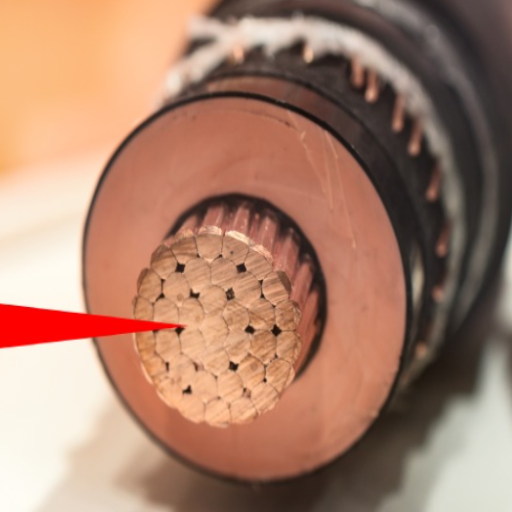
A 600-amp wire is a specific gauge and type of wire that can safely carry an electric current of 600 amps. The correct wire size is selected by considering factors such as the material (copper or aluminum), the surrounding temperature, and the method of installation (underground conduit or overhead). A typical size for copper conductors would range from 1250 kcmil to 1500 kcmil. Higher sizes would be required for aluminum alternatives, such as 2000 kcmil, to carry the same load. Always check local electrician codes and standards, such as the National Electrical Code (NEC), to ensure compliance and safety when selecting your wire size.
What is a 600-amp service?
The 600-amp electric service is a provision that allows for the handling of electrical loads of up to 600 amperes. This service is provided to commercial buildings, industrial facilities, or in cases where large residential properties require heavy power. A typical 600-amp service is designed to have a 600-amp panelboard installed with conductors of various sizes, a 600-amp main breaker, and utility connections that can accommodate this load.
Specific wire-gauge requirements for a 600-amp service depend on the conductor materials and the installation environment. Generally, copper wires of sizes ranging from 1250 to 1500 kcmil should be suitable, while aluminum conductors may require larger sizes, such as 2000 kcmil, due to their lower conductivity. The National Electrical Code (NEC) outlines the specifications for selecting the correct-sized wire, ensuring the system operates safely and efficiently.
Such services can be provided to any device or system of varying sizes, such as HVAC units, heavy machinery, lighting systems, and others, all of which operate together. Depending on the distribution systems, this service might be three-phase or single-phase to suit the actual requirements of the building. Typically, contractors and property owners seeking a 600-amp service can work with credentialed electricians to design, install, and maintain the system safely, according to local regulations.
Importance of Proper Wire Size
The proper wire size is considered crucial for ensuring the efficient operation and safety of the entire electrical system. Undersized wires can cause overheating, voltage drops, and fire hazards, while oversized cables may result in unwarranted expenditure and waste of materials. For a 600-amp service, copper wires ranging from 1,000 kcmil to 1,750 kcmil are typically required, depending on the specific system requirements and type of insulation used. Aluminum wires may also be considered, but they usually require upsizing relative to copper to carry the same current.
Voltage drop is also a very pertinent issue in wire sizing. The longer the cable runs, the greater the risk that voltage drop will affect the operation of electrical devices. For example, most standards generally recommend keeping the voltage drop below 3% to ensure proper performance. An accurate calculation involving the wire’s resistance, the current flowing through the circuit, and the distance will help determine the correct wire size.
Complying with approved codes, such as the National Electrical Code (NEC), is a necessity for ensuring safety and proper functioning. The NEC specifies ampacity ratings for wire sizes and materials, thereby outlining different paths for installations. For example, according to the NEC, a 1,000 kcmil copper wire is rated for 545 amps under standard conditions; however, modifications may be necessary for temperature, conduit fill, or other environmental conditions. Selecting the correct wire size is crucial for system safety and also affects the system’s longevity and reliability.
Applications of 600 Amps
A 600-amp service is commonly used in industrial, commercial, and large residential areas requiring heavy current demand. For instance, 600-amp panels in industrial facilities may run heavy machinery, production equipment, and sophisticated automation systems uninterruptedly. Commercial buildings, such as malls and large office complexes, mostly prefer 600 amps to carry the load of large HVAC systems, elevators, and extensive lighting networks.
By modern power standards, a 600-amp service would provide a suitable capacity for a building exceeding 15,000 square feet or an operation with several high-energy-consuming equipment. In residential areas, it offers full power to estates that are fully equipped with facilities such as heated pools, home theaters, and EV chargers. Usually, these systems are wired with copper or aluminum conductors alongside larger distribution panels to ensure safety and efficiency in load handling.
Another innovation in energy systems often involves the use of 600-amp panels to integrate renewable energy options. These combine solar arrays or wind turbines with the grid. In doing so, such systems provide a sustainable choice to meet the power capacity requirements of present-day electrical loads.
Choosing the Right Wire Size for 600 Amps
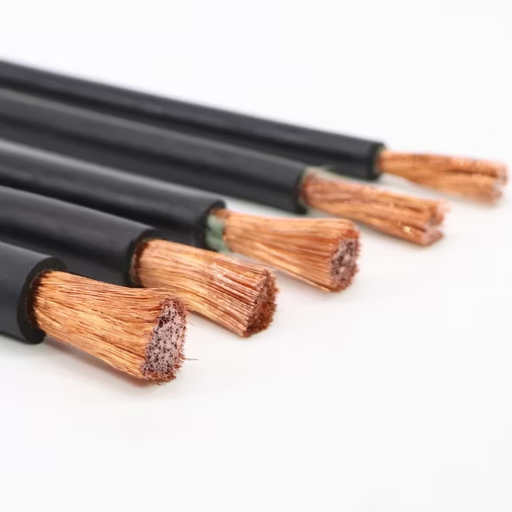
Selecting the correct wire size for a 600-amp service is crucial for both safety and efficient operation. Typically, copper conductors require a wire size of 1,000 kcmil or greater, whereas aluminum conductors require a wire size of 1,250 kcmil or greater. These sizes are based on the National Electrical Code (NEC) standards for safe handling of electrical current, ensuring proper protection against overheating. Always check with a duly licensed electrician or consult your local building codes for wire size considerations specific to your installation, as factors such as ambient temperature and type of conduit may affect the requirements.
Factors Influencing Wire Size
Several key factors influence the choice of wire sizes for electrical installations:
Load on the Wire or Amperage: This size must be selected based on the current it is intended to carry. High current reduces the operating speed and heating requirement, necessitating a thick wire.
Voltage Drop: A longer wire creates a bigger voltage drop, which, in turn, diminishes the electrical device’s performance. To mitigate this, wires with larger diameters are selected for longer distances.
Ambient Temperature: The wire’s ability to carry current fluctuates with changes in ambient temperature. High ambient temperatures reduce the ampacity of the wire; therefore, wire sizes must be adjusted accordingly.
Type of Conduit and Conduit Filling: Conduits vary in their heat dissipation characteristics depending on their type and the number of wires inside the conduit. When a conduit is overcrowded, it is advisable to consider using larger wires as compensation for the poor heat dissipation.
Conductor Material: Copper and aluminum are the common conductor materials. Copper is a better conductor, allowing for the use of smaller-sized wires compared to aluminum; however, copper is an expensive conductor.
Electrical Codes: Local and national electrical codes, such as the NEC, lay down the rules for the choice of wire size depending on the relevant type of installation and environment. Always abide by them to be on the safe side.
After considering these factors and discussing them with the licensed electrician, the wire size suitable for the application can be determined.
Standard Wire Sizes for 600 Amp Service
Selecting the wire size for a 600 amp service is of great importance from the points of safety, efficiency, and compliance with electrical codes. The wire size may have been altered for various reasons, including the type of conductor material, the installation environment, or the temperature rating. Below are the details regarding the standard wire sizes for 600 amp service:
Copper Conductors: Typically, copper conductors require a 1250 kcmil wire size when rated for 75°C and 600 amps. As the temperature rating is raised to 90°C, along with conductors rated with such insulation, wire sizes may vary from case to case. Due to good conductivity and durability, copper is the favored choice.
Aluminum Conductors: Aluminum conductors usually require larger sizes due to their lower conductivity. For 600 amp service, a wire size of 2000 kcmil is generally employed at 75°C. Precautions are necessary for terminating aluminum conductors and protecting them for safety.
Parallel Conductors: Parallel conductor configurations are typically used in high-ampacity services, such as those with an ampacity of 600 amperes. Two methods of utilizing a 600 ampere capacity, based on installation and conditions, may include two sets of 500 kcmil copper conductors in parallel or two sets of 750 kcmil aluminum conductors in parallel.
Voltage Drop Considerations: To minimize voltage drop in long runs, larger sizes may be necessary to prevent excessive voltage drop and operational inefficiency. Proper calculations should be performed considering the total run length, load, and material.
Installation Environment: The ambient conditions, such as conduit type, ambient temperature, and air circulation, affect the ampacity of the conductors. Select a wire size that corresponds to the specific installation environment to avoid non-compliance and overheating.
The choice of the appropriate wire size must adhere strictly to the NEC and, where possible, should involve a licensed electrician to ensure that the installation is safe and effective. This will foster the ideal performance and protection of the services at 600 amperes.
Types of Wires for 600-Amp Service
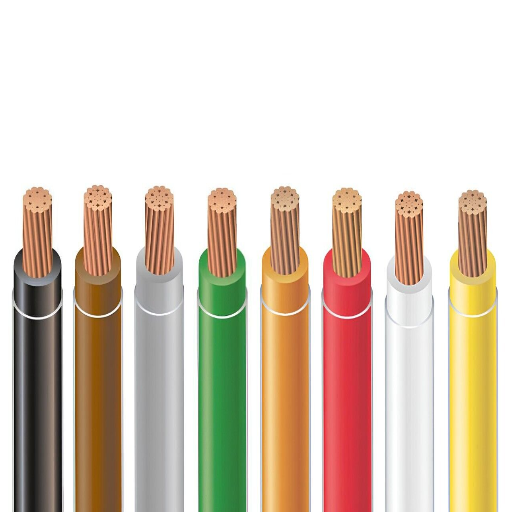
For a 600-amp service, the common wire choices comprise copper and aluminum conductors, each having its unique properties and applications. Copper wires, such as THHN or XHHW, possess excellent conductivity and durability, making them the preferred choice in installations that require compact wiring. Aluminum wires, including SE or XHHW-2 types, are lighter in weight and less expensive, yet they meet the safety standards needed to serve large service loads. Wire size selection depends on the wire material; for copper, a minimum size of 1,000 kcmil would suffice, while aluminum wires require at least 1,250 kcmil. Always verify the wire size selection with the NEC and the licensed electrician to ensure correctness and compliance.
Aluminum vs. Copper Wire
For a 600-amp service, the commonly accepted wire sizes are 1250 kcmil aluminum and 600 kcmil copper, based on ampacity and safety standards.
| Parameter | Aluminum | Copper |
|---|---|---|
| Wire Size | 1250 kcmil | 600 kcmil |
| Cost | Lower | Higher |
| Weight | Lighter | Heavier |
| Conductivity | Lower | Higher |
| Flexibility | More | Less |
| Durability | Moderate | High |
| Corrosion | Prone | Resistant |
| Expansion | More | Less |
| Usage | Large Loads | Compact Apps |
| Life Span | Moderate | Longer |
This table outlines the critical differences and considerations for aluminum and copper wires for a 600-amp service to help make an informed choice.
Benefits of Using Aluminum Wire
Aluminum wire offers several advantages, making it suitable for various electrical applications. One of the most significant advantages is the lighter weight of aluminum compared to copper, which in turn makes installation easier and puts less stress on the system’s structure. Aluminum is nearly 70% lighter than copper, while still providing adequate conductivity for numerous applications, which is particularly beneficial for sourcing large loads.
In terms of price, this is yet another benefit. Aluminum is cheaper than copper–generally about 30-50% less, depending on market fluctuation. This difference often leads to a significant reduction in the project budget for large installations, such as a 600-amp service. The savings come not only from the cost of the wire but also from reduced labor costs, as the wire is lighter and easier to handle.
Alloys of aluminum currently used in electrical wiring have been developed to address the corrosion and reliability issues previously encountered. These alloys are treated to resist oxidation and to mitigate problems caused by differential thermal expansion, ensuring the wire remains resilient for long-term use. Aluminum wires expand less when thermally cycled, especially under high current applications; hence, reducing loose connections and enhancing safety.
Another significant improvement is that aluminum cables are now more flexible. This now marginally helps when installing them inside very tight conduit or electrical panels. Their average lifespan is usually moderate compared to copper wiring; however, with sound installation and maintenance, their life expectancy can be considerably prolonged.
All in all, aluminum wiring offers a very economical, lightweight, and dependable solution for large-scale electrical configurations such as a 600-amp service. The lower price, in conjunction with state-of-the-art material engineering, enables it to be used without compromising any aspect of safety and efficiency.
Code Requirements for Wire Size
For sizing the conductors of a 600-amp service, it is essential to adhere to the guidelines of the National Electrical Code (NEC). The wire gauge, as specified by the NEC, must be able to handle the full-load current with minimal voltage drop and shall not exceed the insulation’s temperature rating. The selection of wire size depends on the type of conductor and insulation rating.
Generally, in a 600-amp aluminum service, a 1,000 kcmil wire of aluminum is required, with insulation rated for 75 °C. Conversely, for copper conductors, the wire size can be reduced to 500 kcmil copper while maintaining the same load-current capacity, due to copper’s superior conductivity. These sizes accommodate the current capacity, thus preventing any possibility of heat generation during operation.
Installation environmental conditions, conduit fill, and voltage drop calculations can also affect the final size of the wire. For instance, for long runs exceeding 100 feet, adjustments may be made to account for voltage drop and ensure optimal performance at the far end. Local electrical codes and regulations should always be consulted, as regional amendments to this code may have been made. In the interest of safety, efficiency, and compliance, it is best to work within these procedures.
Installation Considerations for 600 Amp Service
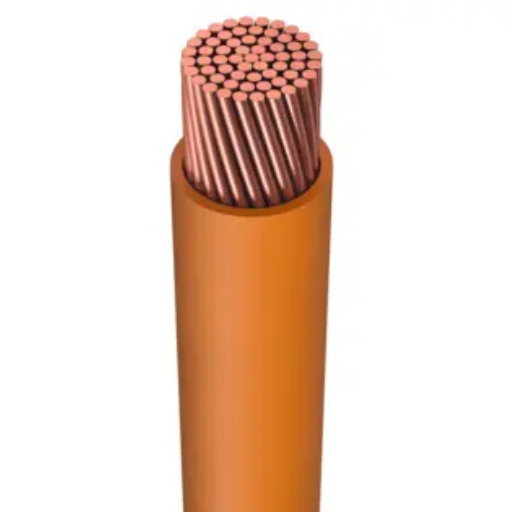
Since the wiring is rated at 600 amperes, the installation and all other components, such as panelboards, disconnects, and conductors, must also be rated at 600 amperes and shall comply with the specifications in the NEC. Select conductors of the proper size, whether copper or aluminum, to handle the current load, and adhere to the ampacity tables specified in the NEC. Proper grounding and bonding of the system ensure safety from electrical hazards and faults. Furthermore, the service entrance must be verified for location and equipment against local utility requirements to prevent unnecessary delays or failures during installation. Local codes should always be followed, and it is recommended to hire a licensed electrician to supervise the entire installation process.
Best Practices for Wiring Installation
Electrical Plan the Circuits Properly: Conduct a thorough plan of the electrical circuits according to the building’s or project’s specifications. Consider constructing separate circuits for large power-consuming equipment, such as HVAC, ovens, or dryers, to prevent overloading. Assign lighting circuits to rooms based on the circuit load considerations. Residential wiring nowadays primarily consists of 14 and 12-gauge copper wires. To be more precise, 12-gauge copper wires are typically used in conjunction with 20-amp breakers.
Observe Wire Labeling and Color Codes: Ensure wire installations conform to standard color codes to prevent confusion and ensure safety. Typically, systems will have black or red wires as live, white wires as neutral, and a green or bare copper wire for the plain ground. Proper wire labeling throughout the entire wiring system will make troubleshooting and future maintenance simpler.
Use the Conduit as Protection: Electrical conduits should be used to protect wiring wherever any physical damage is probable, such as in basements, garages, or exterior walls. Among conduits are PVC, EMT (Electrical Metallic Tubing), and flexible metal conduits, with PVC being the conduit of choice in areas prone to moisture.
Install Standard Arc Fault and Ground Fault Protection: Per modern safety codes, mainly the NEC, Arc Fault Circuit Interrupters (AFCI) shall be installed in all habitable rooms to prevent wiring problems that may cause fires. Similarly, Ground Fault Circuit Interrupters (GFCIs) shall be installed where any water services are provided, including kitchens, bathrooms, garages, and outside outlets.
Maintain proper spacing for electrical outlets: According to NEC recommendations, outlets should be spaced no more than 12 feet apart in general living areas to minimize dependence on extension cords, which can pose fire hazards. Additionally, outlets should be positioned 20 inches above the floor and 48 inches above the floor for kitchen counters, as per ergonomic guidelines.
Calculations for loads and spare capacity: Loads should be calculated accurately to establish a capacity for every circuit and panel in its entirety. For residences, a 200-amp service panel is generally sufficient to service both the present-day appliance load and some device loads; however, an additional space for future upgrades is always preferable, such as an EV charger or a solar system.
Test all connections and continuity: Once installation is complete, use a multimeter, circuit tester, or analog megger tester to verify that all connections are securely in place and that there are no signs of an open circuit, reversed polarity, or poor grounding levels. Each outlet, each switch, and each fixture must be tested for complete operation before turning on the main breaker.
Adhere to these recommendations, and it will be easy to install wiring systems safely and efficiently, with the systems remaining operational without issues and compliant with codes for an extended period.
Maintenance Tips for 600-Amp Systems
Proper maintenance of 600-amp electrical systems is critical to safety, reliability, and longevity. Do remember these essential tips:
Regular Inspections: Conduct visual and thermal inspections regularly to identify overheating components, loose connections, or signs of wear. Use infrared cameras to find hot spots that may indicate an underlying problem.
Cleaning and Debris Removal: Ensure that panels, enclosures, and floors surrounding the equipment are kept clean from dust, debris, and moisture, as corrosive elements can reduce their performance. Additionally, ensure that all ventilation systems are kept free from blockages.
Tighten Connections: With time, thermal cyclic changes tend to loosen electrical connections. Check and tighten terminals, lugs, and busbar connections accordingly.
Testing and Calibrating: Testing protective devices such as circuit breakers, relays, and fuses to verify their proper operation is essential. Also, check the calibration for monitoring equipment and systems to ensure they are giving accurate results.
Verify Grounding: Grounding and bonding systems should be inspected to ensure they are comprehensive, functioning correctly, and in compliance with code. Insufficient grounding can create a safety hazard or lead to equipment failure.
Professional Maintenance: By engaging licensed electricians, you can undertake annual or semi-annual servicing of complex components, allowing for the incorporation of the manufacturer’s recommendations and local standards.
Implementing the above maintenance practices will significantly contribute to ensuring the safe and efficient operation of these 600-amp systems, thereby preventing failure and incurring less expensive repair costs.
Code Requirements for 600-Amp Wire
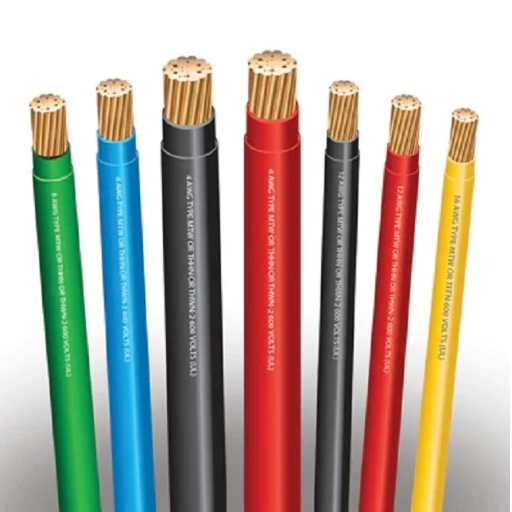
To handle an electrical load of 600 amps safely and effectively, specific key code requirements must be followed.
Wire Size: According to the National Electrical Code, 600-amp systems typically require either a copper conductor with a minimum of 1,000 kcmil or an aluminum conductor with a minimum of 1,250 kcmil. It is always recommended to verify the exact wire size according to load calculations and installation conditions.
Temperature Ratings: Conductors should be rated for the temperature of the application under consideration. Generally, 75°C or 90°C is accepted as per NEC for certain insulation types.
Conduit and Raceway: Ensure you provide the appropriate conduit size for the 600 amp wire, which will meet the NEC requirements for heat dissipation and ease of installation.
Grounding and Bonding: Grounding conductors must be provided to comply with NEC specifications, facilitating the proper management of fault current and ensuring electrical safety.
Local Codes: Review all amendments and additional requirements imposed by local authorities on the NEC for region-specific compliance.
Always prioritizing safety and legal standards, installation should be confirmed by a project engineer or a licensed person, following the latest version of the NEC.
National Electrical Code (NEC) Guidelines
I’m here to help! The National Electrical Code (NEC) guidelines are designed to ensure safe, reliable, and compliant electrical installations. It’s essential to observe key principles such as proper circuit design and load calculations, grounding and bonding requirements, and local amendments to the code. Always consult with licensed professionals and refer to the latest NEC for an accurate resolution of specific issues to ensure safety and compliance. If you require clarification on any of the above points, please don’t hesitate to ask.
Local Code Considerations
About electrical installations, local code requirements tend to be region-specific amendments to the NEC. Amendments are based on the region’s climatic conditions, building styles, and safety standards. Since it is regularly updated, a local code may impose additional or different restrictions concerning wiring methods, grounding procedures, or the use of specific materials, such as particular types of conduit or weatherproof equipment.
Some common ways to verify compliance with local codes are as follows: consult with the local authority having jurisdiction (AHJ), obtain the proper permits before work, and obtain information on any additional limitations that may be set forth outside the framework of the NEC. It is strongly advisable to seek the services of licensed contractors who are well-versed in the region’s specific requirements, thereby minimizing mistakes. Constantly reaffirm the local code with the latest editions to ensure compliance and readiness for inspections.
Reference Sources
Frequently Asked Questions (FAQs)
What is the recommended wire size for a 600-amp service?
The recommended wire size for a 600-amp service depends on several factors, including the type of wire used and the installation environment. Typically, for copper wires, a 600 amp service would require a wire size of 2/0 AWG to 1250 mcm, while aluminum wire may need a larger size due to its lower conductivity. It’s essential to consult the local electrical code to ensure compliance.
Can I use two 350 kcmil copper wires for a 600 amp application?
Yes, using two 350 kcmil copper wires in a parallel run can effectively carry 600 amps. This method helps distribute the load and reduces the risk of overheating, making it a viable option in residential applications where high current is needed.
What are the advantages of using 600-amp aluminum wire?
Using aluminum wire for a 600 amp service offers several advantages, including lower material costs compared to copper and reduced weight, which can simplify installation. However, it is essential to ensure proper connections and protection against abrasion to maintain safety and performance.
How do I determine the best option for a 600-amp wire size?
To determine the best option for 600 amp wire size, consider factors such as the type of conductor (copper or aluminum), installation environment, distance from the service panel, and the electrical load. Following the National Electrical Code (NEC) guidelines will help ensure you select the appropriate wire size to meet safety standards.
Are there specific codes for 600-amp wire installations?
Yes, specific codes outlined in the National Electrical Code (NEC) govern the installation of wires for 600-amp service. These codes specify minimum wire sizes, installation methods, and safety measures to ensure the safe and effective operation of electrical systems. Always check local amendments, as they may have additional requirements.
What is the significance of using mcm cables for a 600-amp service?
MCM cables, or thousand circular mils, are significant for 600 amp service because they provide a standardized way to denote wire size, which is crucial for safe electrical installations. Using the correct mcm size ensures that the wire can handle the required current without overheating or causing potential hazards.
How does a parallel run of two 350 kcmil wires impact performance?
A parallel run of two 350 kcmil wires can enhance performance by effectively doubling the current-carrying capacity while reducing the voltage drop. This configuration is particularly beneficial in residential applications where high amperage is necessary, providing a safer and more efficient solution.
What precautions should I take when installing 600-amp wire?
When installing 600 amp wire, ensure that all connections are secure and protected against abrasion or environmental damage. It’s also essential to follow the NEC codes, use appropriate fittings, and consider factors such as the installation location and potential thermal expansion to maintain the integrity of the electrical system.