







The safety, durability, and efficiency of the system require selecting the appropriate material for electrical wiring and heavy installations. PVC and conduit are two commonly compared options in the market. At first glance, they might seem very similar, but when it comes to composition, applications, and performances, everything is starkly different and could make or break the project. In this blog post, we’ll cover the key differences between PVC and conduit, providing you with all the relevant information necessary for making an informed choice based solely on your needs. From their essential characteristics and peculiarities to when and where to use one over the other, we will, so to speak, hold your hand along the entire road. Stay tuned as we reveal the best option for your final project!
What is PVC Pipe?
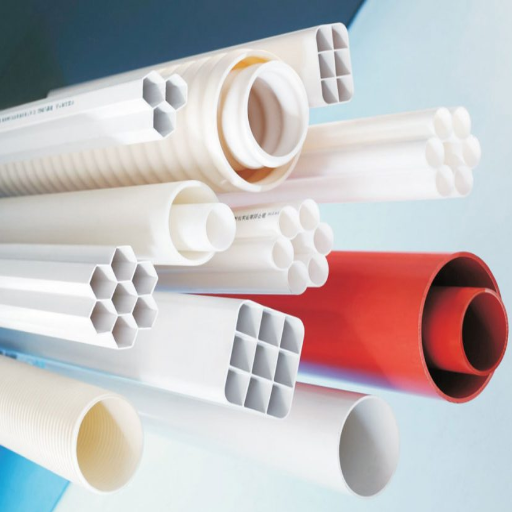
This type of plastic pipe is PVC pipe, or polyvinyl chloride pipe. It is well known for its durability, economic production, and versatility in implants. The pipe is considered lightweight, corrosion-resistant, and capable of carrying water and other non-corrosive fluids. PVC pipe is most commonly used in plumbing, irrigation, and drainage systems because of its longevity and ease of installation. It is further manufactured in a wide range of sizes and pressure ratings, thus meeting the needs of residential, commercial, and industrial applications.
Definition and Composition of PVC
PVC, chemically known as polyvinyl chloride, belongs to the family of synthetic plastic polymers; it is primarily made from salt (57%) and fossil fuels, such as natural gas or petroleum (43%). This plastic has found the widest use globally, owing to its physical and chemical properties. PVC is synthesized from vinyl chloride monomers through a polymerization process, yielding a strong and flexible material that resists degradation with ease.
The chlorine atoms in its chemical structure contribute to the enhancement of fire resistance compared to many other plastics. The composition of PVC can be further modified by using additional plasticizers, stabilizers, and fillers, depending on the specific application that manufacturers aim to address. Examples include rigid PVC (uPVC), which is primarily used in pipes, window frames, and construction materials, and flexible PVC, which is mainly applied in processes related to cables, linoleum, and medical uses. This shows that current data regards it as a manufacturing and infrastructure division that produces more than 40 million tons annually.
Common Uses of PVC Pipe
PVC pipes are among the most versatile and widely utilized materials in infrastructure and industry. Being durable, lightweight, and resistant to corrosion and chemicals, they bring inherent flexibility to their applications.
The first basic application of PVC pipes is for water supply and distribution systems. Recent industry reports indicate that pipes made of PVC have become the dominant component of water infrastructure worldwide, with service lifetimes exceeding 50 years under optimal conditions. Such pipes can increase residual strength, making them also suitable for high-pressure water supply systems in residences and commercial buildings.
The second type of usage concerns wastewater and drainage systems. Pipe smoothness supports low friction, allowing for efficient flow and minimizing blockage. This feature makes the system ideal for wastewater management in urban centers worldwide.
One other everyday use of PVC pipes in agriculture is irrigation. Their less appreciated feature of being inexpensive and easy to install helps farmers in effective water management. It has been shown that PVC accounts for a significant share in irrigation systems in arid climate areas because of its superior performance against wear and climatic hazards.
They also transport industrial chemicals and gases from various industries, primarily due to their chemical resistance, which makes them ideal for transporting acids, alkalis, and other corrosive substances within industrial installations for safety and reliability reasons.
With emerging trends, the growth rate for PVC pipes is projected to exceed $60 billion by 2030, driven by urbanization and other development projects.
Advantages of Using PVC Pipe
PVC pipes offer several advantages that make them the preferred choice in various industries and applications. One significant advantage was durability; these pipes are corrosion-resistant and can withstand various harsh conditions, including exposure to chemicals, some moisture, and UV rays. Hence, they qualify for use both indoors and outdoors for extended periods.
Another distinct advantage is cost-effectiveness. Being lightweight, PVC pipes are less expensive to transport and install compared to heavier materials, such as metal or concrete. They also require less energy to produce, resulting in lower total costs and a more environmentally friendly approach.
Still, they are highly versatile and perform well under pressure. PVC pipes can withstand extreme temperatures and pressures, which opens up a wide range of applications, including plumbing systems, sewage and drainage, irrigation, and industrial uses. It is noteworthy to mention that more than 50% of the global PVC pipe demand is generated by water distribution and irrigation systems, indicating their importance in infrastructure building.
Additionally, with over 50 years of life in normal operating conditions, PVC pipes further reduce operational costs by minimizing maintenance and the need for frequent replacements. PVC pipes are also recyclable, which promotes the global movement towards a sustainable and circular economy.
A smooth interior wall facilitates minimum friction, which in reality means good fluid flow through these PVC pipes. Pumping energy will be less consuming, and clogging will be reduced, resulting in superb performance following the introduction of innovations in PVC manufacturing, such as lead-free PVC and eco-PVC. This gives the future of PVC pipes a bright outlook, making them sought after by industries in search of sustainable and dependable solutions.
Exploring Conduit Options
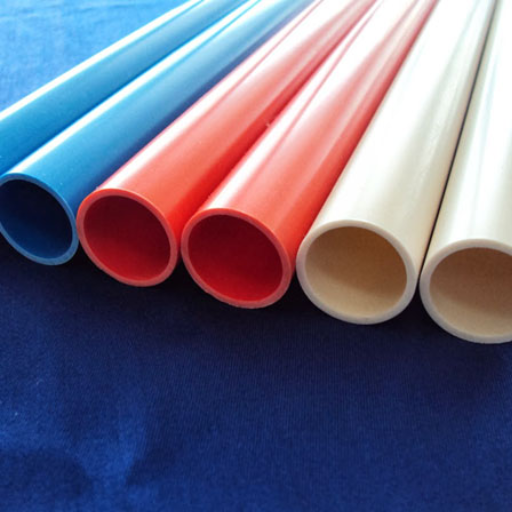
When selecting conduits, various factors to consider include durability, installation procedures, and the intended application. PVC conduits are lightweight, inexpensive, and corrosion-resistant, making them well-suited for both residential and commercial electrical installations. Steel conduits provide additional sturdy protection and can withstand mechanical impact in environments that require such enhanced protection. When confined in space or awkward areas, flexible conduits enable the installation to conform to various layout options. Ultimately, the best conduit choice will depend on the project’s specific needs, including environmental conditions and budget.
Types of Conduits: Rigid and Flexible
When deciding between rigid and flexible conduits, it is essential to understand their specific properties and applications.
Rigid conduits, such as the RMC or IMC, are constructed from sturdy metals like galvanized steel or aluminum. They ensure the utmost protection from physical damage and are thus suited for industrial and other areas with high-impact environments. RMCs are employed outside and in places where the potential for hazard exists due to their arduous construction. They might also be called on in projects that bear the brunt of tight safety considerations, as they provide the best grounding. The downside, however, is their inability to bend, and this requires precise measurements and installations.
The flexible conduits are designed to accommodate areas with complex layouts or frequent rearrangements. These conduits are made from a variety of materials, including types of flexible metal conduits (FMC) or non-metallic conduits such as liquid-tight flexible non-metallic conduits (LFNC). Flexible conduits are particularly suitable for locations subject to vibration, such as those surrounding machinery or mobile installations. LFNC is particularly helpful in moisture-prone areas, as it does an excellent job of keeping water away from the surface.
Understanding the environmental requirements that influence the choice of conduits becomes essential. Accordingly, rigid conduit installation is primarily for the long term, involving minimal movement, while flexible conduit excels mostly in dynamic environments where adaptability is a concern. Data also suggests that flexible conduit, especially the non-metallic type, offers shorter installation times, as it eliminates the time-consuming processes of bending and cutting. Considering these data on project requirements, environmental conditions, and cost efficiencies, choosing the best conduit becomes a well-thought-out and simplified process.
Applications of Electrical and Plumbing Conduits
Electrical and plumbing conduits lay down an essential infrastructure for building safe, well-organized, and durable structures. Electrical conduits have a range of uses, depending on the general purpose of laying down wiring in residential, commercial, or industrial environments. For example, rigid metallic conduit is preferred in heavy industrial environments where there is a high rate of mechanical impact or the possibility of chemical exposure. On the other hand, non-metallic conduits are well-suited for wet areas due to their corrosion resistance. Data from trade sources indicate that PVC conduits are prevalent in residential construction projects, accounting for approximately 60% of installations due to their low material cost, ease of installation, and long service life.
Plumbing conduits, on the other hand, serve to carry water and wastewater. From a flexibility point of view, modern materials, such as CPVC or PEX pipes, hold all the favor for domestic plumbing installations, being considered easy to install, non-scaling, and corrosion-resistant. In recent years, some studies have shown that contractors can save approximately 40% of labor hours with PEX piping, making it a cost-effective alternative. Combined conduit systems are increasingly being promoted in innovative building implementations, which are often coupled with an integrated conduit system for electrical wiring and plumbing, thereby providing the finishing touch to the entire infrastructure. These developments mirror the requirements for efficient, safe, and functional systems in today’s construction scenario.
Benefits of Using Conduit in Projects
Conduit use is versatile, with numerous applications that enhance safety, durability, and efficiency. The conduit protects electrical wires and plumbing systems from damage caused by external agents, such as moisture, corrosion, or physical impact, aspects that require a long-term solution for reliable service. Flex metal conduits (FMCs) and rigid PVC conduits, made from modern materials, are lightweight, versatile, and easy to install, thereby saving significant labor costs.
It also ensures the implementation of safety codes and fire resistance standards, thereby reducing the risk of hazards and enhancing building safety. Research has shown that the correct implementation of conduit systems can reduce electrical fire hazards by 20%. When combined with innovative technologies, conduits become integral to integrating new-age systems, like an IoT-enabled electrical management system. This integration helps reduce energy consumption, streamline maintenance, and improve system monitoring. Thus, conduits remain essential in ensuring that modern sustainable construction projects are fulfilled.
Key Differences Between PVC and Conduit
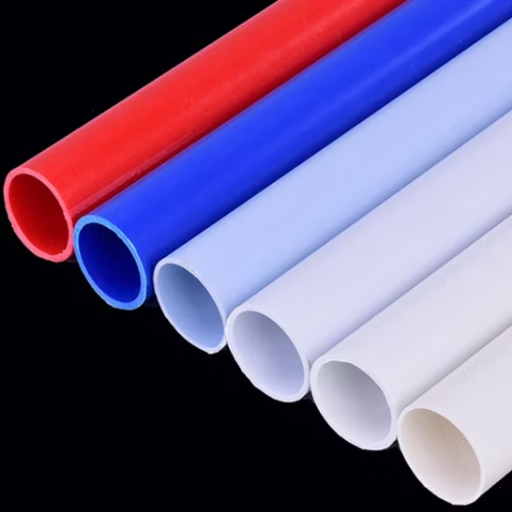
Material: PVC conduits are made from PVC plastic, a type of plastic. Depending on the use, standard conduit can be of PVC, steel, or aluminum.
Durability: Metal conduits possess the highest durability against physical damage; however, PVC conduits are by far the most suitable for corrosive environments, including those with wet or chemically active conditions.
Flexibility: Being lightweight and flexible, PVC conduits facilitate easier installation in confined areas. Metallic conduits offer strength but provide less flexibility.
Cost: Typically, PVC conduits are less expensive than metal conduits because the materials and manufacturing processes used in their production have lower value.
Applications: PVC conduit is primarily used in residential environments or other low-stress settings, whereas metal conduits are typically installed in industrial environments or other applications that require extra strength and grounding.
These differences should be used as guides for selecting materials based on specific project conditions, such as environment, cost, and durability.
Material and Construction
Choosing materials for conduits requires understanding their composition and performance characteristics. PVC conduits are very versatile and can be formed into a wide variety of shapes, while being lightweight yet boasting a design flair that enhances gripping strength and corrosion-resistant properties. They have the best insulation, but factors that make them prone to moisture and water exposure may be present in the environment. In contrast, metal conduits are typically made of metals such as steel, aluminum, or stainless steel, offering excellent mechanical strength. They are often used in applications where enhanced durability and fire resistance are required.
According to recent market insights, PVC conduits account for 60% to 70% of conduit applications in residential projects, primarily due to their cost-effectiveness and ease of installation. In contrast, industrial and commercial applications are dominated by metal conduits that support electrical systems designed for high-stress environments, as they can withstand the impact and temperature extremes that occur in these environments. Additionally, specific metal conduits, such as galvanized steel, combine the ability to withstand strength with corrosion resistance, making them ideal for outdoor or classified locations.
Installation-wise, PVC conduits significantly reduce labor time, whereas metal conduits require specialized tools for bending and threading. In general, PVC is a choice that is lighter and more flexible. At the same time, metal conduits are capable of forming a sturdy infrastructural support that also serves as a grounding path, a requirement that is very important in some electrical codes. All these distinctions in various materials should therefore be carefully weighed against project constraints to maximize safety, efficiency, and cost.
Usage in Plumbing vs Electrical Systems
PVC conduits serve distinct roles in plumbing and electrical systems, depending on their specific requirements. In plumbing, PVC pipes are used for both supply and drainage purposes, as they do not corrode, making them durable and lightweight. They can efficiently handle cold and hot water supply, making them a good choice. Statistics show that PVC pipes account for more than 50% of the market share in residential plumbing systems, primarily due to their affordability and ease of installation compared to traditional materials like copper or galvanized steel.
For electrical works, on the other hand, PVC conduits offer protection to wiring from moisture, chemical interactions, and physical damage. Being non-conductive, the conduits provide critical safety against electrical faults and hazards. Since PVC conduits do not rust, they are suitable for applications in high-humidity areas or with corrosive elements, such as industrial settings and outdoor installations. They are also valued for their versatility, as they can be sized and shaped in numerous ways to accommodate the complex wiring needs of the modern work environment.
An analysis of these varied uses supports the fact that PVC materials thus contribute to the enhancement of both plumbing and electrical systems by their unique properties and capacity to adapt to specific environmental and regulatory requirements.
PVC vs. Catheter Cost Comparison
PVC is generally more affordable and lightweight, while conduit offers durability and strength, but is more expensive.
|
Parameter |
PVC |
Conduit |
|---|---|---|
|
Cost |
Lower |
Higher |
|
Weight |
Lightweight |
Heavier |
|
Durability |
Moderate |
High |
|
Installation |
Easier |
Moderate |
|
Flexibility |
High |
Low |
|
Corrosion Res. |
High |
Low |
|
Best Use |
Plumbing |
Electrical |
Choosing Between PVC and Conduit

Choosing between PVC and conduit depends on the specific requirements of your project. As it is lightweight, inexpensive, and offers high corrosion resistance, PVC is predominantly used in plumbing applications. Conduit will work in an electrical system where durability and strength are necessary, such as Coalight, which is heavy and expensive, requiring these qualities. Weigh your options accordingly, considering the product’s price, durability, and mode of use.
Factors to Consider
Durability and Environment: PVC offers corrosion resistance, making it suitable for plumbing installations where moisture or chemical exposure may be a factor. However, PVC has significantly less impact resistance than conduit, which is designed to withstand a fiery environment. Data shows that conduit materials, particularly galvanized steel, can last for beyond 50 years when placed in the best of weather conditions; this places these materials on the ideal side for outdoor and industrial applications.
Temperature Tolerance: Metal conduit can withstand extreme temperatures better in all respects. PVC, although a more affordable choice, becomes brittle in freezing temperatures and may warp if exposed directly to the sun, especially if it is not UV-stabilized. In scenarios where applications will be located in regions with erratic weather, a conduit is the safest option, more so with an electrical conduit.
Cost Efficiency: PVC is the more economical product, ranging approximately from $0.50 to $2.00 per foot. Metal conduit, on the other hand, costs anywhere between $2.00 and $5.00 per foot, depending on the specific type (EMT, RMC, or FMC). For budget-pressed projects that face minimal physical exposure, PVC is the preferred choice, but for projects requiring strength and longevity, conduit may be worth the extra cost.
Ease of Installation: It is easier to work with and install PVC simply because it is lightweight, thus saving labor time. Installing conduit, especially the rigid metal type, often requires special tools and skills, which increase the project’s costs. For those working on do-it-yourself projects, PVC remains a popular choice because it is simple to work with and quite flexible.
Evaluating the factors according to your requirements will give you a fair chance of identifying the best material that best fits your needs in terms of performance, budget, and environmental considerations.
Common Mistakes to Avoid
When working with conduit materials, several common mistakes can occur, resulting in inefficiency, higher costs, or compromising safety. Avoiding this set of errors will set the stage for a successful installation:
Incorrect Sizing of Conduit: One standard error is choosing the wrong size of conduit. A conduit that is too small will allow wires to be crowded, creating a risk of overheating and potential faults. The National Electrical Code (NEC) states that no more than 40% of the conduit fill should be used for any single wire run. Always use the sizing chart or guidelines to ensure a good fit for your application.
Disregarding Environmental Conditions: Consider the environment in which the conduit will be installed. For instance, PVC conduit can lose its quality under prolonged exposure to UV rays if it is not rated for such conditions. In contrast, a metal conduit can withstand corrosion in humid atmospheric or coastal conditions. Choosing the right material that suits the environment will pay off in the long run.
Poor Support or Fastening: Improper support of conduits can cause them to sag or move, leading to damage to the wiring. PVC and metal conduits require proper conduit supports, such as brackets or clamps, to be installed at intervals of usually between three and six feet, as per code requirements. This ensures the conduit does not become loose and that all aspects of its installation remain unobjectionable with passing time.
No Proper Seal or Waterproofing: If conduits are installed underground or in areas where moisture tends to accumulate at the joints, and these joints are not sealed, water ingress may disable the wires and potentially pose a safety hazard. Use of proper gaskets, watertight fittings, and sealants wherever necessary goes a long way in solving this problem.
Neglecting Expansion and Contraction: PVC conduit expands and contracts more than any other material. When these are ignored, it leads to deviations in terms of warping or stress at connection points. Always set aside expansion couplings where necessary to handle temperature change.
Bearing in mind these pitfalls and adhering to industry standards can go a long way in improving the performance, safety, and lifecycle of conduit installations. By extension, they repay the initial cost while eliminating hazards that could have developed later on.
Best Practices for Installation
Proper conduit installation is a must to safeguard and optimize an electrical system. Listed below are some of the most important practices, as gleaned from industry insight and recent evolutions:
Know Local Codes and Regulations: Never compromise with local building codes and electrical standards, which serve as specifications for conduit sizing, spacing, and even the types of materials to be used. If one sticks to their stipulations, the installations will pass the inspections and can be deemed obsolete in terms of safety and reliability.
Pick the Correct Conduit Material: The environment requires a specific type of conduit material. PVC conduits are preferred for a variety of reasons, with corrosion resistance being the top consideration, as well as being cost-effective in damp surroundings and underground environments. However, for any situation where physical aggression can be expected, galvanized metal conduits would provide a good and durable option. Ensure you assess the environment for the presence of moisture, temperature, and potential chemical attacks when selecting materials.
Accurate Measurement and Cutting: It is of the utmost importance to have the correct measurements and cutting to ensure a proper fit and minimize material wastage. Ensure that all conduit cuts are clean and deburred to remove any rough edges that may damage the wiring. Investing in the best conduit-cutting tools is a worthwhile endeavor, as it enables more precise and accurate cuts, thereby reducing the likelihood of installation errors.
Leaving Room for Thermal Expansion and Contraction: Conduits, especially PVC, expand or contract with significant temperature changes. Install expansion couplings inside long, straight runs to accommodate changes and prevent buckling or cracking. Keep in mind that PVC conduits will expand approximately 3/8 inch for every 100 feet with every 10°F shift in temperature, which may be a factor to consider when planning the layout.
Maintain Proper Spacing and Anchoring: Supports and anchors spaced well will ensure that the conduit does not sag or become loose and detached over time. The National Electrical Code (NEC) will guide the spacing according to the conduit type; for instance, PVC requires supports at intervals of no more than 3 feet for horizontal runs and no more than 10 feet for vertical runs. When fixing in coastal or humid areas, consider installing corrosion-proof fasteners or other proper finishes for the fasteners.
Thorough Wiring Inspection: Ensuring that the wiring is correctly connected and that no damage has been inflicted on it will take place before imposing conduct. Any test for continuity and insulation resistance is a good idea to ensure flawless wiring and secure connections. This stage could save from costly troubles later on, post-tender.
Following these best practices during your conduit installation will ensure that your electrical system is efficient, safe, and durable. Keeping up to date on new improvements, techniques, and material innovations will add more polish to your projects and help you stay ahead of the ever-changing industry standards.
Safety Considerations with PVC and Conduit
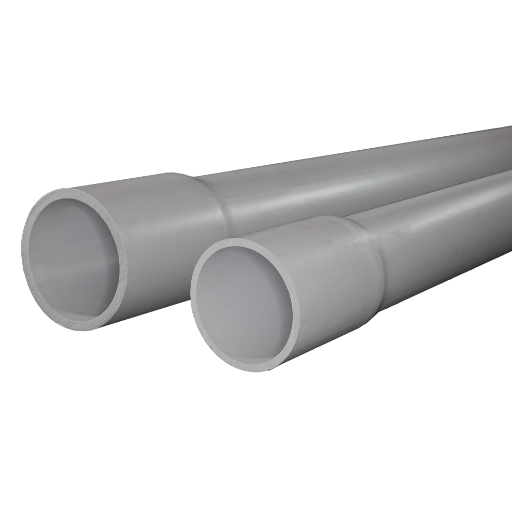
Working with PVC and conduit requires utmost safety considerations to protect the workers and ensure system reliability. Always wear personal protective equipment (PPE), such as gloves, chemical safety goggles, and a mask, to prevent chemical contact, abrasion from sharp edges, and exposure to airborne particles. Ensure the cutting and bending tools are in good condition to avoid operator injury. Do not overbend conduits, as this will compromise their strength and structural integrity. Ensure ventilation while applying adhesive or primer to prevent inhaling its fumes. Maintain all electrical codes and regulations for a safe installation within industry standards.
Using PVC Pipe for Drinking Water Systems
PVC pipes have become increasingly popular in modern drinking water systems because of their durability, affordability, and safety features. The pipes are manufactured from polyvinyl chloride, a material resistant to corrosion and chemical attack. Unlike metal pipes, PVC does not rust, making it a suitable choice for maintaining drinking water standards over an extended period.
Recent studies and industry-related data show that PVC pipes can last for between 50 and 100 years, depending on their installation and maintenance. Such a long lifespan drastically reduces the costs of replacement and waste. Additionally, PVC is lighter to handle, thereby reducing transportation and installation costs, and consequently lowering labor and overhead expenses.
There are various safety concerns regarding PVC pipes, which have been certified for the conveyance of drinking water and are held to stringent health criteria. Organizations such as the NSF International and the American National Standards Institute (ANSI) have established guidelines to ensure that PVC used for potable water does not carry harmful contaminants. Furthermore, the smooth inner surface of PVC pipes inhibits the buildup of biofilms and minerals, thus retaining flow velocity and reducing the risks of bacterial growth.
Energy efficiency is another important feature of PVC pipes. They use much less energy to manufacture than their metallic counterparts, consequently lowering the carbon footprint of the construction and water infrastructure industries. Last but not least, PVC pipes are recyclable, hence supporting environmental sustainability efforts.
Practicality, safety, and environmental friendliness enabled PVC pipes to enter drinking water systems for residential, commercial, and industrial use sites.
Regulations Surrounding Plumbing PVC
When placing code, PVC plumbing and sanitary installations require that all such construction be carried out in accordance with local, state, and federal building codes. They sometimes detail the types of PVC approved for potable water, considering factors such as pressure ratings, temperature, and chemical safety. At other times, I also look out for certifications such as NSF/ANSI, which ensure that the materials used for PVC are safe for drinking water purposes. Armed with this knowledge, I can always ensure compliance with these codes and ensure safety in every installation.
Reference Sources
Frequently Asked Questions (FAQs)
What is the difference between plumbing PVC and electrical conduit?
The primary difference between plumbing PVC and electrical conduit lies in their intended use. Plumbing PVC is designed for transporting water and other fluids, while electrical conduit is specifically made to protect and route electrical wiring. Plumbing PVC is often used in plumbing systems, whereas electrical conduit, such as rigid PVC conduit, is used for electrical installations to ensure safety and compliance with electrical codes.
What are the advantages of using PVC electrical conduit?
PVC electrical conduit offers several advantages, including resistance to corrosion, lightweight properties, and ease of installation. It is also non-conductive, which enhances electrical safety by preventing accidental electrical shock. Furthermore, PVC conduit does not require additional coatings or treatments, making it a cost-effective choice for various electrical applications.
Can PVC pipes be used for both plumbing and electrical conduit?
No, PVC pipes should not be used interchangeably for plumbing and electrical applications. Plumbing PVC is specifically formulated for fluid transport, while PVC electrical conduit is designed to safely house electrical lines. Using the wrong type can lead to safety hazards and code violations; therefore, it is essential to select the appropriate type based on the specific application.
What is schedule 80 PVC conduit?
Schedule 80 PVC conduit features thicker walls than schedule 40 PVC conduit, providing increased strength and durability. This makes it suitable for applications where higher pressure or physical impact is expected. Schedule 80 is often used in industrial settings and is preferred for underground electrical installations due to its ability to withstand harsh conditions.
What are the standard sizes of PVC pipes and conduits?
Standard sizes for PVC pipes and conduits range from ½ inch to 6 inches in diameter, with variations depending on the application. For electrical conduit, sizes are often available in standard increments, such as ¾ inch, 1 inch, and larger, to accommodate different electrical line requirements. It’s essential to choose the correct size based on the number and size of electrical lines being routed.
How do PVC pipes and fittings contribute to plumbing systems?
PVC pipes and fittings play a crucial role in plumbing systems by providing a reliable means of transporting water and wastewater. They are lightweight, resistant to corrosion, and easy to install, which makes them a popular choice among plumbers. Additionally, PVC pipes are available in various diameters and lengths, allowing for flexible plumbing designs.
What are the electrical safety considerations when using PVC conduit?
When using PVC conduit for electrical installations, it is essential to ensure proper grounding and support to prevent movement and potential damage. Electrical safety also involves using the correct fittings and connectors designed for PVC conduit to provide a secure and safe installation. Additionally, following local electrical codes and regulations is crucial for maintaining safety standards.
What types of fittings are used with PVC conduit?
PVC conduit and fittings come in various types, including elbows, connectors, and junction boxes. These fittings are designed to create secure and efficient pathways for electrical wiring. They are available from leading PVC conduit and fittings manufacturers, ensuring compatibility with the conduit and allowing for versatile installation options.