








An estimate of electric power demands from utility-side devices is a critical factor in your household energy management, and a washing machine is a prime example of such a device. But have you ever stopped to wonder just how many amps a washing machine pulls? Beyond a mere technicality, it should be a consideration in making the electrical system capable of handling the load safely and efficiently. In this post, we’ll examine the amp drawing of washers, the factors that affect energy use, and practical points of interest to empower homeowners in making an informed decision regarding their power needs. Whether you set up a brand-new laundry room or want to save on energy, this guide has everything you need to know. Read on!
Understanding Amps and Watts in Washing Machines
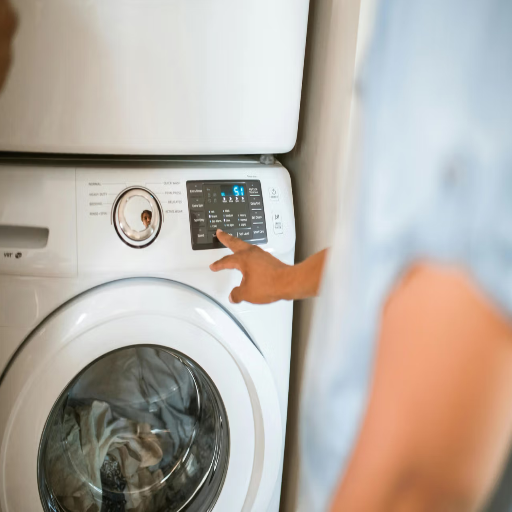
Amps and watts are terms often used to describe the energy consumption of a washing machine to consumers. Amps constitute a measurement of the current; watts, on the other hand, indicate the amount of power used. By multiplying amps by the voltage of the household electric system (which is usually 120V in the U.S.), a consumer can determine the watts. A typical residential washing machine operates at around 10 to 15 amps per cycle, corresponding to approximately 1,200 to 1,800 watts of power. One way to find the exact number for your model is to check the washing machine specification sheet or manual. Knowing these tons guides one in ensuring their electrical system can bear the load and also enables responsible energy optimization.
Definition of Amps and Watts
These two are important-but-understood-units of electricity and are related to each other in understanding electrical energy and its consumption. Amperes, or amps, measure the flow of electricity, which is the rate of flow of electrons through a conductor. The watt, on the other hand, is the unit of power produced or consumed by an electrical gadget, whose amount is the product of current in amperes and voltage in volts.
For example, if a device draws 10 amps and operates at a standard voltage of 120 volts in the U.S., its power consumption is 1,200 watts. This equation —Watts = Amps × Volts—is essential for understanding the amount of power common appliances require. Modern and energy-efficient devices can produce the same output with fewer watts, resulting in less power consumption. This equation shows the relationship between watts, amps, and volts. Being conversant with this relationship will help consumers identify which appliances are energy-efficient and assist them in keeping their electricity bills down.
How Amps Affect Washing Machine Performance
An important factor in determining the power and energy consumption of a washing device is the amperage. Generally, a higher amperage indicates a holding motor or heating element, which typically implies a more efficient washing action and faster operation. For example, a typical washing machine in the U.S. draws about 8 to 15 amps, depending on size and features. It may require a bit more power with a high-efficiency washer, especially if it has advanced settings like steam or a heavy-duty cycle.
On the other hand, amperage must balance with energy efficiency. Washing machines of today are capable of delivering the highest performance possible while consuming the least energy. For example, ENERGY STAR-certified models use less water and electricity; in fact, some units may use approximately 400 to 500 kilowatt-hours per year. They thus ease the load on household circuits yet still deliver consistent results.
Lower amperage may also mean a reduction in the machine’s ability to handle heavy loads or spin at higher speeds to remove moisture, consequently curtailing drying time. Choosing the right washer with the appropriate amperage requirements ensures compatibility with your home’s electrical system while maximizing its performance and efficiency. Additionally, always check the machine’s specifications, including amp requirements, to avoid tripping electrical circuits or experiencing power interruptions during use.
Wattage and Its Relation to Amps
Wattage and amperage are inversely proportional; wattage equals voltage times current (W = V × A), where “W” stands for wattage, “V” stands for voltage, and “A” stands for amperage. While wattage measures the total power an appliance utilizes, amperage is the electrical current that an appliance requires to operate. For example, a washing machine operating on a 120-page standard power unit system in an average U.S. home would draw 1,200 watts of power (120V × 10A).
Understanding the relationship is crucial in selecting an appliance organization that best suits the electrical system of your home. For example, a typical modern energy-efficient washer usually uses anywhere from 400 to 1,400 watts, depending on its size and settings. For one thing, high-powered washers running at very low watts still maintain good energy savings. Of course, ensuring the circuit is suitable for the amperage and wattage being used is critical, as overloading it can cause the circuit to trip or, worse, become a potential hazard. For safety, it is recommended that the total power draw on any circuit should never exceed 80% of its rated capacity. For a 15-amp circuit, this translates to a maximum power load of 1,200 watts (120V × 10A).
Knowing the power rating requirements can help you plan the most efficient electrical utilization for the home and ensure the safe and battery-powered operation of all appliances.
Calculating the Amps Used by Your Washer
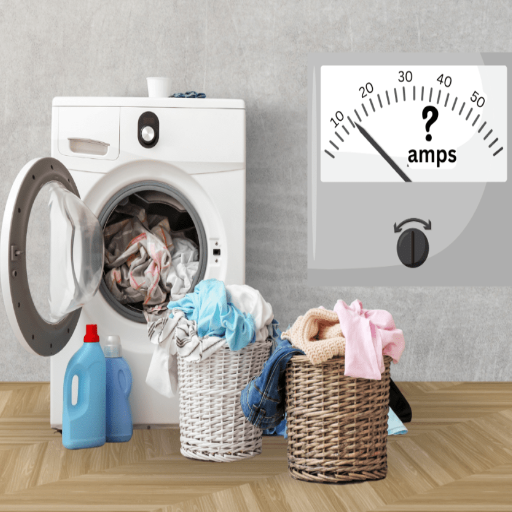
To determine the number of amps your washing machine draws, you divide its wattage rating by the voltage of your home electrical system. In most homes in the US, 120-volt circuits are used. So, when a washer runs on 1,200 watts, you divide 1,200 by 120, concluding it uses a current of 10 amps. Always refer to the washer label or manual to verify its wattage and compare the amperage to your circuit size for safe appliance use.
Formula to Calculate Amps
The simple formula for calculating amperes is as follows:
Amperes (A) = Watts (W) / Voltage (V)
When you understand this principle, you will be able to determine how much electric current an appliance, such as a washing machine, is drawing and ensure it is used safely and efficiently. Suppose in your area, the standard voltage is 120 V (the U.S. includes this standard), then a washer rated at 1,500 watts would draw:
1,500W / 120V = 12.5A
In homes with a 240-volt system (maybe your country uses such a system, or it may be set for high-end appliances), the same 1,500-watt washer draws:
1,500W / 240V = 6.25A
Check the voltage going to your washer and create an account for every device on the same circuit. Most household circuits are designed to run at either 15 or 20 amps, and exceeding this intensity will trip the breakers or pose an electrical risk. Always check the wattage of an appliance by reading the label or manual, and then ensure the circuit can safely handle it.
Factors Influencing Washer Amp Usage
Various factors determine the current drawn by a washer during operation, and knowing these can help ensure safe and efficient use:
Type of Washer and Features: High-efficiency washers are lower in demand compared to their traditional counterparts. Newer washer models that come equipped with digital displays, Wi-Fi connectivity, or heated drying options may draw additional amps beyond those of a basic model. The high-efficiency ones usually draw 5 to 15 amps, while older top-loading washers may be closer to 20 amps during running.
Cycle Settings and Usage: The amount of power consumed is hugely influenced by the selected cycle. Hot water cycles also require more power, as they heat the water independently of the rest of the system. Hence, it means that more amps are drawn during hot water wash cycles than during ones where the water is cold or warm.
Motor Power During Operation: Some parts of the cycle put the washers’ motors to more work, such as the spin cycle and the agitation cycle. These periods cause temporary amp peaks above the average operating amp current. Another instance when current peaks occur is during a typical spin cycle, when the motor draws between 8 and 12 amps, depending on the load size.
Supply Voltage and Circuit Design: Another factor affecting a washer’s requirement for amps is the voltage of the circuit to which it is connected. Many washers require a higher amperage on a 120V circuit than on a 240V circuit. In situations of undervoltage, the appliance can become stressed, drawing more current and thereby reducing efficiency, which compromises safety.
Load Size and Balance: An overload or imbalance causes the washer to work harder and draw more current. Even slightly overloading a washer can increase its energy draw by 15 percent, which puts unnecessary stress on the motor and components.
Environmental Conditions: The condition of your home wiring and ambient temperature can also influence amp draw. For instance, cold water supply temperatures will make the washer work harder to heat the water, thereby demanding more power.
In addition to being aware of these factors affecting the current requirement, the user can take measures to reduce the washer’s inefficiency. One major factor is regular servicing, another is making logical selections of wash cycles, and the last major factor is loading the washer with loads of the proper size.
Typical Amp Ratings for Different Washers
The amperage the washer uses depends upon various factors such as the class, size, and efficiency of the machine. Usually, washing machines for home use come in two general types – top loaders and front loaders-and they draw amperage accordingly.
Top-Load Washers: Standard top-load washing machines draw around 5 to 15 amps, depending on their size and operating features. The more complex or high-efficiency types might draw slightly less current owing to their energy-saving technologies.
Front-Load Washers: Being more efficient in energy consumption and less water-consuming than top-load types, front-load washers generally draw around 10 to 15 amps. Yet, some versions with extra features such as steam cleaning might be near the higher end of this range.
Compact Washers: Compact washers, designed for tight spaces or limited use, consume relatively little energy, typically around 3 to 10 amps. These models are suitable for apartments or mobile homes.
Commercial Washers: Commercial washers of the heaviest variety, such as those used in laundromats, exhibit significantly higher amperages, ranging from 15 to 30 amps, due to their larger motors and enhanced performance for frequent and large-scale operations.
When buying a washer, consider the amp rating and its energy efficiency rating to gain a better understanding of the unit’s actual electricity consumption in your home. Ensure that your household electrical installation meets the amp capacity requirements and that these appliances are connected to dedicated circuits, if necessary.
Power Requirements for Running a Washing Machine
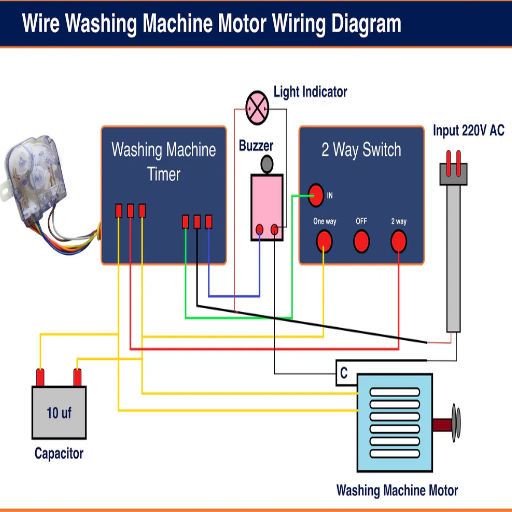
To safely operate the washing machine, ensure that the appliance is connected to a separate electrical circuit of 120 volts and 15 to 20 amperes, as this is the standard for most residential models. Larger or industrial-grade washing machines might need circuits rated for 30 amperes or higher. Always check the manufacturer’s recommendations to ascertain the precise requirements and verify that the home electrical system complies with these to prevent overloading a circuit or creating safety hazards.
Understanding Voltage and Its Impact
Voltage is utmost for the performance and efficiency of electrical appliances. It is the electrical potential difference that pushes charge through a circuit and is measured in volts (V). Most appliances in a household in the US operate on 120V; however, high-end appliances like air conditioners or electric dryers require 240V due to the immense amounts of power they need.
Lower than required voltage or inconsistent voltage can cause numerous problems. In such cases, appliances work inefficiently, and sometimes they overheat; at other times, this can cause gradual damage to the device. For example, an appliance operating at 120V cannot perform its task if it runs on a voltage lower than 120V. Higher voltage exceeds its limits, and an issue of heating arises, leading to electrical fires.
The latest data suggest that voltage stability affects the lifespan of appliances. Voltage fluctuations have been observed to reduce appliance life by 20% compared to the disorders caused by provisions that act upon constant voltage limits. Such staggering numbers have significantly helped establish a range of requirements and standards certified by the installation of voltage regulators or surge protectors in areas where fluctuations are common. Many newer appliances incorporate voltage stabilization technology to enhance energy efficiency and protect against damage from power surges.
Understanding the above will enable users to make more informed choices when setting up electricity in their homes and when using appliances, thereby improving appliance performance, efficiency, and safety.
How to Determine Your Washing Machine’s Power Needs
Check the Appliance Label: Locate the label or sticker on your washing machine, typically found on the back, side, or inside the door. The label gives you the crucial pieces of information, such as voltages, wattages, and amp requirements. Most contemporary washing machines operate on either 120 volts or 240 volts, with wattages typically ranging from 400 to 1,400 watts, depending on the model and its features.
Get to Know Energy-Efficiency Ratings: Many washing machines come with an EnergyGuide or ENERGY STAR label that shows details about their energy consumption. For example, a high-efficiency top-loading washing machine typically uses about 12–17 gallons of water per wash cycle and consumes less energy than traditional models. Awareness of these figures can help you calculate your electricity usage and cost.
Calculate Amount of Power Used: To calculate the actual power consumption of your washing machine, multiply the washing machine’s wattage by the time of use in hours, then divide by 1,000 to give a reading in kilowatt-hours (kWh). For instance, a washing machine with an 800-watt rating running for one hour will use 0.8 kWh. This information enables you to plan your laundry schedule accordingly and in an energy-efficient manner.
Assess Your Circuit’s Capacity: When considering the washing machine’s requirements, verify that the electrical circuit in your home can handle the load. Typically, a washer should be fed from a 20-amp circuit on its own to prevent overload. Don’t plug multiple high-load appliances into the same circuit, as this may cause breakers to trip or, worse, damage.
Check Age and Condition as Well: Nevertheless, older machines tend to consume much more electricity when compared to energy-efficient modern designs. For example, older models can be confirmed to consume up to 30% more electricity than the newer ones. If you have an old machine, it would be worth considering an upgrade for cost savings on energy.
With a thorough review of the washing machine’s energy requirements and specifications, users can analyze their options for optimal functioning while minimizing energy usage.
Running a Washing Machine on Different Power Sources
Depending on the washing machine’s power source, specific considerations and advantages arise. Here is an account of the familiar power sources and their implications in terms of energy use and function:
Electricity from the National Grid: Most washing machines are traditionally powered by electricity from the grid. A modern, energy-efficient washing machine can consume around 0.3 to 0.5 kWh per load in standard cycles, although this figure varies depending on the model and settings. Off-peak periods are usually the best times for users to maximize energy efficiency in operating their washing machines.
Solar Power: Solar power is a green way to run a washing machine, mainly when there is good sun exposure. A solar power system of approximately 1.5 kW can supply energy to run a standard washing machine. It is always helpful to design a system with solar battery backup to cater to operations during cloudy weather or at night.
Using Generator Power: Washing machines can also run off portable or standby generators. Generators with capacities ranging from 2,000 to 2,500 watts will suffice for most household machines, except very high-efficiency models that may require even less power. One will want to ensure the generator does not deliver an irregular flow of electricity, as this could damage the internal components of a washing machine.
Battery Backup and Inverter Systems: Such systems may be used to power washing machines in the event of an outage. A minimal battery with a 12-volt DC capacity, powered by a 1,000-watt inverter, should be able to provide sufficient power for moderately consuming appliances. Still, powerful washing machines may require a higher capacity.
Renewable Energy Microgrids: A composite access to microgrid systems powered by renewables, such as wind or small-scale hydroelectricity, can also serve the needs of washing machines. Such systems, therefore, heavily support the population and may even surpass the grid in reducing emissions.
Energy properties vary greatly depending on the type of washing machine, chosen wash cycle, and loading System. Cold-water cycles, combined with full loads, may further optimize energy efficiency while reducing operational costs and environmental footprints.
Using a Portable Power Station for Your Washer
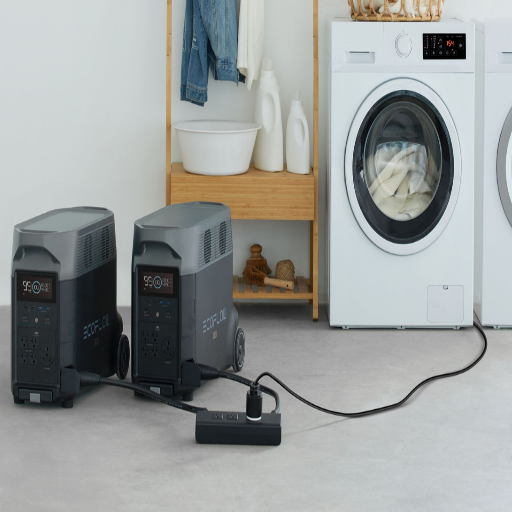
A portable power station can be a go-to power source for operating a washing machine, but this depends on the power station’s power capacity and the washer’s energy requirements. First, get the wattage of your washing machine, including peak power consumption during start-up, and compare it to the power station output ratings. The power station capacity must be able to charge for a complete cycle. Most mid-range power stations will be sufficient for a small or portable washer, while larger-capacity washing machines will require a larger power station or an alternative solution. Always charge the power station fully before starting the washing task to avoid its discharge during the wash cycle.
Benefits of Portable Power Stations
A portable power station has become an essential tool in modern-day life, offering convenience and flexibility in numerous scenarios. Here are some significant advantages backed by research and data:
Reliable Power in Case of Emergencies: A portable power station becomes the backup power source during extended power outages, thus keeping on charging emergency lights, phones, and medical equipment. For example, a 1000Wh portable power station can maintain a standard refrigerator at 4°C for approximately 10 hours, which is crucial for food preservation in emergencies.
Green and Renewable Energy Source: Unlike traditional gas generators, a portable power station charges its batteries using electricity or solar energy. Research indicates that portable power stations with solar compatibility can significantly reduce carbon emissions, in conjunction with other green energy practices.
Power for Everything: Able to charge multiple devices simultaneously, these power stations fulfill various requirements, including powering smartphones, running laptops, or even operating microwaves. Jackery Explorer 1000, a very popular power station, can charge a smartphone more than 100 times or power a 32-inch TV for 14 hours on a single charge.
Portable and Convenient: Designed with a lightweight and compact frame, portable power stations offer DIY enthusiasts the potential for easy packaging and transportation. Hence, a power station is ideal for camping sites, road trips, and other remote work opportunities with limited infrastructure for power supply.
Cost-Fair Investment for the Future: Although expensive at the initial buy-in, utilizing solar power makes it possible to reduce dependence on grid electricity and diesel for power generation. Lithium-ion batteries are rated for approximately 500 charge cycles, and new advances in battery technology further improve this.
Noise-Free: One great advantage over the noise of a gas-powered generator is the silence. Portable power stations are virtually silent, making them suitable for use indoors or in quiet outdoor environments, such as your campsite.
Combining sustainability, reliability, and convenience, portable power stations have become a highly valued asset for homes, adventurers, and businesses alike.
Compatibility with Different Washers
The portable washing machine is designed for utmost versatility, making it suitable for a wide range of washing tasks. Traditional forms of washing machines, including front-loaders, top-loaders, or high-efficiency washers, require power inputs between 500 and 2000 watts, depending on their size and features. Accordingly, most portable power stations will be equipped with AC outlets that deliver sufficient wattage with steady power for such appliances.
Smaller washing machines, such as those for small loads or travel, typically operate at wattages ranging from 500 to 800 watts, more than enough for entry-level power stations to handle. Washers on the larger side or equipped with numerous features, including heating and advanced cycles, may require more power, ranging from 1000 to 2000 watts. This means that high-capacity power stations should be utilized for them, especially those providing continuous power delivery and surge protection.
It is also necessary to provide power throughout the entire wash cycle, including the draining and spinning stages. In other words, power stations should have a battery capacity exceeding the total amount of energy their washer will consume. Typically, a power station with a capacity of 1000Wh to 2000Wh is recommended for heavy loads or extended use to ensure stability and efficiency. Most modern washers can thus be easily powered with the right portable power station, whether off-grid or in an emergency.
How Many Amps Does a Washer Use with Portable Power?
The amperage a washing machine draws when using portable power varies by model and features. Most modern washers typically run at around 10 to 15 amps on a standard household electrical system. High-efficiency washers, or those with a more energy-conscious design, are likely to be charged at the lower end of that scale.
The current drawn when starting operation, which is usually higher than the running current, must be factored in when plugging into a portable power station, along with the consistent usage during washing operations. For instance, when washing at 10 amps, the starting current can spike to more than 15 amps.
To get the total power requirement, the equation Amps = Watts ÷ Volts is used. For a typical 120V washing machine that draws 10 amps during operation, this translates to 1,200 watts of power. Therefore, with a portable power station that has 2000W surge capacity and 1500W continuous output, it should be able to handle most washers. Always double-check all values from either the washer’s manual or the rating plate and ensure the power station you choose has sufficient capacity for both surge and continuous wattage.
Importance of Knowing Your Washer’s Amp Usage
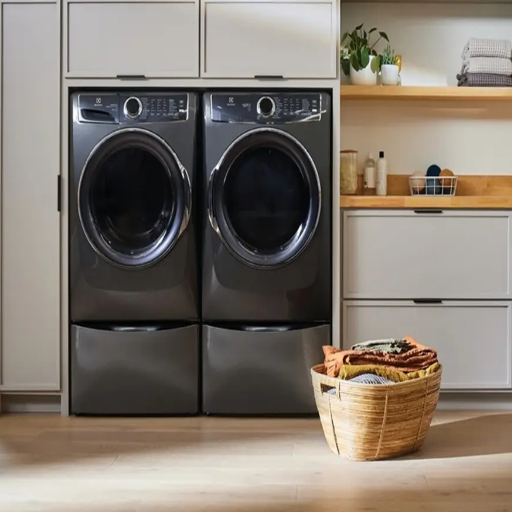
The electrical ampere rating of your washing machine plays a crucial role in ensuring safe and proper operation. Knowing the power requirements helps prevent circuit overloading, thereby avoiding the hazards of electric shock. Sometimes it will need to be plugged into a power source, such as a portable power station. This means constantly checking the washer’s specs or the manual to determine the amps it uses, and then matching that with its suitable power supply to ensure efficient and safe operation.
Benefits of Understanding Electrical Requirements
Knowing a particular appliance’s electrical needs goes a long way in making things easier from an efficient standpoint and for safety, too. Typically, the average household washing machine can draw 10 to 15 amps of power, depending on the size and functionality of the washer. A homeowner can then allocate proper circuit usage and avoid the nuisance of a tripped breaker if it is overloaded.
The other reasons for knowing electrical requirements are to ensure that they act within safe parameters, thus mitigating the risk of excessive heat or a fire hazard. Looking at it this way, for a washer of this sort, the power source needs to dovetail with the appliance so that damage is not inflicted upon either the appliance or the power system, in this case, a 20-amp circuit.
It is also essential from an energy efficiency perspective. Insufficiently matched circuits often divert excess power to appliances, resulting in unnecessarily high energy consumption and increased costs. Aligning power drain with the manufacturer’s specifications helps users to save on energy bills and keep their washers for a longer period.
Lastly, these details are beneficial in scenarios that require backup power. For example, during outages when you might be running a portable generator or battery system, knowing amp use helps in sizing backup systems correctly for uninterrupted operation.
Tips for Efficient Washer Use
Wash Full Loads When Possible: Washing machines operate most efficiently with full loads, resulting in reduced energy and water consumption. Energy and water experts estimate that a typical household can save approximately 3,400 gallons of water per year by eliminating the practice of washing small or partial loads.
Use Cold Water Settings: Since water heat constitutes approximately 90% of the energy used in a washing process, switching to cold water settings can be a significant energy saver. Modern detergents can work effectively with cold water, allowing clothes to be cleaned without the added energy expense.
Maximize Spin: In essence, the higher the spin speed, the more water is removed from clothes during the washing cycle, resulting in less drying time and lower energy consumption by the dryer. Always try to use the highest spin speed setting compatible with your fabric.
Keep the Washer Clean: The accumulation of dirt, lint, and detergent residues can reduce washer efficiency. Monthly cleaning with vinegar or a specialized cleaning solution helps maintain optimal operating performance, extending the appliance’s lifespan.
Avoid Overloading: Loading the washer to its full capacity will save time and energy, but overloading it can cause excessive strain on the machine’s motor and reduce cleaning pressure. Always follow the manufacturer’s recommendations for the number of loads.
Consider More Efficient Models: The washer with Energy Star certification can draw about 25% less energy and use 33% less water than a standard model. Buying such appliances for your home would hence provide you with opportunities to save on your energy bills and help the environment over time.
Use Delayed Start Options: Some utility providers charge a lower rate during off-peak hours. If your washer has a delay timer, use it to schedule wash cycles during these times, thereby saving on electricity costs. By following these tips, you can save energy and water in your home’s washing needs, a feat that will help you save on your utility bills while also benefiting the environment.
Final Thoughts on Washing Machine Power Consumption
Knowledge of power consumption has been very helpful in managing energy use and making informed decisions. Knowing the amperage, I can ensure, among other things, compatibility with power supplies such as portable power stations, allowing me to operate the washer in an energy-efficient manner. Considering the power requirements and conscientious habits toward saving energy reduces cost and leads to an even more sustainable home.
Reference Sources
Frequently Asked Questions (FAQs)
How Many Amps Does a Washing Machine Use?
A typical washing machine uses between 5 and 15 amps, depending on the model and its energy efficiency. Most standard washers operate at around 10 to 12 amps, while compact and energy-efficient models may use less power.
What Is the Average Wattage of a Washing Machine?
The average wattage of a washing machine typically ranges from 400 to 1,200 watts. This translates to an amperage draw of about 5 to 12 amps, depending on the voltage the machine is operating at, usually 120V or 240V.
How to Calculate the Amps Your Washing Machine Uses?
To calculate the amps your washing machine uses, you can divide the wattage by the voltage. For example, if your washing machine is rated at 1,200 watts and operates at 120 volts, it would use 10 amps (1,200 watts / 120 volts = 10 amps).
What Are the Startup Amps for a Washer?
The startup amps for a washer can be significantly higher than the running amps. A washing machine may draw 2 to 3 times its regular running current at startup, which is an important consideration when connecting it to a power source.
How Much Electricity Does a Washing Machine Use Per Week?
The amount of electricity a washing machine uses per week depends on how often you run it. If you wash clothes three times a week, using an average of 1 kWh per load, you could consume approximately 3 kWh of electricity per week.
Can I Use a Portable Power Station for My Washing Machine?
Yes, you can use a portable power station, such as the Jackery Explorer 2000 Plus, to run your washing machine, provided that the power station can handle the wattage and amperage required by your washer. Check the specifications to ensure compatibility.
Do Commercial or Industrial Washing Machines Use More Amps?
Yes, commercial or industrial washing machines typically use more amps than residential models. They are designed for heavy-duty use and can draw anywhere from 15 to 30 amps, depending on their size and capacity.
What Is the Importance of Knowing How Many Amps Your Washing Machine Uses?
Understanding how many amps your washing machine uses is crucial for ensuring that your electrical system can handle the load. It also helps prevent circuit breaker trips and ensures you have adequate backup power during frequent outages.
How Do I Ensure My Washing Machine Runs Efficiently?
To ensure your washing machine runs efficiently, regularly clean the filters, avoid overloading the machine, and use appropriate wash settings. This not only saves energy but also prolongs the lifespan of the appliance.