







When it comes to transporting wires, safety and efficiency have to be paramount. Large-scale construction projects, industrial installations, or even mundane DIY tasks will see transportation methods ultimately affecting the wires’ integrity and functionality: damages from mishandling mean repairs that carry a cost or worse, potential safety hazards. This article touches upon best practices and considerations integral to transporting wires, providing invaluable input on safeguarding these fundamental components while en route. It will lead you through wise points regarding correctly choosing storage materials, down to necessary precautions concerning long-distance transportation, facilitating wire transport with a simple approach while retaining safety and quality standards.
Understanding Wire and Cable Transportation
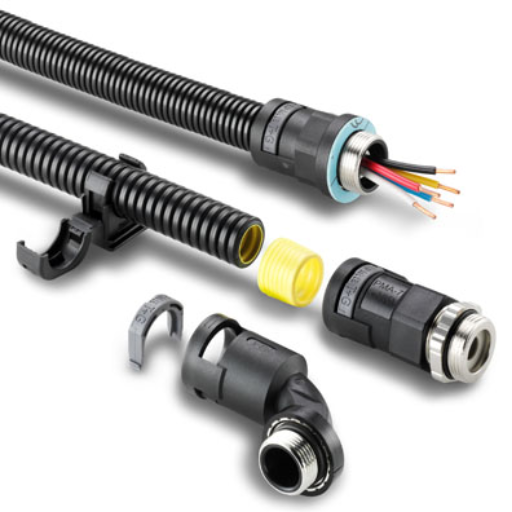
Both wires and cables must be prepared and handled correctly to prevent damage and ensure safety. First, keep wires on strong spools or reels for orderly storage and to avoid tangling. Use protective measures such as a shrink wrap or sturdy cover to prevent moisture, dust, or an adverse physical impact on the cables. During transit, secure spools in place with straps or any other means of restraining movement to limit their shifting. Choose transportation that offers a stable environment for longer distances, avoiding extreme temperatures or vibrations. Always abide by the manufacturer’s instructions not to impair the quality or operational performance of the wires and cables.
Types of Wires and Cables
The processes of impregnation and insulation are always considered mutually exclusive. The PCB can be mounted in a sealed enclosure, but accessories must be added during sealing operations. Wire and cable patients are electrical circuits or systems, and the wire or cable is chosen for a specific application. Some of the common types of wires and cables and their uses are:
1. Coaxial Cable: A coaxial cable has a central conductor, insulating material, metallic shield, and outer insulating jacket. It is almost always used to carry high-frequency signals with low interference and noise for television and internet connections. These cables are rugged enough for both indoor and outdoor installation.
2. Fiber Optic Cable: Fiber optic cables transmit data at incredible speeds over vast distances using light. These glass or plastic fiber cables are best for high-bandwidth communication systems such as internet backbones, telecommunication systems, and data centers. Fiber optics resist electromagnetic interference much better than copper wires.
3. Twisted Pair Cable: Twisted pair cables are formed by two wires twisted around each other to cancel low-frequency electromagnetic interference. They are primarily used in local area networks, telephony, and DSL Internet connections. In a broad sense, we have two types: unshielded twisted pairs (UTPs) and shielded twisted pairs (STPs). UTPs dominate the market because of their low cost and ease of installation.
4. Power Cable: A power cable is used to carry current to various equipment, appliances, and devices. They have conductors, enamelled copper or aluminum, covered by insulating and protective layers for safety. Depending on their use, all types exist, working with the power they carry, low voltage, medium voltage, or high voltage.
5. Control Cables: Control cables are employed in automation systems, transmitting signals to control equipment and machinery. Such cables require accuracy and reliability while working in manufacturing plants or other industrial environments. They are commonly endowed with shielding to prohibit signal interference.
6. Single-Core and Multi-Core Cables: Single-core cables have only one conductor and can be used in simple circuits or for internal wiring of appliances. Multi-core cables have many conductors bundled together and are used in complex systems such as control panels, A/V installations, and electrical networks.
Recent data suggest that fiber optic and coaxial cables, which are in demand, have benefited from the rapid development of fast internet and communication networks. The global fiber optic cable market is valued at billions and is projected to grow at a huge CAGR in the coming years. Likewise, ongoing developments in automation and innovative technologies continue to propel the demand for control and multi-core cables in various industries, such as automotive, energy, and industrial automation.
In any system, wires and cables must be reliable and high-quality for safety, efficiency, and durability. Hence, selecting the appropriate types based on the requirements is essential for optimum performance.
Key Transportation Solutions
Transportation systems of a city owe their very existence to a cabling infrastructure. Fire-resistant cabling, for example, is used explicitly within railway systems to guarantee safety and operational efficiency. Steady growth has been witnessed in the global market of railway wiring harnesses, as more investments are made into the electrified railways. As per facts and figures, the railway wiring harness market will cross the $4 billion mark by 2030, cruising with a CAGR of nearly 6.5% from 2023 to 2030.
In the same way, the automotive sector has seen evolving requirements for high-voltage cables that have to withstand higher currents with the upsurge of electric vehicles (EVs). The EV market will cross $800 billion globally by 2030, providing excellent opportunities for new cable designs for fast charging and weight reduction.
Conversely, aerospace applications require advanced cabling solutions, as lightweight yet high-performing wiring is needed to reduce aircraft weight while maintaining reliability.
Innovation in oxygen-free copper wires and the latest shielding technologies is improving data transmission and the resistance of cable structures to harsh and demanding environmental conditions.
With this urbanization and sustainable energy initiatives, innovative city projects rely on integrated cabling solutions for transportation networks. From intelligent traffic systems to electric mass transit, advanced multi-core cabling systems enable seamless connectivity that supports safety, communication, and efficiency in all these applications.
Applications in Different Industries
Telecommunications: The telecommunications sector has witnessed an exponential data transfer rate; thus, some advanced cabling systems must be in place. With the deployment of 5G systems, the best fiber optic cables are required to support higher speeds with much lower latency. Reports estimate that the global fiber optic cable market is projected to cross the $16 billion mark by 2030, given the increase in demand for efficient data transmission and communication infrastructure.
Healthcare: Thus, the cabling side is crucial for modern health and medicine, where connectivity is required for telemedicine, patient monitoring systems, and advanced diagnostic machines. For instance, structured cabling enables hospitals to easily integrate their electronic health records (EHR) system with imaging technologies and allows high-speed data transfers critical for advanced diagnostics.
Manufacturing and Industrial Automation: The advent of Industry 4.0 has emphasized the need for a strong cabling infrastructure in manufacturing and automation. Factories install Ethernet-compliant cabling to facilitate the Industrial Internet of Things (IIoT) for real-time data collection, automation, and predictive maintenance. The studies indicate an expected investment of more than $220 billion into innovative factory technologies by 2025, emphasizing the growing importance of advanced connectivity.
Energy and Utilities: Cabling is a vital component linking energy projects in the renewable energy sector, such as solar farms and wind turbines. Such dynamic cabling systems ensure efficient power transmission and withstand harsh environmental conditions. Submarine power cables, for instance, assure the connection of offshore wind farms with the onshore grids, aiding the worldwide demand for clean energy.
Transportation: Integrated cabling solutions are increasingly critical for transportation agencies to improve operational efficiency and safety. Smart traffic systems, autonomous vehicles, and electric mass transit rely on the best cables to deliver communication, control, and monitoring systems. Investments in global smart transportation are expected to hit upwards of $130 billion by 2025, showcasing the importance of advanced cabling technologies to this industry.
Data Centers and Cloud Computing: Behind the scenes of cloud computing, data centers employ advanced structured cabling solutions to manage huge volumes of data. Fiber optic cables prioritize fast data transfer and low latency; hence, they become essential as cloud-based services proliferate. The demand for hyperscale data centers is slated to increase, with a projection of above 20% per annum by 2030.
These various applications from different regions prove that innovative cabling solutions are key drivers of technological advancement in specified industries worldwide.
Transportation Methods for Wires and Cables
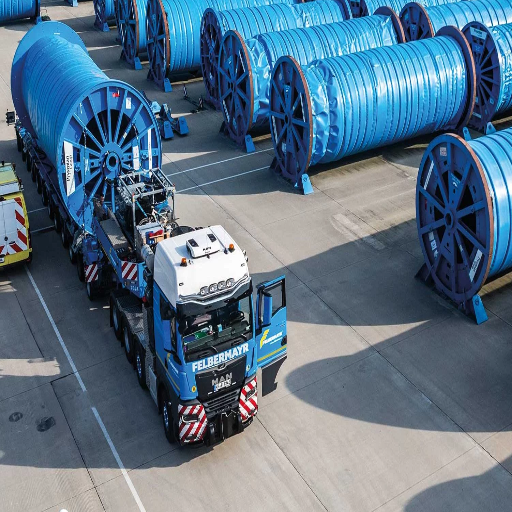
The speedy transportation of wires and cables is essential as it maintains the wires’ quality and functionality. These are typically transported on spools and reels to prevent the wires from getting entangled or damaged. In the case of large consignments, the heaviest loads are secured on pallets or special cable drums. Usually, the wires are wrapped in protective materials like shrink wrap, paper, or cardboard boxes to shield them from environmental hazards like moisture or dust. Proper means of transport ensures a smooth delivery, less loss, and good condition of the wires and cables used in various industries.
Rail Transportation
On the logistics end of the wires and cables industry, rail transportation is of utmost importance for long-distance consignments: a cheap and environmentally friendly option while capable of harboring enormous volumes of goods. On average, trains move a ton of freight over 470 miles from a single gallon of fuel, making rail more energy-friendly than road transport. Additionally, more or less, highway congestion impairs freight flow, while railways do not experience any such strangulation.
The specialized freight train services can dispense with flatcars or open-top cars for carrying cable drums, spools, and pallets, depending upon the size and volume of the shipments. Several photogenic and modern railway infrastructures have been fitted with tracking systems that monitor freight in real time to improve safety and mitigate the risk of theft or damage. This helps inject a fluid transition wherein investments in rail networks, as well as intermodal facilities, rail transportation, in one respect, further enhance the delivery process for industries depending on wires and cables.
Road Transportation
Road transportation is one of the most versatile and dependable product movement options, especially for short to intermediate distances. It offers unbeatable flexibility because of the vast network of roads connecting urban, suburban, and rural areas. Road freight contributes to more than 70 percent of total freight movement worldwide, proving its importance for supply chain activities.
One advantage of road transportation methods is that door-to-door delivery minimizes delays and ensures timely shipment. The trucking industry today witnesses the everyday use of advanced technology that permits real-time monitoring of vehicle locations, fuel consumption, and efficiency through GPS tracking and telematics. These innovations have decreased operational costs and increased transparency in business operations.
On the other hand, the emergence of electric and hydrogen trucks is slowly changing the landscape, which is quite beneficial for reducing greenhouse gas emissions. Big logistics companies are switching toward sustainable road transportation solutions in line with global commitments to carbon reduction. Road transportation services also play a crucial role in the rapid growth of e-commerce, melding last-mile delivery in supply chains within time-bound periods and catering to customer satisfaction.
Air and Sea Transport
Air and sea transport are two essential aspects of the global supply chain, as they efficiently allow the movement of massive quantities of goods across continents and oceans. Air transport is noted for its speed and is used to ship goods that may be high in value, such as electronics, pharmaceuticals, and perishable food items, and require time-sensitive delivery. According to the International Air Transport Association (IATA), the global air freight market touched 65.6 million metric tons in recent years, highlighting its unprecedented role in international trade.
On the other hand, according to the International Maritime Organization (IMO), sea transport remains the other backbone of trade, handling more than 80% of the world’s goods by volume. The megaship era has been further enhanced with state-of-the-art cargo management systems that permit sea transport to move colossal goods at the cheapest possible cost per unit. Ports around the globe are also heavily investing in digitalization and automation to assist the loading and unloading processes and increase efficiency further. In addition, green technology ecology is being fostered by LNG-powered vessels and energy-efficient ship designs to meet environmental goals without compromising performance.
Drawing on the interfusion of air and sea freight, companies may harness the speed of air freight with the massive capacity of sea freight, a hybrid solution known as “sea-air” logistics. Thus, the shipping cycle is effectively optimized and reduced in terms of overall transit time and costs while excellently fulfilling diverse operational needs within today’s increasingly demanding global market.
Challenges in Wire Transportation

Dealing with wires for transportation comes with several challenges that significantly impede efficiency and practicality. One of the critical disadvantages of wire transport is that it may be damaged or broken while in transit, as these materials tend to be delicate or get tangled up quickly. Another bothersome issue with wire transport is the proper storage and packaging to avoid corrosion, especially when wires have to be shipped to a far place or through places that may be humid. Moreover, the logistics become much more complicated, depending on the types of wire, their sizes, weights, and handling requirements. Eventually, wire transportation becomes way more complex with the additional cost of specialized tools such as reels or spools and safety regulations.
Environmental Considerations
The transportation and manufacture of wires bring about grave environmental issues that must be addressed. In wire manufacture, metals are usually extracted and processed as if copper and aluminum were examples. These processes cause menacing amounts of carbon and other greenhouse gas emissions and energy use. To cite another example, aluminum production is a heavy energy consumer contributing to approximately 1% of global greenhouse gas emissions. Mining disrupts habitats and pollutes the environment in the case of non-sustainable practices.
In terms of transport, a wire’s environmental footprint varies according to the transit mode used. Trucks and ships contribute to emissions when the long-distance transportation of wires is undertaken, freight transport accounting for nearly 8 to 10 percent of carbon dioxide emissions worldwide. Making eco-friendly choices on waste disposal, improving logistics routes, and using electric or hybrid vehicles will help cut such emissions.
Recycling is strong against environmental issues. Recycling aluminum and copper wires requires far less energy than extracting new materials —recycled aluminum saves 95% of the energy needed to produce it, whereas recycled copper saves about 85%. Prioritizing recycling and sustainable sourcing would help the wire industry better align with the global effort to fight climate change and reduce waste. Using sustainable packaging materials for wires and some creative storage solutions will further aid in minimizing the environmental impact of wire handling and distribution.
Safety and Compliance Issues
The wire industry faces significant challenges in maintaining safety standards, codes, and compliance requirements. Ensuring the insulation of wires and the following fire safety standards remains paramount, as faulty wiring is among the major causes of electrical fires worldwide. According to data from the National Fire Protection Association (NFPA), on average, about 44,880 home fires annually in the United States are due to electrical failures or other malfunctions, leading to heavy injuries and property damage.
Compliance with the rules and regulations outlined by OSHA (Occupational Safety and Health Administration) and IEC (International Electrotechnical Commission), among other bodies, is vital in avoiding workplace hazards during manufacturing and installation. Proper working procedures, employee training to handle and install wires, adherence to instructions about voltage rating, and wire labelling would prevent an accident or a non-conformance citation.
Environmental compliance is now taking center stage in the wire industry, with an example being the RoHS directive concerning restricting hazardous substances. This regulation prohibits harmful substances in wire production, such as lead, mercury, and cadmium. Such an initiative is crucial for implementing green manufacturing protocols, and in the absence of it, companies are exposed to huge fines.
Thus, the industry ensures stakeholders’ safety by remaining updated on all safety regulations while developing such an array further. This builds trust while providing smooth operation.
Cost Factors and Solutions
The wire manufacturing industry faces considerable cost challenges, primarily because of raw material prices, energy use, labor expenses, and compliance with laws. Variations in commodity prices, particularly those of copper and aluminum, directly influence the cost of production. For example, the average price of copper hit $8,400 per ton in 2023, creating difficulties for producers who rely heavily on this material.
However, energy consumption significantly affects costs since wire manufacturing processes such as smelting, drawing, and annealing consume heavy energy. Some companies responded by going green to cut down operational costs. For example, switching to solar or wind energy can cut energy costs by about 30 percent over the years and lessen the environmental impact.
Labor costs also differ significantly from region to region. Some solutions have come through automation, robotics, and automated and robotic systems, thereby reducing the dependence on manual labor while improving productivity. Even if upfront costs are high, automation generally pays off with significant savings in a few years.
With compliance costs, companies are now leveraging advanced tracking systems to monitor regulatory changes that ensure environmental and safety laws adherence. Further, a handful of manufacturers are embracing sustainable alternatives, such as using recycled materials to reduce their ecological footprint. Costs might be cut by 15-20 percent compared to raw materials using purely virgin materials. Therefore, strategic investments in technology and sustainable practices will continue to be prime in reducing production costs while improving overall efficiency.
Best Practices for Wire and Cable Handling
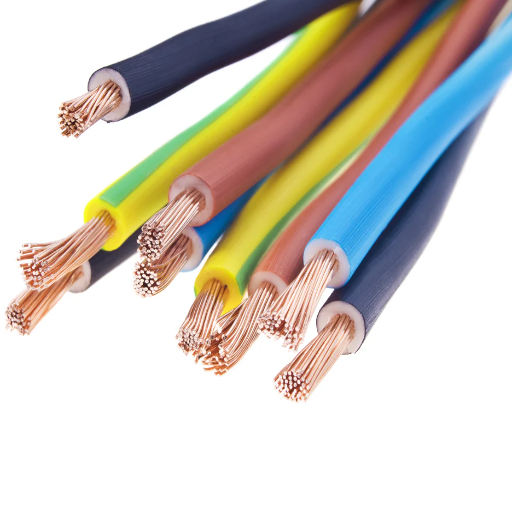
Specific vital procedures should be followed to ensure wire and cable handling is carried out efficiently and safely. For instance, always place wires and cables in a clean and dry area so they are not exposed to damaging moisture or dirt. Label and identify wires and cables correctly and keep them well-organized to prevent tangling or misidentification; these happenings cause costly delays during installation or maintenance. When bending cables, do not go beyond the minimum bend radius given by the cable manufacturer lest they lose some of their structural integrity or performance. Also, the cables should be installed with appropriate tools and equipment, such as reels and cable pullers, to minimize strain and damage to the cables. Cables must be regularly inspected and tested for wear and tear, or aging, and those showing any signs of deterioration should be replaced immediately. If these practices are followed, they will be afforded safety standards, increased cable lifespan, and overall efficiency of operations.
Proper Packaging Techniques
Packaging techniques are crucial in maintaining the integrity and performance of materials during storage, shipment, and handling. Using durable materials appropriate for particular items is key; for instance, moisture-resistant packaging offers protection from rain, whereas shock-absorbing packaging can protect fragile items against shocks in transit. Roughly 30% of product losses during transit are attributed to poor packaging; hence, meticulous preparation is essential for the product’s safety.
For example, wires and cables must be coiled tightly to prevent tangling and stored in protective sheaths to guard against abrasion and water damage. Labeling is also essential; handling instructions and product details should be printed on the packages to ensure correct handling throughout the supply chain. These preventatives—vacuum packing, bubble wrapping, and crate padding—reduce contamination and collision risks that are especially hazardous to fragile items or sensitive parts.
By the way, green packaging is fast becoming a buzzword. Recycling solutions and limiting excess packaging could save costs and improve green credentials. The above techniques guarantee that the products will be received in their intended form while contributing to customer satisfaction and operational efficiency.
Transportation Tracking Solutions
Transportation tracking solutions have become a crucial facet in contemporary supply chain management, furnishing shipment visibility and real-time updates across the globe. GPS-based tracking helps companies keep a tab on their cargo and thus ensure prompt delivery, mitigating disturbances. According to reports, 93% of shippers believe visibility is crucial in determining logistics success. IoT sensors and RFID tags can further assist the systems to track variations in conditions like temperature, humidity, or shock; hence, they are instrumental when dealing with fragile or perishable goods.
In addition, many tracking platforms incorporate AI and predictive analytics to help optimize delivery and fuel consumption routes or predict possible delay incidents: predictive models can even feed on the prediction of delivery times by utilizing historical weather and traffic data to provide accurate timelines. The global transportation management systems market, within which the tracking solutions operate, is expected to grow to over $30 billion by 2030, indicating the growing importance of the solutions in various industries. Combining their use allows businesses to improve efficiency, provide better customer experiences, and stay competitive in an ever-demanding market.
Manufacturer Recommendations
Manufacturers may pursue a strategic approach embracing cutting-edge technology and data-driven insights to facilitate optimal performance and maximize customer satisfaction. Predictive maintenance, for one, can help with equipment health monitoring and reduce downtime. According to recent studies, maintenance costs can be decreased by 20%, and downtime can be cut short by 50% with predictive maintenance, a considerable gain in operational efficiency.
Similarly, AI demand forecast helps manufacturers optimize production scheduling and inventory management. Driven by the never-ending demand for more innovative and efficient processes, the global market for AI in manufacturing will reach $16.3 billion by 2027. These improvements focus on higher productivity and lowering waste along sustainability lines.
Finally, to further strengthen any bottleneck analysis, a manufacturer must consider saying “yes” to real-time shipment traceability based on supply chain analytics and be “flexible” with ever-changing market conditions. With the onset of globalization, competition becomes stiffer, making it more critical to deliver projects on time with optimized resource allocation. With these recommendations, the manufacturers will be agile, efficient, and prepared for variations ahead.
Future Trends in Wire Transportation
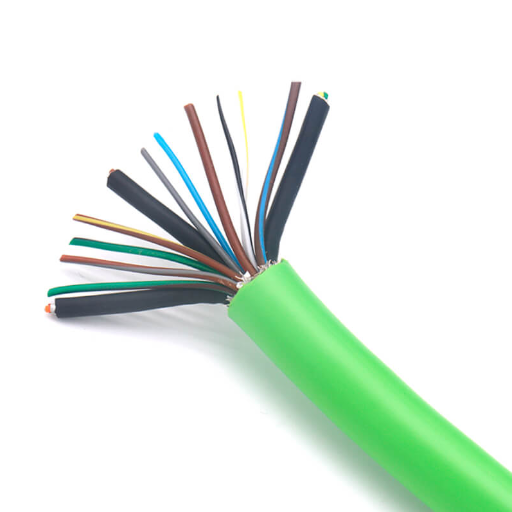
Wire transportation is determined by automation, sustainability, and new inventions. Wire handling is being carried out under automated logistics systems like robotics and AI, aiming to reduce human intervention. Sustainability is the underlying reason for using eco-friendly materials and processes to ensure minimal waste and energy consumption. Moreover, light and tough materials give a thrust, furthering efficiency and cutting costs. These trends point to more innovative and greener wire transportation solutions.
Innovations in Transportation Technology
For me, innovations in transportation technology aim to create a brighter, more efficient, and sustainable system of operations. These include autonomous vehicles, electric or hybrid propulsion systems, or advanced supply-chain technologies. In any case, they should encompass innovation to lessen the environmental threat, increase performance, and satisfy the growing demands of modern industries such as renewable energy and telecommunication.
Emerging Markets and Opportunities
Enhancement of transportation infrastructure is a booming sector in several emerging economies, set on a growth path through technological improvements and increasing urbanization. For instance, the global EV market is expected to grow at a CAGR of 23.1% between 2023 and 2030, with EVs widely adopted in Asia-Pacific and Europe. China is the largest EV market and is expected to expand further, accounting for nearly 50% of global EV sales by 2030.
On the other hand, the autonomous vehicle sector is also growing, estimated at $94 billion in 2022 and anticipated to reach $600 billion by 2035. North America and Europe are the principal regions fostering this growth, with governments providing policy support and investing in self-driving technologies.
Although emerging, the hyperloop shows tremendous growth potential. Its focus is on linking major cities in mainland United States, the Middle East, and India. This transport type can drastically reduce commuters’ travel time while promoting sustainability by lowering carbon emissions.
Emerging regions offer growing opportunities for smart public transit systems. Africa is one such region, as rising urbanization creates demand for efficient transport networks. With smart infrastructure and innovative technology investments, cities like Nairobi and Lagos are getting positioned at the forefront of next-generation mobility solutions.
Such development in emerging markets signals a worldwide trend towards greener, better-connected, and more accessible transportation solutions for industry leaders and investors.
Regulatory Changes Impacting the Industry
Regulatory frameworks around transportation are rapidly changing to suit the ever-growing need for sustainable and efficient mobility options. Governments worldwide are imposing tighter emission standards to address the cause of climate change. For example, the EU has targeted reducing greenhouse gas emissions by 55% compared to 1990 levels by 2030, which carries heavy consequences for the automotive and transport sectors. Similarly, the US, Canada, and others offer tax credits or subsidies for electric or zero-emission passenger vehicle purchases.
Regulatory changes are also stimulating innovations in urban transport systems in Africa. For instance, Nigeria has recently promulgated policies to promote local manufacturing of electric vehicles to curb dependency on imported fossil-fuel-powered vehicles. Meanwhile, Rwanda promotes the electric and hybrid vehicles market by removing import taxes.
From a technological viewpoint, data-driven regulatory frameworks are emerging as another area of focus, with governments imposing data privacy and cybersecurity requirements on connected vehicles that become heightened. Policymakers incentivize innovative infrastructure development by investing in intelligent traffic systems or vehicle-to-infrastructure communication. This comes as a great challenge and opportunity, prompting the industry stakeholders to reorient their strategies to remain viable in this evolving regulatory environment.
Reference Sources
Charge transport through extended molecular wires with strongly correlated electrons
Frequently Asked Questions (FAQs)
What is wire transportation in the transportation industry?
Wire transportation refers to the methods and systems used to move various types of wires within the transportation industry, including power, control, and signal cables. These wires are essential for powering and controlling vehicles, infrastructure, and communication systems.
How do power cables play a role in wire transportation?
Power cables are vital in wire transportation as they supply electricity to various systems, including motors and control mechanisms. These cables are designed to meet or exceed strict specifications and are meticulously manufactured to ensure reliability and safety in transportation applications.
What types of control cables are used in automotive wire transportation?
In the automotive industry, control cables transmit signals between different vehicle components. These cables must be high-quality and able to withstand the challenging environments found in vehicles, ensuring the effective control and operation of essential systems.
How does signal cable technology affect wire transportation systems?
Signal cables are crucial for communication between devices in wire transportation systems. They enable the transmission of data and control signals, ensuring that all components are synchronized and functioning correctly, which is essential for safety and efficiency.
What are the specific requirements for wire transportation in the transportation industry?
Specific requirements for wire transportation often include the need for high-quality materials, adherence to safety standards, and durability to withstand environmental factors. Engineers must consider range, pull strength, and connector compatibility to ensure optimal performance.
Can custom solutions be developed for wire transportation needs?
Yes, many manufacturers offer a wide range of custom solutions tailored to meet the specific requirements of different industries, including the automotive sector. These solutions can include specialized wire types, connectors, and configurations to ensure maximum efficiency and reliability.
What materials are commonly used in wire transportation systems?
Steel is often used in wire transportation systems due to its strength and durability. Additionally, high-quality insulation materials protect the wires from environmental damage and enhance performance in various applications.
How does technical expertise impact the wire transportation industry?
Technical expertise plays a crucial role in the wire transportation industry. Engineers and manufacturers utilize their knowledge to design systems that not only meet industry standards but also provide solutions that are efficient, reliable, and capable of handling the demands of modern transportation.
What are the benefits of using top-tier products in wire transportation?
Using top-tier products in wire transportation ensures reliable, efficient, and long-lasting systems. High-quality materials and meticulous manufacturing processes also contribute to reduced maintenance costs and enhanced safety in transportation applications.