

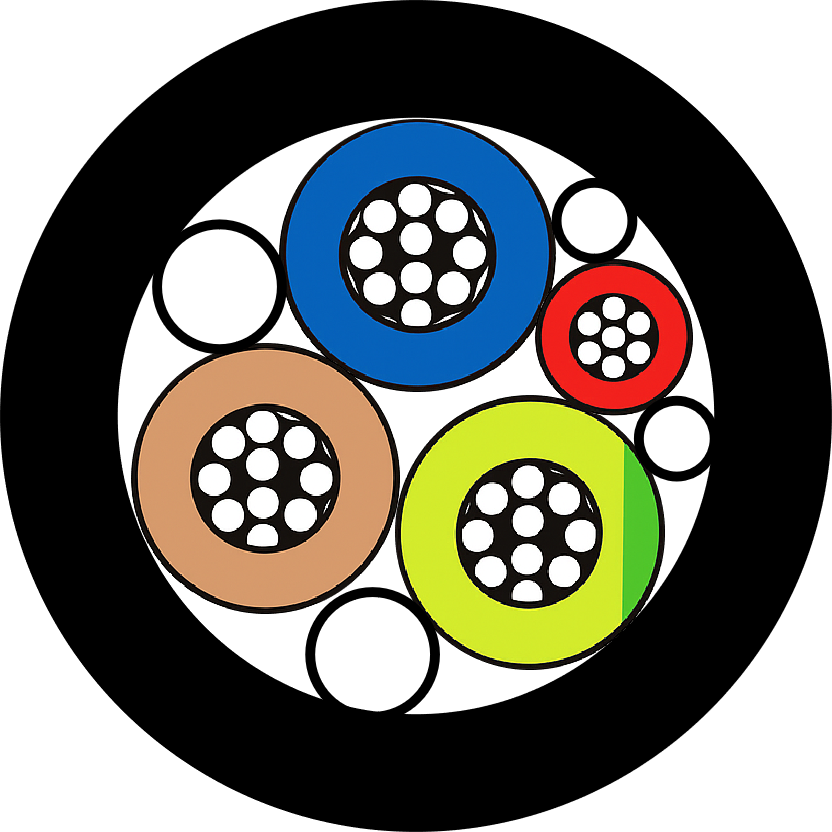





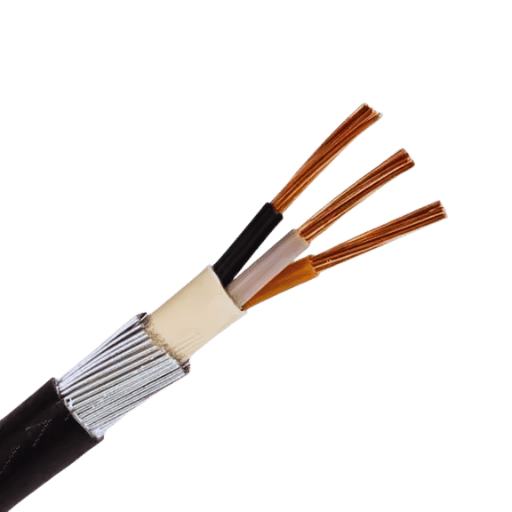
No one can compromise on the reliability and durability when it comes to electrical work and power distribution. Consider the 6mm SWA cable; it is an armored cable suitable for harsh environments, yet it provides efficiency and safety. If you deal with underground systems, outdoor structures, or any industrial work, considering the features and applications of this cable type is imperative for informed choices. This guide is designed to provide basic knowledge concerning the technical aspects, practical advantages, and broad uses of 6mm SWA cable so as to enable you to exploit its full potential for your upcoming projects. Keep watching to learn with me why this armored cable is so revered by professionals and specialists in many industries.
What is 6mm SWA Cable and How is it Used?
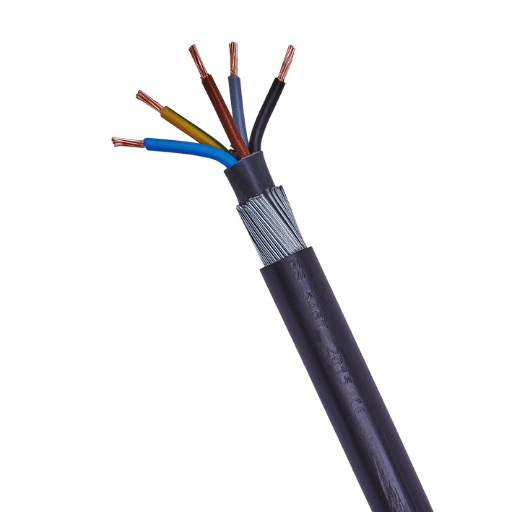
The 6mm Steel Wire Armored (SWA) cable is an armored electrical cable used for power supply and protection in rugged working conditions. Each Steel Wire Armored (SWA) cable consists of a copper conductor, an insulating layer, and protective steel wire armor that safeguards the cable from mechanical damage. This makes it ideal for use in underground installations and some outdoor operations with harsh working conditions, high durability, and security requirements. It is commonly used for the power supply of equipment serving garden offices, workshops, and industrial machinery. The 6mm² cross-sectional area of the cable ensures adequate carrying capacity for electric currents in medium power demand applications; thus, it is reliable in both residential and commercial constructions.
Key Features of 6mm SWA Armoured Cable
- Durability: Even in extreme settings, the reliability of the equipment is ensured by the steel wire armoring which safeguards from mechanical damage.
- Corrosion Resistance: Can be installed above and below ground level due to its outdoor and underground placement resistant to corrosive wear.
- High Load Capacity: This could be used in many fields since the 6mm² cross-sectional area accommodates medium power demands.
- Fire Resistance: Provides safety from fire hazards as its high-temperature safety features protect circuitry from burning.
- Versatility: In homes, businesses, and manufacturing facilities, it can be used for powering machinery, lights, and workspaces or for other purposes.
- UV Protection: Can be placed outside as its insulation prevents it from being affected by ultraviolet rays over extended periods of time.
- Electrical Efficiency: Operates by carrying electric current with diminished waste of energy.
- Safety Compliance: Complies with industry standards for electric wire setup and installation through the quality control processes used for fabrication.
Applications of 6mm SWA Cable in Power Networks
- Underground Power Distribution: Excellent for power transmission in underground systems because of its armored steel wire construction and vulnerability to physical damage.
- Outdoor Lighting Systems: Used for lighting in gardens, streets, and for general outdoor venue purposes.
- Renewable Energy Projects: Ideal for linking solar panel arrays and wind turbines to inverters and grid systems.
- Industrial Equipment Power Supply: Ensures electrical connections for heavy machines and industrial equipment.
- Commercial Building Electrical Systems: Applied for power distribution in office buildings, retail outlets, and warehouses.
- Temporary Power Installations: Used during outdoor events and construction sites which require durable and temporary electrical wiring.
- Sub-Main Circuits: Used very frequently in homes and commercial buildings to connect substations as well as for powering different zones.
Benefits of Using Steel Wire Armoured Cable
- Durability: Endurance against consistent mechanical strain optimizes functionality in tough environments.
- Enhanced Protection: Operational safety is ensured as physical impact has additional protection due to steel wire armor.
- Resistance to External Elements: Suitable for harsh and outdoor conditions as it’s exposed to heat, harsh moisture, and chemicals.
- Long Lifespan: The Operational life of the cable is enhanced because the strong construction maintains wear and tear.
- High Load Capacity: Functions best for commercial and industrial uses as it endures high voltage and current simultaneously.
- Versatility: Allows for varied installation conditions, from underground, direct burial, and external to above ground installations.
- Fire Resistance: Lowered fire and safety risk permits compliance with safety regulations, optimal for reducing fire hazards.
- Electrical Interference Reduction: Stable power delivery is ensured through the use of steel armor which reduces electromagnetic interference.
- Cost-Effective Over Time: Long-term economic value is provided through lower maintenance costs while still receiving reliable performance.
How to Install 6mm SWA Cable Correctly?
Essential Tools for Installing Armoured Cable
Installation of SWA (Steel Wire Armoured) cable 6mm SWA requires gathering the appropriate tools for safety and efficiency requirements. Based on trends from recent publications on installations done by professionals, the following tools are indispensable:
- Cable Cutters: A set of armored cable-specific professional-grade cable cutters is necessary to make clean cuts without damaging the cable cores.
- Stripper Tools: These specialized tools enable the user to take off the armored cable sheath and steel armor layers, reducing the chances of internal wire damage.
- Crimping Tools: The lugs or connectors are firmly secured to the cable ends which demands proper crimping tools to give reliable electrical connections.
- SWA Gland Kits: These include glands, locknuts, and shrouds designed for SWA cables terminating points, giving protection and sealing against SWA fluid ingress, ensuring safe operation.
- Drill and Masonry Bits: Cables that must pass through surfaces and walls need a clean passage so that a drill equipped with proper masonry bits can be used.
- PPE: Equipment like gloves, safety goggles, and insulated boots is essential for personal safety during the installation.
- Torque Wrench: Used for tightening gland nuts to the torque values specified by the manufacturer, ensuring correct mechanical and electrical operations.
- Voltage Tester or Multimeter: Important for confirming the electrical quality of the cable after installation, checking for correct contact, and appropriate insulation.
With these instruments and relevant safety procedures, professionals are able to make certain that the 6mm SWA cable installation satisfies the standards and is reliable for the intended function.
Step-by-Step Guide to Securing SWA Cable with Cable Cleats
- Prepare the Work Area: Sanitize and organize the area to guarantee it is free from any hindrances that obstruct a smooth installation process.
- Select the Appropriate Cable Cleats: Based on the specifications and diameter of the 6mm SWA cable, make a decision on the type and size of cleats required.
- Mark the Cleat Positions: In line with industry standards, the spacing between the cable cleats must maintain a certain distance in order to avoid undue drooping or movement.
- Drill Mounting Holes: Utilize a drill bit compatible with mounting hardware and is of the same diameter and size to the holes that need to be drilled.
- Install the Cleats: Using proper screws or bolts, the cleats should be affixed accurately with no movement along the planned route of the cable.
- Position the SWA Cable: Ensure the 6mm SWA cable is placed into the cleats neatly without twists or excessive bends while following the designated route.
- Secure the Cable in the Cleats: Tighten each cleat’s securing mechanism without over-exerting force to prevent any unnecessary damage to the cable.
- Conduct an Installation Inspection: Since cables and cleats undergo an installation procedure, it’s imperative to check the installation. This inspection includes verifying that all cleats have been affixed properly, the cable is taut, and checking for any damage.
Following these procedures allows experts to strategically anchor the SWA cable using cleats, which guarantees safety and dependability for years to come.
Common Mistakes to Avoid in SWA Cable Installation
Standard wire assembly (SWA) cable installation errors often consist of: overbending, incorrect cable selection, inadequate grounding, improper gland installation, insufficient markings, and lack of consideration for external predisposing factors
|
Key Point |
Description |
|---|---|
|
Overbending |
Exceeding the bend radius damages cables. |
|
Wrong Cable |
Using unsuitable cables for the job. |
|
Poor Grounding |
Improper grounding risks safety. |
|
Gland Issues |
Over-tightening or poor installation. |
|
No Labeling |
Unlabeled cables complicate maintenance. |
|
Env. Factors |
Ignoring harsh conditions damages cables. |
|
Overloading |
Exceeding load capacity causes overheating. |
|
Unsafe Routes |
Running cables in risky locations. |
|
No Testing |
Skipping post-installation checks. |
|
Code Violation |
Ignoring local standards and codes. |
How to Choose the Right 6mm SWA Cable for Your Needs?
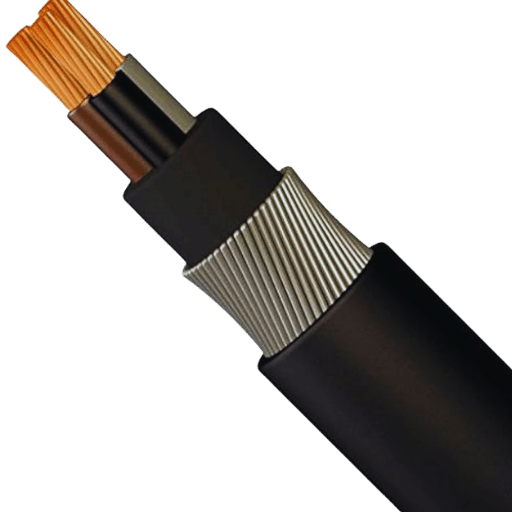
Factors to Consider: Cable Size, Amps, and Voltage
When evaluating the use of a 6mm SWA cable, it is imperative to consider the following so that the operational efficiency and safety are not compromised:
- Cable Size: The cross-sectional area of the cable must be determined by the system’s current-carrying capabilities. A 6mm cable works best with a medium-load system, although installation conditions and length will also be crucial determinants.
- Amps (Current Rating): Define the upper threshold of current the circuit will support (in amps). Cables will overheat due to high amp flow, thus posing a safety hazard and reducing their lifespan.
- Voltage Drop: Assess the drop in voltage across the ends of the cable. Pay special attention to delivering sufficient power to equipment located at the far end of the circuit. Reducing voltage drop to the accepted limits is vital, as its reduction is mandatory for optimal device performance.
- Installation Environment: Exposed to UV radiation, chemically active environments, or underground installation—these are just a few of the conditions that need to be assessed. Cables need protective armoring and additional insulation to successfully endure such environmental rigors.
- Compliance with Standards: Cables need to comply with the specified norms of the industry and other local legislation concerning safety and legality.
- Future Scalability: Plan for prospective future increases in load and choose a cable size that supports these enhancements while still performing optimally.
Considering these parameters will help safeguard that your cable selection supports both existing needs and offers sustained dependability and performance throughout its lifecycle.
Comparing 3 Core SWA vs. Other Cables
3 Core SWA cables provide robust versatility, but unlike GSWB, LSZH, AWA, and single-core cables, they do not offer flexibility and lighter weight, which are their primary advantages along with suitability for specific applications.
Below is a summary comparison in tabular form:
| Parameter | 3 Core SWA | GSWB | LSZH | AWA | Single Core |
|---|---|---|---|---|---|
|
Strength |
High |
Moderate |
Low |
Moderate |
Moderate |
|
Flexibility |
Low |
High |
Moderate |
Low |
High |
|
Weight |
Heavy |
Light |
Light |
Light |
Light |
|
Durability |
High |
Moderate |
Low |
Moderate |
Moderate |
|
Usage |
Underground |
Marine |
Public areas |
Long distance |
High power |
|
Cost |
High |
Moderate |
High |
Moderate |
Moderate |
|
Installation |
Difficult |
Easy |
Moderate |
Moderate |
Easy |
Understanding 6943x and 6943xlh Specifications
Specifications of 6943X and 6943XLH cables also cover the conductor material, type of insulation, sheath material, voltage and temperature ratings, as well as compliance with BS standards.
| Parameter | 6943X | 6943XLH |
|---|---|---|
|
Conductor |
Copper |
Copper |
|
Insulation |
XLPE |
XLPE |
|
Sheath |
PVC |
PVC |
|
Voltage |
600/1000V |
600/1000V |
|
Temp Range |
-15°C to +90°C |
-25°C to +90°C |
|
Cores |
3 |
3 |
|
Standards |
BS5467 |
BS5467 |
|
Armour |
Steel Wire |
Steel Wire |
|
Color |
Black |
Black |
What are the Components of a 6mm SWA Cable?
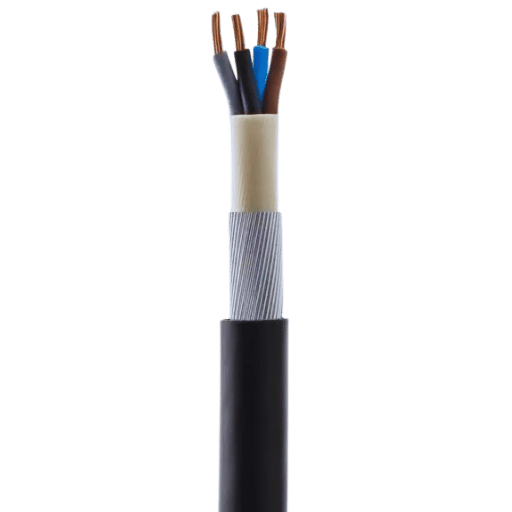
Understanding the Role of the Steel Wire Armour
Steel Wire Armor (SWA) is a particularly protective element in 6mm SWA cables, especially in case of durability and mechanical protection. The armor’s steel wires also add to the strength and resilience of the cable by permitting high tensile stresses, impacts, and other forces to be exerted on them. This makes SWA cables convenient for outdoor installation, underground systems, or any physically damaging environment.
Besides providing mechanical protection, the steel wire serves an equally vital purpose as an earthing conductor, thus improving electrical system safety. It ensures fault currents are routed as required, which reduces electrical hazards. As armor steel also provides certain functionalities, it must comply with performance and installation requirements, resulting in meeting the BS5467 standards. These combined justify the importance of SWA towards the structural and electrical safety of power distribution networks.
The Importance of PVC Outer Sheath and Insulation
The preventive sheath and insulation from PVC materials are essential in cable manufacturing as they provide protective features and improve the functionality of the cable. PVC materials are known to be tough and flexible while also providing moisture, chemical, and UV radiation protection. As with any material, PVC outer sheaths are protective barriers to physical impacts, scratches, and any extreme weather that can damage the cable’s structural parts. At the same time, the insulation layer, which is also made from PVC, provides strong electrical insulation, thereby ensuring no current leakage occurs, thus keeping the system reliable.
People seem to be more interested in the use of PVC . This can be attributed to the rise in devising new methods of mounting PVC materials for plumbing and electrical services. In addition, newer formulations of PVC increase its ability to withstand rigorous conditions, higher temperatures, and make its use essential in modern industrial, commercial, and residential cabling systems. Hence, the use of PVC in outer sheathing and insulation helps ensure safety, increases durability and effectiveness, ensures reliable operation in servicing electrical systems, and meets the needs of changing electrical systems.
Exploring the Construction of Core SWA Cables
Core Steel Wire Armoured (SWA) cables include a stranded copper conductor, Cross-Linked Polyethylene (XLPE) insulation, PVC bedding, steel wire armoring, which provides mechanical protection, and a black PVC sheath, which offers UV resistance and adds to the durability of the cable.
How to Maintain and Troubleshoot 6mm SWA Cables?
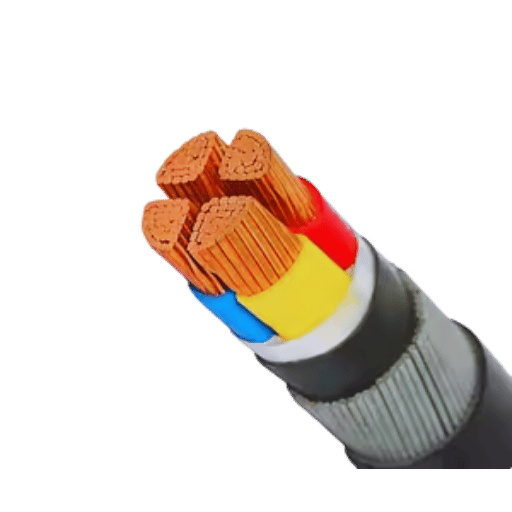
Routine Checks for Armoured Cable Longevity
Regular inspections for overheating of armored cables include checking for physical overheating damage, corrosion, cracking, or rust, chemical exposure, insulation and continuity tests, alongside dismantling, as well as thorough regular maintenance like earth resistance and partial discharge tests to ensure safety and reliability.
Identifying and Fixing Common Issues in SWA Cable
1. Physical Damage
- Cause: Damage can be caused by accidental impacts, external abrasions, or exposure to harsh environmental conditions.
- Solution: Inspect the damaged area and restore integrity by replacing or repairing the cable with suitable jointing kits–complete inspection and repair cycles on critical joints as needed to restore integrity.
2. Water Ingress
- Cause: Moisture exposure over time or improper sealing at cable glands.
- Solution: Identify the source of moisture, reseal weatherproof fittings at the cable glands, and replace any other compromised sections.
3. Corrosion of Steel Wire Armoring
- Cause: Poor protective measures or prolonged exposure to corrosive environments.
- Solution: Maintain mechanical protection by applying anti-corrosion coatings or replacing the corroded armoring.
4. Degraded Sheath or Insulation
- Cause: Exposure to UV radiation, chemical spills, or aging of the PVC sheath.
- Solution: Repair shielding and external environmental protection breaches, and recheck passive shielding elements to ensure cables are properly shielded.
5. Loose or Improper Cable Glands
- Cause: Incorrectly performed initial setup, or due to aging and repeated use.
- Solution: Check and tighten cable glands while verifying strain relief, proper sealing, and integrity at all connection points.
6. Faulty Conductors or Broken Internal Wires
- Cause: Excessive mechanical force, poor installation, or fatigue of materials.
- Solution: Repair or replace the faulty conductor section after performing continuity and insulation resistance tests to pinpoint the faults.
7. Electrical Overloading
- Cause: Maintaining the cable’s current load beyond its designed operating threshold.
- Solution: Supervise the load and reallocate it or change to a more suitable cable specification to avoid overheating.
8. An Inadequate or Poor Earthing Connection
- Cause: An improper or aged-earth arrangement systematically fails over time.
- Solution: Check earth continuity, mend broken connections, replace the faulty parts, and ensure compliance with grounding standards.
If these issues are addressed quickly, along with taking the corrective actions identified, it is possible to maintain the performance, safety, and longevity of 6mm SWA cables effectively.
Ensuring Safety with Proper Cable Insulation
Untuk menjamin keselamatan dengan penebat kabel yang tepat, saya akan memfokuskan kepada pemilihan bahan penebat yang sudah teruji dan memenuhi steranda yang berlaku dalam industri. Selain itu saya akan melakukan pemeriksaan secara berkala terhadap penebat cable untuk melihat kemungkinan adanya keausan, kerusakan, atau penurunan kualitas dari material tersebut dan mengatasi segala hal yang berkaitan dengan deteriorasi secara langsung untuk menghindari kemungkinan cidera. Melaksanakan pemeriksaan berkala dan mematuhi praktik profesional pada instalasi merupakan langkah penting yang saya ambil untuk melindungi materiali penebat dan menjamin keselamatan untuk jangka panjang.
Frequently Asked Questions (FAQs)
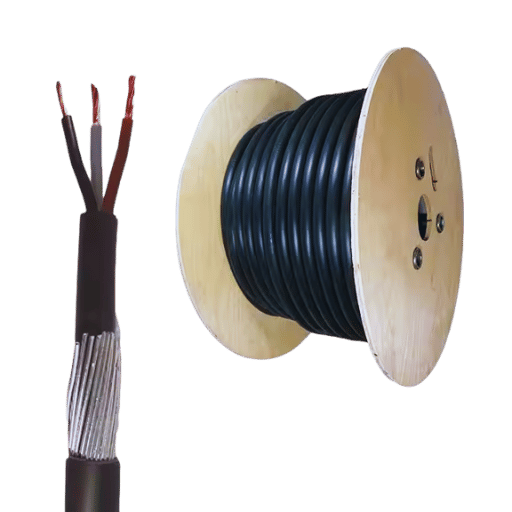
Q: What is a 6mm 3 core SWA armoured cable, and where is it commonly used?
A: A 6 mm³ core SWA armoured cable, also known as a 3-core armoured cable, is a power cable utilized for both outdoor and indoor uses. It is frequently used for mains electricity supply, direct burial in the ground, or through ducts. This cable type is appropriate for a wide range of purposes, including lighting circuits and supplying mains electricity to outbuildings.
Q: What does SWA mean in 6mm SWA PVC cable?
A: SWA stands for Steel Wire Armoured, which is the protective covering consisting of concentric layers of steel wire. It protects the main conductor from harsh physical environments and strengthens resistance against mechanical impact, making it suitable for harsh conditions.
Q: What is the significance of XLPE insulation in a 6mm² 3-core SWA armoured cable?
A: XLPE or cross-linked polyethylene is utilized as an insulation material in the 6mm² 3-core SWA armoured cable. It provides exceptional thermal and electrical insulating capability, which enhances safety and keeps processes efficient in various applications, especially those with high temperatures and high stress.
Q: What are the procedures for installing a gland and connector on a 6mm 3 core SWA armoured cable?
A: Work with the gland and connector requires outer sheath and armor stripping, as well as making sure the gland is affixed properly. Ideally, this type of work should be performed by a licensed electrician to be compliant with British Standards, especially for safety while connecting to mains electricity.
Q: How much does a 6mm 3 core SWA armoured cable cost per metre?
A: A 6 mm³ core SWA armoured cable price per meter will differ based on the supplier and the project details. It is best to check with suppliers around your area for more precise pricing based on your project.
Q: Is it permissible to use a 6mm 3-core SWA armoured cable for enclosed spaces?
A: Certainly, a 6 mm³ core SWA armoured cable is permitted for use in enclosed spaces. The robust sheath, along with multi-core construction, enables the cable to be used in varied indoor and outdoor environments, thereby increasing its applicability in diverse electrical installations.
Q: What is the role of the earth core in a 3-core steel wire armoured cable?
A: The earth core in a 3-core steel wire armoured cable serves as a safety grounding mechanism for potential faults, offering protection against electrical leakage. It is critical in reducing shock hazards and augments the safety features of any electrical system.
Q: Why is it important to adhere to British Standards while installing a 6mm 3-core SWA Armoured Cable?
A: Compliance with British Standards is essential because it guarantees that the installation of a 6mm 3 core SWA armoured cable is performed accurately while meeting safety standards and legal regulations. With clearly set instructions, these standards aid in minimising electrical installation-associated risks optimally.
Q: What are the advantages of a 6mm 3-core SWA armoured cable in a power supply project?
A: The advantages of a 6mm 3 core SWA armoured cable include its durability, along with proper resistance to extreme conditions aside from electrical performance, owing to the XLPE insulation. Furthermore, the cable is highly adaptable, catering to power supply installations in commercial and residential properties.
Q: What are the maintenance requirements for 6mm 3-core SWA armoured cables?
A: For 6mm 3 core SWA armoured cables, regular maintenance by a licensed electrician is necessary for consistent performance. Maintenance activities include monitoring the outer sheath for any damage, loose connectors and glands, and checking for safety compliances and performance standards set by British Standards.
Reference Sources
1. Application of Method Failure Mode and Effect Analysis (FMEA) To Identify The Causes Of Defect On CU/XLPE/SWA/PVC Low Voltage Power Cable At PT Jembo Cable Company Tbk
- Author: Freddy Sunarko
- Year of Publication: 2010
- Abstract: This research describes the use of Failure Mode and Effect Analysis (FMEA) in identifying defects in low-voltage power cables of type CU/XLPE/SWA/PVC. The research underscores the necessity of thorough analysis for the enhancement of the quality and reliability of products in cable manufacturing industries.
- Methodology: The old FMEA method was applied to analyze and assess possible failure processes within the fabrication operations of the work pieces and their impact on the work piece quality.
2. A New Approach to Diagnostics and Troubleshooting of Multicore Power Cables Based on Pseudorandom Binary Sequences
- Authors: H. Geisler, R. Guinee
- Publication Date: 2009
- Summary: In this paper, the authors explain a novel approach to diagnosing faults in multicore power cables using pseudorandom binary sequences (PRBS). Effectively locating faults within power cables significantly enhances maintenance efficiency and operational readiness.
- Methodology: This study employed PRBS as test stimuli for fault localization and used correlation methods to evaluate the reflected signals from the cable under test.
3. General Electrical Specification – A specification document from Aston University elaborating on the types of armoured cables Cu/ XLPE/ SWA/ PVC.