







Tray cables are indispensable in modern electrical and industrial setups, as they provide guaranteed power, control, or signal transmission from point A to point B in different environments. The types of tray cables and their specifications, however, tend to be overwhelmed by the numerous varieties present in the market. Thus, this resource is designed to demystify the intricacies of tray cables, including their classifications, primary features, and optimal applications. Whether you are an engineer, contractor, or anyone interested in making informed decisions about wiring systems, this article will provide you with the clarity needed to choose a suitable tray cable for your next project. Ready to explore the basics of tray cable types and wire your systems for success?
Introduction to Tray Cable
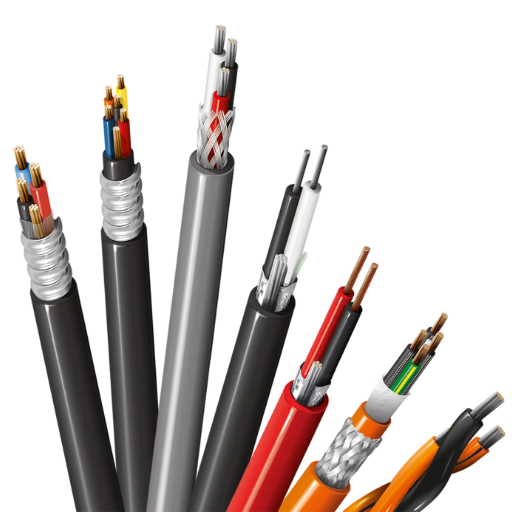
Industrial cables are multi-purpose cables designed for industrial and commercial installations, having a rugged construction. These cables are primarily used in power transmission, control signaling, and data communication, where they require mounting into tray systems, conduits, or ducts. These cables remain resistant to environmental attacks of moisture, heat, and chemicals; hence, they find applications both indoors and outdoors. These cables typically adhere to safety and performance standards, ensuring they work reliably under demanding conditions.
What is Tray Cable?
Tray cable is a versatile and durable type of cable with a wide range of applications, including both industrial and commercial uses. These cables are commonly used to convey power, control, and communication data within trays, ducts, or conduits. Tray cables are designed for severe environments, basically giving resistance to moisture, heat, chemicals, and even UV radiation. These parameters qualify the cable for either strictly indoor or strictly outdoor installations, including those outside plant buildings, inside utility buildings, and residential buildings.
Tray cables are classified into several categories based on their construction or intended usage. Power tray cables (TC) are generally installed for power distribution and control circuit applications, whereas instrumentation tray cables (ITC) are intended for sensitive control system circuitry.
Modern tray cables are manufactured to meet industry standards, including UL standards and NEC standards. These stringent standards enforce the highest level of reliability, durability, and safety through the most adverse operating conditions. Many tray cables are also flame-retardant and jacketed with either thermoplastic or thermosetting materials. They can be armored or unarmored and may have additional shielding to reduce electromagnetic interference, depending on their particular application.
Statistics verify a higher demand for tray cables globally, with classic growth being witnessed in the automation and energy sectors. This market of tray cables shall witness a CAGR of more than 4% over the next decade, owing mainly to the growth of renewable energy projects and innovative grid technologies. This emerging demand highlights the importance of tray cables in modern infrastructure and industrial systems.
Applications of Tray Cable
Tray cables are a vital asset in industries across the board due to their resistance to abrasion and chemicals, versatility, and compliance with stringent safety standards. These cables find their primary applications in power and control systems, as well as signal transmission, across various industries.
Industrial Automation: During Industry 4.0, tray cables become fundamental components in enabling equipment and automated machinery to function correctly. They withstand harsh environments, even in the presence of oil, chemicals, and extreme temperatures, thanks to their robust design. For instance, tray cables are used in manufacturing plants to provide production lines with dependable control and data transmission.
Energy and Power Generation: Tray cables are utilized in renewable energy systems, such as solar and wind power plants, to connect solar panels to inverters, ensuring reliable power transmission. Market research indicates that the solar energy sector is expected to experience a 7.4% annual growth rate by 2030, which is further enhanced by tray cable solutions that offer high durability and efficiency.
Building and Construction: Tray cables are commonly utilized within commercial and residential buildings for use with lighting systems, security systems, and heating solutions. They are flame retardant to ensure their compliance with fire safety regulations in risky applications. Since tray cables support long runs without any additional conduit, they are great cost savers in construction.
Transportation and Infrastructure: Tray cables are key components of railways, airports, and other infrastructure projects. Applications include signal systems, power distribution, and communication networks. Infrastructure investments are expected to rise on a global scale, further underscoring the importance of reliable conductors, such as tray cables.
The Oil and Gas Industry: Tray cables, designed to withstand extended periods of moisture, high temperatures, or chemical corrosion, are essential for the setup of oil rigs, refineries, and pipelines. They are necessary to ensure operational safety while performing various power and control functions.
Together, these applications paint a vivid picture of how tray cables and other products have become the backbone of contemporary industries and the world’s pursuit of technological improvement. They stand as a testimony to the reliability, safety, and versatility that have come to define the infrastructure and technological base.
Benefits of Using Tray Cable
Tray cables enjoy a unique set of guarantees for their usage outside industrial, commercial, or trades practices. One of the principal characteristics of tray cables is their strength. These cables are designed to withstand harsh conditions, extreme temperatures, chemical splashes, and physical stress of all kinds. A newer type of tray cable can withstand temperatures ranging from -40°F to 194°F (-40°C to 90°C), the type of durability one would need in an atmosphere where icy outdoor conditions meet a high-heat industrial environment.
Another benefit is the flexibility of installation. They are laid in an open area, conduit, or cable tray without any armoring requirement, hence saving labor and material costs. They qualify for a rigorous safety standard, thereby providing protection and safety in an environment where danger abounds.
A wide range of configurations is also available for the tray cables to be employed in various power distribution, control signal, or data transmission systems. For example, shielded tray cables are typically used to prevent electromagnetic interference in sensitive applications, thereby enhancing system performance and accuracy.
Tray cables would offer long-term savings. Due to their rugged construction, they are less prone to maintenance and repairs, and therefore have a longer lifespan, which reduces the costs incurred for replacement and repair. Modern improvements to tray cable materials include energy efficiency, such as thermoplastic insulation or rubber insulation, without compromising performance.
This highlights the reason that tray cables are seen as the lifeline for a safe and effective industrial requirement. The combination of reliability, flexibility, and cost-effectiveness would have gone a long way to support the smooth operation of an industry in a challenging operational environment.
Types of Tray Cable
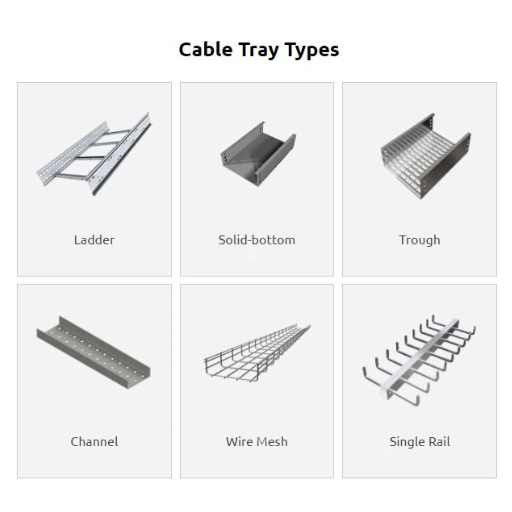
Power Tray Cable (Type TC): Power tray cables are used to transmit power to industrial settings and commercial ones for lighting, power distribution, and control circuits.
Control Tray Cable (Type TC): These cables transmit signals to control equipment or machinery, requiring precise operational control.
Instrumentation Tray Cable (Type ITC): These cables enable low-energy signal transmission and processing in instrumentation setups, primarily used for monitoring and measurement purposes.
Fire-Resistant Tray Cable: These cables are specifically designed for high-temperature areas, ensuring both safety and optimal performance.
Shielded Tray Cable: These cabling systems offer some degree of shielding from interference, making them suitable for use in sensitive electronic systems.
Type TC: Tray Cable
Type TC tray cables are versatile and trusted wiring bases used in industrial power distribution, control circuits, and signal transmission scenarios. They meet stringent safety standards, including UL 1277, which signifies approval for use in cable trays and raceways. More often than not, Type TC cables are designed as multi-conductor cables with an insulation layer comprising high-quality materials, such as PVC or cross-linked polyethylene (XLPE), which provides resistance to heat, chemicals, and abrasion.
The cables come with variable voltage ratings, typically ranging from 600 V for most configurations. They are also available with shielding or armor for extra protection against EMI and physical damage, making them an appropriate choice for sensitive environments. They can operate within temperature ranges of -40°C to 90°C, ensuring smooth functioning even in the face of harsh heat or cold.
Type TC tray cables are designed for use both indoors and outdoors, with a jacket resistant to weather. In some cases, they are permitted for direct burial. The jackets are also sunlight resistant, thereby ensuring a long life in exposed environments. Typical applications include supplying motors, lighting circuits, and other industrial equipment. Due to their high performance and reliability, Type TC tray cables remain the preferred choice for many commercial and industrial applications, despite meeting very stringent electrical standards.
Power Limited Tray Cable (PLTC)
Power Limited Tray Cable (PLTC) is a specialized type of cable designed for low-voltage systems, suitable for use in industrial and commercial settings. The cable above finds usage in control systems, fire alarms, security systems, and building automation systems. PLTC cables typically undergo heavy insulation and jacket treatment to protect them from physical, chemical, and environmental damage, thereby ensuring their longevity in harsh installations.
According to standards, they are only rated for 300 volts, with a testing range from -20°C to 105°C, which is well within safe confines. Most PLTC cables have a sun-resistant jacket, which allows for direct burial, making them suitable for both indoor and outdoor use. In many applications, some of these PLTC cables get shielded from EMI to ensure reliable and constant data transmission.
PLTC cables satisfy NEC requirements and are generally considered under UL Standard 13. They can commonly be purchased in various configurations, from one-pair cables to many-conductor types, to suit any operational need. With their sleek design and rugged build, these cables offer an efficient and cost-effective solution for low-voltage applications across various industries.
Control Tray Cable
Control Tray Cable (CTC), also referred to commonly as an industrial control cable, is a highly versatile cable type used for control, signal, and power applications. Conforming to standards such as UL 1277, CTC can be installed in both hazardous and non-hazardous environments. They are typically rated for a voltage of 600 volts and designed to withstand harsh environments, including exposure to moisture, chemicals, oil, and sunlight.
CTCs are insulated with thermoplastic or thermoset material, and they may have additional protection or jackets of PVC or chlorinated polyethylene (CPE). Some types come with shielding, such as aluminum/polyester tape or a braided shield, to offer protection against electromagnetic interference (EMI), ensuring no compromise in signal performance. Control Tray Cable also means flame-retardant, requiring the most exacting requirements, such as IEEE 1202/FT4 for limited flame spread.
From single- to multi-conductor options, these cables provide support for a wide range of applications, including motor control, machine tools, conveyors, and process automation systems. There might also be features such as flexible stranding and color-coded conductors for ease of installation and identification. Due to its versatility and robust construction, Control Tray Cable is a crucial component of modern industrial systems, striking a balance between safety and operational efficiency standards.
Specialty Tray Cables
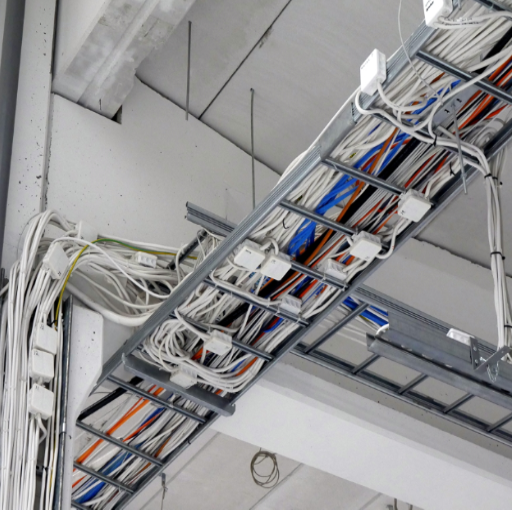
Specialty Tray cables are designed to meet specific industrial requirements that exceed the standard application. Such wires are endowed with properties such as high resistance to extreme temperature conditions and corrosion due to chemicals and other environmental factors. Depending on the industry, such as oil & gas, power generation, and wastewater treatment, these cables are kept at the forefront when measuring durability versus performance. A Specialty Tray Cable can run reliably while adhering to all applicable safety and operational standards.
Power and Control Tray Cable
Power and Control Tray cables are uniquely designed and the most versatile and rugged, while meeting industrial requirements. These jackets are flame retardant and sunlight-resistant, providing reliable service even in extreme weather conditions and under chemical exposure. They are primarily used for transmitting power and control signals in the manufacturing, processing, energy, and wastewater industries. Ensuring reliability and efficiency, Power and Control Tray Cables meet the specifications of UL 1277 and NFPA 79, making them safe for use in cable trays and raceways. The cables are flexible and rigid enough for both indoor and outdoor applications, including direct burial and exposure to UV radiation and moisture.
Wind Turbine Tray Cable
Wind turbine tray cables are specifically designed to meet the requirements of wind energy applications. Built and constructed to withstand harsh environmental conditions, they transmit power and signals within the wind turbines or among turbines and substations. Their resistance capabilities include extreme temperature variations, UV rays, oil, and chemicals, making them suitable for onshore and offshore applications.
These cables meet some of the more stringent standards, such as UL 2277 and ICEA S-93-639, for high performance and safety assurances. Many Wind Turbine Tray Cables have a voltage rating of up to 2000 volts, with insulation materials such as XLPE or EPR, which offer excellent thermal and electrical resistance. Additionally, their rugged outer jackets, often made from a thermoplastic compound, provide substantial resistance to mechanical abuse and abrasion.
In some cases, fiber optic communication and monitoring cabling options are incorporated into these tray cables. They need to be flexible and vibration-resistant to meet the operational requirements of their installation, particularly in turbine systems with rotating and moving parts, thereby critically contributing to the efficiency of a renewable energy system.
Exposed Run Tray Cable
Run tray cables are exposed cables, specifically designed for both outdoor and indoor environments, where they may be subjected to physical and environmental stresses directly. It can be installed without any conduit, provided it meets the safety codes, such as the National Electrical Code (NEC). These cables feature thicker insulation and jacketing materials, such as PVC or other thermoplastic compounds, to withstand UV rays, water, oil, and extreme temperatures. The rugged nature of these cables ensures that they will perform well in industrial settings or applications, such as renewable energy systems, where mechanical flexibility and abrasion resistance are of paramount concern. They also had to pass flame-retardant tests and, in many cases, have been rated for use in wet or dry locations, making them highly adaptable to heavy-duty applications.
Tray Cable Installation Considerations
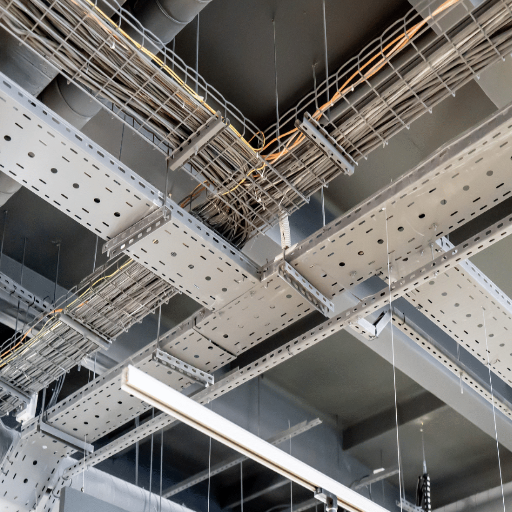
A proper installation prevents hazards, improves performance quality, and ensures compliance with statutory regulations. A few considerations relevant to this concept would be:
Cable Support: Ensure cable support in approved trays or conduits, with no chances of excessive sag.
Environmental Protection: Choose cables rated for the working environment (e.g., wet, dry, or high-temperature areas).
Bend Radius: Maintain the minimum bend radius specified by the manufacturer to avoid damage during installation.
Separation: Where required, keep tray cables separated from power circuits or other systems to minimize interference and comply with codes.
Secure Fastening: Cable ties or clamps used for fastening must be approved for such use and should prevent any movement or abrading of the cables.
Following these guidelines will ensure the proper functioning of the system and its long-term durability. Be sure always to check local electrical codes and manufacturers’ specifications to ensure compliance.
Direct Burial Applications
In direct burial, cables are laid or buried into the earth directly without the use of ducts or conduits. These cables are designed to withstand extremely adverse underground conditions, including moisture, temperature fluctuations, and soil pressure. The direct burial cable features insulation and an outer protective jacket. This jacket is made of various materials, mainly polyethylene or PVC, which make the cable highly durable and weather-resistant.
Long-term reliability can be achieved by practicing proper installation techniques. Trenches for direct burial should typically be about 24 inches deep, or deeper according to local electrical codes, to prevent accidental damage from surface activities. Furthermore, a layer of sand could be placed at the bottom of the trench to cushion the cable against abrasion. Above the buried cables, a tape for marking should be put to warn future excavators of their presence.
Typical usage of direct burial cables includes outdoor lighting, irrigation systems, and residential or commercial power distribution. It is said that these cables can last 30 years or more if placed correctly, making them an efficient and cost-effective solution for underground electrical installations. Always ensure adherence to local codes, and consult a licensed electrician for correct installation procedures.
Residential Applications
Direct burial cables are vital components of electrical infrastructure in residential settings, particularly for distributing power to outdoor buildings such as sheds, detached garages, or pool equipment. They might be used for landscape lighting and watering systems, ensuring smooth operations without the need for overhead wires that could compromise the area’s aesthetic appeal. For lighter, low-voltage uses, such as garden lighting, a smaller gauge cable usually suffices, whereas heavier equipment requires larger conductors.
Recent data indicate that installing direct burial cables can help in substantially lowering maintenance costs over time due to their understandability and resistance to environmental factors. The cable is generally provided with an insulating sheath, such as PVC or XLPE, which protects the cable from adverse conditions, including moisture, soil movement, and mold, as well as different levels of acidity in the ground. A high-quality installation can last decades, with some cable types rated to last even 40 years under ideal conditions.
For residential areas and properties, safety remains one of the foremost considerations when installing electrical systems, ensuring they are well-grounded, aligned with local electrical codes, and pose no safety hazards from short circuits or fire. One must bury cables at a minimum depth of 18 to 24 inches, depending on regional regulations, to prevent damage from landscaping or excavation activities. It appears that, by combining durability, efficiency, and safety, direct burial cables have maintained their mass appeal as one of the most versatile cable choices for modern electricity systems in residential areas.
Installation Best Practices
Correct planning and execution are paramount for the cables to be safely and functionally installed for the long haul under direct burial installations. For instance, before the installation, verify that the type and gauge of cable under consideration are suitable for the specified electrical load requirements and environmental conditions. Mainly, copper and aluminum are used in everyday practice due to their conductivity and resistance, while copper is generally considered more reliable for demand-oriented uses.
The excavation should be carried out with due care, digging the trenches usually between 18 and 24 inches deep, as per the local code. Trucks would warrant an increase in the depth of the trench to add more protection to the cables. The cables should be laid and cushioned on a smooth, sandy bed about 2 to 3 inches thick, avoiding sharp objects or uneven surfaces in the soil. After placing the cables, it is recommended to lay down an additional 2 to 3 inches of sand, followed by backfilling with native soil.
Somewhere in the vicinity of 12 inches above the buried cable in the trench, warning tape can be laid to warn future excavators of its presence. The cable ends should be sealed with a compatible waterproofing material to prevent moisture ingress, which would eventually cause damage.
Consider using conduit for added protection in areas where environmental conditions or external pressures could be extreme, such as those affected by frost heave or construction work. The conduit protects the cables against physical injury and facilitates easy removal and future upgrades.
Following these best practices in detail, a safe and efficient installation will be carried out, adhering to current regulations and ensuring future usability.
Tray Cable Pricing and Availability
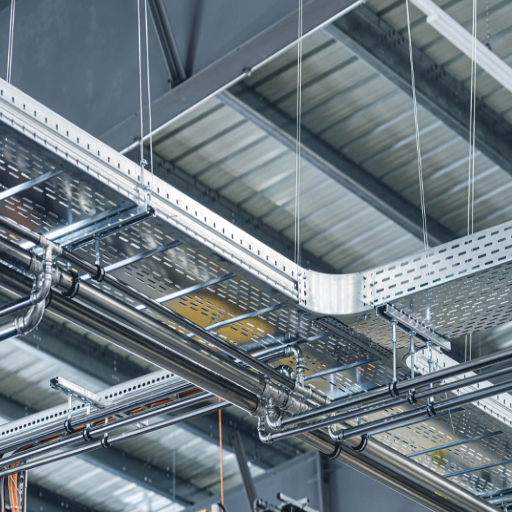
Tray cable pricing is primarily determined by factors such as the type of cable, the required cable length, and the specific installation requirements. On average, prices for standard tray cable range from $0.50 to $2.00 per foot, with custom requirements potentially increasing this price slightly. Electrical supply distributors and online stores generally ensure availability. For the most up-to-date price and stock information, please don’t hesitate to contact a supplier near you or visit their website for listings.
Factors Influencing Tray Cable Prices
Several factors influence the price of tray cables, and understanding them can help buyers make a well-informed purchasing decision.
Cable Type and Materials: The type of tray cable has the most influence on its pricing. Cables with extra features, say flame resistance, chemical resistance, or shielding against electromagnetic interference (EMI), are often priced higher. Additionally, materials such as copper are factored into pricing based on fluctuations in metal market rates.
Cable Specifications: Other specific requirements, such as voltage ratings, temperature ratings, and insulation types, also influence pricing. For example, a tray cable with high voltage and extreme temperature ratings typically costs more due to its special requirements than one with standard ratings.
Length and Size of Order: Generally, the bigger the quantity you procure, the lower the per-foot cost of tray cables. Standard lengths typically have a lower price per foot than custom-cut lengths, which may incur additional service charges.
Industry Standards and Certifications: Tray cables carry a premium if their certification claim includes UL, CSA, or RoHS compliance, as they are tested and endorsed to stringent standards. These are required in specific industrial applications.
Supply and Demand: Tray cable prices may be influenced by the availability of raw materials, transportation costs, and market trends. With the storm of demand during infrastructure expansions and supply chain disruptions, prices do increase for a short time.
Specialized Features and Customization: Customization options, such as color-coded wires for easy installation and additional insulation layers, will increase the cost. Specialty cables that are resistant to water, UV, or oil also tend to be priced higher due to their specific design needs for niche applications.
With these options, a buyer can select those that best suit their functional needs and budget. Buyers should always check and obtain quotes from multiple vendors to ensure they get the best value, using brand-new and up-to-date pricing information.
Where to Find Tray Cable?
Tray cable can be obtained from various sources, including electrical supply stores, online distributors, or directly from cable manufacturers. I suggest starting with a reputable online vendor, as they typically provide details about specifications, customer reviews, and competitive pricing. Local electrical distributors may also be of use, particularly for specialized advice or instant delivery.
Comparing Prices of Different Tray Cable Types
Depending on the type of cable we are looking for, they may be of different types, with varying amounts per foot, taking into account all the manufacturing parameters that go into it. For PVC insulation, prices tend to be lower, ranging from $0.30 to $1.00 per foot, depending on the gauge and other features. XLPE insulation, with its high heat resistance and excellent durability, typically costs between $0.50 and $1.50 per foot.
Shielded tray cables for industrial purposes are among the more expensive options due to their effective shielding against electrical interference, ranging from $1.00 to $3.00 per foot. At the same time, specialized tray cables rated for hazardous locations, with specific jacket materials, or other unique requirements may cost $2.00 to $5.00 and above per foot, depending on design complexity and certifications.
Besides price per foot, it’s also necessary to compare based on the requirements needed for your application. Several suppliers offer mass discounts when purchasing a large quantity, and it may be worthwhile to investigate whether some high-grade tray cable can meet your requirements for long-term value and performance.
Reference Sources
International Journal of Technology
Development of a Cable Tray Design System
Forensic Engineering Analysis of an Electrical Substation Fire in a Manufacturing Plant in Brazil
Frequently Asked Questions (FAQs)
What are the various types of tray cable available?
There are various types of tray cables available in the market, including control tray cables, power-limited tray cables, and unshielded tray cables. Each type is designed for specific applications, such as residential wiring or industrial settings, and comes with different insulation materials and conductor configurations.
How do I choose the right type of tray cable for my installation?
Choosing the correct type of tray cable depends on your specific application requirements, including the voltage rating, environmental conditions, and whether you need a shielded or unshielded cable. Consider factors like the presence of moisture, exposure to chemicals, and the need for flexibility when selecting the appropriate cable for your application.
What is the significance of insulation in tray cables?
Insulation in tray cables plays a crucial role in protecting the conductors from external damage, moisture, and electrical interference. Different types of insulation materials, such as PVC, XLPE, and vinyl nylon, offer varying levels of protection and performance. Selecting the right insulation type is essential for ensuring the longevity and reliability of the cable.
Can tray cable be used for direct burial installations?
Yes, some tray cables are suitable for direct burial installations. These cables are specifically designed with durable jackets and insulation materials that can withstand harsh environmental conditions. It’s essential to check the manufacturer’s specifications to ensure the cable is rated for direct burial before installation.
What are power and control tray cables?
Power and control tray cables are designed to carry both power and control signals in industrial applications. These cables typically consist of multiple insulated conductors bundled together, providing a streamlined solution for installations in cable trays or raceways. The combination allows for efficient management of power distribution and control signaling.
How does tray cable pricing vary among different types?
Tray cable pricing can vary significantly based on the type of cable, insulation material, and manufacturer. Generally, cables designed for higher voltages or specialized applications, such as flame-retardant or shielded cables, may come at a premium. It’s advisable to compare prices across various tray cables on the market to find the best option for your budget.
What is the difference between shielded and unshielded tray cables?
Shielded tray cables are designed with an additional layer of shielding that protects against electromagnetic interference (EMI), making them ideal for sensitive applications. On the other hand, unshielded tray cables lack this protective layer and are generally used in environments where EMI is not a concern. The choice between shielded and unshielded depends on the specific requirements of your installation.
What are typical applications for various types of tray cables?
Tray cables are commonly used in various applications, including wind turbine installations, industrial machinery, and residential wiring. Each type of tray cable is suited for specific environments, such as those requiring moisture resistance, flexibility, or flame resistance. Understanding the typical applications can help you select the right cable for your needs.
How does the construction of tray cables affect their performance?
The construction of tray cables, including the number of insulated conductors, type of jacketing, and insulation materials, directly affects their performance and suitability for different applications. For instance, cables with two or more insulated conductors can handle higher loads, while those with specific jacketing materials may offer enhanced resistance to environmental factors.