







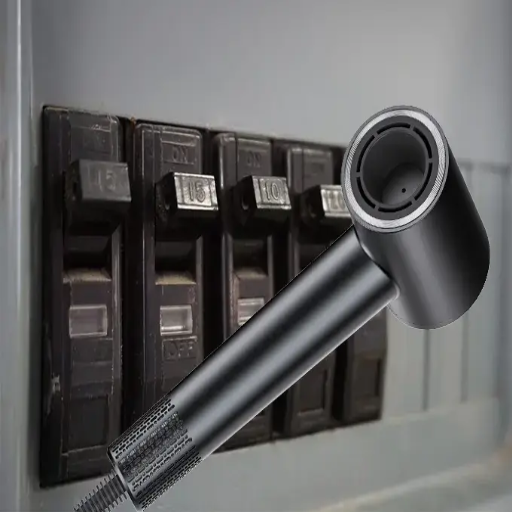
When it comes to appliances meant for everyday use, none could be as common as the hair dryer. Yet, with a status so casual in any household, how much are we indeed clear about how much energy it consumes? The amperage rating of a hair dryer impacts its very power and performance, and also discriminates between energy efficiency and the cost of energy consumed in the respective operation. This knowledge is important, and so the overall awareness can aid you in a buying decision as well as with its safe use. The article would explain in greater detail what hair dryer amps mean, their relationship with power consumption, and why knowing these aspects is important for practical energy efficiency and safety. Either as a homeowner, a stylist, or just a curious individual with a lot of questions about how the machinery in your home works, the guide is informative enough to shed serious light on one of your most actively used tools.
What Are Hair Dryer Amps?
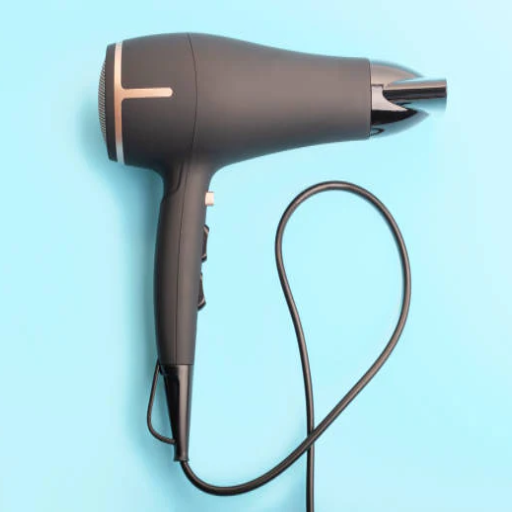
Hair dryer amps refer to how much electrical current the hair dryer draws during its operation. It is a standard way of measuring how much energy the hair dryer will need to perform effectively. Most normal hair dryers run on 10 to 15 amps, depending on the actual power and features set on the hair dryer. You need to know the amp load to prevent your electrical outlets or circuits from being overloaded, causing possible overheating or circuit trips. Always check the label or specifications of your hair dryer for amp use.
Definition of Amps in Hair Dryers
The amps in hair dryers designate the actual amount of electric current that passes into the instrument while in use. Typically, for most household types, the figure fluctuates somewhere between 10 and 15 amps. This rating is very important when seeking to determine if the dryer matches an existing electric system in your home or not. Higher values of amperage typically mean more amounts of power and faster drying capacity, but will need circuits that can handle the increased load to prevent overheating or circuit breakers from tripping. Therefore, very much consideration should also be given to the wiring of the outlets and the breakers to see if they’re up to the requirements of the hair dryer. To furnish the exact amp rating and usage details, look in the user’s manual or on the hair dryer’s label before use.
Importance of Amperage in Hair Dryer Performance
The performance and safety of a hair dryer depend on the amperage. Amperage is the load or current drawn from the outlet by the device. Consumer hair dryers draw anywhere between 10 and 15 amps of current. Usually, the greater the amperage, the greater the power and, consequently, faster drying time, as more amperage keeps the motor and heating elements running efficiently. On the other hand, higher amperage also strains the electric circuit of your home. If the outlet is not rated for at least 15 or even 20 amps, you run the risk of the outlet overloading, tripping breakers, or worse, becoming a fire hazard.
A proper circuit compatibility arrangement best suits performance and risk avoidance. To guarantee that all these factors are considered, begin by determining the amperage of the hair dryer-the output rating is generally labeled on the product or mentioned in the manual-and then compare it with the rating of your outlet and circuit, so as not to overburden any one of them. On the other hand, the latest models come with the so-called energy efficiency feature, which permits lower amperage consumption during usage and does not compromise functionality. Putting these things together offers a safer and better user experience. Always seek a licensed electrician for advice about your electrical system’s compatibility.
Typical Amps Used by Hair Dryers
Hair dryers informally work between 15 and 20 amps, depending on their power rating and auxiliary features. The basic models draw around 15 amps on a 120-volt circuit, while the better-performance or professional variety can go down to 20 amps. Most household circuits should be able to bear this load; however, one must be aware that, if a breaker trips due to overcurrent, the probable cause is running other appliances of high amperage together with the dryer on the same circuit. Advanced models balancing efficiency, with innovations such as brushless motors and variable heat settings, will cut down amperage. If one isn’t sure about the exact requirements of the hair dryer, check the manufacturer’s specs in the user manual or consult an electrician.
Calculating Hair Dryer Energy Consumption

The energy consumption of a hair dryer is computed by the product of its power rating and its running time:
Step-by-Step Calculation Process:
Step 1: Locate the hair dryer’s power rating, usually inscribed on the device itself or mentioned in the user manual. (for example, 1500 watts or 1.5 kW).
Step 2: Now find out the usage time in hours. If the hair dryer is used for 10 minutes, the time equals 10/60 = 0.167 hours.
Step 3: Multiply the power rating by the time of usage. For example, a hair dryer of 1.5 kW running for 0.167 hours will consume 0.25 kWh.
Step 4: Multiplying this by your electricity cost per kWh gives the cost of using the hair dryer. For exact calculations, always refer to the device’s nameplate or user manual.
How to Calculate Your Hair Dryer’s Wattage
How to Determine Hair Dryer Wattage:
- Look at the Device Label or User Manual: Most hair dryers come with their wattage printed either somewhere on the device or within the user manual. Between 800 and 2000 watts, this rating basically depends on the model.
- Electricity Usage Monitor: This instrument can provide you with an accurate measurement. You simply have to plug your hair dryer into an electricity usage monitor, which will measure the watts actually consumed by the dryer during operation.
- Determine Wattage Based on Voltage and Current: If no actual wattage is given, you may calculate it: Multiply the input voltage to the appliances (e.g., 120V in the US) by the current. For example, a hair dryer drawing 10 amps at 120 volts is approximately a 1200-watt appliance (120V × 10A = 1200W).
Key Takeaway: These methods clearly show how to determine the wattage of any hair dryer for an accurate calculation of energy consumption and price. Always refer to the manufacturer for specific information.
Understanding Voltage and Amperage Relationship
The Voltage-Amperage relationship is given by Ohm’s law: V = I × R, where V stands for voltage, I stands for current (amperes), and R stands for resistance (ohms). By voltage, one describes the electrical potential difference that drives the flow of electrons, while amperage is the rate at which electrical current flows. Both quantities are inversely affected by resistance in a circuit. For instance, in a device with fixed resistance, amperage increases with an increase in voltage.
Where: P = Power (watts), V = Voltage (volts), I = Current (amperes)
In practice, determining the wattage (power) of a device is done using the formula P = V × I, with power P measured in watts. It is an important consideration in an analysis of energy consumption, circuit design, and, when designing a device, keeping it within safe working parameters. More often than not, exact calculations involving voltage and amperage are what make or break troubleshooting or energy efficiency analysis and ensure that standards are met. It is always good to consider any deviations introduced by AC systems as opposed to DC systems and to consult the specifications of the device or circuit when in doubt.
Energy Consumption and Efficiency
Energy consumption describes the total energy used by a device, system, or structure to accomplish its intended function. Quantitatively, one can calculate energy consumption by the following formula:
Efficiency, on the other hand, defines how well the energy input is translated into useful work. This can be stated as:
Improving energy efficiency, basically, means minimizing the losses of energy in different ways, such as upgrading to energy-efficient appliances, improving insulation, and energy-smart management. Simply speaking, in addition to considering load demand and energy sources, it is worth remembering that the integration of renewable energy systems such as solar and wind is a factor of generation variability, yet with a huge downside in terms of environmental degradation. Proper monitoring and data analysis are vital to help point out the truly inefficient areas and assess the very strategies in their implementation.
Different Hair Dryers and Their Amp Usage
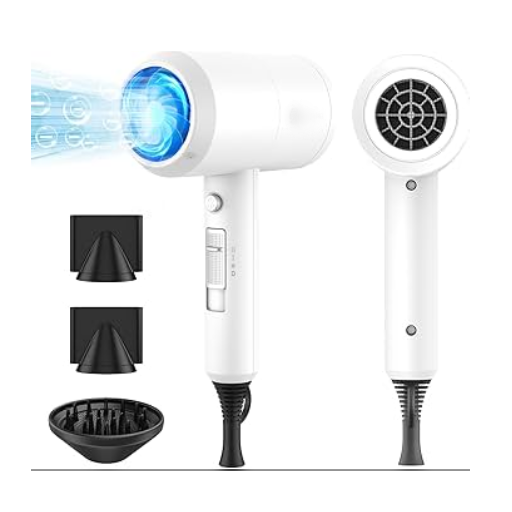
Usually, hair dryers consume in the range of 10 to 15 amps, depending upon their wattage and construction. Regular hair dryers might draw roughly 12 amps, whereas high-end professional ones draw close to the upper limit. Hair dryers with lower wattage or those that are travel size would probably use less, nearer to 10 amps. Considering these variances, it is utmostly essential to ensure that the amperage rating of a hair dryer is compatible with your electrical circuit, as exceeding the capacity of a circuit may cause tripping of breakers or pose a safety hazard. Always check the device label for this information.
Comparing Amps Across Different Hair Dryers
Amp comparison among dryers should consider power requirements along with their size and design features. A standard household hair dryer will draw between 12 and 15 amps at full power, where the higher wattage models with newer features on the ionic or ceramic front tend to run at the higher end. Travel or compact models are usually rated at under 12 amps, giving higher priority to portability and energy savings rather than performance.
| Hair Dryer Type | Typical Amp Rating | Voltage System | Key Features |
|---|---|---|---|
| Standard Household | 12-15 amps | 120V (US) | Basic features, suitable for home use |
| Professional/Salon | 15+ amps | 120V (US) | Ionic/ceramic technology, fast drying |
| Travel/Compact | Under 12 amps | 120V (US) | Portable, energy-efficient |
| 1500W Model (120V) | ~12.5 amps | 120V | Standard power output |
| 1500W Model (240V) | ~6.25 amps | 240V | International use, dual voltage |
Amperage can vary as per the voltage supplies in different regions. For example, a 1500-watt hairdryer set on a 120V system will draw around 12.5 Amps, whereas on the 240V setup, you would draw 6.25 amps for the same wattage. It is necessary to consider a dryer to be used and then check the circuit capacity to avoid overloading.
Additionally, a good hair dryer used in the salon might reach 15 amps or more because of fast drying time: the more capacity it has, the faster the dryer can get its job done. With these types of dryers, one might often find features like variable heat settings that increase or decrease power usage accordingly. Understanding the distinctions would help buyers make an informed decision based on their needs and the electrical system’s capacity. Make sure to check product specs for safety and great functionality.
Factors Influencing Hair Dryer Amp Requirements
Several technological and operational factors play a major role in determining the amperage requirements of a hair dryer. Second, wattage is of importance, as it is the basis upon which power consumption is calculated. The higher the wattage, generally anywhere from 1,800W to 2,400W for professional-grade dryers, the more amperage is required to operate it. Another aspect is the motor, which also affects the amp draw. These might require more power for the advanced AC or brushless type than DC motors, as these deliver higher torque levels plus longer life spans.
Key Influencing Factors:
- Wattage Rating: Professional-grade dryers (1,800W-2,400W) require higher amperage
- Motor Type: Advanced AC or brushless motors require more power but offer higher torque and longer lifespan
- Heating System: Multiple temperature settings cause variable amperage draw during operation
- Technology Features: Ionic or ceramic technology may slightly boost power consumption
- Regional Voltage Standards: 120V (North America) vs 240V (Europe/Asia) affect amperage requirements
Another major one is the heating system and the number of temperature settings. Hair dryers with more heat and speed options use variable components that cause a temporary surge in amperage draw during operation. Furthermore, ionic or ceramic technology reduces drying times and decreases frizz, slightly boosting power consumption, though this depends on the build of the particular unit.
These factors aside, regional voltage standards play a role; conversely, they are intended for use in a 120V environment in North America, and will require different amperage ratings than those intended for use in a 240V environment common to Europe or Asia. Consumers have to match their specs to those of the electrical circuit in their homes for safe and optimal performance.
Many Watts and Amps: What You Need to Know
To clarify common questions about watts and amps, it is useful to know the relationship between these units of measurement for electricity. Watts (W) are a unit for power, whereas amps (A) designate current. The two correlate in a direct manner with voltage via the equation Watts = Amps × Volts. Suppose 120V is applied to a device drawing 5A; the power consumed is 600W.
Important Formula: Watts = Amps × Volts
Example: Device drawing 5A at 120V = 600W (120V × 5A = 600W)
Devices with a higher wattage consume more power, and their amp requirement depends on the voltage of the system they are being used in. Any electrical rating of a device should be properly understood to know when the device can be plugged into a circuit. Exceeding the amp rating of the circuit with a device would cause overheating or tripping of breakers, and so, device rating and circuit rating should be matched.
Working with international appliances means taking note of voltage differences. A 120V-based device meant for North America will not work safely in any place with 240V systems unless it has a step-down transformer or dual-voltage capability. In the same way, if you put a high-watt appliance in an outlet of a lower rating, the performance will be inefficient or it may get damaged. The device manuals and the home electrical system must be cross-checked in advance for any compatibility or safety issues.
Hair Dryer Cables and Circuit Breakers
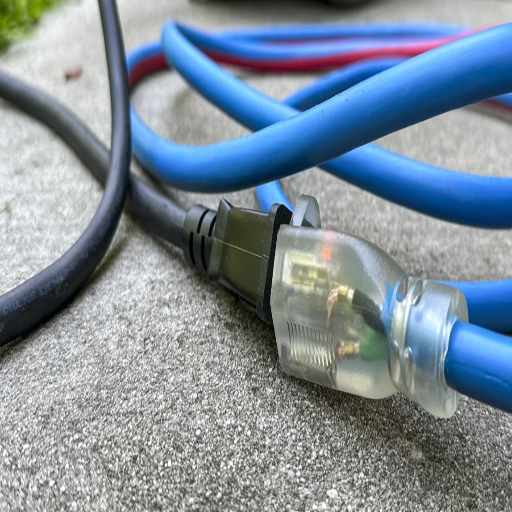
Hair dryer cables are manufactured to sustain particular electrical loads, together with the power ratings of the appliances. If some cable is used that cannot support the weight of the hair dryer, it will definitely lead to overheating and a potential fire hazard. The circuit breakers, in the same sense, prevent electrical overloads. When a circuit breaker trips while a hair dryer is in operation, it might indicate that the device exceeds the maximum amperage of the circuit or that other devices requiring a lot of power are connected to the same circuit. Such a situation could be avoided by ensuring the power rating of the hair dryer corresponds with the circuit capacity and that the circuit is not overloaded with other high-wattage appliances. Safety and good efficiency warrant the use of all cables and circuits that are so rated.
Choosing the Right Hair Dryer Cables
Selecting the correct hair dryer cords is important for the guarantee of safety, efficiency, and product durability. Some essential things to consider when choosing the cables include:
Amperage and Voltage Rating
The cables must be rated for the required power of the hair dryer. In the United States, most hair dryers operate on 120V circuits with typical amp ratings between 10 and 15 amperes. Ensure the cables you choose can withstand those ratings without risk of overheating or being damaged.
Cable Gauge
The wire thickness, measured in American Wire Gauge (AWG), is crucial in safe operation. For higher wattage appliances such as hair dryers, a 14 AWG or 12 AWG cable, which is thicker, is generally recommended to avoid resistance and heat buildup.
Insulation and Durability
Cables should be chosen with a super strong insulation: heat-resistant or heavy-duty types, so they cannot wear through or lose performance ability with time. The ultimate cable is flexible yet strong enough for continual use.
Cable Length
Cables of unnecessarily long lengths can cause voltage drops, lowering the overall efficiency. Choose a cable length that meets your needs so it doesn’t have too much slack; generally, it should not be longer than two to three meters.
Safety Certification: By abiding by these conditions, potential cases of accidental electrical hazard can be minimized, and safe utilization of the hairdryer can be ensured by the end-users. Check the cable to see that it is made according to industry standards, such as UL or CE certifications, to ascertain quality and dependability.
Understanding Circuit Breakers for Hair Dryers
Going by considerations of safety, circuit breakers are exclusively suited for the cutting off of electricity in overload or short circuit conditions, which could be caused by using hair dryers. The circuit breaker cuts off the current flow, protecting the device to be protected from accidents and also home wiring. The hair dryer of today is, by and large, equipped with circuit breakers, being part of or occurring as a plug with a Ground Fault Circuit Interrupter (GFCI). Such additional safety devices act very quickly to remove power from electric shock hazards in instances where water could be common, like in bathrooms.
At the moment of conducting a selection for a circuit breaker for an automobile hair dryer, it is necessary to consider the compatibility of the circuit with the power requirements of the dryer, usually between 15 to 20 amps. The circuit breaker should match the amperage requirements of the hair dryer for proper operation. It has been more advisable that the circuit adhere to the National Electrical Code (NEC) guidelines for safety purposes, especially in locations that require GFCI.
Make sure the circuit breaker and GFCI are tested regularly to ensure good condition. If the hair dryer causes the circuit breaker to trip many times, it may be an indication of another problem, such as the hair dryer drawing too much power or a fault in the hair dryer requiring a qualified electrician to check. Once one authorities about what a circuit breaker is, how it is tested, and how it works, it will ensure safe and efficient use of hair dryers by any user.
Safety Considerations with High Amp Usage
High amp usage may be hazardous if not handled correctly. Devices requiring high amperage currents should always be plugged into a circuit specifically designed to accommodate the electrical load of such devices. In other words, overloading the circuit will cause it to get hot, trip the breaker, or even lead to an electrical fire. Another key point in this regard: The circuit should comply with local building codes (usually permitting use of whatever corresponds to 80% of the circuit’s total amperage rating for continuous loads.
Such appliances drawing high amps should be periodically inspected for damage in cords, plugs, or internal wiring, as any defect can increase conductance and create safety hazards. In damp or wet locations, use power outlets with Ground Fault Circuit Interrupters (GFCI) to prevent shocks. Load can be distributed through various circuits when several high-amp devices are involved, rather than risking overloading a single one. By following these, the user minimizes the associated risks and safely uses high-amp appliances.
Safety Considerations for Hair Dryer Use
The following guidelines should always be followed to use a hair dryer safely:
Keep Away from Water: Never plug in and use a hairdryer near a sink, bathtub, or any other source of water to avoid the risk of electric shock.
Examine the Cord: Ensure that the power cord and plug are not damaged, and do not use the appliance if you find any defects.
Use on Dry Hair: Use the appliance for drying dry or nearly dry hair rather than wet hair, which strains the motor more.
Allow for Cooling: Do not run the hair dryer for longer periods at once, just to prevent overheating.
Unplug When Not Being Used: Always unplug the hair dryer when you are done using it, as this saves energy and reduces fire hazards.
If these simple safety measures are observed, hair dryers remain safe for users and prolong the lifespan of the appliance.
Understanding Circuit Breakers
How Do Circuit Breakers Work?
In essence, circuit breakers are protective devices that constitute part of an electrical system. They protect circuits against overloading or short circuits by interrupting the flow of current when any irregularities are detected. An abnormality could be an instance wherein the electrical load is higher than the rated capacity of the system or an instance wherein a fault occurs within the circuit. This fast detection mechanism helps in reducing electrical equipment damage, fire outbreaks, and other hazards.
Generally, circuit breakers may function through thermal, magnetic, or hybrid mechanisms to detect any abnormalities. Thermal circuit breakers work using a bimetallic strip that bends with heat generated by excessive currents, whereas magnetic circuit breakers work using an electromagnetic field that trips when the current passes a fixed value. Hybrid types, on the other hand, combine both mechanisms in order to give a more accurate and reliable operation.
There are different types of circuit breakers according to their designs and applications:
Miniature Circuit Breakers (MCBs) – Often found in residential and commercial buildings, they protect against overload and short circuits. Hence, they are compact and in some cases rated as high as 125 amps.
Molded Case Circuit Breakers (MCCBs)- These find their application in the industries and have a higher current range from 100 to 2,500 amps.
Ground Fault Circuit Interrupters (GFCIs)- They protect against ground faults and are installed in locations where water is an ever-present concern, that is, bathrooms and kitchens.
Arc Fault Circuit Interrupters (AFCIs)-An arc fault test is carried out to identify wiring faults that may cause fires.
Efficiency and safety statistics
Electrical fires and system failures have dramatically reduced since the introduction of advanced circuit breaker technologies, according to industry reports. Residential fires might have been reduced by 50% wherever a GFCI is installed in a critical spot, argue some studies. AFCIs could reduce arc-induced fires by up to 65%.
These modern circuit breakers may also prove their worth in keeping industrial and commercial workplaces operational by reducing downtime and high costs incurred due to damage to expensive equipment. Having said that, the maintenance and testing of this equipment ensure that they perform as expected and hence are in accordance with laws like the National Electrical Code (NEC).
Therefore, knowing how circuit breakers function, the types available, and their effects enables users and professionals in the industry to appropriately implement the devices toward safeguarding electrical systems and mitigating hazards.
Choosing the Right Hair Dryer Cables
When choosing the right hair dryer cables, durability, heat resistance, and compliance with electrical standards are my main points of concern. I make sure that the cable is formed with the highest quality of insulation material to prevent heat build-up when the device is being used for a prolonged period. Then, I check for the cables’ thickness and flexibility to ensure good handling while preventing wear during the test of time. Needless to say, I do check the compatibility with voltage and amperage ratings to allow for safe and efficient running.
Preventing Overload in Electrical Circuits
Overload prevention in electrical circuits is an important secret of safety and efficiency. An overload occurs when a given circuit carries more current than its maximum nominal design current, temperature rise, damage, and the worst scenario of fires. For protection, the preventive measures include correct circuit design.
These include installing protective devices such as circuit breakers or fuses, wherein circuit breakers trip automatically when the current reaches above the rated safe value for a given time period. Also, the circuits should not be operated at more than 80% of their rated capacity, which is a recommendation of the National Electrical Code (NEC). Regular inspection of wiring and connections helps determine if there are any signs of wear or damage that could cause overloads in circuits. Using appliances that have current ratings compatible with the capacity of the circuit is yet another way of minimizing risks. Distributing the loads over multiple circuits and not using extension cords for high-power appliances also leads to balanced and safe operations.
Reference Sources
Frequently Asked Questions (FAQs)
How many amps does a hair dryer use most of the time?
Hair dryers most commonly draw 10-15 amps, depending on the model and wattage rating. Most standard hair dryers will function well on a 15-amp circuit without tripping it.
How do watts of hair dryers multiply amps?
That is to say, a hair dryer may range anywhere from 800 to 1875 watts, from low power to really powerful drying action. The amps of a hair dryer can be calculated by dividing watts by the volts in a given country. Consider a situation of 1500 watts: it would draw 12.5 amps since 1500 watts ÷ 120 volts = 12.5 amps.
Amps of a hair dryer: How to find it?
The perturbation formula will do = watts ÷ volts. In this case, a higher-watt hair dryer rated at 1,875 watts usually would draw 15.6 amps at 120 volts.
Is it possible in any way to use a hair dryer on a 15-amp circuit?
Having said that, most hair dryers are set for a 15-amp circuit. Should you have a high-wattage unit, try to keep an eye on the total load on the circuit so that it does not go above 15 amps and cause the breaker to trip.
What will happen if too many amps are drawn from the hair dryer for the circuit to carry?
In case a hair dryer draws more amps than the circuit can tolerate, the circuit breaker may trip, thus preventing any power supply to that circuit due to the danger of overheating. Always check your hair dryer amp rating against the available capacity of the circuit for safety.
Are there energy-saving hair dryers?
Yes, energy-efficient hair dryers are available and use less power while still offering adequate styling. They are generally low in wattage and amperage, thereby ensuring further savings of energy costs along with performance.
How many amps does a Dyson hair dryer have?
The Dyson hair dryer usually goes for about 13.3 amps, which is just right for an average home circuit. Its design allows it to have a pretty unique performance output while being really energy efficient.
The rather obvious question is, what effect do heat and speed settings have on hair dryer amps?
Heat and speed settings can determine the amperage of a hair dryer. More heat and speed generally thresh your current, higher amps, that is. So, by adjusting these settings, one could lessen the energy consumed by their appliance.
How can I make sure that my hair dryer is safe to use electrically?
For maximum electric safety when using your hair dryer, always plug the hair dryer into an outlet that is properly rated for it; never use an extension cord that may not carry the amperage on it; and check the electrical condition of the hair dryer cables regularly, to prevent any hazards from occurring.