







Electricity powers practically everything in life today, but have you ever thought of which home appliances and devices use the most energy? Yet, knowing where your electricity ends up is very important to managing energy bills and cultivating energy conservation and environmental consciousness. This article examines the heaviest electricity consumers inside the household-from important appliances such as refrigerators and air conditioning technologies to on-demand entertainment and smart technologies. In highlighting these energy hotspots, you’ll be equipped to find some ways to conserve energy and reduce waste with little or no compromises on comfort or convenience.
Understanding Electricity Consumption
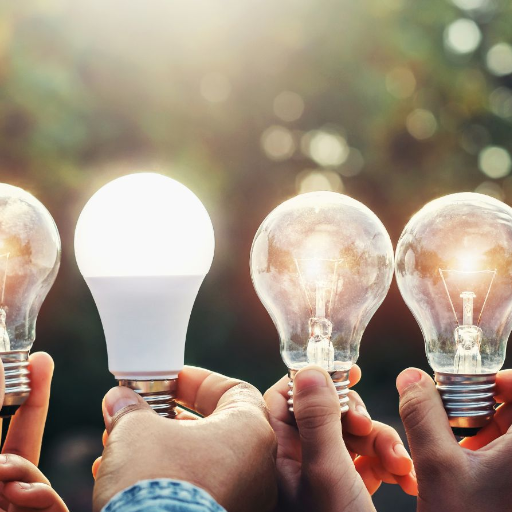
How we use electricity in powerhouses depends much on the kind of appliances they use and how often they run them. Large-consuming appliances comprise mostly of HVACs, water heaters, and refrigerators since they are in use. However, the washers, dryers, and dishwashers also have increased consumption capacities when overuse is put on improper loading. Other outlets of consumption include television, computers, and gaming consoles, which are much smaller but add up to power consumption when left on for long or put into the standby mode. If you aim to control energy consumption and reduce your utility bills, you would do well to look into these high-demand areas.
The Basics of Electricity in Your Home
Electrical energy starts its journey from the power grid, entering the household through a main service line. It then passes through a metering device that charges the consumer. Following this, the power is sent into the electrical panel or breaker box, which distributes current to various parts of the house by way of circuits, each of which powers specific rooms or appliances. Circuit breakers or fuses protect them from overload.
Key Components of Home Electrical Systems:
- Conductors (Wiring): Carry electrical current throughout the home
- Insulators: Provide safety by preventing unwanted flow of current
- Voltage Standards: 120 volts for standard appliances, 240 volts for high-load appliances
- Grounding: Offers a safe path for unwanted electrical energy to discharge into the earth
The main components, conductors (wiring), carry electrical current; insulators provide safety by preventing the unwanted flow of current. Residential systems run mostly on alternating current (AC) at 120 volts for standard appliances and 240 volts for high-load appliances like ovens or HVAC systems. Grounding is important because it offers a path through which unwanted electrical energy may be safely discharged into the earth, thereby preventing shock or fire hazards.
By putting more efficient use on appliances and less-intensive habits, home consumption of electricity now tilts for safety and sustenance.
How Energy is Measured
Energy is measured in the unit called “kilowatt-hour” (kWh), which denotes the amount of energy consumed when a 1,000-watt appliance runs for one hour. Energy consumption is then measured by utilities on such units, and electric meters installed in a household or business provide data for such measurements. Modern meters are equipped with a variety of smart technologies and offer a real-time tracking solution and automated reporting protocol of energy consumption.
Energy (kWh) = Power (kW) × Time (hours)
In the measurement process, power, expressed in watts (W) or kilowatts (kW), and time are the total energy over a period of time is calculated. Hence, running a 100-watt light bulb for 10 hours will consume 1 kWh of energy. These values then go into electricity billing, where the price per kWh is multiplied by the energy consumed.
Example: A 100-watt light bulb running for 10 hours = 1 kWh of energy consumption
Peak demand periods are also critical metrics observed by utilities to balance grid stability and set dynamic pricing. Consumers are provided with advanced tools, including energy monitoring software, that help them analyze their usage patterns for better efficiency and cost savings.
Factors Affecting Electricity Costs
Electricity prices are generally influenced by a core list of factors: fuel costs, regional energy demands, and grid infrastructure. Fuel prices exert direct influence, as almost all power plants operate on coal or natural gas, or oil, whose prices vary depending on global markets and supply-chain disruptions. Another factor considered is the region’s demand, where greater population density or industrial activity increases energy consumption, thereby increasing cost, especially during peak periods. Lastly, an aging, unreliable, and inefficient grid infrastructure either lessens transmission losses and maintenance costs or worsens them, in return affecting the price downstream to consumers.
Fuel Costs
Power plant operations depend on coal, natural gas, or oil, whose prices fluctuate based on global markets and supply-chain disruptions.
Regional Demand
Higher population density or industrial activity increases energy consumption, raising costs especially during peak periods.
Grid Infrastructure
Aging or inefficient infrastructure affects transmission losses and maintenance costs, impacting consumer prices.
Government Regulations
Energy policies, emission standards, and renewable energy incentives influence electricity pricing.
Weather Conditions
Extreme climates increase demands on heating or cooling systems, affecting overall consumption and costs.
Consumer Behavior
Energy conservation measures and technology adoption contribute to or mitigate overall costs.
Electricity costs are set by government regulations and energy policies. Enforcement of standards for emissions, incentives for renewable energy use, and other aspects may be included in these policies. On top of this, the weather acts as an influential factor: climates with extremes tend to put more demands on heating or cooling. Customer conduct- whether undertaking energy conservation measures or simply adopting new technology- ultimately contributes to or mitigates costs. Understanding these interlocking factors is key to successfully navigating electricity budgetary issues.
Household Appliances and Their Energy Usage
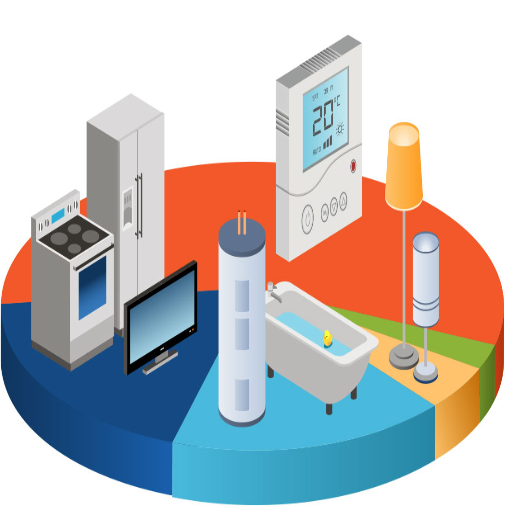
Depending on the type, age, and efficiency rating of the appliance, household appliances differ greatly in electricity needs. HVAC systems, water heaters, refrigerators, and washing machines consume large quantities and thus typically represent the largest portion of household energy bills. Energy-efficient options, such as ENERGY STAR-rated units, use less electricity than older models or less efficient ones. Cleaning the filters of appliances or improving the door insulation could reduce energy consumption files with it. Knowing which appliances consume huge amounts of energy and then operating them efficiently is critical to minimizing energy cost and improving household impact.
Common Appliances that Use the Most Electricity
Heating and Air Conditioning Systems
Heating-and-air-conditioning systems were the major consumers of household electricity. Due to the continuous operation of these systems in maintaining indoor climate conditions, 40-50% energy consumption might be expected in a household. Any improvement in efficiency, such as installing a programmable thermostat and insulating the ducts well, will prevent the waste of energy.
Water Heaters
Water heaters are among the worst consumers of electricity, accounting for 14-18% of all energy consumption in the average household. Storage water heaters are extra energy hogs as they maintain a storage of hot water. A good option would be to install a tankless water heater or just cut down on the temperature setting of the water heater to save energy.
Refrigerators and Freezers
Refrigerators and freezers operate around the clock for food preservation, consuming about 10% to 15% of household energy. The older models are vaster energy consumers as compared to the contemporary Energy Star certified appliances. Setting the temperature appropriately, cleaning the coils once in a while, and checking for a door seal are things to look into so that your appliance is a more efficient one.
Key Insight: Understanding the energy consumption of such appliances is essential for crafting energy-saving measures that, in turn, will spare the electric bill while keeping the family running smoothly.
Energy-Efficient Alternatives for High-Energy Appliances
The adoption of any given product or technology is, therefore, sought to cover the entire process of energy conservation and sustainability training. When we talk about refrigerators, the ENERGY STAR-certified units offer the advantage of saving maybe up to 15% more energy than the non-certified ones. These refrigerators are designed with advanced compressor technologies, better insulation, and more precise temperature control to limit electricity use. Switching from incandescent bulbs to LED ones, on the energy-saving front, can save one up to 75% of total energy consumption arising from lighting. LEDs conserve energy and have a relatively long lifespan, which reduces maintenance and replacement costs.
| Appliance Type | Traditional Option | Energy-Efficient Alternative | Energy Savings |
|---|---|---|---|
| Refrigerators | Standard models | ENERGY STAR-certified units | Up to 15% more efficient |
| Lighting | Incandescent bulbs | LED bulbs | Up to 75% energy savings |
| Water Heaters | Storage tank heaters | Tankless/on-demand heaters | Eliminates standby energy losses |
| Water Heaters (Alternative) | Electric storage heaters | Hybrid heat pump heaters | Uses ambient air, less electricity |
| HVAC Systems | Standard air conditioners | Variable-speed air conditioners | Greater energy savings |
| Small Devices | Standard power strips | Smart power strips | Eliminates phantom energy loads |
Another major energy guzzler worthy of being upgraded is the water heater. Tankless or on-demand water heaters create energy efficiency since they only heat water when it is necessary, thus avoiding standby energy losses inherent in traditional storage tank heaters. Likewise, hybrid heat pump water heaters heat water using ambient air, thus consuming less electricity. Upgrading HVAC systems to high-efficiency heat pumps or variable-speed air conditioners can result in greater energy savings and consistent climate control.
Lastly, smart power strips are excellent tools for eliminating phantom energy loads by turning off smaller devices automatically when they are not in use. Incorporating such energy-saving measures along with a couple of conscious efforts in daily life can go a long way towards energy conservation in the household and lowering electricity bills.
Measuring Energy Consumption of Household Appliances
You can measure the energy consumption of household appliances by different instruments and methods. One way, and probably the simplest one, is to use an electric energy monitor that plugs into the outlet, such as a Kill-A-Watt energy meter. This instrument will then display a direct reading of energy consumption in kWh for each device, allowing the user to identify major energy consumers for targeted conservation.
Methods for Measuring Energy Consumption:
- Plug-in Energy Monitors: Devices like Kill-A-Watt meters provide direct kWh readings for individual appliances
- Smart Home Energy Monitors: Connect to electrical panels for whole-household monitoring with detailed breakdowns
- Utility Smart Meters: Provide usage data through online portals for tracking patterns and peak consumption times
- Mobile Apps: Companion applications offer real-time data and energy optimization insights
Another method employs the use of smart home energy monitors: they hook into your home’s electrical panel, providing energy usage data for an entire household. They typically come with apps or interfaces that break down the energy consumed by different appliances or circuits and offer in-depth views useful for optimizing energy efficiency.
Some utility services go further and install whole-home energy meters, while others provide access to smart meter usage data. Sometimes, this data is downloadable or even accessible through online portals and can be used to identify energy utilization patterns and peak consumption times. Effectively monitoring the energy consumption of appliances through such methods enables users to make further decisions toward reducing energy waste and, consequently, lowering utility bills.
Heating and Cooling Systems
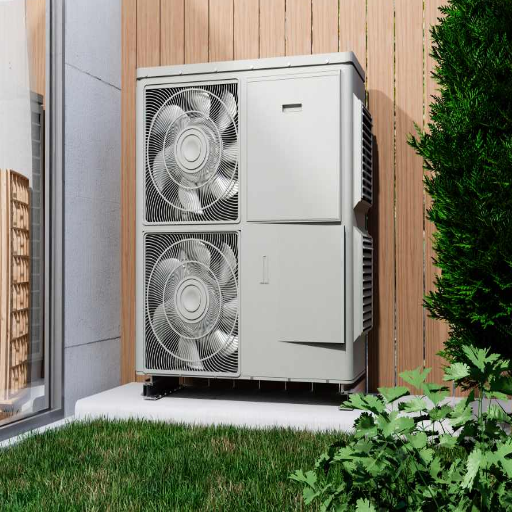
Heating and cooling systems consume a staggering part of residential energy consumption, and at most might go up to 50% of total energy consumption. For the sake of efficiency, maintenance should be rendered, such as changing air filters regularly and cleaning ducts. Programmable or smart thermostats help in temperature control depending upon occupancy, so that energy is not wasted during idle hours. Sealing air leaks around windows, doors, and vents would help maintain indoor temperature and lessen the burden on the HVAC system. High-efficiency models with ENERGY STAR certification will further save energy costs while providing comfort.
The Impact of Heating Systems on Electricity Bills
Heating systems are one of the major contributors to electricity bills in the cold months when demand hits a high pitch. It is reported by some of the top energy authorities that inefficient heating systems, or improper application, may take away almost 30-50% of household consumption. Older, unmaintained systems tend to work harder in heating spaces, thus demanding more costs.
Energy Savings Potential: Efficient heating systems with ENERGY STAR ratings consume 15-20% less energy than older systems.
Programmable thermostats are the solution to this problem by letting the household reduce heating when not occupied or minimize energy use. Apart from the weather sealing, insulating the house will further reduce the burden on heating for maintaining the indoor temperature. The next strategy is to install an efficient heating system with an ENERGY STAR rating; this will consume 15-20% less energy than older systems actually consume. These combined strategies may serve as a guarantee for efficiency, performance, and lowered electricity bills.
Cooling Appliances: Air Conditioners and Refrigerators
Cooling appliances such as air conditioners and refrigerators consume one of the highest amounts of energy in most homes, while regular maintenance helps ensure they stay efficient. For air conditioners, monthly cleaning or replacement of filters, keeping refrigerant levels at the proper levels, and cleaning condenser coils of all dirt, leaves, and other debris could help in increasing performance while saving electricity. To enhance efficiency, programmable thermostats could cut down cooling according to occupancy schedules.
Optimal Temperature Settings:
- Refrigerator: 37–40°F for proper food preservation
- Freezer: 0°F to maintain frozen foods efficiently
If refrigerators are concerned, setting the inside temperature at 37–40°F and the freezer at 0°F reduces energy dissipation while maintaining proper food preservation. In manual-defrost freezers, excess ice can build up to the point where it stresses the unit. It is thus advised that they be regularly defrosted. Energy STAR units use 20% less energy than standard units, so purchasing such energy-efficient models pays off in the long run. When employing these methods, consumers actively reduce their carbon footprint and save on utility bills.
Energy-Saving Tips for Heating and Cooling
Heating and cooling systems account for nearly half of household energy consumption, thus making them primary considerations for energy efficiency and cost savings. Some energy-saving techniques include sealing air leaks around windows, doors, and walls; during less heating/cooling hours (such as while away or asleep), using a programmable thermostat to automatically lower or raise temperature settings; regular maintenance of HVAC systems, including cleaning or replacing filters every month for better efficiency and longer life; upgrading to more energy-efficient heating and cooling equipment, for example, ENERGY STAR-rated heat pumps or furnaces, which consume 20-30% less energy than older models; and using ceiling fans to circulate air yet allow considerable thermostat adjustment with comfort.
Saving on Your Electricity Bill
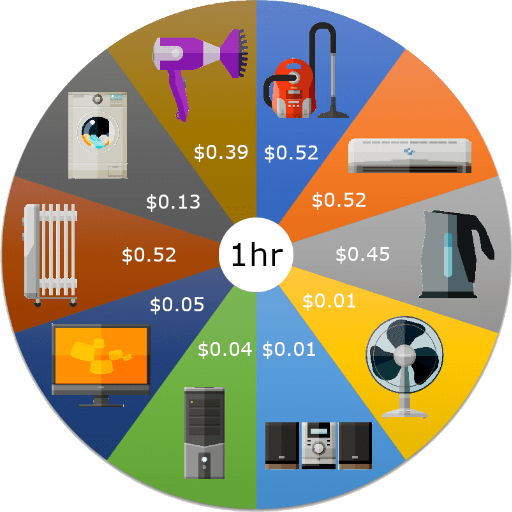
Energy-efficient lighting offers a great way to reduce electricity costs. Such energy-saving options include letting go of the obsolete incandescent bulbs and carrying the LED or CFL types, which end up consuming 75% less electricity and have a significantly longer life. Turning off the lights when leaving a room, of course, is a must; for daylight can be maximized most of the time. Dimmers, as well as motion sensors, can be activated to minimize energy use, basically guaranteeing that lights are on when necessary, with no extra brightness in an area. Simple adjustments such as this constitute a good start toward less energy consumption.
Strategies to Reduce Energy Consumption
Optimize Heating and Cooling Systems
Heating and cooling usually use most of the household energy. To ensure less consumption, continue HVAC system maintenance such as cleaning the filters or scheduling regular professional inspection. A programmable thermostat should be used to set the temperature to go down when you are away or when you go to sleep. A well-sealed window, door, or duct will eliminate air leaks, while well-maintained insulation will maintain a consistent temperature in the house with very low energy consumption.
Invest in Energy-Efficient Appliances
Any appliances that have the ENERGY STAR® label should be purchased because the ENERGY STAR® label on any appliance means that it uses far less energy than an appliance without that label. For example, energy-efficient refrigerators, washers, and dryers lower the demand for electricity while being able to carry out their job with ease. When buying new appliances, you can check their energy usage ratings to get the best energy efficiency.
Minimize Standby Power Use
Several household electronics consume power while turned off, the phenomenon being termed as “phantom load.” For phone chargers, gaming consoles, and small appliances, unplug when not in use. Alternatively, you may use smart power strips that cut the power supply automatically, saving energy based on necessity and utility bills in turn.
Increase Water Heating Efficiency
Water heating may be one of the greatest expenses in energy expenses. By reducing the water heater thermostat to 120°F, energy is saved, and they protect themselves from overheating. A good insulation for water heater tanks and pipes will minimize heat loss. One may consider on-demand water heaters, a tankless version that produces hot water only when it is required, thereby improving efficiency.
Go Green!
Where possible, consider using renewable energy sources for a home setting. Solar panels, for example, take energy from the sun and could really help in reducing electricity expenses. While it is indeed costly upfront, money saved in the long run and less fossil fuel transmission is certainly a greener choice. Check around for local incentives or tax credits to further reduce upfront expenses.
Bottom Line: When all these strategies are put into practice and followed diligently, your energy use will lessen, money saved on utility bills will accumulate, and your good side for nature will be cemented. Furthermore, none of this will come at the expense of comfort or convenience.
Smart Home Devices and Their Benefits
Energy efficiency and ease in the new-age homes are their forte with smart home devices on board. Such devices, if they were smart thermostats, lighting, or even smart refrigerator-levels-would study user behavior and environmental settings for optimal energy usage. Smart thermostats shed light on the issue, where the likes of Nest or Ecobee incorporate machine learning algorithms that learn the pattern of use, adjusting the temperature accordingly for best energy saving; similarly, smart lighting solutions can be programmed or controlled remotely, and lighting is applied only when necessary, thereby conserving any extra bit of electricity.
Key Benefits of Smart Home Devices:
- Automated Energy Management: Devices learn user behavior and adjust settings for optimal energy usage
- Remote Control: Manage home systems from anywhere using smartphone apps
- Voice Integration: Compatible with Amazon Alexa or Google Assistant for hands-free control
- Real-Time Monitoring: Track energy usage and receive notifications about operational status
- Enhanced Security: Remote monitoring, motion alerts, and automatic locking systems
- Cost Savings: Reduced energy consumption translates to lower utility bills
Smart integration with voice assistants like Amazon Alexa or Google Assistant enhances device accessibility and allows users to harness simple voice commands to control the entire home ecosystem. Secondly, appliances, say, smart washing machines or refrigerators, notify end-users about energy usage and operational status on pollutants in real-time, enabling wise decision-making for their operation. Beyond efficiency, these devices secure the home: remote sighting, motion alerts, and auto-locking systems. Therefore, through the leverage of smart home technology, the homeowner will enjoy the triple economic, environmental, and convenience gains of their control.
Understanding Your Home Energy Use
Recognizing where, when, and how energy is consumed is vital for the management of home energy use. Traditionally, a significant share of energy use in any household goes for heating and cooling systems, often up to almost half of total energy use. The next big contributing factors are appliances like refrigerators, washing machines, and many others, while standby power consumption, or the “phantom load,” builds on to that consumption.
Steps to Optimize Home Energy Use:
- Monitor Consumption: Use smart meters or energy tracking devices that provide real-time data on energy usage patterns
- Analyze Data: Identify peak usage times, inefficiencies, and malfunctioning devices through detailed analysis
- Implement Efficiency Measures: Install efficient appliances, variable thermostats, and LED-based lighting
- Seal and Insulate: Improve air sealing and insulation to reduce heating and cooling demands
- Consider Renewables: Explore renewable energy options to reduce grid electricity dependence
Optimization of energy efficiency begins with the monitoring of consumption by means of smart meters or energy tracking devices that provide real-time data. Analysis of this data then allows a homeowner to realize the time of peak usage, inefficiencies, or even malfunctioning devices. Energy efficiency measures in the practical sense may include the installation of efficient appliances, variable thermostats, air sealing, and LED-based lighting. Renewables could be kept in sight as a means to reduce dependence on grid electricity and lower the carbon footprint.
Understanding and analyzing energy bills is yet another important aspect to consider — recognizing patterns or errors, while taking account of seasonal variations. When one actively manages power consumption, it will lower monthly expenses as a favorable side effect to help achieve broad sustainability goals.
The Future of Energy Consumption
The future of energy consumption lies in improved energy efficiency while also transitioning toward cleaner and more sustainable energy sources. Technology will allow the development of smarter grids, better storage options, and even more installations of renewable power generation, i.e., wind and solar. While some energy policy designs and international cooperation will be placed to help drastically reduce such dependency on fossil fuels and help curb GHG emissions, the sum of all innovations, regulations, and awareness should help a change for more equitable and sustainable consumption patterns in the global energy map.
Renewable Energy Solutions for Homes
Renewable energy solutions for residential properties offer homeowners sustainable and cost-effective options in contrast to traditional energy providers. Solar panels, through the operation of photovoltaic cells, convert sunlight into electricity. In the years of technological advancements, their efficiencies have greatly improved, alongside federal and state incentives to minimize the upfront cost and thus enhance accessibility.
| Renewable Energy Type | How It Works | Best Application | Key Benefits |
|---|---|---|---|
| Solar Panels | Photovoltaic cells convert sunlight into electricity | Most residential areas with adequate sunlight | Improved efficiency, federal/state incentives available |
| Wind Turbines | Convert wind energy into electrical power | Rural or windy locations | Reliable energy production with proper site design |
| Geothermal Systems | Use Earth’s natural temperature for heating/cooling | Any location with suitable ground conditions | Long-term savings, independent from HVAC systems |
| Battery Storage | Store excess renewable energy for later use | Complement to solar/wind systems | Power availability during peak hours or adverse weather |
Wind turbines, less so in urban areas, are another option for rural or windy home areas, thus producing reliable energy when the sites are suitably designed. Geothermal heating and cooling use Earth’s natural temperature to save in the long run and detach oneself from the conventional HVAC systems. Storage solutions such as lithium-ion batteries play a crucial role in enabling renewable energy to their optimum by storing extra power for use during peak hours or when adverse weather conditions prevail.
Energy efficiency measures considered by homeowners include smart thermostats and better insulation, which act as complements to renewable systems and curb consumption. When associated with renewable energy systems, this invariably results in lower energy bills while reducing the carbon footprint of an individual household, thus moving towards mass sustainability.
Emerging Technologies to Reduce Electricity Use
The trends in emerging technology are designed to place emphasis on managing and reducing electricity usage in the home. From my perspective, this integration pertains to smart home systems, including an energy-monitoring system to provide real-time information on consumption, so that it will be useful in ways to reduce consumption. Also, greater efficiency in appliances, along with automation such as smart lights and intelligent power strips, is employed to ensure electricity consumption only when it is actually required. All these innovations will allow the user to make energy consumption more efficient without compromising comfort and convenience.
Trends in Household Energy Consumption
As household energy-consumption patterns were drifting toward those that were smarter and more efficient for provided new opportunities because of advancements in technology and greater awareness of the environment, installation and use of renewable energy sources such as rooftop solar systems have gained momentum of late because of decreasing costs and incentives from the government. The good thing is that smart home technologies are now improving energy management in homes. For instance, programmable thermostats, energy monitors, and smart appliances all allow energy use to be controlled and precisely optimized to minimize energy wastage.
Renewable Energy Adoption
Rooftop solar systems gaining momentum due to decreasing costs and government incentives for sustainable energy solutions.
Smart Home Technologies
Programmable thermostats, energy monitors, and smart appliances optimize energy use and minimize wastage.
Energy-Efficient Renovations
Insulation work, energy-efficient windows, and LED lighting reduce overall household energy consumption.
Behavioral Changes
Consumers embracing sustainable practices like off-peak energy use and reduced reliance on conventional sources.
This trend emphasizes energy-efficient renovations, which are becoming ever more popular. Domestic upgrades now include insulation work, energy-efficient windows, and LED lighting, all aimed at reducing household energy consumption. Meanwhile, consumer behavior is also changing-a larger number of people embracing sustainable behavior, such as choosing off-peak energy use and less reliance on conventional energy sources.
These trends together demonstrate our belief that the very goal of meeting energy challenges in the future must be synergistically linked to mindful energy utilization so that households worldwide can sustainably accomplish the actual goal of cost savings.
Summary and Key Takeaways
Essential Points to Remember:
- Major Energy Consumers: HVAC systems (40-50%), water heaters (14-18%), and refrigerators (10-15%) account for the majority of household electricity consumption
- Energy Measurement: Energy is measured in kilowatt-hours (kWh), calculated by multiplying power (kW) by time (hours)
- Cost Factors: Fuel costs, regional demand, grid infrastructure, regulations, weather, and consumer behavior all influence electricity prices
- Efficiency Alternatives: ENERGY STAR-rated appliances, LED lighting, tankless water heaters, and smart power strips significantly reduce energy consumption
- Heating & Cooling Tips: Regular maintenance, programmable thermostats, air sealing, and proper insulation can save 20-30% on energy costs
- Smart Technology: Smart home devices optimize energy use through automation, real-time monitoring, and behavioral learning
- Renewable Energy: Solar panels, wind turbines, and geothermal systems provide sustainable alternatives with long-term cost savings
- Future Trends: Growing adoption of renewable energy, smart technologies, and energy-efficient renovations driving sustainable consumption patterns
Conclusion
Taking Control of Your Energy Consumption: Understanding which appliances consume the most electricity and implementing strategic energy-saving measures can significantly reduce your utility bills while contributing to environmental sustainability. By combining efficient appliances, smart technologies, proper maintenance, and mindful consumption habits, households can achieve substantial energy savings without sacrificing comfort or convenience.
The journey toward energy efficiency begins with awareness and is sustained through consistent action. Whether through upgrading to ENERGY STAR-rated appliances, optimizing heating and cooling systems, or exploring renewable energy solutions, every step toward reducing energy consumption makes a meaningful difference. As technology continues to advance and renewable energy becomes more accessible, homeowners have unprecedented opportunities to take control of their energy use, lower costs, and contribute to a more sustainable future for generations to come.
Your Path to Energy Efficiency
Remember that every kilowatt-hour saved contributes not only to lower electricity bills but also to reduced carbon emissions and a healthier planet. Start with small changes—replacing old light bulbs, adjusting your thermostat, unplugging unused devices—and gradually work toward larger improvements like appliance upgrades and renewable energy installations. The cumulative effect of these efforts will reward you with significant savings and the satisfaction of living more sustainably. Make informed decisions, stay committed to energy conservation, and enjoy the benefits of a more efficient, cost-effective, and environmentally responsible home.
Reference Sources
“Analysis of Building Electric Energy Consumption Data Using an Improved Cooling Degree Day Method”
“Reviewing the Impact of Energy-Efficient Appliances on Household Consumption”
“Implementation of a Smart Home Based on Internet of Things Using CISCO Packet Tracer”
Frequently Asked Questions (FAQs)
How can I reduce my electricity bill?
If an individual wants to save on electricity bills, then they should think of energy-efficient appliances, energy audits, and smart home technology. One more great way to save energy is to use power strips that can be switched off to prevent devices from drawing standby power.
Which appliances draw more electricity during cooking?
Ovens, stoves, and microwaves are some of the cooking appliances that tend to use more electricity. An electric oven could use about 2 kWh in one use, while an induction cooktop could use around 1.5 kWh per hour of cooking, depending on the heat settings.
How can I check my electricity consumption?
To monitor your electricity usage, couples should consider either a smart meter or a home energy monitor to record energy consumption in real-time. The system allows a homeowner to identify how much electricity is consumed by their electric appliances, so they can know where to pull back on electricity consumption.
How does solar energy affect electricity rates in a house?
Solar energy has the potential to reduce electricity rates significantly since it provides a renewable energy supply to your house. By setting up solar panels, homeowners create their own electricity, which could compensate against their electricity bills and lessen their reliance on the grid.
What is another way for the house to be energy-efficient?
An energy audit considers energy usage in the house, indicating where energy change can be achieved to increase efficiency and reduce energy consumption. It gives homeowners an insight into which appliances are consumed the most, how much energy is being wasted, and finally, suggests alterations in which energy can be saved to reduce electricity costs.
How can cutting down on electricity consumption benefit my home?
Reducing electricity consumption has two advantages: saving you money on your electric bill and promoting a greener environment. Employing energy-efficient appliances and recycling your thoughtful energy use will reduce the carbon footprint of your home and increase demand for sources of clean energy.