








For electrical systems, the importance of selecting the correct wire size that is correct cannot be overstated; safety and efficiency will thus be guaranteed. In the case of a circuit with an 80-amp load, the right wire size would be first considered, as that leads not only to the direct performance but also to the prevention of overheating and reduction of electrical failure. We shall introduce the factors that affect the wire size selection, like the current capacity, the type of material, and the environmental conditions. This article will help you to stay in control of the situation and uphold the best possible working conditions in your electrical installation, whatever the scale, be it domestic or commercial. Continue reading to discover the industry standard, main factors, and recommended practices for wiring the 80-amp circuit.
Understanding 80 Amp Wiring
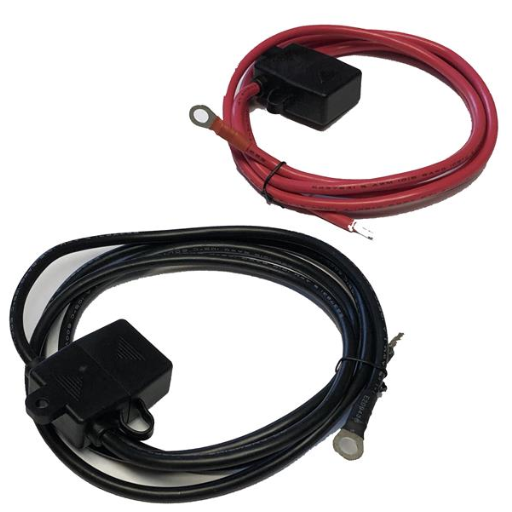
In the case of wiring an 80-amp circuit, the major factor to be considered for the circuit is the right wire size that not only would be safe but also efficient. The NEC says that an 80-amp circuit generally needs a 4 AWG copper or a 2 AWG aluminum wire. The sizes mentioned are based on the normal conductor ampacity ratings and are calculated for continuous load handling. Along with this, it is critical to ensure that the wire insulation is compatible with the operating temperature and environmental conditions. Local electrical codes and regulations should always be consulted, as they may impose special requirements that are not covered by the NEC guidelines.
What is an 80 Amp Breaker?
An 80-amp breaker is a device that provides circuit protection and can manage electric currents up to 80 amps without any risk. It stops the current flow by self-tripping during situations when the current goes beyond the parameters of the breaker or when a fault happens. This current rating is adequate for power supply to subpanels, large HVAC systems, or heavy-duty equipment, as it can operate in very demanding applications. The breaker can determine overloads or short circuits by using thermal or magnetic methods. When you install an 80-amp breaker, you should take care that it is compatible with the electrical panel, and the conductors sized according to NEC guidelines (e.g., 4 AWG copper or 2 AWG aluminum) are used, and all local electrical codes are followed for safety and compliance.
Importance of Correct Wire Size
Selecting the right wire gauge is a major factor in the safe and efficient functioning of an electrical system. Wires that are too small can get too hot and damage insulation, become a fire risk, and cause equipment failure. On the other hand, wires with a larger size than necessary, although not a safety risk, can again be more expensive and difficult to install. The National Electrical Code (NEC) specifies that the wire sizes must be able to handle the load by the ampacity requirements while taking into account different conditions like ambient temperature and conduit fill. For an 80-amp breaker, this usually means using a 4 AWG copper wire or a 2 AWG aluminum wire. Following these standards not only eliminates the risk of electrical accidents but also makes the system reliable, thus reducing maintenance costs in the long run. Always check the sizing requirements with local electrical codes to ensure complete compliance.
Wire Gauge and Ampacity Explained
The wire gauge and ampacity are the two most important terms in electrical installations, as they determine the safe and efficient operation of a system directly. The wire gauge indicates the physical size of the conductor and is measured using the American Wire Gauge (AWG) system, which is standardized. A thicker wire that can carry more current due to lower resistance is represented by a smaller gauge number. Ampacity, however, is the maximum current that a conductor can let through safely without going over its temperature limit, which varies depending on insulation type, ambient temperature, and installation environment.
For instance, the National Electrical Code (NEC) has set standard ampacity guidelines for residential and commercial installations. For an 80-amp circuit, 4 AWG copper wire is the standard size, while 2 AWG aluminum wire is the minimum size that can carry the current safely. The above-mentioned standards, however, may need to be modified if, for example, high ambient temperatures are a factor or if the wiring is put in a conduit with many other conductors, as these conditions can make the effective ampacity lower.
Choosing the correct wire size is not just a matter of following the ampacity charts but also a matter of compliance with local and national codes through the proper licensing. The use of the wrong wire size, either too small or too large, will lead to a situation in which the system is subjected to overheating, voltage drops, or unnecessary inefficiencies. For the correct execution, it is always better to check the wire sizes against approved guidelines and perform the calculations based on the installation’s specific load requirements and environmental conditions.
Choosing the Right Wire Size
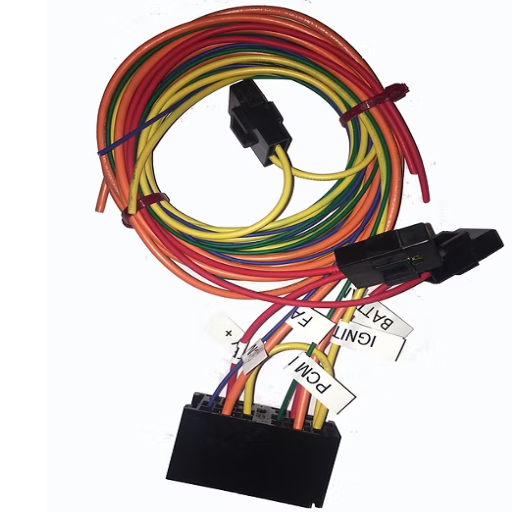
Choosing the proper wire size is based on three important factors: the circuit’s electrical current (amperage), the distance the current will cover, and the conditions in the environment where the wire will be fitted. The first step is to find the amperage of the circuit so that you can choose a wire that will nicely bear the load and not get hot. Then, think about the distance— if the run is very long, larger wire sizes could be needed to avoid voltage drop. Finally, take environmental conditions like temperature or insulation into account, since they can influence the wire’s performance. Always refer to the NEC or similar standards for guidelines that assure safety and compliance.
Factors to Consider for 80 Amp Circuits
In the event of choosing a wire to be used in a circuit with an 80-amp rating, the following aspects will be decisive for both the safety and the legal compliance:
Wire Size
For wiring that will carry 80 amps, the American Wire Gauge (AWG) suggests a bare minimum of 4 AWG copper wire or 2 AWG aluminum wire. Copper wires are the favorite ones due to their superior conductivity and better endurance; however, in some cases, aluminum wires can be used if they are with the right terminations to avoid overheating.
Voltage Drop
If the distance is considerable, voltage drop is an issue that should be taken seriously. The only way to combat this drop and thus loss of energy and inefficiency of the equipment is to increase the size of the wire if the length of the circuit goes beyond 100 feet. For accurate sizing modifications, detailed calculations involving Ohm’s law and voltage drop coefficients are the recommended procedure.
Temperature Ratings and Insulation
The maximum ampacity that the wire can handle is determined by the surrounding temperature and the insulation type of the wire. For example, wires with higher temperature ratings (for instance, 90°C) are able to carry more current without insulation breakdown. But, when they are laid in areas with additional insulation (like walls or conduits), derating factors must be applied to lower the effective ampacity of the wire.
Code Compliance
Generally, compliance with the National Electrical Code (NEC) is a must. The NEC Table 310.16 gives a detailed description of the specifications, including the limits on the ampacity of different types of wires based on their material, type, and insulation, and also the conditions of their installation. There can also be other local regulations that apply in addition to the NEC.
Environmental Conditions
Wires rated for and resistant to corrosion and UV exposure, like THWN or XHHW insulation types, should be chosen for outdoor installations or areas frequently affected by moisture. These will guarantee both safety and performance in the long run.
A diligent review of those factors will ensure the electrical system runs at full efficiency, the risks are reduced to zero, and the safety regulations are kept. Always seek the services of a licensed electrician or a consulting engineer for the final design approval and installation.
Common Wire Gauges for 80 Amps
Selecting the right wire gauge for 80 amps airflow, one should always take into account the wire material (copper or aluminum), run length, and ambient temperature. According to the established rules of thumb:
| Wire Material | Recommended Gauge | Key Considerations |
|---|---|---|
| Copper Conductor | 4 AWG | Sufficient for 80 amps under most favorable conditions and standard lengths |
| Aluminum Conductor | 2 AWG | Larger wire required due to lower conductivity compared to copper |
| Long Runs (>100 ft) | Larger gauge | Required to counterbalance voltage drop and ensure safety standards compliance |
Copper Conductor: For 80 amps, 4 AWG is enough for copper wire installations, but this assumes the most favorable conditions and lengths.
Aluminum Conductor: Because of the lower conductivity of aluminum, larger wires must be used. Usually, the 2 AWG aluminum wire would suffice for 80 amp loads.
Voltage Drop Factors: In the case of long runs, a larger wire gauge might be required to counterbalance the voltage drop, and thus, compliance with the safety standards will be guaranteed. Normally, the run length would be more than 100 feet in such instances.
These ratings are in agreement with the National Electrical Code (NEC) documents and other recognised standards. Despite this, always check whether local regulations, load requirements, and the environment are suitable for safety and efficiency.
Ground Wire Requirements
The ground wire is an essential component of an electrical system that functions as a safety device by allowing the trace of fault currents to be securely absorbed by the earth. The National Electrical Code (NEC) stipulates that the thickness of the ground wire must be in accordance with the gauge of the circuit conductors and should comply with the minimum requirements mentioned in NEC Table 250.122. For houses, wire sizes typically range from 14 AWG for circuits that carry up to 15 amps to 6 AWG for circuits with a maximum of 60 amps, but if the current is higher, or there are other factors causing a risk, then larger sizes may be needed.
Ground conductors are required to be insulated or bare according to the local code requirements and environmental factors. In an outdoor installation or in a wet area, copper is a better choice because of its resistance to corrosion and its good conductivity. Furthermore, the grounding connection should have a low resistance to the earth, which is normally done by using ground rods, plates, or other approved methods.
When installing grounding systems, it is imperative to always check NEC standards against local laws and to call in a licensed electrician to guarantee compliance, safety, and the best performance possible.
Wiring for Sub Panels
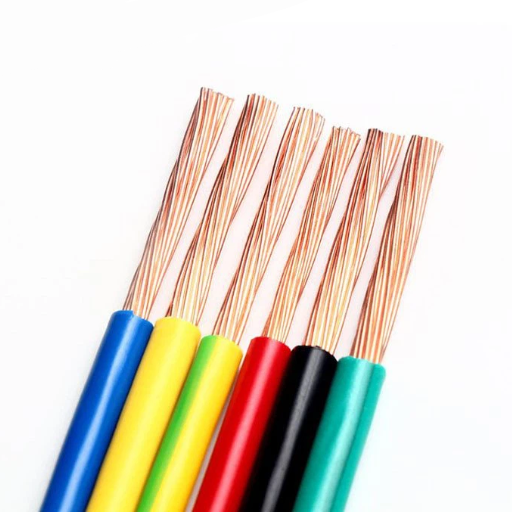
The proper installation of any sub-panels requires utmost responsibility and safety standards observance as well as compliance. First of all, you need to choose the right size of wire depending on the amp rating of the subpanel given in the National Electrical Code (NEC). For instance, a 100-amp sub panel will usually need 4-gauge copper wire and 2-gauge aluminum wire.
Connect the subpanel to the main panel with a double-pole breaker, and the wiring must consist of two hot wires, a neutral wire, and a ground wire. It is very important that in the subpanel, the neutral and ground conductors are kept separate by a dedicated neutral bus bar and an isolated ground bus bar because combining them can result in unsafe electrical conditions.
If the wires are going to be visible, always use a conduit that is rated for the intended purpose, and also make sure that all connections are tight. Prior to turning the system on, check all wiring thoroughly against the manufacturer’s instructions and relevant code standards to assure its accuracy and safety.
Installing an Amp Sub Panel
- Determine the Load Requirements
Add up the total electrical load that the subpanel will be supporting, so the main panel is not overloaded with this additional demand. To do this, you will need to know the amperage of all devices and appliances that will be connected to the subpanel. For the 100 amp sub panel, the service entrance panel must be rated in such a way that it can support it along with the existing loads, not exceeding its capacity. - Select the Proper Location
Find a spot for the sub-panel that is easily reachable and at the same time in compliance with the local building codes. The National Electrical Code (NEC) prescribes that a subpanel should always be provided with a clear working space not less than 30 inches wide, 36 inches deep, and 6.5 feet high. Avoid installing the panel in cramped or unsafe places like bathrooms or near combustible products. - Gauge Wire Type and Size
Use the appropriate wire size in order to operate safely and efficiently. For a 100-amp subpanel, wire gauge copper or aluminum is most commonly needed, as per NEC recommendations. Check that the conductors consisting of hot wires, a neutral wire, and a ground wire are adequately rated to bear both the electrical load and the distance from the main panel. - Install the Sub Feed Breaker
Incorporate a breaker into the main panel, which will be allocated to feed the sub-panel. The breaker to be used should have the same size as the amperage of the subpanel, for example, a 100-amp breaker for a 100-amp panel. Ensure that all the connections are tight and follow the instructions provided by the manufacturer of the panel for the installation. - Connect the Main and Sub Panels
Install the feeder wires from the main panel to the sub panel. At the point of connecting, the neutral wire should be connected to the isolated neutral bus bar in the subpanel, and the ground wire to the ground bus bar. Make sure that there is no bonding screw or strap between the neutral and ground in the subpanel, as this could present a safety hazard due to ground loop currents. - Grounding and Bonding
Set up a suitable grounding system. If the subpanel is placed in another building, it will be required to install a ground rod connected to the subpanel’s ground bus bar for extra protection. Check for local grounding code compliance. - Final Inspection and Testing
After the installation is complete, the system should be inspected by either a licensed professional or local authority to ascertain that it complies with all the safety and code requirements. A test should be done on the circuit to guarantee that it is operating correctly without overloading or tripping the breakers.
By being meticulous and detail-oriented in following these steps, the installation of an amp sub panel can be carried out securely, providing a dependable electrical system extension.
Local Electrical Codes and Standards
When carrying out any electrical installation or upgrade, it is very important to follow local electrical codes and standards to ensure safety and compliance with the regulations. The installation of the National Electrical Code (NEC) in the United States regulates certain things like circuit design, conductor sizing, grounding, and overcurrent protection. Most local jurisdictions adopt the NEC but might further modify it or apply stricter conditions depending on the area’s situation.
Before starting any electrical work, check with your local building department or electrical inspector to find out the applicable standards. These standards might specify which wiring methods are allowed, which conductor materials are permitted, and the required distances for outlets and junction points. Inspections are usually required to confirm that the project is following the regulations at all times.
Accidental noncompliance with these codes might lead to litigation, higher safety hazards, and possibly even rejection of an insurance claim. Always seek clarification from accredited experts about local code demands, and if necessary, make sure all work is done under their supervision. Compliance not only assures the electrical system’s functional reliability but also safety.
Voltage Drop Considerations
Voltage drop is a term used to describe the decline in voltage that occurs across a circuit when there is resistance in the wires. This phenomenon can lead to the entire electric system performing poorly, heating up the equipment, and even causing accidents. The first step to the prevention of voltage drop is to size the wire appropriately, taking into account the load, distance, and the allowed voltage drop percentage (3% for branch circuits and 5% for feeders and branch circuits combined according to NEC recommendation).
where Length is measured in one-way feet, Current in amperes, and Resistance is in ohms per 1000 feet according to the conductor’s material and size. For alternating current (AC) systems, the whole circuit’s impedance has to be taken into account, which includes reactance.
Methods to Overcome Voltage Drop:
- Utilize larger size conductors, which bring down resistance.
- Cut down the length of the conductor through re-routing the circuit.
- Go for conductors made of materials with lower resistivity, like copper.
- Use high-voltage systems whenever possible, since they decrease the current for the same amount of power, thus leading to a smaller drop.
Conduct regular inspections and tests to make sure the system keeps voltage levels that are acceptable. Also, comply with local electrical codes and standards for design and installation practices. Voltage drop management is not only a matter of efficiency but also safety.
Ground Wire Size for 80 Amps

In the case of an 80-amp circuit, it is usually the case that the minimum-sized ground wire is, therefore, 8 AWG copper or 6 AWG aluminum. These ampacity ratings are in line with the standards set by the National Electrical Code (NEC), taking safety and system performance into account. Always check locally, as they might require more to be done than what is stated in the NEC.
| Wire Material | Minimum Ground Wire Size | Standard Reference |
|---|---|---|
| Copper | 8 AWG | NEC Standards |
| Aluminum | 6 AWG | NEC Standards |
Importance of Grounding
Grounding is an important safety precaution for electrical systems that ensures the safety of both people and equipment. Grounding diverts excess electrical currents from faults or lightning strikes, preventing hazardous situations like electrical shocks, equipment damage, or fires. It also regulates the voltage of the system, guaranteeing the reliable performance of the devices and protecting the very delicate electronic devices from the voltage shifts. It is a must to follow the existing standards, like those set by the NEC, in order to have grounding systems that are properly designed and installed so as to eliminate the risks and, at the same time, enhance the overall performance of the electrical infrastructure.
Choosing the Correct Ground Wire Size
The selection of proper ground wire size is paramount to the preservation of electrical safety and the efficiency of the system. The National Electrical Code (NEC) indicates these very clearly in Article 250.66 and Table 250.122 by setting up the minimum sizes for grounding conductors according to the size of the service or feeder conductors and the current protection of the system. The ground wire size must be able to carry a sufficient fault current so that the circuit breaker or fuse would be tripped safely during a fault condition.
Usually, the ground wire size is considered as determined by the size of the circuit breaker that is protecting the circuit. For instance, a 20-amp breaker would very likely need at least a 12 AWG copper or 10 AWG aluminum ground wire, while a 100-amp breaker would call for an 8 AWG copper or a 6 AWG aluminum ground. The size of the ground wire required rises accordingly with larger systems or equipment. Besides, material types (copper or aluminum) and length of run are some of the specific factors that may also play a role in the selection of the ground wire size.
In the case of determining ground wire size for outdoor or buried installations, environmental factors such as moisture and corrosion resistance, which may require protective insulation or conduit, must be taken into account. In the case of complex installations or unique circumstances, it is advisable to consult a licensed electrician or engineer to ensure compliance with local codes and system requirements. Ground wire that is properly sized not only meets the requirements of regulations but also improves system performance and safety.
| Circuit Breaker Size | Copper Ground Wire | Aluminum Ground Wire |
|---|---|---|
| 20 Amp | 12 AWG | 10 AWG |
| 60 Amp | 10 AWG | 8 AWG |
| 80 Amp | 8 AWG | 6 AWG |
| 100 Amp | 8 AWG | 6 AWG |
Ground Wire Requirements for Sub Panels
The grounding wire is essential for making sure that electricity is safe when a subpanel is installed. A ground wire of the right size will serve as a way for fault current to go and, at the same time, will limit the chances of electrical shock or fire. The ground wire size depends on the ampacity of the feeder circuit, and it must comply with the requirements that the National Electrical Code (NEC) provides. Usually, NEC Table 250.122 is applied for this size determination according to the feeder breaker size. A ground wire that is no less than 8 AWG copper or 6 AWG aluminum is usually needed for a 100-amp subpanel.
The ground wire should connect the subpanel to the main panel or the grounding system without interruption. But do remember that only one ground connection is allowed to prevent ground loops, and the neutral and ground conductors should be electrically separated in the subpanel. Besides, local regulations might necessitate grounding rods or plates, particularly if the subpanel is located in a separate building. Always check the latest NEC standards and local electrical codes to be on the safe side in terms of compliance and system safety.
80 Amp Applications
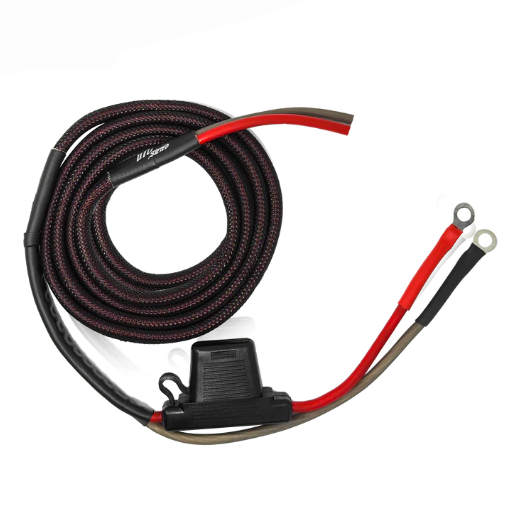
The 80-amp electrical circuit is widely applied in different sectors like residential, commercial, and industrial, where a moderate power supply is required. The circuit is usually employed for charging electric vehicles (EVs), connecting sub-panels to different garages or workshops, maintaining large HVAC systems, and supplying power to high-capacity appliances such as electric ovens or hot tubs. The total load must remain below 80 amps for these circuits to be suitable, and they will require NEC calculations for safety. It is always a good practice to check power requirements before and consult a trained electrician during the installation or upgrading of an 80-amp application.
Common Uses for 80 Amp Circuits
The installations of 80-amp circuits in electric power-demanding applications are the most frequent solutions. Among them, one can find the charging of electric cars (EVs) that need very high amperage to provide faster and safer charging times for the newest models of EVs. Moreover, separate constructions like a garage, a workshop, or an accessory dwelling unit (ADU) are frequently powered by 80-amp sub panels for lighting, tools, and other equipment. They are also the maximum power circuits in large HVAC systems, especially when the residence or business is large, since the amazing amount of energy required for heating and cooling needs to be properly handled. Last but not least, 80-amp circuits are used to run electric stoves, double ovens, and jacuzzis, all of which need continuous, dependable power to function properly. Calculate loads correctly based on NEC guidelines and keep following them to maintain electrical safety and efficiency in these applications.
Electric Vehicle (EV) Charging
High amperage circuits provide faster and safer charging times for modern EV models.
Sub Panels for Separate Buildings
Powers garages, workshops, or accessory dwelling units (ADUs) for lighting, tools, and equipment.
Large HVAC Systems
Handles the substantial energy requirements for heating and cooling in large residences or businesses.
High-Capacity Appliances
Runs electric stoves, double ovens, and jacuzzis requiring continuous, dependable power.
Choosing the Right Wire Gauge for 80 Amps
In order to select the proper wire gauge for an 80-amp circuit, I would check the standards of the National Electrical Code (NEC). The NEC states that the wire size will vary according to the conductor material and the circuit’s surrounding conditions. The wire gauge for copper would be 4 AWG at the very least, and the wire gauge for aluminum would be 2 AWG at the very most. These sizes not only provide a safe current-carrying capacity but also help to minimize the possibility of overheating. I would verify that the insulation ratings and derating factors, if any, are suitable for the installation environment. It is always essential to adhere to the local codes and seek the guidance of a certified electrician for compliance and safety reasons.
80 Amp Sub Panel Wiring Requirements
When setting up an 80-amp sub panel the right way is essential to follow the guidelines, and by this, you can be sure of safety and compliance with electrical codes at all times. The primary thing is to get the wire size to be properly used for the amperage. The use of 4 AWG copper wire or 2 AWG aluminum wire is very often associated with the 80-amp load; this way, the wire’s current-carrying capacity is sufficient, and at the same time, it does not get heated up. If the distance is too long, then it is advisable to do voltage drop calculations, and it might happen that you would need wiring of a larger size than normally used.
The main breaker, which feeds the sub panel, has to be an 80-amp rated one, positioned in the main service panel, and properly coordinated with the used wire. Moreover, proper grounding hardware must be in place in the subpanel, and the insulation and grounding conductors must be separated to prevent improper bonding, which is a requirement by the National Electrical Code (NEC).
The wires in the installation must be protected by conduit or other approved wiring materials, especially at places that are open to view or that have a high risk of danger. The selected wire’s insulation rating should correspond to the environmental conditions in which the wire is going to be installed, for example, THHN or XHHW for wet or outdoor areas. Before you proceed with your installation, make sure you check the local building codes because they might have certain requirements regarding your plans. It is highly recommended to get a licensed electrician for proper installation and inspection.
Quick Reference Guide: 80 Amp Circuit Requirements
| Component | Specification | Notes |
|---|---|---|
| Copper Wire Size | 4 AWG | Minimum size for standard installations |
| Aluminum Wire Size | 2 AWG | Minimum size due to lower conductivity |
| Ground Wire (Copper) | 8 AWG | Per NEC Table 250.122 |
| Ground Wire (Aluminum) | 6 AWG | Per NEC Table 250.122 |
| Breaker Rating | 80 Amp | Must match circuit capacity |
| Voltage Drop Limit | 3% (Branch) / 5% (Total) | NEC recommendation |
| Insulation Type | THHN / XHHW | For wet or outdoor areas |
| Temperature Rating | 90°C | For optimal performance |
Safety Checklist for 80 Amp Installations
Essential Safety Requirements:
- Verify wire size matches NEC requirements (4 AWG copper or 2 AWG aluminum)
- Ensure proper ground wire installation (8 AWG copper or 6 AWG aluminum)
- Calculate voltage drop for runs exceeding 100 feet
- Confirm breaker rating matches circuit amperage
- Use appropriate insulation type for environmental conditions
- Separate neutral and ground conductors in sub panels
- Install proper conduit protection for exposed wiring
- Verify compliance with local electrical codes
- Schedule inspection by licensed electrician or local authority
- Test all circuits before final activation
Wire Material Comparison
| Feature | Copper Wire | Aluminum Wire |
|---|---|---|
| Conductivity | Superior – Better electrical conductivity | Lower – Requires larger wire size |
| Required Size for 80A | 4 AWG | 2 AWG |
| Durability | Excellent – Better endurance | Good – With proper terminations |
| Cost | Higher initial investment | More economical option |
| Weight | Heavier | Lighter – Easier to handle |
| Corrosion Resistance | Excellent | Good – Requires proper connections |
| Installation | Preferred for most applications | Requires anti-oxidant compound |
| Common Use | Residential and commercial standard | Cost-sensitive projects |
Environmental Considerations
Outdoor and Wet Location Requirements
When installing 80-amp circuits in outdoor or moisture-prone environments, special considerations must be made to ensure long-term safety and performance:
- Insulation Type: Use THWN (Thermoplastic Heat and Water-resistant Nylon-coated) or XHHW (Cross-linked High Heat-resistant Water-resistant) rated wires
- Conduit Protection: Install weatherproof conduit rated for outdoor use
- Corrosion Resistance: Copper is preferred over aluminum for superior corrosion resistance
- UV Protection: Ensure all exposed materials are UV-resistant
- Moisture Sealing: Use appropriate seals and gaskets at connection points
- Ground Rod Requirements: Additional grounding may be required for separate buildings
Common Installation Mistakes to Avoid
Critical Errors That Compromise Safety:
- Undersized Wire: Using wire smaller than 4 AWG copper or 2 AWG aluminum can lead to overheating and fire hazards
- Incorrect Ground Wire Size: Ground wire must be at least 8 AWG copper or 6 AWG aluminum
- Bonding Neutral and Ground in Sub Panel: This creates dangerous ground loops and violates NEC requirements
- Ignoring Voltage Drop: Long runs without proper wire sizing lead to equipment malfunction and inefficiency
- Wrong Insulation Type: Using indoor-rated wire in outdoor locations accelerates degradation
- Improper Terminations: Loose connections create high resistance and heat buildup
- Skipping Inspections: Professional inspection ensures code compliance and safety
- Mixing Wire Materials: Aluminum and copper connections require special anti-oxidant compounds
Conclusion
Selecting and installing the correct wire size for an 80-amp circuit is a critical decision that directly impacts the safety, efficiency, and compliance of your electrical system. As outlined throughout this comprehensive guide, the National Electrical Code provides clear standards: a minimum of 4 AWG copper wire or 2 AWG aluminum wire for the circuit conductors, and 8 AWG copper or 6 AWG aluminum for the ground wire.
However, proper installation goes beyond simply following wire size charts. You must carefully consider multiple factors including voltage drop over distance, ambient temperature conditions, insulation types, environmental exposure, and local code requirements. Whether you’re installing a sub panel, wiring for EV charging, or powering large HVAC systems, each application demands attention to detail and strict adherence to safety standards.
Remember that electrical work carries serious responsibilities. Undersized wiring can lead to overheating, equipment damage, and fire hazards, while improper grounding creates shock risks. The complexity of these systems and the severe consequences of errors make it essential to consult with licensed electricians and obtain proper inspections.
By following the guidelines presented in this article, calculating your specific load requirements, choosing quality materials, and ensuring professional oversight, you can create an 80-amp electrical system that provides reliable, safe, and efficient power for years to come. Never compromise on safety—when in doubt, always seek expert guidance and verification.
Final Reminder: Always verify your installation against current NEC standards and local electrical codes, as requirements may vary by jurisdiction and may be updated over time. Proper electrical installation is not just about meeting codes—it’s about protecting lives and property.
Reference Sources
Frequently Asked Questions (FAQs)
How often do people mix up the 80-amp circuit with the new breaker size?
Usually, the new breaker size for an 80-amp circuit is a maximum of 80 amps. On the other hand, it is very important to make sure that the wiring done is good enough to carry the current without going beyond its ampacity ratings, which will lead to a heat build-up, causing a fire risk.
What will be the effect of a voltage drop in an 80-amp wire run if it is calculated incorrectly?
Voltage drop calculation done wrongly will have negative effects on 80 amp wire runs, as the formula for it is: Voltage Drop (V) = (2 x Length of Wire Run x Amperage x Resistance per Foot). The voltage drop shouldn’t exceed 3% as this would not only be efficient but also the local electrical codes would be complied with.
Is it possible to do wiring using aluminum for an 80-amp circuit?
Yes, aluminum wire can be used for an 80-amp circuit, but you have to be extremely careful in sizing it and use the 1 AWG aluminum wire. Also, making connections properly and ensuring that the insulation on the wire is of the same rating as the application can help reduce the risk of fire.
What insulation is suitable for the 80-amp wire?
Insulation that has been made for the THHN wire is typically recommended for 80 amp wire since its resistance to heat and ability to continuously bear loads are very high. Make sure that the insulation is compatible with your application and also for NEC compliance.
Is it a safe practice to install the smaller gauge wire for an 80-amp load?
No, it is not safe to use smaller gauge wire for an 80 amp load, and doing so goes against NEC regulations. The use of undersized wire can result in overheating, increased resistance, and a possible fire hazard. Always use the right size wire for safe and effective operation.
What considerations should I take into account when increasing the size of the wire for an 80-amp circuit?
Among the considerations when increasing the wire size for an 80-amp circuit are: how long the wire run is, how hot it is around the wire, and the requirements of your installation. The application of the correct size attracts less voltage drop and thus guarantees the safe functioning of the circuit within the local electrical code.
How to go about the compliance with the local electrical codes on an 80-amp circuit?
For compliance with local electrical codes on an 80-amp circuit, it is advisable to work with a licensed electrician who is knowledgeable about NEC requirements and local regulations. They will assist you in selecting the correct wire size, breaker, and installation techniques that are safe and efficient.