






The technical classification of voltages affects the grave consequences concerning unsafe design, operation, and maintenance of electrical systems in an industrial setting. A voltage classification or range of values is actually a legal term, and it is imperative that there be compliance with the cases so stated for performance and risk mitigation considerations. This blog intends to shed light on these classes of voltages, addressing their definitions, applications, and technical distinctions that separate one class from another. Engineers, technicians, and anyone involved in electrical infrastructure will be given a fundamental understanding of the subject, upon which they can base decisions to promote system reliability. Continue reading, as this classification affects everything from home devices to very big industrial operations.
What is Voltage?

Voltage, or electric potential difference, denotes the measure of electrical potential energy between two points in a circuit. It encourages the flow of electric current and is measured in volts (V). In essence, voltage is the force that propels electrons through a conductor, allowing the functioning of electrical devices and systems. It is a fundamental parameter in understanding and designing electrical circuits of every kind.
Definition of Voltage
The voltage is defined as the difference in electric potential between two points in an electrical field or circuit, wherein we measure the energy per unit charge passed between these points to drive an electric current. In short, the voltage (V) has the unit work (W) per charge (Q):
W stands for work or energy in joules, while Q means charge measured in coulombs. The understanding of voltage is of paramount importance in both electrical engineering and physics because it measures the amount of energy given in moving charges through a circuit. Voltmeters are used where the type of voltage varies with respect to application situations: direct voltage (DC) and alternating voltage (AC).
The Role of Voltage in Electrical Systems
Voltage is like the driving force for charging an electric particle in a circuit. It produces a potential difference so that current flows through conductors by providing the conversion of energy for powering such devices and systems. Voltage forms the backbone of circuit operations, so that the greater the voltage applied to a particular type of electrical component, the more efficiently it will perform. Depending on the voltage rating, devices may be used safely, and operation will be reliable. Too high voltage will cause overheating and damage, whereas too low voltage may not provide the desired operation. The knowledge of voltage ratings enables the designing of systems and assures stability in other applications, ranging from low-voltage electronics to high-voltage power grids. Therefore, voltage becomes the foundation upon which principles and optimization schemes of electrical engineering are incorporated.
Importance of Voltage in Power Transmission
In brief, voltage greatly facilitates efficient power transmission over long distances. Loads are made to travel under high voltages so that transmission losses can be minimized. This is because loss of power due to resistance in conductors is proportional to the square of the current (P=I²R). If you double the voltage for a certain level of power, you halve the current-and would drastically reduce resistive losses along the lines. As a direct consequence, high-voltage transformers are used in the power grid: step-up transformers at generation stations increase the voltage for transmission; step-down transformers at substations reduce voltage for safe distribution to the consumers. From a system standpoint, keeping voltage within limits ensures the stability of the system, prevents heating of apparatus, and, in turn, circumvents power outages that undermine the reliability and efficiency of the electric grid.
Voltage Classifications

Utility companies, their voltages, adverse applications, etc., are classified for standardization and safety purposes. They are broadly divided into these classes:
- Low Voltage (LV): Usually includes voltages up to 1,000 volts (1 kV). The electric system of residential, commercial, and small-scale industrial applications typically falls into this category.
- Medium Voltage (MV): It runs from 1 kV to 35 kV. This class is typically used by large industries and for power distribution within a region.
- High Voltage (HV): It runs from 35 kV to 230 kV. High-voltage lines are highly considered to be the chief source of transmission of electricity over long distances.
- Extra-High Voltage (EHV): These are voltages above 230 kV. They are normally used for interstate or international transmission to decrease the losses of energy.
Note: The classification helps design, operating, and regulatory practices for power systems so as to ensure proper performance of power systems in accordance with safety standards adopted.
Overview of Voltage Classifications
Voltage classifications are very crucial in order to comprehend the operation and application of electrical power systems, as they dictate design, efficiency, and safety standards. An analysis of each is given below.
Low Voltage (LV)
Systems with voltages up to 1 kV are referred to as low voltage systems and are used in residential, commercial, and small industrial applications. Systems provide lighting, home appliances, and machinery of low demand. LV systems prioritize safety by using equipment such as circuit breakers and insulation to avoid hazards.
Medium Voltage (MV)
These systems range from 1 kV to 35 kV and are mainly used in industrial plants, big commercial buildings, and regional distribution networks. MV systems usually have transformers and switchgear designed for the higher demand and reliability.
High Voltage (HV)
The range of high voltages from 35 kV to 230 kV is specially meant for long-distance power transmission. It minimizes energy loss over long distances by reducing the losses caused by resistance in the power lines. The HV systems require a lot of insulation and are very much regulated to ensure proper safety and stability of the grid.
Extra High Voltage (EHV)
EHV voltages are those above 230 kV and are used mainly for interconnecting power grids so that power is being exchanged from one region to another or to another country. These systems are designed to transmit heavy power loads by using heavy insulators and infrastructure to avoid any interruptions to ensure uninterrupted power flow.
Key Insight: These classifications facilitate the organized management and expansion of modern power systems to maintain operational efficiency, safety, and sustainability. Using voltage standards set forth by the industry, engineers design power generation, distribution, and consumption to effectively meet energy demands worldwide.
Difference Between Low, Medium, and High Voltage
With voltage ranges, applications, and safety considerations used to classify voltages into low, medium, and high categories, such distinctions are paramount for the design and operation of electrical systems. Here is a brief resume:
| Voltage Level | Voltage Range | Applications | Safety Considerations |
|---|---|---|---|
| Low Voltage (LV) | Up to 1,000 volts AC or 1,500 volts DC | Residential, commercial, and small industries. Household wiring, lighting systems, and small motors | Lower danger associated; can go on without end-user applications for safety considerations |
| Medium Voltage (MV) | Between 1,000 and 35,000 volts | Distribution of electrical energy over moderate distances in industrial plants, municipal grid, and large commercial establishments | Requires special insulation, protective equipment, and stringent operational procedures due to higher risk |
| High Voltage (HV) | Above 35,000 volts | Transmission of electricity over long distances to national and regional grids | Increased risk of electrical arcing and insulation failure; needs strict safeguards and regulatory compliance |
Important: This classification insight is usually used by engineers and technicians, helping them design electrical solutions tailored to meet a specific set of requirements, while balancing efficiency, safety, and scalability.
Applications of Different Voltage Levels
Power transmission and power offer vary with levels of voltage needed, the efficiency of the system, and the requirements of the end user. Low-voltage transmissions have voltages of less than 1,000 volts and are predominantly meant for applications in low-rise buildings, commercial installations, and small-scale industrial installations for lighting, heating, ventilation and air-conditioning, and electrical works. Such systems place emphasis on safety and economy.
Medium voltage systems ranging between 1,000 to 35,000 volts stand in an extremely important position, being utilized in high-consumption industries such as urban infrastructure and distribution systems. They maintain a balance between stepping down high transmission voltages to suitable ones for local distribution, the carriers of efficiency, and reliability.
This denotes a faithfully translated version of the original. High-voltage systems up to 800 kV are necessary for the permit of almost power loss-free transmission over long distances between different parties. These include transmission lines of national and regional power grids and the interconnection of large-scale renewable energy plants. For limited cases of long-distance bulk power transmission, there would also be opportunities for ultra-high voltage power transmission (beyond 800 kV) to be used with the utmost efficiency for the transmission of electricity to a vast geographical area. As opposed to that malevolent face, these varying applications display the importance of voltage level choice in electrical systems.
Low Voltage Systems
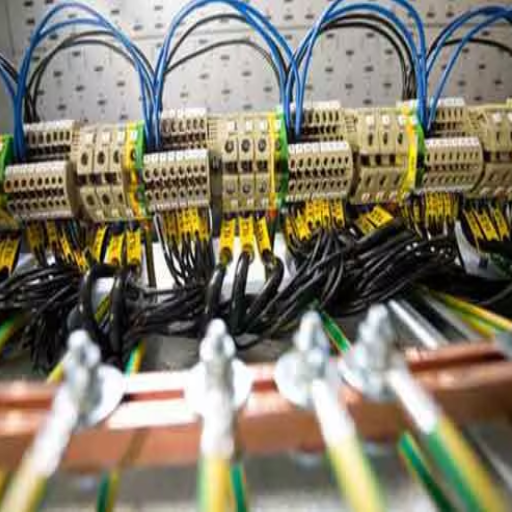
Generally called low voltage systems, electrical systems functioning usually with voltage up to 1,000 volts AC or 1,500 volts DC are essentially applied in residential, commercial, and industrial ventures that could include the art of lighting, household appliances, and communication network systems. Because of their lower voltage, they are relatively safer to be dealt with compared to the higher voltage systems, and secondly, they meet the specs for local power distribution and incentives in the small-energy category.
Characteristics of Low Voltage
Lower-voltage systems assure greatly diminished risk of electrical shock. Hence, they may be applied with safety in residential and commercial environments. These systems operate at voltage levels below a defined threshold (1,000 volts AC or 1,500 volts DC) as specified by some international safety standards. They are especially focused on the following traits: small-scale electrical energy efficiency, easy installation, and low-grade insulation requirements. Further, certain applications these systems address include security systems, LED lighting, HVAC controls, and data communications networks. This economic feasibility and versatility form the heart of low-voltage systems, which in turn become the backbone of contemporary infrastructure development.
Common Uses in Residential and Commercial Buildings
These are being installed in residential and commercial buildings for their adaptability and efficiency. In residential setups, these systems are used for LED lighting, doorbell, home security cameras, and home automation, such as voice-activated devices and smart thermostats, which help to save energy and add more functionality and safety.
In commercial buildings, low-voltage systems are widely implemented in structured cabling for data and communication networks, intercom systems, access control systems, and advanced HVAC controls. These systems ensure big security systems like fire alarms and surveillance cameras abide by the standards. Other applications include energy-efficient lighting and building automation, which together make significant cuts in operating expenses in commercial settings.
Types of Low-Voltage Cables and Transformers
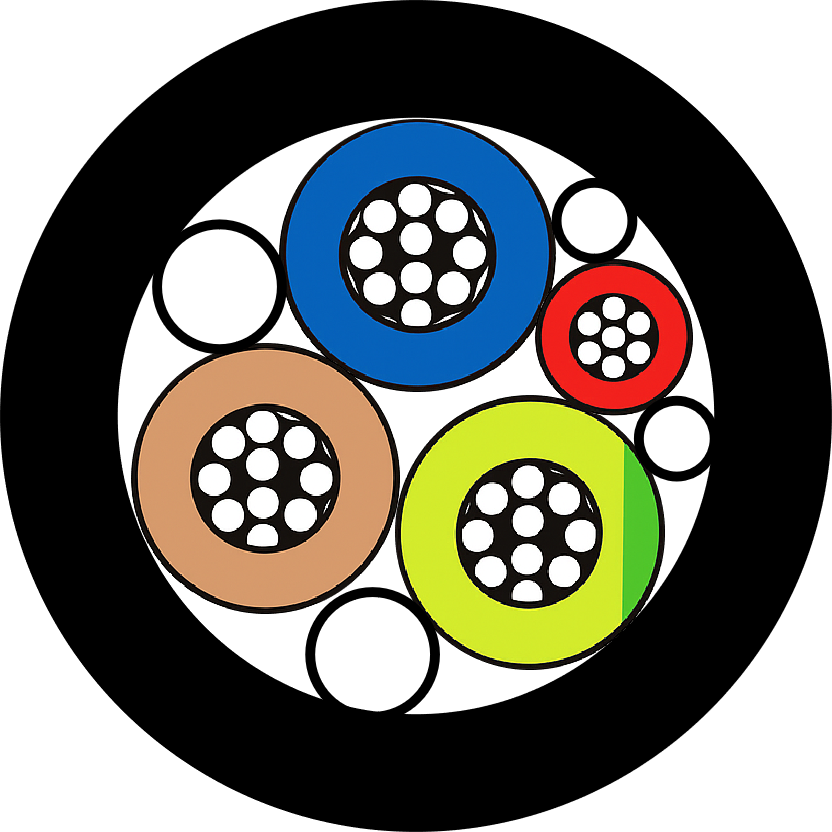
Low-voltage cables and transformers are imperative for electrical and communication systems, with their voltage capacity typically being lower than 1,000 volts. Being so, they serve to supply power to devices and systems at the safety and efficiency level. The major types of low-voltage cables are twisted pair cables, coaxial cables, and fiber optic cables:
- Twisted Pair Cables: Mainly applied in telecommunications and networking purposes, these cables have two conductors twisted together to reduce electromagnetic interference, thus supporting data transmission over short to medium distances. Examples are Cat5e and Cat6 cables employed in Ethernet networks.
- Coaxial Cables: These cables possess a central conductor surrounded by insulation, shielding, and an outer protective layer, commonly used in cable television (CATV) systems, internet connections, or other types of radio frequency transmission. A very good level of shielding capability guarantees that the cable maintains the signal’s integrity in highly noisy environments.
- Fiber Optic Cables: These cables use glass or plastic strands to send data as light signals. Fiber-optic cables with their huge bandwidth and low latency are suitable for present-day high-speed communication networks, comprising internet backbones, and long-distance data transfers.
The following text describes some uses of low-voltage transformers: step-down transformers lower voltage levels in order to supply LED light systems or smaller electronics, and isolation transformers are used to improve electrical safety in sensitive circuits. They’re sophisticated pieces of equipment capable of higher-level processes in accordance with different requirements to ensure performance reliability in both commercial and industrial applications.
Medium Voltage Systems
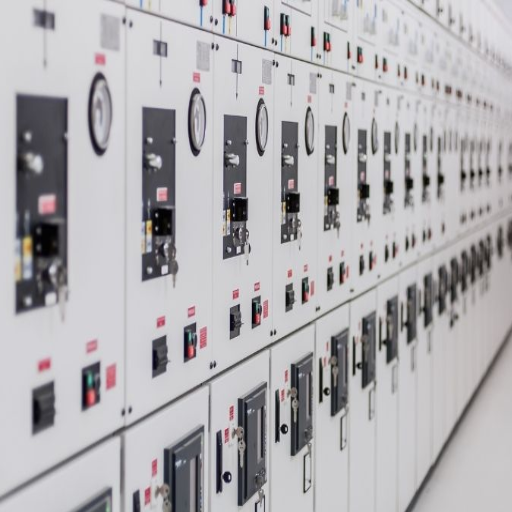
Operating within the spectrum of 1 kV to 35 kV, the medium voltage system is one of the power distributions used in industrial, commercial, and utility settings. These systems are set up for the efficient transfer of power for medium-distance applications, wherein power loss reduction is on one hand and insulation requirements are on the other. These include switchgear, circuit breakers, transformers, and protective relays, all of which are developed to perform well, yet with safety being of utmost priority. Medium voltage systems are of paramount importance for reliable infrastructure and are capable of supporting varying load demands.
Defining Medium Voltage
Medium voltage basically refers to electrical voltages ranging from 1 kV to 52 kV, depending upon the regional standards and application guidelines defined, for example, by the IEC or the IEEE. This voltage range allows for the crucial distribution of electrical energy from transmission systems operating at higher voltages down to lower voltage user applications. Medium voltage systems are qualified to work under industrial, commercial, and utility settings, allowing for efficient delivery of power while technically minimizing energy losses and guaranteeing safety on account of the superior insulation and protection measures. Correct rating and classification according to regional standards, therefore, is of utmost importance concerning the smooth and safe functioning of medium voltage equipment in varying applications.
Medium Voltage in Industrial Facilities
Medium voltage (MV) systems in industries are very important; they power heavy machinery, production lines, and auxiliary systems. Generally speaking, depending on regional standards and applicability, medium voltage is between 1 and 35 kV. They serve to transmit energy efficiently over large installations while preventing energy losses that would have occurred during the long-distance distribution. With medium voltage switchgear, transformers, and circuit breakers, they stand to control, protect, and distribute power electrically with high reliability.
For greater safety and long-lasting operation of a given system, one has to go for advanced insulation like SF6 gas or the vacuum insulation technique. In fact, industrial environments often require specialized medium voltage equipment that can tolerate severe environmental conditions, including low or extremely high temperatures, heavy vibrations, dust, or chemical deposits. Standard compliance as IEC 62271 and IEEE will assure the best performance and safety for equipment as well as human life, with maintenance and monitoring being equally important to ensure the uninterrupted functioning of any industrial operation.
Power Distribution and Substation Considerations
Power distribution being effective across substation networks depends on exact design, high technology integration, and adherence to statutory regulations. In general, the key considerations are load flow analysis for the distribution of energy with efficiency, fault current calculation to preserve the integrity of the system, and grounding techniques for the safety of both personnel and equipment. In fact, the modern power substation is equipped with automation and monitoring systems that do real-time diagnostics to help reduce downtime from faults. Thus, selecting switching equipment should be based on voltage levels and the capability to clear faults from any fault current that might arise. Transformer parameters have to be designed as per the load demand and consider losses, while spatial layout within the substation has to be geared for ease in maintenance, cooling arrangements, and future enlargement. Through the application of these finer points, one can significantly increase the reliability and operational efficiency of power distribution.
High Voltage Systems
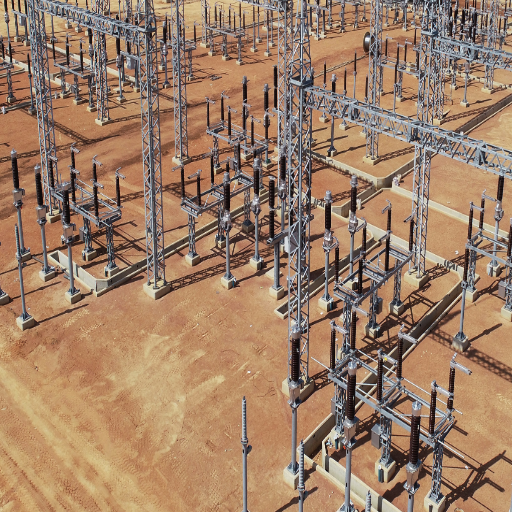
High-voltage systems need to have strict safety requirements in place to ensure their operational life and the safety of personnel. Insulated tools should be used, and lockout/tagout (LOTO) procedures must be followed. Maintenance of clearance distances is another key safety precaution. Equipment must be checked daily for wear and damage to avoid any failures. Operators must be fully trained for the task and wear PPE designed for their work under high voltage. This will effectively minimize the risks from electrical hazards.
Understanding High Voltage
High voltage is the term used to classify an electric current much greater than the one found in household circuits. Between inception and consideration stands the boundary that the voltage levels exceeding 1,000 volts for alternating current (AC) and those above 1,500 volts for direct current (DC) are classified as high voltage. Depending on some factors, high voltage can be placed within one limit and equally applied in industrial uses, power transmission engineering for all-transmission systems, and large energy engineering works because it is considered electricity transmission with high efficiency over long transmission lines and minimal losses.
The key considerations in high-voltage systems are insulation, safety, equipment design, and potential electrical stresses. Insulating materials must withstand these high electrical fields and not permit any arcs, while devices such as circuit breakers and transformers may be applied for protection and regulation of power flow. Safety is of utmost concern and hence must comply with international practices such as IEC 60071, which includes the coordination of voltages, and ANSI/NFPA 70E, which covers electrical safety in the workplace. Clear grounding and knowledge of fault currents are paramount for damage and safe operations under high voltage.
High Voltage in Power Plants and Transmission
The high-voltage system has been a backbone in transferring electric power efficiently over long distances and minimizing any energy loss. Normally, voltages in high-voltage transmission lines lie between 69 kV and 765 kV. Power plants generate electricity at lower voltages, which are then stepped up through transformers to minimize resistive losses during transmission. At the receiving end of the transmission system, a substation steps down the voltage to allow its safe distribution to consumers.
For reliability and efficiency, high-voltage transmission system technologies are established to serve Gas-Insulated Switchgear, considered to be suitable for dense urban areas because of its compactness and less maintenance. HVDC systems are also a good enhancement toward efficiency as they allow bulk transfer of energy with fewer losses over longer distances compared to AC systems.
Maintenance and safety protocols are of utmost importance for high-voltage environments. Protective equipment from relays to circuit breakers and insulation coordination prevents failure to complete and, therefore, takes care of the risk. Getters for IEEE C37 for circuit breaker testing and beyond—together with an enhanced monitoring system—provide clamps for operational integrity and reduce downtime to a bare minimum. Grid management and control have had to evolve, paralleling the continuous evolution of stator and converter technology and growing demand for energy, so that high-voltage grids could accommodate renewable energy sources with intermittent power flows.
Safety Measures for High Voltage Systems
Critical Safety Requirements:
High voltage system safety is a matter of utmost priority since damage to equipment, power outage, or possible injury might occur. In safe systems, the principle of control of fault current through proper grounding becomes paramount. Others include insulation maintenance to prevent dielectric breakdown, and application of PPE such as along-rubber gloves or arc flash suits. Once safety has been addressed, risk assessments need to be carried out regularly, identifying potential hazards and establishing strategies to mitigate them, for example, safety interlocks or lockout/tagout procedures. This not only increases system operational reliability but also improves safety for the operator. Additional training for the personnel in the latest technologies, like partial discharge monitoring or thermal imaging for fault detection, promotes system safety as well as operational efficiency. Systematic audits and compliance checks to ensure the functioning of high voltage networks until safety standards are maintained are also performed from time to time.
Comparative Analysis of Voltage Levels
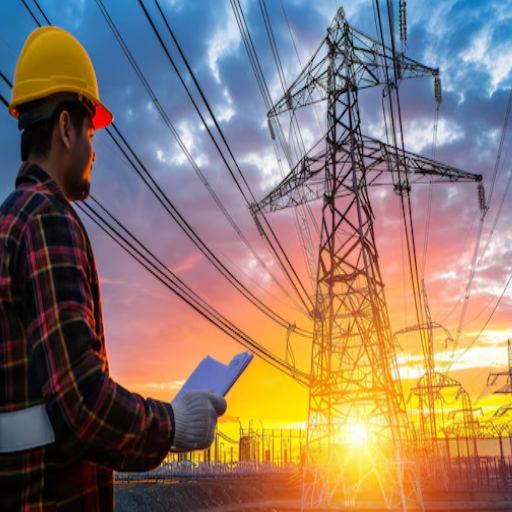
Voltage systems were broadly classified into three levels, depending upon the application and operating conditions. Low-voltage systems are generally considered to operate up to 1 kV and are used in residential, commercial, and light industrial installations where safety and easy installation are important. Medium voltage systems, lying between 1 kV and 35 kV, are applied by industrial plants and local generation-distribution networks, giving power somewhat higher than could be supported by insulation and maintenance. Systems above 35 kV are required for long-distance power transmission with associated industrial applications, to reduce transmission losses as far as possible. Hence, each voltage level is fitted to specific operational conditions.
Understanding the Differences Between Medium and Low Voltage
The term medium voltage normally refers to electrical systems operating in the range of 1kV to 35kV. Usually, low voltage is used to describe voltages below 1kV, typically anything below the 400/230 V found in an AC power system. Medium voltage is usually found in industrial plants, small distribution networks, and substations, where the higher voltage allows efficient transfer of energy over moderate distances. On the other hand, low voltage is utilized for residential, commercial, and smaller industrial activities, while appliances, lighting, and equipment run at this voltage.
Installing higher standards of insulation, placement, ward landscape, and design is what makes this the critical difference. Being of the higher voltage levels means that medium voltages should have insulation, arc-flash protection, and safety standards that are more robust to be able to bear the greater risks involved. Moreover, maintenance and installation expenses for equipment at medium voltage levels increase disproportionately. Low-voltage systems, being simpler and more cost-friendly, envision obstruction-free maintenance. The voltage range between these systems depends on the operational load, the distance of energy transfer, and the particular requirements laid out by the electrical infrastructure.
Impact on Power Systems and Efficiency
The way I see it, the impact on power systems and efficiency would largely depend on the very careful selection of voltage levels according to operational requirements. Medium voltage systems will efficiently transmit power all the way into the far distances with lesser line losses, but will have the costs of better insulation, equipment, and safety. Meanwhile, low-voltage systems present lower efficiency with long-distance transmission, while they are more practical and cost-effective for local applications. Of course, very much dependent upon the way to balance efficiency with cost and complexity, the approach deemed best for a particular power system.
Future Trends in Voltage Classifications and Renewable Energy
In conjunction with the incorporation of renewable sources and smart grid developments, the changes in voltage classifications have evolved. HVDC systems are getting more and more popular as a way to efficiently transmit power over very long distances, especially from distant renewable power sources such as offshore wind farms or solar plants. It loses less energy and provides more stability, thus becoming a very important asset for the modernization of energy infrastructure.
Medium-voltage DC (MVDC) systems are also emerging as a capable answer for localized renewable energy grids that are distributing energy efficiently in microgrid applications and urban areas. These systems are engineered to deal with the fluctuating nature of energy generation from renewables while providing a steady delivery.
Future trends expect advanced materials and technologies, such as superconductors and power electronics, to be used for voltage optimization and transmission efficiency. The integration of digital technologies, including AI and IoT-enabled devices, is helping in dynamic voltage regulation and balancing energy efficiently across grids.
Such ongoing innovation in voltage classifications is necessary to meet the growing demand for clean energy, but also to address technical challenges such as variability and reliability of the grid. In that sense, these developments allow for the integration of renewable energy systems into existing power infrastructure toward sustainability initiatives on a global scale.
Summary: Key Takeaways on Voltage Classifications
Understanding voltage classifications is fundamental to the design, operation, and maintenance of electrical systems across all scales—from residential applications to massive power grids. This comprehensive guide has explored the critical distinctions between low, medium, high, and extra-high voltage systems, each serving unique purposes in our modern electrical infrastructure.
Low voltage systems (up to 1 kV) form the foundation of everyday electrical applications, powering our homes, commercial buildings, and small industrial operations with an emphasis on safety and accessibility. Their relatively simple design and lower risk profile make them ideal for end-user applications where human interaction is frequent.
Medium voltage systems (1 kV to 35 kV) bridge the gap between generation and consumption, serving as the workhorses of industrial facilities and regional distribution networks. These systems balance the need for efficient power transfer over moderate distances with practical considerations of cost, safety, and maintenance.
High voltage systems (35 kV to 230 kV) enable the long-distance transmission that makes modern power grids possible. By minimizing resistive losses through the P=I²R relationship, these systems ensure that electricity generated at power plants reaches consumers efficiently, regardless of distance.
Extra-high voltage systems (above 230 kV) represent the pinnacle of transmission technology, facilitating interstate and international power exchange while minimizing energy losses to the absolute minimum. These systems are essential for grid interconnection and the integration of large-scale renewable energy sources.
The proper classification and application of voltage levels directly impact system efficiency, safety, reliability, and cost-effectiveness. Engineers and technicians must carefully consider voltage ratings when designing electrical solutions, taking into account factors such as transmission distance, load requirements, safety standards, maintenance needs, and regulatory compliance.
Looking forward, the evolution of voltage classifications continues alongside the integration of renewable energy sources and smart grid technologies. Innovations in HVDC systems, medium-voltage DC networks, superconductors, and digital control systems are reshaping how we think about voltage optimization and power transmission. These advances are crucial for meeting the growing demand for clean energy while maintaining grid stability and reliability.
Whether you’re an engineer designing electrical systems, a technician maintaining power infrastructure, or a professional seeking to understand electrical fundamentals, knowledge of voltage classifications is indispensable. This understanding enables informed decision-making that promotes system reliability, operational efficiency, and most importantly, the safety of personnel and equipment.
Quick Reference Guide: Voltage Classification Summary
| Classification | Voltage Range | Primary Uses | Key Characteristics |
|---|---|---|---|
| Low Voltage (LV) | Up to 1 kV AC / 1.5 kV DC | Residential, commercial, small industrial | High safety, easy installation, low cost |
| Medium Voltage (MV) | 1 kV to 35 kV | Industrial facilities, regional distribution | Balanced efficiency, moderate safety requirements |
| High Voltage (HV) | 35 kV to 230 kV | Long-distance transmission, national grids | High efficiency, strict safety protocols |
| Extra-High Voltage (EHV) | Above 230 kV | Interstate/international transmission | Minimal losses, maximum efficiency |
Important Considerations for Electrical Professionals
- Always Prioritize Safety: Voltage classification directly correlates with safety requirements. Higher voltages demand more stringent safety protocols, specialized equipment, and trained personnel.
- Understand Regulatory Compliance: Different regions have specific standards (IEC, IEEE, ANSI, NFPA) that govern voltage classifications. Ensure your designs and operations comply with applicable regulations.
- Consider Total Cost of Ownership: While low voltage systems have lower initial costs, medium and high voltage systems may offer better long-term efficiency for appropriate applications.
- Plan for Maintenance: Higher voltage systems require more specialized maintenance procedures and qualified personnel. Factor this into system design and operational planning.
- Assess Load Requirements Accurately: Proper voltage level selection depends on accurate assessment of current and future load demands, transmission distances, and efficiency requirements.
- Stay Current with Technology: Advancements in power electronics, smart grid technologies, and renewable energy integration continue to evolve voltage classification applications.
- Implement Proper Insulation: Insulation requirements increase with voltage levels. Ensure materials and designs meet or exceed specifications for the voltage class.
- Design for Scalability: Consider future expansion needs when selecting voltage levels and designing electrical infrastructure.
- Monitor System Performance: Regular monitoring and diagnostics help maintain system efficiency, identify potential issues, and ensure continued safe operation.
- Invest in Training: Ensure all personnel working with electrical systems receive appropriate training for the voltage levels they encounter.
Conclusion: The Critical Role of Voltage Classifications
Voltage classifications represent far more than arbitrary categorizations—they are fundamental organizing principles that ensure the safe, efficient, and reliable operation of electrical systems worldwide. From the low-voltage circuits powering our smartphones and home appliances to the extra-high voltage transmission lines spanning continents, each classification serves a specific purpose in our interconnected electrical infrastructure.
The distinctions between low, medium, high, and extra-high voltage systems inform every aspect of electrical engineering: component selection, safety protocols, insulation requirements, maintenance procedures, and regulatory compliance. Understanding these classifications enables engineers and technicians to make informed decisions that balance competing priorities of efficiency, cost, safety, and performance.
As we move toward a future increasingly dependent on renewable energy sources and smart grid technologies, the importance of voltage classifications only grows. New applications such as HVDC transmission, MVDC microgrids, and ultra-high voltage systems for transcontinental power sharing demonstrate the ongoing evolution of voltage technology. These innovations build upon the fundamental principles established by traditional voltage classifications while pushing the boundaries of what’s possible in power transmission and distribution.
For professionals working in electrical infrastructure—whether designing new systems, maintaining existing ones, or planning future expansions—a thorough understanding of voltage classifications is indispensable. This knowledge forms the foundation for creating electrical systems that are not only functional and efficient but also safe and sustainable for generations to come.
The journey through voltage classifications reveals the elegant complexity of modern electrical systems and the careful engineering required to deliver power safely and efficiently from generation to consumption. As technology continues to advance and energy demands evolve, these fundamental classifications will remain essential tools for managing our electrical future.
Reference Sources
Algorithms of Flap Reconstruction in High-Voltage Electrical Injuries
Modeling of High-Frequency High-Voltage Waveforms on the Life of Enamel Insulation
Development Process and Testing of Partial Discharge Detection Device on Medium Voltage XLPE Cable
Frequently Asked Questions (FAQs)
What constitutes the difference between low voltage and high voltage?
The main distinguishing factor of low voltage and high voltage is the level of electric voltage used in various applications. In general, low voltage takes into consideration voltages below 1000 volts, whereas high voltage generally concerns anything above 1000 volts. To ensure the safety factor and the enforcement of relevant regulations affecting residential and industrial setups, therefore, we should know about this distinction.
Why must the voltage be kept high in transmission?
High-voltage transmission is really needed because it ensures the effective transport of electricity for long distances. The utilization of high voltage makes power companies avoid all energy losses, as energy is lost at the transmission lines due to resistance; hence, it becomes the most important part of the supply transmission from the power plant to any big commercial and industrial load.
What roles do medium voltage and high voltage play in power systems?
Medium voltage and high voltage hold significant positions, setting up for airplane-mechanic distribution within various sectors. Medium voltage usually means from 1kV up to 35kV, with common installations usually found within industrial or large commercial buildings. High voltage exceeding 35kV is important for the transmission of power in an efficient manner from power plants to substations.
Why is voltage inversely proportional to current?
The relation between voltage and current is direct; practically, they are inversely proportional. Meaning, an increase in voltage results in a decrease in current for a fixed power value. This is a very essential relationship to keep in mind when considering the design of electrical systems-from the perspective of efficiency and safety-in particular, in high voltage applications.
What kind of specialized equipment must be used in high-voltage maintenance?
There are certain tools and skills necessary for electrical systems working under high voltage to be maintained. Technicians make use of high-voltage meters and protective equipment to secure themselves while conducting maintenance and testing procedures. Compliance with regulation requirements is thus imperative during these operations to avoid accidents and allow for proper functioning.
How does voltage affect the commercial transport of electricity?
The voltage levels are highly significant in augmenting the efficiency of the commercial land transmission of power; high potentials guarantee power transmission under minimal energy losses due to resistance offered along the cables, so that a great amount of power can be transmitted over long distances without much degradation in power level. In fact, this requires a much more powerful setup of giant industrial and commercial architectures.
What levels of voltage are used in electrical systems?
Voltage classifications in electrical systems include low voltage, medium voltage, and high voltage. Hence, each classification has different purposes: low voltage for general use in residential electrical systems, medium voltage for industries, and high voltage for transmitting electricity over long distances. An understanding of these classifications is crucial in designing and complying with relevant codes.
Why is it important to keep medium voltage within industrial setups?
In industrial setups, keeping medium voltage ensures the reliability of the installations and prevents any chances of electrical hazards. Medium voltage systems are sometimes provided with specific transformers and cables designed for operation within that particular voltage range. Testing and maintenance of the system must be periodic to ensure compatibility with the equipment and conformance to safety standards.