


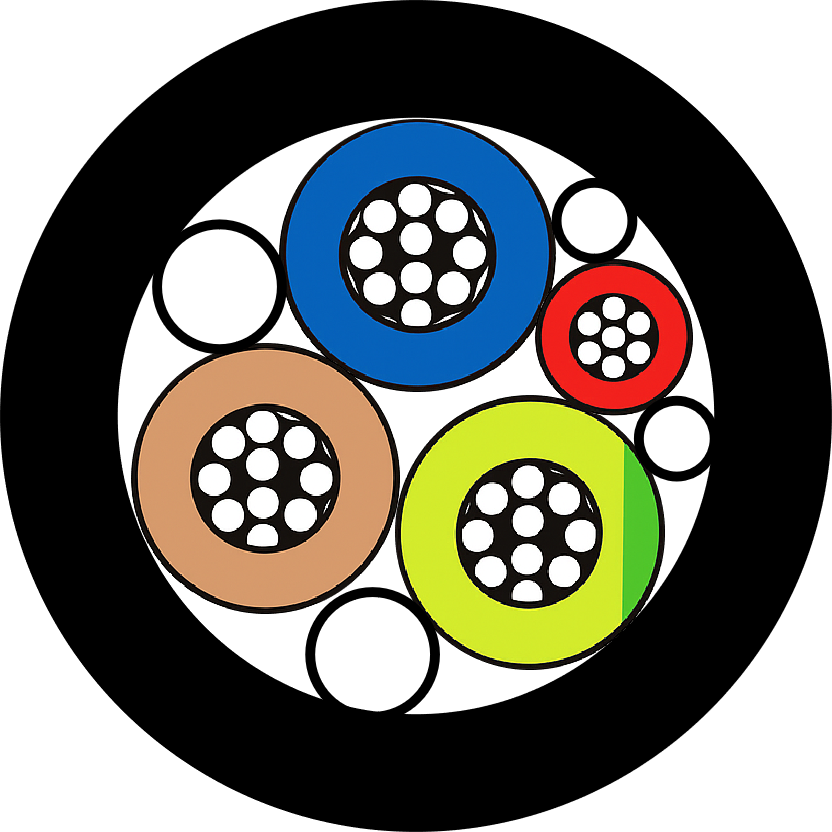





Understanding Coaxial Cables
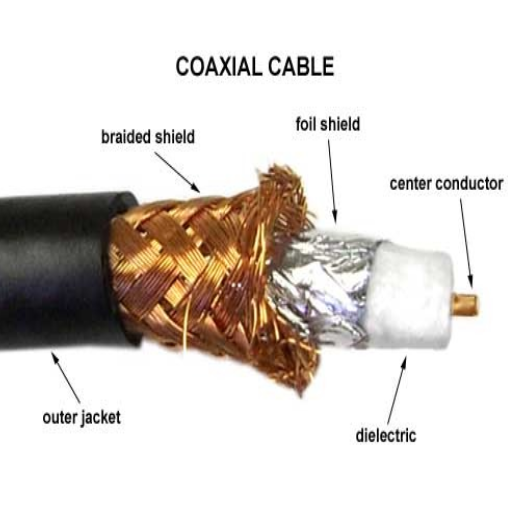
Coaxial cables are cables of an electrical nature that have been made particularly for the purpose of transmitting high-frequency signals with very low interference. The cables consist of four primary layers: a core conductor that transmits the signal, an insulating layer surrounding the conductor, a metal shield for blocking outside electromagnetic interference, and a protective outer jacket. The coaxial arrangement guarantees signal quality over longer distances and is widely used in areas that include cable TV, internet connections, and radio communications. Their longevity and capacity for high bandwidth represent a good choice for the constant transmission of signals to be reliable.
What is a Coax Cable?
A coaxial cable, which is also referred to as a coax cable, is one kind of electric wire that has been purposely built for nothing but high-frequency signal transmission in an interference-free and low-loss manner. The coax cable has four main components: a centre conductor, made usually of either copper or aluminum, which carries the signal; a dielectric insulating layer that forms the outer sheath for the conductor; a metallic shield made of either braided copper or aluminum foil which are the main block when it comes to the electromagnetic interference (EMI) entering the conductor; and finally the outer protective plastic jacket. The overall structure in layers not only offers but also guarantees signal integrity and less external disturbances.
Due to their characteristics such as resistance to distortion, high power handling, and durability, coaxial cables are widely used in many applications, e.g., cable TV, broadband Internet, and radio communication. Their use in communication systems is especially pronounced in cases of medium to long-distance transmissions. Most cable types have signal quality maintained at the same level as coax. Variants like RG-6 and RG-59 of differing characteristics in terms of frequency and distance are the most common ones. In general, the combination of factors such as reliability, easy installation, and performance makes coax cables indispensable in today’s communication systems.
Overview of RG58 and RG59
RG58 and RG59 coaxial cables are two widely accepted standards, each having its own specialized applications. The former is usually employed for radio frequency (RF) communication and data transfer in networking environments, to name a few, amateur radio and laboratory setups. Its thinner core results in a greater signal loss in longer distances, which makes it preferable for controlled environments over shorter distances.
In contrast, RG59 is made for video transmission and is used in places such as CCTV, cable television, and low-frequency signal transfers, among others. A thicker center conductor with better shielding allows it to work with lower-frequency signals over distances of up to moderate. With this, however, comes the disadvantage that RG59 is not suitable for high-frequency applications, as the attenuation is higher compared to RG6 or RG58.
The two cables, while serving different purposes, still require the selection of the right type according to the specific use case, frequency, and distance of transmission. The optimization of communication systems critically relies on the proper understanding of the structural differences and performance characteristics of the signals.
Common Applications for Coaxial Cables
Coaxial cables have made their presence felt in numerous industries and applications because of their diversity and good signal transmission capability. A few of the most common applications are listed below:
Television and Radio Broadcasting
From the very beginning, coaxial cables have played a fundamental role in providing audio and video signals for cable television and terrestrial radio broadcasting. Their outstanding feature of reducing signal loss over long distances has turned them into an ideal choice for the efficient transmission of high-quality content from the producers to the audience.
Internet and Data Connectivity
The deployment of maintenance-free coaxial cables is extensive in the field of broadband internet connections, particularly in hybrid fiber-coaxial (HFC) networks. These cables, in fact, do all the hard work with high bandwidth and strong data transmission; thus, they are the key elements to the internet being available to a large number of people and also reliable network architectures.
Surveillance and Security Systems
Coaxial cables like RG59 are quite popular to use in closed-circuit television (CCTV) systems because they offer the secure transmission of video feeds from cameras to recording devices. One of their main advantages is that they can prevent interference, which is very important for the overall performance of security systems to be consistent.
Medical and Industrial Equipment
Ultra-royal coaxial cables are used in ultrasound and endoscopic medical imaging devices, etc., as well as industrial machinery for reliable signal transfer. Precision-engineered design ensures accurate transmission in environments needing high reliability.
Aerospace and Automotive Applications
The aerospace and automotive sectors still rely on coaxial cables when it comes to navigation, communication, and sensor systems, where signal integrity is highly important and the conditions are quite harsh.
By covering these different applications, coaxial cables are still able to demonstrate their significance in both conventional and modern technology implementations. Their capability to handle a wide range of frequencies and bandwidths makes them even more relevant in the realm of advanced communication and data systems.
Comparative Analysis of RG58 and RG59
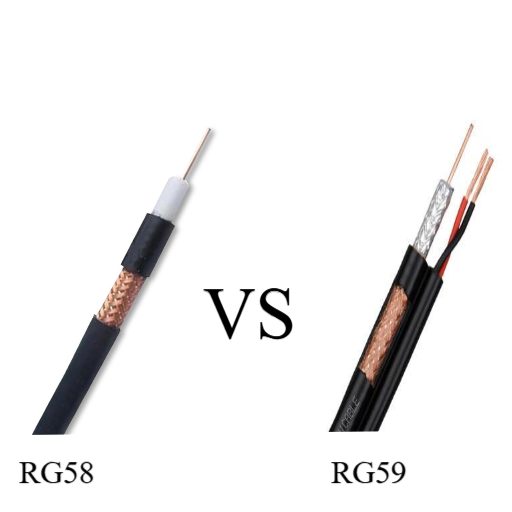
Despite both RG58 and RG59 cables being classified as coaxial cables, they are nevertheless intended for different uses. Networking, radio communication, and low-power signal transmission are among the main domains in which RG58 is used. It features a smaller diameter and a 50-ohm characteristic impedance, which makes it suitable for short-range data transmission and circuits that need high-frequency signals.
In contrast, RG59 video has a larger diameter and a 75-ohm characteristic impedance, which makes it perfect for the transmission of video signals, as in CCTV systems and cable TV. It is more effective in maintaining signal quality over larger distances, but it is also less capable of handling high-frequency signals than RG58.
To sum it up, RG58 is perfect for high-frequency applications at short distances, while RG59 is the best for long-distance transmission of low-frequency signals, especially for video. The decision between the two is determined by the application’s specific requirements.
Impedance and Signal Transmission
Impedance is a vital factor that greatly influences the quality of signal transmission in coaxial cables. Impedance is the resistance that AC encounters and is dependent on the cable’s construction. RG58 is a typical type of cable used for RF and data communication because of its low 50-ohm impedance. In contrast, 75-ohm RG59 cabling is preferred for TV and video signal distribution due to its higher impedance.
For the best signal conditions, the impedance of the cable must match that of the devices it connects to. Where there is an impedance disparity, the signal gets partly reflected, which in turn causes interference and a performance drop. So, to avoid signal distortion, it is important to pick a cable whose impedance matches the requirements of the particular system or device configuration.
Insulation and Durability
A cable’s insulation is very important when it comes to keeping the quality of signal transmission intact and also helping the cable last longer in all kinds of conditions. Very good insulation materials like polyethylene (PE), polyvinyl chloride (PVC), or fluoropolymers are used for their strong dielectric properties, which guarantee that there will not be much signal loss and that the cable will be shielded from electrical interference. Moreover, insulation acts as a barrier to temperature changes, UV rays, and water. The use of multi-layer designs, such as reinforced jackets or braided shielding, to enhance durability will protect the cable against physical damage, which includes abrasion, bending, and compression. The selection of cables with suitable insulation and durability ratings guarantees both performance reliability and operational efficiency in the long run.
Performance Differences: RG58 vs RG59
| Feature | RG58 | RG59 |
|---|---|---|
| Impedance | 50 ohms | 75 ohms |
| Diameter | Smaller | Thicker |
| Attenuation | Higher (faster signal loss) | Lower (better over distance) |
| Primary Use | RF communication, networking, lab setups | Video transmission, CCTV, cable TV |
| Frequency Range | High-frequency signals | Low-frequency signals |
| Distance | Short-range (controlled environments) | Moderate distances |
The distinct coaxial cables RG58 and RG59 possess great dissimilarities regarding design, capabilities of signal transmission, and applications; therefore, they are appropriate for different use cases. The diameter of RG58 cables is smaller than that of RG59, and it also has a greater attenuation rate, which is a cause of fast signal loss over the distance; thus, the effective range is short. The most common use of RG58 is in areas where low-power radio frequency (RF) communication systems, such as CB radios, laboratory setups, and drones are experience 50-ohm impedances, which is the impedance typically used.
However, RG59 cables have opposite features, which means being thicker, not only in diameter but also in insulation, leading to low attenuation contrary to the case of RG58 over longer distances. These cables with 75-ohm impedance are mainly for video transmission; thus, they have applications in CCTV systems, cable TV, and satellites. Besides that, RG59 is suitable for high-frequency signals, and it is also able to work with modern digital and high-definition video formats.
When it comes to choosing between RG58 and RG59, it is very important to take into account the probable application, the needed signal range, and the system impedance so as to get the best performance and limit the amount of signal loss. The detection of such differences in performance makes it possible to select the right coaxial cable that precisely matches the specified technical requirements.
When to Use RG58
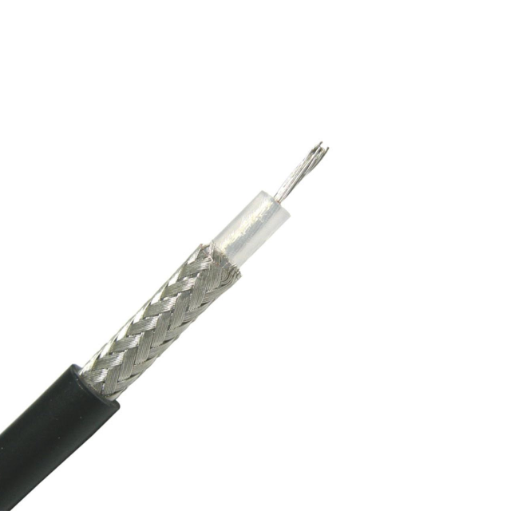
In general, RG58 is the cable of choice where short-distance signal transmission is involved and for systems with a 50-ohm standard impedance. It is a perfect candidate for RF communication, ham radio installations, and equipment under test scenarios. Furthermore, RG58 is a good choice for low-power signal transmission and has become a staple in laboratories and experimental setups where flexibility and quick installation are the most important factors.
Ideal Scenarios for RG58
The RG58 coaxial cable is a very suitable option for applications that require moderate performance and a certain degree of flexibility. Among its uses, the most important one is in local area networks (LANs) working with 10BASE2 Ethernet, which fits within the range of low-power applications. Moreover, this cable performs very well in RF communication systems with a 50-ohm standard impedance, for instance, in ham or CB radios, where the signal can barely fade during short-distance transmission. The RG58 cable is common in laboratory areas for testing and prototyping because of its small size and flexibility for routing in tight areas. It also fits in applications with mobile communication systems or temporary installations, where ease of handling is of utmost importance.
Limitations of RG58
Coaxial cable RG58, although it is widely used, has a number of restrictions, which lead to its limited application in certain areas. The most important one is the fact that the cable has a high attenuation level that increases with distance and frequency. This makes it impossible for use in systems that need long cable runs or operate at GHz ranges. Also, the power-handling capacity of RG58 is less than that of thicker coaxial cables, which can cause either of the two: the signal can be degraded or the cable can be overheated in high-power transmission situations. The quality of the signal in the case of high EMI can be affected because of the cable’s single braid shielding, which is not as effective as double shielding or foil layers in preventing EMI. Additionally, the smaller size of RG58 makes it physically less durable in tough environments, where cables are required to be rugged or armored. Because of these limitations, cables like RG6 or LMR might be alternatives that fit better in case of such applications.
Alternatives to RG58
When it comes to looking for options besides RG58, the very first thing to do is to pinpoint the exact requirements of your application. Some of these requirements might include frequency range, durability, attenuation, and even shielding.
RG6 Coaxial Cable
RG6 is largely regarded as a first-rate substitute for RG58 primarily because of its excellent shielding and minimized signal attenuation over long distances—two full-fledged applications of cable TV, satellite, and broadband Internet. RG6 construction, comprising a dielectric of greater thickness and either double or quad shielding, assures that the cable will function without any issues in places with strong electromagnetic interference (EMI). The cable can carry on with high-frequency ranges—usually up to 3 GHz—which makes it a good candidate for modern high-bandwidth connections.
LMR Cables
Among the many types of LMR cables, LMR-400 comes with a guarantee of excellent performance in both RF signal transmission and environmental durability. Thanks to its flexible, low-loss design with multi-layer shielding, it has gained a good reputation in the wireless communication, antennas, and radio systems field. When compared to RG58, LMR cables have a considerably lower attenuation and are capable of operating at higher frequencies, thus being the first choice for long-distance or high-power applications. Moreover, LMR cables are the best coaxial cable choice.
RG11 Coaxial Cable
RG11 coaxial cable is another robust alternative with low signal loss over extended runs. Its larger diameter and enhanced shielding make it ideal for outdoor use, particularly in situations where cable runs exceed 100 feet. Due to its rigidity and size, RG11 is often deployed in backbone networks, broadband installations, and other infrastructure-heavy systems.
Selecting the correct alternative to RG58 will guarantee the best possible performance, reliability, and signal integrity in your application if you thoroughly analyze your use case limitations and requirements.
When to Use RG59
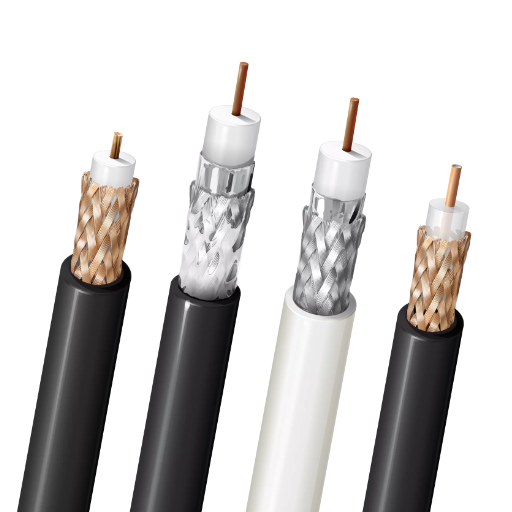
RG59 works great in applications where only short cable runs and low-frequency signals are involved. Its small size gives it a good flexibility advantage, making it easier to install, particularly in restricted areas. Nevertheless, because it suffers greatly in long-distance transmission, it is not considered for high-frequency or long-range applications. RG59 is the best choice in places where ease of use, low cost, and compatibility with old technology are the main goals.
Ideal Scenarios for RG59
The RG59 coaxial cable is most suitable for applications requiring short-distance signal transmission and lower frequency ranges. It is mainly used in CCTV systems, where the cables are generally less than 750 feet, which means there will be very minimal signal loss. Another area of use for this type of cable is in analog video applications and basic cable television installations that do not require high data rates. Besides that, RG59 is often chosen for the installations of older systems needing legacy connectors and equipment that are compatible. The cable’s flexible structure makes it appropriate for indoor installations where space is limited or ease of handling is needed. All the same, for modern, high-frequency, and long-distance applications, RG59 is often not the case because of its higher attenuation rates than those of newer cable standards like RG6.
Limitations of RG59
The RG59 coaxial cable is mainly for low-frequency applications, which limit its use in modern high-frequency setups. A major drawback of this cable is its greater signal attenuation, especially over long distances, which makes it unfit for effective transmission of signals beyond short ranges. Moreover, it has lower shielding than that of RG6 cables, which results in a higher level of interference from outside sources, thus quality of the signal being compromised. RG59 also finds it hard to meet the bandwidth requirements of HDTV, satellite, and broadband internet, making it less adaptable to current communication systems. The outdated design is, in fact, a better fit for the old analog systems than for the digital standards that are evolving in the present day.
Alternatives to RG59
There are several alternatives to RG59 coaxial cables, but RG6 is the one that has emerged as the best option for modern times because of its improved shielding and capacity for handling higher frequencies. The usage of RG6 cables is very specific since they are made for digital signals and work perfectly for HDTV, satellite TV, and broadband internet, as they provide consistent signal quality and only a small amount of interference.
Additionally, there is an alternative in the form of RG11 cable, which is of a larger diameter and provides an even better quality of signal transmission for long distances in comparison to RG6. Its low attenuation and excellent shielding characteristics make it the best choice for high-end installations requiring very little signal loss.
In case of the demand for a hybrid solution, the option of using fiber optic cables is available. Fiber optics, unlike coaxial cables, works on light transmission and thus provides incredible bandwidth and speed, along with being immune to electromagnetic interference. These cables are great for high-speed internet and telecom markets; however, they do require specialized hardware for installation and operation.
Each and every alternative comes with its own set of benefits that depend on the system’s specific requirements, with RG6 being a general installation upgrade, RG11 suitable for long distances, and fiber optics for state-of-the-art performance requirements.
Choosing the Right Coaxial Cable
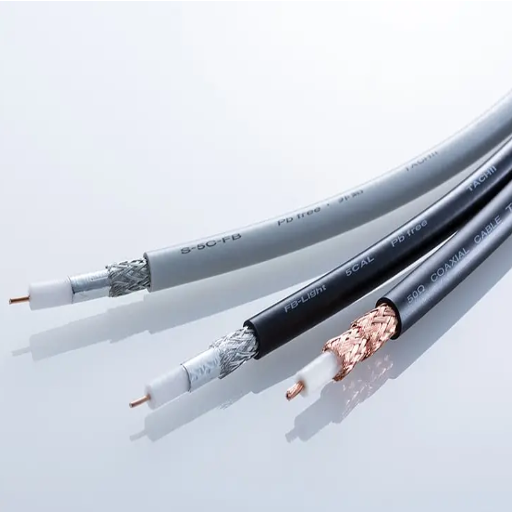
When it comes to choosing the right coaxial cable, it is necessary to consider the particular requirements of the system. In case of general-purpose installations, RG6 can be regarded as the most versatile and most widely used option due to its performance and cost-efficiency balance. For applications involving long distances or very low loss, the choice of RG11 is justified due to its excellent insulation and low attenuation. For the ultimate performance systems, especially in high-speed internet and sophisticated telecommunications, fiber optics is recommended, as these technologies offer the best in terms of signaling clarity and bandwidth, albeit with a professional installation requirement. Weigh your operational needs alongside the environmental factors to select the cable that will fulfill your performance requirements the most.
Factors to Consider
In choosing the correct cable, I put emphasis on a few major aspects. To begin with, I measure the distance that the signal should travel, because the distance determines the cable type: RG6 for short distances, RG11 for long runs, or fiber optics for the highest performance. Next, I take into account the purpose of the cable, like ordinary TV, fast internet, or sophisticated telecom, to pair the cable’s characteristics with the requirements of the system. Last but not least, I consider factors like interferences and the need for toughness in the durability of the cable, to be sure that performance would be reliable and long-lasting. These factors help me find the best option.
RG6: A Comparison with RG58 and RG59
In the comparison between RG6, RG58, and RG59 coaxial cables, various technical differences arise that relate to their construction, performance, and intended uses. RG6 is the thickest among the three, having the largest conductors (usually 18 AWG), the best insulation, and the finest shielding, hence its application for high-frequency areas such as satellite communication, broadband Internet, and HDTV signals. These cables are engineered to reduce the quenching and the noise over a great distance, and this makes it possible to have higher bandwidths and frequencies of up to 3 GHz.
In contrast, RG58 is the thinnest of the three. It is suitable for lower frequency applications, such as RF communications and networks with CB radios or amateur radio systems. Due to the high attenuation rates and poor shielding, they are not always suitable for modern broadband applications, but their flexibility is an advantage in short-distance connections.
RG59 is relatively the same thickness as RG58 and is mostly used for analog video signals in CCTV or Cable TV stands. Though RG59 is more affordable than RG6 and has a lower loss rate over distance, it is limited to the use of under 1 GHz frequencies, thus making it less efficient in high-resolution digital transmissions or internet applications.
In the end, RG6 gives the heaviest-duty solution for the most modern and high-performing systems, but RG58 and RG59 can still be useful in specific legacy or low-frequency domains. The final decision rests on the specifics like the application, the distance over which the signal has to travel, and the quality of signal required.
Final Recommendations
Choosing the best coaxial cable comes down to three important things to consider: the use of the cable, the frequency of the signal, and the distance. For example, the RG6 is a more advantageous option than any other type of wireless application due to its abilities and characteristics, particularly in shielding and losing less signal when travelling over longer distances. Thus, RG6 guarantees the best performance in current-day systems.
On the other hand, for lower-frequency uses like analog video and radio communication under 1 GHz, RG59 might do the job, especially if the distance is small. However, RG58 is still in the picture for old applications like Ethernet networks because it works only with certain equipment.
To sum everything up, always pick the dead-on way that goes with your system’s requirements and the operational setting, to gain the advantages of durability, performance, and reliability. In case high-resolution digital signals, long distances, or brownouts are concerns, RG6 is the only choice.
Key Takeaways
- RG58 is ideal for short-distance, high-frequency RF communications with 50-ohm impedance requirements
- RG59 excels in video transmission and CCTV applications with 75-ohm impedance over moderate distances
- RG6 offers the best modern solution for high-frequency, long-distance applications including HDTV and broadband internet
- Always match cable impedance with your equipment to avoid signal reflection and interference
- Consider distance, frequency range, and environmental factors when selecting your coaxial cable
- For legacy systems, RG58 and RG59 remain viable options, but modern installations benefit from RG6 or fiber optic alternatives
Important Considerations
Remember that using the wrong cable type can result in significant signal loss, interference, and poor system performance. Always consult your equipment specifications and consider professional installation for complex setups. The investment in the right cable will pay dividends in system reliability, signal quality, and long-term maintenance costs.
Reference Sources
Signal Cable Selection for the VERITAS Observatory
Transmission and Attenuation of Electromagnetic Pulses
Cables, Transmission Lines, and Shielding for Audio and Video Systems
Frequently Asked Questions (FAQs)
What is the difference between RG58 and RG59 coaxial cable?
The major distinction between RG58 and RG59 lies in their impedance and build. The impedance of RG58 is generally rated at 50 ohms, which makes it applicable in radio-frequency units with low-power input, whereas RG59 has an impedance of 75 ohms and thus is suitable for video signal transmission. The disparity in construction at first and the difference in impedance further imply that they have different areas of deployment in the existing wiring.
Which cable should I choose for video signal transmission, RG58 or RG59?
RG59 coax cable is recommended for video signal transmission mainly because of its 75 ohm impedance, which is best for high-quality video signals, and also for the maintenance of signal quality over distances that are not very large. The 50 ohm RG58 is not very efficient for video transmission and hence—due to poor efficiency—best suited for amateur radio equipment and ham transceivers.
Why is RG59 coax cable preferred for broadband frequencies?
There is considerable preference for RG59 coax cable over RG58 in broadband frequencies because the former presents lower signal loss with respect to the latter. The making of RG59 often involves polyethylene insulation and a PVC outer protective layer and thereby ushering in durability against environmental factors, so the performance of its usage in video and data transmission is over the long run.
Are RG58 and RG59 similar in terms of construction?
While RG58 and RG59 display their identical properties in being coax cables, yet, they differ in their construction parameters. RG58 provides a less than 20 AWG conductor size, which is usually the case, while for the RG59 large conductor is built in a way that it supports the video applications better than the others. The insulation types also have differences; RG59 generally goes with polyethylene insulation and PVC sheath for better durability.
What applications are RG58 and RG59 best suited for?
RG58 can be used in cases of the application involves low-power radio-frequency signals it is the case as amateur radio and ham transceivers, due to the cable’s 50-ohm impedance. On the other hand, RG59 is the mastermind behind such video applications as CCTV installations and cable television, where signal strengths over distances have to be maintained; hence, RG59 comes in.
What is the significance of impedance in RG58 vs RG59?
Impedance in a coaxial cable is a very significant factor that influences its performance a lot. RG58 is said to have a 50 ohm impedance, which is said to be ideal for low power applications, whereas RG59 with a 75 ohm impedance is considered a must for video and data applications. If one chooses the proper impedance according to the particular requirements, less signal loss occurs, and thus it becomes easier to transmit the signal effectively.
Can I use RG58 for high-definition video signals?
Using RG58 for high-definition video signals is not a good idea. Its 50-ohm impedance can cause a lot of signal loss and lead to low signal quality. On the other hand, RG59 with its 75-ohm impedance is designed for such professional applications and hence is the larger-than-life choice for quality video signal transmission.
What should I consider when choosing between RG58 and RG59?
When making a choice between RG58 and RG59, you should first determine the use of the cable. If it is purely for low-power radio-frequency, then RG58 would be the choice, while for video signal transmission, the preference would be for RG59 because of its impedance and signal loss. However, always go for the best cables, and that way, you can be sure of the performance and also that you will not be deceived by substandard products, which may not give you the desired performance.