






When discussing modern lighting systems, one cannot overlook downlights, which have become a sought-after feature for both residential and commercial sectors due to their sleek design, versatility, and functionality. So what exactly is a downlight? Why are LED downlights and recessed bulbs such a seller in today’s lighting context? This article comprehensively covers everything one should know about a downlight, including its defining features and the benefits it brings to an interior space. Whether you are refurbishing your home or upgrading office lighting, you will find helpful tips that support your independent decisions. Get ready for a journey back to the days when stylish lighting options led to transparency in any kind of environment.
Introduction to Downlights
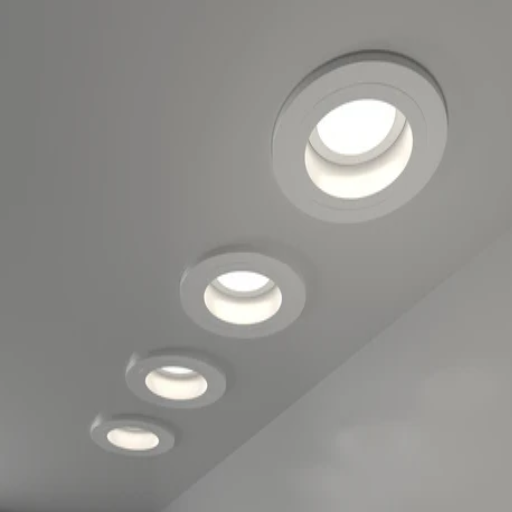
Downlights, also known as recessed lights, are installed in the ceiling to provide a contemporary and stylish lighting effect. They are in high demand due to their minimalist designs, space-saving advantages, and the ability to provide even lighting across a room’s entire plane. They are versatile and put on a good show, whether for a residential or commercial setup. These lighting fixtures, with their LED daylight efficiency, provide long-term savings and environmental benefits for any lighting operation, making them the appropriate option.
Definition and Purpose
Downlights, commonly referred to as recessed lights or can lights, are light fixtures embedded into the ceiling, providing an ideal scenario for spot-focused and intimate illumination. In the process of setting the scene, downlights also play a significant role in establishing decor with their ambiance, highlighting specific areas of interest, and enhancing the overall appeal of the rooms.
Modern advances transformed the downlights into energy-efficient technologies, particularly with the emergence of LED lighting options. However, research has highlighted the presence of LEDs in downlighting systems, which use nearly 75% less power than conventional incandescent lighting. Additionally, an LED downlight lasts almost 25 times longer, thereby saving on consumption and operational costs. Besides this, their versatility is considered a boon; downlights are installed in kitchens, living areas, workplaces, shopping outlets, and, in cases of outdoor downlights, provisions for waterproofing are also included.
When positioned appropriately with suitable spacing, downlights can create a soft ambiance with minimal glare and serve purposes such as task lighting, drawing focus to decorative items, or providing general illumination. Given the improvements in bright lighting, downlights in the contemporary era come with features such as adjustable color temperature, dimmability, and remote control through applications, which have made them more adaptive to individual needs and preferences. This continued evolution defines them as a practical yet stylish choice in present-day lighting design.
Benefits of Using Downlights
A variety of reasons give downlights some significant advantages, including a smaller footprint that complements the décor. Oh, yes! Their energy efficiency. The LED technology makes these downlights truly energy-efficient. Downlights consume up to 75% less energy than their incandescent or halogen bulb counterparts, resulting in significantly lower electricity bills. Likewise, these LED downlights have a prolonged lifespan, typically exceeding 25,000 hours, which reduces the frequency of replacement and promotes sustainability.
What makes downlights a type of flexible fixture is that they can be placed and set to provide ambient, task, and accent lighting, meeting various lighting needs. For example, in living areas where dimmable downlights offer the possibility of adjusting brightness levels according to activities, one may prefer brighter light for reading and softer light for entertaining guests. Some might also argue that downlights can draw attention to architectural features or artwork, making a room appear more visually appealing.
First, in terms of safety, modern downlights are designed to emit less light and heat, thereby reducing the risk of overheating. Consequently, their use can be considered safer in small spaces such as kitchens and bathrooms. Furthermore, with advancements in innovative lighting solutions, these have been integrated with home automation systems, allowing users to set up lighting patterns, optimize energy usage, and even remotely control them, all promoting the conveniences that go hand in hand with energy savings.
In short, the range of features and benefits presents the downlight as the new contemporary lighting solution, perfect for addressing functional, fashion, and technical challenges.
Common Applications
A truly adaptable light, it can find application wherever under-the-sun lighting is needed, both indoors and outdoors.
Residential Spaces: For residential purposes, these lights are in high demand. Downlights are used in living spaces, kitchens, bedrooms, and bathrooms. An example is modern kitchens, where task lighting, bright and focused, is often used over countertops and cooking areas. This ability to illuminate makes the kitchen both functionally convenient to work in and aesthetically attractive. In contrast, dimmable downlights in living rooms are primarily used to create ambient lighting, striking a balance between brightness and comfort. Data now show that the global use of LED downlights in residential spaces is steadily increasing, and energy efficiency remains the primary concern for homeowners.
Retail and Commercial Environments: Retail outlets and showrooms utilize downlights to illuminate products and create an inviting ambiance for customers’ enjoyment. Adjustable downlights can be used to focus on a feature display or a shelf. Downlights provide uniform illumination, which also helps reduce eyestrain and improve productivity in the work environment. It is said that businesses using advanced downlighting systems have saved up to 60% on energy consumption when compared to traditional fixtures.
Hospitality and Entertainment Venues: Downlights enhance interior decor and provide guest lighting in hotels, restaurants, and theaters. For example, luxury hotels use recessed downlights to foster a sleek and modern atmosphere. The ability to adjust temperatures and brightness levels becomes an advantage when creating ambience.
Outdoor and Landscape Lighting: Increasingly, downlights are being installed along pathways, gardens, and facades. Waterproof downlights for outdoor use create safety effects while dramatizing architecture and landscaping. Surveys indicate an increase in demand for outdoor downlights due to their durability, energy efficiency, and resistance to unfavorable weather conditions.
The reconfigurability of downlights by application, along with various modernizations such as LED technology and innovative lighting possibilities, continues to expand their applicability across multiple branches. These innovations uphold the notion that downlights are paramount in their own right for attaining efficient, elegant, and sustainable lighting solutions.
Types of Downlights
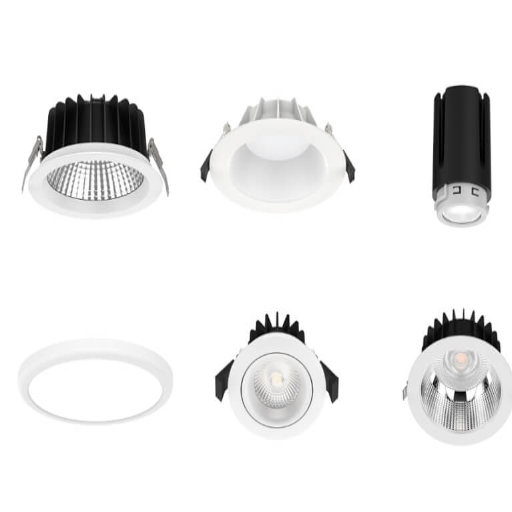
Recessed Downlights: Recessed downlights are designed to fit inside the ceiling, providing a sleek and minimalist look. They are preferred for spaces that envision a cleaner, minimalist approach, such as living areas, offices, and retail environments.
Surface-Mounted Downlights: This type of downlight fixture is mounted directly onto the ceiling and is ideal for areas where recessed downlights cannot be installed. They offer a comprehensive range of lighting solutions for both interior and exterior applications.
Adjustable Downlights: Adjustable downlights are those that allow the direction of light to be adjusted, making them suitable for illuminating a specific area or object. They are used mainly for galleries, showrooms, and accent lighting purposes.
Outdoor Downlights: Designed to withstand outdoor conditions, these downlights are durable and preserve the quality of the environment. These are commonly employed on paths, gardens, and exteriors of buildings.
Recessed LED Downlights
With energy-efficient and contemporary lighting solutions, recessed LED downlights are used across residential, commercial, and industrial settings. They are installed in the ceiling for a sleek, non-intrusive look. Considering their life cycle and minimal electricity consumption, LED downlights can last for approximately 25,000 to 50,000 hours, which is significantly longer than traditional incandescent or halogen bulbs.
Depending on the color temperature, recessed LED downlights provide different atmospheric effects, ranging from warm white (2700K to 3000K) tones for a cozy, relaxed environment to cool white or daylight (4000K to 6500K) tones for tasks that require focus. They even come dimmable for brightness control, enhancing flexibility.
Further innovations in LED downlight technology include adjustable beam angles, a Color Rendering Index of 80+ or higher, which provides vivid and true-to-life colors, and smart home integrations that enable users to control lighting through apps or voice commands. LED downlights produce directional light and have the highest luminous efficiency (approximately 80 to 100 lumens per watt), resulting in lower electricity bills and reduced energy waste.
Here, such lighting can be positioned in kitchens, offices, hotels, and retail spaces, where function as well as aesthetics are of supreme importance. Specific models are also equipped with IP ratings that protect against dust and moisture, making them suitable for use in bathrooms or outdoor shelters.
Standard Bulb Downlights
Standard bulb-type downlights are considered versatile and suitable for lighting work, while also being cost-effective. The design was designed to ensure compatibility with traditional light bulbs, including incandescent, CFL, and LED, allowing for easy replacement or customization according to user preferences. Due to their energy-efficient nature, longer lifespan, and superior performance, LED bulbs have become the preferred option.
In the present day, commercial data indicates that a standard LED bulb for downlights would last for almost 25,000 hours, significantly longer than an incandescent bulb, whose life typically ranges from 1,000 to 2,000 hours. Another fact is that LED bulbs can consume up to 75% less energy than incandescent bulbs, thus earning the persuasive tag of being more environmentally friendly and a cost-effective option. Typically, downlights accept dimmable LED bulbs. This allows the user greater freedom to set the ambiance or reduce electricity consumption.
Standard bulb downlights offer a range of flexibility, but performance may vary depending on the bulb and fixture compatibility. It must be ensured that there is a legitimate requirement for wattage and base type to ensure optimum functioning and safety. These fixtures are typically found in living rooms, dining spaces, and bedrooms, as they provide a warm ambiance while maintaining the practicality of good lighting.
Standard bulb downlights thus serve as an evolutionary method that links the aesthetics of conventional lighting to an energy-efficient perspective of modern-day lighting, as dependable and accessible solutions that fit every interior space.
Spotlight and Accent Lighting Options
Above all, spotlight and accent lights can accentuate a specific section of a room or its features. Such lights are versatile, allowing them to be used for both practical and decorative purposes. Spotlights are directed with a single, focused beam of light toward a piece of art, interior detail, or a prized possession on display. Adjustable spotlights can be manipulated to direct their light wherever it is needed; the design and functionality of a setting can coexist in total harmony.
The accent lighting is much more atmospheric, setting moods in interior spaces. Typically, accent lighting is used to add depth and character, such as illuminating the specularly textured walls, highlighting the bookshelf, or casting an enchanting glow on the dining hall. For example, 300 lumens of accent light are adequate to give a soft glow without being loud, whereas 500-700 lumens of intensity make the points of interest upon which one lays one’s gaze pop.
With the advancement of LED technology, both spotlight and accent lighting have become energy-efficient, with lifetimes exceeding 25,000 hours. Additionally, many can be dimmed to suit variations in light intensity according to one’s preference or the time of day. A less energy-consuming solution can enhance a space’s design and functionality by integrating form and function.
Choosing the Right Downlight Fixture
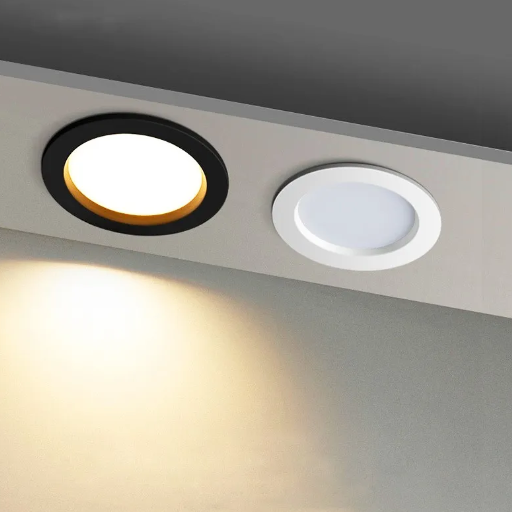
Essential factors to consider when choosing downlights include:
Light output: From a functional perspective, the downlight must be sufficiently bright for the room. Lumens is the right way to specify light output.
Beam angle: Narrow angles are typically used for spotlighting, while wider angles are employed for more general illumination.
Color temperature: Warm white (2700K-3000K) is suitable for rooms intended for relaxation, while cool white (4000K-5000K) is recommended for working areas.
Size and placement: The size of fixtures must suit the room, and they must be evenly positioned for unbroken coverage.
Energy efficiency: Given that LEDs use less power and last longer, consider looking into LED downlights.
Dimming option: If your space requires flexible lighting, adaptability to dimming is crucial.
Considering these factors will help you choose downlight fixtures that not only look great but are also practical to live with.
Factors to Consider
CRI (Color Rendering Index): Bear in mind that going for fixtures with a high CRI light must be above 80 for color to be rendered faithfully. Most significant importance goes to settings such as kitchens, bathrooms, or work areas, where being able to see actual colors is paramount.
Beam Angle: Select the beam angle according to your needs. Narrow angles, in the range of 20° to 40°, may help highlight a particular area or item; angles greater than 60° provide general lighting for the room.
IP Rating: Consider the IP rating of your downlight, especially if it is installed in bathrooms or outdoors, where moisture may be present. These specifications protect against the ingress of water and dust, thereby enhancing the luminaire’s durability.
Lumen Output: Typically, these downlights range from 600 to 1000 lumens. Select the appropriate brightness based on the room’s size and intended use. For example, larger living rooms can accommodate fixtures with a brightness of about 800 lumens or higher.
Warranty and Lifespan: LED downlights often have longer lifespans, several lasting more than 25,000 hours. For longer life and reliability, please choose names that offer at least a 3- to 5-year warranty.
Smart Lighting Integration: The downlights can be integrated with your smart home systems, allowing you to control brightness, adjust color temperature, or set schedules through a mobile app or voice assistant. This creates an additional layer of convenience and customization to your lighting setup.
Considering these factors carefully should help you reach a decision that creates a lighting environment wherein function and mood are tailored to the space.
Comparing Different Types of Fixtures
The considerations in choosing the right lighting fixtures involve appreciating the distinct and specific connotations and applications pertinent to different types. Here are a few contrasts between some popular fixture categories:
Recessed Lighting (Downlights): Recessed lighting projects a modern and sleek vibe where the fixtures are installed into the ceiling. They are suitable for general ambient lighting or highlighting specific areas, such as kitchen counters or artwork. LED recessed lights consume significantly less energy, using approximately 80% less energy than their incandescent bulb counterparts.
Pendant Lighting: Suspended from the ceiling, pendant lights are available in a variety of shapes, sizes, and materials. Generally, they are geared toward task lighting over kitchen islands and dining tables. With the LED bulb inside standard pendant lighting, one can expect it to emit about 800 lumens of brightness at just 10 watts of power: an alluring combination of style and function.
Track Lighting: Track lighting involves installing heads onto a track that allows for individual adjustments. This fixture will suit retail displays, art galleries, or serve as an architectural highlight in a home. LED track lights have a lifespan more than twice that of halogen ones, ranging anywhere from 25,000 to 50,000 hours.
Flush Mount Fixtures: These fixtures sit flush with the ceiling and thus are perfect for low-ceiling rooms that need diffused light, such as halls or bedrooms. LED modern flush mounts dim and color-tune, promoting energy efficiency and adaptability to different moods.
Chandeliers: Chandeliers are statement fixtures to raise the elegance of dining rooms, foyers, or living spaces. Traditionally believed to be energy-guzzlers, modern-day LED chandeliers, on the other hand, utilize extremely low-wattage bulbs, thereby drastically reducing power consumption while maintaining brightness and aesthetic appeal.
Wall Sconces: These wall sconces are small fixtures installed on walls, typically used for accent lighting or creating a soft ambiance in bathrooms, bedrooms, or hallways. Energy-saving LED sconces with motion sensors are in great demand in contemporary homes as a security measure, particularly for the front door.
Comparing these types in terms of design, function, and energy consumption will help you make decisions that suit your needs and the needs of your space. In addition to these, modern LED technology provides sustainable and cost-effective solutions for lighting.
Illumination Levels and Task Lighting
Proper illumination plays a crucial role in making spaces functional and comfortable, especially for task lighting. The recommended illuminance in lux varies depending on the use of the space. For example, general living areas usually require an illumination range of 100-300 lux; however, much higher illumination levels are appreciated in task areas, such as kitchens and home offices, with a range of 500-1,000 lux.
Task lighting is designed for systems that require enhanced visibility for focused activities, such as reading, cooking, or engaging in a hobby. Some of the most popular choices for task lighting are the use of under-cabinet lights in kitchens, adjustable desk lamps for workspaces, or pendant lights over counters. Because they consume relatively little electricity and produce brilliant, focused illumination, LEDs make for one of the best task light sources.
Modern tasks lighting innovations provide the option to adjust brightness and color temperature, thereby personalizing the experience. Cool light (4,000K-5,000K) is said to promote productivity in offices, while warm light (2,700K-3,000K) is ideal for relaxing atmospheres in the evening, whether for reading or leisure activities. The introduction of dimmers or other innovative lighting technologies further enhances this flexibility, allowing users to switch between brilliant task lighting and warmer ambient lighting as their mood dictates.
Installation of Downlights
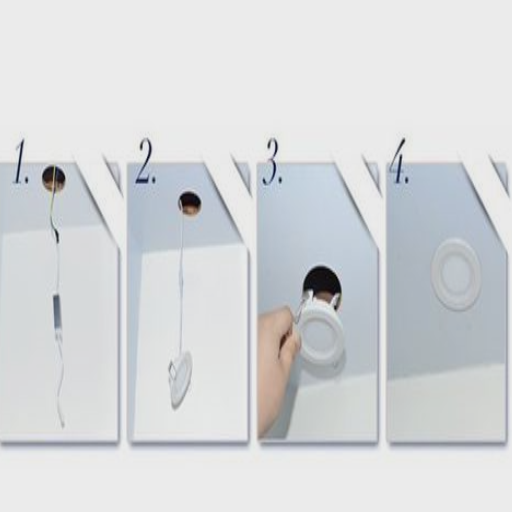
Planning is a crucial step in installing downlights correctly to ensure their safe installation and optimal functionality. First, layout and space the lights for an even spread of illumination. Have your electrician sign off on the electrical connections for conformity with local code. Cut holes in the ceiling with precision according to the downlight specifications provided. Insert the downlights and secure them in place. Select dimmers, if any, that are intended for use with the downlights. Always perform a final test before covering to ensure downlights are functioning correctly and emitting the designed light output.
Preparing for Installation
The first step in successfully installing the downlight is to gather all the necessary tools and materials. These tools include a measuring tape, drills, a voltage tester, wire connectors, and the downlights selected. Plan the layout of your lights carefully, with a distance of approximately 4 to 6 feet between each downlight, to ensure the light shines evenly across the entire area. For optimal lighting, position the downlights at least 2 to 3 feet away from the walls to avoid shadows and uneven lighting.
Also, check the type of ceiling you have and determine the suitable installation method, considering whether it is drywall, plaster, or a suspended ceiling. Turn off the power supply at the main circuit breaker and use a voltage tester to ensure no live circuits in the work area. Energy-efficient LED downlights are well-suited for such an installation, as they consume up to 75% less energy than incandescent bulbs and have an average lifespan of 25,000-50,000 hours.
Ensure adequate clearance space in the ceiling for heat dissipation to prevent overheating, particularly for insulated ceilings. In homes with dimmer switches, opt for downlights labeled as dimmer compatible to protect them from flickering or other performance issues. Upon installation, test the lights to verify that the desired brightness and color temperature have been achieved; this is typically measured in Kelvin (e.g., 2700K for warm light or 5000K for cool daylight). Such adequate preparation and technical details will result in an efficient lighting solution and longer life.
Step-by-Step Installation Guide
Turn Off the Power: Before commencing any installation work, the power must be shut off from the main breaker. Use a voltage tester to confirm there is no live electricity in the intended working area. Safety first.
Plan Downlight Placement: Measure and mark the ceiling for the downlights to be installed. Evenly spaced lights are crucial for avoiding dark spots and ensuring adequate illumination. In general, lights are spaced from 3 to 4 feet apart; however, this can vary depending on the room size, ceiling height, and type of downlight being used.
Drill Holes for the Downlights: Use a hole saw compatible with the cutout size recommended by the downlight manufacturer. Ensure no obstruction exists; for instance, wiring or joists are all good candidates for checks.
Install the Electrical Wiring: Run electrical cables from the main power supply to the location of each downlight. If you are unfamiliar with electrical wiring or working with junction boxes, it is recommended that you contact a licensed electrician to ensure compliance with local building codes.
Connecting the Downlights: Do the electrical wiring connections to the downlight terminals. The important considerations are to secure the live, neutral, and ground wires wherever applicable. Many modern LED downlights feature quick-connect fittings, simplifying this task.
Insert the Downlights into the Ceiling: Carefully push the downlights into the ceiling holes until the spring clips secure them, without force that could damage them.
Pick Your Color Temperature and Brightness: Most modern LED downlights allow you to adjust the color temperature or lumen settings. Set these according to what you feel would be best: a warm, cozy feeling or that of daylight being poured down with brightness.
Turn on the power and test: When installation is over, turn on the electricity and test the downlights. Ensure that they function properly without flickering. If you have installed dimmer switches, check whether they’re compatible with the lights and adjust the dimming range accordingly.
Final Adjustments and Maintenance Tips: After testing, all fixtures must be checked for alignment and firmness. Downlights should be dusted regularly and occasionally inspected for wear. The highest quality LED downlights can offer 50,000 hours or more of lighting efficiency.
This guide can help you set up your downlights to maximize complete lifespan and efficiency by directing you step-by-step, just like the pros do.
Common Mistakes to Avoid
Incorrect Installation or Spacing: Probably one of the most common downlight errors is not adequately choosing the downlight placements. If anything, lights should never be placed too close to the walls or spaced unevenly, as this causes shadows and poor light distribution. Always follow measurements and mark down what will be needed in the layout before proceeding with the installation.
Using the Wrong Bulbs: Using incompatible or low-quality bulbs can diminish the efficiency and lifespan of downlights. Ensure that you use the correct wattage and that the specifications printed on your bulbs are recommended for your fixtures.
Skipping Safety Measures: Power can cause a hazard if not switched off; improper tools could be used; an installation could be unsafe, especially in the event of an electric shock. Always adhere to safety guidelines for your protection and proper installation.
Overlooking Insulation Requirements: If insulated lighting is placed too close—or, as an electrician refers to it, in non-IC installations—they may overheat and pose a fire hazard. Always check for insulation compatibility with the fixtures to ensure a proper fit.
Not Aligning the Fixtures Properly: Downlights that are not correctly aligned can disrupt the overall aesthetic of the space. Take time to measure and adjust each fixture so that all are duly aligned with one another, creating excellent symmetry toward the shared ceiling.
Avoiding these common mistakes will ensure a smooth installation and enhance the functionality and beauty of your lighting arrangement.
Downlights Use and Best Practices
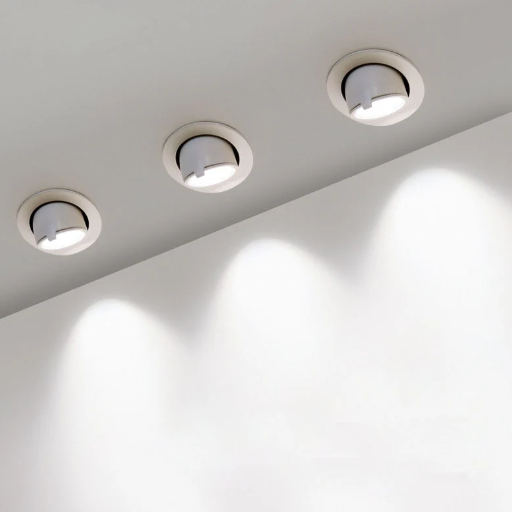
Downlights represent the lighting option that can provide sufficient illumination to enter a space while maintaining a clean and modern look. Consider some approaches for the effective use of downlights and addressing some concerns:
Location Counts: With downlights, avoid shadows as much as possible, specifying spaces that require precise lighting. In task lighting, accentuate areas that require stronger illumination.
Energy Efficiency: Utilize LED downlights, as they consume less energy, last longer, and produce less heat than traditional bulbs, thereby helping to save the environment and reduce costs.
Downdraft Dimming: Consider downlights compatible with dimmer switches that enable setting the mood of the working area whenever desired, and also help conserve energy during periods of reduced lighting needs.
Fixture Compatibility: Downlights must always be used with their corresponding fixtures to avoid overheating and ensure maximum security. It is worthwhile to check with manufacturers for guidance on compatibility.
Brand Appearance: Ensure that all fixtures are aligned uniformly with consistent spacing for a neat appearance. Planning beforehand gives you a chance for symmetry, so you will not have to make any adjustments.
These tips will help you maximize the functionality, safety, and aesthetics of downlights while also addressing common installation issues effectively.
Enhancing Ceiling Aesthetics
Downlights, acting as a focal point, can help create a modern and elegant finish when designing a ceiling. Contemporary trends suggest that layered lighting systems enhance both aesthetics and functionality. For example, combining recessed downlights and pendant lights adds depth and dimension to the space. Dimmable LED downlights, moreover, allow for adjusting the ambience where lighting shifts from being task-oriented to more of an atmospheric kind.
Slimline or frameless downlights are in high demand due to the growing preference for minimalist designs. Slimline or frameless downlights are the types that simply melt into the ceiling, so as not to interrupt the even, sparsely aesthetic. Studies have shown that, with proper light distribution, the visual appeal can be enhanced and glare minimized; this is particularly relevant in spaces like living rooms and offices, where comfort is a top priority. Installation experts recommend a spacing ratio of 1.5 times the ceiling height to achieve an even level of illumination throughout the space.
RGB downlights with app-controlled brightness enable homeowners to select color temperatures from a range of preset lighting scenes, tailored to suit their décor theme or occasion. This extends the innovation footprint to the aesthetic level of a given ceiling and improves energy efficiency, as LEDs use approximately 25% of the energy of incandescent light bulbs.
Modern interior design is a practical and aesthetic marriage where blending contemporary designs, innovative technology, and energy efficiency becomes the basis to grant the luxurious ceiling the dignity of downlights.
Utilizing Downlights for Effective Illumination
Downlights are considered the perfect lights for adequate illumination, offering a strong beam of well-distributed light that sets the mood within a space. I use these in all spaces where functional or aesthetic logic demands installation, such as kitchens, living areas, or workspaces. I love how they blend into the ceiling and maintain a neat aesthetic with a modern twist.
Energy Efficiency and Sustainability
Investing in energy-efficient lighting solutions, such as LED downlights, benefits both the environment and electricity bills. LEDs consume around 75% less electricity than conventional incandescent bulbs and can last up to 25 times longer, necessitating fewer replacements. Such duration saves time as well as space for waste to be created, furthering sustainability. LEDs also do not emit much heat; thus, they are considered more efficient, with less energy being wasted as heat energy in older lighting systems.
These lighting fixtures help reduce carbon emissions. For instance, one LED emits approximately 400 pounds of CO2 over its lifetime, compared to an incandescent bulb. This is why, if LEDs are widely adopted globally, they can halve the global electricity consumption of lighting and significantly aid climate goals. So, when such state-of-the-art downlights are installed in your space, it can be a beautiful balance between advanced design and energy responsibility.
Reference Sources
Interior Design of Daycare Center with Playful Concept in Salatiga
“Review of the Evaluation of Building Energy Code Compliance in the United States” (2023)
Frequently Asked Questions (FAQs)
What is a downlight, and how is it different from a recessed light?
A downlight, often referred to as a recessed light, is a type of lighting fixture installed into a hollow opening in the ceiling. These fixtures are designed to provide a concentrated beam of light downward, making them ideal for a wide range of lighting applications. The primary difference between a downlight and other types of lighting is their installation method and the way they direct light.
How do I install downlights in my home?
Installing downlights involves cutting holes in the ceiling, running electrical wiring, and securing the fixtures in place. It’s essential to plan your lighting layout according to your preferences and lighting needs. If you’re unsure about the installation process, it’s beneficial to consult a professional electrician, especially for residential and commercial settings.
What are the different types of downlights available?
Downlights come in various types, including fixed downlights, adjustable downlights, and integrated LED downlights. Each type serves different lighting purposes, such as providing task lighting or accent lighting. The choice of downlight depends on the specific illumination needs and aesthetic preferences of the space.
Are LED downlights more energy-efficient?
Yes, LED downlights offer significant energy efficiency compared to traditional incandescent bulbs. They consume less power and have a longer lifespan, making them a cost-effective choice for both residential and commercial lighting applications. Additionally, LED modules provide high-quality illumination with minimal heat output.
Can downlights be used for ambient lighting?
Absolutely! Downlights are commonly used to provide ambient lighting in a space. When strategically installed, they can create a warm and inviting atmosphere, illuminating the entire area evenly without harsh shadows, making them an excellent choice for living rooms, kitchens, and office environments.
What are integrated LED downlights?
Integrated LED downlights are fixtures that come with built-in LED light sources, eliminating the need for traditional bulbs. This design often yields sleeker profiles and enhanced efficiency. They are popular in modern lighting designs, providing a clean and streamlined look for both residential and commercial spaces.
How do I choose the right downlight for my space?
Choosing the right downlight involves considering factors such as the type of lighting required, the room’s size, and the desired illumination levels. It’s essential to evaluate whether you need fixed or adjustable fixtures and to decide whether you prefer warm or cool light tones. Consulting with a lighting designer can help create an effective lighting plan tailored to your needs.
What are the benefits of using downlights in commercial lighting?
In commercial lighting, downlights provide a sleek and unobtrusive way to illuminate spaces. They can be used to highlight products in retail settings, enhance the ambiance of restaurants, or ensure adequate lighting in office environments. Their ability to be recessed into the ceiling allows for a clean and modern aesthetic while providing sufficient illumination.