







When we discuss electrical systems, it is essential to note that a system’s safety and efficiency hinge on minute details, one of which is wire temperature ratings. Have you ever wondered why some wires are recommended for a specific use or what a maximum temperature rating on a wire means? Thus, knowing these ratings is not merely a technical issue; it becomes an essential consideration in maintaining and keeping an electrical system safe and secure. This article sheds light on the importance of wire temperature ratings and breaks down its effects and establishment into factors that influence your project. It has all the information an electrical contractor or a DIY enthusiast will ever need to keep themselves from making costly mistakes.”
What is Wire Temperature?
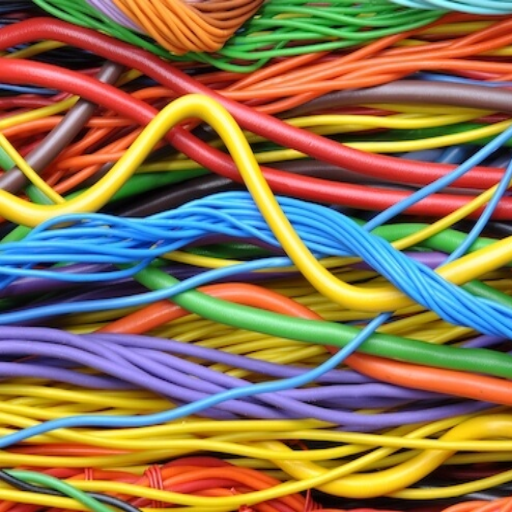
Wire temperature is the highest temperature a wire can safely withstand while carrying an electrical current without degradation or damage. Depending on the wire’s material, insulation, and working environment, this temperature is set within limits. Beyond this temperature, the wires tend to get overheated, thus posing a threat to their lifespan. The cables might fail, hence causing fires. Wire temperature ratings are essential to ensure both safety and optimal performance of an electrical system.
Definition of Wire Temperature
Wire temperature is the maximum temperature a wire can reach while still conducting an electrical current without impairing its function or safety. It is usually specified by some standard, most commonly the National Electrical Code (NEC) or the International Electrotechnical Commission (IEC). Temperature ratings widely used for electrical wires usually include 60°C (140°F), 75°C (167°F), and 90°C (194°F), depending on the insulation types.
In general, wires with thermoplastic insulating materials, mainly PVC, have lower temperature limits. In contrast, wires with thermoset insulating materials (XLPE) show higher temperature ratings. However, temperature ratings are affected by external factors, such as ambient temperature, nearby heat sources, and whether the wire is in a confined space, which is another source of thermal stress. For example, correction factors may be applied if the ambient temperature exceeds 30°C (86°F), which can effectively lower the conductance rating of the wire.
Preventing overheating, insulation melting, or even fires is essential to ensuring compliance with these ratings. Selecting the correct wire temperature rating is the most crucial step in electrical system design; equipment protection and system reliability depend on it.
Importance of Temperature Ratings
Temperature ratings for electrical wires are crucial from a safety perspective and for the efficient operation of electrical systems. These ratings indicate the highest temperature that the wire’s insulation can withstand without degrading. Generally, for standard cables, temperature ratings range from 60°C (140°F) to 90°C (194°F), although certain special wires may have ratings exceeding this range. If the temperature exceeds the ratings, the insulation will be compromised, posing potential hazards such as short circuits and fire.
Temperature rating considerations for environmental factors are crucial. Wires laid directly under the sun or in a hot atmosphere may develop a higher surface temperature. It is noted that a 10°C increase above the rated condition results in a considerable reduction in the life of wire insulation, as the heat causes abnormal aging and deterioration of the materials. In addition, the bundling of wires is another factor: the heat generated by one wire adds to that of another, and thus it becomes necessary to reduce their rating according to industrial standards to avoid any hazards due to overheating.
The standards provided by the National Electrical Code and the International Electrotechnical Commission (IEC) offer complete details for the proper selection of wires and their installation practices. The application of these guides would ensure not only safety but also the longevity and optimal performance of an electrical system. Therefore, temperature ratings remain essential factors that must be understood and applied to all types of wiring, including both residential and industrial applications.
Factors Affecting Wire Temperature
The temperature of the electrical wires is influenced by several factors, all of which must be considered for safe and efficient working systems. Of these, the temperature outside is critical, as high temperatures can reduce the current-carrying capacity of wires, leading to wire heating. It is often stated that for every 10°C rise in ambient temperature above the prescribed temperature, the insulation on the wire might degrade at a faster rate, thus reducing its life.
A very “great” factor or consideration is the current load or amperage. When wires are subjected to currents higher than they are rated for, heat is generated due to resistance; this can cause melting of the insulation, resulting in more severe situations, including fire incidents that are not rare. Copper wires provide a good example in practice; since copper has excellent conductivity, copper wires can be put to service with a higher load current compared to other materials, such as aluminum, under the same set of conditions.
The insulation material of wires is another critical factor. Materials such as polyvinyl chloride (PVC) or cross-linked polyethylene (XLPE) have defined maximum temperature ratings, typically between 60-90 degrees Celsius or even higher for specialized types. It is essential to select the correct type of insulation for the operating environment to avoid hazards related to temperature.
Another consideration affecting heat dissipation is the installation conditions—whether it is through open air, through a conduit, or buried underground. For instance, wires installed in tightly packed conduits may not allow for sufficient air circulation; they retain heat more effectively than wires installed in open air, where heat dissipation through conduction is more efficient.
Lastly, external heat sources, such as machinery, heating systems, or direct sunlight, may increase wire temperatures by supplying additional heat. On wiring systems subjected to such conditions, de-rating factors must be applied to ensure safe operation.
Accounting correctly for these factors during wire selection and installation ensures reliable performance and increases safety, thereby mitigating costly failures or hazards.
Wire Temperature Ratings Explained
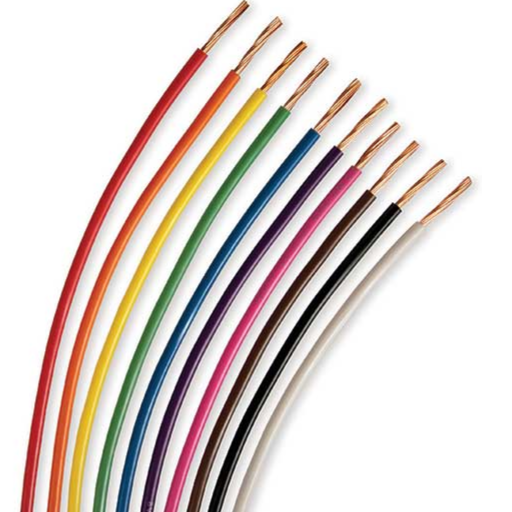
Wire temperature ratings indicate the maximum temperature at which a wire can operate safely without impairing its insulating material or performance capability. These temperature ratings are expressed in degrees Celsius (°C); in all, the ratings depend on the insulation type and application of the wire. The standard temperature ratings are 60°C, 75°C, and 90°C. Exceeding the temperature rating of a wire can lead to insulation failure and hazards or a decrease in its lifespan. Wires must be selected with ratings suitable for the operating conditions, including the ambient temperature and exposure to heat. Systems that comply with these ratings are safe and efficient.
Types of Wire Temperature Ratings
Wire temperature ratings commonly include 60°C, 75°C, 90°C, 105°C, 125°C, 150°C, 200°C, 250°C, and 450°C, varying based on insulation material and intended application.
|
Rating (°C) |
Material |
Usage |
Voltage |
Durability |
|---|---|---|---|---|
|
60°C |
PVC |
General Wiring |
Low |
Moderate |
|
75°C |
PVC |
Standard Circuits |
Low |
Good |
|
90°C |
XLPE |
Industrial Use |
Medium |
Excellent |
|
105°C |
Silicone |
High Temp Areas |
Medium |
Excellent |
|
125°C |
Teflon |
Extreme Temp Apps |
High |
Superior |
|
150°C |
Teflon |
Specialty Systems |
High |
Superior |
|
200°C |
Fiberglass |
Heat-Intensive Use |
High |
Exceptional |
|
250°C |
Mica Glass |
Specialty Designs |
High |
Exceptional |
|
450°C |
Ceramic |
High-Heat Apps |
High |
Exceptional |
The table above provides a concise breakdown of wire temperature ratings, focusing on key aspects for efficient and safe selection of wire types.
How to Read Wire Temperature Ratings
Hence, to read and interpret wire temperature ratings practically, one should know the key parameters that dictate the basis of selection in line with application requirements. Temperature ratings, therefore, refer to the maximum temperature at which a wire can safely operate without compromising its performance or compromising its structural integrity. In theory, a particular type of wire is put together for specific thermal and environmental conditions. Using the correct cable will reduce the risk of damage or hazards during operation.
Things you should consider when interpreting wire temperature ratings include:
Temperature Limits: The table above lists wires designed for various temperature ranges, from 125 to 450 degrees Celsius. Ensure that the operating temperature of your application falls within the specified limits. For example, Teflon wires are used up to 150°C for special systems, while ceramic cables are used for high-heat applications and can withstand temperatures up to 450°C.
Material Composition: The material in the wire insulation and construction has a significant effect on its thermal capacitance. Mica glass and ceramic wire insulation are best suited for extremely high-temperature conditions. In contrast, fiberglass and Teflon are more suitable for applications in the moderate temperature range due to their resistance properties and durability. Careful selection of material will ensure the wire performs at its very best and is reliable.
Application Compatibility: Assess the temperature rating of the wire for its use. For example, a wire used in heat-intensive applications should have a high-temperature rating, but also be durable, making it a natural candidate for a ceramic or mica glass wire in demanding environments.
Safety Margins: Always build in a safety margin that is above the average operating temperature of your system. Thus, for example, if an application is operated at 240°C, then theoretically a wire with a maximum of 250°C might suffice. But a wire rated for a higher temperature of 450°C will give increased assurance of resistance to unexpected temperature spikes.
Understanding and applying this principle when selecting wire temperature ratings will help ensure the safety and durability of the system while also promoting its optimum performance.
Common Standards for Wire Temperature Ratings
The temperature ratings of wires adhere to several key industrial specifications that ensure safety and optimal performance. Among the most notable standards are:
UL Standards: The UL standards, such as UL 758 and UL 62, regulate the temperature limitations for wires used in commercial and industrial applications. The cables carry the UL marking when they can be safely exposed to temperatures ranging from -40 °C to above 200 °C, depending on the type of insulation material used.
IEC Standards: The IEC 60216 series of standards specifies the thermal endurance of insulation materials, enabling manufacturers to determine the operating temperatures for safe wire use by global practices.
In the National Electric Code (NEC), temperature ratings for wires and cables are specified according to their conductor type and insulation, with standards such as 60°C, 75°C, and 90°C for ordinary applications. Wire ratings must be matched with the ambient conditions and specific installation requirements.
By following the NEC, engineers and designers can determine on their own which wire, temperature-wise, meets the requirements of their system without violating any laws.
Maximum Temperature and Its Implications
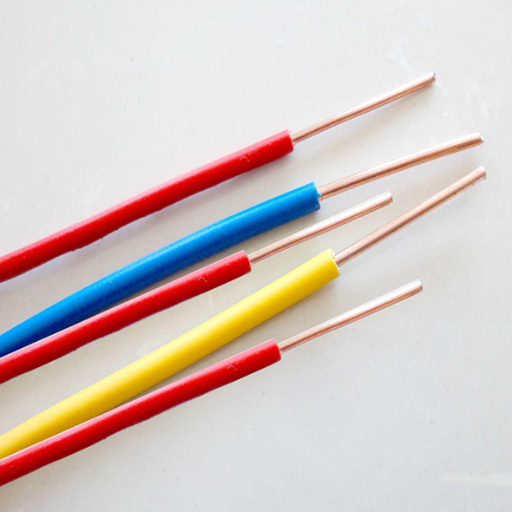
The maximum temperature rating of a wire or cable determines the electric current’s ability to travel safely without affecting the insulation and performance of the cable or wire. If the temperature exceeds this limit, the insulation may deteriorate, causing electrical failures, safety hazards, and a shortened lifespan of the wire. It is imperative that when selecting wire and cable for any environment, they must observe a temperature rating higher than the highest operating temperature of that environment to safeguard their viability and reliability. While doing so, one should also refer to the standards and guidelines used for conformity to the temperature limits set for particular cases.
Understanding Maximum Temperature Limits
When addressing the maximum temperature limitation on wires and cables, more important considerations come into play. First, the insulation materials significantly influence temperature ratings. Typical materials, such as PVC, XLPE, or silicone, each have their levels of thermal resistance. Second, consider the ambient temperature of the environment in which the wire will operate, as excessive heat can cause the insulation to deteriorate over time. Third, the capacity to carry currents must be taken into account, as an electrical load with high ampacity will generate more internal heat.
Temperature rating instructions for different applications must consider UL, IEC, or IEEE standards. In the industrial environment of aerospace or manufacturing, wires may be required to withstand unusually high temperatures. To ensure safety and optimal performance, materials and designs must be selected and tailored to the environment in which they will operate, by any relevant regulatory requirements.
Consequences of Exceeding Maximum Temperature
Exceeding the temperature rating of wires and cables can lead to severe consequences that impact both safety and performance. When wires are warmer than the approved temperature, the insulation material degrades rapidly, losing key properties such as flexibility, dielectric strength, and resistance to mechanical wear. When such degradation occurs, the wire becomes prone to electrical failures, short circuits, and fire hazards, posing dangerous risks to personnel and equipment.
For instance, PVC insulation, commonly found on wiring, begins to deform above 140°F (60°C) and becomes completely degraded when exposed to temperatures exceeding 221°F (105°C). Similarly, polyethylene insulation can soften at high temperatures, causing mechanical breakdown and electrical leakage. Overheating of conductors, whether for hours or days, due to excessive current can cause the copper to reach its annealing temperature of approximately 400°F (204°C), thereby reducing its tensile strength and conductivity.
Besides insulation deterioration, high temperatures promote creep, a process in which materials slowly deform due to thermal stress. This leads to connectors becoming loose, which increases heating further through resistance, thus starting down a hazardous path of deterioration.
To mitigate such situations, strict monitoring of operating environments should be conducted to ensure that the thermal limits set by the regulatory agency are maintained. For extra-high-temperature conditions, heat-resistant materials such as Teflon or Silicone may be used in tandem for safety and operational reliability.
Safety Measures for High-Temperature Applications
High-temperature manufacturing requires careful planning and the execution of proper safety measures to prevent equipment failure during actual operation. One of the significant points is the appropriate selection of materials, which involves choosing materials that can maintain their mechanical properties under extremely high temperatures. For instance, highly advanced alloys like Inconel or ceramics can serve best, to mention a few, due to their capacity to undergo very high-cycle thermal loading, where durability and low thermal expansion are required.
On the other hand, good ventilation and cooling arrangements are also essential. Studies show that heat extraction methods—such as forced air cooling or liquid cooling—reduce the chances of overheating by as much as 40%. Thermal insulation would also be complementary and helpful in maintaining temperature stability within sensitive components. Materials such as aerogel or specialized fiberglass composites are preferred due to their low thermal conductivity.
Continuous temperature monitoring also contributes significantly to safety maintenance. With present-day sensors, such as infrared thermometers or thermocouples, equipment can be monitored in real-time to ensure that parts operate within the prescribed thermal limits, thereby reducing the likelihood of thermal stress or equipment malfunction. Association of these systems with automated alerts ensures speeding prevention responses in case of a sudden spike in temperatures.
Moreover, fire-retardant coatings and barriers prevent ignition hazards where high temperatures may co-exist with flammable substances. Safety industry reports substantiate a 25% reduction in fire incidents upon implementing flame-retardant treatment on critical components.
Maintenance schedules must also be adhered to, so that wear and tear on critical components can be addressed before they fail. When these are coupled with appropriate training for employees, individuals will be prepared to identify hazards, operate equipment by safety guidelines, and maintain a safe and reliable operational environment.
Conduit and Its Role in Wire Temperature Management
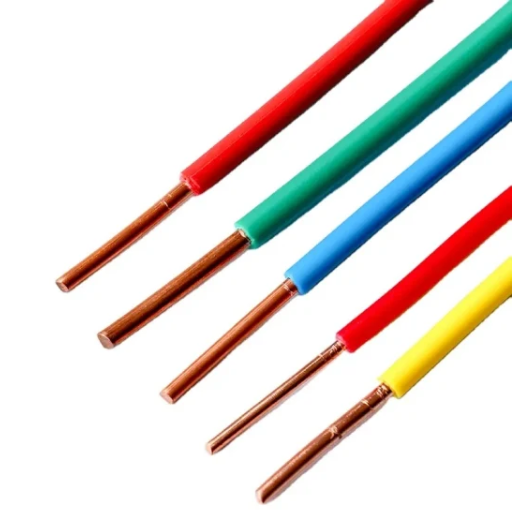
Conduits ensure the proper temperature of the wires against the effects of outside sources of heat and heat buildup. They maintain operating temperature safety by protecting fragile wires from conditions such as sunlight or high ambient temperatures. Lastly, the conduit also reduces the probability of overheating resulting from an environment adverse to air circulation. Air circulation is necessary for maintaining electrical efficiency and safety. In brief, the selection of conduit materials, whether metal or plastic, must be appropriately based on the application to achieve the best results and control wire temperature.
Types of Conduits and Their Temperature Ratings
The different types of conduits offer varying degrees of durability and performance under various temperature conditions. Depending on the application, environmental factors, and the governing code, the appropriate conduit is selected for use.
PVC (Polyvinyl Chloride) Conduits: PVC conduits are primarily used because they are lightweight, inexpensive, and resistant to corrosion. Typically, such conduits can withstand temperatures ranging from -4°F to 140°F (-20°C to 60°C). They are, however, not recommended for use in extreme heat, where they tend to warp or melt on prolonged exposure.
Metal Conduits (EMT, IMC, and RMC): Due to their durability and resistance to high temperatures, all-metal conduits, such as Electrical Metallic Tubing (EMT), Intermediate Metal Conduit (IMC), and Rigid Metal Conduit (RMC), are most commonly preferred. RMC is suitable for applications in industries requiring medium to high thermal conductivity, as it can withstand temperatures above 300°F (149°C), depending on the specific coating used. EMT and IMC are used for slightly less extreme conditions but can still withstand better heat than non-metallic conduits.
Flexible Metal Conduits (FMCs and LFMCs): These conduits offer flexibility, allowing for bends and turns during installation. Liquid-tight Flexible Metal Conduits also add moisture resistance to this feature. These conduits can work in temperature ranges of -30°F to 300°F (-34°C to 149°C) and can also be used in wet locations if a liquid-tight installation is done.
CPVC (Chlorinated Polyvinyl Chloride) Conduits: Pre-lauded as a version of PVC, CPVC is made to endure temperatures of 194°F (90°C) and above. In short, they are perfect for all sorts of warm service applications, which would even include any industrial environment where the ambient heat is at a much elevated level.
HDPE (High-Density Polyethylene) Conduits: Due to their flexibility and resistance to chemicals, HDPE conduits are preferred in both outdoor and underground settings. Withstanding a temperature range of -40°F to 140°F (-40°C to 60°C), they never lose their value, as they can withstand cold temperatures without becoming brittle, especially in cold climate areas.
Aluminum Conduits: Aluminum conduits are lightweight yet remain the best partner for anti-corrosion. These are used in applications requiring the conduit to withstand moderate temperatures, generally within the -40°F to 300°F (-40°C to 149°C) range, and are also preferred for exterior installations.
The prevailing temperature and environmental stresses at the installation site should be taken into account when selecting conduits. Many codes and standards serve as a guide for the appropriate application of conduit types, ensuring their safe and efficient operation under specified conditions.
Insulation and Conduit Impact on Wire Temperature
The type of insulation and conduit can significantly affect the temperature of electric wires during operation. Insulation materials differ in their thermal properties and ability to withstand and dissipate heat produced by electrical current. For example, PVC insulation is typically used for temperatures ranging from 75°C to 90°C (167°F to 194°F). In contrast, XLPE can sustain higher temperatures, usually up to 105°C (221°F) or above, which is a requirement for high-heat conditions.
Conveyances are also responsible for heat dissipation. A tightly packed one with little or no airflow can trap heat and push wires beyond their temperature rating. Studies have shown that wiring tightly bundled in conduits can rise in temperature as much as 20°C (36°F) above ambient. To compensate for this, derating factors are applied to reduce the maximum permissible current for one or more wires in a single conduit.
And temperatures rise even higher when the environment, such as direct sunlight falling on metallic conduits or surroundings near heated machinery, is conducive to it. For example, a test on outdoor metal conduits exposed to sunlight showed that such conduits can reach internal temperatures 10°C to 15°C (18°F to 27°F) above the surrounding ambient temperature. Therefore, good planning, including the selection of an appropriate insulation for a conduit combination, is crucial in maintaining safe operating temperatures and prolonging the life of the electrical system.
Best Practices for Using Conduits
Choose the Right Material: Selecting the appropriate conduit material is crucial, as different materials have significantly different properties in terms of durability, flexibility, and resistance to environmental degradation. For instance, PVC conduits are moisture- and corrosion-resistant, making them the best choice for underground or wet conditions. In contrast, metal conduits, such as galvanized steel, offer better mechanical protection and are also preferred in industrial settings.
Consider Temperature Ratings: Conductors within a conduit would experience a considerable rise in temperature due to solar radiation or an environment with high ambient temperatures. It is, therefore, essential to verify the temperature rating of both the conduit material and the wires. For instance, conduits able to endure higher thermal loads, coupled with wires sufficiently insulated to resist such temperatures, can save the system from overheating and consequent failure. Research also shows that conduits with a reflective coating or UV coating absorb up to 40% less heat.
Secure Proper Installation: With proper installation methods, mechanical stress or damage to the conduit system can be prevented. The conduits are to be securely held in place using appropriate clamps or straps. Throughout the route, sharp bends or kinks should be avoided, as wire pulling may be impeded or damage may be caused over time. For long lengths of conduit run, expansion joints should be installed to accommodate thermal expansion and contraction.
Focus on Environmental Protection: When installing conduits outdoors or in severe weather conditions, prioritize keeping sealed systems to protect wires against the ingress of water, dirt, and corrosion. Conduit seals and gaskets can be used in conjunction with weather-resistant coatings to extend the system’s life significantly.
Follow Code Compliance: Always adhere to the relevant national and local electrical codes applicable to your region, such as the National Electrical Code (NEC) in the United States. For example, the NEC prescribes the minimum burial depths for conduits, taking into consideration the size of the conduits to ensure they are not undervalued in terms of capacity, thereby ensuring operational safety and compliance with legal requirements.
Consider Maintenance and Accessibility: Design the conduit arrangements to ensure accessibility and accommodate future inspections, replacements, or upgrades. Including pull boxes, as well as junction boxes at necessary intervals, assists with installation and long-term maintenance.
By adhering to these best practices, conduit systems can achieve maximum performance, long-term durability, and safety from environmental and workplace hazards.
Ratings and Terminations in Electrical Wiring
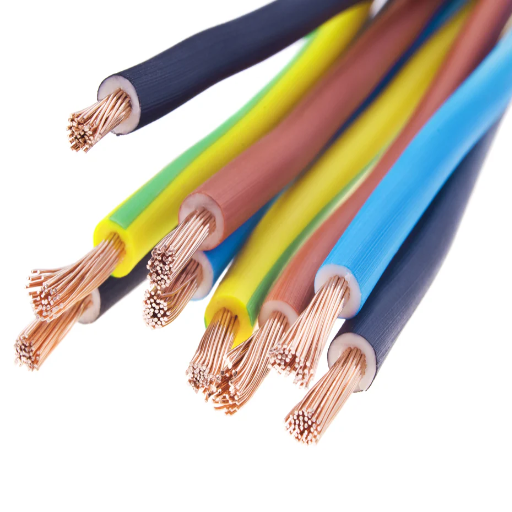
Electrical wiring ratings refer to the maximum voltage and current a wire can safely handle without overheating or failure. These depend on various factors, such as the wire size (gauge), the wire material (copper or aluminum), and the type of insulation used. It is safest and most efficient to use wires rated for at least as high an electrical load as the circuit.
Termination is the process of making a mechanical and usually electrical connection between wires and devices, such as switches, outlets, or circuit breakers. Proper terminations will ensure that loose connections, which can cause heating or electrical faults, occur rarely. A correct termination will use the appropriate tools and parts, such as terminal lugs or wire connectors, to ensure a good, long-lasting connection. The ratings for wiring and terminals may vary; therefore, manufacturers’ instructions and local electrical codes must be followed.
Understanding Ratings in Electrical Terminations
Electrical terminations are critical in a circuit, and their ratings must be understood for safe, reliable, and efficient use. Ratings concerning a part include the maximum voltage it can withstand, the maximum current it can conduct without failure, and the temperature it can sustain. For example, terminals may be rated for specific amperages, such as 15A, 20A, or 30A, depending on the need. Any terminal used more than its rated limits will overheat and potentially burn, degrade insulation, or pose a fire hazard.
Voltage ratings indicate the maximum potential difference that a terminal can withstand without damage. For example, a terminal rated at 600 volts is not suitable for high-voltage industrial work that exceeds this rating. The temperature ratings are generally in Celsius or Fahrenheit and define the temperature range within which the termination can be reliably operated. If these limits are exceeded, an insulation breakdown could occur, thus risking short circuits.
For compliance and durability, always match the terminal rating with the electrical system’s requirements. With advancements in materials such as heat-resistant polymers and advanced alloys, modern electrical terminations have improved capacities, higher temperature tolerance, and increased reliability when used in harsh environments.
Choosing the Right Terminations for Your Application
Key factors I consider when selecting the proper terminations for my application include electrical load requirements, environmental factors, and compatibility with system components. I look into the compatibility of the termination material and rating with operating temperature and current requirements to ensure safety and efficiency. Otherwise, I extend my knowledge toward new materials and designs that enhance performance under extreme conditions. Selection thereof directly addressing one’s need then assures reliable and permanent realization.
Best Practices for Terminations to Ensure Safety
Select Appropriate Materials: Use terminations made from materials that withstand the environment to which they are exposed, both in terms of mechanical and electrical loads. For instance, resistive materials to corrosion or high-temperature scenarios are critical for long-term reliability in particularly harsh environments.
Ensure Proper Installation: Follow manufacturer instructions for attaching terminals and crimping or soldering the connections. Loose connections caused by improper installation can lead to overheating or, in the worst case, a complete system failure.
Inspections and Maintenance: Regularly check the terminations for signs of wear, corrosion, or damage. The sooner faulty components are replaced, the sooner more significant safety hazards can be avoided.
Ratings vs. Requirements: Verify the voltage and current ratings of the terminals to ensure they meet the system’s requirements, thereby preventing overloading and potential failure.
Environmental Considerations: If such an application lies in an environment comprising a certain amount of vibration, moisture, or temperature variation, then choose terminations that can perform under such conditions.
These practices stem from considerations of safety and efficiency; the risks must be minimized to allow for maximum reliability of the system.
Reference Sources
“Condition Monitoring of Distribution Transformer Using IoT”
“Power Transformer Wire Estimate”
“Modification of Conductive Material AA6101 of OPGW Conductors Against Lightning Strikes”
Frequently Asked Questions (FAQs)
What is the temperature rating of the insulation in electrical applications?
The temperature rating of the insulation refers to the maximum temperature that the insulation material can withstand without degrading its properties. This rating is crucial for ensuring the safety and performance of electrical systems. Different insulation types have varying temperature ratings, which must be taken into account when selecting materials for specific applications.
How does ambient temperature affect conductor temperature ratings?
Ambient temperature plays a significant role in determining the operating temperature of the equipment. Higher ambient temperatures can lead to an increase in the conductor temperature ratings, which may require adjustments in conductor size or insulation type to ensure safe operation.
What are common misapplications of conductor temperature ratings?
Common misapplications of conductor temperature ratings occur when users ignore the established temperature rating for specific insulation types or equipment. This can lead to overheating, equipment failure, or safety hazards, particularly if the maximum temperature at that termination exceeds the insulation rating.
How do conductor size and insulation type impact temperature ratings?
The conductor size and type of insulation used are crucial factors in determining the temperature rating of the equipment. Larger conductors can carry more current, but if paired with lower-rated insulation, they may not operate safely under higher loads. Conversely, a smaller conductor with higher-rated insulation can mitigate these risks.
What are the NEC rules regarding temperature ratings?
The National Electrical Code (NEC) provides guidelines for temperature ratings to ensure safety in electrical installations. These rules specify the appropriate insulation types and their corresponding temperature ratings, helping to prevent overheating and equipment failure.
How do termination ratings for the equipment relate to temperature ratings?
Termination ratings for the equipment indicate the maximum temperature that can be safely tolerated at connection points. These ratings must align with the insulation used on the conductor to prevent overheating and ensure reliable performance in electrical systems.
What is the significance of the maximum temperature at that termination?
The maximum temperature at that termination is vital as it determines the safe operational limits of the electrical connection. Exceeding this temperature can result in insulation failure, potentially leading to electrical faults or fire hazards. Therefore, understanding the termination ratings is crucial for maintaining system integrity.
How can I ensure compliance with temperature rating standards?
To ensure compliance with temperature rating standards, it is essential to consult the NEC rules and select components that carry a specific temperature rating suitable for your application. Additionally, regularly inspecting and monitoring the operating temperature of the equipment can help prevent misapplications of conductor temperature ratings.