








Understanding Cabinet Locks
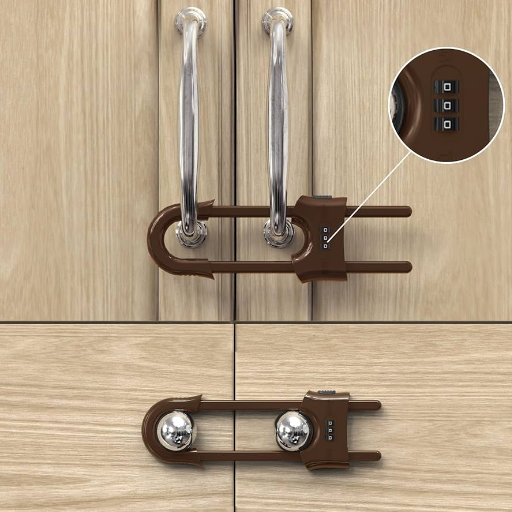
The lock options for cabinets can be divided into two main categories, namely mechanical and electronic locks, with each category having its own unique advantages depending on the application.
Mechanical Locks
Among these are cam locks, latch locks, and mortise locks. They are very easy to use, inexpensive, and very suitable for minimal security needs in households or office settings.
Electronic Locks
Highly sophisticated options like keypad locks or RFID locks are very secure and functional. They come with features such as no-key access, customizable codes, and compatibility with larger access control systems, thus making them ideal for use in high-security or commercial areas.
You can achieve a choice of locks that meet your specific needs, and thus, the security level can be user-friendly and at the same time desirable.
What is a Cabinet Lock?
Cabinet locks are devices that can be either mechanical or electronic, and their main purpose is to prevent unauthorized access to a cabinet and therefore protect its contents. There are different types of locks available for cabinets, like cam locks, latch locks, and electronic locks, which are suitable for different environments, such as homes, businesses, or factories. Most cabinet locks are constructed from strong materials like steel or zinc alloy to provide long-lasting protection and may be operated by means of a key, a combination, or modern RFID and biometric methods. Locking and unlocking cabinets is no longer an issue as they are now seen as practical and reliable security solutions for safeguarding products or documents that are either valuable or sensitive.
Types of Cabinet Locks
| Lock Type | Operation Method | Best Use Cases |
|---|---|---|
| Keyed Cabinet Locks | Physical key | Areas requiring limited access, cost-effective security |
| Combination Cabinet Locks | Numerical or alphanumeric code | Multi-user environments, offices, workshops |
| Electronic Cabinet Locks | PIN codes, RFID cards, proximity sensors | Commercial and industrial facilities |
| Biometric Cabinet Locks | Fingerprints or biometric features | High-security environments, sensitive materials |
| Smart Cabinet Locks | Wireless network or Bluetooth with mobile apps | Modern security in homes and businesses |
Keyed Cabinet Locks
Lock systems that are opened with a key are the most classic and also the most commonly used lock solutions. However, these locks are very versatile in terms of design and include cam locks, deadbolt locks, and plunger locks, among others. The locks are perfect for places where it is important to limit the people who can access the area, as they are still quite inexpensive and secure.
Combination Cabinet Locks
Locks that are opened with a key code, either a numerical one or a letter and number one, are the means that secure cabinets. The locks are such that there are no keys to lose, thus there is a statistically low chance of theft. Because of their inability to be taken away, they are the first choice in places where many different people simultaneously have to access, e.g., open plan offices or carpentry workshops.
Electronic Cabinet Locks
Keyless electronic locks have taken over with their strong technology, such as PIN codes, RFID cards, and even proximity sensors. The flexibility of these lock systems is huge; they can be incorporated into access control systems for monitoring and restricting entry. It is a common practice to find these locks in commercial and industrial places, as they give the facility owner better control over security and convenience.
Biometric Cabinet Locks
Locks that are opened with fingerprints or other biometric features are called Biometric locks. They are associated with high security and user-specific access, and so are often used for the keeping of sensitive or confidential materials. The technology they use is so advanced that it only allows the authorized individuals to open that storage.
Smart Cabinet Locks
Smart locks are those that are connected to a wireless network or Bluetooth, which allows managing them online through mobile apps. In addition to the fact that these locks allow remote management, they are equipped with many features such as activity logs, temporary access codes, and real-time notifications. Thus, they are a strong option for modern security in both homes and businesses.
Key Features of Cabinet Locks
Durability and Material Quality
Top-grade cabinet locks are made of durable materials like stainless steel, zinc alloy, or heavy-duty plastics, which guarantee wear and tear resistance and the locks’ long-lasting life. Their ability to withstand is very important for not only residential but also commercial use; they will still be operating reliably throughout the years.
Enhanced Security Mechanisms
Cabinet locks can be fitted with various security measures, such as pin tumblers, four-dial combinations, or cutting-edge RFID and biometric systems. These mechanisms are built to keep intruders out and protect valuable or delicate objects with high efficiency.
Ease of Installation and Use
New cabinet locks are made with the user in mind; the installation is very simple, and the tools needed are often very few. Besides that, many of the locks come with adjustable settings so that different cabinet sizes can be taken care of.
Smart Lock Integration
Smart locks for cabinets are the result of bringing technology to the next level; they provide the user with features like access from anywhere using a mobile app, temporary user codes, and monitoring of the activity. These systems not only increase user control but also keep the user informed in real time, which makes them a perfect fit for today’s security needs.
Versatility and Adaptability
Cabinet locks are found in different types, such as cam locks, deadbolts, or electronic ones, to meet various needs. They are also very easy to change for use in home cabinets, office cabinets, or even industrial cabinets, thus they have a wide range of applicability.
Through heavy-duty build combined with technology, cabinet locks provide a very systematic and user-friendly solution to meet the security needs of modern times.
The Importance of Security in Cabinets
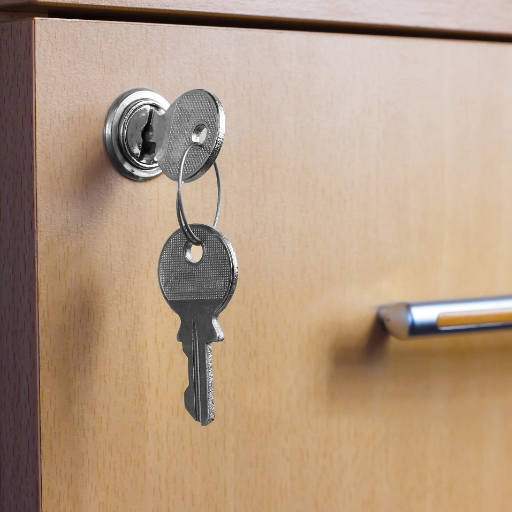
The protection of cabinets is a very important aspect of the security of valuable assets, sensitive documents, and hazardous materials. Generally, cabinets are used for keeping items that have limited access, like they are a potential target for stealing or unauthorized entry. With the development of locking mechanisms, modern cabinet security solutions have set a goal of reducing risks while at the same time being user-friendly. The likes of biometric locks, combination locks, and electronic keypad systems are options that give reliable protection according to the different needs of each customer.
On the one hand, proper cabinet security increases the overall efficiency of an organization by protecting the most important resources and keeping the company in compliance with legal and regulatory standards. For example, the storage of classified documents or medical supplies in unsecured cabinets could result in data breaches or safety hazards. By implementing strong cabinet locks and conducting periodic inspections, organizations can gradually reduce vulnerabilities and, at the same time, ensure protection for both assets and humans. Finally, the combination of physical security and regular policy reviews has become an important strategy in dealing with modern security challenges.
Why Security Matters
In both the organization’s and the individual’s context, security is a principal factor that will protect the sensitive information, physical assets, and the integrity of the operation as a whole. Cyberattacks, data breaches, and unauthorized physical access are among today’s security weaknesses, and all of these can cause financial losses, damage to reputation, and lawsuits. For companies, the application of extensive security measures guarantees that the organization will meet the regulatory standards and, at the same time, will continue to protect the intellectual property and customer trust. On the individual level, security practices, such as password management, secure online behavior, etc., protect against identity theft and fraud. Security is still a crucial factor in the risk reduction process when the latest technologies, strong policies, and ongoing education are combined. It is necessary to do this in our world that is ever more interconnected.
Common Threats to Cabinet Security
Cabinet security very often gets compromised because of physical and technological vulnerabilities combined. The first one is unauthorized access, which might result from weak or generic locks, poor key management, or physical tampering. Another possible scenario of such risk is data theft or breaches in smart cabinets that are especially problematic since they are connected with the IoT and are therefore easily hacked or attacked by malware. Environmental factors like fire, water damage, or very high/low temperatures are also a big threat, particularly when sensitive materials or confidential documents are preserved. It is by improving the locking systems, secure access protocols, and environmental safeguards that the cabinet security can be greatly enhanced by eliminating these common vulnerabilities.
Choosing the Right Security Solution
The process of selecting the best security option for cabinets involves evaluating several important factors. First, the type of assets being stored must be assessed—in this case, physical documents, electronic devices, or sensitive data, and so on because it will determine the level of security needed. Cutting-edge solutions usually come with professional locking systems like electronic or biometric locks as an access control measure. Moreover, consider the technological compatibility of the system that is particularly linked with IoT to avoid cybersecurity threats.
Second, the ability to rely on the system amidst unfavorable environmental conditions needs to be discussed. Choose drawers that come with heat and smoke protection as well as water resistance, and those that can endure some changes in temperature. Fire-rated cabinets or waterproof enclosures are the best options if the environmental conditions of your premises are rough.
Last, but not least, make flexibility and integration your leading criteria. A solution that can evolve with the future needs or one that can be part of the larger security umbrella (like surveillance systems or smart office tech) will increase its value in the long run. Weaving these factors together guarantees an access system that is secure, dependable, and comprehensive in guarding the storage assets.
Exploring Different Lock Mechanisms
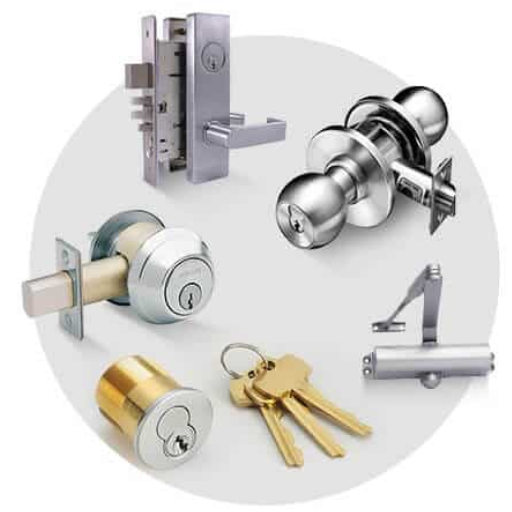
Lock mechanisms are vital not only for security but also for the proper functioning of storage solutions. The following is the list of main lock mechanisms that are usually applied:
Lock Mechanisms Comparison
- Mechanical Locks: They are the old-school locks that work with keys. These locks are not very expensive and are found everywhere, but they do need a good key management system to avoid unauthorized entry.
- Combination Locks: They are similar to mechanical locks but work through code instead of keys. They offer a very easy way to enter and are less prone to key-loss situations.
- Electronic Locks: PIN code, keycard, or even biometric authentication are the ways that electronic locks operate, and they give better control and personalization. Such locks usually have additional features like access logging and remote monitoring.
- Smart Locks: The smart locks connect to various wireless systems like Bluetooth or Wi-Fi, thus allowing access through smartphones or other smart gadgets. They not only make life easier but also work perfectly when combined with modern security systems.
- Deadbolt Locks: Among the locks, deadbolts are the most effective ones because of their robustness and resistance to fraud. Such locks are mainly used in safes and to secure high-risk areas. They reflect the priority of strength and dependability.
It is the security level, the place where the lock is going to be installed, and the personal choice of the user that will dictate the choice of the lock mechanism. Checking these factors thoroughly guarantees the best performance and protection.
Keyed Locks vs. Keyless Locks
In the case of selecting a lock system amongst keyed and keyless locks, it is evaluated considering the individual benefits as well as the potential drawbacks of the two types, depending on the criteria of security, ease of use, and application area.
Keyed Locks come with the necessity of a traditional key and are usually considered the most basic and the least expensive option. They use the well-known locking mechanisms along with the pin-and-tumbler system, which helps provide great security against break-ins when coupled with good-quality construction. At the same time, these locks are also a source of trouble for the users, as they have to deal with key management, which in turn could lead to scenarios where the keys are lost or duplicated. Besides, maintenance might be required after a long period of usage due to the mechanical wear of the locks.
On the contrary, Keyless Locks allow easy access without the use of physical keys since they are based on technologies like keypad, biometrics, RFID, or smartphone communication. Their main concern is security from outside and inside, as they can easily give and even take away access through features like temporary access codes and remote control. However, the risk of losing keys is not present anymore, but the locks depend very much on power supply (like batteries) and are particularly sensitive to electronic interference or hacking if not properly secured.
Choosing between keyed and keyless locks is a matter of weighing the environmental factors, the level of security desired, and the needs of the user. For very secure places, the use of both systems is already a standard practice; for instance, using a keyless entry with a keyed override gives one not only the strong protection but also the ease of use that comes with the modern way of doing things.
Latches and Their Functionality
Latches are mechanical devices that are created to fasten or secure things in place, which then allows for controlled movement and stability. Latches are found mostly in doors, gates, and cabinets. The operation of latches is done through a very simple yet effective mechanism where a movable part (like a bolt or a bar) comes into contact with a corresponding catch or strike. Keeping the latch shut is its main purpose, but still allowing for easy operation either manually or automatically.
Latches come in many different types, each with its own specific application, such as spring latches, which automatically engage by using tension, and cam latches, which are known for their locking action based on rotation. In addition, some advanced latches have electronic controls for extra functionality that is helpful in automated systems or access control. The most important factors in the choice of a latch are the durability of the material, wear, environmental resistance, and load-bearing capacity. Proper maintenance and selection of materials, i.e., corrosion-resistant metals, are crucial for the long-term reliability and performance of both household and industrial applications.
Durability of Different Lock Types
The lifespan of locks largely relies on their design, the kind of materials used, and the purpose for which they are made. One can easily come across different types of padlocks, and among them, the toughest ones are made from solid brass, hardened steel, and boron alloy, where the latter one is the most resistant to cutting and rusting. Deadlocks, which are popular among homeowners for their role in security, are very strong, especially in the case of being made from thick steel and adding such features as reinforced strike plates. The locks that are electronic and smart, on the other hand, despite the fact that they are less functional than the regular mechanical locks, need the electronic parts to be serviced constantly, plus they are more likely to be affected by extreme temperatures and humidity, which can lead to wear and tear. On top of this, mortise locks that are used mainly in business areas are considered very strong due to their hidden internal mechanisms (inside the door) and their ability to withstand even heavy use. To ensure the longevity of any lock, it would be necessary to observe proper installation procedures, the regular maintenance of the locks, as well as the application of locks with anti-corrosion finishes.
Installation and Maintenance of Cabinet Locks
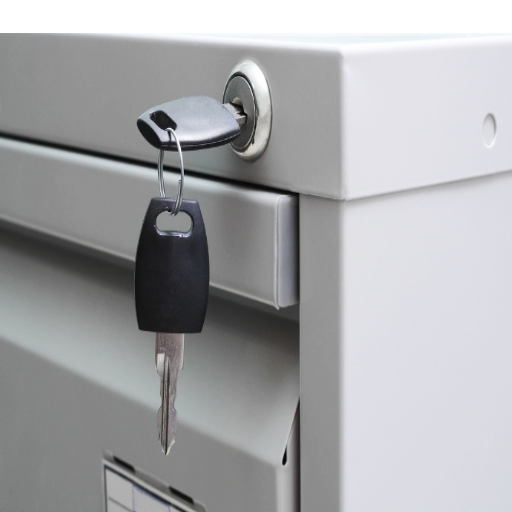
The first step of cabinet lock installation is to choose the ones that match the cabinet material and size. Mark the place for lock parts clearly before making holes so that they are in line. Take the manufacturer’s directions strictly and use the right instruments so as not to harm the cabinet.
Inspect the lock regularly for wear or dirt that could block its workings as part of the upkeep. Wipe the lock mechanism with a soft cloth or a non-corrosive lubricant, and do not apply too much pressure when using the lock. Look at screws and fastenings from time to time, tighten them if necessary to stop them from getting loose. Care treatments will make cabinet locks last longer and more reliably.
How to Install a Cabinet Lock
Gather Necessary Tools and Materials
Before you start, make a list of tools that are necessary for the project, like a drill, screwdriver, measuring tape, pencil, and the cabinet lock kit. The next step is to check again if the type of lock fits the cabinet and if it is compatible.
Mark the Lock Position
Choose the exact spot of the lock installation. Draw a line with a measuring tape and a pencil to pinpoint the center for drilling. Generally, the lock should be placed where it can directly interact with the cabinet’s closing device so that the locking is effective.
Drill the Hole
Drill a hole through the marked position slowly using a drill bit of the right size, which was recommended by the lock’s instructions. Keep the drill in position throughout the process to get totally accurate drilling and, at the same time, avoid harming the cabinet surface.
Attach the Lock Cylinder
The lock cylinder should go through the hole you have made, and it should be at the same level as the cabinet surface. Use screws from the lock kit to keep the cylinder in place. It is important to make sure that the cylinder is tightly held, but do not over-tighten since this may cause distortion.
Install the Locking Mechanism
The next step is to position the lock mechanism or latch on the side of the cabinet door opposite the lock. Make sure it is lined up with the lock and attach it with screws. If necessary, move it slightly to make sure that it is working freely when locking and unlocking.
Test the Lock
Testing the lock at least three times after installation will help you to know whether or not the lock is functioning properly. Also, check whether the key turns without any problem and whether the locking device completely locks the cabinet door.
Final Adjustments
In case the lock malfunctions occur, you should make slight adjustments to alignment or fastening parts. Go through each of the connections and screws again just to be sure they are tight enough. Remove the dust or debris from the drilling by cleaning the area.
By following these steps properly, you will get a professional-quality cabinet lock installation, not only security but also functionality. Do not forget to consult the specific product instructions that come with your lock for any special steps or requirements.
Maintenance Tips for Longevity
Regular maintenance is crucial for the longevity and optimal performance of your cabinet lock. You can start by cleaning the lock mechanism at regular intervals with a dry cloth or a non-abrasive cleaner to get rid of dust and dirt that can interfere with its operation. Then, using a small amount of lubricant, such as graphite or silicone spray, apply it to the moving parts to prevent rust and ensure smooth operation. Don’t apply too much pressure while turning the key, as this might cause internal damage. Check the screws, bolts, and other hardware frequently for loosening, and if they are loose, tighten them. Finally, make sure that the lock and nearby parts are not in areas with high moisture or corrosive substances, since these can cause the materials to degrade. If you maintain your cabinet lock regularly, you will not only prolong its life but also keep its security and reliability.
When to Replace Your Cabinet Lock
It is important to know when to change your cabinet lock in order to keep it secure and functional. Signs of wear and tear on a cabinet lock, such as difficulty turning the key, jamming, or stiffness in the locking mechanism, indicate that it needs to be replaced. Lock materials that show visible damage, such as rust or corrosion, have been compromised, and the lock may no longer be able to provide sufficient security. In case of a lost or stolen key, prompt replacement of the lock will prevent unauthorized access to your cabinet. Moreover, if the lock design or technology becomes obsolete, consider replacement, as modern locks usually come with better features like higher durability, advanced security mechanisms, or compatibility with keyless systems. Proper timing of replacement will lower the possibility of security breaches and ensure that your items are safe.
Versatile Applications of Cabinet Locks
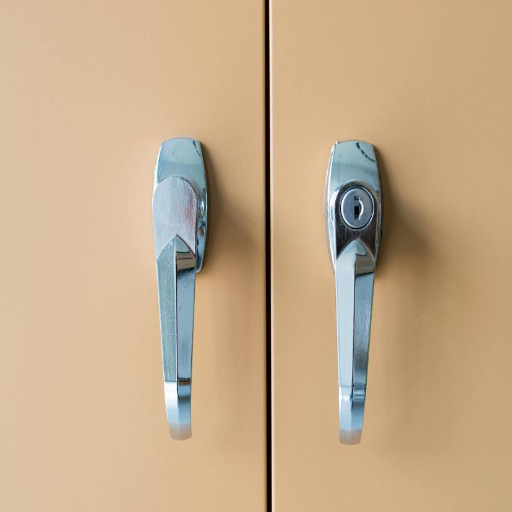
Cabinet locks are used for different purposes in residential, commercial, and industrial areas. In a house, they are usually placed on the door of a cabinet to keep valuable things, personal documents, or hazardous items such as cleaning supplies or medicines, safe to a lesser extent, and children’s access is minimized. In business, cabinet locks are found in the office and shop areas to guard delicate papers, cash drawers, and stock. In factories, the locks are often used to protect workers’ tools, machines, or materials that are very important for the manufacturing process. Their ability to be fitted to various lock types and designs allows them to effectively cater to different security demands.
Residential Use of Cabinet Locks
Cabinet locks are a must in the home as they greatly contribute to the security and organization of the house. Their main purpose is to keep unwanted people away from dangerous substances like cleaning chemicals, medicines, and sharp tools, thus minimizing the risk of accidental harm, especially for kids. The different types of cabinet locks are magnetic, combination, and key-operated. Modern locks are built to last, are simple to install, and can be adjusted to fit various cabinet materials and styles, so they are a good solution for keeping the valuables or sensitive items in the house. Moreover, some of the locks are so advanced that you can integrate them with your smart home system, which will allow you to lock and monitor them from anywhere, thus making security and convenience even better.
Commercial Applications
In my opinion, modern cabinet locks are an absolutely great option for commercial sectors to secure sensitive documents, inventory, and equipment. They can be found in places such as offices, retail environments, and medical facilities, where it is of utmost importance to protect valuable or confidential items. Along with the development of keyless entry and connection with smart security systems, those locks not only offer flexibility but also better supervision, thus guaranteeing that companies will keep a high-security standard alongside easier access control.
Specialty Cabinets and Lock Solutions
Custom-built cabinets and locking systems are specialty products that are meant to meet the security and storage specifications of different industries. These products come with fire resistance, tamper-proof construction, and high-tech locks, and thus, they are the perfect solution for protecting sensitive items like drugs, documents, and stocks. Mostly used in hospitals, factories, and stores, these cabinets often connect with electronic access systems that not only provide keyless entry but also have real-time monitoring and audit tracking features, thus improving security and efficiency in operations. The development of materials and design has made it possible to have cabinets with unique configurations that not only meet the industry’s needs but also adhere to the standards set by the authorities.
Reference Sources
Modular Locking System to RBS Cabinet
Smart Biometric Cabinet Locking System
Open Source-Based G2S (Game to System) Engine Design and Implementation
Frequently Asked Questions (FAQs)
What exactly is a cabinet door lock, and how does it work?
A cabinet door lock is a kind of locking device made for the security of cabinet doors. Usually, a key or a push mechanism is used for its operation, thus keeping the cabinet’s contents safe and protected. Depending on the style of the cabinet, the locking device can be set up either vertically or horizontally.
What are the different kinds of cabinet drawer locks?
Among the varieties of cabinet drawer locks, there are slide locks, push locks, and keyed alike options. The locks offer a very good way of keeping drawers secure, and the users have the option of picking one locking mechanism from different ones, depending on how secure they need it to be.
How do I know which is the best locking solution for my cabinet?
In selecting a locking solution for your cabinet, it is necessary to consider the type of cabinet, the materials, and the security level required. There are high-quality cabinet locks that can be keyed differently or keyed alike for easy access. Moreover, the lock accessories and hardware solutions that match your selected locking mechanism can be considered.
What do keyed alike locks mean in contrast to keyed different locks?
Keyed alike locks let you open multiple locks with a single key, which is a big advantage for those who have to deal with many cabinets. On the other hand, keyed different locks do not allow such and therefore require a separate key for each lock. This adds to the security as unauthorized persons will not be able to gain access to any cabinet through the lock they have if it is the wrong one.
Will a vertical cabinet lock fit any cabinet?
Most cabinets can have vertical cabinet locks installed as long as the door of the cabinet is designed to accept such a mechanism. It is very crucial to observe proper alignment and fitting during the installation process to achieve maximum security.
What are the benefits of having push locks for cabinets?
Push locks are a locking option for cabinets that are both very flexible and easy to use. They provide a way to get inside very quickly and easily without having to use a key, hence making them perfect for areas where access is frequent. On top of that, push locks are adaptable to different cabinet styles, including cabinets made of glass.
Are there any specific lock accessories that can improve cabinet security?
Definitely, various lock accessories can increase cabinet security. These accessories include spacers for perfect alignment, extra locking mechanisms, and tampering prevention plates. By investing in top-of-the-line lock accessories, you can have a remarkable increase in the security level of your cabinets.
What should I do to keep my cabinet lock in good condition?
Taking care of your cabinet lock consists of checking regularly for signs of damage and making sure the locks are operating smoothly. Cleaning the locks from dust and particles, and applying lubricant on the lock’s moving parts can also lengthen their life and provide security that works reliably.