








Refrigerators are one of those indispensable appliances in any household, working day and night to keep food fresh and beverages cold. But have you thought about it? Well, an answer to the quintessential question: how many amps does a refrigerator draw? This insight will allow you to monitor energy consumption and become pivotal for your electrical set-up at home or for utilizing any backup power sources, such as generators. Here, we’ll explain the primary factors affecting a refrigerator’s amperage, the basic classes of its energy usage, and how to make it more efficient, thereby equipping you to make an informed decision.
Understanding Refrigerator Amperage
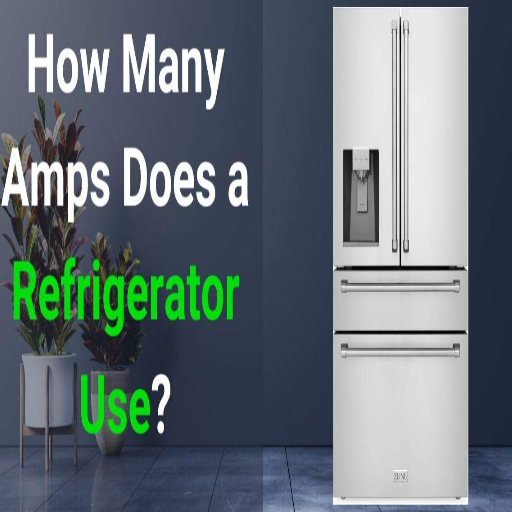
The amperage of a refrigerator refers to the electrical current consumed by this machine at the heart of the action. A standard refrigerator will require between 3 and 6 amperes under normal functioning, depending upon its size, model, and efficiency. Larger figures or older refrigerators may draw more current. To determine the exact amperage of your refrigerator, refer to the label inside the appliance or, in rare cases, on the back near the manufacturer’s specifications. This knowledge helps in estimating the amount of electric energy the refrigerator consumes and ensures that your electrical setup can safely handle the load.
What is Amperage?
The current, or amperage, is a measure of the amount of electric charge flowing through a circuit, measured in units named amperes (A). Therefore, while the term is generally used to refer to the rate at which electricity flows, it actually constitutes an essential factor in determining the total energy consumption of a device. Amperage is also directly proportional to wattage and voltage in an electrical circuit, as given by the formula:
Suppose a device operates at 120 volts and consumes 600 watts of power; this device would draw 5 amps. The amperage requirements for household appliances vary. An LED light bulb may consume a fraction of an ampere, whereas an air conditioner may require anywhere from 15 to 20 amperes.
Knowledge of amperage, therefore, aids in efficient energy usage, maintains system durability, and ensures operational safety.
How Many Amps Does a Refrigerator Draw?
The amperage that a refrigerator might draw varies according to several factors, such as size, age, and energy efficiency. Most modern refrigerators operate at a current draw of between 3 and 6 amps during normal working conditions. A surge current is generated more at startup and can last for a few seconds, with a range of between 15 and 20 amps. For smaller mini-fridges, the amp draw is typically lower, ranging from 1 to 2 amps.
Larger and high-capacity refrigerators, such as those used in commercial environments, may require 7 or 8 amps while in regular operation. This number also varies depending upon the energy efficiency rating of a refrigerator; those with Energy Star certifications thus consume less power. Knowing the amperage requirements for circuit planning is vital so that the fridge may be connected to the appropriate electrical outlet and circuit that can handle the load safely.
Factors Affecting Refrigerator Amperage
A set of factors determines the amperage drawn, which in turn affects the energy consumption and the overall efficiency of the refrigerator. Here are the significant contributors:
Size and Capacity
The larger a refrigerator is, the higher its capacity, and it will require more power to cool and maintain its interior temperature. For example, a mini-fridge might use between 1 and 3 amps, whereas full-size home refrigerators generally need around 3 to 6 amps. Commercial-grade refrigerators, on the other hand, tend to operate at a level higher than 7 to 8 amps, due to their large compressor and more extensive cooling mechanism.
Type and Design of Refrigerator
Amperage also depends on the type of refrigerator. Other features, such as dual compressors, ice makers, and smart connectivity, also pull more power. For instance, frost-free or no-frost refrigerators are typically more energy-consuming than direct-cool models due to their automatic defrosting system.
Energy Efficiency Rating
Appliances that carry better energy efficiency ratings indeed consume less electrical power. At least 10-15% less energy is consumed by Energy Star Appliances as compared to standard models. This difference would therefore mean running fewer amperes through the circuit for hours, making them economical and environmentally friendly.
Starting Amperage vs. Running Amperage
Since refrigerators draw a sudden surge in power during startup, the sample starting amperage value typically lies between 5 and 10 A, depending on the motor and compressor size. After stabilization, the running amperage settles down to normal operating values, which are generally about 50-60% lower than the startup values.
Ambient Temperature and Usage
External conditions primarily affect the performance of a refrigerator. If the unit is operating in a hot environment or near a heat-generating unit, it must work harder to maintain its internal temperature, thereby drawing more amperage. Opening and closing the doors frequently would also contribute to increased energy usage, as the compressor compensates for the entry of warm air.
Age and Maintenance of the Appliance
An old refrigerator or one with poor maintenance, such as dirty coils or seals that no longer fit properly, can all result in inefficient power consumption. Cleaning the condenser coils and replacing the seals when necessary reduces the amperage draw.
Power Consumption of Refrigerators
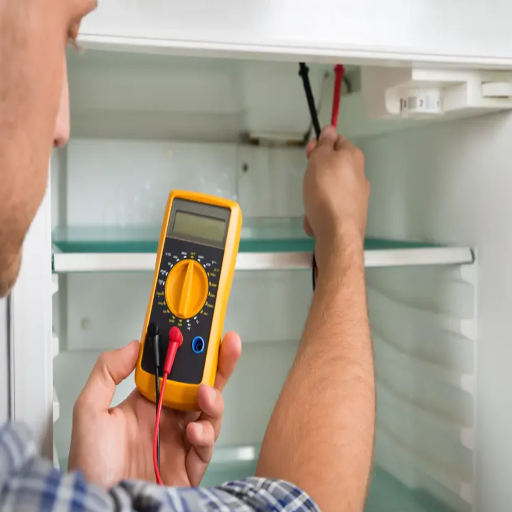
The power usage of a refrigerator depends on several factors, including size, age, energy efficiency ratings, and the way the fridge is used. Generally, energy-efficient modern-day refrigerators use between 100 and 800 kWh per year, whereas older refrigerators use significantly more. For the exact power use, check the EnergyGuide label, which provides an estimate of annual electricity consumption. Buying an ENERGY STAR-qualified refrigerator and using it effectively will help reduce your energy costs, so remember to avoid overloading the fridge and set it to the correct temperature.
Wattage vs. Amperage
Wattage and amperage are interrelated yet quite distinct parameters of electrical power. Wattage is the term used to express power consumption on an appliance or device. It is measured in watts (symbolized as W). Amperage, on the other hand, refers to current being drawn and is measured in amperes (symbolized as A). Voltage (V) is the third parameter relating these two:
So, a refrigerator operating on 120 volts and drawing a 2-amp current will consume 240 watts.
In other words, the difference between these two is significant in energy usage and efficiency considerations. Wattage is essential when it comes to calculating electricity bills, as it is directly proportional to the total units of energy consumed by the appliance over time. Amperage is important in accounting for electrical current flow through circuits to prevent tripping breakers or overloading a wire. To keep energy costs under control, check the rated specifications of appliances, verify the voltage ratings of outlets, and also ensure compatibility with the electrical system parameters used at home.
Calculating the Actual Amps for Your Fridge
You should check the wattage of the appliance to find out how many amps are being drawn by your fridge. The wattage is usually written on a label inside the fridge or in its manual. The calculation, then, would be simply done by:
For example, in the case of a fridge having its rating on 700 watts and using a standard 120-volt outlet, you’d have:
Amps = 700 ÷ 120 = 5.83 amps
Thus, when running, a fridge draws approximately 5.83 amps. However, a typical older model or one with more features, such as an ice maker or water dispenser, could consume more wattage and thus draw a higher amperage. Also, remember that starting amps (or surge current) upon the compressor switching on can briefly soar 2 to 3 times higher than the running amps.
In cases where the energy consumption of the fridge needs to be measured more precisely, one can always consult an electrician if unsure about the refrigerator’s specifications. This is to ensure that the fridge does not exceed the safe limits of your electrical system. Of course, this will vary in energy consumption.
Energy Efficiency: Energy Star Ratings
The Energy Star ratings serve the everyday utility of enabling consumers to save on electricity and reduce their carbon footprint by establishing a metric to gauge the energy efficiency of appliances, such as refrigerators. An appliance bearing an Energy Star label has met rigorous criteria for energy efficiency set by the EPA (Environmental Protection Agency) and the DOE (Department of Energy). Generally, such an appliance uses 15 to 20 percent less energy than those models that are not Energy Star-labeled.
To ensure an energy-efficient refrigerator purchase, prioritize those with a higher Energy Star score and features such as inverter compressors and smart sensors that help regulate temperature and further reduce energy consumption. Additionally, proper upkeep, such as cleaning coils and maintaining optimal temperature settings —35 to 38°F for the fridge and 0°F for the freezer —is crucial to detergency.
Types of Refrigerators and Their Amp Usage
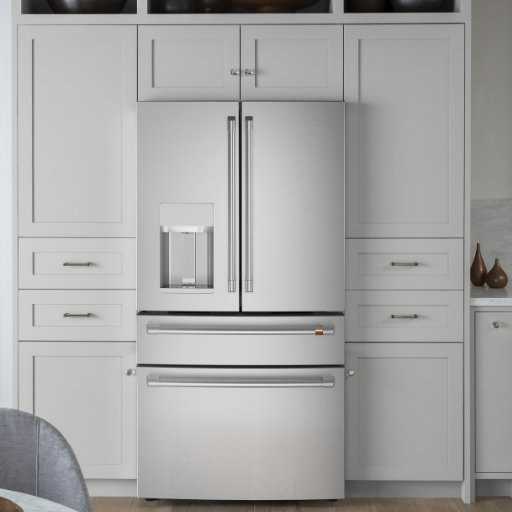
The actual amp usage will depend on the size and type of refrigerator. The following provides a general overview of the most common types of refrigerators and their approximate amp ratings.
| Refrigerator Type | Typical Amp Usage | Key Features |
|---|---|---|
| Top-Freezer Refrigerators | 1.5 to 2.5 amps | Most energy-efficient design |
| Side-By-Side Refrigerators | 2 to 5 amps | Slightly bigger capacity |
| Bottom-Freezer Refrigerators | 2 to 4 amps | Convenient access to fresh food |
| French Door Refrigerators | 3 to 6 amps | High capacity and premium features |
| Compact or Mini Refrigerators | 0.5 to 1.5 amps | Small size, low energy consumption |
Then, proceed to check the specifications tag or the user manual for the detailed amp ratings. Ensure that your kitchen’s primary electrical circuit can safely handle the appliance.
Standard Refrigerators
Due to the balance of size, functionality, and energy consumption efficiency, standard refrigerators are widely used in many households. These types typically have a capacity ranging from 18 to 25 cubic feet, making them suitable for the everyday needs of a family. Energy-wise, today’s standard refrigerators are built to be energy-efficient. They mostly draw anywhere between 3 and 6 amps, meaning a consumption of anywhere between 450 and 3,500 watts, depending on their energy rating and usage.
With recent breakthroughs in technology, the efficiency of regular refrigerators has increased, and many refrigerators bearing the Energy Star label consume less than 500 kWh per annum. This efficiency can translate into cost savings for the household while protecting the environment. Features such as adjustable shelving, temperature control systems, and smart connectivity further enhance convenience and usability. It is recommended that the refrigerator be well-ventilated around it and that the condenser coils be cleaned periodically to ensure maximum performance.
Compact and Portable Fridges
Compact fridges are a suitable solution for those with limited space or those who need cooling on the go. Generally measuring anywhere between 1.7 cubic feet and 4.5 cubic feet in volume, these models make for great accessories for dorm rooms, office spaces, RVs, or even campsites. With advancements in insulation and energy efficiency, some portable cooling units are considered highly energy-efficient, consuming as little as 100-200 kWh per year.
Modern portable units often feature adjustable temperature control, reversible doors, and removable shelves, providing maximum storage flexibility. Thermoelectric and compressor-free cooling systems, therefore, provide a choice between a lighter design and a superior cooling system. Some models are even equipped with USB or car chargers for on-the-go use. These features and advancements make compact fridges convenient, portable, and adequately cooled.
Freezers and Their Power Needs
Freezers are essential appliances for preserving food, but they can also consume energy, depending on the model, size, and efficiency ratings. New-generation freezers feature energy-saving technologies, including enhanced insulation and high-efficiency compressors, which reduce power consumption while maintaining proper freezing temperatures. For instance, chest freezers may be more efficient than upright types because they can retain cold air more effectively.
And, depending on their size and efficiency, a standalone freezer is said to consume from 200 to 700 kWh of power annually. An Energy Star-rated freezer uses about 10-15% less energy than non-Energy Star-rated units, meaning buyers pay less on their electric bills. Small freezers of 5-7 cu.ft. Generally consume around 240 kWh per annum, while the larger ones, over 15 cu. ft., will approach 600 kWh per year.
Choosing a freezer with intelligent temperature control and certification for energy efficiency is crucial for minimizing power consumption. Additionally, an energy-efficient environment is ensured by leaving sufficient space around the appliance for proper airflow, avoiding overpacking, and defrosting the manual freezer when needed. Along with these features, these practices can help consumers manage their freezing needs and energy costs simultaneously.
Managing Refrigerator Power Usage
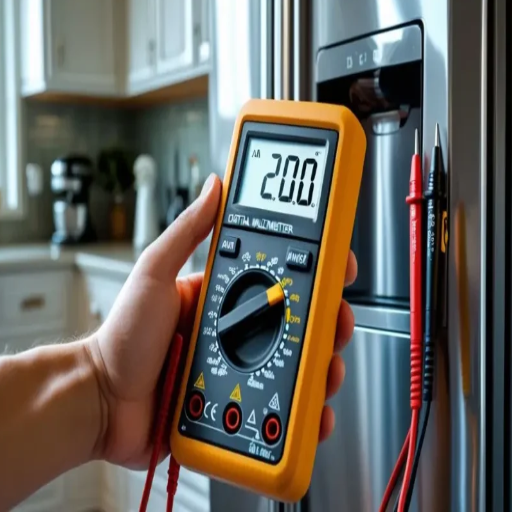
Optimizing power use by refrigerators involves setting the fridge between 37°F and 40°F and the freezer at 0°F. Also, avoid opening the doors unnecessarily, as cold air escapes! Check the seals periodically to ensure they remain firmly in place. Keep the refrigerator in a cool, well-ventilated place away from direct sunlight and any sources of heat. Clean the condenser coils at least once a year to keep the fridge performing at its best, while preventing overheating. Unhindered airflow is vital for maximum performance. Simple steps such as these can pave the way to energy savings and lower electricity bills.
Running a Refrigerator on Backup Power
This is something you should understand: When working with refrigeration on backup electricity, an appliance has specific energy requirements and limitations. Most modern refrigerators operate at a power consumption of between 100 watts and 800 watts, depending on their size and efficiency, and may also feature additional functions such as ice makers and water dispensers. Ensure that the backup power system, whether a generator or a battery system, can keep up with that load at all times.
To ensure optimal operational conditions, use an inverter generator or an inverter with a pure sine wave output, as these are specifically designed for sensitive home appliances. Let us consider the 2,000-watt generator, which in most cases is ample to run regular refrigerators and freezers, but a bit more wattage may be needed for that brief instant when the compressor starts. It is strongly recommended to review the energy consumption label on your refrigerator and the rated capacity of your backup system before using them.
By keeping the doors closed during power cuts, cold air retention will be enhanced, reducing energy demand. Typically, refrigerators can maintain safe temperatures for about 4 hours if unopened, whereas freezers can maintain such temperatures for about 48 hours if fully packed. Using these guidelines will ensure the efficient operation of your refrigerator on backup power during outages, allowing for the practical preservation of your stored food items.
Using Portable Power Stations
Portable power stations are emerging as a more reliable and versatile solution for powering appliances, such as refrigerators, during blackouts. These relatively small contraptions come with rechargeable lithium-ion batteries and, when properly sized, can quietly and cleanly generate sufficient power for your appliances without the exhaust fumes typically associated with a traditional gas generator. When selecting a portable power station for your refrigerator, consider its capacity, normally measured in watt-hours (Wh). For instance, a fridge with an average power consumption of 200 watts would require a power station with at least 800-1000 Wh to run continuously for about 4-5 hours.
Modern portable power stations typically come with multiple charging and output options, including AC outlets, USB ports, and DC ports, allowing users to charge multiple devices simultaneously. They can also be designed to accept solar charge, making them a sustainable and renewable energy solution. Some very popular portable power stations cater to both short- and long-term power needs, and they come in capacities ranging from 500 Wh to 2000 Wh. Another important consideration that should not be overlooked is ensuring that sufficient surge capacity exists to accommodate the initial surge in current when the compressor for your refrigerators starts.
When choosing a portable power station, look for features such as an easy-to-read display panel that shows battery levels, charging speed, and energy consumption, making it easy to use. With planning ahead and the right power station, keeping essential appliances such as refrigerators running during load shedding will be a breeze.
Tips for Reducing Fridge Energy Consumption
- Set the Correct Temperature: Always adjust your thermostat to a location within the 37-40°F range for refrigerators and 0°F for freezers to ensure efficient cooling while avoiding overworking the container.
- Keep the Fridge Well-Organized: Proper organization allows air to circulate freely. This allows the refrigerator to be maintained at a uniform temperature, thereby reducing energy consumption.
- Inspect and Replace the Seals: Inspect the door seals for wear or gaps. Damaged seals allow cold air to escape, forcing the fridge to work harder. Replace if necessary.
- Avoid Overloading or Underloading: A refrigerator that’s overfilled or full of little could use more energy. Maintain a balanced load for optimal efficiency.
- Limit Door Opening: A lot of cold air escapes every time the door is opened, and the fridge is said to consume more energy to cool down afterward. Be prepared to compensate for multiple items simultaneously.
- Keep the Coils Clean: Dust and dirt accumulate on the condenser coils, reducing their efficiency. Clean the coils periodically, which are typically located at the back or bottom, to ensure proper functioning.
- Place the Fridge in a Cool Location: Avoid placing the refrigerator near a heat source, such as a stove or dishwasher, or in direct sunlight. Allow it to have cooler surroundings so that it does not consume extra energy.
- Energy-Efficient Models: Consider upgrading to an energy-efficient refrigerator with an Energy Star rating, especially if you currently have an older model. This enables massive electricity consumption.
What is a Portable Power Station?
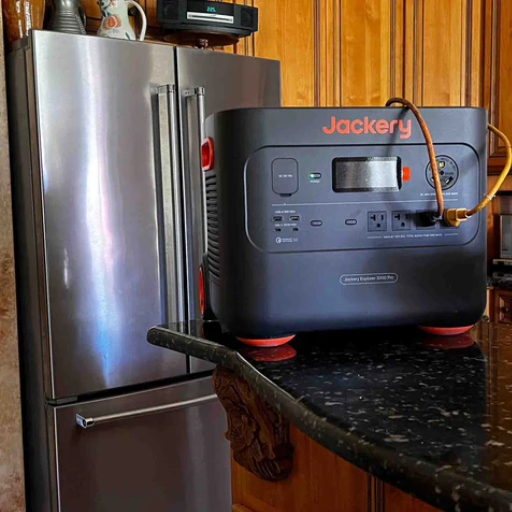
The portable power station is a compact, rechargeable device that provides electrical power to various appliances when standard electrical power is not available. Most portable power stations utilize lithium-ion or lithium iron phosphate (LiFePO4) batteries and offer diversified output options to charge electronics, power small machinery, or provide general assistance outdoors or in emergency situations. Portable power stations are lightweight and offer possibilities for recharging through wall outlets, car chargers, or solar panels, making them an eco-friendly and great solution for off-grid power needs.
How to Run a Refrigerator on Backup Power
Afterward, the refrigerator should have its power supplied by an electric generator set up specifically for this purpose. There are two ways to do this: either to calculate the capacity and then procure a power station or a generator, which can cater to the fridge’s start and run watt requirements, or to get the power capacity first from the power station/unit type, and then look for a refrigerator that will match a power requirement. First, analyze the power needs for the refrigerator, including the surge wattage required at start-up. Then plug the fridge into a backup power supply outlet, maybe an AC plug supplied by the power station. To save energy, one should try to avoid opening the backup refrigerator; ensure it is well-stocked so that it can minimize the impact on internal temperature retention. If using a solar power avenue, the solar-compatible power station should be kept charged for extensive use.
Considerations for Amp Draw of Your Fridge
When planning for backup power for your refrigerator, it is essential to know its amp draw. Amp draw refers to the magnitude of current that the refrigerator draws during operation. Considerations should include:
Starting vs. Running Amperes
A refrigerator typically requires a significant amount of amperes during its initial stage (starting wattage), whereas fewer amperes are needed for its continuous operation (running wattage). The power source must be able to handle both these values, especially the surge during startup.
Refrigerator Size and Efficiency
Larger refrigerators and older models typically have higher power consumption. Energy-efficient models, on the other hand, are designed to consume less electricity during operation and startup, which in turn significantly reduces your power requirements.
Power Rating in Watts
You can calculate the amp draw by dividing the watt rating of the refrigerator by your household voltage, which is mostly 120 V here in the U.S. For example, a fridge with a rating of 600 watts will draw approximately five amps when it is running (600W ÷ 120V).
Energy Monitoring on an Occasional Basis
It is necessary to operate the refrigerator with the actual current in amps, as measured by the power meter. This allows for accurate figures to be used for backup solution planning purposes. It may conserve some electricity if the system wastes it due to inefficiency or irregular operation.
Reference Sources
Design and Fabrication of an Electric Refrigerator
Individual Load Monitoring of Appliances for Home Energy Management System
Frequently Asked Questions (FAQs)
How Many Amps Does a Refrigerator Use?
The amperage of a refrigerator typically ranges from 3 to 15 amps while running, depending on the model and size. Most household refrigerators operate at around 10 to 15 amps, while commercial refrigerators can draw significantly more power, sometimes up to 30 amps. To determine the amperage your refrigerator uses, refer to the nameplate amperage located on the appliance.
What is the Average Amperage for Most Household Refrigerators?
Household refrigerators typically operate at an amperage of 3 to 15 amps. The average is normally around 10 amps. However, it’s essential to refer to the specific refrigerator’s nameplate for accurate information, as some larger models may require more amperage.
How Many Watts Does a Refrigerator Typically Use?
The wattage of a refrigerator can be calculated using the formula: Watts = Amps x Volts. Most household refrigerators operate on a standard voltage of 120 volts. Therefore, if a fridge uses 10 amps, it would typically consume about 1200 watts. Understanding the wattage can help you gauge the power consumption of your unit.
How Much Power Does a Refrigerator Need to Run?
The amount of power required to keep a refrigerator running continuously can vary. Most models require between 100 and 800 watts of power, depending on their size and energy efficiency. Energy Star-rated appliances generally consume less power, making them more efficient options for your home.
What Is the Amperage of a Commercial Refrigerator?
Commercial refrigerators can use significantly more power than household models, often drawing between 15 and 30 amps of electricity. The higher amperage is necessary to support the increased cooling needs in commercial settings where refrigerators are accessed frequently.
What Happens When You Plug a Refrigerator into the Meter?
When plugging the refrigerator into the meter, it begins to draw power as per its amperage rating. This will impact your electricity bill based on the appliance’s wattage and the duration of use. It’s crucial to ensure that you have a dedicated circuit for the refrigerator, especially if it has a higher amp draw, to prevent overloading.
Can a Portable Refrigerator Be Used on a Power Station?
Yes, a portable refrigerator can be used with a power station, but you must ensure that the power station can handle the refrigerator’s amperage and wattage requirements. Most portable refrigerators draw 3 to 5 amps, making them suitable for smaller power stations. Always check the specifications to ensure compatibility.
Why Is It Important to Know the Amps Your Refrigerator Uses?
Knowing the amps your refrigerator uses is crucial for understanding its power consumption and ensuring that your electrical system can handle the load. This knowledge helps prevent circuit overloads and can inform decisions about energy efficiency and potential upgrades to your home’s electrical infrastructure.
How to Calculate the Amperage for My Fridge?
To calculate the amperage for your fridge, use the formula: Amps = Watts ÷ Volts. For example, if your refrigerator uses 1,200 watts and operates at 120 volts, the calculation would be 1,200 ÷ 120 = 10 amps. This method provides a clear understanding of the power draw of your appliance.