







Armoured cables have been used for a long time due to their flexibility and versatility, not only in industrial settings but also on commercial and domestic levels. They are designed to survive a range of extremes while also maintaining demand seamless performance. This makes 70mm armoured cable a preferred geek boxer across diverse levels of the industry.
But what exactly makes 70mm armoured cable so valuable? This article will uncover its key features, most common applications, overall benefits, and weaponry for contractors and engineers looking to upgrade electrical configurations.
Everyone has a go-to wiring solution, and we explore what makes 70mm armoured cable so reliable and perfect for harsh performance conditions.
What is a 70mm Armoured Cable?
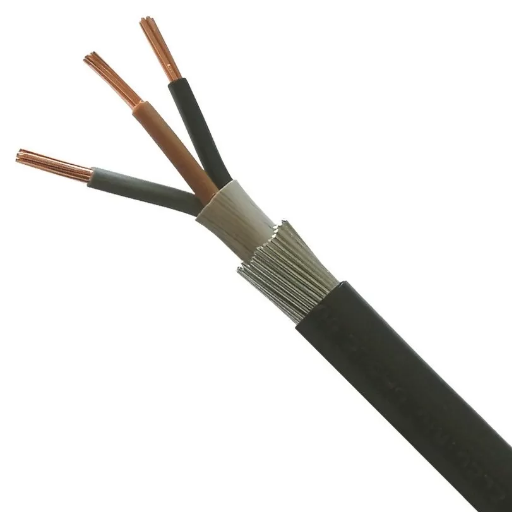
An armored cable type 70 mm is a heavy-duty electrical cable suitable for use in harsh environments because of its impact durability. Its 70 mm segment specification indicates that it can support large electric currents due to its large cross-sectional conductor area. The cable is made with steel wire or tape armoring to provide enhanced protection against mechanical external damage,a nd it is suitable for underground or harsh installation conditions. This cable is commonly used and found in utilities, industries, and businesses for reliable power distribution and performance.
Components of 70mm Armoured Cable
Like other cables, the components of 70mm armoured cables also ensure the reliability, durability, and efficiency of power transmission. These components are:
- Conductor
The cable’s conductor is composed of copper or aluminum, which is a good conductor of electricity. The 70mm cross-section also guarantees the conductor can bear several applications with high electrical loads.
- Insulation
The conductor is encased in an insulation layer made of cross-linked polyethylene (XLPE) or PVC. This layer provides insulation that protects against short circuits and guarantees safety during operations.
- Bedding Layer
A bedding or cushioning layer of PVC (or similar materials) is applied under the armor to protect the insulated cores. In addition to aiding in structural integrity, it prepares the cable for the armor layer.
- Armor
The cable is enclosed in steel wire or steel tape armoring, which allows it to be used underground or in an industrial setting and protects it from physical damage, extreme compression, and severe surroundings.
- Outer Sheath
The last protective cover is the outer sheath, which is made of corrosion-resistant soft PVC and similar materials. This flexible layer protects the cable from harsh environments such as moisture, UV radiation, and chemicals.
Combined, these components give 70mm armoured cable the reliability it needs to function within electrical systems in industries, commerce, and utilities.
Types of Armoured Cables
Different types of armored cables are made depending on their use and their core structure. Some of the common types are as follows:
- Steel Wire Armoured (SWA) Cables
Due to their robust construction, these cables offer greater mechanical protection. They are beneficial for carrying power in mains supply systems and high-load environments.
- Aluminum Wire Armoured (AWA) Cables
These types of cables are efficient in AC systems. The aluminum armor prevents magnetic interference, making AWA cables most useful in single-core power transmission systems.
- Copper Conductor Armoured Cables
Copper displays superior conductivity compared to other materials, which is why these cables are used in critical applications for efficiency and reliability.
- Flexible Armoured Cables
The added flexibility makes these cables ideal for installations that need bending and movement, such as contractors’ or temporary machine installations.
- High Voltage Armoured Cables
Additional layers of armor and insulation help these cables withstand electrical stresses. They are specifically constructed for transmitting high voltages over long distances.
These types of cables contain armored cables for various operational needs, which makes the wires capable of different commercial, industrial, or utility applications.
What are the Advantages of Using 70mm Armoured Cable?
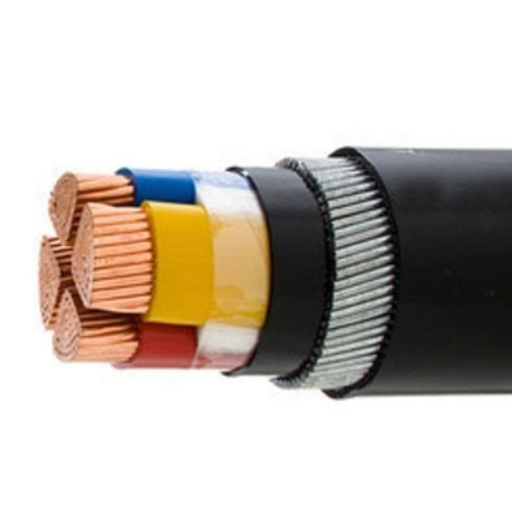
- Durability – Ideal for harsh environments, the cable can withstand mechanical damage due to the protective armored design.
- High Current Capacity—Due to their 70mm cross-sectional area, these cables are capable of efficiently carrying heavy electrical loads.
- Resistance to Environmental Factors – Moisture, heat, and chemicals cannot penetrate the sturdy insulation and armor of the cable, enhancing reliability over time.
- Enhanced Safety—Greater safety measures add more protective layers, which protect high-voltage electrical wires from electrical risks.
- Versatility – Can be used for many purposes, such as industrial, commercial, and even underground works.
All these benefits make 70mm armoured cable a trustworthy option for complex electrical projects.
Durability and Protection
70mm armoured cable is designed to endure extremely harsh environmental conditions without damage. Its robust construction, including a layer of steel wire or aluminum armoring, provides exceptional resistance to mechanical stress, environmental factors, and external impact. This design guarantees protection to the cable even in harsh conditions such as underground installations where the cable faces exposure to soil pressure, moisture, and abrasion. Concerning reliability, the cable’s enhanced protection and durability allow it to withstand various electrical applications, resulting in lower maintenance costs.
Applications in Power Networks
The cable’s reliable performance and robust construction make it a preferred choice in many applications within the power network. These cables are widely used in the following five applications:
- Underground Power Distribution
The Power Distribution cable can be used in residential, commercial, and industrial areas for safe underground electricity distribution installations. It is protected by specific coatings that allow it to withstand moisture and soil pressure over long periods.
- Substations
The connection between electrical substations utilizing these cables is crucial for power transmission and distribution. Their durability and mechanical strength provide a low probability of failure in high-load regimes.
- Renewable Energy Systems
With the occurrence of renewable energy sources, these cables are used in solar and wind farms to transfer generated electricity to the grid or batteries for storage. In these cases, the endurance for different environmental conditions is invaluable.
- Industrial Power Supply
These cables are used by the industry to power heavy machinery and equipment. Their capacity to handle high voltage and current guarantees uninterrupted operation.
- Urban Infrastructure Projects
These cables are essential to related urban development projects, from powering smart city systems to illuminating public spaces. Their protective features guarantee the stability of power delivery in dense and harsh urban environments.
Cost-Effectiveness of Steel Wire Armoured Cable
Steel Wire Armoured (SWA) cables are regarded as highly cost-effective due to their durability, persistent hardships, and life expectancy. Even though the initial investment in SWA cables may seem expensive relative to standard ones, the reduced need for frequent maintenance owing to withstanding harsh environmental conditions brings down operational costs. Their incurable engineering damage also improves operational reliability and reduces system downtimes caused by cable failures, enhancing project value from a maintenance-strained perspective. Businesses and infrastructure requiring uninterrupted operations stand to gain significantly from using these cables, as SWA cables provide steady ROI and aid in investments across options.
How is 70mm 4 Core SWA Cable Constructed?
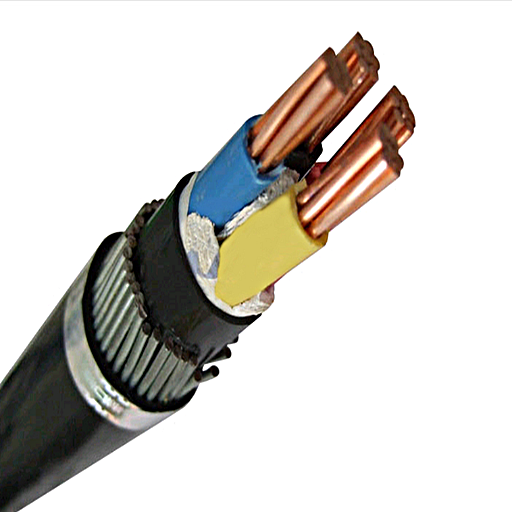
The 70mm 4-Core SWA Cable construction utilizes four copper conductors, housed in an insulated case. These are the primary conduits for transmitting power, conveying it from one region to another. The cores are wrapped in a layer of cross-linked polyethylene (XLPE) insulation to ensure protection. These wires are also protected with steel wire armor (SWA) for additional safeguarding. Covering the entire cable aids in withstanding external elements like moisture, which can adversely damage the copper parts, along with a durable outer PVC Sheath, ensuring extended life and intact copper wires. This construction guarantees trustworthiness and performance even for harsh, demanding conditions.
Understanding Cable Construction
Steel wire armor (SWA) is fundamental in the design of armored cables, offering superb mechanical safeguard and structural sturdiness. Regarding cable design, its acceptance guarantees defense against external impacts, crushing forces, and physical damage during installation or operation, especially in extreme conditions. The SWA also improves the cable’s resistance to tensile stress, essential for industrial or underground installations where cables face significant pulling forces. SWA combines strength and flexibility, making it possible to deploy the wires in many demanding settings confidently, and their performance and durability are ensured.
Insulation Types: PVC vs. XLPE
The two types differ in material composition, thermal stability, mechanical strength, durability, electrical properties, and even acrylonitrile butadiene styrene.
|
Key Point |
PVC |
XLPE |
|---|---|---|
|
Material |
Vinyl |
Polyethylene |
|
Temp. Limit |
70°C |
90°C |
|
Flexibility |
High |
Moderate |
|
Durability |
Moderate |
High |
|
Tensile Strength |
Moderate |
High |
|
Cost |
Low |
Moderate |
|
Moisture Resist |
Moderate |
High |
|
UV Resistance |
Moderate |
High |
|
Applications |
General Use |
Heavy Duty |
Wire Armour and Sheath Details
Wire armouring is one of the sheath components that impacts the functionality and durability of armored cables. The wire armoring of SWA cables, for example, consists of galvanized steel wires that provide mechanical protection against physical damage and tensile stresses. This is critical, especially in places where the cable is subjected to rough handling, severe underground pressure, or direct impact.
The covering is usually made of either PVC or LSZH (Low Smoke Zero Halogen) materials and has several functions. It protects against moisture, chemicals, and UV exposure, which extends the cable’s lifespan, even in harsh environments. In high-safety requirement installations, LSZH sheathing is favored because it reduces dangerous emissions in a fire. Together, the wire armor and sheath provide a dependable and effective solution for diverse industrial, commercial, and outdoor applications.
What is the Difference Between 2-core and 4 4-core armored Cables?
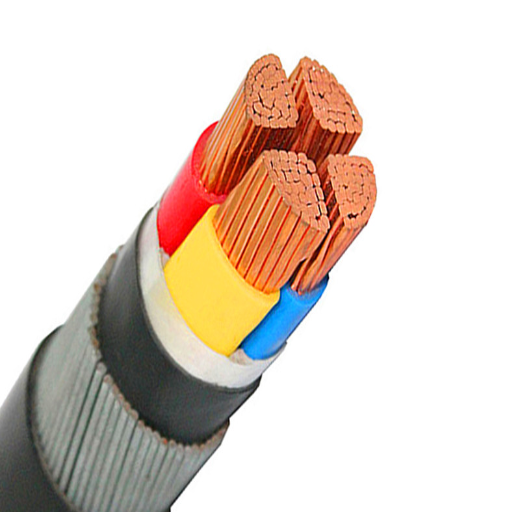
The difference between two-core and four-core armoured cables is mainly in the number of cores they contain and their uses.
- 2 Core Armoured Cable: This cable has two conducting cores and is mainly used for single-phase electrical systems. Typical applications include lighting, small appliances, or simple circuits requiring only a live and neutral conductor.
- 4 Core Armoured Cable: This cable has four conducting cores and is appropriate for use in three-phase electrical systems with an extra neutral conductor. It is mainly used in industrial and commercial sectors that require balanced three-phase connections.
It’s clear that two-core and four-core armoured cables differ in purpose and use, but ultimately, the choice relies on the particulars of the electrical system.
Application Scenarios for 2 Core vs. 4 Core
Single-phase systems work best with 2-core cables, while 4-core cables are designated for more sophisticated or high-powered 3-phase systems.
|
Key Point |
2 Core |
4 Core |
|---|---|---|
|
System Type |
Single-phase |
Three-phase |
|
Neutral Needed |
No |
Yes |
|
Application |
Simpler setups |
Complex setups |
|
Environment |
Residential |
Industrial/Commercial |
|
Power Balance |
Not required |
Required |
Choosing the Right Cable Size
Considering the correct power cables for all devices or appliances is crucial for safety, practical working, and compliance with various electrical standards. Factors for consideration include powwer to cable voltage capacity, current power regulations, cable size, distance from the power supply, and position of the load. Oversized cables can result in ludicrous paying, while undersized power cables pose a risk of overheating. This data mainly applies to the most searched questions revolving around the impact of ambient temperature conditions, the methods of installations, type, and the configurations used in system design parameters, which profoundly impact the performance of cables and connectors used throughout interfaces when paired with varying installation scenarios. Local electrical regulation should help best measure the correct sized cables for any devices.ึ กษ professional help to help devise the electrical connections and connections needed.
Reference Sources
-
DESIGN OF 500kVA, 11/0.415 kV SUBSTATION – Discusses armored cables in substations, including 70mm aluminum and copper cables.
-
Design of 3 phases 50hz 500kva 33/0.4 kv Distribution Substation – Covers cable types, armor, and ampacity calculations for buried cables.
Frequently Asked Questions (FAQs)
Q: What is a 70mm 4-core SWA cable?
A 70mm 4-core SWA cable is a type of low-voltage power cable that consists of four conductors surrounded by steel wire armouring (SWA) for enhanced protection and durability, making it suitable for underground power installations.
Q: What are the advantages of using a SWA armoured cable?
A: The advantages of using a SWA armoured cable include its resistance to mechanical damage, ability to withstand harsh environmental conditions, suitability for direct burial applications, and enhanced safety for power transmission in various settings.
Q: Can a 70mm 4-core SWA cable be used for underground power installations?
A: A 70mm 4-core SWA cable is ideal for underground power installations due to its robust steel wire armouring, protecting it from physical damage and ensuring reliable outdoor performance.
Q: What is the difference between 3 and 4 core armoured cables?
A: The primary difference between three-core and four-core armoured cables lies in the number of conductors; the three-core cable typically consists of three conductors and a neutral, while the four-core cable includes an additional conductor, which can be used for various applications, including control cable functions.
Q: What type of insulation is used in a 70mm 4-core SWA cable?
A 70mm 4-core SWA cable typically features XLPE-insulated conductors, which provide excellent thermal and electrical properties, ensuring effective performance and safety in low-voltage applications.
Q: How does the cable price for a 70mm 4-core SWA cable compare to other armoured cables?
A: The price of a 70mm 4 core SWA cable can vary depending on factors such as length and supplier, but it is generally competitive compared to other armoured power cable options due to its robust construction and long lifespan.
Q: What is the significance of the PVC sheath in SWA cables?
A: The PVC sheath in SWA cables serves as an outer protective layer, providing additional insulation and safeguarding the cable against moisture, chemicals, and physical damage, enhancing its durability for electrical applications.
Q: Are there any specific cable standards for 70mm 4-core SWA cables?
A: Yes, 70mm 4-core SWA cables adhere to specific cable standards that ensure safety and performance, including standards related to insulation, armouring, and overall construction, which are crucial for reliable power transmission.
Q: What are single-core cables, and how do they compare to 4-core armoured cables?
A: Single-core cables consist of one conductor and are typically used in specific applications where only one phase is needed. In contrast, four-core armoured cables provide multiple conductors, allowing for three-phase systems or additional functionalities such as control signals.
Q: How can I purchase a 70mm 4-core SWA cable from a cable supplier?
A: To purchase a 70mm 4-core SWA cable, contact a reputable cable supplier. They can assist you with pricing, availability, and any specific requirements you may have for your electrical project.