







Welding cable ampacity is a critical factor when evaluating high-power electrical generation applications, and paying full attention to it may be the difference between optimized operation and potential hazards. Among the many options available, the 4/0 welding cable stands out as the ideal choice for heavy-duty projects, where it can safely carry extremely high levels of electrical current. What does ampacity stand for? Or, in another form, how can it affect your work? The article explores the concept and then discusses the 4/0 welding cable ampacity and its rating, along with the various scenarios where the cable truly comes into its own. Whether you are a welding professional, an electrical contractor, or an amateur looking to learn more about these cables, you will find everything you need to make an informed decision on how to handle these units effectively. Stay on course as you start gaining insight that will be of utmost help in confidently selecting and employing 4/0 welding cable.
Introduction to Welding Cable and Ampacity
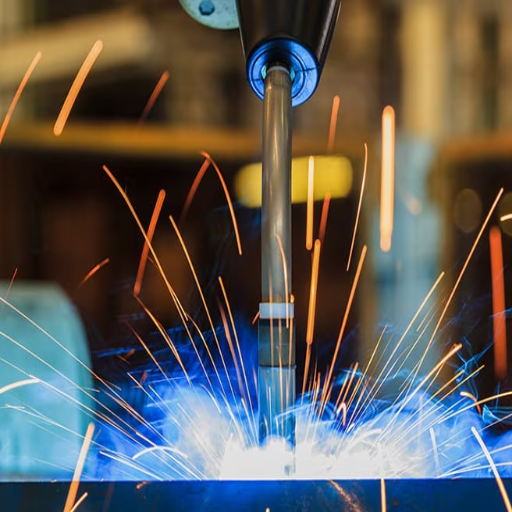
The welding cable is a flexible and durable electrical conductor used in the field of electrical power transmission from a welding machine to a welding device. Its ampacity, or current-carrying capacity, depends on several factors, such as cable size or gauge, type of insulation, and the nature of the operations. Generally, a 4/0 welding cable can carry a maximum current of 405 amps under specified conditions, making it commonly used for many heavy-duty applications. Such wires are highly valued because they provide a highly flexible duct, can resist heat, and also have a strong insulating layer, which then renders them excellent cable choices for both industrial and residential applications in welding. Knowledge of the ampacity and material characteristics of welding cable is thus crucial when it comes to making any application safe and efficient from both electrical and welding perspectives.
What is Welding Cable?
Welding cables are flexible, rugged, and insulated electrical conductors designed for welding applications in arduous conditions. Being made of fine copper strands, welding cables provide excellent conductivity and flexibility; thus, their practical use occurs when the cables need to be frequently moved or bent into tight spaces. Typically, the outer jacket of welding cable consists of EPDM (ethylene-propylene-diene monomer) rubber or neoprene, which provides resistance to abrasion, oil, heat, and weather.
Welding cables are available in various sizes and amperages to accommodate machines with different current requirements. Sizes are primarily determined by AWG (American Wire Gauge), although sizes such as 2/0 or 4/0 are designed to carry higher current loads. For instance, 4/0 welding cables are typically rated at around 405 amps, depending on the temperature and length of the run. They were also made voltage-drop resistant to aid in efficient power transfer.
It is also highly versatile and can be used for purposes other than welding; for example, it can power battery chargers, solar setups, or heavy-duty electrical systems. Being very tough, they serve well in various environments. Therefore, selecting the right welding cable is a crucial step for both electrical and mechanical work. Hazard identification is the first step in choosing the appropriate welding cable for a specific installation. This incorporates amperage requirements, the length of the cable run, and environmental considerations, among other factors, to ensure safety and efficiency.
Defining Ampacity
Ampacity is the current-carrying capability of a conductor sufficient not to exceed its temperature rating. It is an essential factor that ensures the performance and safe operation of electrical systems, including welding cables. The ampacity of a conductor is affected by several factors, including conductor material, insulation type, cable size, ambient temperature, and installation conditions.
For instance, a copper welding cable usually can carry more current than an aluminum-type cable of the same size, owing to the high conductivity of copper. For general reference, a 2 AWG copper welding cable has an ampacity of approximately 200-230 amps, considering the most common types of insulation and normal ambient temperatures. However, a longer cable length or interfacing with a greater ambient temperature would reduce the ampacity due to performance degradation caused by heat or increased resistance. Similarly, for cables enclosed behind closely spaced panels, a derating factor must be applied to compensate for the increased risk of overheating.
To ensure efficiency and safety, the ampacity rating of a cable is determined based on the application’s requirements, taking into account all other relevant environmental factors. Along with these, standard charts and tables are typically available for reference to determine the correct cable size for a specific amperage requirement, which prevents heating, voltage drop, or insulation failure in the system.
Importance of Ampacity in Welding
Ampacity plays a vital role in welding operations, as it determines the performance, safety, and efficiency of the welding systems. Welding may require a high amount of current, sometimes exceeding 200 amps. Selecting a cable with a particular ampacity enables the cable to withstand the current demand, thereby avoiding issues related to overheating, which can cause equipment damage, operational failure, or even pose hazards.
The length of the welding cable, for example, has a direct effect on its ampacity. Long wires can cause high resistance, which can also conceal voltage drops and reduce the welding arc’s efficiency. Hence, there is a need to consider ampacity in connection with welding cable length; similarly, all cable connections should be rated appropriately and made securely. For 200 amps of welding, a 1/0 AWG cable tends to perform well for distances up to 50 feet, while longer distances require a larger cable to maintain its capability.
Incidentally, factors such as high ambient temperatures and exposure to substances that degrade the insulation further affect the ampacity, and suitable corrections must be applied to account for these factors. Good practice involves, therefore, consulting industry references such as the American Welding Society (AWS) specifications or the National Electrical Code (NEC) tables for recommendations on selecting the correct cable specification under load and field conditions. The practical application of such measures assures welding systems that are safe from hazards, reliable, and operating at their best.
Understanding Ampacity Ratings
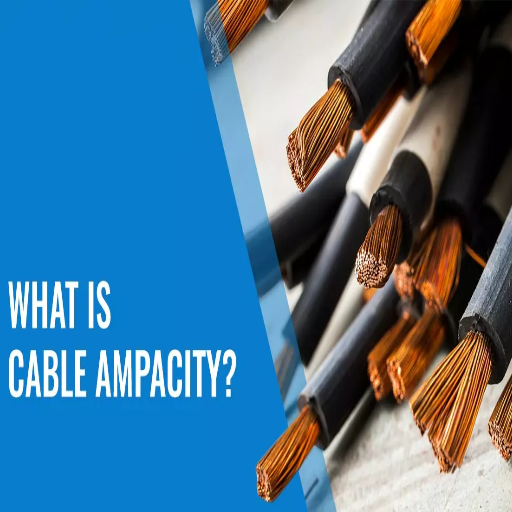
The upper limit for the amount of electric current passing through a conductor is when it begins to overheat and consequently suffers damage. Thus, the companies capable of determining a conductor’s ampacity are conductor material, size, type of insulation, ambient temperature, and installation circumstances. A proper selection of cables based on ampacity ensures the safe and efficient operation of the systems, whereas exceeding this limit can lead to overheating, equipment failure, or hazards.
Factors Influencing Ampacity Ratings
The following are some essential elements that affect the ampacity ratings of electrical conductors. These directly bear upon the ability of conductors to handle current safely and efficiently:
Conductor Material: The selection of material for a conductor is a critical factor affecting ampacity considerations. Copper and aluminum are among the most common materials used; copper tops in conductivity. To cite an example, copper typically has a higher ampacity than aluminum; therefore, a copper conductor uses a conductor with a smaller diameter for the same current capacity. This makes copper desirable for applications that require high performance and small size.
Conductor Size: The electric resistance of a conductor decreases as its cross-sectional area increases, and thus, it can carry a greater amount of current safely. By way of example, a conductor with a cross-section of 10 mm2 possesses the capacity to have a lower current than a conductor with 25 mm2, assuming all other conditions are equal. The size is supposed to conform to the load being resisted so that it shall not overheat.
Insulation Type: Insulation affects the thermal capacity of the conductor. Good insulation materials, such as XLPE (Cross-linked Polyethylene) or PVC (Polyvinyl Chloride), are resistant to high temperatures, allowing the conductor to carry higher currents without degradation. XLPE insulated cables can usually operate at 90°C, which is higher than the much lower temperature limit applicable to standard PVC.
Ambient Temperature: A higher ambient temperature reduces the heat dissipation capacity of a conductor, thereby affecting the ampacity. Standard ampacity tables provide correction factors for ambient temperatures exceeding 30°C. For example, in areas where the ambient temperature reaches 40°C, derating factors are applicable to ensure safe operation.
Installation Conditions: The environment and installation conditions are crucial for effective heat dissipation. There is a chance of lowering ampacity in underground installations due to heat accumulation unless the conductors are laid in special ducts, where certain materials facilitate cooling. In contrast, aerial installations shall utilize natural air circulation for heat dissipation.
Proximity to Other Conductors: The bundling or proximity of conductors causes mutual heating and diminishes their overall ampacity. Appropriate spacing or derating procedures must be considered.
By considering all relevant factors, engineers and electrical designers can ensure that cables are sized correctly and installed to maintain safe, efficient, and reliable operational electrical systems under various environmental and operational conditions.
Standard Ratings for 4/0 Welding Cable
4/0 welding cables are considered flexible, heavy-duty cables widely used for welding, as they are capable of transmitting large current loads with efficiency. The ampacity of the 4/0 welding cable can depend on several factors, including insulation type, ambient temperature, and installation conditions. Typically, a 4/0 welding cable with superior-grade EPDM or neoprene insulation is rated for 600 volts and can carry a continuous current of 310 to 400 amps under optimal conditions.
For standard welding applications, the duty cycle is of paramount importance. At a 60 percent duty cycle, which may be considered a standard operating parameter, the 4/0 welding cable would perform satisfactorily, i.e., it would not overheat. Other favorable construction features would include flexibility and outer jacket durability, ensuring it can withstand rugged environments, including abrasion, oil, and contaminants. It is also worth noting that when using 4/0 welding cable, specific manufacturer ratings must always be taken into account, as well as compliance with local and industrial safety standards for the particular application.
Comparing Different Wire Sizes
Several factors come into play when selecting the wire size for an application, including amperage rating, voltage drop, and the total length of the wire run. Usually, wire size follows the American Wire Gauge (AWG) scheme, where, according to it, the smaller the gauge number, the thicker the wire and the more current it can carry.
For instance, a 6 AWG can be used for medium-duty applications, capable of handling up to 65 amps under typical applications, whereas an 8 AWG generally carries about 40 amps. A 2 AWG wire can carry 115 amps and, therefore, is used in heavier industrial applications. For extremely heavy-duty applications, the 4/0 AWG wire, which holds approximately 380-400 amps, is at the top of the list, offering excellence in heavy welding and heavy-duty power distribution applications.
Then comes excessive voltage drop, which is caused by resistance in the wires. The voltage drop will be significant over longer wire distances, so a thin wire would never qualify as efficient or safe over long distances. For example, considering a 100-foot wire run under the same load, the 10 AWG wire will have more voltage drop than the 8 AWG wire; thereby, choosing the latter will result in a lower power loss over long distances.
The next factor to consider is the wire insulation rating. For example, some wires have insulation suitable for automotive or outdoor applications, which must withstand high heat, moisture, and oils. Knowledge of the parameters for every wire size would guarantee not only acceptable performance but also safety and compliance.
By charting wire sizes with their specific features, users can confidently choose the right one according to the unique demands of their project, balancing electrical efficiency, safety, and cost-effectiveness.
Applications of 4/0 Welding Cable
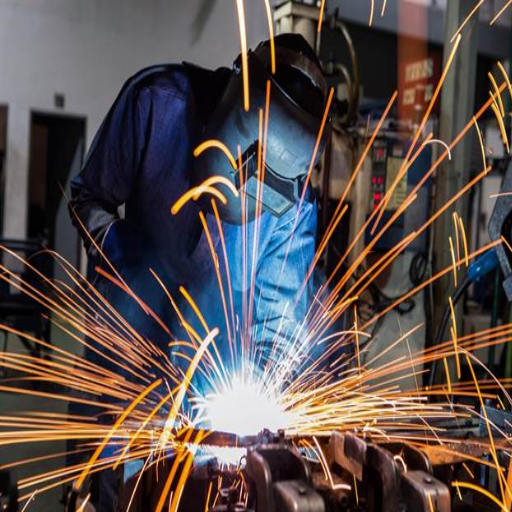
Four-zero welding cable is usually applied in heavy-duty transmission work. For connecting welding machines to electrodes and giving a good flow of electricity, it would be perfect. It could also be used for the battery cable connections of industrial or automotive processes where excellent conductivity and flexibility are paramount. A truly sturdy design is required for these environments while still being able to carry huge currents.
Common Uses in the Industry
4/0 welding cable is widely used across various industries due to its excellent conductivity, flexibility, and durability. One of the most common applications is in welding, where it is a critical component in connecting arc welding machines to electrodes, carrying high currents and temperatures, thus ensuring performance in industrial and construction settings where heavy-duty welding is involved.
More so, it is essential in automotive and marine work for battery connections. The cable caters to high-amperage systems, allowing power to be transferred without a hitch in trucks, heavy-duty machinery, marine applications, and off-road vehicles. Additionally, the rigid insulation makes it resistant to oil, grease, and abrasion, which further enhances its suitability for such challenging applications.
Another application is renewable energy systems, such as solar panel arrays and wind energy systems. The cable plays a crucial role in the efficient transfer of power from energy storage systems to inverters or other tie-in equipment. Research shows that 4/0 welding cable supports up to 405 amps at a 100% duty cycle, making it an ideal candidate for high-energy systems.
Lastly, it is extremely easy to work with, and its flexibility lends itself well to temporary power provisions such as in event production and emergency backup schemes. Its use across a wide array of applications will signify its worth to any industry that requires a rugged and high-performance power transmission solution.
Residential vs. Industrial Applications
When discussing the industrial and residential applications of 4/0 welding cable, significant distinctions emerge in terms of scale, power requirements, and the need for durability. In terms of residential use, 4/0 welding cable is commonly used and installed between backup generator operations, solar-based systems, or other types of medium-scale power systems. Since power requirements are usually between 100 and 200 amps of the entire system in homes, and considering the cable can handle loads of 405 amps at a 100% duty cycle, it is highly reliable to use for such installation, especially under high-demand scenarios such as powering HVAC systems, electric vehicle chargers, and so forth.
Industrial applications require significantly higher power capacity and greater durability. 4/0 welding cables are used in industrial environments for heavy machinery, power distribution boards, and large-scale renewable energy systems, such as wind turbines or commercial solar farms. With industrial machines requiring 300 amps or above for continuous operation, the high ampacity and ruggedness of 4/0 welding cable assure them of safety, reliability, and efficiency during constant use. It also guarantees resistance to very high temperatures, oil, and abrasion, which constitutes an advantage for entering industrial environments that can be pretty hostile, such as construction sites or manufacturing plants.
These differences illustrate an essential feature of 4/0 welding cable: its capability and performance enable it to serve the needs of a broad spectrum, whether for domestic conveniences or heavy-lifting industrial work. Understanding this can help users select the correct type of cable for a given application.
Choosing the Right Cable for Your Needs
Choosing a suitable cable involves several key factors that must be carefully considered to ensure both safety and optimal performance for your specific application. Start by considering the amperage required for your equipment. For instance, a 4/0 welding cable is rated for a full capacity of 405 amps at 50 feet and is suitable for heavy equipment operating with high power requirements. Lesser-rated equipment will be down at lower-gauge cables, either 2/0 or 1/0.
The next consideration is the working environment. In outdoor or extreme weather conditions, a cable insulated with materials like EPDM rubber is required. Such insulation would prevent the cable from being degraded by the effects of UV radiation, water, or oil. The cable should also be flexible in applications where constant movement is required.
Whether it’s a voltage drop or long-distance runs, use a voltage drop calculator to find a cable with the least drop possible that also meets your equipment requirements. Thicker cables (with thinner gauge numbers) are your best choice against voltage drops for longer runs.
Finally, verify that the cable meets any industry-specific standards and certifications, such as those from Underwriters Laboratories (UL), to confirm it complies with relevant safety and performance guidelines. After duly analyzing your specific considerations, it should enable you to choose the cable best suited for your needs.
Temperature Ratings and Their Impact

Cables have their temperature ratings, which are pivotal in cable selection, as they specify the maximum and minimum temperatures at which a cable can operate safely. Operating outside the temperature rating range can cause insulation failure or performance issues, including safety hazards or the risk of fire. Keep in mind that a cable must have a temperature rating suitable for or exceeding the conditions of exposure, which include radiant heat sources or extreme cold. This ensures assurance of capability, safety, and standard operational measures.
Understanding Temperature Ratings
The cable temperature rating is a specific temperature range within which the cable can maintain its good and efficient working capability. For example, many general PVC-insulated wires are rated to work between temperature ranges of -15°C (5°F) to 70°C (158°F), while special wires, such as those with silicone rubber or Teflon insulation, are rated for extreme temperatures of -65°C (-85°F) to 200°C (392°F) and above. These ratings are based on tested data to ensure the materials of insulation and sheathing remain stable under various conditions.
When selecting a cable, it is also essential to consider environmental factors such as ambient temperature, heat from nearby equipment, or direct sunlight. For industrial or outdoor environments where temperature fluctuations are considerable, cables with high-temperature ratings, such as XLPE-insulated or mineral-insulated cables, are preferred. Additionally, considering international standards such as IEC and UL ensures that the cable’s performance is verified for a specific temperature application. Selecting temperature ratings implies considering factors that can enhance the environment, ensuring durability, safety, and efficiency, especially in complex environments.
Temperature Effects on Ampacity
Temperature plays a crucial role in determining the ampacity, or current-carrying capacity, of cables. When a cable is installed in an environment with elevated temperatures, its ampacity decreases to a certain extent due to increased electrical resistance and potential insulation degradation. PVC-insulated wires are known to exhibit a marked decrease in ampacity at temperatures above 75°C. In contrast, XLPE-insulated cables can generally endure temperatures up to 90°C or higher, retaining their ampacity better under the same conditions.
For example, depending on its construction and insulation types, a cable with a nominal ampacity of 30 Amps at an ambient temperature of 30°C may be derated to a range of 21 to 24 Amps at 60°C. This derating factor is of utmost importance in ensuring that the cables do not overheat or begin early failure in hotter environments or when placed adjacent to heat-producing objects.
Installations in grouped configurations or inside conduits further contribute to heat buildup, resulting in a more significant reduction in ampacity. Standards such as IEC 60287 or regional guidelines provide derating tables and correction factors to determine the actual ampacity in those cases. Temperature planning and adjustments must be carried out duly to ensure system efficiency and prevent overheating, especially in critical industries such as power generation, processing plants, and renewable energy installations.
Recommendations for Safe Usage
Conduct Accurate Load Calculations: The calculation of load should be carried out with precision to determine the current-carrying capacity of the cables accurately. Overload might cause the cable to heat up, thereby reducing its life. In high-temperature environments, ampacity values should be corrected by applying temperature adjustment factors, as specified in reference standards such as IEC 60287.
Use Derating Factors Based on Installation Conditions: Heat dissipation is reduced for cables laid unearthed inside conduits, ducts, or tightly packed trays. It is very crucial to apply relevant derating factors. For instance, Westinghouse Research Laboratories has published data showing that ampacity can be reduced by up to 50% when environmental conditions provide few opportunities for airflow or permit a relatively high ambient temperature.
Choose Cables with Proper Insulation Materials: The cable should have insulation rated for high temperatures, such as XLPE, for installation in a high-heat environment. For example, XLPE insulated cables can generally maintain a temperature of 90°C under continuous operation and withstand a short-term overload temperature of up to 250°C.
Regular Maintenance and Thermal Monitoring Systems Are to be employed. Use infrared thermography and other thermal monitoring techniques to identify the locations of hot spots and signs of degradation along the cables. There are reports from industries of a 40% reduction in cable failures whenever thermal monitoring is regularly implemented, as potential problems are identified well before they cause critical damage.
Ensure Proper Cable Routing: Avoid running cables in thick bundles or through confined spaces without sufficient ventilation. It has been demonstrated that increasing the spacing between wires by 10 mm results in improved heat dissipation and an approximate 20% increase in ampacity.
Consult Updated Code Standards and Guidelines: Periodically examine and compare installation practices against the latest updates from international and regional standard organizations. For instance, IEC, IEEE, and NEC standards are frequently updated to incorporate advances in materials, technology, and environmental considerations.
Observing the recommendations greatly improves the safety, operational life, and technical environmental acceptance of cables.
Industry Standards and Specifications
Consistency and safety are the principles that these standards and specifications adhere to in the design, installation, and maintenance of electrical systems and components. Organizations become compliant with regulatory requirements, achieve operational efficiency, and are less prone to system failures when they adhere to these standards, namely IEC, IEEE, or NEC. The standards essentially outline the guidelines for materials to be used, the methods to be employed, and the protocols to be enforced, thereby enabling an industry to establish uniform practices. A common framework for innovation can thus promote the interoperability of standards and provide a further boost to technology growth.
Key Specifications for Welding Cables
Some necessary specifications must be checked to ensure the welding cables perform efficiently, are safe to use, and are compatible with your equipment:
Cable Size (Gauge): The amperage capacity of cables decreases as the gauge increases, meaning that using a wire with a lower gauge number for a higher-amperage welding job would reduce the length of work required to achieve the desired voltage drop.
Insulation Material: High-quality and more durable insulation is achieved through welding cables. It is mainly of EPDM or neoprene insulation, which retains flexibility while resisting weather, oil, grease, and abrasion.
Temperature Rating: The temperature rating of the welding cable indicates the maximum temperature that the cable can safely withstand during operation. Welding cables with higher temperature ratings provide safer operations in highly demanding environments.
Flexibility: Flexibility is a key consideration when considering welding cables due to their dynamic nature. Stranded copper conductors and soft insulation allow for easy movement of welding cables.
Voltage Drop Considerations: A voltage drop must be kept at a minimum, as an increase in voltage drop over longer cable runs can adversely affect welding performance. Good gauge selection and quality materials go a long way in alleviating this problem.
Durability and Environmental Suitability: Welding cables should be selected based on the specific working environment. Choose cables that resist degradation by moisture, UV radiation, or chemicals.
By taking these specifications into account, users can optimize welding performance for safety and ensure the cable’s longevity for various applications.
Compliance with Industry Standards
Welding cables used in different applications must comply with industry standards for their reliability, safety, and performance. Such organizations set clear standards regarding materials, construction methods, and performance requirements for welding cables. These organizations include the IEC, the American Welding Society, and UL.
For example, in flexible cords and cables, including welding cable insulation, testing criteria are specified in UL 62, which also addresses temperature resistance. Meanwhile, IEC 60245 defines rubber-insulated cables, providing classifications and requirements for resistance to mechanical stress and environmental exposure. The standards also require minimum voltage ratings, typically ranging from 300V to 600V, and establish limits on the acceptable current-carrying capacity, depending on the conductor size and type. Apart from making operations safer, these standards also extend the life of welding tools.
Furthermore, welding cables built for environments where temperatures drop below zero degrees Celsius or rise to thousands of degrees Celsius demand even further certification, such as ASTM B172 for flexible copper conductors. Manufacturers seeking the best performance capabilities may look for after-products certified by third-party organizations, such as ISO, for an added layer of credibility, including in the manufacturing processes and materials. Ensuring this compliance ensures both the safety of the worker and the consistency in welding operations across industries.
Future Trends in Welding Cable Specifications
From my perspective, future trends in welding cable specifications will likely focus on providing greater durability, increased temperature resistance, and enhanced environmental sustainability. More manufacturers are incorporating advanced materials to enhance a cable’s flexibility and durability in even the most demanding working conditions. Conversely, the environmental aspect has come into sharp focus due to the demand for wires that adhere to greener production standards to minimize environmental pollution. Such developments will serve the current industrial needs for cables while also contributing to the global goal of sustainable and efficient manufacturing.
Reference Sources
Frequently Asked Questions (FAQs)
What is the ampacity of the 4/0 welding cable according to industry specifications?
The ampacity of 4/0 welding cable typically ranges around 315 amps for applications that require a high-current supply. This rating considers the cable’s ability to carry current without overheating in various environments, including harsh industrial settings.
How does the temperature rating of a 4/0 welding cable affect its performance?
The temperature rating of a 4/0 welding cable is crucial, as it determines the amount of current the cable can safely handle without degrading. With a copper temperature rating, the cable is suitable for use in environments where high temperatures may be present, such as outdoor events or industrial welding applications.
What types of 4/0 welding cables are available for different applications?
There are different classes of 4/0 welding cables, including Class K and Class M. Class K welding cables are commonly used for applications that require flexibility and durability. In contrast, Class M cables are designed for high-temperature environments. Each type has specific applications in industries ranging from construction to marine uses, like boats and ships.
Can 4/0 welding cable be used for battery banks and generators?
Yes, 4/0 welding cable can be effectively used in battery banks and generators, especially in setups that require high-current connections. Its robust construction allows it to handle the demands of portable generators and stationary power sources, ensuring reliable performance in various configurations.
What is the significance of using a 4/0 welding cable for temporary setups?
The 4/0 welding cable is handy for temporary setups, such as outdoor events or construction sites. Its flexibility and durable insulation enable it to withstand harsh conditions while providing the necessary power for equipment such as welders, winches, and other high-current devices.
How does the price of 4/0 welding cable compare to other types?
The price of a 4/0 welding cable may vary based on its class and specifications. Generally, due to its high ampacity and durability, it may be slightly higher than standard cables. However, the investment pays off in terms of performance and reliability, especially for industrial welding and heavy-duty applications.
Is 4/0 welding cable suitable for use with solar or wind farms?
4/0 welding cable is suitable for solar or wind farms, particularly in connecting generators and external power systems. Its ability to handle high-current applications makes it an excellent choice for wiring and ensuring efficient power transfer in renewable energy setups.
What role does the 4/0 welding cable play in circuit protection?
The 4/0 welding cable plays a vital role in circuit protection by providing a reliable pathway for current flow while minimizing the risk of overheating. When used with appropriate clamps and switches, it can effectively protect circuits from outages caused by overloads, ensuring safety in industrial and commercial applications.